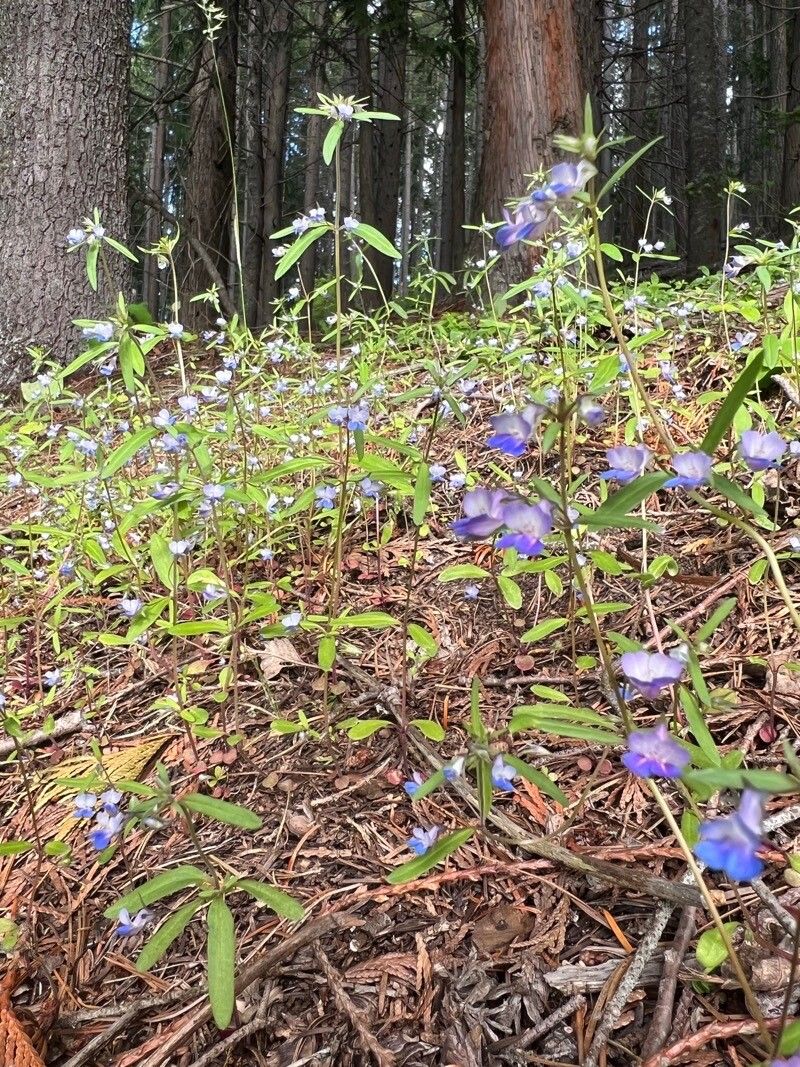
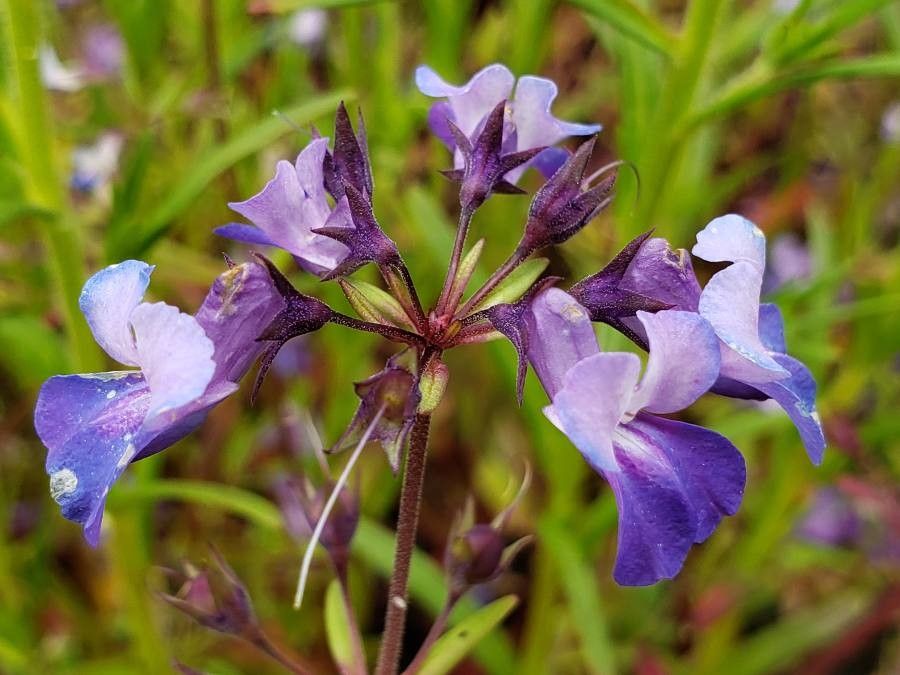
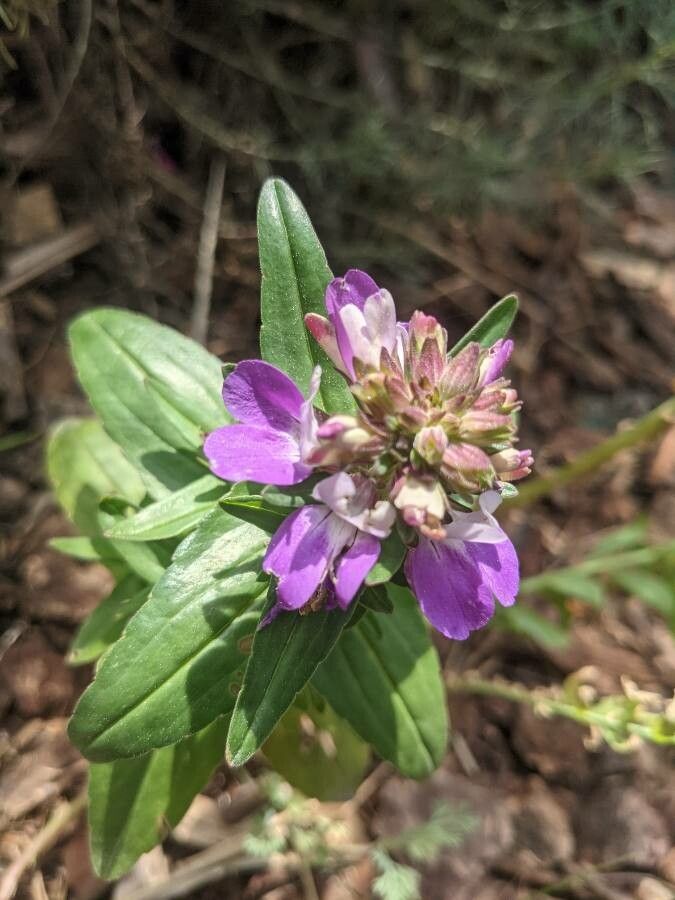
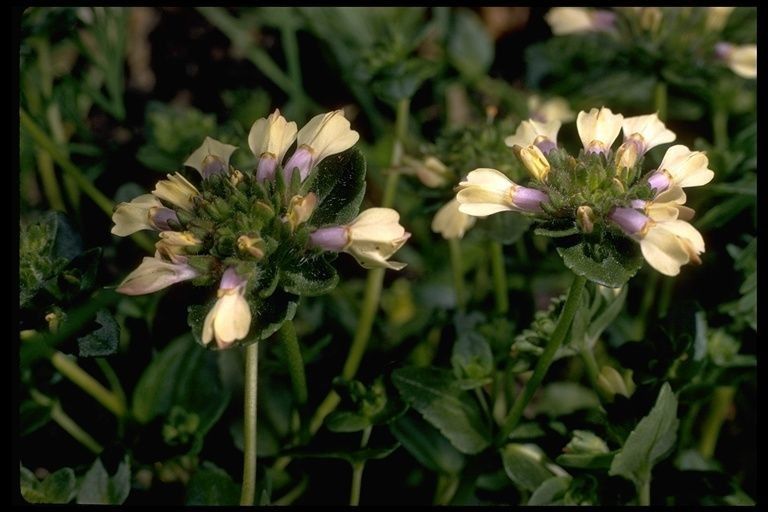
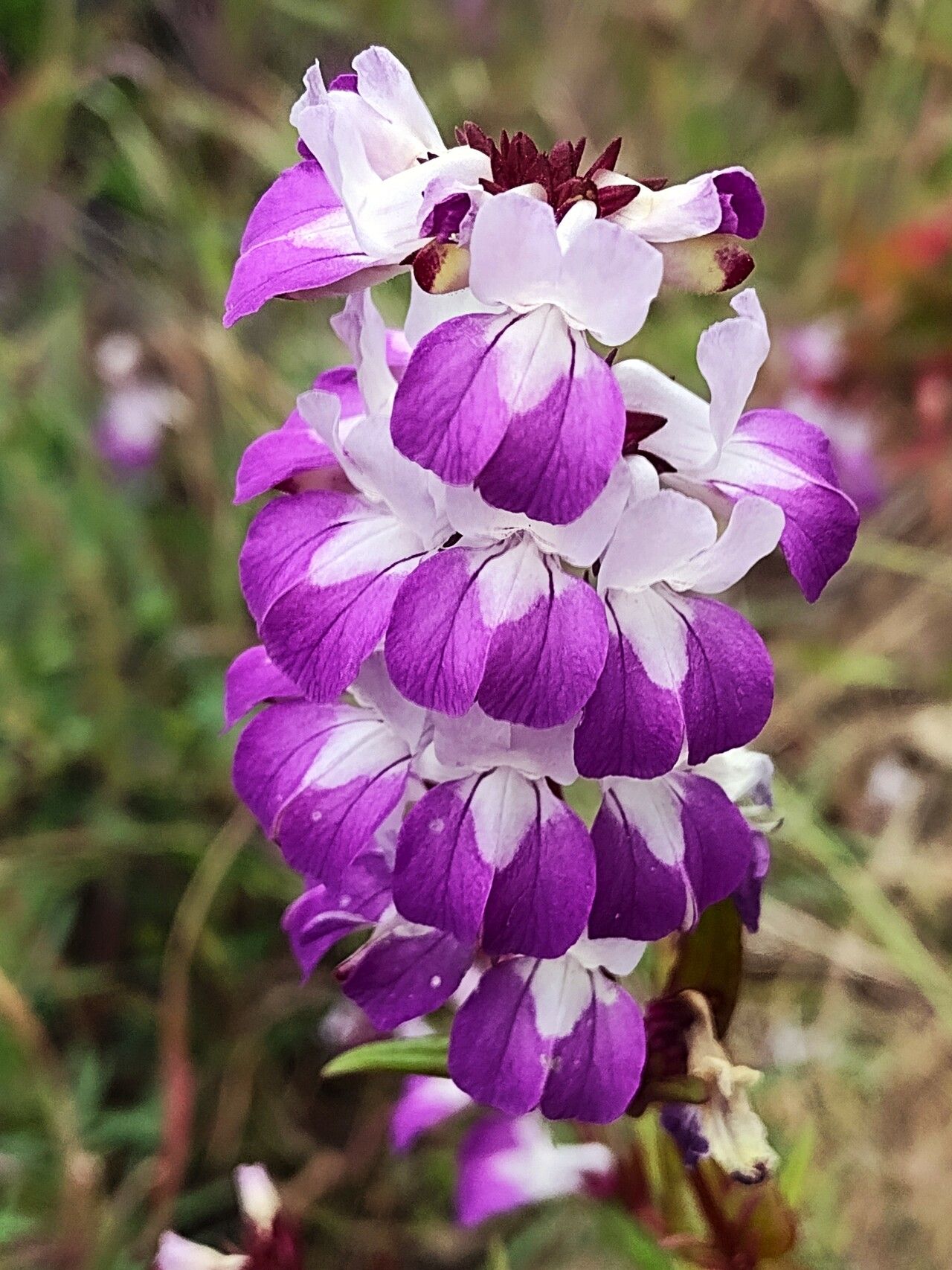
Collinsia grandiflora is a species of flowering plant in the plantain family known by the common names giant blue eyed Mary and large-flowered collinsia. This wildflower is native to western North America from British Columbia to northern California where it grows in coniferous understory and woodland.
Giant blue eyed mary has strong disease resistance and is generally not likely to suffer from illnesses. Still, it can be vulnerable to pests and diseases found in its environment, though such problems are typically mild. Regarding maintenance, this plant is moderately demanding. It should be pruned on a regular basis to preserve its appearance and support healthy growth. Applying fertilizer can also encourage more blooms. Giant blue eyed mary is well suited for anyone with outdoor space, like a garden or patio, and does not need extensive care experience. It may, however, demand greater attention when cultivated indoors.
How to keep Collinsia Grandiflora.
Light
Giant blue-eyed mary is native to habitats with dappled sunlight, such as forest understories or rocky sites that provide natural shade. It does well in partial sun but can also adapt to full sun conditions.
Temperature
Giant blue eyed mary can tolerate a wide range of temperatures, but its range may still be constrained by particular combinations of moisture and heat. It grows best in warm summer conditions with sufficient rainfall or regular watering. Extended stretches of cloudy, rainy weather or prolonged high temperatures can raise the chances of Giant blue eyed mary dying. During winter, adequate protection from cold improves the plant's survival rate.
Fertilizer
After Giant blue eyed mary has opened most of its blooms to full size, resume fertilizing. When the blooms are at their peak, apply fertilizer every three to four weeks, weather permitting. Once Giant blue eyed mary begins producing fewer new blooms, stop fertilizing; there's no need to feed the plant when it can no longer produce additional blooms.
Pruning
The giant blue-eyed Mary, a perennial known for its deep blue flowers, flourishes with pruning from early to late spring. Important techniques include deadheading, tidying up leggy growth, and removing damaged stems. These practices promote vigorous growth and enhance blooming, resulting in a more visually appealing display.
Botanical profile.
- Plant Type
- Herb
- Life Cycle
- Annual
- Genus
- Collinsia
- Family
- Plantaginaceae
- Hardiness Zone
- 6-9
- Mature Height
- 10 cm to 40 cm
- Mature Spread
- 15 cm to 30 cm
- Leaf Color
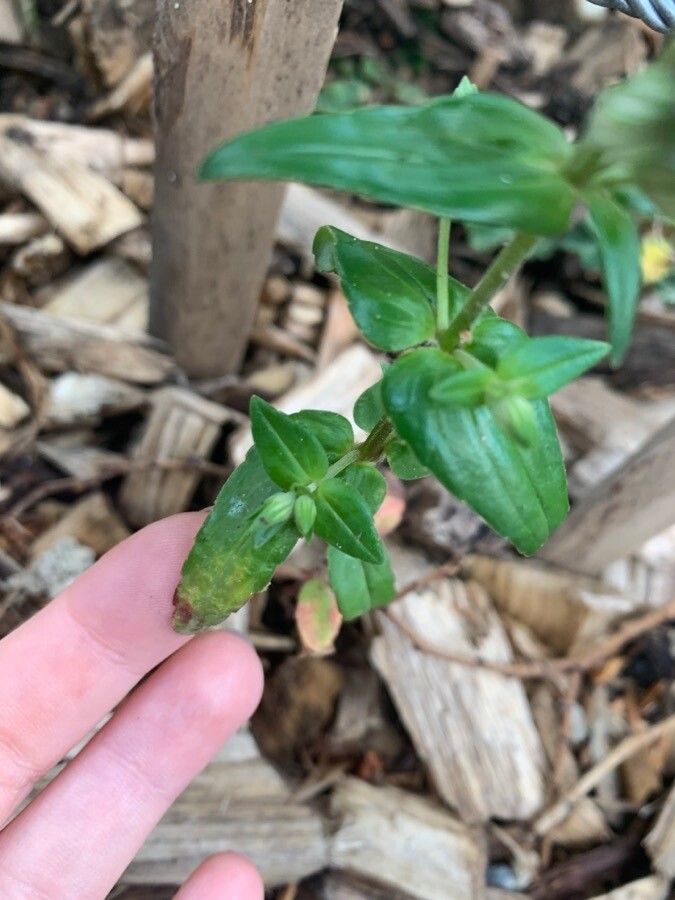
- Green, Dark Green
- Leaf Type
- Deciduous
- Flower Color
- Blue, White, Purple
- Flower Size
- 1.02 cm to 2.03 cm
- Bloom Time
- Mid spring, Late spring
- Planting Time
- Spring, Summer
- Harvest Time
- Early summer, Mid summer
Other names.