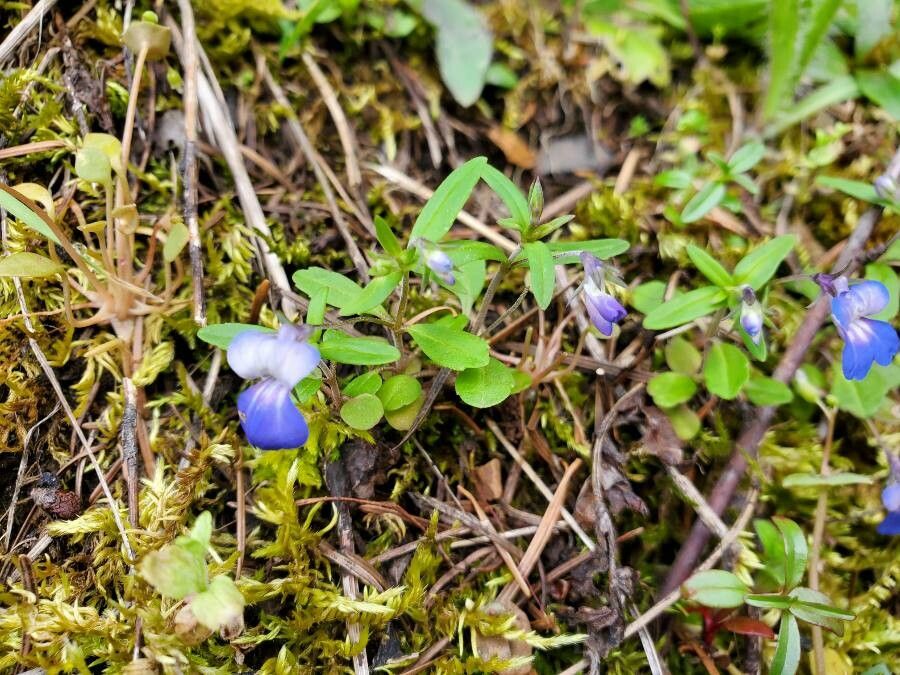
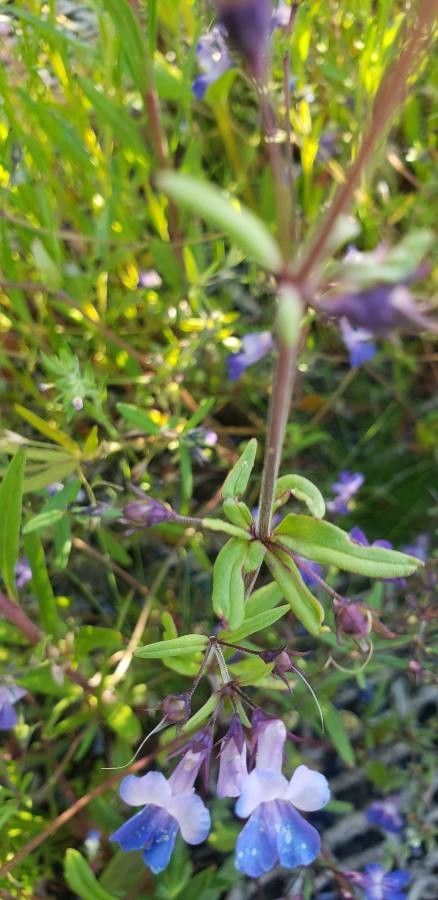
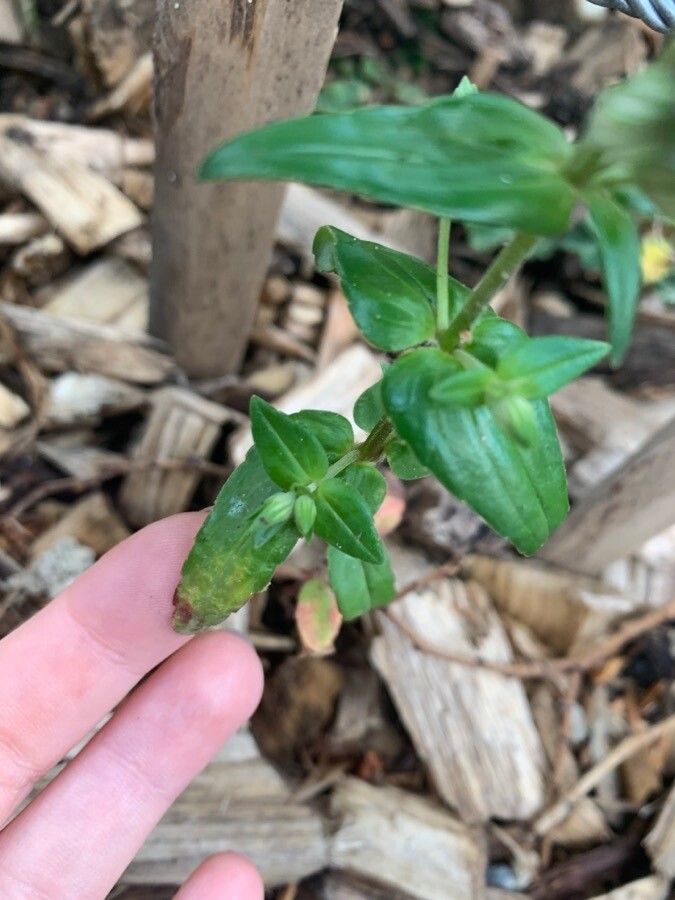
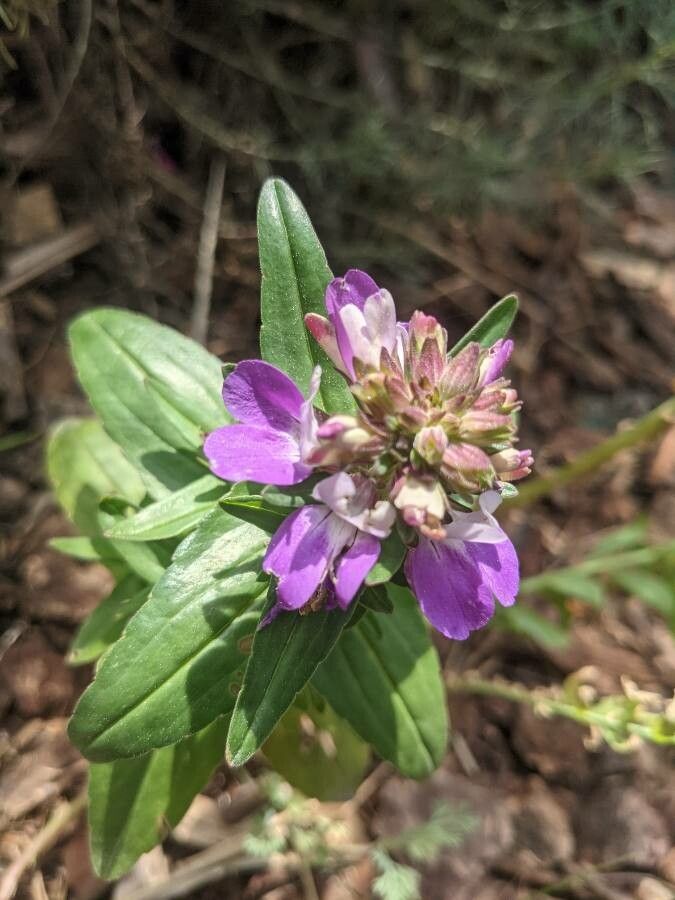
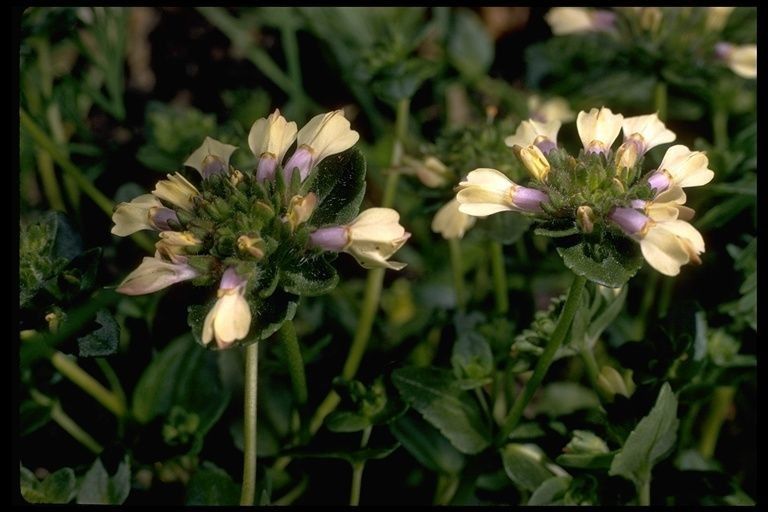
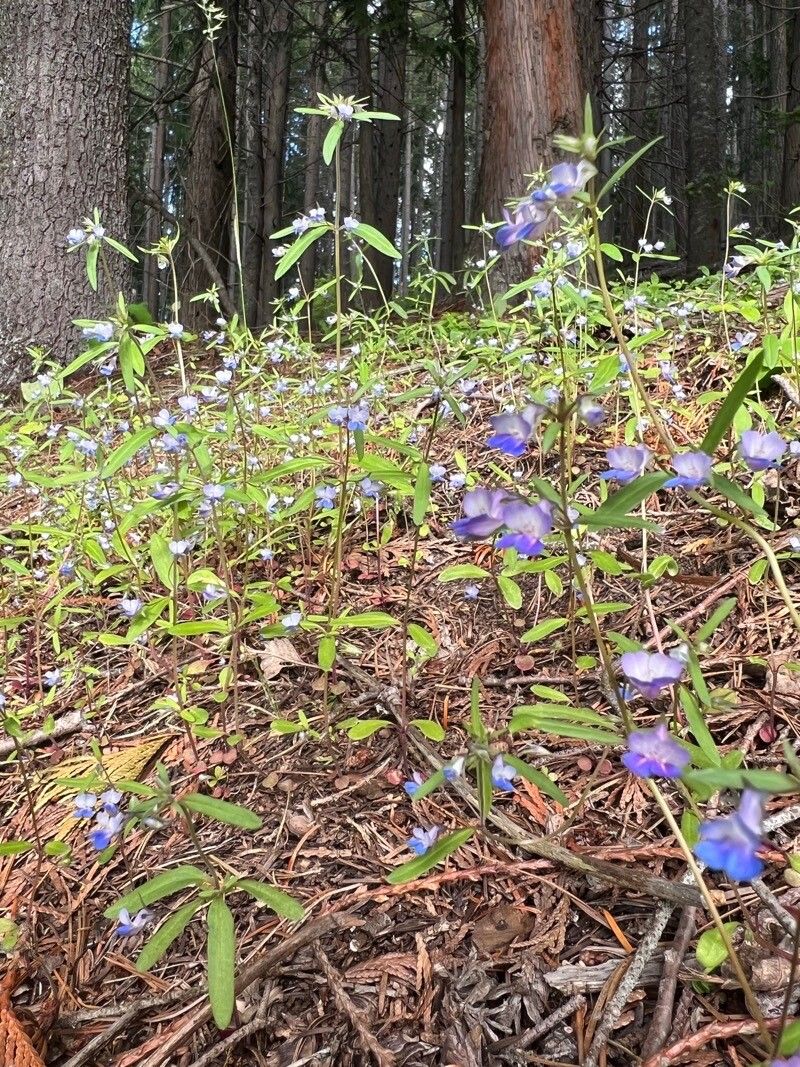
Collinsia parviflora is a species of flowering plant in the family Plantaginaceae (previously Scrophulariaceae) known by the common names maiden blue eyed Mary and small-flowered collinsia. This tiny wildflower is a common plant throughout much of western and northern North America, where it grows in moist, shady mountain forests.
Maiden Blue Eyed Mary is fairly disease-resistant and is usually not prone to illnesses. However, it can be vulnerable to pests and diseases present in its environment. These infections tend to be mild. In terms of care, the plant requires moderate maintenance. It should be pruned regularly to keep a neat appearance and support healthy growth. Fertilizing can also help encourage flowering. Maiden Blue Eyed Mary suits anyone with outdoor space, such as a garden or patio, and does not demand extensive care experience. It may need more attention if grown indoors.
How to keep Collinsia Parviflora.
Light
Maiden Blue Eyed Mary is native to habitats with dappled sunlight, like forest understories or rocky spots that provide natural shade. It performs best in partial sun but can also adapt to full-sun conditions.
Water
Maiden Blue Eyed Mary thrives in moist woodland environments and requires regular watering to maintain proper soil moisture without becoming waterlogged. To achieve this balance, water the plant once a week. Although typically grown outdoors, during its growing season, Maiden Blue Eyed Mary benefits from attentive watering to encourage vibrant blooms.
Temperature
Maiden Blue Eyed Mary naturally occurs in locations where temperatures range from 68 to 95 °F (20 to 35 °C). Although it prefers this temperate range, altering its surroundings to replicate these conditions during changing seasons can result in optimal growth.
Fertilizer
When Maiden Blue Eyed Mary has opened most of its blooms to full size, resume fertilizing. During the period of peak bloom production, fertilize once every three to four weeks, weather permitting. Then, when the plant begins to produce fewer new blooms, stop fertilizing; there is no need to feed it if it can no longer set additional flowers.
Pruning
The Maiden Blue Eyed Mary is a delicate wildflower known for its vibrant blue and white blossoms. To maintain its health and shape, prune this plant by deadheading and lightly trimming it from early to late spring. Regular pruning enhances airflow and sunlight penetration, promoting overall vitality. For additional guidance, consult trusted resources.
Botanical profile.
- Plant Type
- Herb
- Life Cycle
- Annual
- Genus
- Collinsia
- Family
- Plantaginaceae
- Hardiness Zone
- 3
- Mature Height
- 5 cm to 40 cm
- Mature Spread
- 5 cm to 40 cm
- Leaf Color
- Green
- Leaf Type
- Deciduous
- Flower Color
- White, Purple, Blue
- Flower Size
- 0.51 cm to 0.76 cm
- Bloom Time
- Early spring, Mid spring
- Planting Time
- Spring, Summer
- Harvest Time
- Late spring, Early summer
Other names.
Reader questions.
What are the sunlight requirements for Maiden Blue Eyed Mary?
Maiden Blue Eyed Mary thrives best in partial sun conditions, requiring about 3-6 hours of sunlight daily. It is essential to observe how sunlight moves through your garden to choose spots that provide the ideal balance of light and shade, ensuring the plants' health and happiness. While it naturally grows in environments with dappled sunlight, such as forest understories, Maiden Blue Eyed Mary can also tolerate full sun conditions.
What is the optimal climate range for Maiden Blue Eyed Mary?
Maiden Blue Eyed Mary, or Collinsia parviflora, thrives in climates where temperatures fluctuate between 68 to 95 °F (20 to 35 °C). To achieve optimal growth, it's recommended to adjust its environment to mimic these conditions across different seasons.
How can artificial lighting support Maiden Blue Eyed Mary's growth?
Artificial lighting is crucial for the optimal growth of indoor Maiden Blue Eyed Mary plants, especially when natural sunlight is insufficient. LED lights are recommended due to their ability to be customized to provide specific wavelengths needed by plants. Full sun plants need 30-50W/sq ft, partial sun plants require 20-30W/sq ft, and shade plants need 10-20W/sq ft of artificial light. The light source should be placed 12-36 inches above the plant, mimicking natural sunlight as closely as possible. Most plants will need 8-12 hours of light per day to mimic the length of natural daylight hours for your plant species.
Does Maiden Blue Eyed Mary require frost protection measures during winter?
Maiden Blue Eyed Mary is highly cold-tolerant and does not require additional frost protection measures during winter. To help the plant through winter and early spring, it's advised to water it generously before the first freeze in autumn to keep the soil moist and prevent drought and water scarcity.
What are the symptoms of inadequate light for Maiden Blue Eyed Mary?
Symptoms of light deficiency in Maiden Blue Eyed Mary include smaller new leaves compared to mature ones, leggy or sparse growth, increased spacing between leaves or stems, faster leaf drop, and a cessation of new growth indicating a survival mode due to poor light conditions. Leaves might develop lighter colors, indicating a lack of chlorophyll, and in cases of excessive sunlight, symptoms like chlorosis, sunscald, leaf curling or twisting, wilting, and leaf scorching can occur.
What should be done if the temperature drops below -35°C around Maiden Blue Eyed Mary?
Even though Maiden Blue Eyed Mary is extremely cold-tolerant, temperatures below -35°C may hinder its ability to sprout in spring without showing noticeable changes during winter. If this occurs, it's advised to remove any parts of the plant that have failed to sprout in spring.
What solutions can improve light conditions for Maiden Blue Eyed Mary?
To optimize growth, gradually move Maiden Blue Eyed Mary plants to sunnier spots each week, ensuring they receive 3-6 hours of direct sunlight daily. If moving the plant isn't feasible, consider using artificial lighting such as a desk or ceiling lamp for at least 8 hours daily, or invest in professional plant grow lights. For outdoor plants, avoid sudden changes to prevent sunburn. If sunlight is blocked, prune obstructing branches from trees or consider transplanting to a location with better light access. Note that while parts of the plant that suffered from inadequate sunlight may not recover, new growth should be healthy once conditions improve.
How can Maiden Blue Eyed Mary be protected from high temperatures?
Maiden Blue Eyed Mary is not tolerant to high temperatures above 35°C, which can halt its growth and increase its susceptibility to rot. To protect it, trim away any sunburned and dried parts, move the plant to a shaded area or use a shade cloth during the midday and afternoon sun, and water the plant in the morning and evening to maintain moist soil.