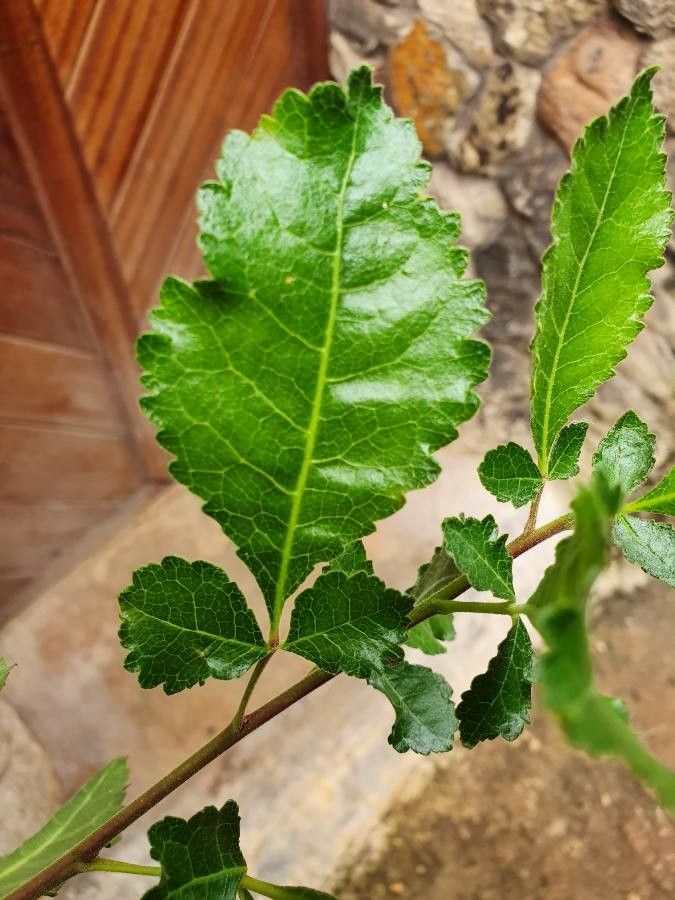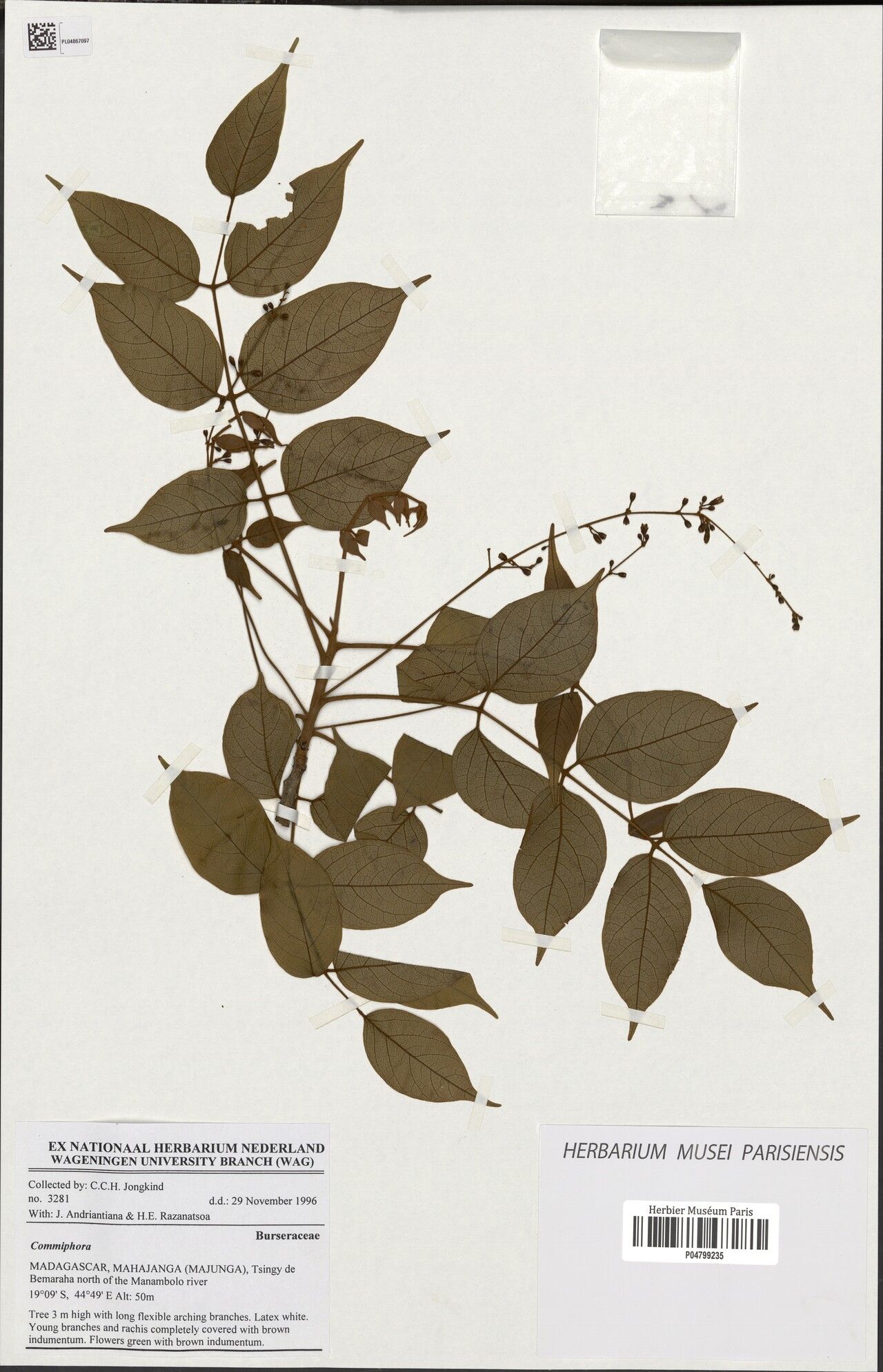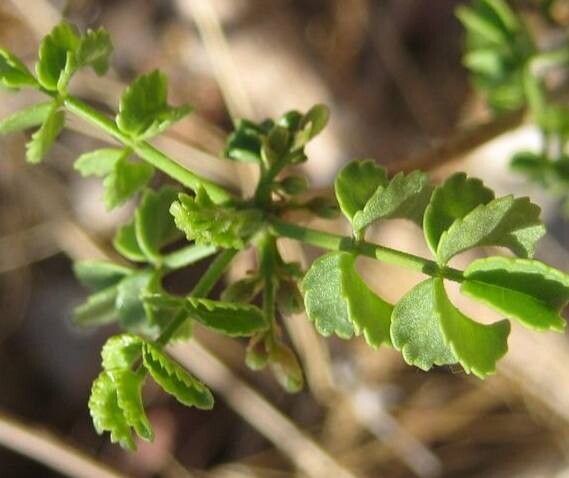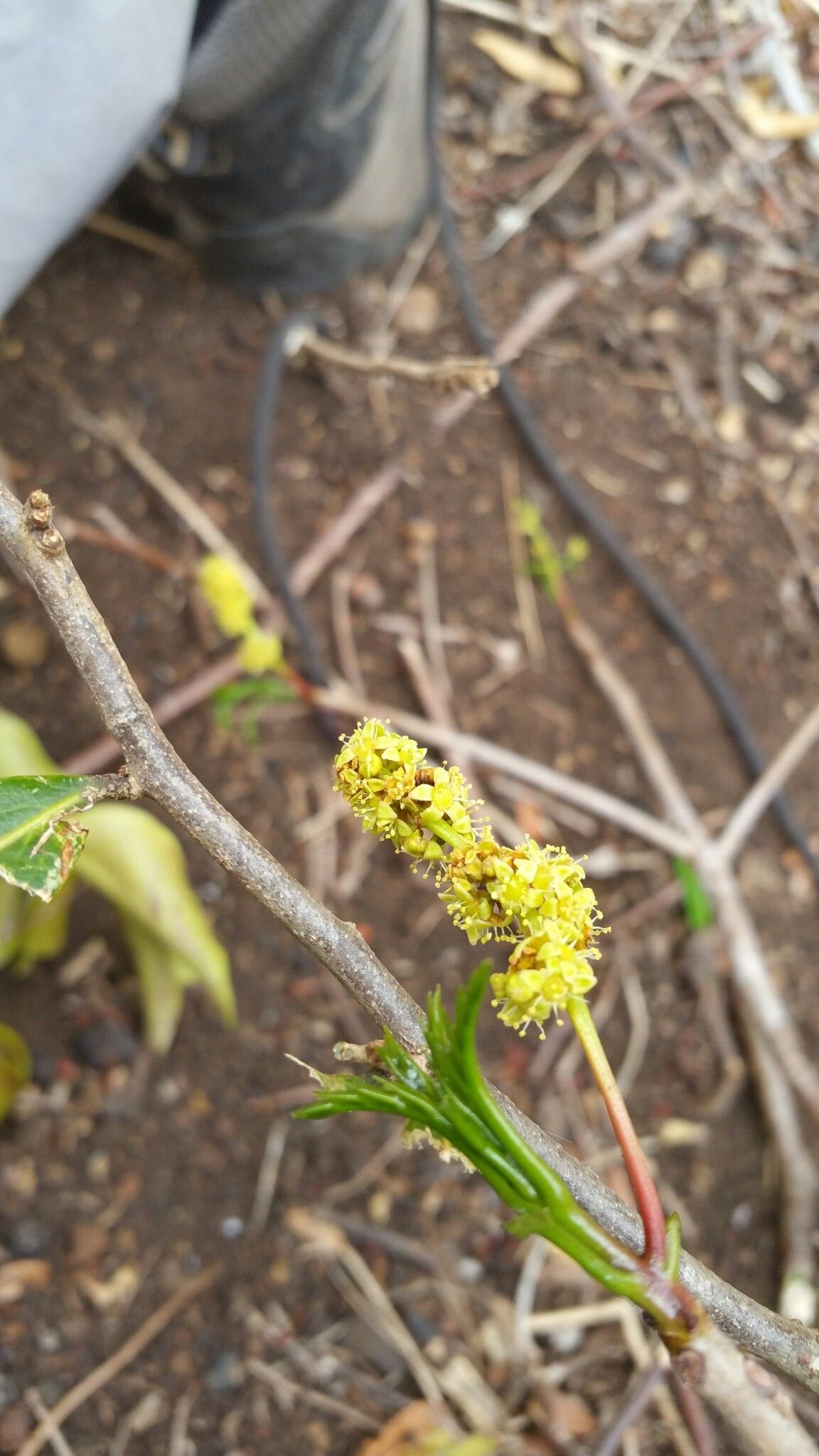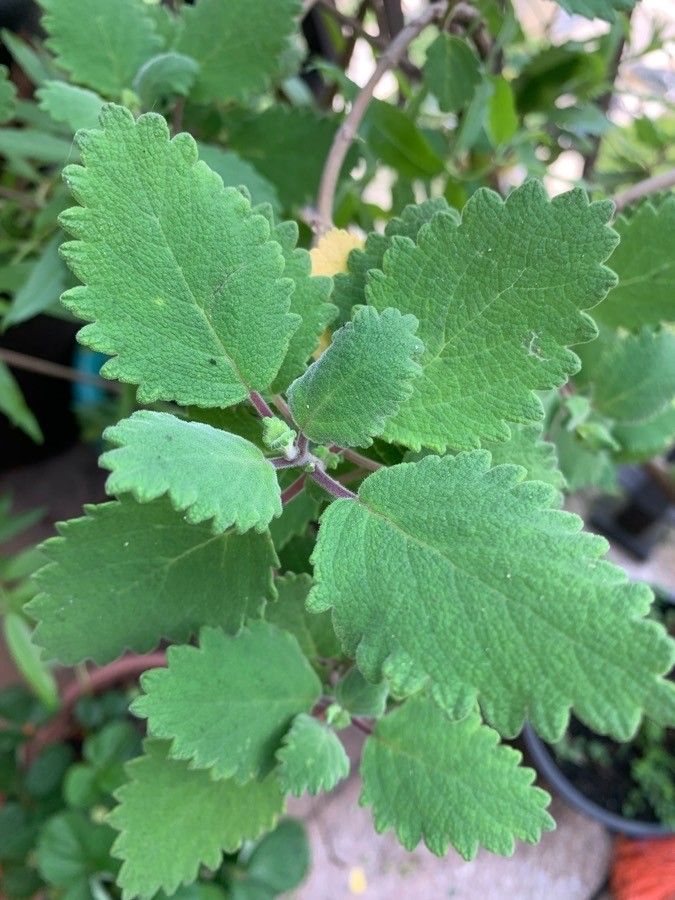
Commiphora myrrha, called myrrh, African myrrh, herabol myrrh, Somali myrrhor, common myrrh, is a tree in the Burseraceae family. It is one of the primary trees used in the production of myrrh, a resin made from dried tree sap. The tree is native to the Arabian peninsula (Oman, Yemen) and to Africa (Djibouti, Ethiopia, Somalia, Northeast Kenya). It is called 'mur' (المر) in Arabic, meaning bitter. It is the gum of the myrrh tree. Its oil is called oleoresin. It famously comes from Mecca, so it is called 'Mur Makki'. It is anti-bacterial, anti-fungal, anti-pest and can be used for fumigation or oral use. It has been used as an astringent, antiseptic, anti-parasitic, anti-tussive, emmenagogue, and anti-spasmodic agent. It was commonly included in mixtures used to treat worms, wounds, and sepsis.
Botanical profile.
- Genus
- Commiphora
- Family
- Burseraceae