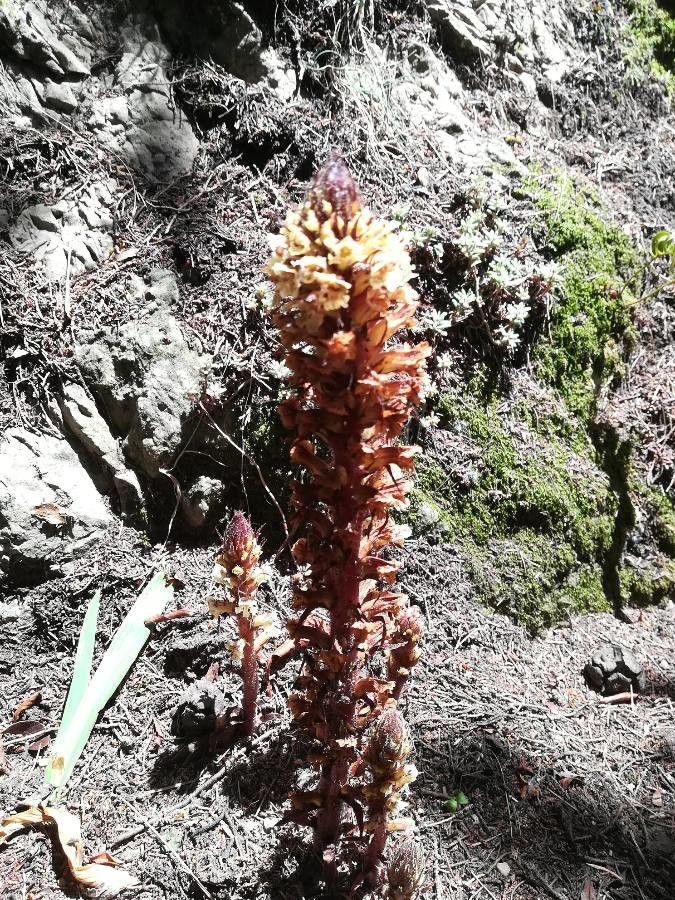
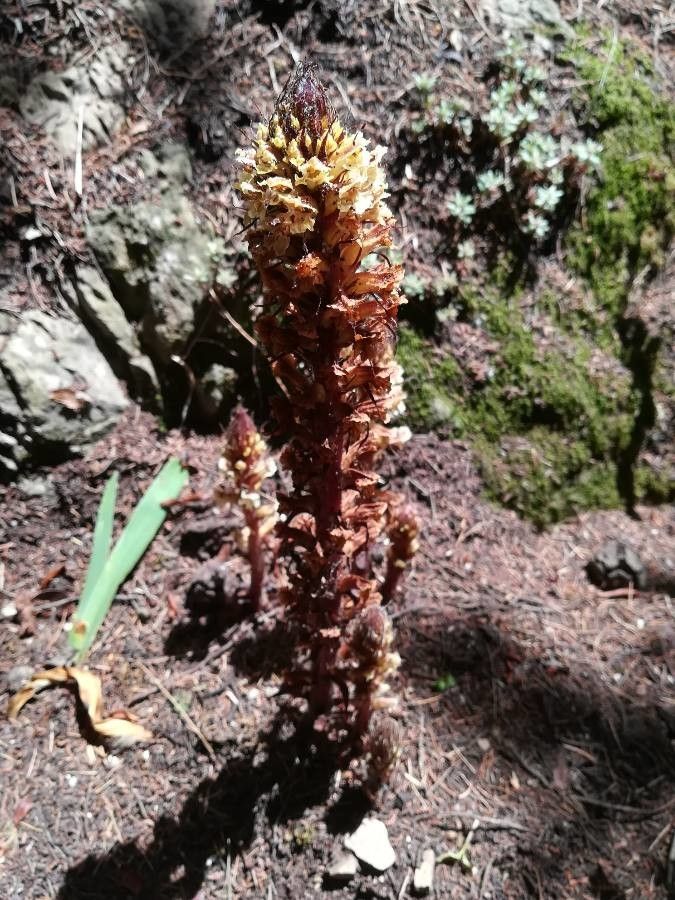
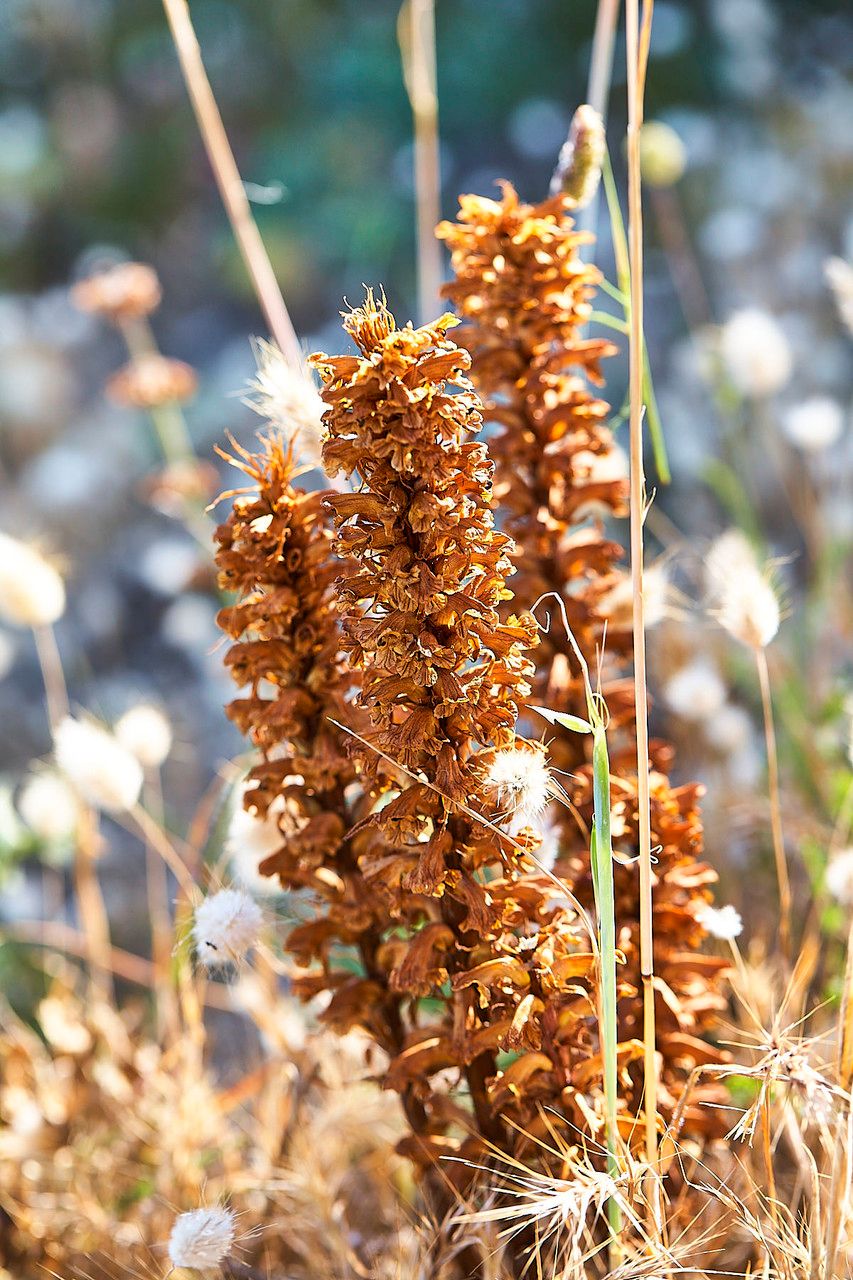
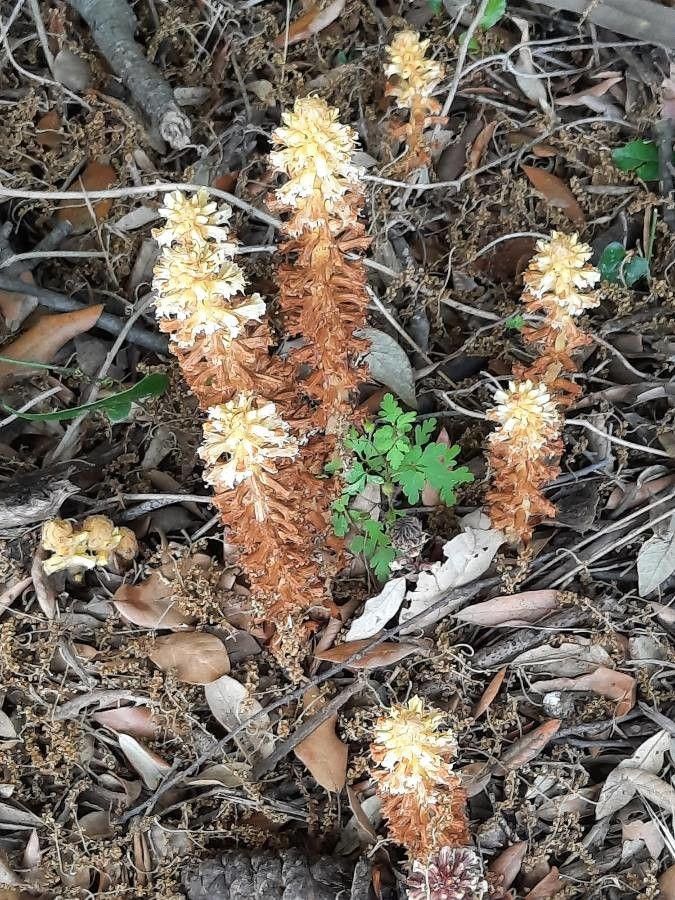
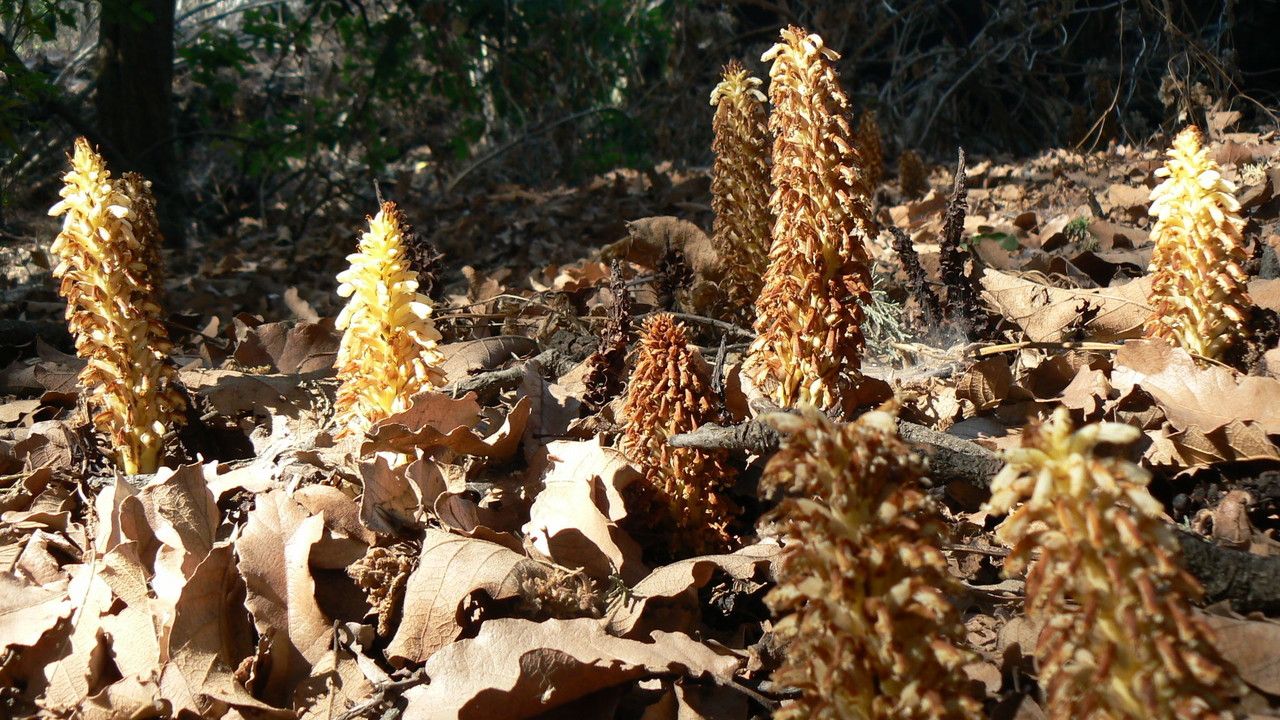
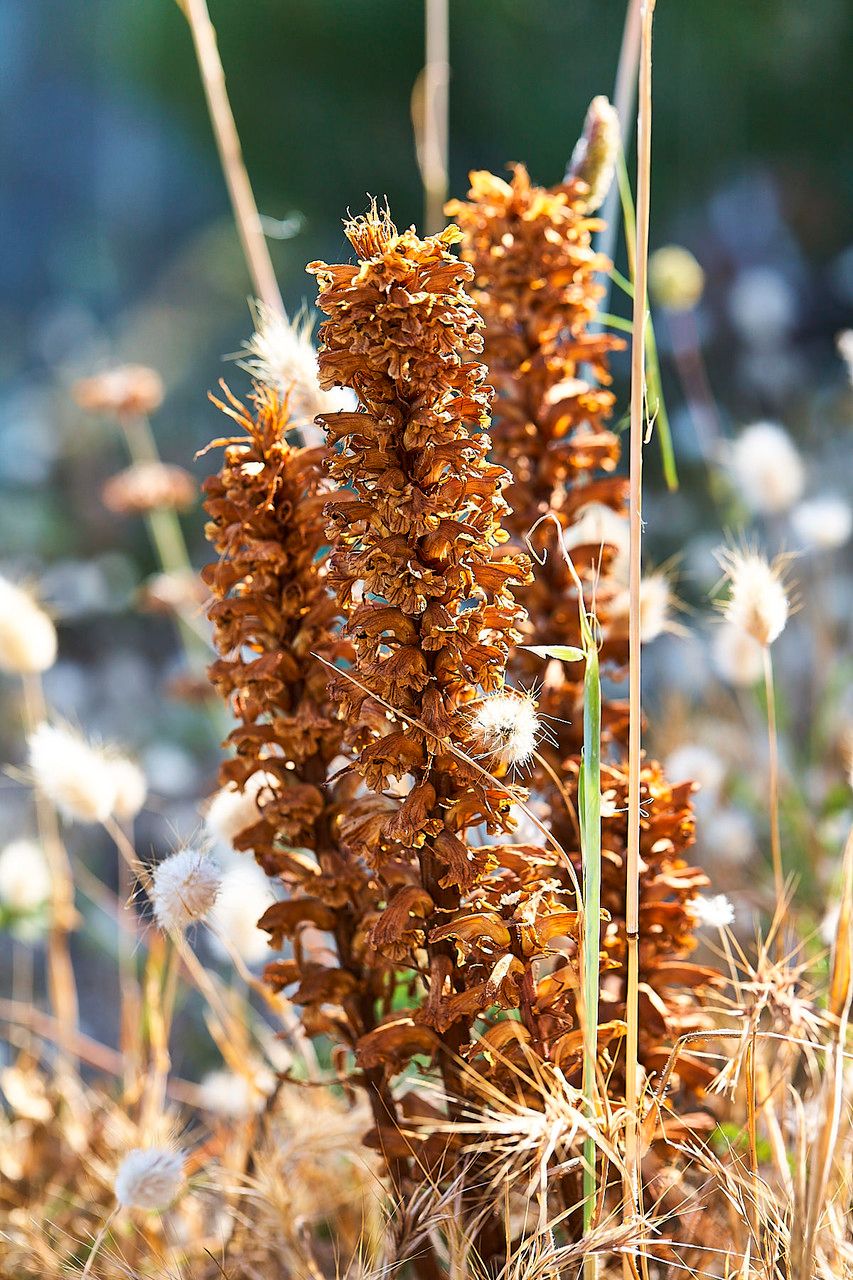
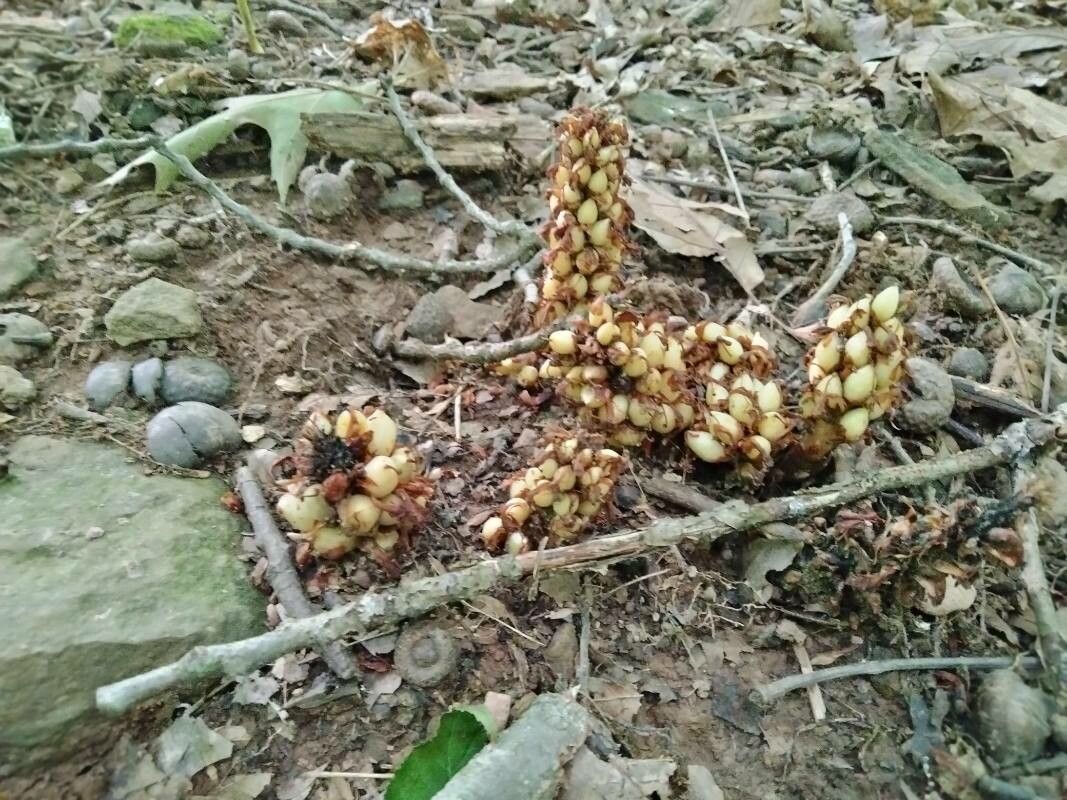
Conopholis alpina, commonly known as squawroot or cancer root, is a parasitic plant in the Orobanchaceae family. Native to North America, it thrives in various habitats, including deciduous forests, coniferous forests, and mixed woodlands. This plant is distinguished by its yellowish-brown stem, which can grow up to 30 cm tall and lacks leaves. Unlike most plants that rely on photosynthesis, Conopholis alpina obtains nutrients by attaching itself to the roots of other plants, such as oak trees. The flowers of Conopholis alpina are small and inconspicuous, with a brownish-yellow hue. They bloom from May to July in clusters at the base of the stem. In traditional medicine, Conopholis alpina has been used for various purposes, including the treatment of cancerous tumors and respiratory ailments like asthma. However, scientific evidence supporting these medicinal claims is limited. Overall, Conopholis alpina is a fascinating parasitic plant with unique characteristics that distinguish it from other plants in its habitat.
Alpine cancer-root has good disease resistance and is generally unlikely to develop illnesses. However, it can be vulnerable to pests and diseases present in its environment. These infections are typically not severe. Regarding care, this plant requires moderate maintenance. It should be pruned regularly to preserve a neat appearance and encourage healthy growth. Fertilizing can also help promote flowering. Alpine cancer-root is suitable for people with outdoor spaces, such as a garden or patio, and does not demand extensive care experience. It may need more attention when grown indoors.
How to keep Conopholis Alpina.
Light
Alpine cancer-root is indigenous to habitats like forest understories or rocky sites, where it grows in natural shade. It prefers partial sun but can adapt to full sun or full shade, reflecting its adaptable, hardy nature.
Water
The Alpine cancer-root thrives in moderately moist soil and benefits from being watered weekly. It prefers cooler, shaded environments and adapts well to indoor conditions with low light and reduced evaporation. This plant maintains its firmness while balancing its tolerance for drought with its need for humidity.
Fertilizer
Typically, a single spring application of fertilizer is enough for Alpine cancer-root, though multiple feedings can maximize growth. Apply fertilizer every one to one and a half months. Fertilization improves the leaves' appearance and function, helping to maintain even color and a healthy texture. It also promotes root development and nutrient uptake for the plant's long-term health.
Pruning
The Alpine cancer-root is a parasitic plant that lacks chlorophyll and thrives in shaded areas. It's best to prune it between early and late spring. During this time, remove any dead or diseased stems to enhance the plant's health and improve air circulation. Be sure to use clean, sharp tools, and avoid excessive pruning to minimize stress on the plant.
Botanical profile.
- Plant Type
- Herb
- Life Cycle
- Perennial
- Genus
- Conopholis
- Family
- Orobanchaceae
- Hardiness Zone
- 5-9
- Mature Height
- 20 cm
- Mature Spread
- 5 cm to 15 cm
- Leaf Color
- Green, Blue
- Leaf Type
- Deciduous
- Flower Color
- White, Yellow, Brown
- Flower Size
- 2.03 cm
- Bloom Time
- Mid spring, Late spring
- Planting Time
- Spring, Summer
- Harvest Time
- Early summer, Mid summer
Other names.
Reader questions.
How should I water my Alpine cancer-root plant to ensure it stays healthy?
To properly water the Alpine cancer-root, it is best to use filtered water at room temperature. Tap water may contain harmful particles, so filtered water is preferred. The plant prefers warm water as it is used to a warm environment, and cold water can be a shock to it. Avoid watering from above as it can cause problems with the foliage. Instead, water the soil directly, making sure to thoroughly soak it. This helps the roots to spread through the soil and gather the nutrients they need.
What are the sunlight requirements for Alpine cancer-root?
Alpine cancer-root thrives in partial sun, requiring about 3-6 hours of sunlight per day, but it can also tolerate full shade, which means receiving less than 3 hours of sunlight daily. It's native to environments like forest understories or rocky areas, experiencing natural shade. Observing how sunlight moves through your garden will help you choose spots that provide a balance of light and shade, ensuring the plant's happiness.
What should I do if I give too much or too little water to my Alpine cancer-root?
Overwatering is a more common issue than underwatering for the health of your Alpine cancer-root plant. When it receives too much water, the stems and leaves may wilt and turn yellow. Overwatering for a long time can also lead to root rot, mold, and mildew, which can be fatal to your plant. Underwatering is less common because this plant can tolerate drought, but it can still happen. When underwatering occurs, the leaves will become brittle and brown. It is important to notice the signs of overwatering early when caring for your Alpine cancer-root. Some diseases caused by overwatering, like root rot, may not be fixable if you wait too long. If you see early signs of overwatering, reduce your watering immediately and check the soil. If the soil doesn't drain well, replace it with a loose, well-draining potting mix. On the other hand, if you notice signs of underwatering, simply increase your watering frequency until the signs improve.
How can artificial lighting be used for indoor plants like Alpine cancer-root?
For optimal growth of indoor plants, including Alpine cancer-root, particularly when natural sunlight is insufficient, artificial lighting is a vital solution. LED lights are popular for indoor plant lighting as they provide specific wavelengths needed for plant growth. Full sun plants require 30-50W/sq ft of artificial light, partial sun plants need 20-30W/sq ft, and full shade plants need 10-20W/sq ft. The light source should be placed 12-36 inches above the plant, mimicking natural sunlight, and plants typically need 8-12 hours of light per day.
How much should I water my Alpine cancer-root plant?
If you have an Alpine cancer-root plant in a pot, the best way to check if it needs water is to stick your finger into the soil. If the top two to three inches of soil are dry, it's time to water it. If you have an Alpine cancer-root plant growing outdoors in the ground, you can use the same method to test the soil. Once the top few inches of soil have dried out, it's time to water. Typically, during spring and early fall, you'll need to water this plant about once a week using this method. However, during extremely hot weather, you may need to water it twice a week or more. It's worth noting that mature, well-established Alpine cancer-root plants are quite resilient and can withstand drought.
What are the symptoms of light deficiency in Alpine cancer-root?
When grown indoors with insufficient light, Alpine cancer-root may exhibit symptoms of light deficiency such as smaller new leaves, leggy or sparse growth, faster leaf drop, slower or no new growth, lighter-colored new leaves, chlorosis, sunscald, leaf curling, wilting, and leaf scorching. These symptoms indicate the plant's struggle with adapting to inadequate lighting conditions.
How much water does my Alpine cancer-root plant need?
To properly water your Alpine cancer-root, be generous with the amount of water you provide. Make sure the first two to three inches of soil are dry before watering. It's important to thoroughly soak the entire soil by adding enough water. You'll know you've added enough water when excessive water flows out through the drainage holes at the bottom of the pot. If you don't see any excess water draining, it means you haven't given enough water. However, be careful not to let the water accumulate inside the soil as it can harm the plant. On the other hand, if water doesn't drain properly through the pot, it could be a sign of poorly draining soil, which is harmful to the plant's health. If the plant is outdoors, receiving 1 inch of rain per week is sufficient.
What are the solutions for light deficiency in Alpine cancer-root?
To address light deficiency in Alpine cancer-root, gradually increase light exposure by moving the plant to sunnier spots each week until it receives 3-6 hours of direct sunlight daily. This enables gradual adaptation. If the plant is large or not easily movable, consider using artificial light, keeping a lamp on for at least 8 hours daily or investing in professional grow lights. For outdoor plants, move them gradually to avoid sunburn. Reduce obstructions like tree branches that block sunlight, or consider transplanting smaller plants to a location with ample sunlight and good drainage during their dormant period.
How do I water my Alpine cancer-root plant as it grows?
The water needs of the Alpine cancer-root can vary depending on its growth stages. When the plant is in its early years or has recently been transplanted, it requires more water than usual. During these stages, the plant focuses on developing new roots to support future growth, and these roots require extra moisture for optimal performance. However, as the plant matures, its water requirements decrease. Another stage that may require increased water is during the bloom period when the plant is developing flowers. Flower development uses a significant amount of moisture, so providing additional water during this time may be necessary for your Alpine cancer-root.
How should I water my Alpine cancer-root plant throughout the year?
The Alpine cancer-root has different water needs depending on the season. During the hottest months of the year, such as the height of summer, you may need to water it more than once a week if the soil dries out quickly. However, during winter, the plant goes into a dormant phase and requires much less water. In fact, you may not need to water it at all during the winter months. If you do choose to water it during winter, it should be done no more than once a month. Overwatering during this time can increase the chances of the plant getting a disease.
What's the difference between watering my Alpine cancer-root inside and outside?
To successfully grow Alpine cancer-root indoors, gardeners outside temperate and tropical regions should be aware of a few factors. When growing in containers, the soil may dry out faster compared to ground soil. Additionally, if the plant is exposed to drying elements like air conditioning units, it will require more frequent watering. Conversely, if the plant is grown outdoors and receives regular rainfall, it may not need much additional watering. On the other hand, indoor growers will need to water the plant more frequently as relying on rainwater is not possible.