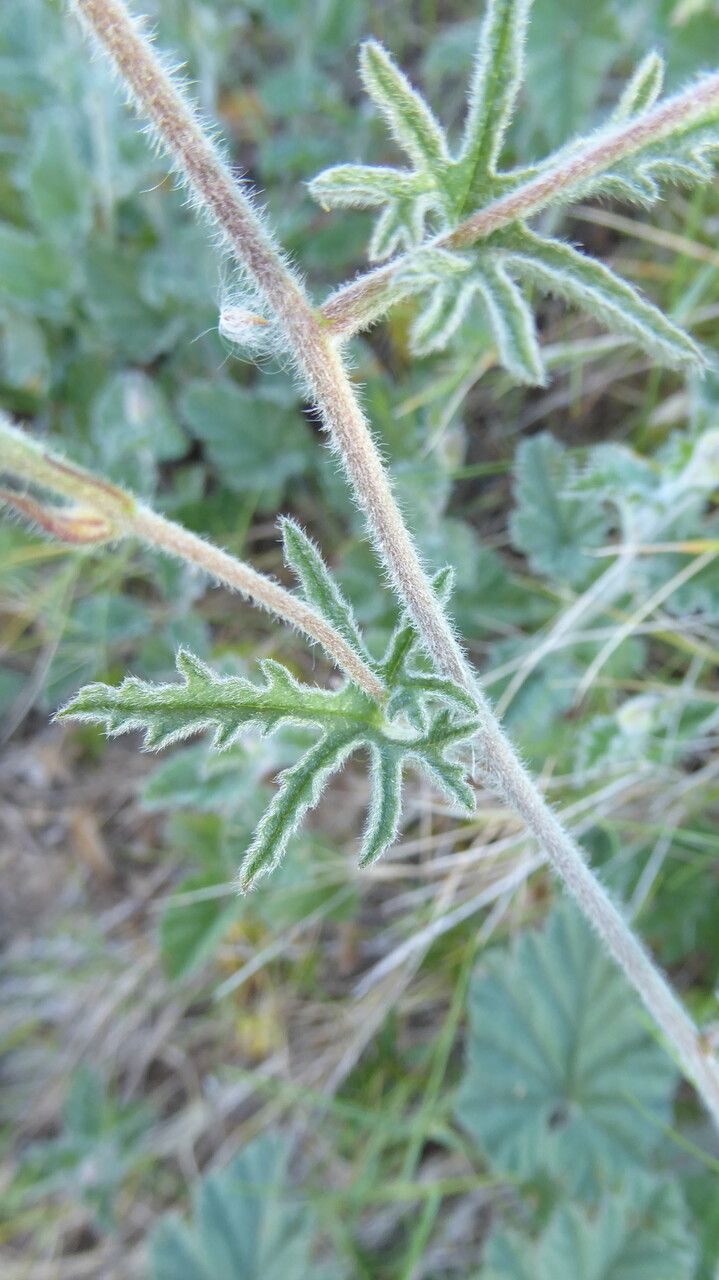
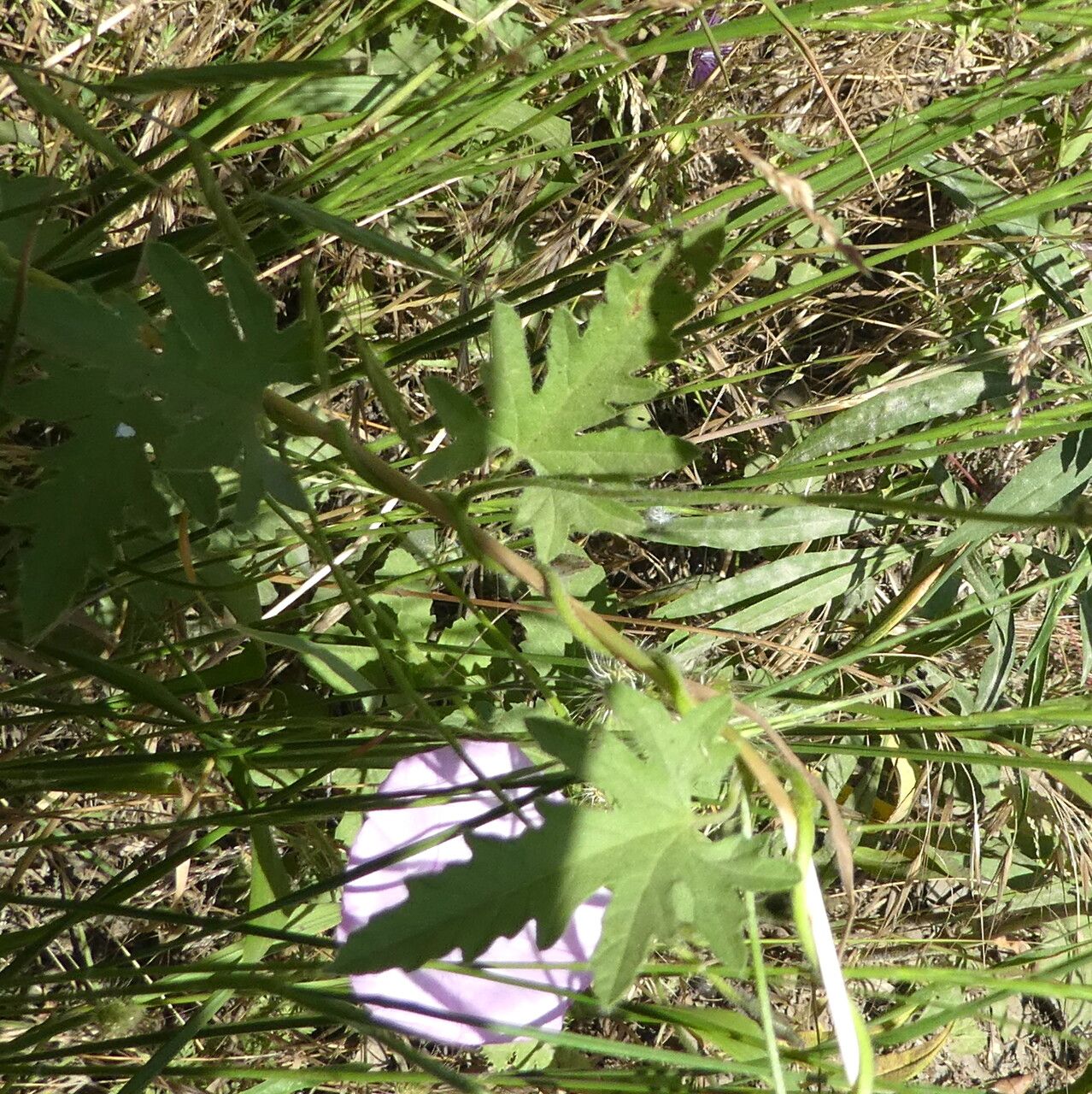
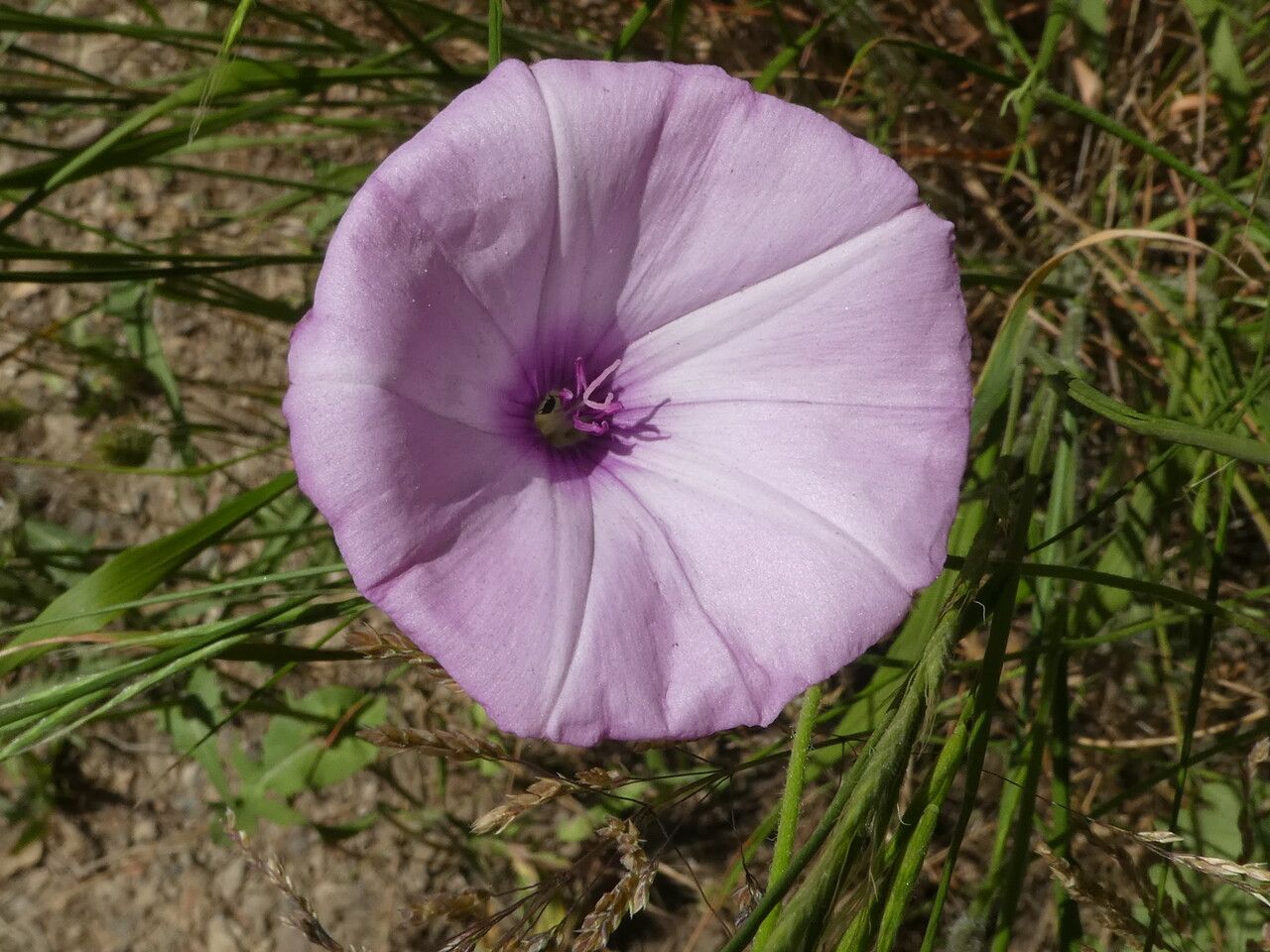
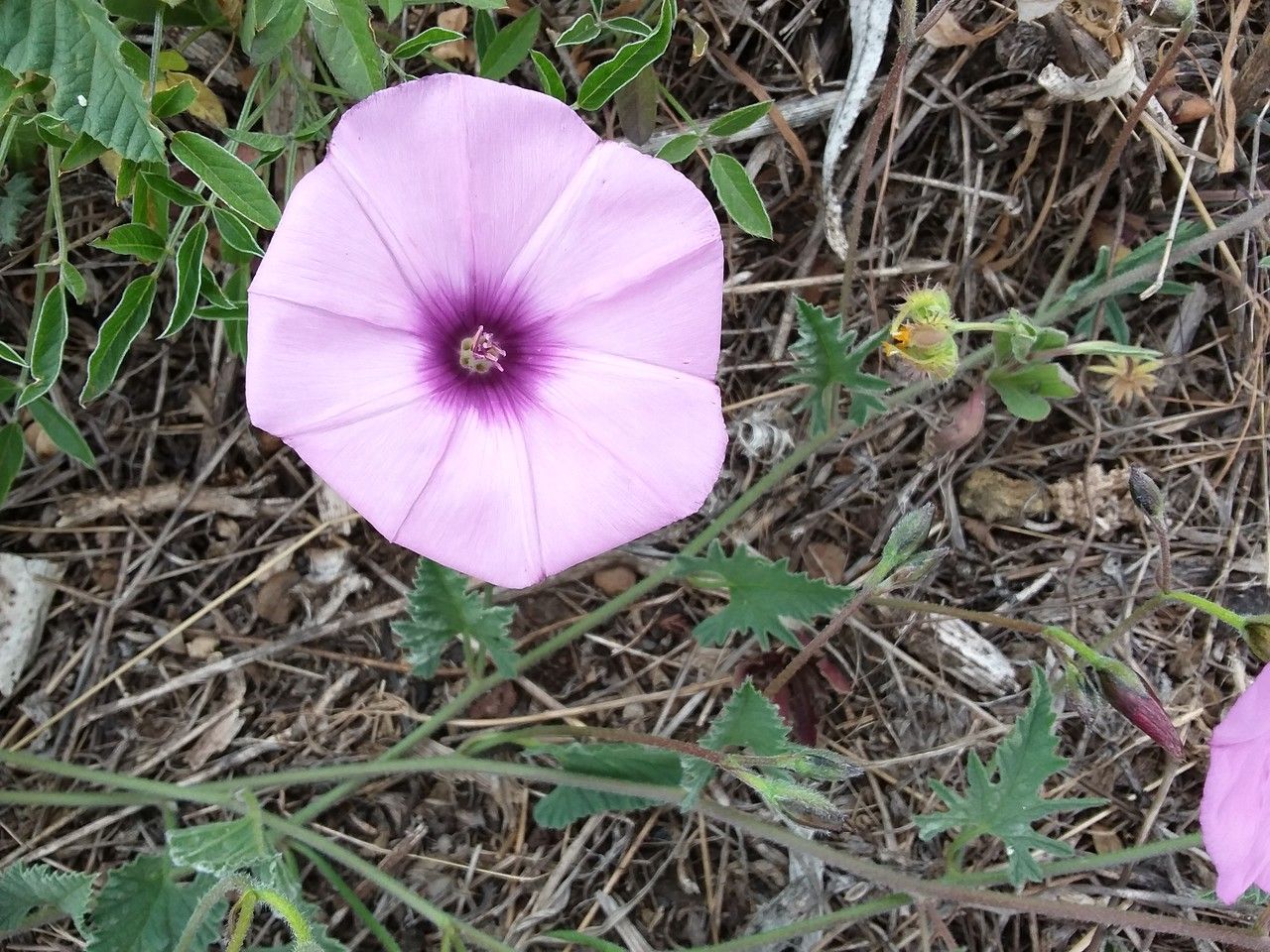
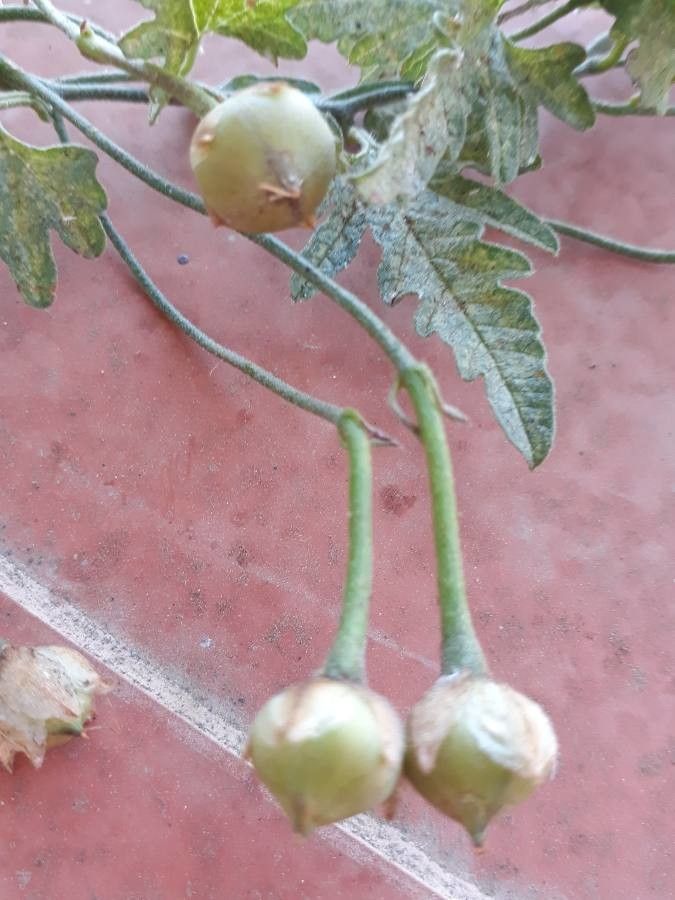
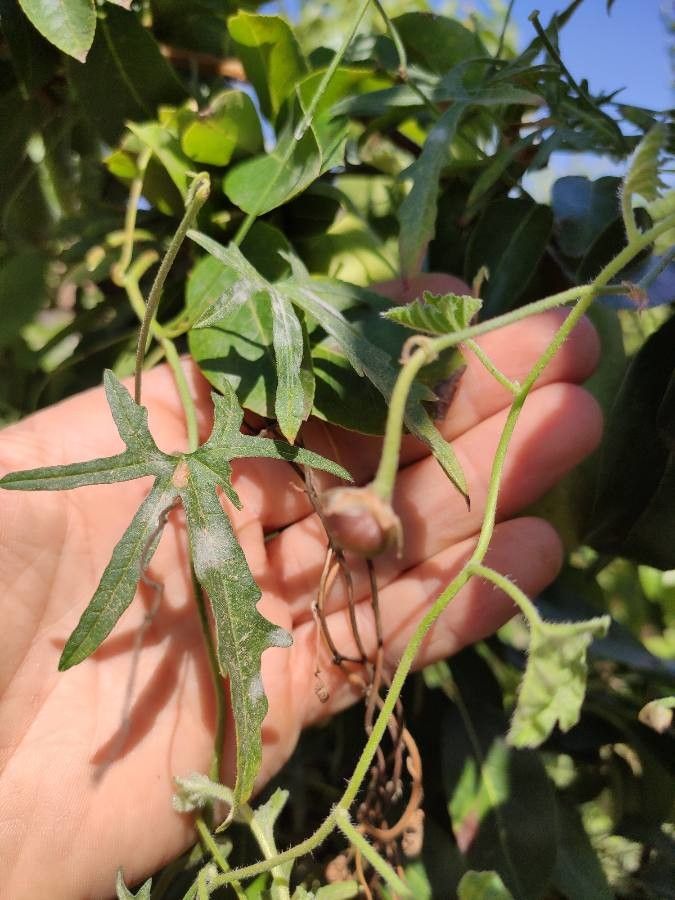
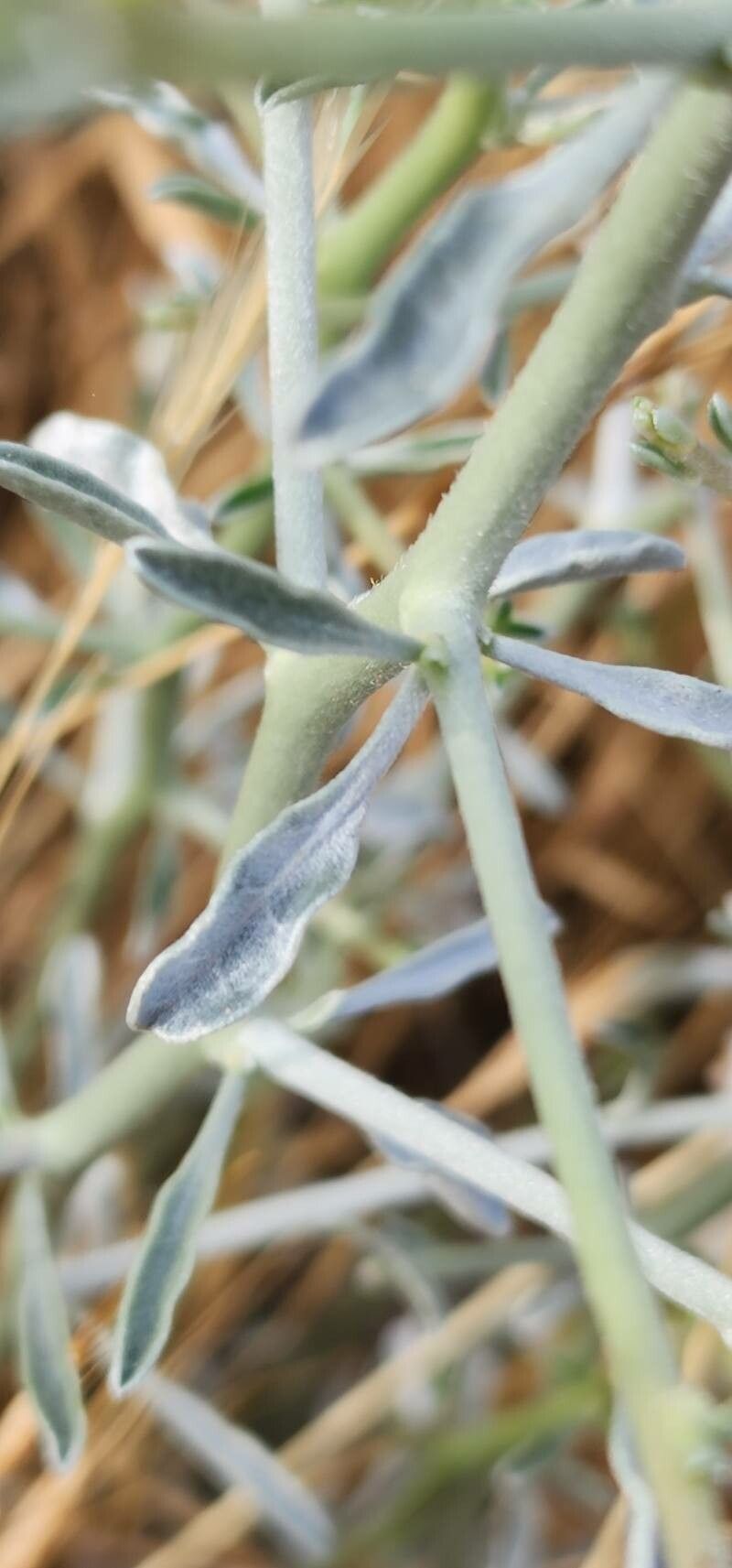
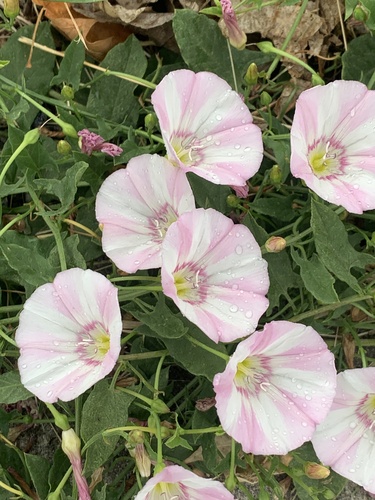
Convolvulus althaeoides, commonly known as mallow bindweed, is a perennial herbaceous plant belonging to the Convolvulaceae family. Native to the Mediterranean region, it thrives in diverse habitats such as rocky slopes, fields, and roadsides.
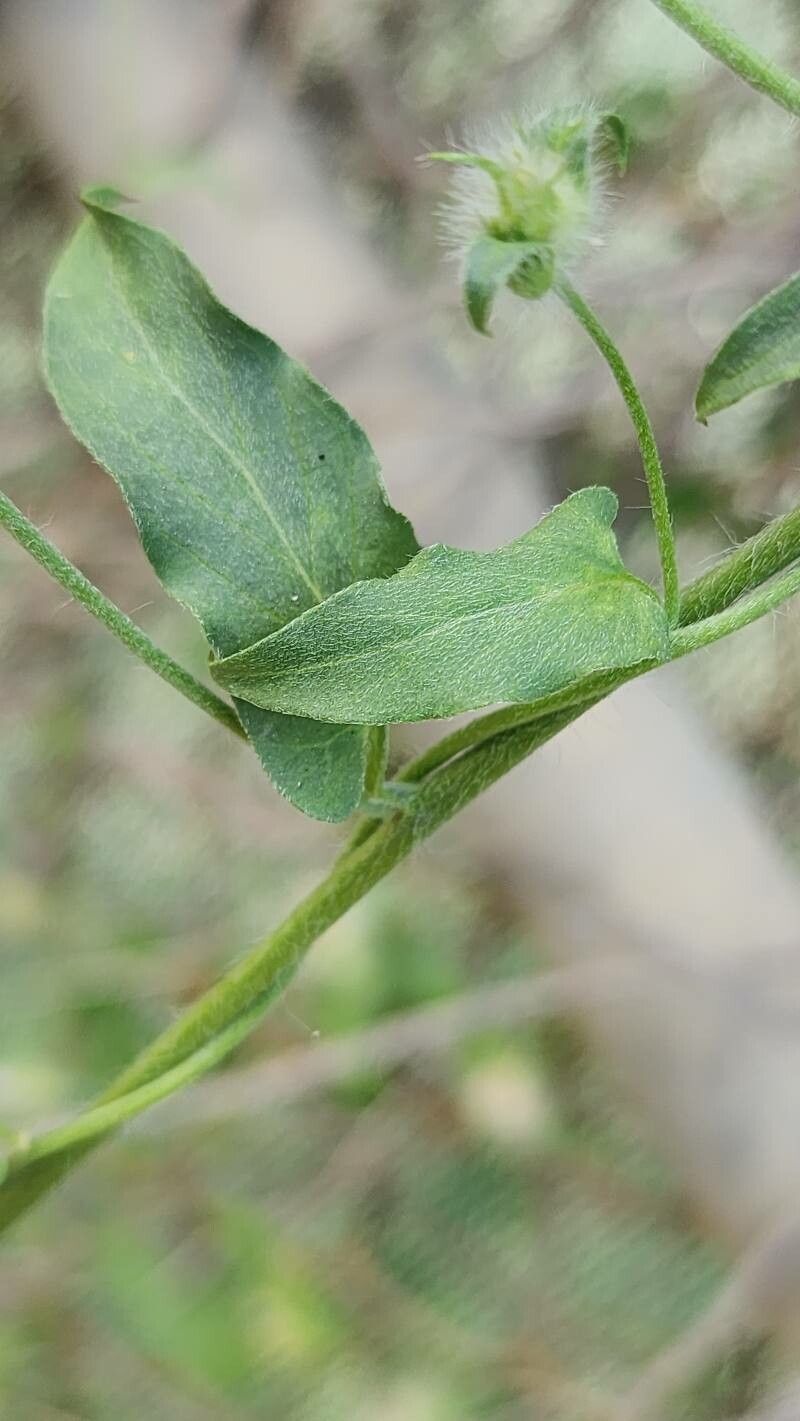
This plant typically has a woody base and multiple stems that can grow up to 50 cm in height. The leaves are alternate, oval-shaped with pointed tips, and display a green color on the upper side and a grayish-green color underneath.
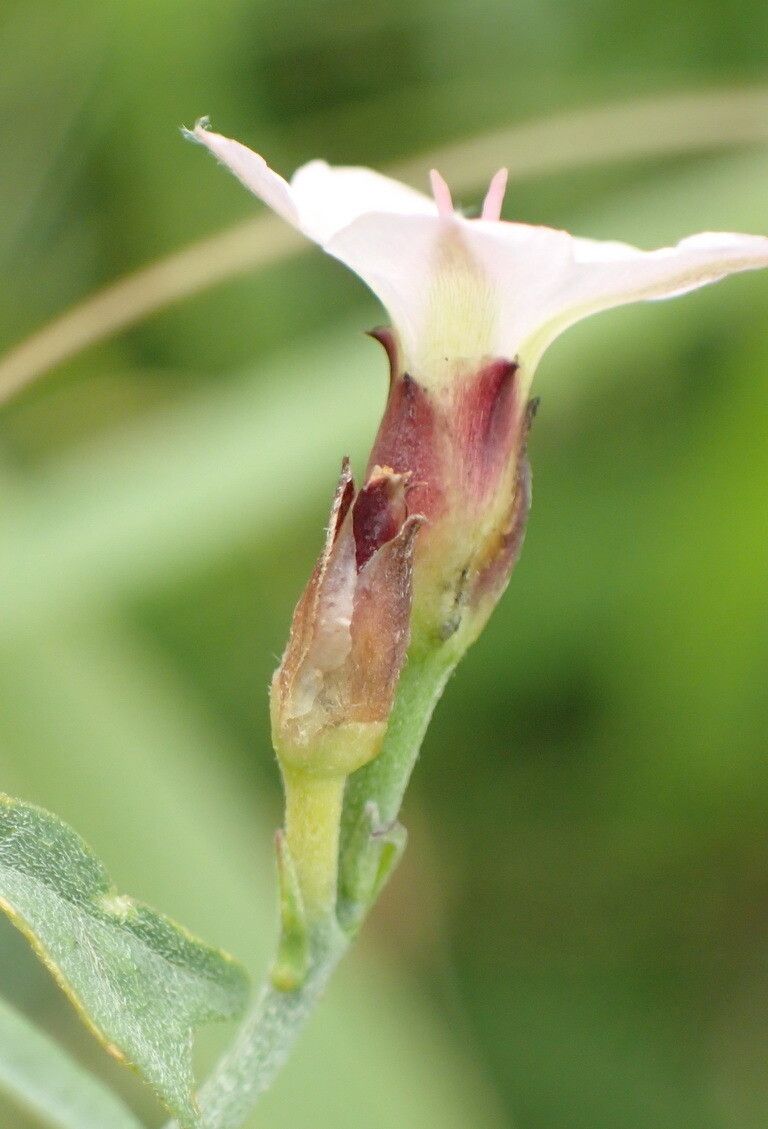
The flowers of Convolvulus althaeoides are trumpet-shaped, featuring five petals that vary in color from white to pink or purple. They bloom between May and September, attracting bees for pollination.
Historically, this plant has been valued for its medicinal properties, particularly its anti-inflammatory benefits. It has also been used as a laxative, diuretic, and expectorant.
In gardening, Convolvulus althaeoides is appreciated for its attractive flowers, making it an excellent choice for rock gardens or borders. It thrives in well-drained soil with full sun exposure but can tolerate partial shade.
Overall, Convolvulus althaeoides is appreciated both aesthetically and medicinally, making it a valuable addition to indoor and outdoor spaces.
Mallow bindweed is fairly resistant to disease and typically does not suffer from many illnesses. Still, it can be affected by pests and diseases present in its environment, though such infections are generally mild. The plant needs a moderate level of care. It should be pruned regularly to preserve an attractive appearance and support healthy growth. Applying fertilizer can also encourage more flowering. This species is well suited for anyone with outdoor space, like a garden or patio, and does not demand extensive gardening experience. It can, however, need extra attention if grown indoors.
How to keep Convolvulus Althaeoides.
Light
Mallow bindweed does well in places with abundant sunlight. Constant light exposure is necessary for vigorous growth. Its native habitat is associated with areas that receive plenty of sun, and its growth can be reduced in situations with less-than-ideal light. However, excessive light does not harm it.
Water
Mallow bindweed, which comes from the Mediterranean regions, flourishes in dry, sunny conditions and actually prefers drought over too much moisture. To keep it healthy, it's best to water it weekly. This makes it an excellent choice for outdoor cultivation. As an evergreen plant, it efficiently manages water, allowing it to maintain lush foliage throughout the year.
Temperature
Mallow bindweed is native to temperate regions. It grows best at temperatures from 50 to 89.6 °F (10 to 32 ℃), so it tolerates cool to moderately warm conditions. Seasonal adjustments might be necessary to keep temperatures in check.
Fertilizer
For Mallow bindweed, the primary time to apply fertilizer is early spring when the flowers are forming. The proper fertilizer promotes better blooms and helps Mallow bindweed produce attractive flowers. Fertilizing in early spring ensures excellent flowers throughout the season and supplies energy for dormant growth phases.
Pruning
Mallow bindweed, recognized for its twining stems and funnel-shaped flowers, benefits from pruning between early to late spring. By trimming overgrown and damaged stems, you can improve air circulation and promote healthy growth. Regular pruning helps control its invasiveness and enhances its appearance. Be sure to use clean, sharp tools to prevent disease.
Pot & Repot
To help your mallow bindweed thrive, repot it every 2-3 years during the spring. Choose a pot that's one size larger than the current one and ensure it has good drainage to prevent root-bound problems. After repotting, keep the soil moderately moist and place the plant in partial sunlight. This will support a healthy recovery and promote growth in this resilient vining perennial.
Botanical profile.
- Plant Type
- Herb, Vine
- Life Cycle
- Perennial
- Genus
- Convolvulus
- Family
- Convolvulaceae
- Hardiness Zone
- 6-8
- Mature Height
- 5 cm
- Mature Spread
- 46 cm to 61 cm
- Leaf Color
- Green
- Leaf Type
- Semi-evergreen
- Flower Color
- Pink
- Flower Size
- 3.05 cm to 4.06 cm
- Bloom Time
- Mid spring, Late spring, Summer, Fall
- Planting Time
- Spring
- Harvest Time
- Summer, Fall, Early winter
- Native Area
- Libya, Egypt, Tunisia, Turkey, Mauritania, Cyprus, Eritrea, Greece, Morocco, Lebanon, Syria, Portugal, Italy, Spain, Algeria, France
Other names.
Reader questions.
How should I water my Mallow bindweed?
To properly water the Mallow bindweed, it is recommended to use filtered water at room temperature. Tap water may contain harmful particles for this plant, so filtering it will be better. It's important to note that the water should not be cold, as the plant is accustomed to warmer temperatures. Additionally, avoid watering the plant from above as it can cause issues with the foliage. Instead, focus on thoroughly saturating the soil with your filtered room temperature water. This will benefit the plant by keeping the roots moist and aiding in nutrient absorption.
Why should I add fertilizer to my Mallow bindweed?
The Mallow bindweed relies on its leaves for structure, and fertilization is key to keeping those leaves looking great while doing their job. Proper fertilization ensures consistent color and a healthy texture in the leaves. Additionally, fertilization aids in root growth and maintenance, both expanding the root system and sustaining existing roots. This not only promotes immediate plant health, but also enhances the plant's ability to absorb soil nutrients in the long run.
What are the sunlight requirements for Mallow Bindweed (Convolvulus althaeoides)?
Mallow Bindweed requires full sunlight for more than 6 hours a day to thrive optimally. It can also grow in partial sun, which amounts to about 3-6 hours of sunlight daily. It's crucial to observe the movement of sunlight in your garden carefully to ensure you choose locations that provide an ideal balance of light and shade, as advised. This will support your plants' growth and overall health effectively.
What is Mallow bindweed and where is it native to?
Mallow bindweed, scientifically known as Convolvulus althaeoides, is native to regions with temperate climates. It is a plant that thrives in cool to moderately warm temperatures, ideally between 50 to 89.6 °F (10 to 32 °C). This makes it adaptable to varying weather conditions in temperate zones.
What should I do if I give my Mallow bindweed too much or too little water?
Overwatering is a common problem for Mallow bindweed and can cause wilting, yellowing leaves, and diseases like root rot, mold, and mildew. Underwatering is less common, but can still occur and result in brittle, brown leaves. It is important to notice signs of overwatering early and reduce watering immediately. Checking the soil drainage is also important - if it drains poorly, replace it with a well-draining mix. If signs of underwatering are present, water more regularly until they subside.
When should I fertilize my Mallow bindweed for the best results?
If you grow your Mallow bindweed outdoors, new growth will appear in early spring as the leaves emerge. This is the signal to begin fertilizing for the year. While a single application of fertilizer in the spring is sufficient for a Mallow bindweed to thrive, you can enhance its growth by fertilizing multiple times during the spring and early summer. If you decide to do this, you can feed your Mallow bindweed approximately once every month to a month and a half.
Why is continuous light exposure essential for Mallow Bindweed's growth?
Continuous light exposure is critical for Mallow Bindweed's robust growth because it originates from habitats with ample sunlight. Insufficient light can hinder its growth, but interestingly, it is not adversely affected by overexposure to sunlight. This resilience is a key aspect of its care, making it suitable for environments with generous solar exposure.
How does Mallow bindweed handle cold temperatures?
Mallow bindweed possesses strong cold resistance, meaning special frost protection is usually not necessary. However, in conditions where winter temperatures are expected to drop below -25°C, cold protection should be provided by covering the plant with insulating materials such as soil or straw. Additionally, watering the plant abundantly before the first freeze in autumn to keep the soil moist can help prevent drought and water scarcity during winter and early spring.
How often do I need to water my Mallow bindweed?
If your Mallow bindweed is in a pot, the easiest way to determine if it needs water is to check the soil by sticking your finger into it. If the first two to three inches of soil are dry, it's time to water the plant. If you are growing your Mallow bindweed outdoors, you can use a similar method to test the soil. When the top few inches of soil have dried out, it's time to water the plant. During the spring and early fall, you will typically need to water this plant about once a week using this method. In very hot weather, you may need to water it twice or more per week. However, it's important to note that mature, well-established Mallow bindweed has a good ability to survive periods of drought.
When is the best time to not put fertilizer on my Mallow bindweed?
During the late fall and winter, your Mallow bindweed will go into a dormant phase and stop growing. So, it's best to avoid fertilizing it during this time. In the spring and summer, if you decide to fertilize multiple times, start reducing the amount of fertilizer as summer approaches because the growth rate of the Mallow bindweed also slows down. In general, it's not recommended to fertilize your Mallow bindweed when the weather is unusually hot or the soil is extremely dry. Fertilizing in those conditions can stress the plant and make it die earlier.
How can artificial lighting benefit indoor plants, and what are the specific requirements?
Artificial lighting is vital for indoor plants when natural sunlight is insufficient, especially during winter or in less sunny spaces. It promotes faster, healthier growth by providing the necessary light intensity and duration. LED lights are recommended due to their ability to offer specific wavelengths needed by plants. Full sun plants require 30-50W/sq ft, partial sun plants need 20-30W/sq ft, and full shade plants need 10-20W/sq ft of artificial light. The light source should be placed 12-36 inches above the plant to mimic natural sunlight, ensuring 8-12 hours of light per day depending on the plant species.
What should be done if Mallow bindweed experiences low temperatures?
Mallow bindweed is cold-tolerant and prefers temperatures above 10°C for optimum growth. During winters, ensuring the temperature stays above -15°C is ideal. If temperatures fall below -25°C, the plant might not show immediate damage, but there could be a decrease in sprouting or no sprouting at all come spring. In such cases, removing any parts of the plant that have failed to sprout in spring is recommended.