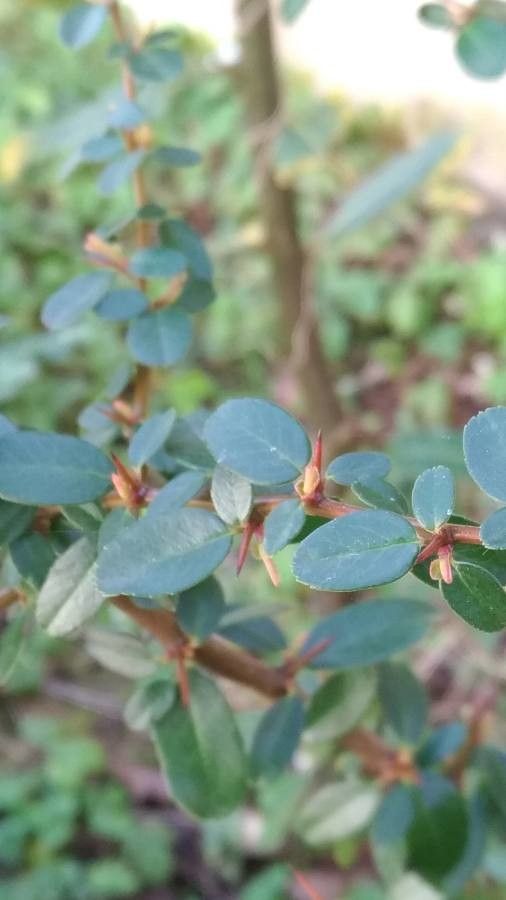
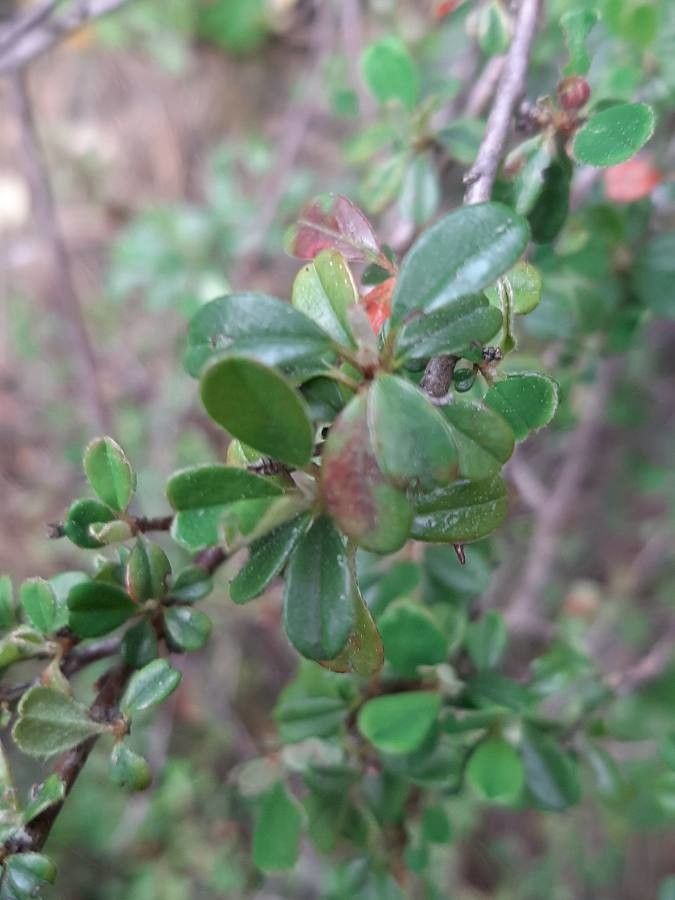
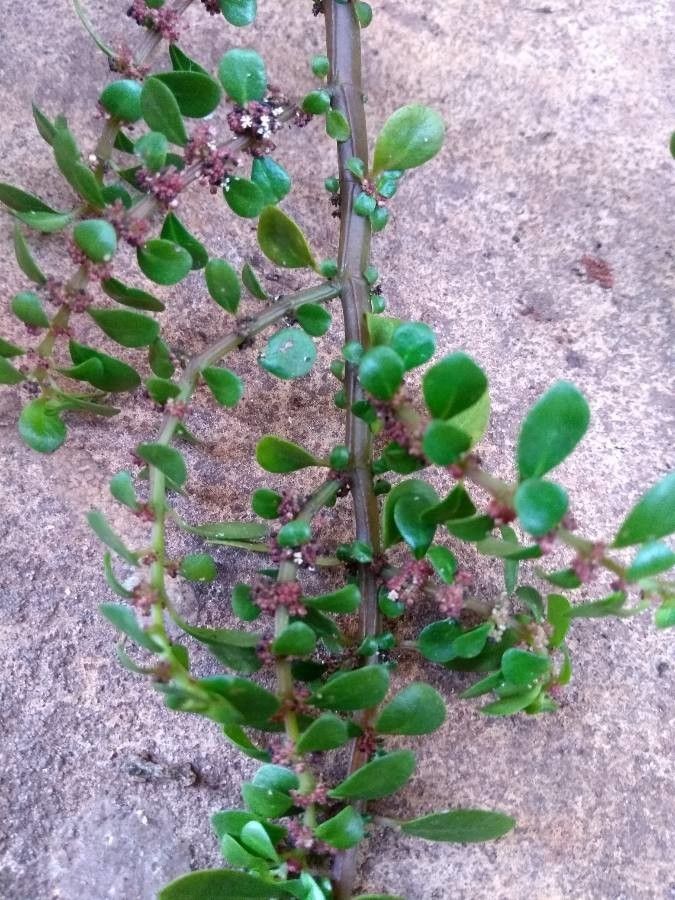
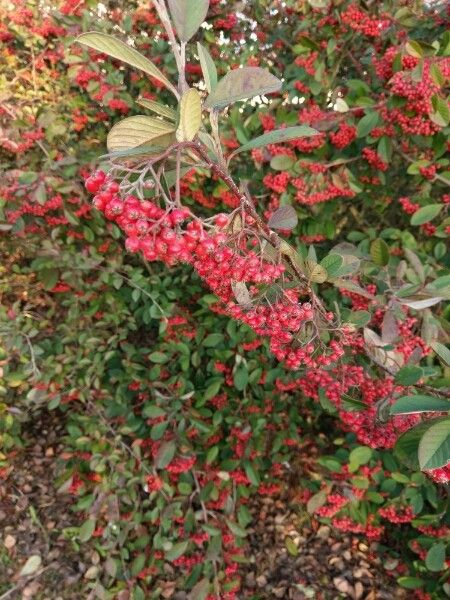
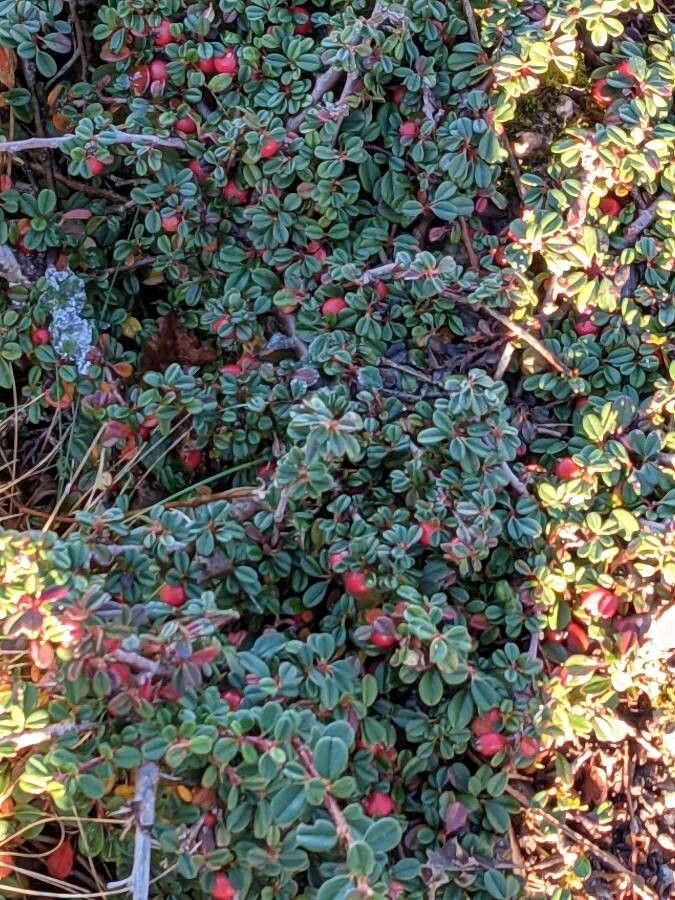
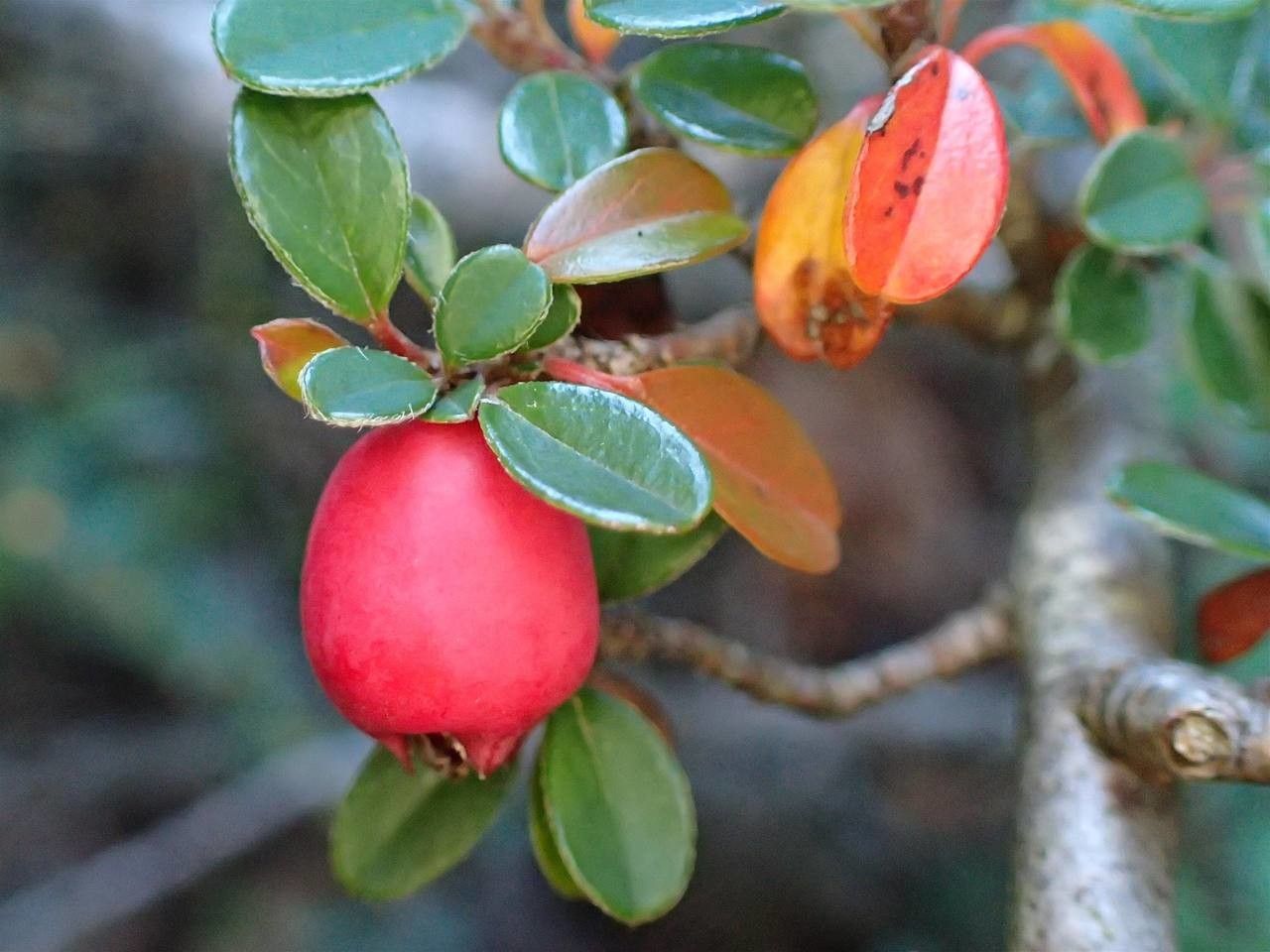
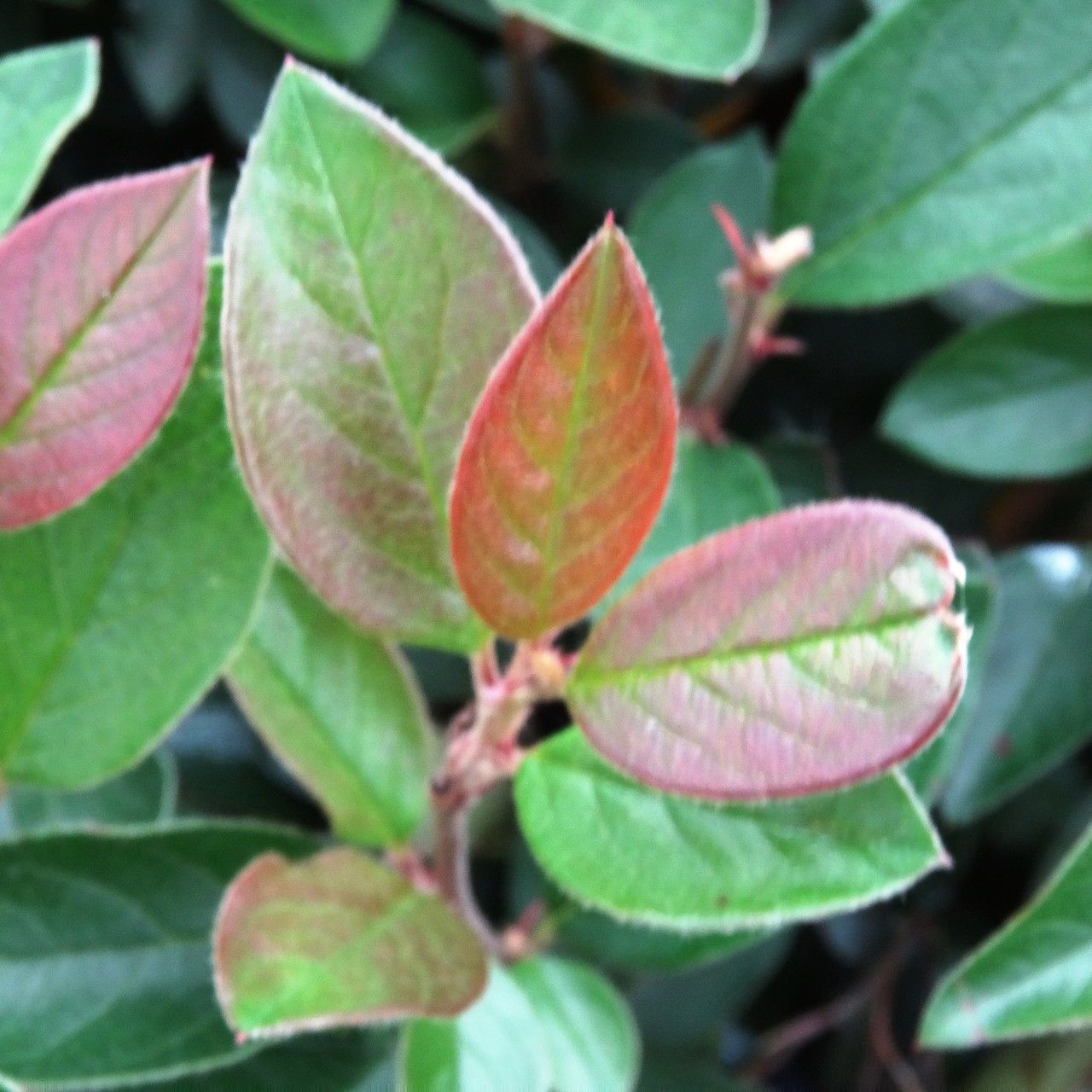
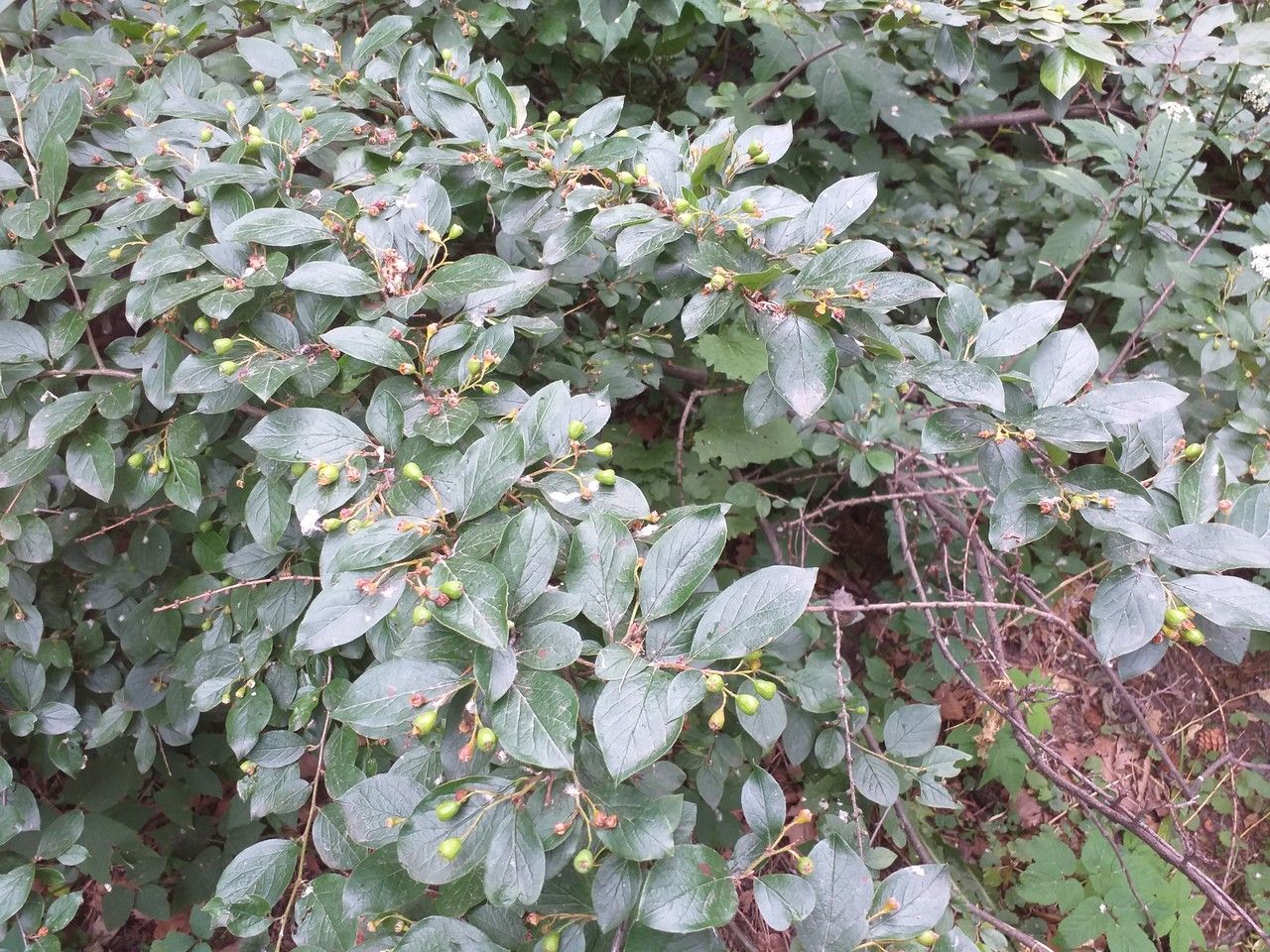
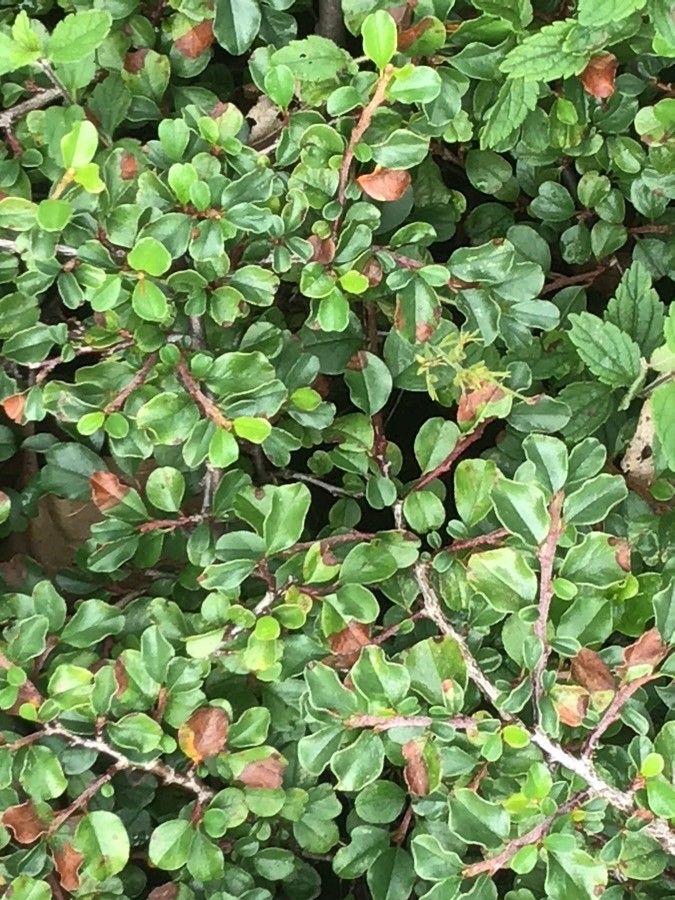
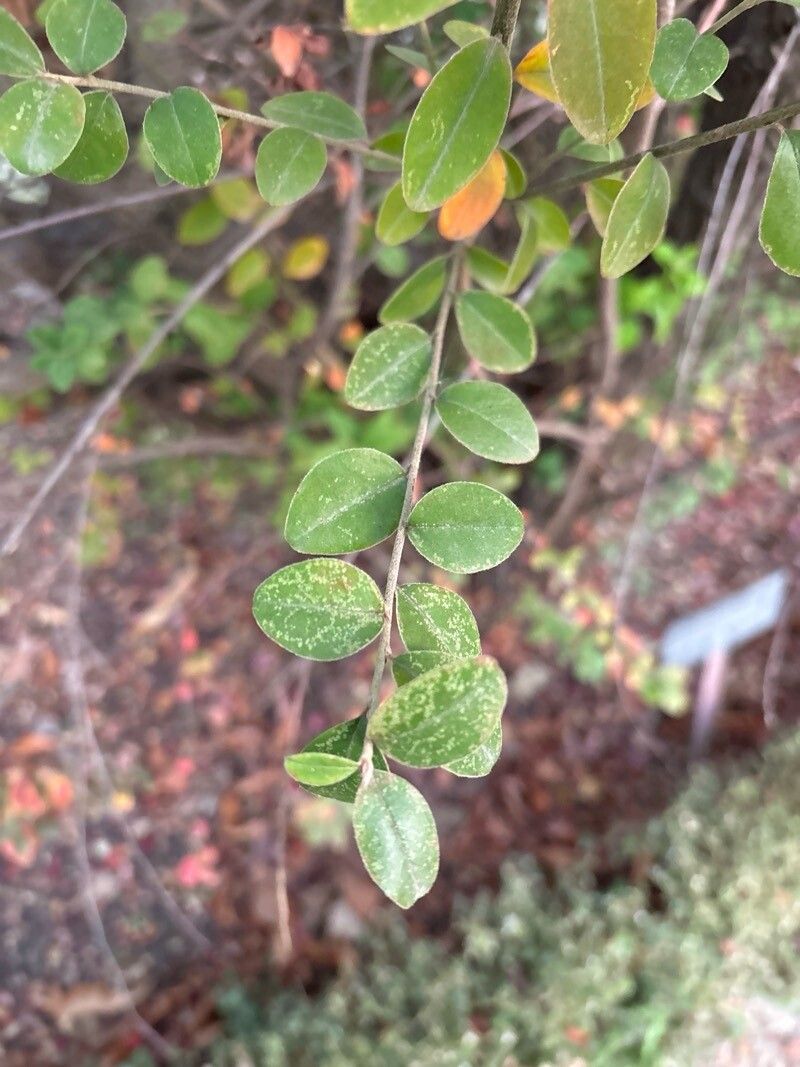
Cotoneaster cochleatus, the Yunnan cotoneaster, is a species of flowering plant in the family Rosaceae. It is native to rocky slopes in Tibet, Sichuan, and Yunnan in China, and it has been introduced to the United Kingdom, Belgium and New York State. Its specific epithet cochleatus refers to its twisting stem.A drought-tolerant creeping shrub reaching 1 ft (0.3 m) tall but spreading to 6 ft (2 m), and hardy in USDA zones 5 through 7, it is considered a valuable landscaping plant by the Missouri Botanical Garden. The Centre for Agriculture and Bioscience International lists it in its Invasive Species Compendium. With its small glossy leaves, tiny rose-like flowers, showy red fruit, and low growth habit, it has found use in bonsai.
Kashmir cotoneaster is resistant to disease and is usually not susceptible to illnesses. Regarding care, this plant is fairly low-maintenance. When grown outdoors it needs only minimal watering, and larger specimens typically do not require pruning. However, smaller plants should be trimmed after they finish blooming. Kashmir cotoneaster is suitable for anyone who has an outdoor area, such as a garden or a deck, and it does not demand extensive gardening experience.
How to keep Cotoneaster Cochleatus.
Light
Kashmir cotoneaster occurs naturally in habitats like forest understories or rocky sites, where it grows in natural shade. It prefers partial sun but can tolerate full sun or full shade, showing its versatile and hardy nature.
Temperature
Kashmir cotoneaster is highly adaptable to a range of climate conditions, whether in very hot summers or cold winters. However, it does have an optimal temperature range for growth. If temperatures become too high, the plant can suffer from heat and humidity stress, which may lead to its death. In locations where temperatures approach the lower limit of its cold tolerance, it is important to provide insulation to protect the plant.
Fertilizer
Proper timing is essential when fertilizing Kashmir cotoneaster. Apply fertilizer in early spring and continue once a month until early summer. Fertilizer encourages attractive blooms and supplies energy during both dormant and active growth periods.
Botanical profile.
- Plant Type
- Shrub
- Life Cycle
- Perennial
- Genus
- Cotoneaster
- Family
- Rosaceae
- Hardiness Zone
- 5-8
- Mature Height
- 15 cm to 30 cm
- Mature Spread
- 0.91 m to 1.52 m
- Leaf Color
- Dark Green
- Leaf Type
- Evergreen
- Flower Color
- White
- Flower Size
- 0.51 cm to 0.76 cm
- Bloom Time
- Mid spring, Late spring
- Planting Time
- Spring, Autumn
- Harvest Time
- Late summer, Early fall, Mid fall
Other names.