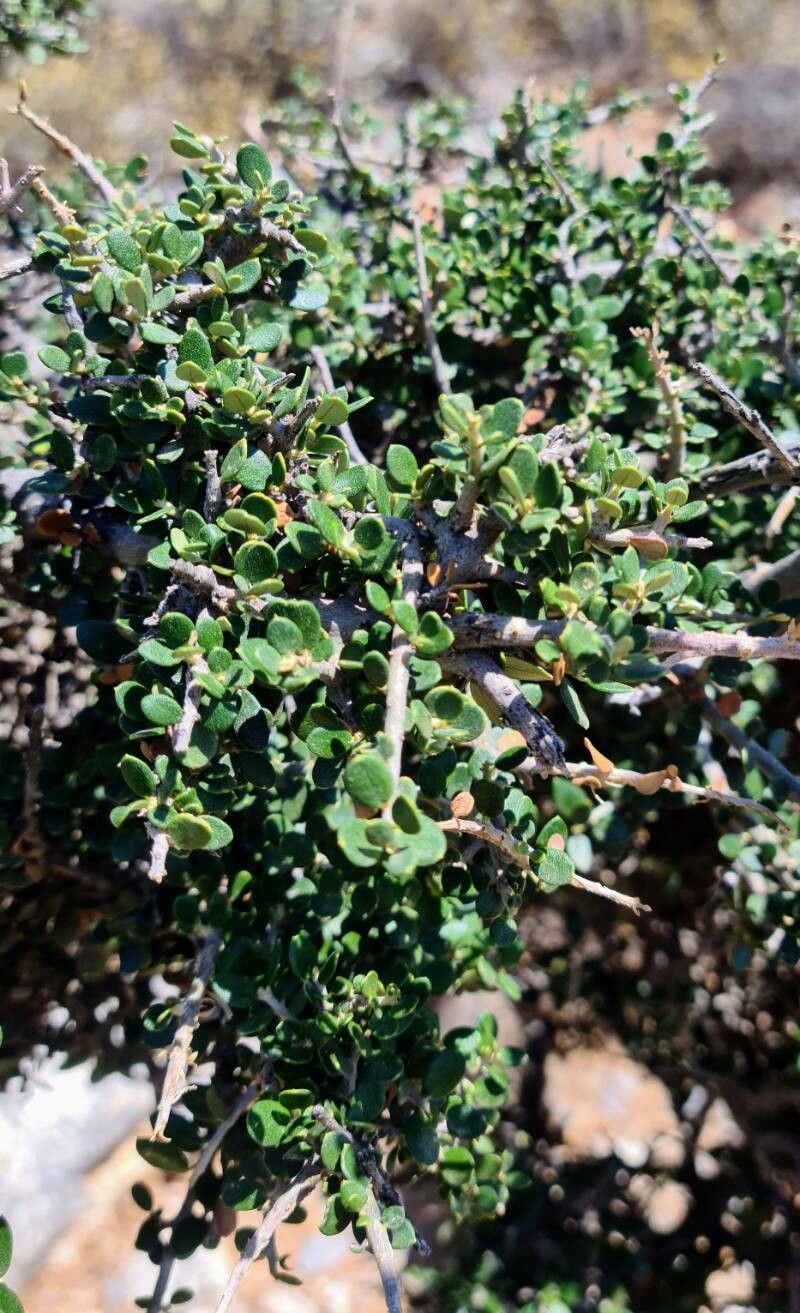
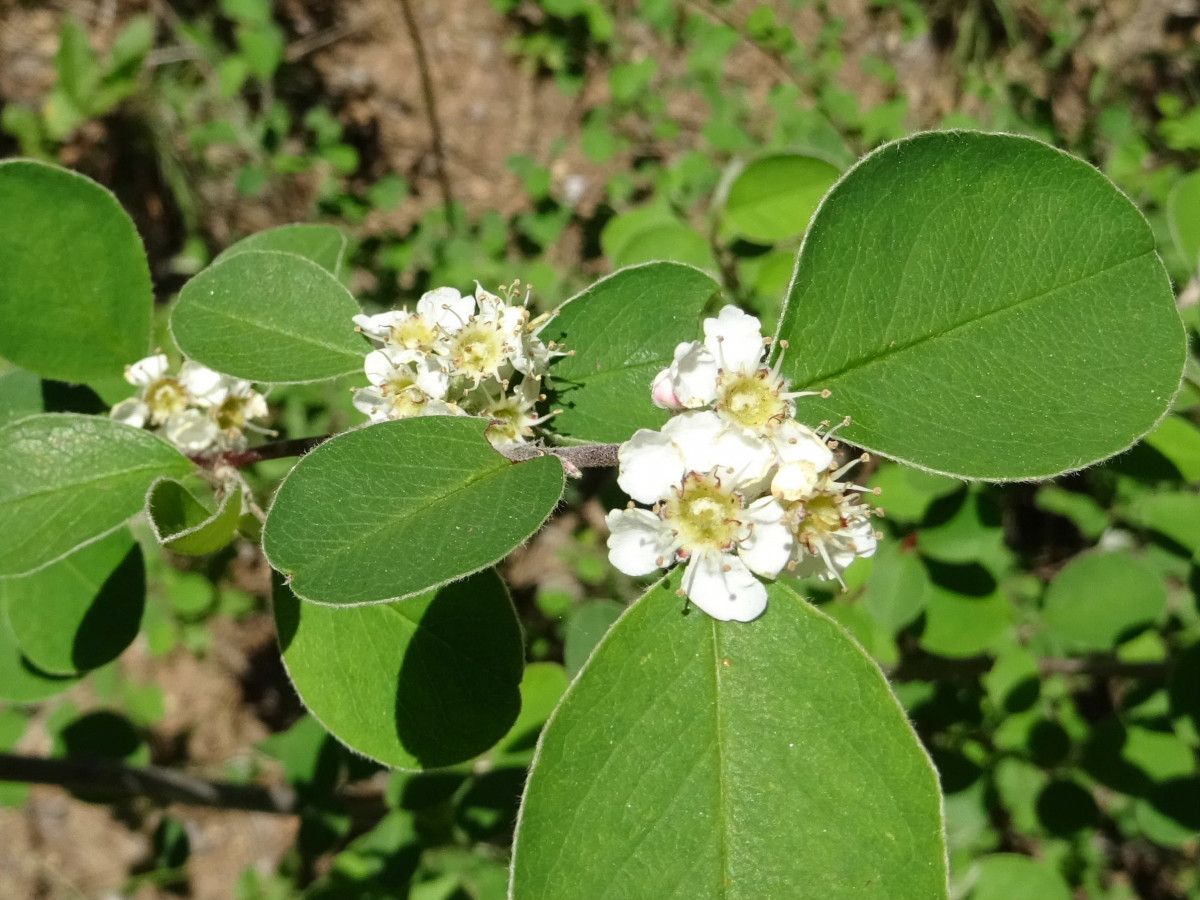
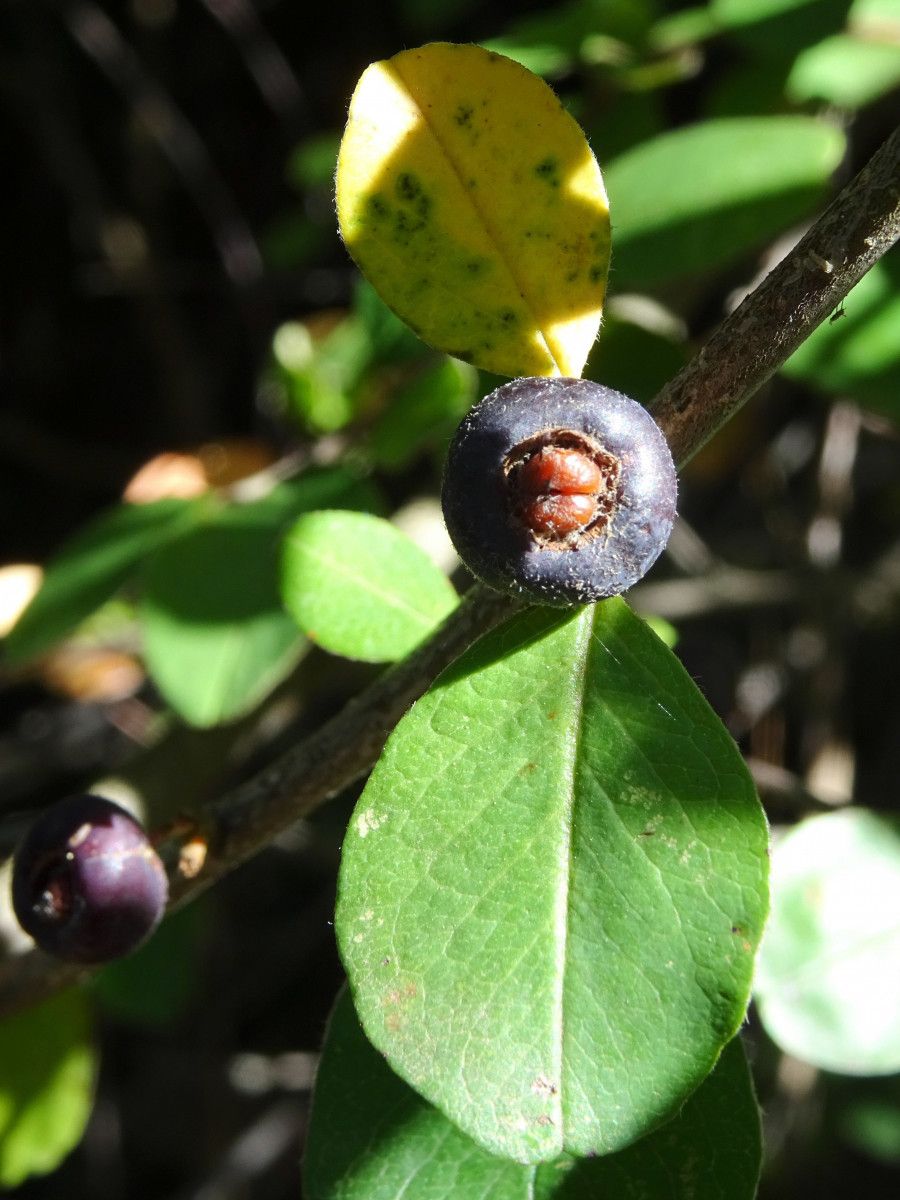
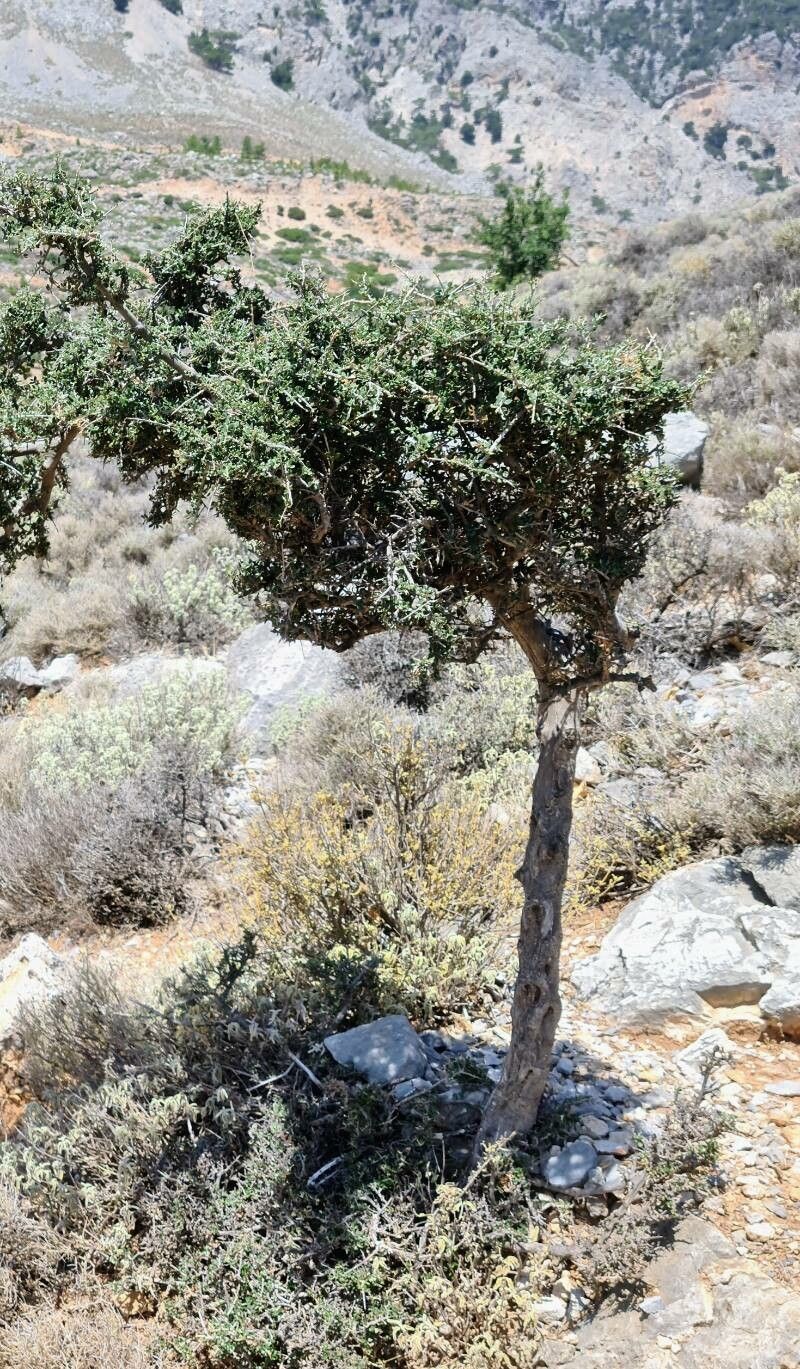
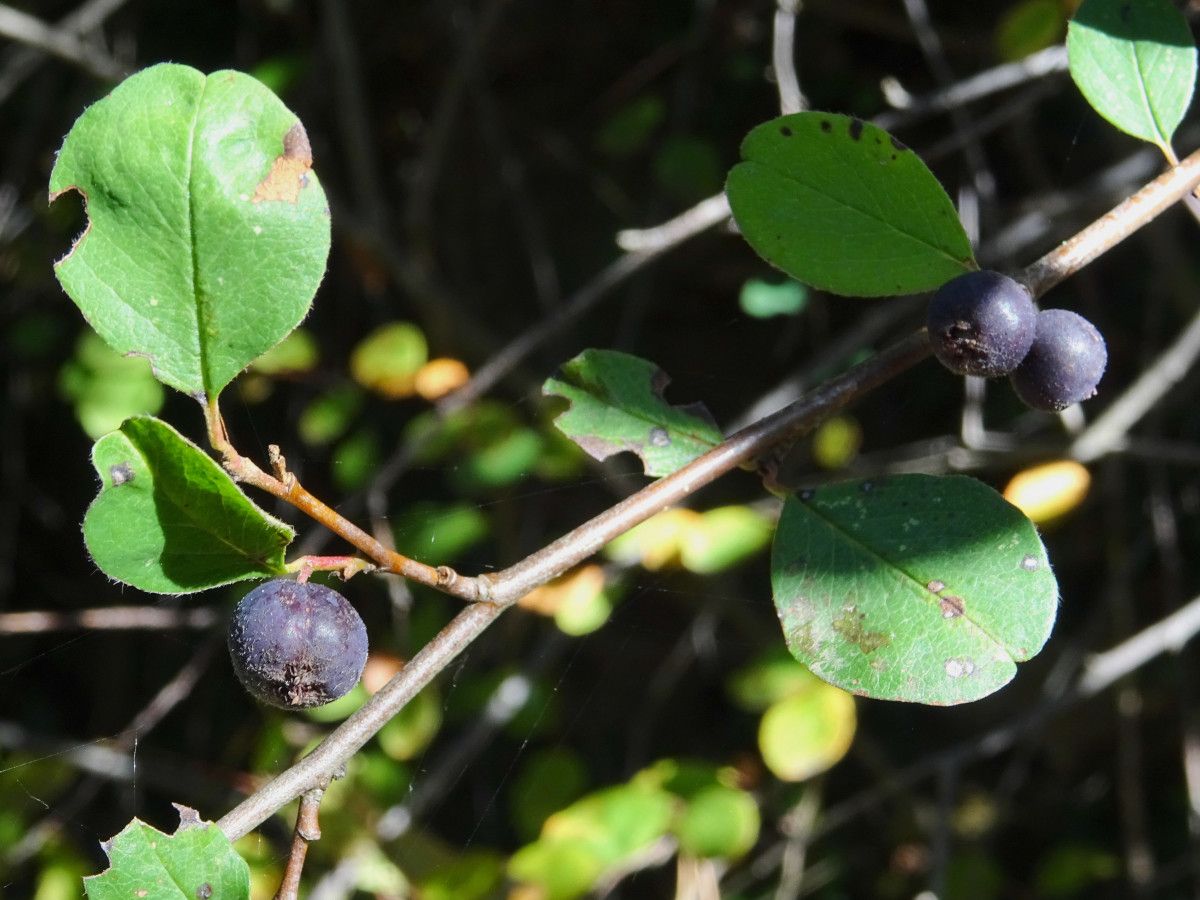
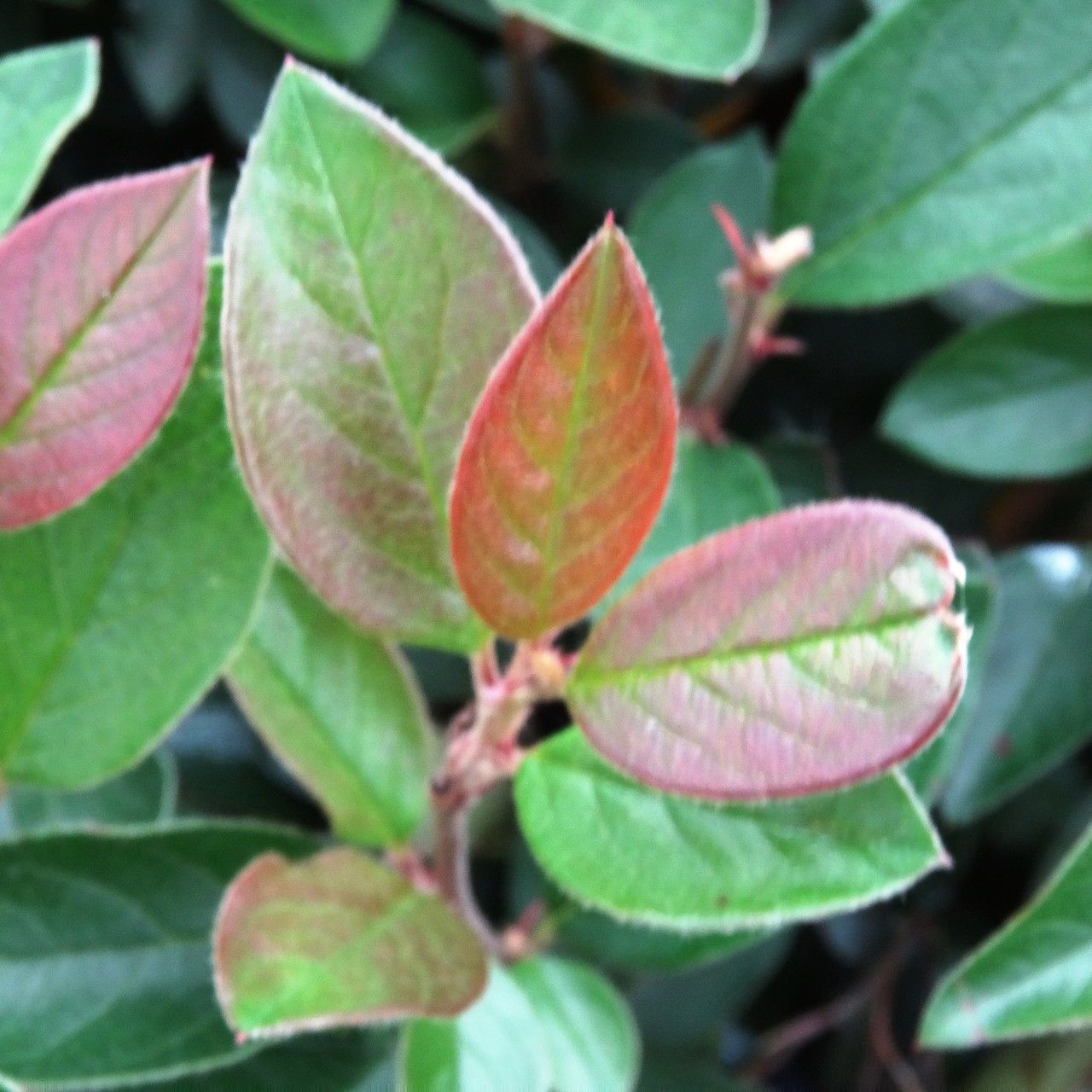
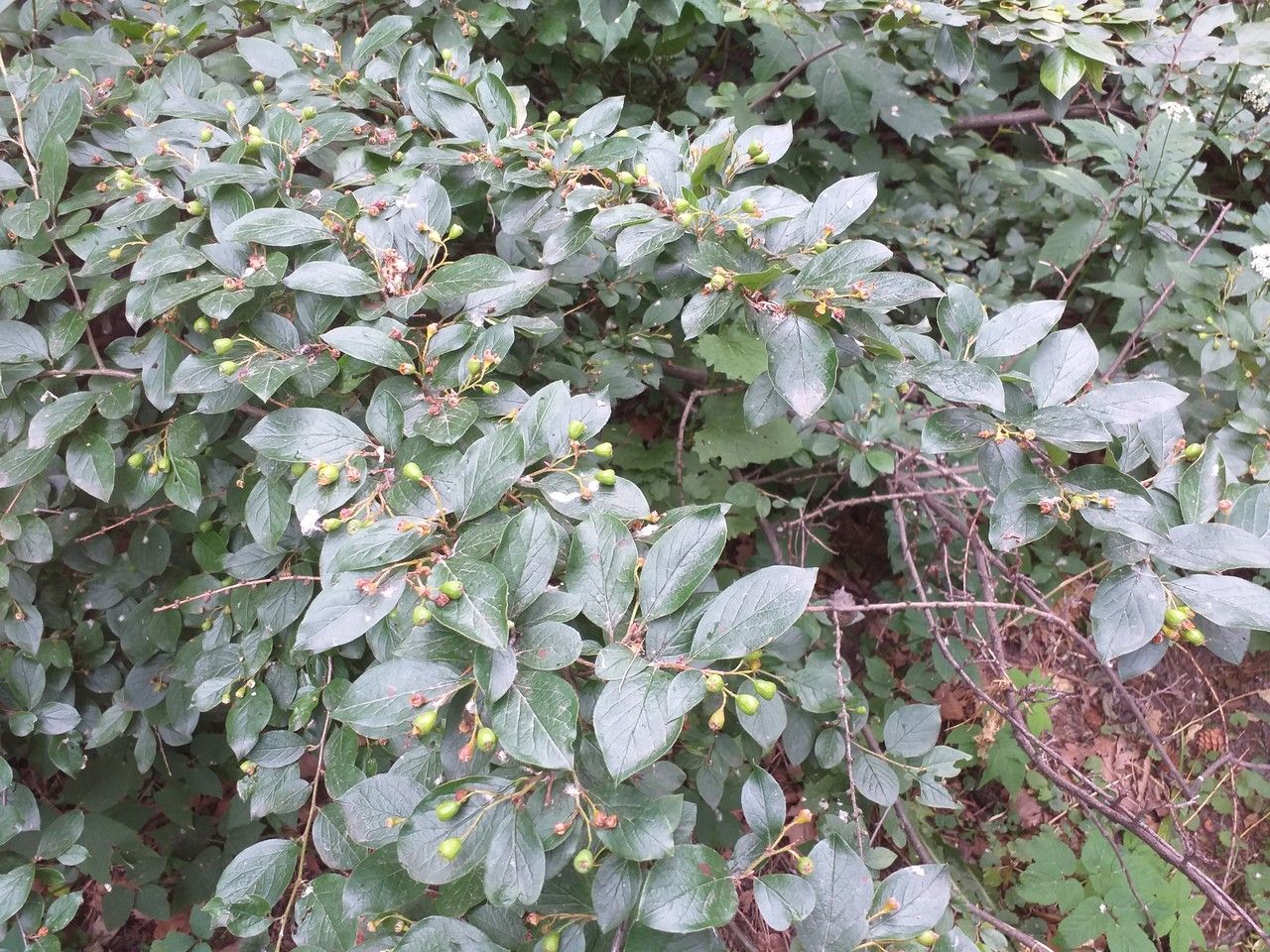
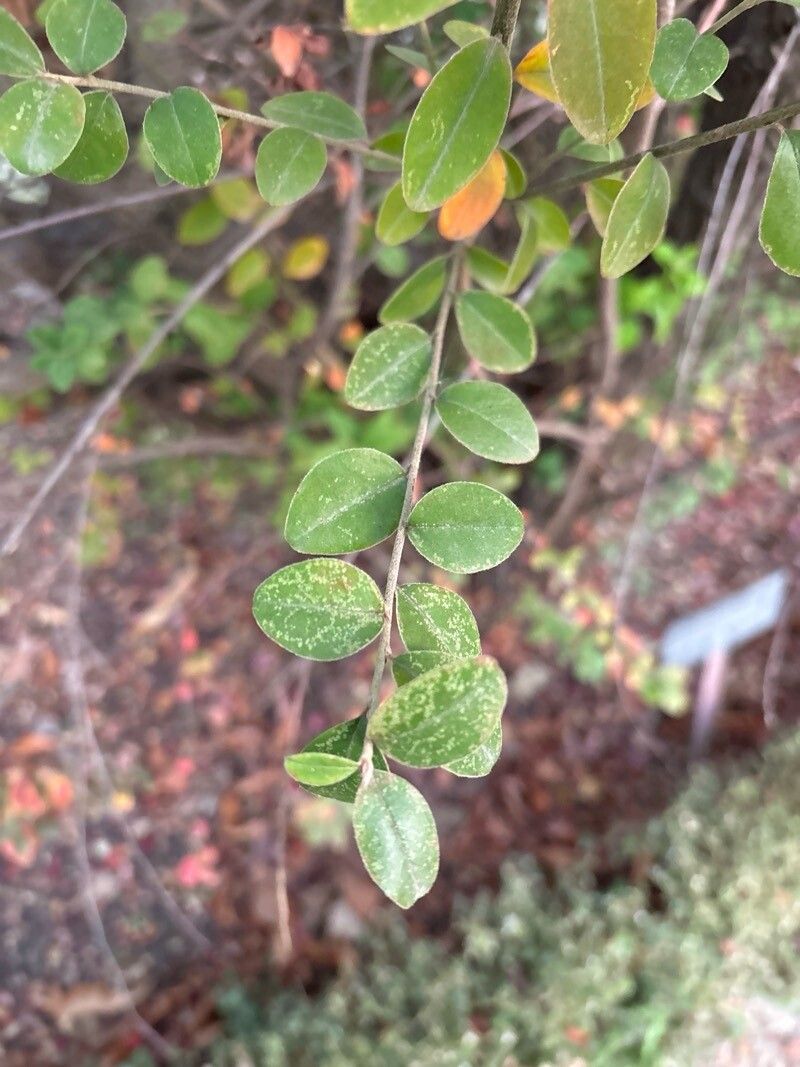
Cotoneaster nummularius, the nummular or coinwort cotoneaster, is a deciduous shrub in the rose family. It is native to a wide geographical range spanning from Morocco and Greece eastward through the Middle East, Central Asia, and into parts of China and India. It typically grows at altitudes between 800 and 2,400 meters in semi-arid montane climates, forming dense, rounded thickets. Characterized by its small, alternate leaves with dark green upper surfaces and densely grey undersides, C. nummularius produces white to pinkish-white hermaphroditic flowers from April to June. These are followed by round or oval pomes that ripen from red to bluish-black or black-violet between August and October. The fruits contain cyanogenic glycosides, which contribute to their toxicity and aid in seed dispersal by birds. Beyond its ornamental value in landscaping, C. nummularius has a history of traditional medicinal use in various Asian cultures, where its fruits and other parts have been employed as an appetite stimulant, expectorant, and for treating conditions like malarial fever and rheumatic ailments. Modern pharmacological investigations have identified a complex phytochemical composition, including flavonoids and procyanidins, and have demonstrated antioxidant, anti-inflammatory, antimalarial, and anti-jaundice properties.
Botanical profile.
- Genus
- Cotoneaster
- Family
- Rosaceae
Other names.