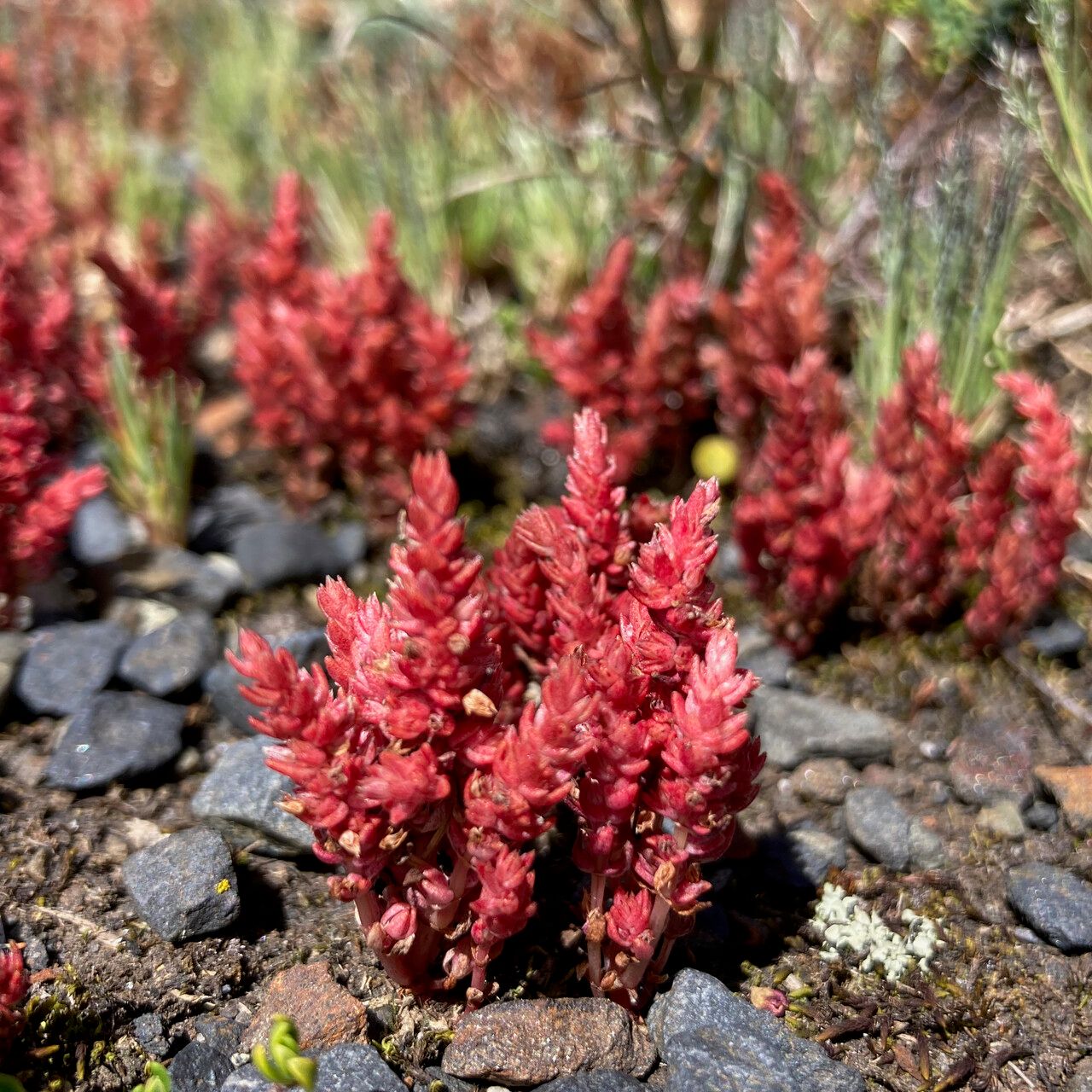
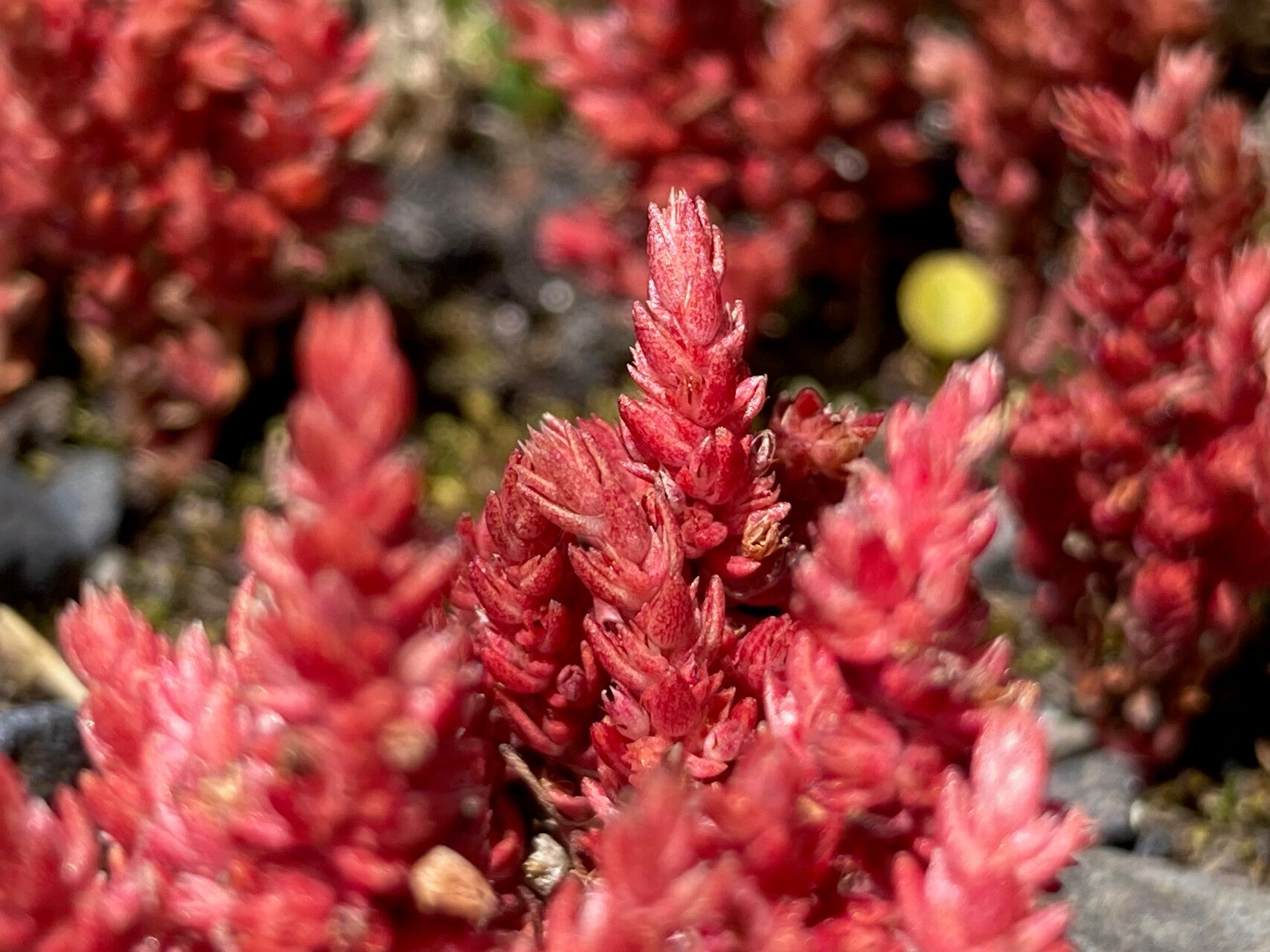
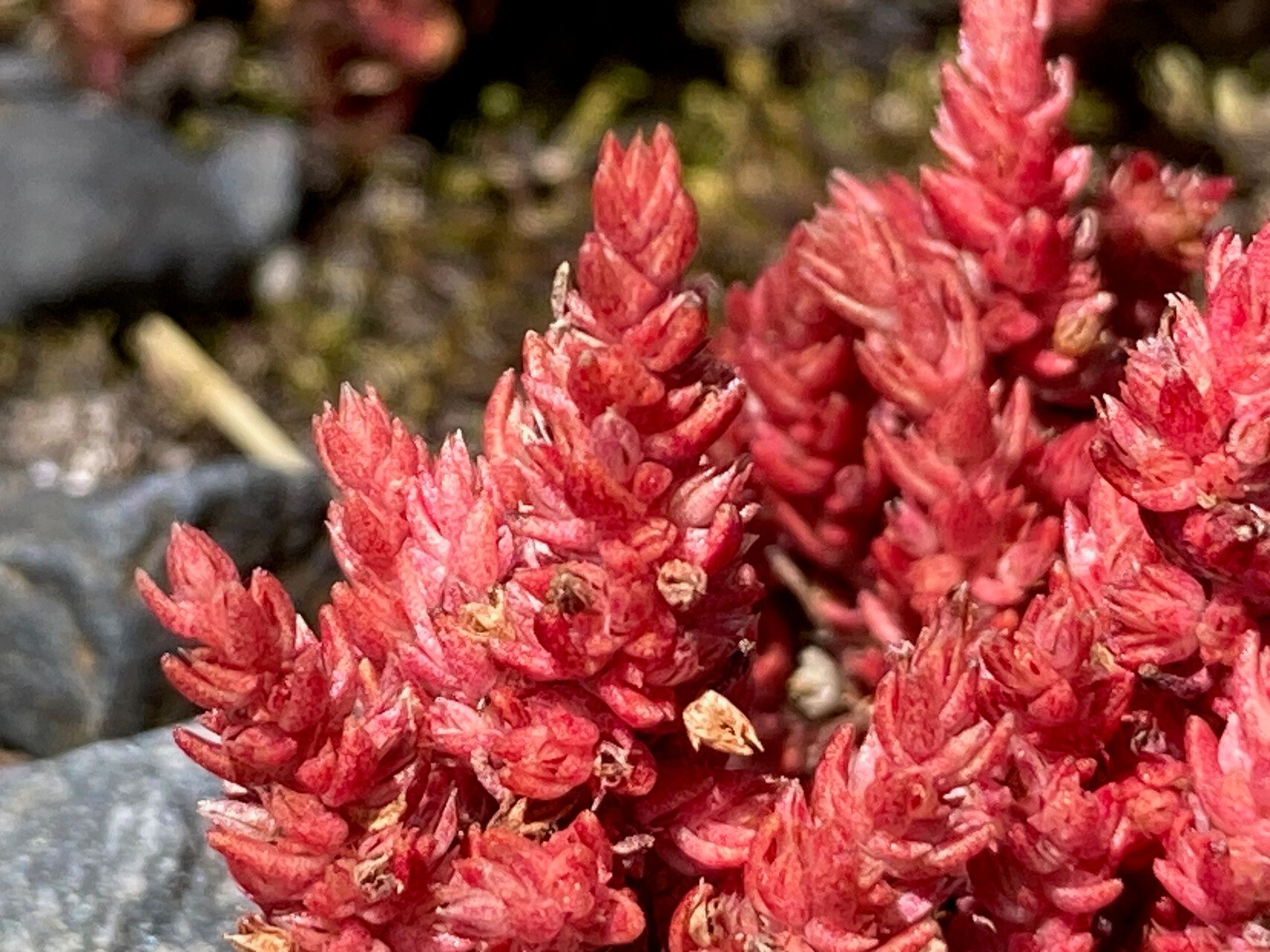
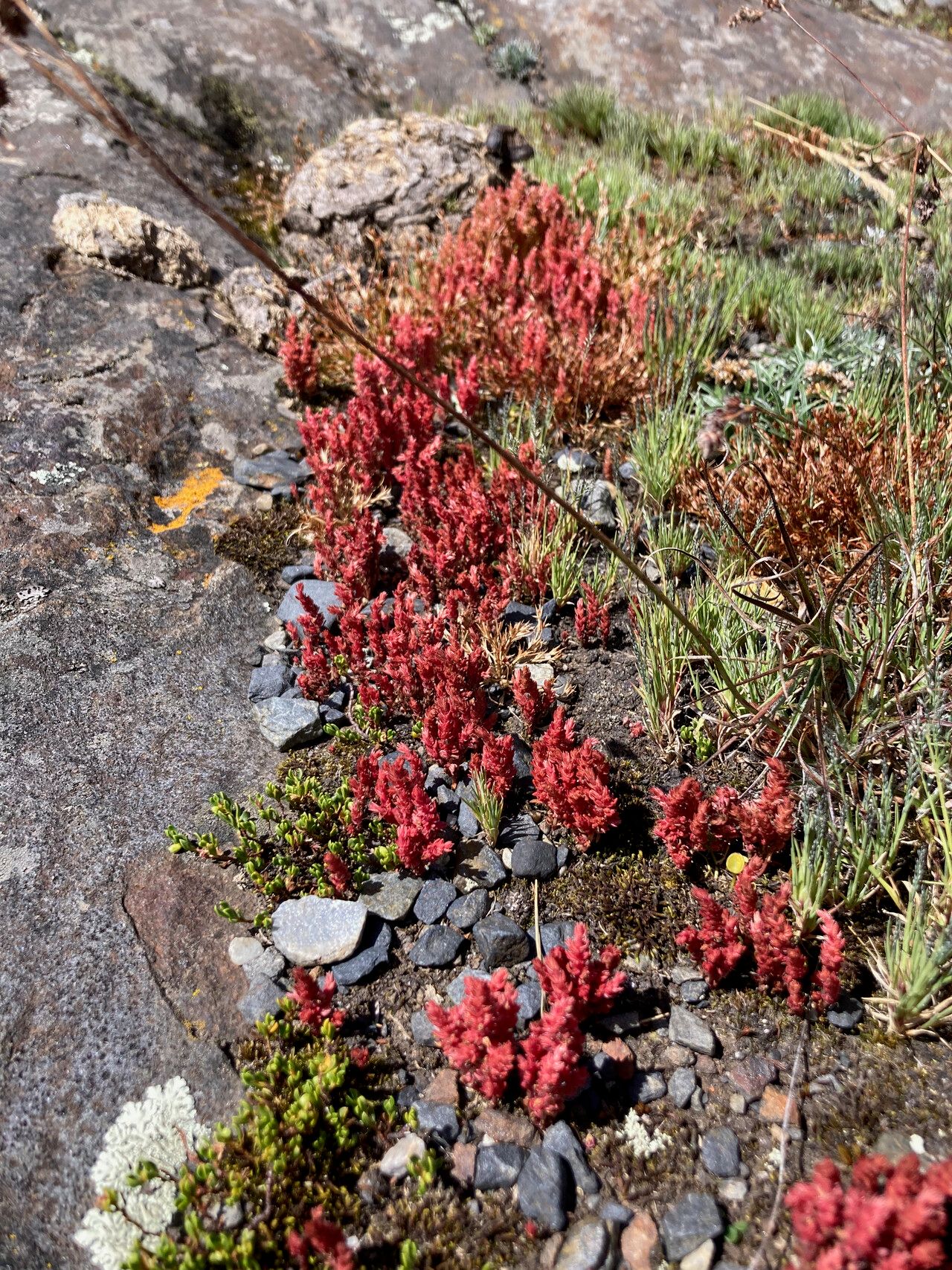
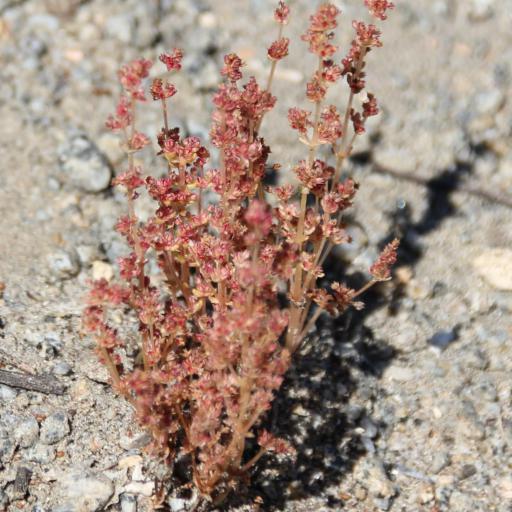
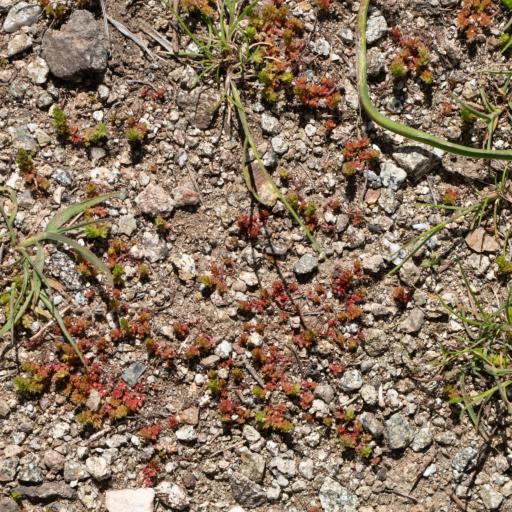
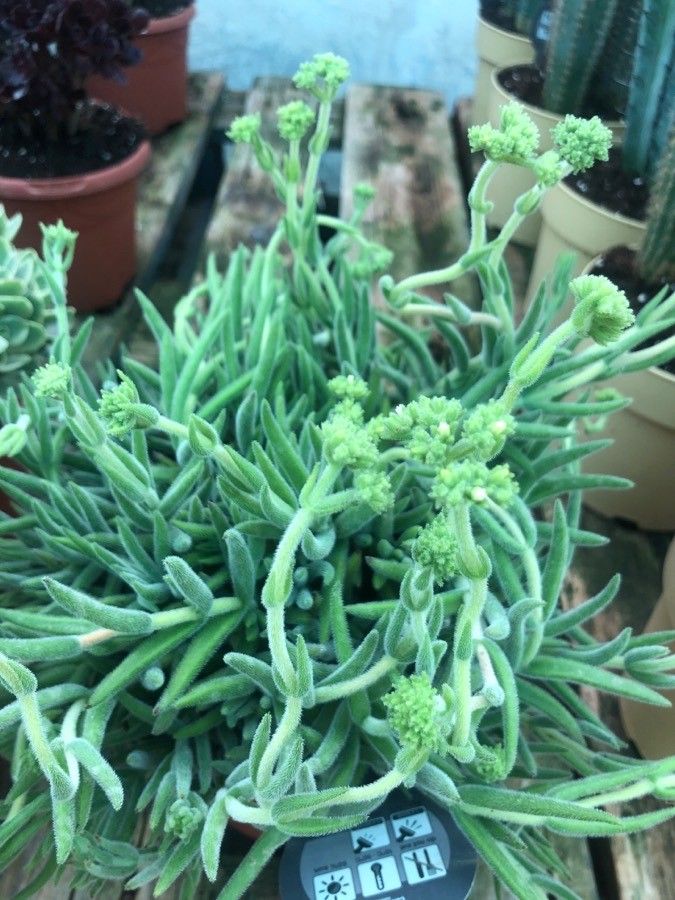
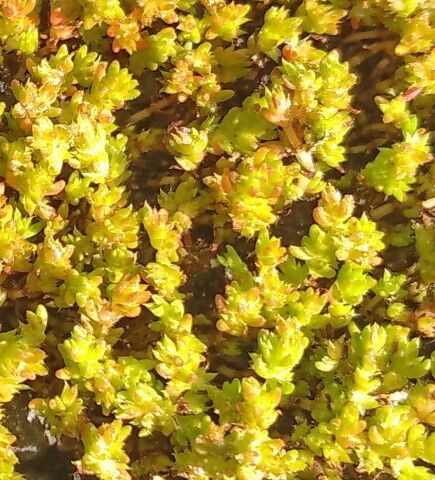
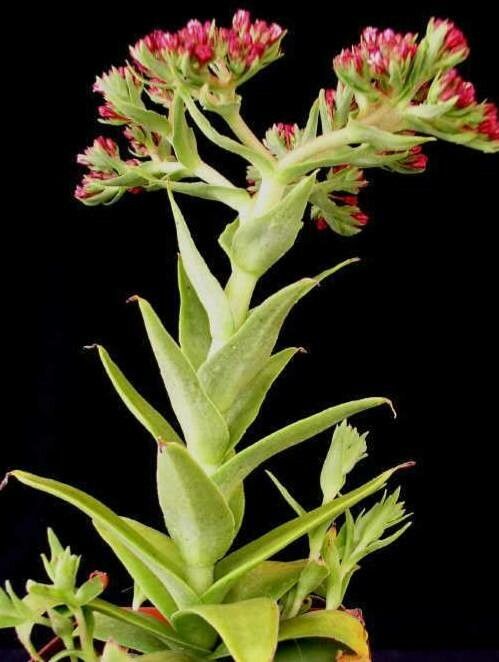
Crassula connata is a succulent plant in the family Crassulaceae. It is known by the common names sand pygmyweed and pygmy stonecrop. It is a very small plant which grows in patches on the ground, especially in rocky areas. It is also sometimes associated with vernal pool plant communities. The stems are a few centimeters in length and are covered with tiny fleshy pointed leaves. Each leaf is only millimeters long. The plant is green when new and it matures to shades of pink and red. It is found in western North America and in parts of Central and South America.
Pygmy stonecrop has moderate disease resistance but is more sensitive to humidity. It becomes vulnerable to illness when humidity is high and is prone to root rot during its dormant phase. Regarding care, Pygmy stonecrop tolerates drought yet requires increased watering in the active growing season. Watering should be greatly reduced or halted entirely while the plant is dormant. Pygmy stonecrop is best suited to growers with some experience, as it can be challenging to maintain, especially during dormancy. It is particularly appropriate for those who can dedicate time to its care throughout the winter months.
How to keep Crassula Connata.
Light
Native to dry areas, Pygmy stonecrop performs best in full sun; its native habitat is marked by intense sunlight and little shade. It also tolerates partial sun, giving it some adaptability in growth.
Water
Pygmy stonecrop is well-suited for arid environments, making it highly drought-tolerant. It requires minimal watering, ideally just once a week. This plant thrives in well-draining soil to prevent root rot and is typically grown indoors due to its compact size and ability to store water.
Temperature
Pygmy stonecrop is native to temperate climates where temperatures range from 68 to 100 °F (20 to 38 ℃). It prefers warm weather and may need adjustments during colder seasons to maintain optimal growth conditions.
Fertilizer
For Pygmy stonecrop, apply light amounts of fertilizer once or twice a year during the growing season. Avoid fertilizing in winter and in summer when it is dormant. Use less fertilizer for repotted plants and wait a couple of months after repotting before fertilizing. Fertilizing helps maintain healthy growth and promotes blooms.
Pruning
Pygmy stonecrop is a succulent known for its dense foliage. To help it thrive, regular pruning from early to late spring is essential. The key techniques for effective pruning include removing dead or damaged parts of the plant. This promotes growth, helps maintain its shape, and improves air circulation, ultimately resulting in a healthier and more robust plant.
Botanical profile.
- Plant Type
- Herb
- Life Cycle
- Annual
- Genus
- Crassula
- Family
- Crassulaceae
- Hardiness Zone
- 10-11
- Mature Height
- 2 cm to 6 cm
- Mature Spread
- 2 cm to 5 cm
- Leaf Color
- Green, Light Green
- Leaf Type
- Evergreen
- Flower Color
- White
- Flower Size
- 0.10 cm to 0.20 cm
- Bloom Time
- Early spring, Mid spring
- Planting Time
- Autumn
- Harvest Time
- Late spring, Early summer
- Native Area
- Colombia, Mexico, Guatemala, Bolivia, Peru, Ecuador
Other names.