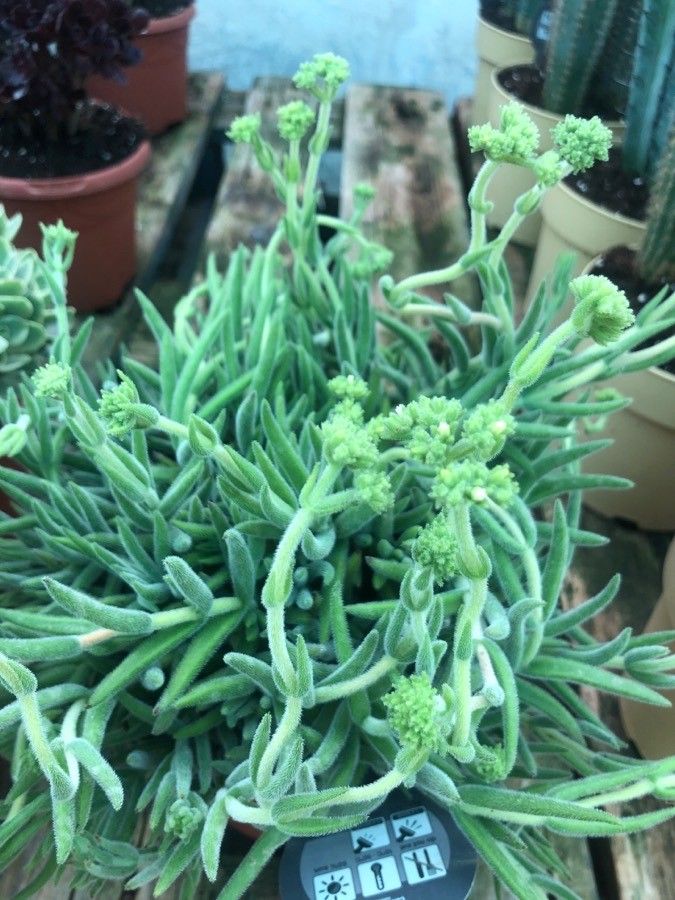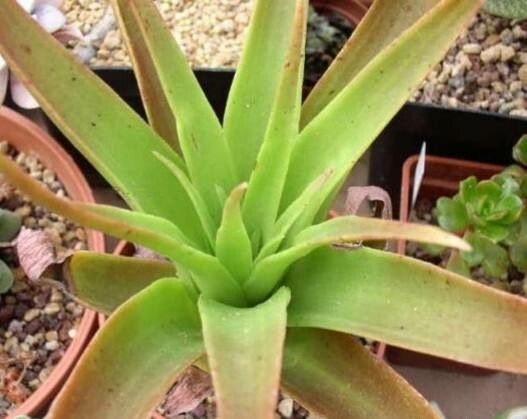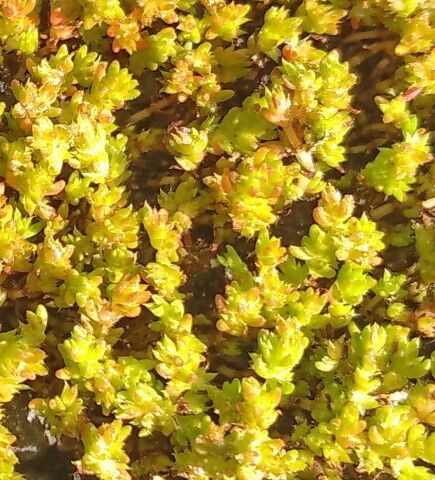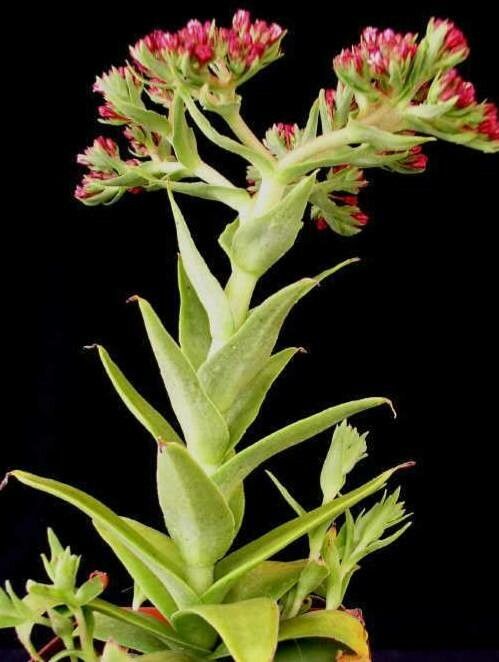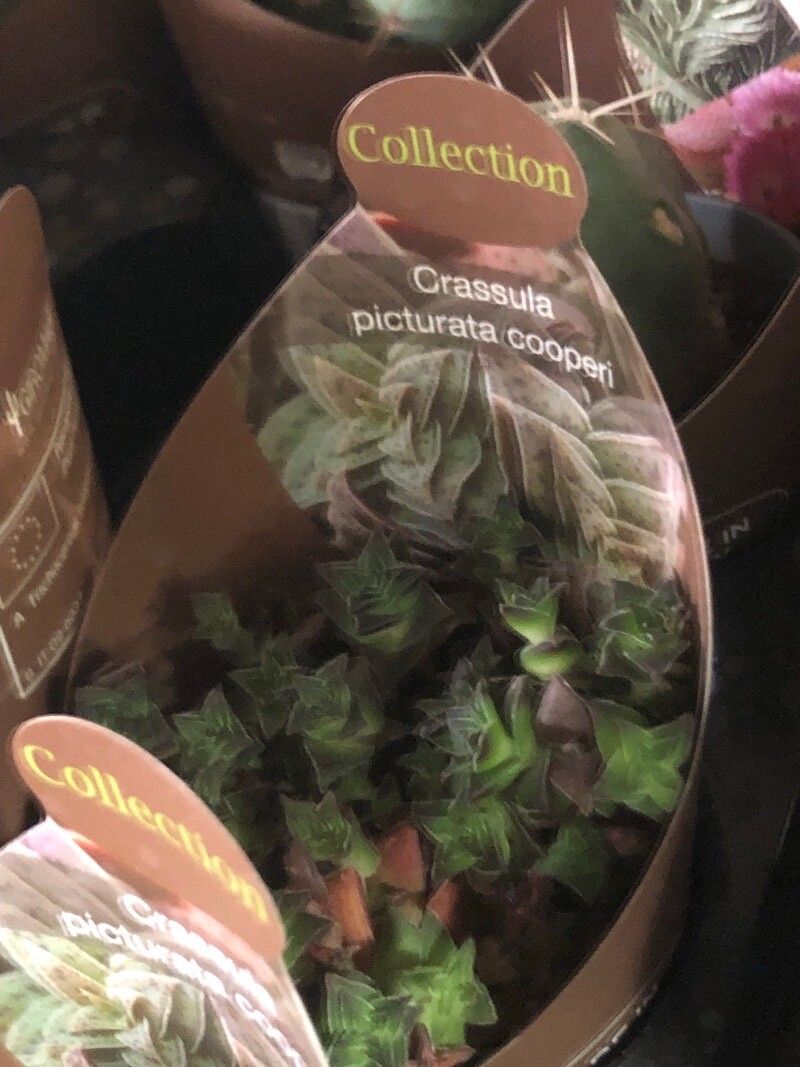
Crassula exilis subsp. cooperi has moderate disease resistance and is more sensitive to humidity. It becomes vulnerable to disease when humidity is high and is liable to develop root rot during dormancy. In terms of care, Crassula exilis subsp. cooperi tolerates drought but requires more frequent watering in the growing season. Watering should be sharply reduced or stopped entirely during the dormant period. Crassula exilis subsp. cooperi is appropriate for growers with some experience, though it can be challenging to care for, particularly during dormancy. It is especially suited to people who can devote time to its care over the winter months.
How to keep Crassula Cooperi.
Light
Originally from dry areas, Crassula exilis subsp. cooperi is a plant that flourishes in areas full of sunlight, mirroring its native habitat of intense solar exposure and negligible shade. It can also tolerate semi-shade conditions, displaying some flexibility in its growth pattern.
Temperature
Crassula exilis subsp. cooperi does have a certain degree of heat resistance, although it predominantly flourishes and develops during the colder seasons, becoming inactive in the summer. When summer temperatures soar, it's crucial to provide cover to guard against harsh sunlight burns. During this hottest season, the amount of watering needs to be lessened or even stopped entirely to avoid rotting of the roots. Crassula exilis subsp. cooperi demonstrates robust growth during winter and spring seasons. As long as the temperature doesn't plunge to extreme lows, it will maintain a steady growth rate.
Fertilizer
For the Crassula exilis subsp. cooperi, modest amounts of fertilizer administered 1-2 times annually during the growth period are enough. Refrain from fertilization during the dormant winter and summer periods. When a plant has been repotted, decrease the amount of fertilizer and allow a couple of months to pass after repotting before you fertilize again. The use of fertilizer promotes robust growth and stimulates flowering.
Pot & Repot
When you're replanting Crassula exilis subsp. cooperi, choose a container that's a bit bigger than the current one and ensures proper water drain-off. Employ a drainage-effective, grainy cactus or succulent mix. Gently extract the plant from the previous pot, wipe off surplus dirt, and re-embed it at the same depth. Pause for several days before watering it to allow potential root injuries to mend. The best time to repot is during spring or autumn, and the plant should be placed somewhere with plenty of light.
Botanical profile.
- Plant Type
- Succulent
- Life Cycle
- Perennial
- Genus
- Crassula
- Family
- Crassulaceae
- Hardiness Zone
- 9-11
- Mature Height
- 61 cm
- Mature Spread
- 61 cm
- Leaf Color
- Light Green, Pale Green
- Leaf Type
- Evergreen
- Flower Color
- White
- Flower Size
- 0.51 cm to 0.76 cm
- Bloom Time
- Mid spring, Late spring
- Planting Time
- Spring
- Harvest Time
- Early summer, Mid summer
- Native Area
- South Africa, Zimbabwe