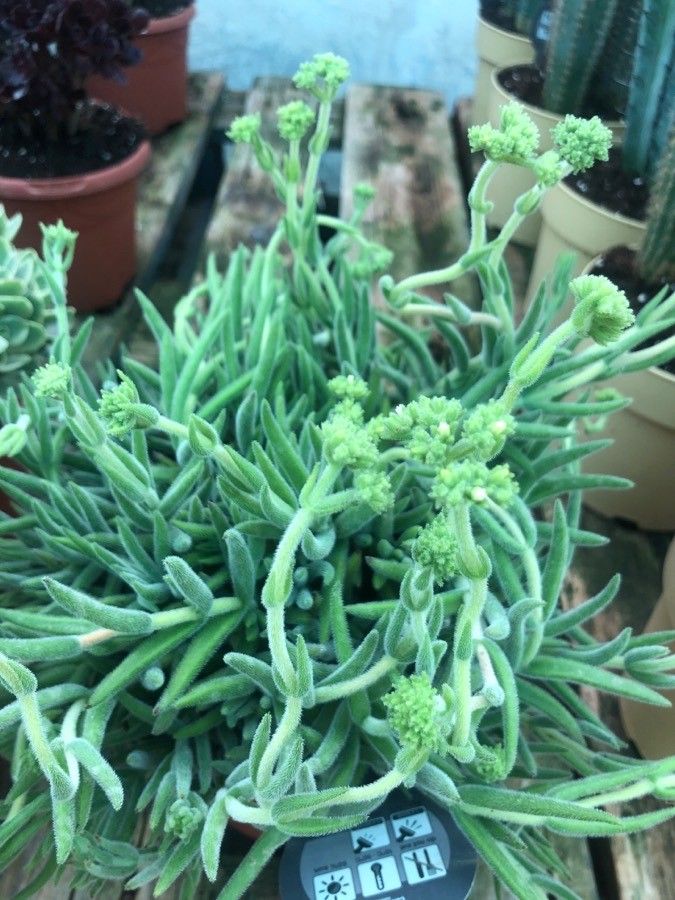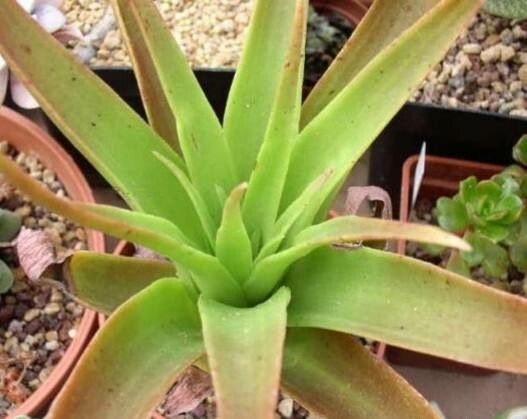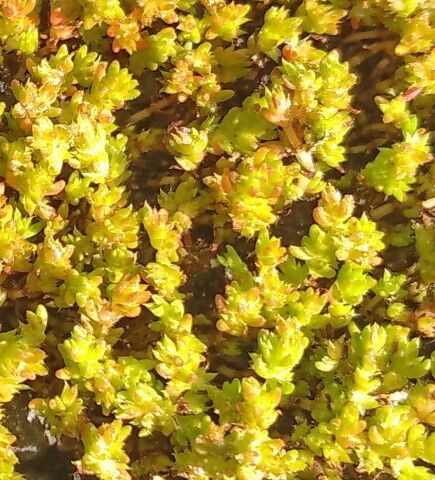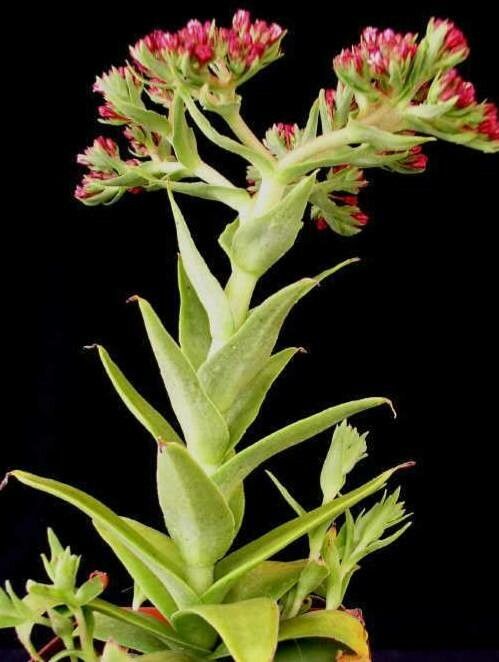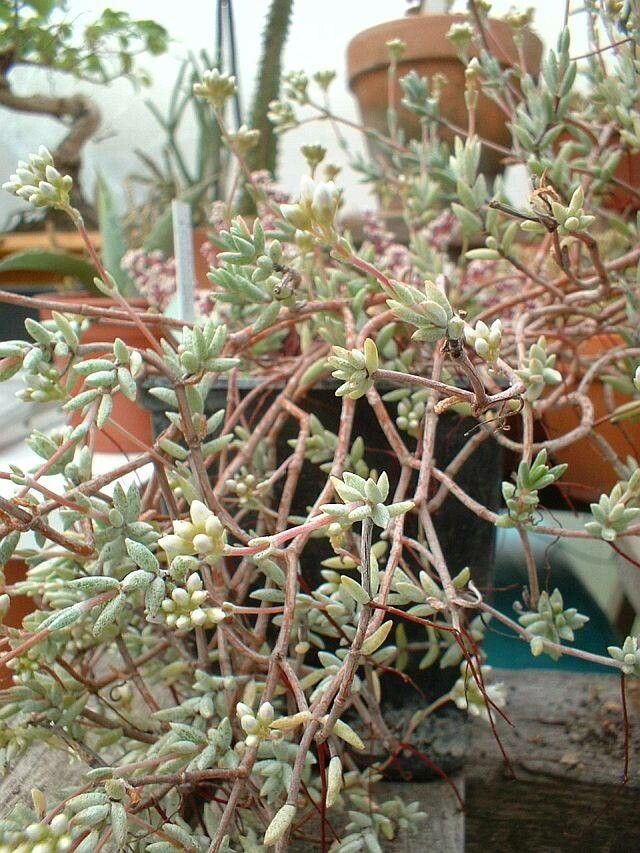
Crassula pruinosa has moderate disease resistance and is more sensitive to humidity. It is vulnerable to disease in high-humidity conditions and is likely to develop root rot during dormancy. Regarding care, Crassula pruinosa tolerates drought but requires increased watering during the growing season. Watering should be greatly reduced or stopped entirely during the dormant period. Crassula pruinosa is appropriate for people with some growing experience, but it can be challenging to care for, particularly during dormancy. It is especially suited to those who can dedicate time to its care throughout the winter months.
How to keep Crassula Pruinosa.
Light
Crassula pruinosa, indigenous to dry areas, prospers in direct sunlight. Its natural habitat is marked by intense sunlight and scarce shade. It also tolerates semi-shaded conditions, showing some flexibility in its growth.
Water
Crassula pruinosa requires careful watering that takes into account factors such as weather, the condition of the plant, and soil moisture levels. Reduce watering during periods of dormancy and extreme temperatures. Pay close attention to the leaves for signs of water shortage, and adjust the watering frequency according to the type of pot. Pots with good ventilation require more frequent watering than those without drainage.
Temperature
Crassula pruinosa does have a capacity to withstand some heat, but mainly flowers and develops during the colder seasons, going into a state of dormancy in the summer. It's crucial to give shade during high summer temperatures to avoid burns from fierce sunlight. Watering ought to be also minimized or stopped during the warmest period to avoid root decay. The plant goes through active growth during the winter and spring seasons. Provided the temperature doesn't overly decrease, it will persistently continue growing.
Fertilizer
Crassula pruinosa thrives with minimal fertilization 1-2 instances annually throughout the growth period. Avoid the application of nutrients during the winter and summer seasons when the plant is in a dormant state. After repotting, diminish the quantity of fertilizer and allow a few months to pass before administering nutrients again. This nutrient supplementation aids in robust development and promotes flowering.
Pruning
Crassula pruinosa has succulent leaves and a compact growth habit. To maintain its shape and promote healthy growth, prune it in early spring. During pruning, remove any dead leaves and trim any overly long stems. This light pruning helps improve air circulation and reduces the risk of disease, ensuring the plant remains healthy and visually appealing.
Pot & Repot
During the repotting process of Crassula pruinosa, choose a container that is marginally bigger than the current one and has efficient water drainage. Employ a well-draining, gritty cactus or succulent mix. Gently extract the plant from its former pot, brush away surplus soil, and replant it at an equal depth. Allow several days before watering to enable recovery from any potential root harm. Undertake this activity in spring or autumn and place the plant in a well-illuminated spot.
Botanical profile.
- Plant Type
- Succulent
- Life Cycle
- Perennial
- Genus
- Crassula
- Family
- Crassulaceae
- Hardiness Zone
- 9-11
- Mature Height
- 61 cm
- Mature Spread
- 61 cm
- Leaf Color
- Pale Green, Light Gray
- Leaf Type
- Evergreen
- Flower Color
- White, Pink
- Flower Size
- 0.51 cm to 0.76 cm
- Bloom Time
- Mid spring, Late spring
- Planting Time
- Spring, Summer, Autumn
- Harvest Time
- Early summer, Mid summer
- Native Area
- South Africa