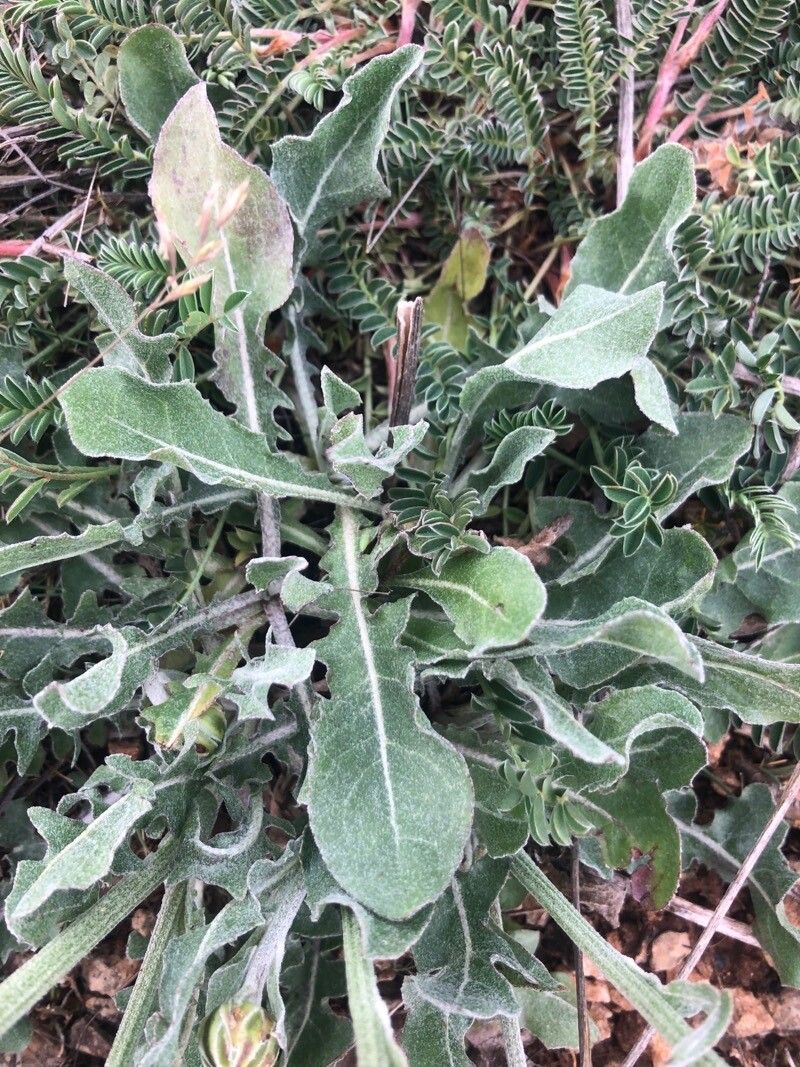
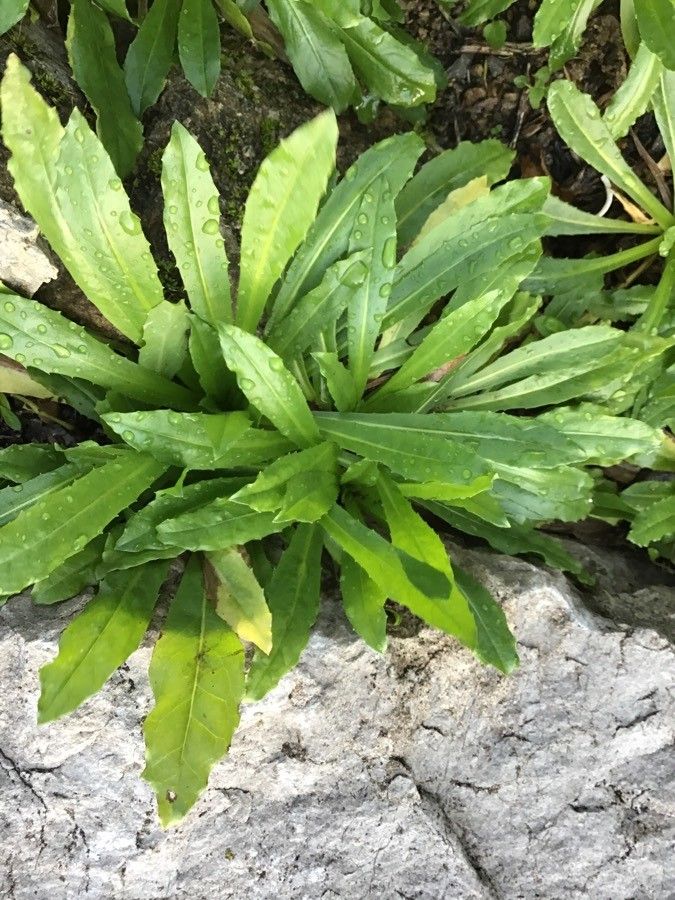
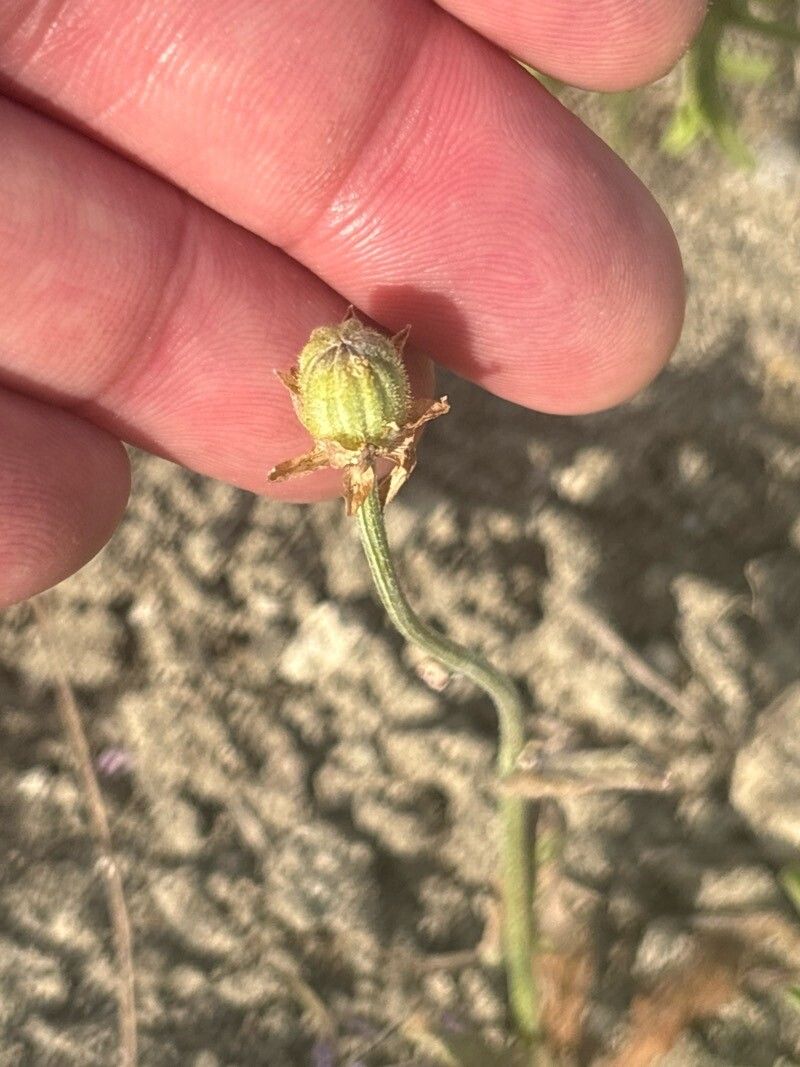
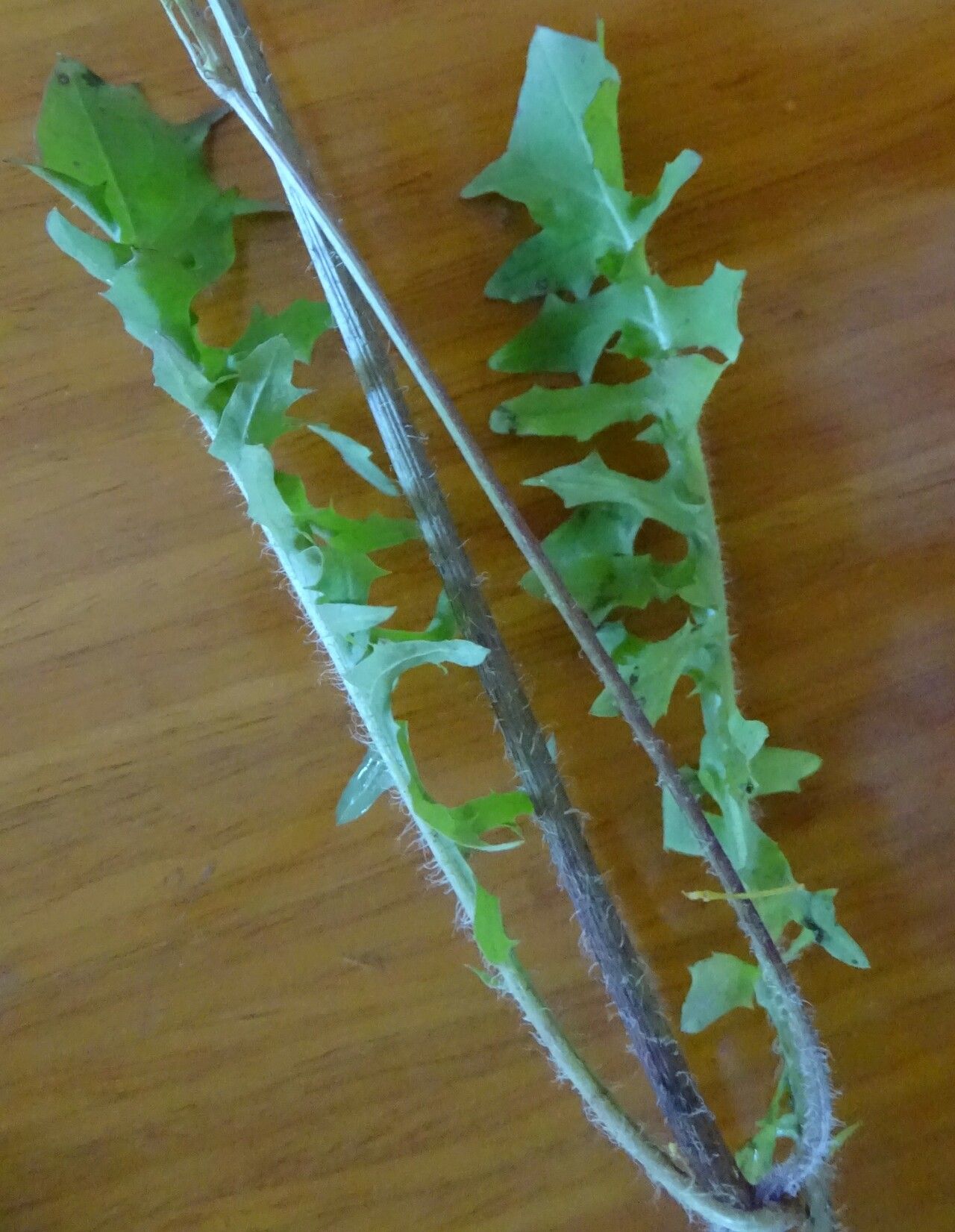
Pyrenean hawksbeard has strong disease resistance and is typically not prone to illnesses. Still, it can be vulnerable to pests and diseases present in its surroundings. Such infections are usually not severe. Regarding care, this plant needs moderate maintenance. It should be pruned regularly to preserve a neat appearance and encourage healthy growth. Applying fertilizer can also aid in promoting flowering. Pyrenean hawksbeard is appropriate for anyone with outdoor space, like a garden or patio, and does not demand extensive gardening experience. It may need more attention when cultivated indoors.
How to keep Crepis Albida.
Light
Pyrenean hawksbeard is a sun-loving perennial herbaceous plant native to open habitats, frequently thriving in meadows and grasslands. It prefers full sun but can also tolerate partial sun.
Water
The Pyrenean hawksbeard, native to mountainous areas, thrives with moderate hydration and consistent moisture, but it is important to avoid waterlogging. Watering once a week is usually sufficient to support its growth. This plant flourishes in cooler climates with natural rainfall patterns that align with its moderate hydration requirements and exhibits a degree of drought tolerance.
Temperature
Pyrenean hawksbeard can tolerate a wide range of temperatures, but its range may still be restricted by different combinations of moisture and heat. It performs best in warm summer conditions with adequate rainfall or watering. Extended stretches of cloudy, rainy weather or prolonged high temperatures raise the risk of the plant dying. In winter, suitable protection from cold can enhance its survival rate.
Fertilizer
The primary time to fertilize Pyrenean hawksbeard is in early spring as the flowers are developing. Applying the appropriate fertilizer promotes better blooms and helps the plant produce attractive flowers. Fertilizing in early spring ensures strong flowering during the season and supplies energy for dormant growth phases.
Pruning
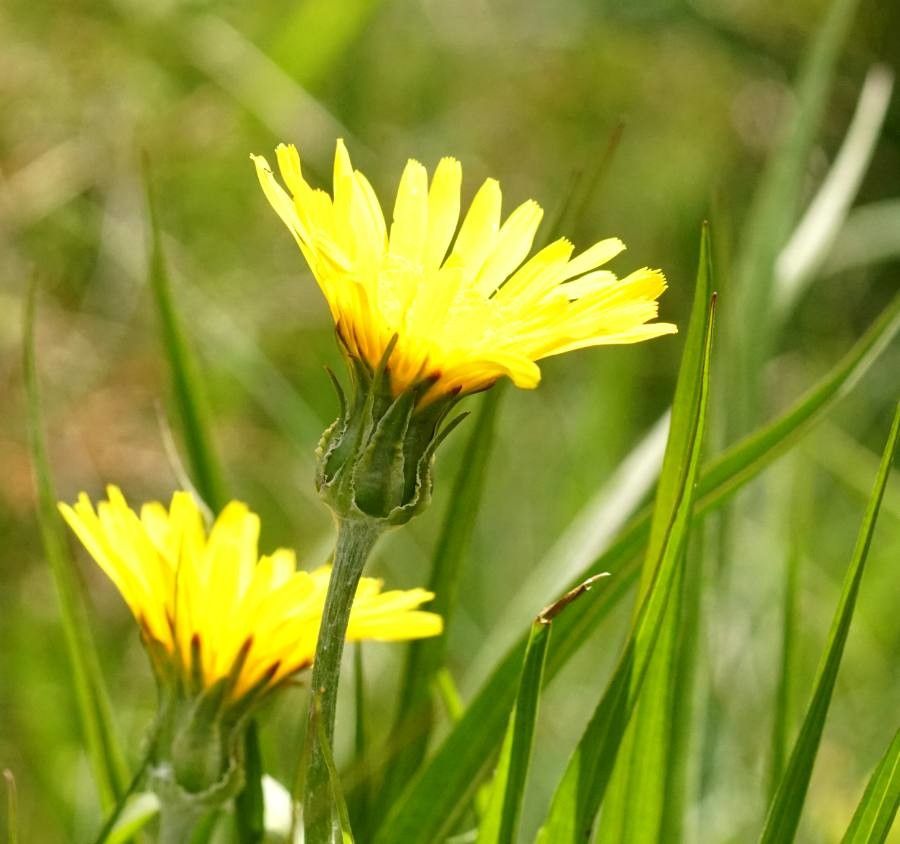
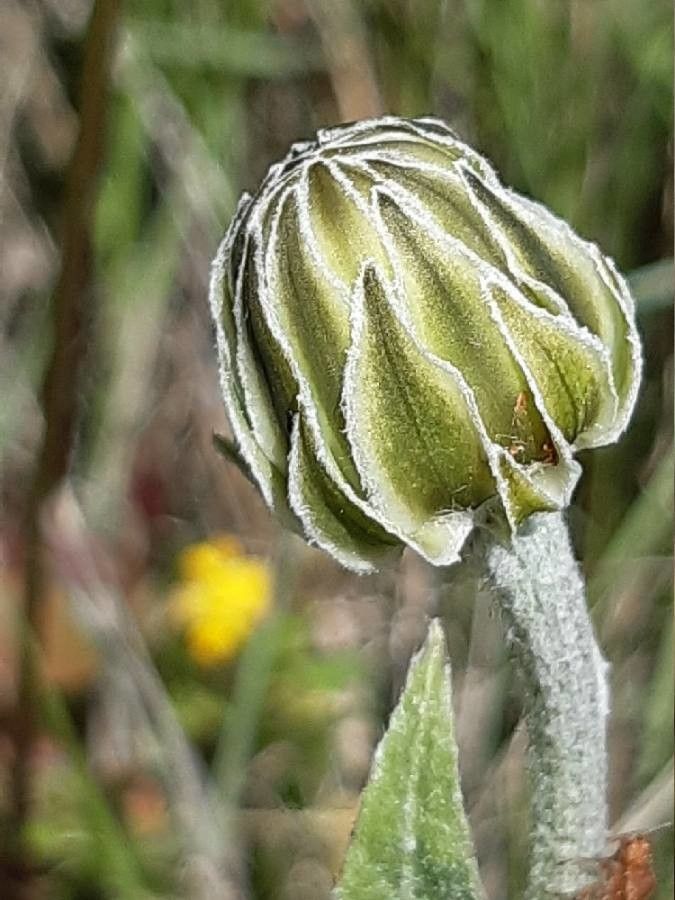
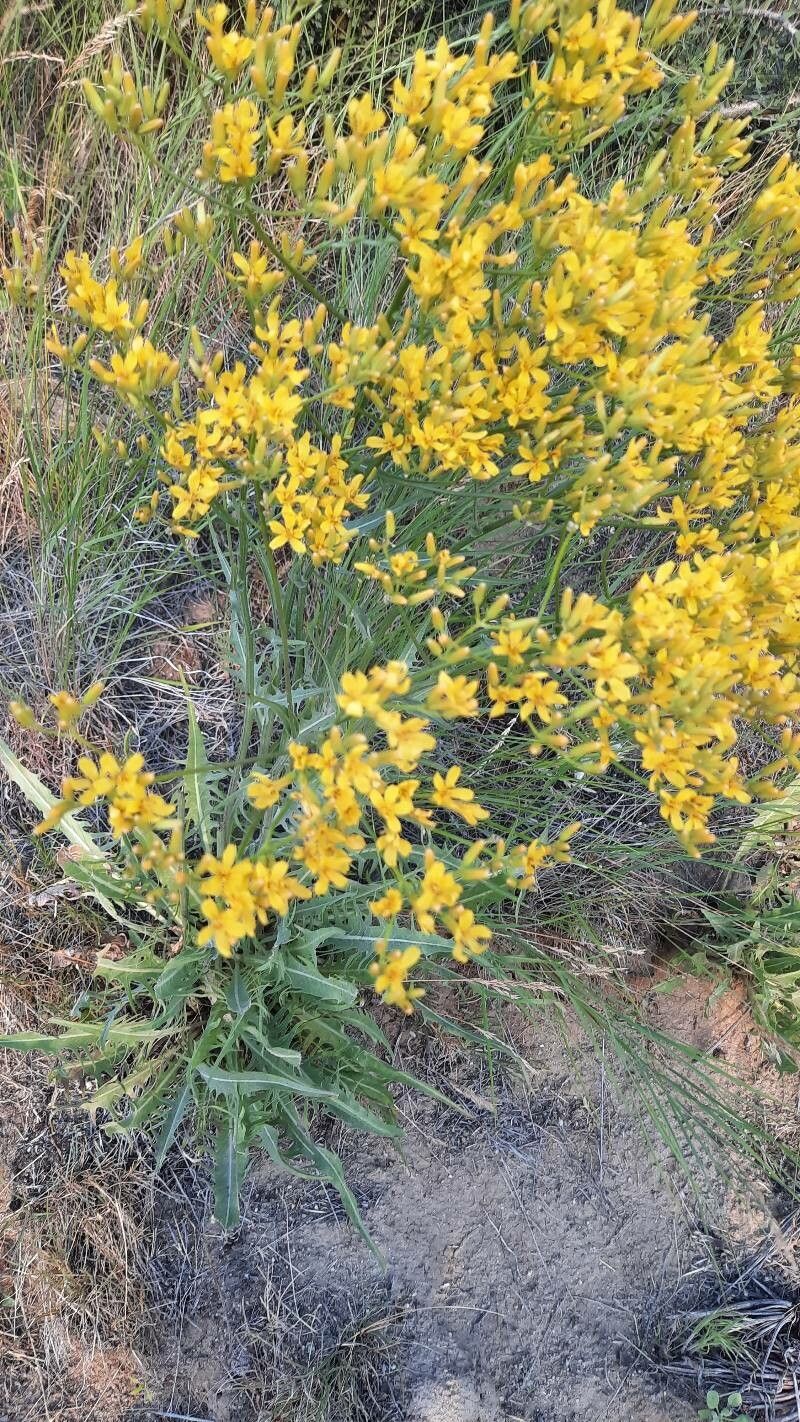
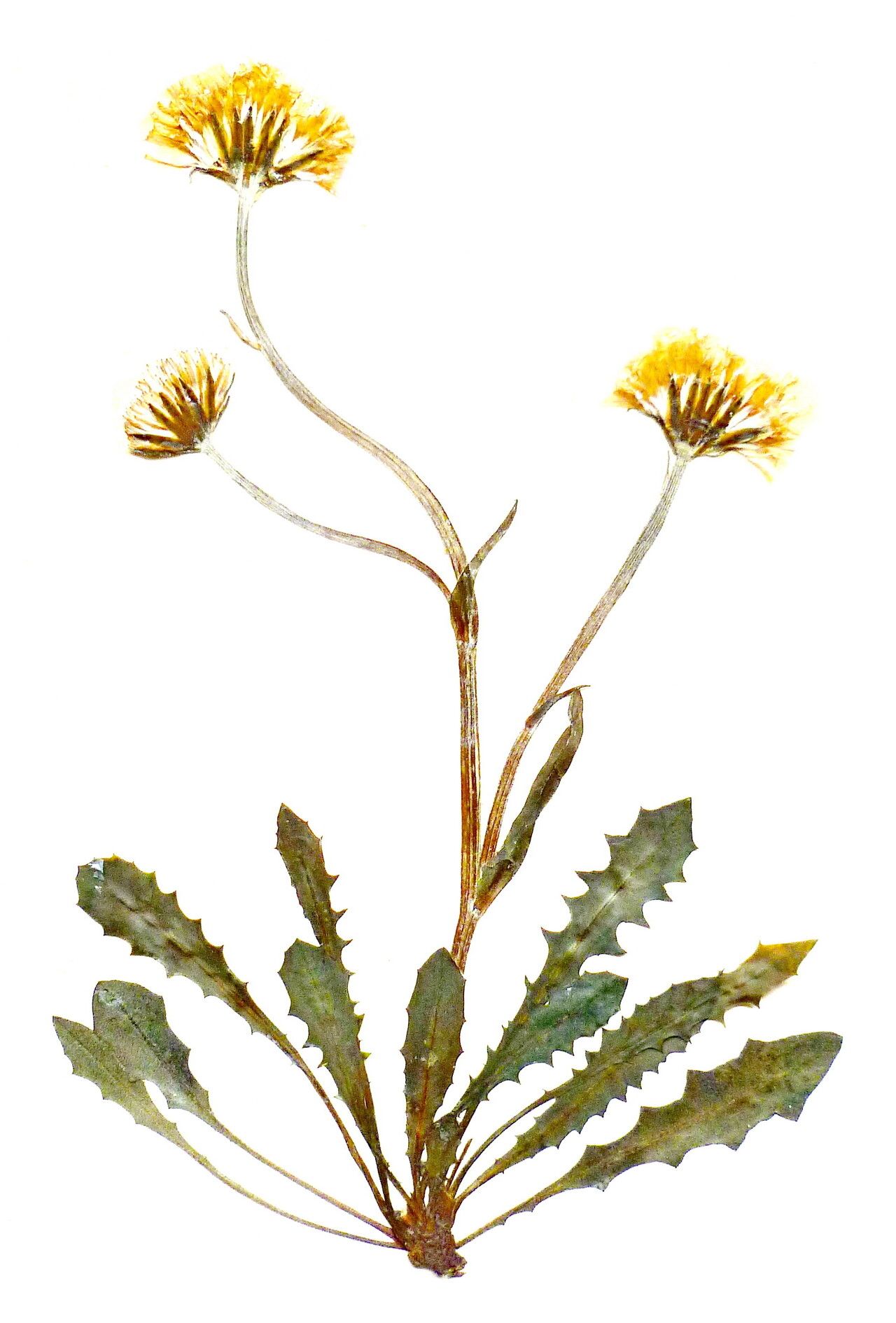
Pyrenean hawksbeard has tufted basal leaves and bright yellow flowers. To maintain its shape, improve airflow, and enhance flower production, prune it from early to late spring. Remove dead stems and spent flowers to prevent self-seeding. Regular monitoring and timely pruning will ensure optimal health and growth in your garden.
Botanical profile.
- Plant Type
- Herb
- Life Cycle
- Perennial
- Genus
- Crepis
- Family
- Asteraceae
- Hardiness Zone
- 5-9
- Mature Height
- 20 cm to 40 cm
- Mature Spread
- 15 cm to 30 cm
- Leaf Color
- Green, Light Green
- Leaf Type
- Deciduous
- Flower Color
- Yellow
- Flower Size
- 3.05 cm to 5.08 cm
- Bloom Time
- Mid spring, Late spring, Early summer
- Planting Time
- Spring, Summer, Autumn
- Harvest Time
- Summer
Other names.
Reader questions.
What are the sunlight requirements for Pyrenean hawksbeard?
The Pyrenean hawksbeard (Crepis albida) thrives in various sunlight conditions. For full sun exposure, it requires more than 6 hours of sunlight a day, ensuring it receives enough light for optimal growth and health. In contrast, partial sun, which entails about 3-6 hours of sunlight daily, is also suitable for its growth. It's essential to observe how sunlight moves through your garden throughout the day. Selecting spots that offer a harmonious balance of light and shade will greatly contribute to the well-being of your plants. By understanding your garden's light dynamics, you can create an environment where the Pyrenean hawksbeard can flourish.