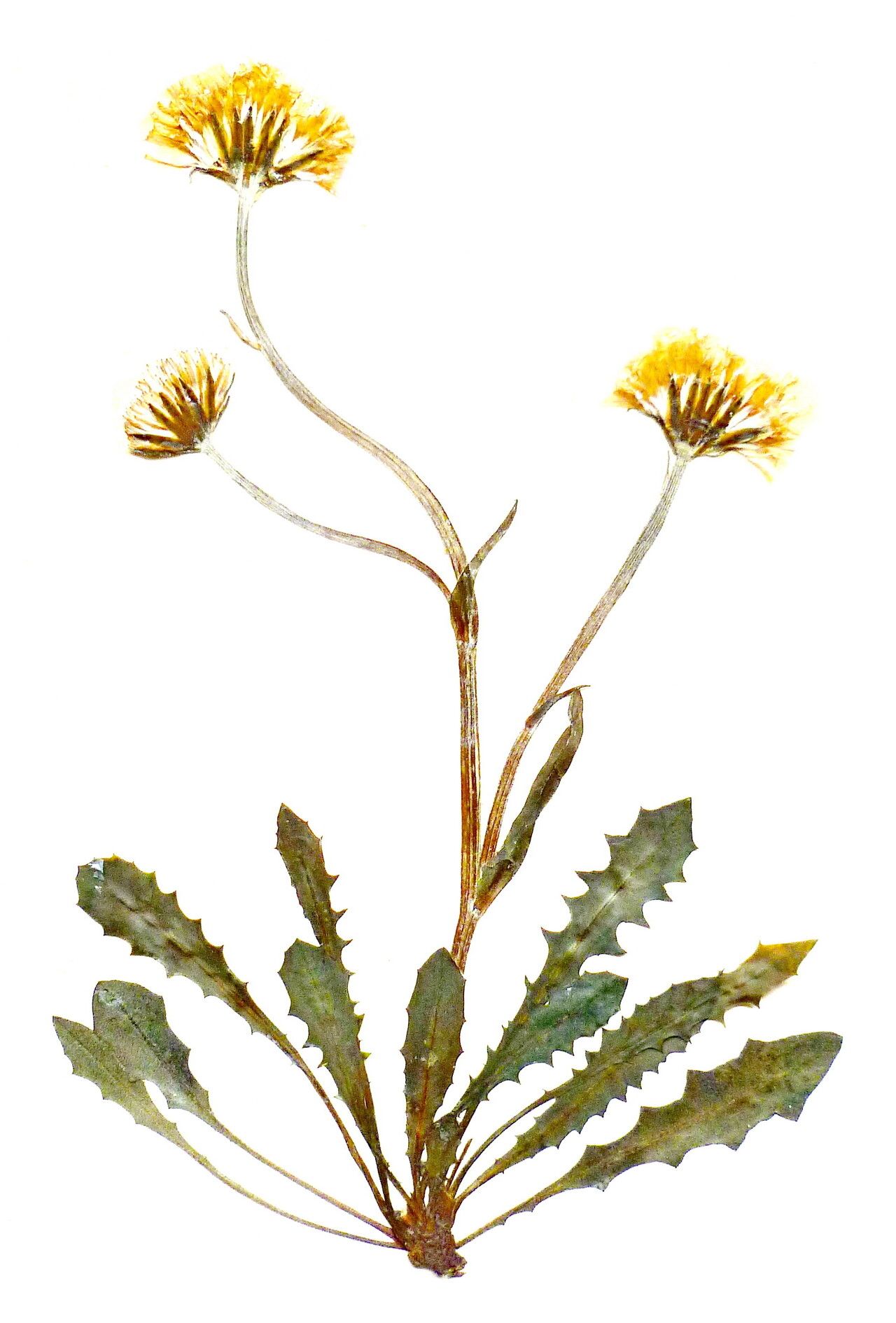
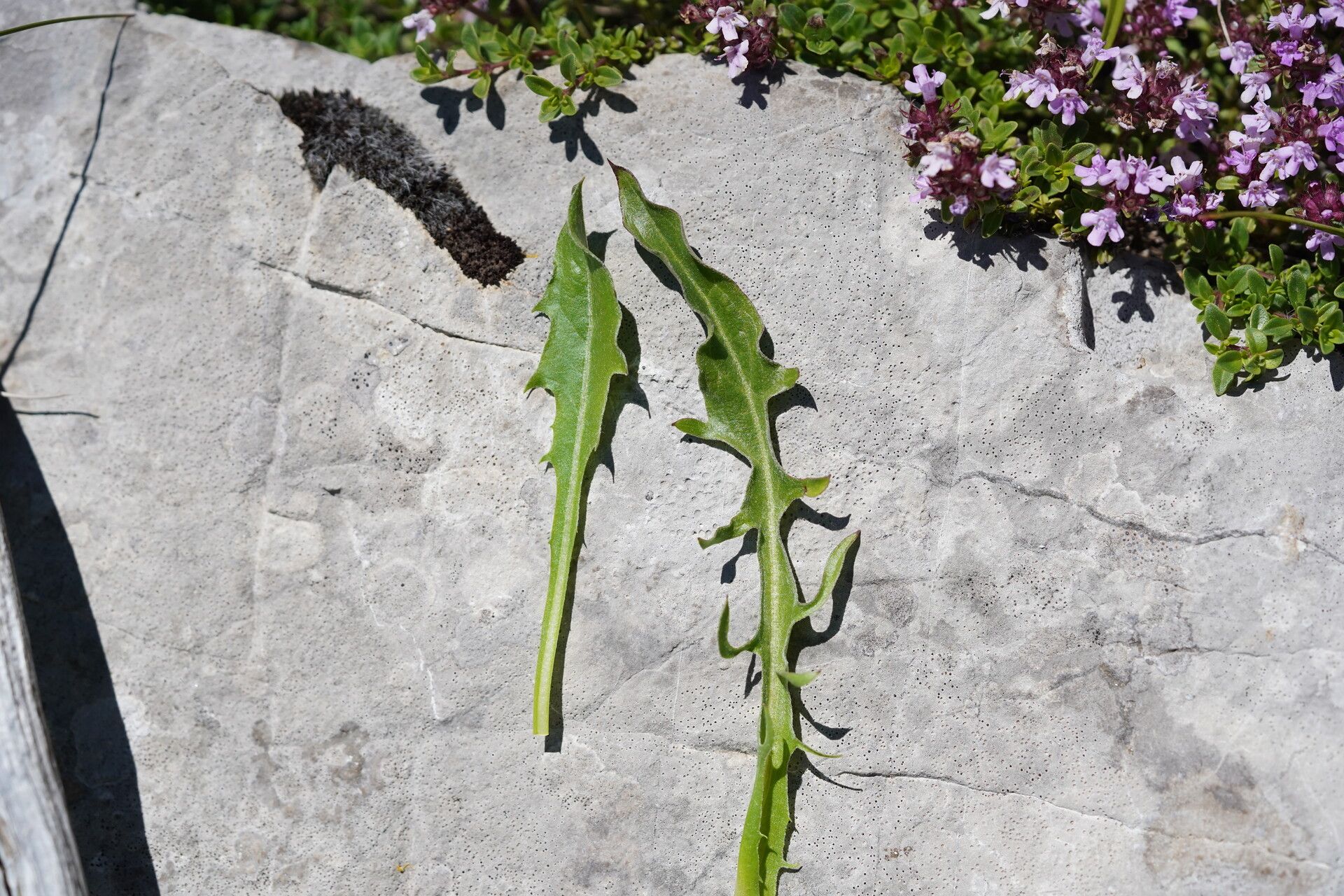
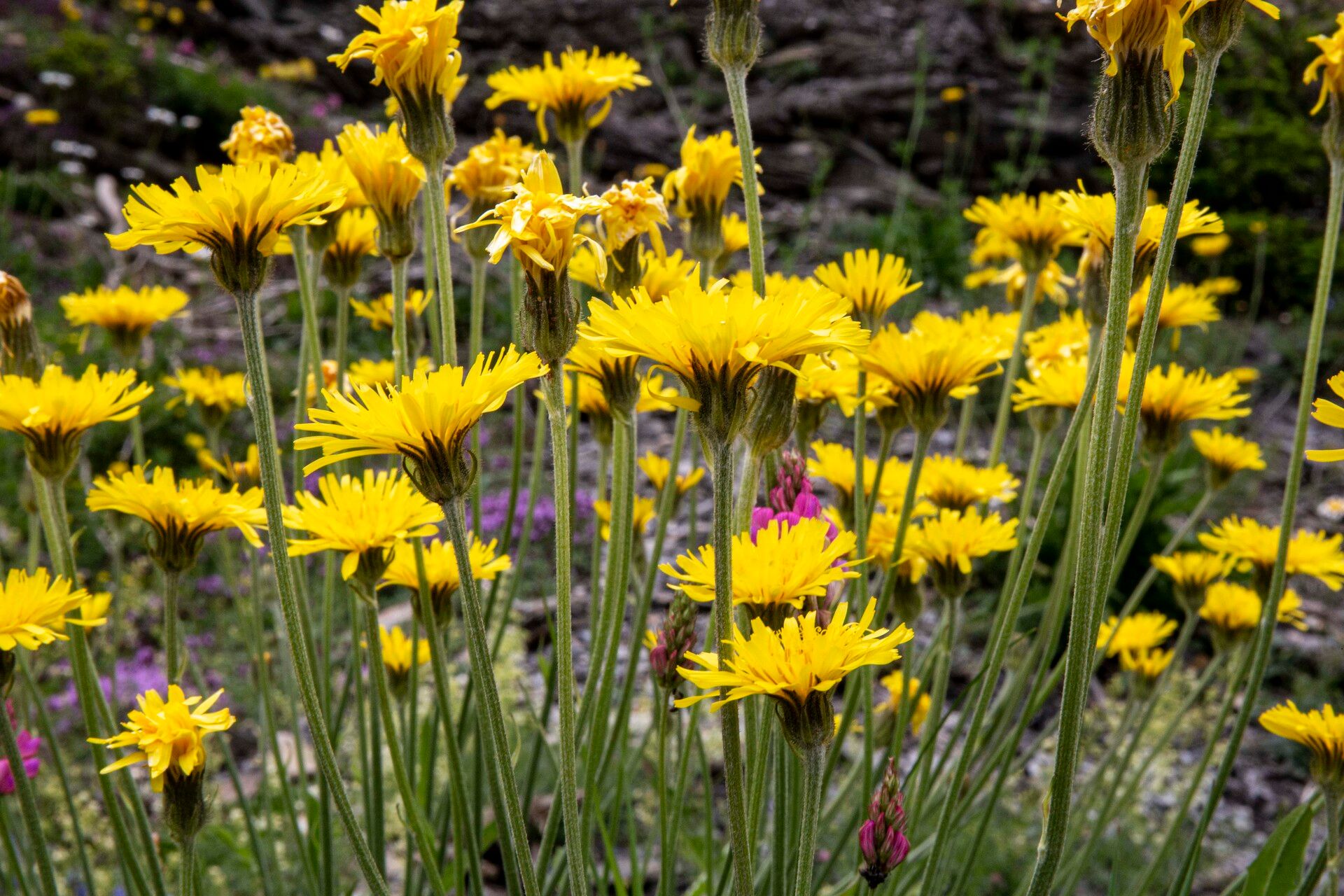
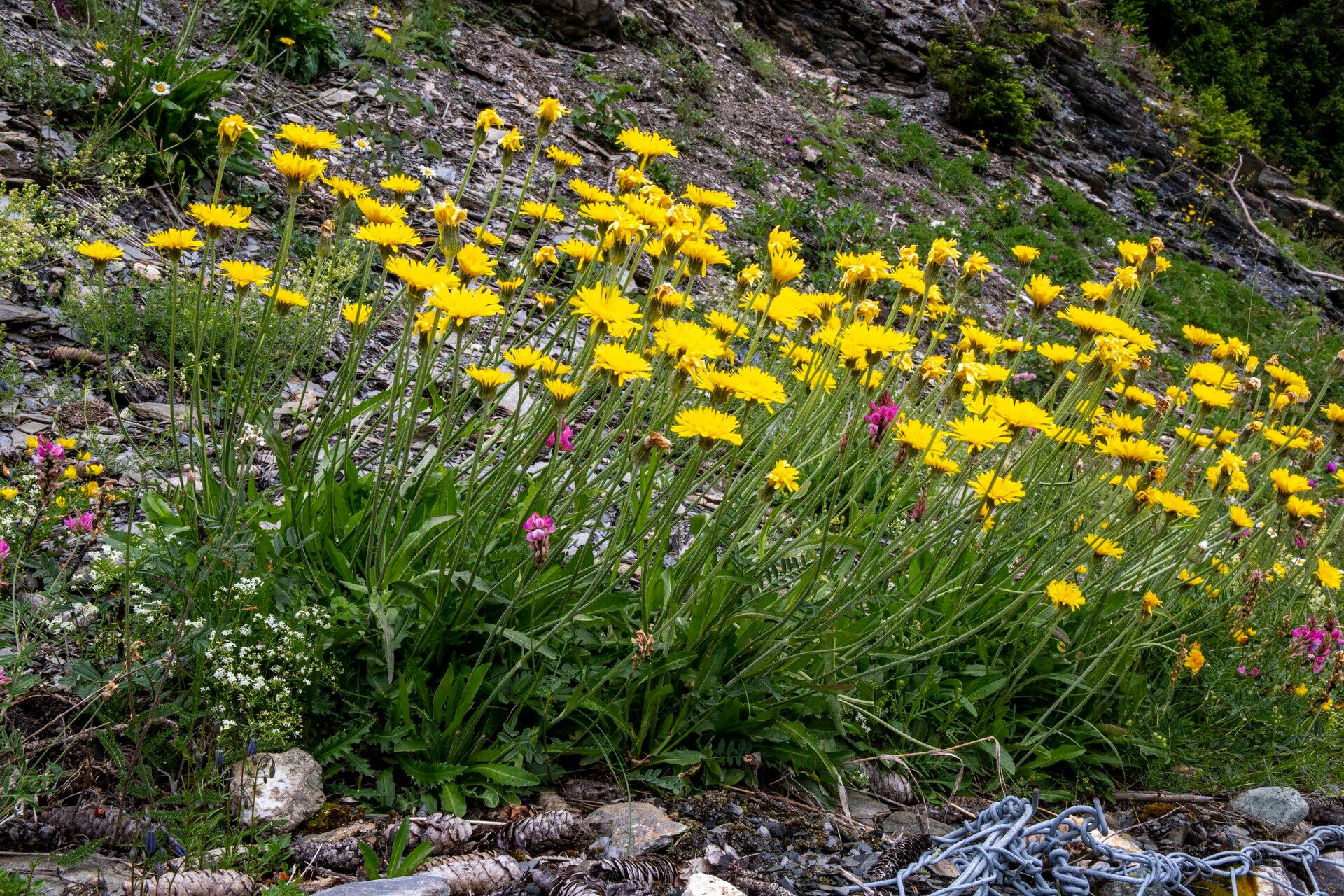
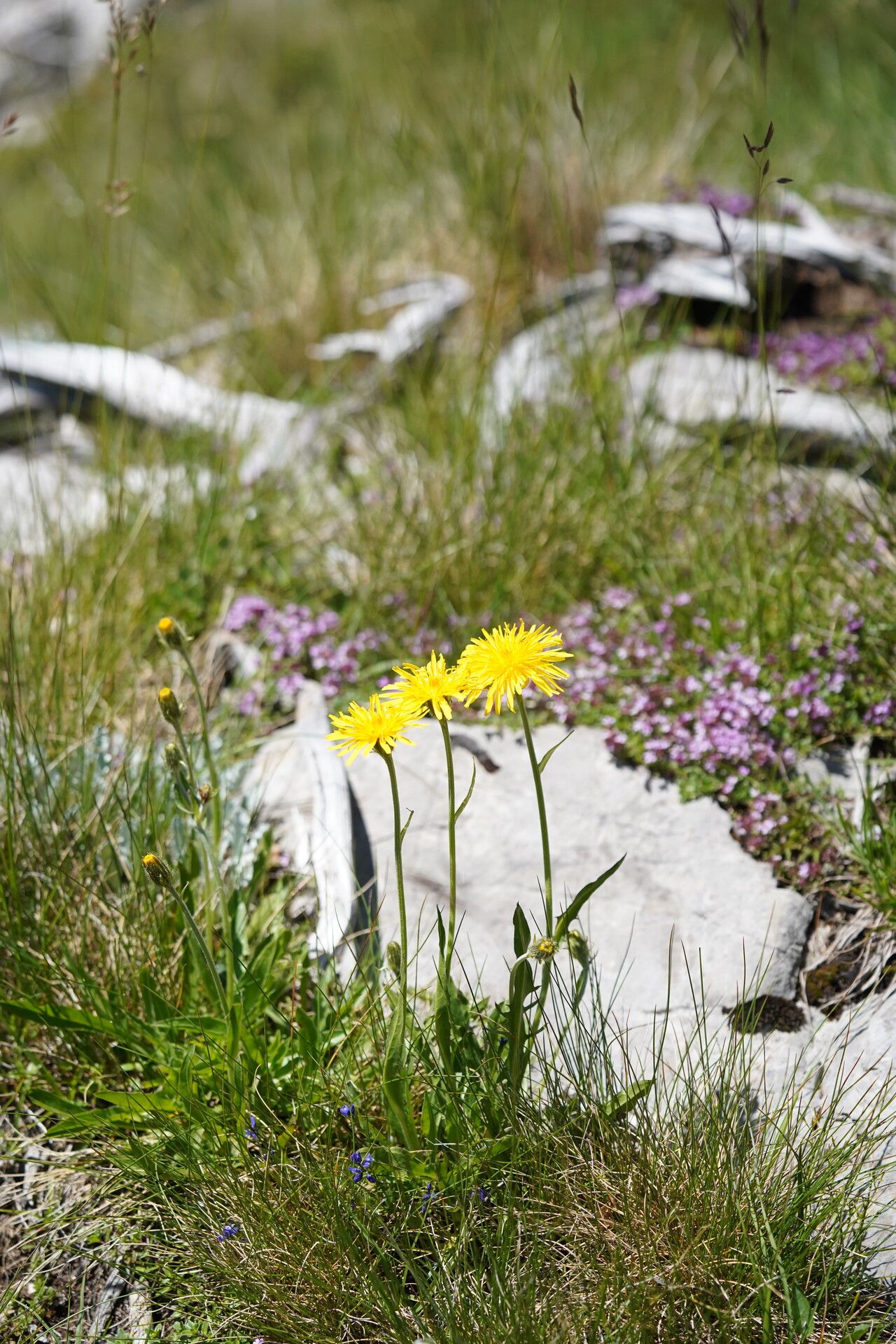
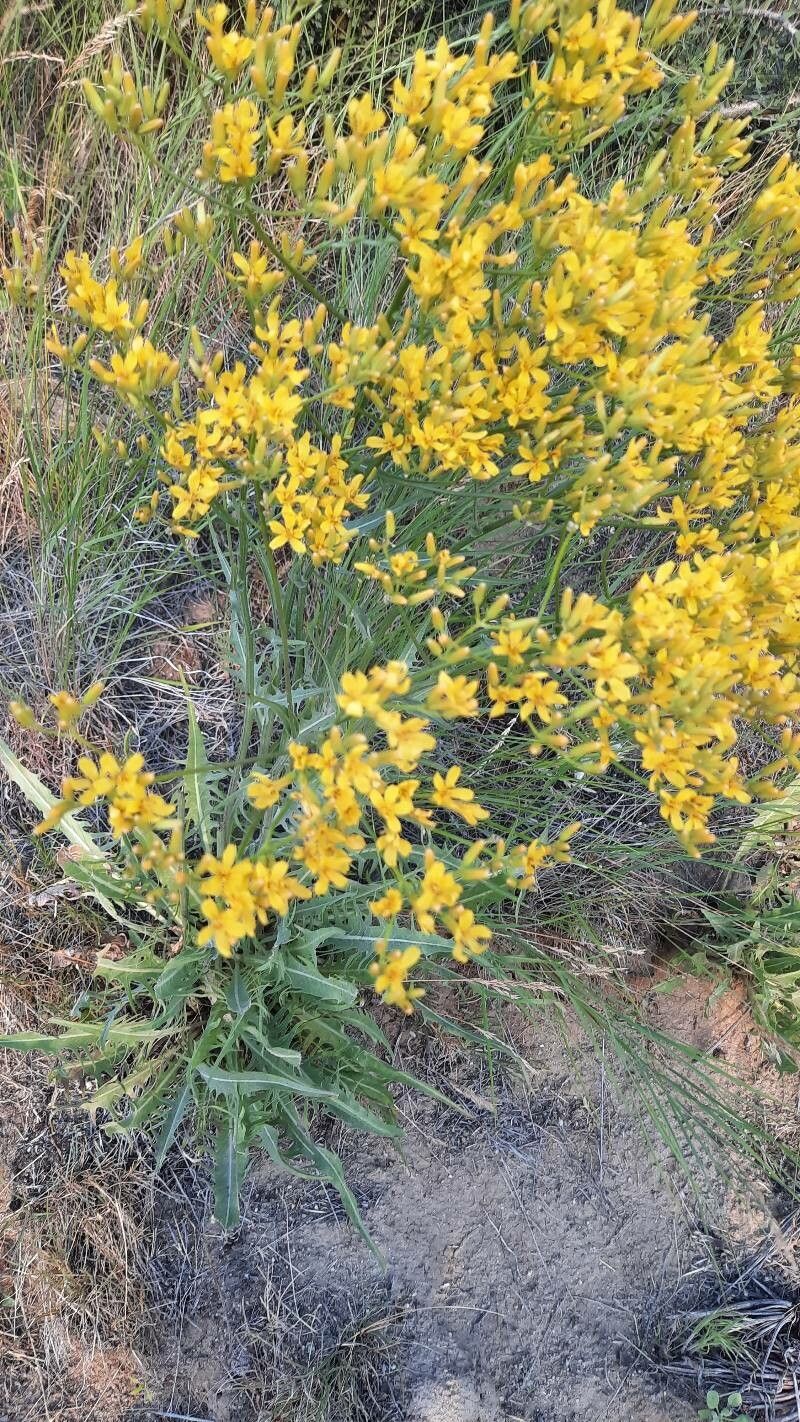
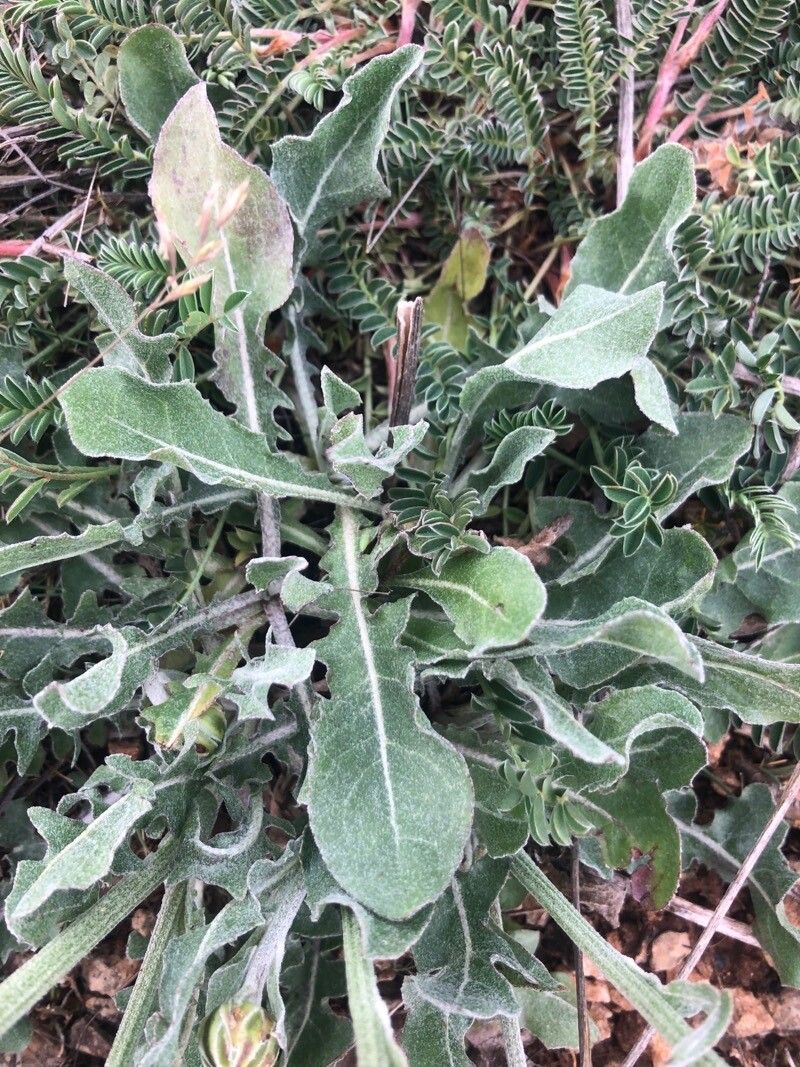
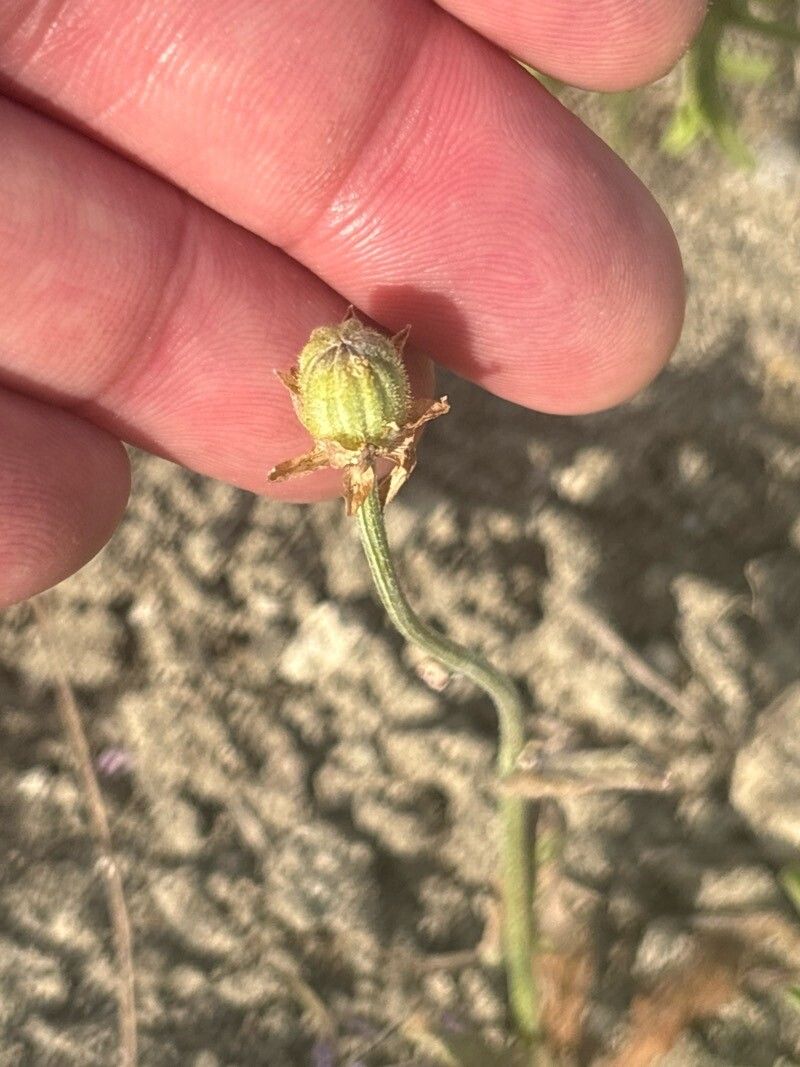
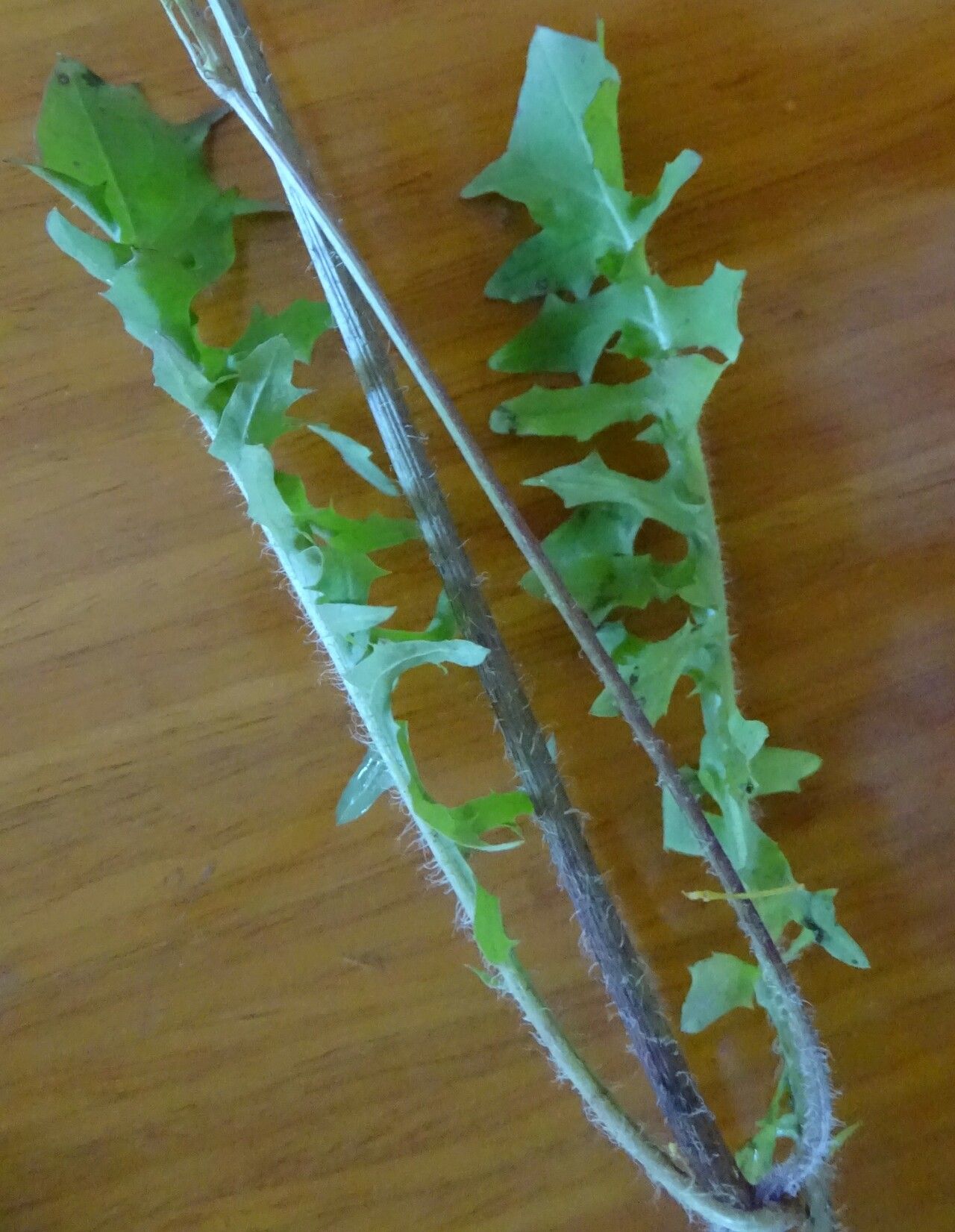
Alpine hawksbeard has good resistance to disease and is generally unlikely to be affected by them. However, it can be vulnerable to pests and diseases present in its environment. Such infections are typically mild. In terms of care, this plant requires moderate maintenance. Regular pruning is necessary to maintain its appearance and support healthy growth. Fertilizing can also help encourage flowering. Alpine hawksbeard is suitable for anyone with outdoor space, such as a garden or patio, and does not require extensive gardening experience. It may need more attention if grown indoors.
How to keep Crepis Alpestris.
Fertilizer
One fertilizer application in spring is generally enough for Alpine hawksbeard, though several feedings can maximize growth. Apply fertilizer every month to every month and a half. Fertilizing improves the leaves' appearance and function, maintaining even color and a healthy texture. It also promotes root development and nutrient uptake for the plant's long-term health.
Pruning
Alpine hawksbeard is a plant that grows well in alpine regions, characterized by its rosette of basal leaves and yellow flowers. To keep the plant healthy, it's best to prune it in early spring. This allows you to remove any damaged parts, shape the plant, and encourage new growth. Be careful not to over-prune, as this can hinder the plant's development. Proper pruning improves air circulation, reduces the risk of disease, and encourages strong flowering.
Botanical profile.
Other names.