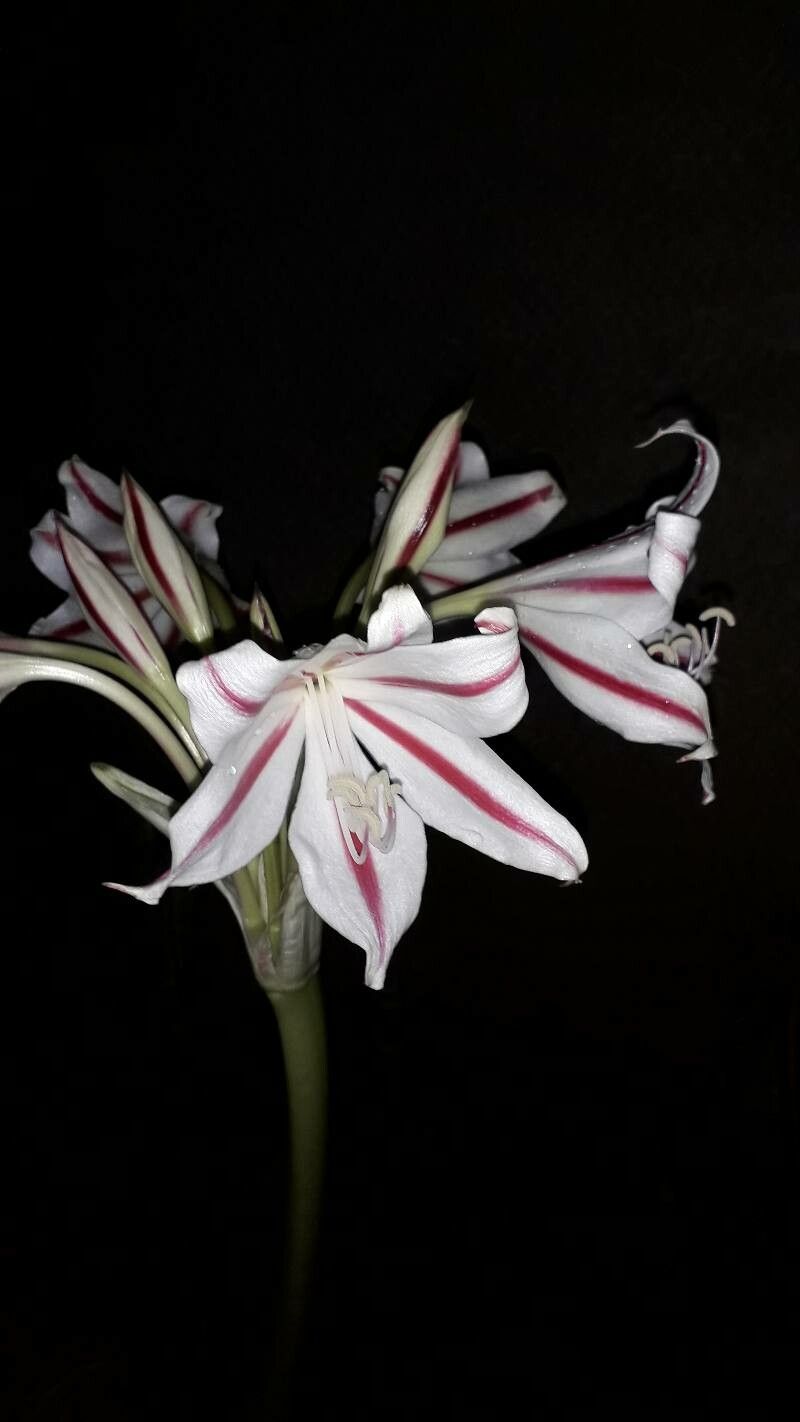
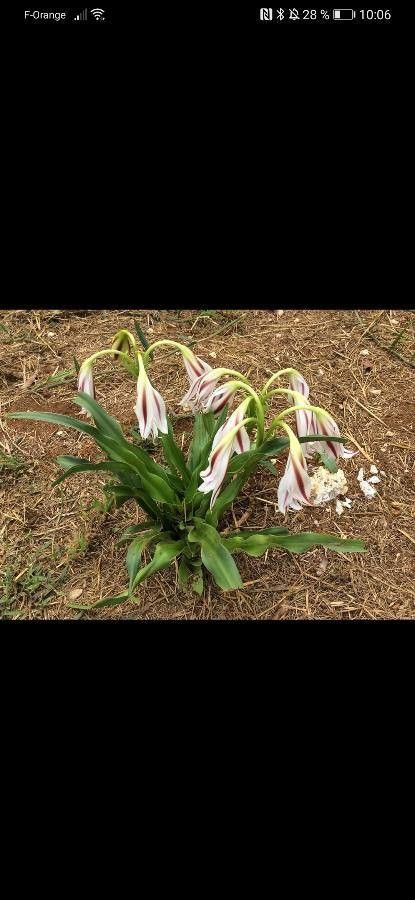
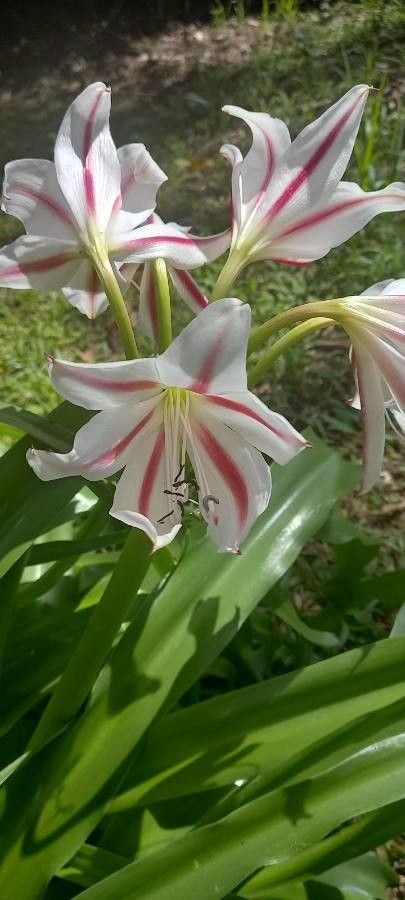
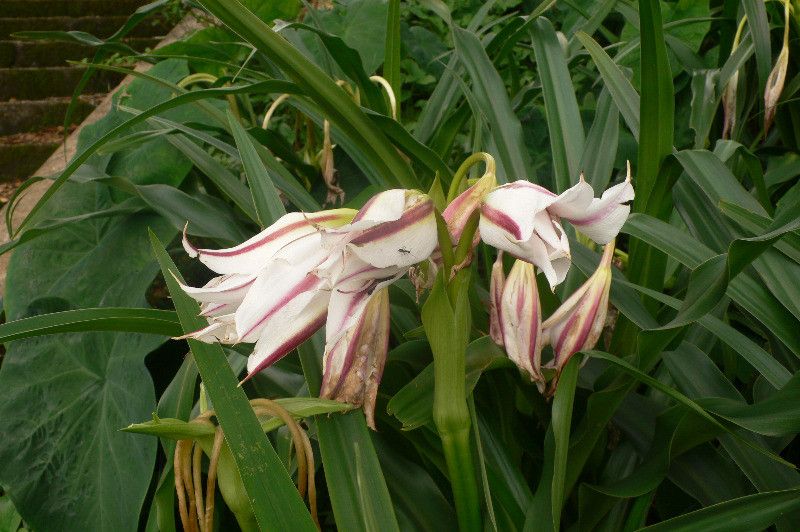
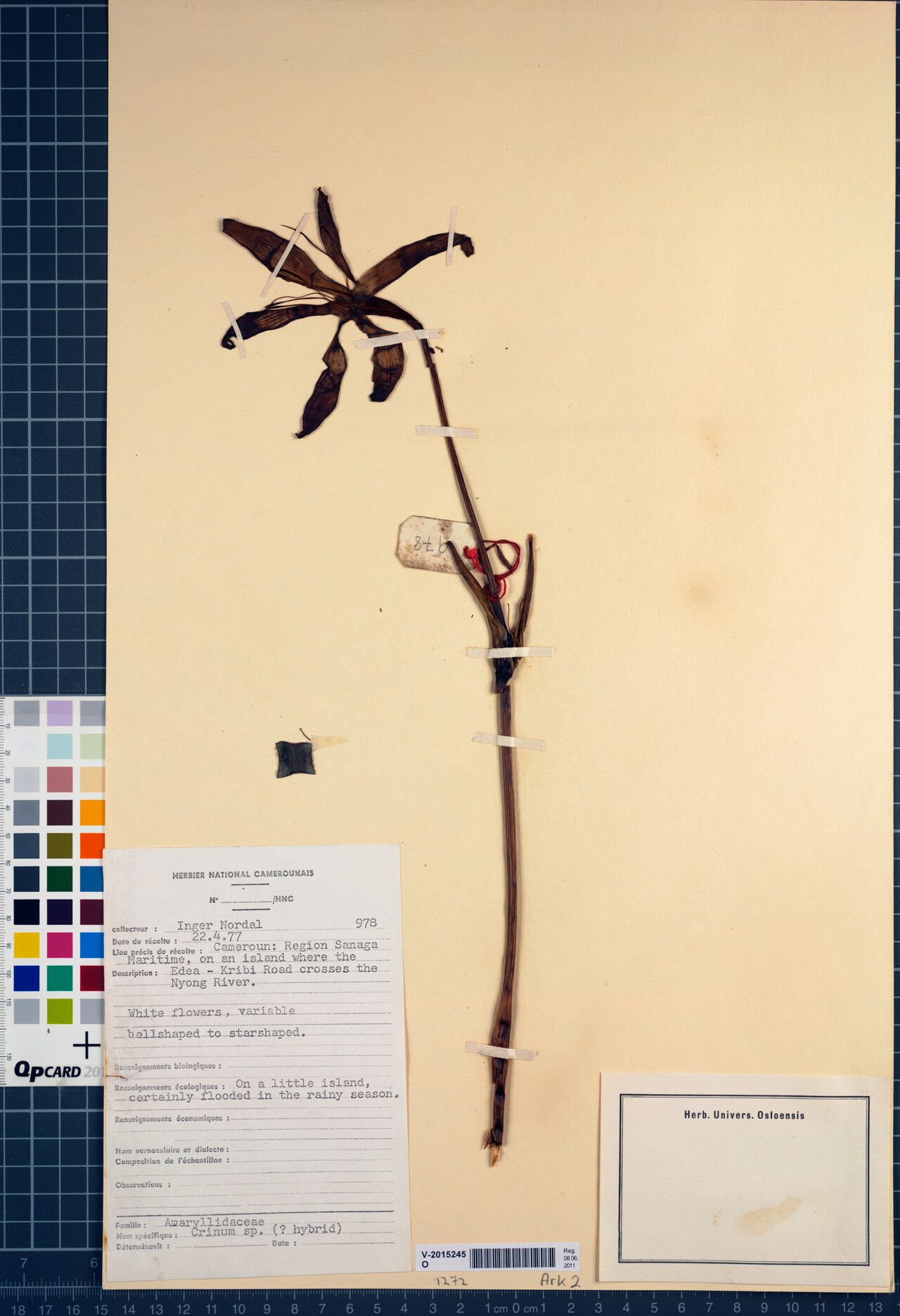
Poison Bulb is resistant to many diseases and generally does not tend to be affected by them. However, it can be prone to pests and diseases present in its surroundings. These issues are typically not serious. In terms of care, this plant requires moderate maintenance. It should be pruned regularly to maintain a tidy appearance and ensure healthy growth. Fertilizing can also help encourage flowering. Poison Bulb is suitable for anyone who has outdoor space, such as a garden or patio, and does not demand extensive care experience. It may need more attention when grown indoors.
How to keep Crinum Amabile.
Light
The Poison Bulb flourishes most effectively under an open sky that gets unfiltered sunshine. Sunlight is essential for its optimal growth, given its origin in areas with considerable sun exposure. Both an overabundance and deficiency of sunlight may limit its growth ability, resulting in poor health.
Temperature
Poison Bulb is an active flora that thrives naturally in a temperature scope of 20 to 38 ℃ (68-100 °F). To maintain its well-being, it requires conditions within this temperature bracket, and thus adaptive measures are needed during climatic shifts.
Fertilizer
When most of the flowers on the Poison Bulb plant have fully bloomed, it signals the need to recommence fertilization. As the flowers reach their maximum bloom, resume the fertilization every three to four weeks, depending on the weather conditions. However, once the Poison Bulb starts to yield fewer new flowers, cease the fertilization as there's no requirement to fertilize when the plant is unable to yield further blooms.
Pruning
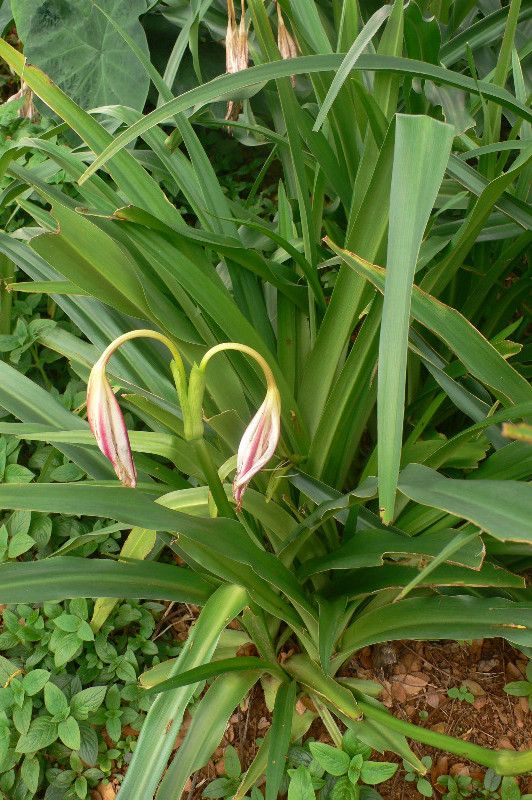
Poison Bulb displays vibrant white and pink flowers and benefits from spring pruning. To promote growth and blooming, remove dead leaves and trim back any faded flower stalks. Pruning helps improve the size and shape of the plant, so be sure to use clean tools to prevent disease. This will enhance both the plant's vitality and appearance.
Botanical profile.
- Plant Type
- Herb
- Life Cycle
- Annual, Biennial, Perennial
- Genus
- Crinum
- Family
- Liliaceae
- Hardiness Zone
- 8-11
- Mature Height
- 0.91 m to 1.52 m
- Mature Spread
- 0.91 m to 1.52 m
- Leaf Color
- Green
- Leaf Type
- Semi-evergreen
- Flower Color
- Pink, White, Purple, Red
- Flower Size
- 7.62 cm to 10.16 cm
- Bloom Time
- Late spring, Summer
- Planting Time
- Spring
- Harvest Time
- Mid summer, Late summer, Early fall
Reader questions.
How should I water my Poison Bulb plant?
There are several tools you can use to water Poison Bulb, such as a garden hose with a spray nozzle or a watering can. This plant is not too particular about the type of water it receives, so rainwater, tap water, or filtered water will all work. However, it is best to avoid watering the plant from above as this can harm the leaves and flowers and potentially cause disease. A drip irrigation system is often the most effective method for watering Poison Bulb since it provides even and direct water to the soil. If you have a container-grown Poison Bulb, you can use a cup, watering can, or tap to water it directly on the soil.
Why is it necessary to add fertilizer to my Poison Bulb?
Plants, like Poison Bulb, need nutrients to survive. Gardeners, regardless of experience, understand this. Without proper nutrients, Poison Bulb will die after its first pollination. To keep Poison Bulb thriving and producing large, beautiful flowers throughout the blooming season, it's important to provide the right nutrients in the right amounts. Fertilizer is especially helpful for Poison Bulb as it helps it develop a strong and healthy root system. Given that its root system is thin and easily damaged, fertilizing at planting time helps Poison Bulb establish a stable root structure and prepares it for an impressive flowering performance. Additionally, when fertilization is timed correctly, it can significantly prolong Poison Bulb's flowering period.
How many hours of sunlight does Poison Bulb need each day to grow well?
To ensure the healthy growth and survival of the plants, it is important to provide them with a minimum of 6 to 8 hours of sunlight each day. Ideally, they should receive more exposure to morning light, especially during the summer season. The Poison Bulb in particular thrives in full sun and benefits from as much sunlight as possible. Increased light not only helps these species generate vital nutrients but also promotes the production of stunning flowers.
What temperature is best for Poison Bulb?
Plants are affected by colder temperatures because their temperature matches that of the surrounding air. When exposed to sunlight, they can warm up again, but this doesn't happen in winter. The Poison Bulb, for example, thrives in temperatures between 70-85℉ (21-30℃). They can tolerate temperatures of 20-30℉ (-6-0℃) or even 15℉ (-10℃) briefly, but prolonged exposure can cause frost damage. To keep them healthy, it is important to maintain a temperature range of 70-85℉ (21-30℃), give them occasional water sprays, and provide some shade to prevent wilting.
What do I do if I give my Poison Bulb too much or too little water?
If you notice that your Poison Bulb plant is lacking moisture, the solution is to water it more regularly. Overwatering can be a serious issue as it can lead to diseases and the eventual decline and death of the plant. To avoid this, choose a growing location with ample sunlight and good drainage to prevent waterlogging. If your potted Poison Bulb has been overwatered, consider transferring it to a new pot with better drainage to prevent future issues.
When should I fertilize my Poison Bulb for the best results?
Poison Bulb experiences rapid growth at the start of the growing season, after the last frost has passed. It is during this time that fertilization is crucial, specifically during planting. Whether you plant the bulb in the ground or in planters, make sure to apply fertilizer. This will be the only time you fertilize until later in the year when the blooms are at their peak. Once the season is in full swing and the majority of Poison Bulb's blooms have reached their full size, it's time to resume fertilizing. Start this process when the blooms are producing the most flowers, every three to four weeks, based on weather conditions. However, once Poison Bulb starts producing fewer new blooms, you can stop fertilizing. There is no need to continue fertilizing when the plant is no longer capable of producing more blooms.
What kind of sunlight does Poison Bulb require?
The Poison Bulb thrives in full sunlight. To ensure even exposure, avoid crowding them together. Make sure the leaves receive ample sunlight. If planting in pots, place the herbaceous flowers in windows with direct sun all year round. They do not perform well in partial or filtered light, which leads to weak stems and flowers. The Poison Bulb should always be exposed to the sun for best results.
Do I need to change the temperature for Poison Bulb as it grows at different stages?
To ensure successful growth of Poison Bulb, it is important to research and ensure that the temperature is suitable. Some growers may choose to decrease the plants' thermostats during the growing season in order to save on HVAC costs. However, it is crucial to understand that temperature can have an impact on various aspects such as flowering, pest management, and overall plant quality. It is worth noting that there is a temperature threshold at which the Poison Bulb will cease to grow, often occurring during the winter when certain species may enter a dormant state. As the seasons change and the base temperature increases, Poison Bulb can grow at a faster rate. Species that naturally thrive in warmer habitats have higher optimum temperatures compared to those that thrive in cooler climates. Exposing the Poison Bulb seeds to cool temperatures can lead to decreased uniformity and delays in growth. During flowering, it may be beneficial to lower the temperature, while maintaining it at other phases of growth. Additionally, cooler nighttime temperatures will require less watering, so irrigation should be adjusted accordingly.
How many times should I give water to my Poison Bulb?
To keep your Poison Bulb healthy, it's important to water it regularly throughout the growing season. In spring, start by watering once a week. As the weather gets warmer, you may need to increase watering to two or three times a week. However, be careful not to overwater, as this can harm your plant. It's also important to keep the soil moist but not overly wet. If your Poison Bulb is in a pot, watering needs may be a bit different. The soil in pots can dry out faster, so you'll likely need to water container-grown plants more frequently. In most cases, plan on watering a potted Poison Bulb a few times per week, compared to just once a week for a plant in the ground.
When is it best to not add fertilizer to my Poison Bulb?
Regular fertilizing is important for Poison Bulb, but it can be applied at the wrong time. In certain situations, it is necessary to hold back the fertilizer. These situations are typically related to climate, but can also include controllable factors. When there is an issue with the plant, soil, or climate, it is best to wait until the problem is resolved and the plant has recovered. For example, if there are severe or unexpected changes in the weather, such as a sudden cold snap in the middle of summer, it is better to wait until it warms up again before fertilizing. Similarly, if the soil becomes too dry or compacted, it is not advisable to fertilize as the fertilizer will go straight to the roots instead of being distributed by the soil. High temperatures, especially during the hottest part of the day, should also be avoided for fertilizing. This is because fertilizer can break down at different speeds depending on temperature, and it is important not to let it break down too quickly in hot temperatures. It is also recommended to treat and clear up any pests or diseases before re-fertilizing.
Can too much sunlight harm plants? How can I keep my Poison Bulb safe from sun and heat damage?
When the temperature rises above 90℉(32℃), the Poison Bulb can get damaged by extreme temperatures, especially with prolonged sun exposure. To protect the plants, it's recommended to provide some shade in the afternoon during summer, as sunlight is stronger and lasts 50% longer compared to winter. If the Poison Bulb is stressed by sunlight, ensure they have sufficient hydration by watering them when the top 2 inches of soil are dry. If it's too hot outside, consider moving container-planted bulbs indoors. It is normal for the plant leaves to wilt during the day, recovering at night. However, if the leaves remain droopy, it indicates water loss and necessitates watering.
How can I prevent Poison Bulb from getting cold in cold seasons?
To prepare the plant for colder temperatures, stop fertilizing it to prevent new growth. This will allow the existing plants to become hardy. To keep them warm as the temperature drops, you can create structures around the Poison Bulb, such as cages or trellises. Alternatively, you can use heat mats to gently warm the soil, as they can consistently maintain an ideal temperature range for the Poison Bulb.