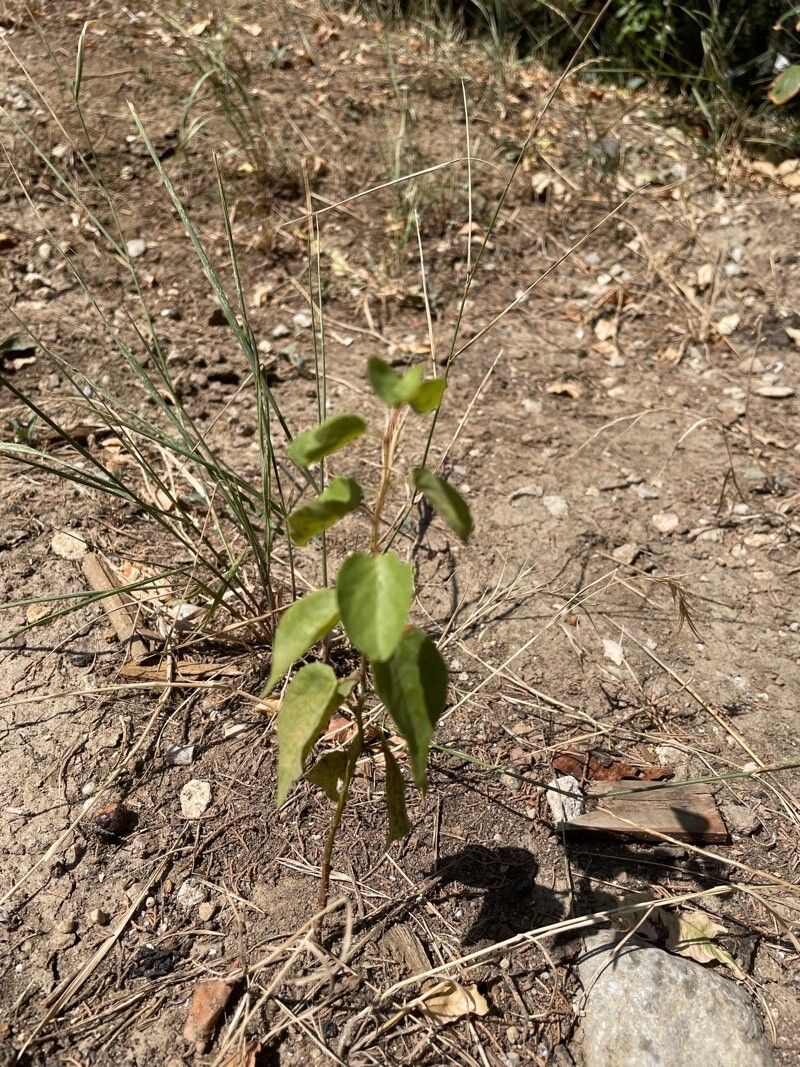
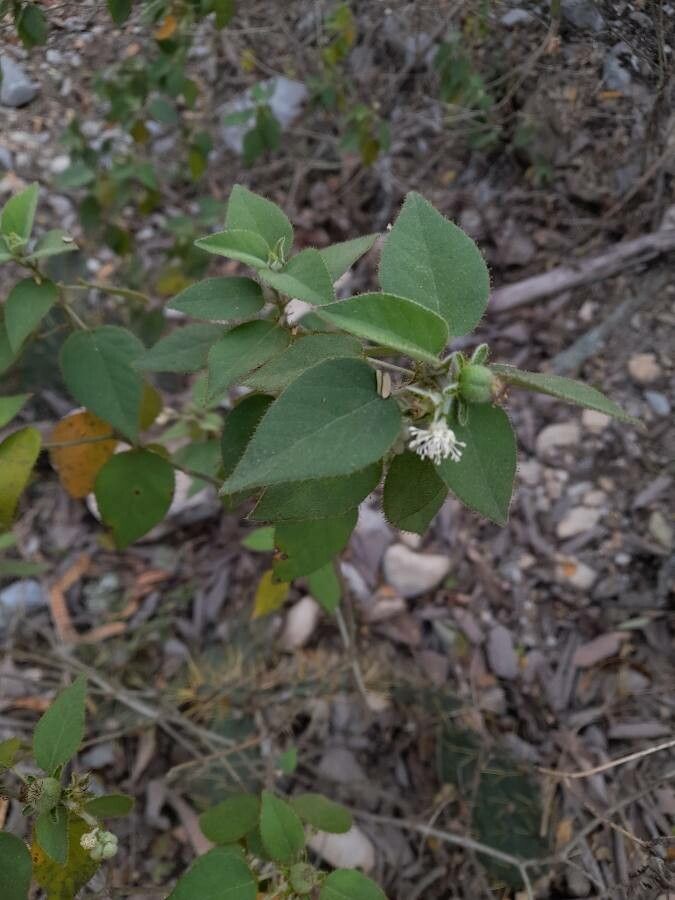
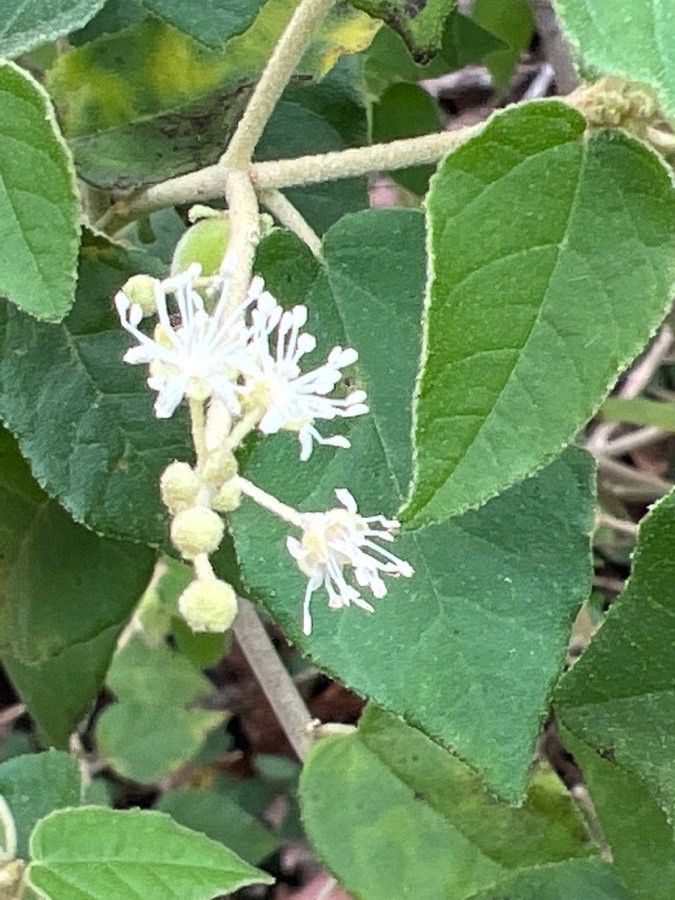
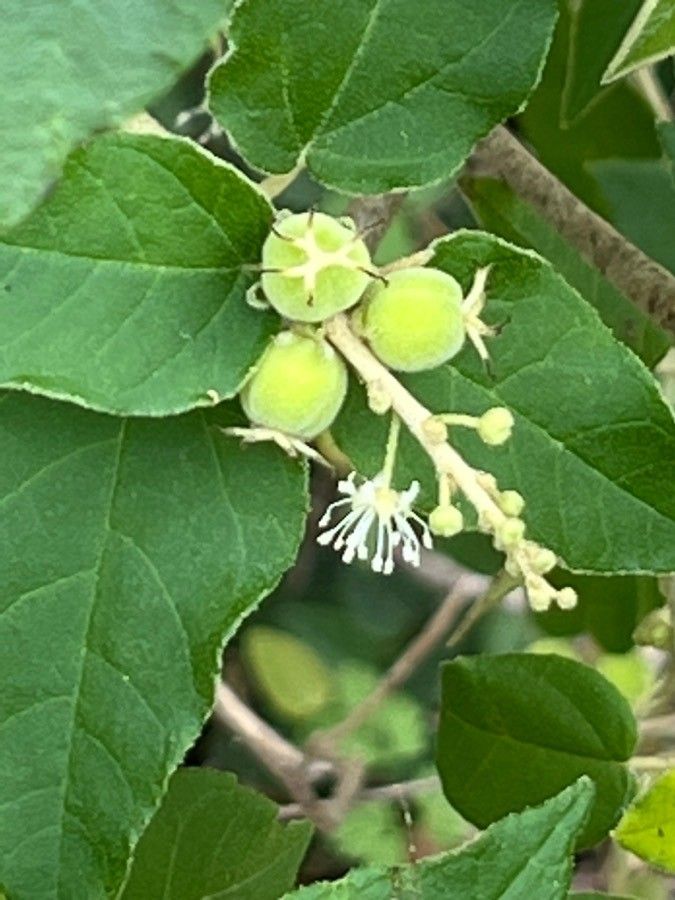
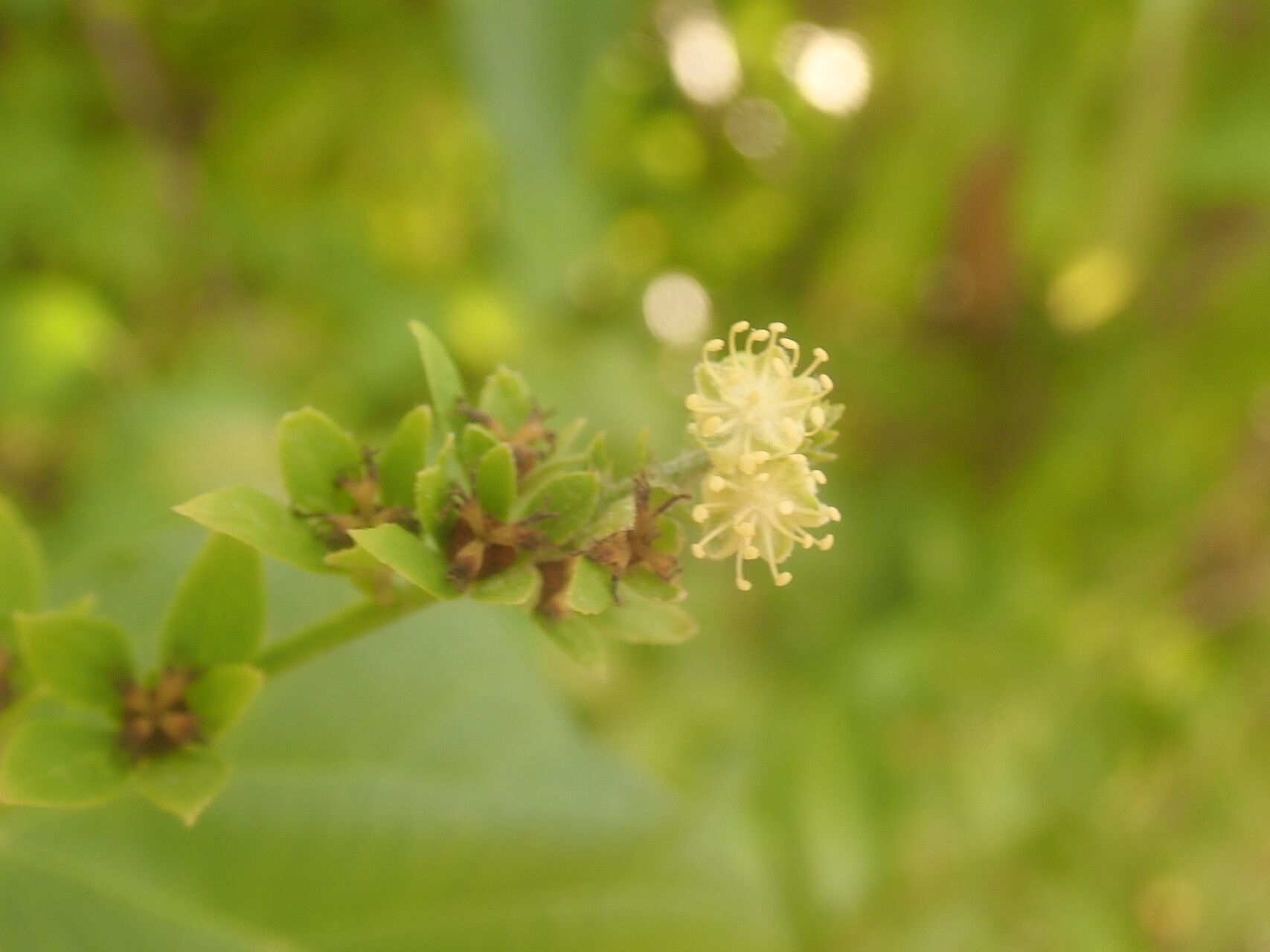
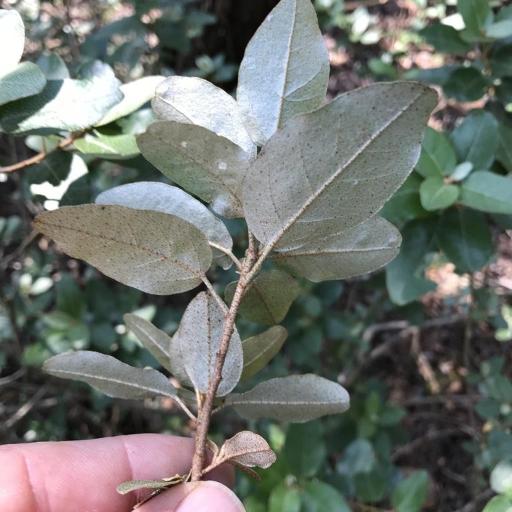
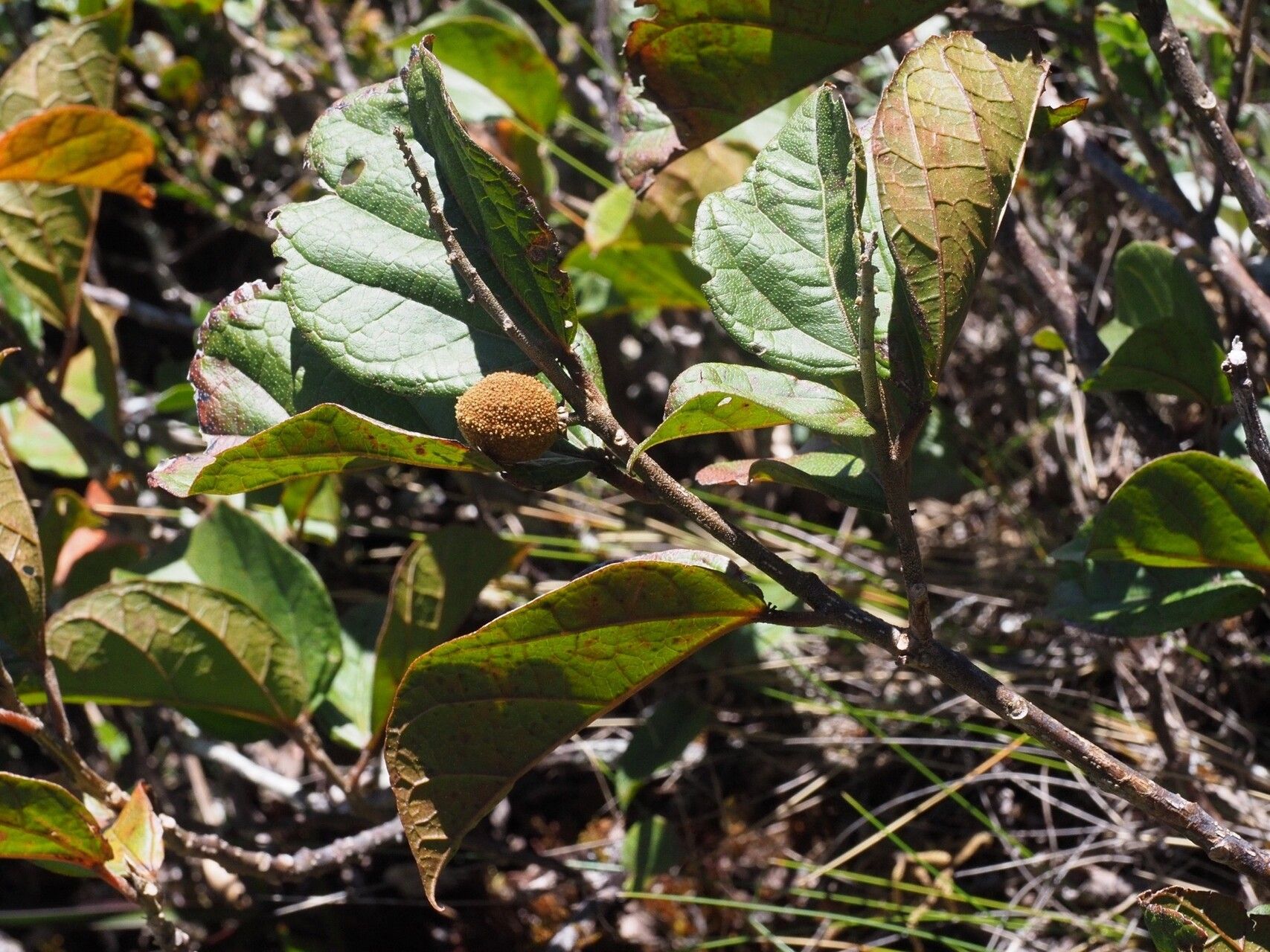
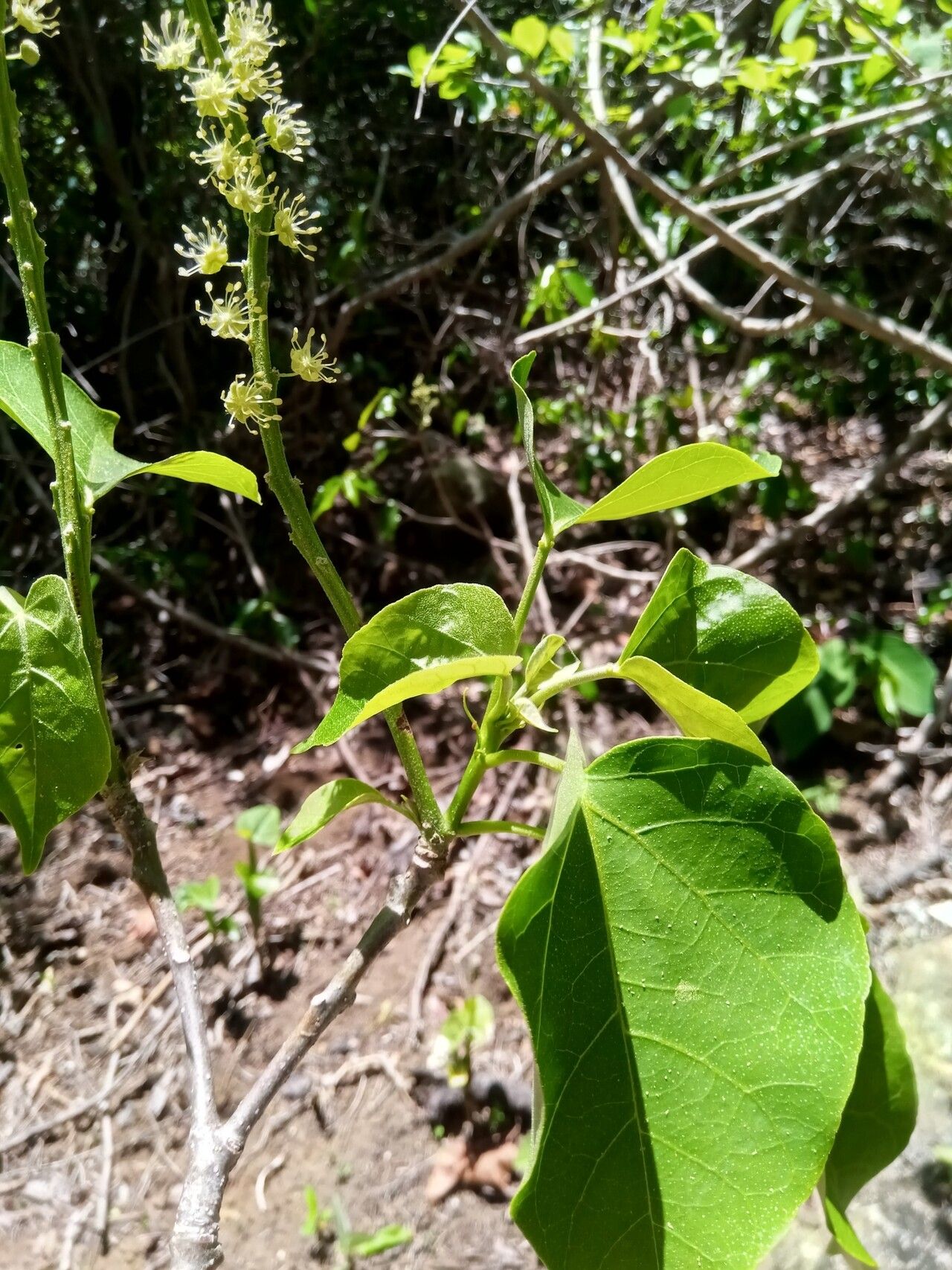
Croton ciliatoglandulifer is a flowering plant species in the Euphorbiaceae family, native to the tropical regions of South America, particularly Brazil, Colombia, and Venezuela. The plant typically grows up to 2 meters tall and features large green leaves with yellow or red veins. These leaves are covered with small hairs, giving them a fuzzy texture.
Known for its medicinal properties, Croton ciliatoglandulifer has been traditionally used by indigenous communities to treat various ailments such as fever, inflammation, and pain relief. It contains several bioactive compounds, including flavonoids and terpenoids, which have been shown to possess anti-inflammatory properties.
In addition to its medicinal uses, the plant is valued for its ornamental qualities. Its attractive foliage makes it a popular choice for indoor decoration and landscaping in tropical regions. However, it is important to note that Croton ciliatoglandulifer can be toxic if ingested, so caution should be taken when handling the plant.
Overall, Croton ciliatoglandulifer is a fascinating species with both medicinal and ornamental appeal, making it a significant component of South America's floral biodiversity.
The Mexican croton is resistant to disease and generally not susceptible to illnesses. In terms of care, this plant is fairly low maintenance. When grown outdoors it needs minimal watering, and larger plants typically do not require pruning. However, smaller plants should be pruned after they have finished blooming. Mexican croton is appropriate for anyone with an outdoor area, such as a garden or a deck, and does not demand extensive plant-care experience.
How to keep Croton Ciliatoglandulifer.
Light
Mexican croton is native to habitats such as forest understories and rocky areas, where it grows in natural shade. It prefers partial sun but can tolerate full sun or full shade, reflecting its hardy, adaptable nature.
Temperature
The Mexican croton comes from tropical areas where the climate is typically warm and humid. Consequently, it is well-suited to high temperatures and humidity. It does not tolerate sudden temperature swings and prefers a consistent temperature, so avoiding indoor temperature fluctuations is important. It generally cannot endure cold and needs warmer conditions to grow. If the temperature falls too low, the plant may stop growing or even die.
Fertilizer
Fertilizing is essential for caring for the Mexican croton. Regular feeding during the growing season maintains the energy required for its showy leaves and supports overall growth. Failing to fertilize can lead to unhealthy leaves, reduced ornamental value, and stunted or weak growth that is more susceptible to breaking.
Pruning
Mexican croton boasts vibrant foliage and benefits from pruning between early and late winter. Focus on removing dead branches to encourage healthy growth and gently shape the plant. Use clean, sharp tools to prevent disease, ensuring that the Mexican croton remains a stunning feature in your garden.
Botanical profile.
- Plant Type
- Shrub
- Life Cycle
- Perennial
- Genus
- Croton
- Family
- Euphorbiaceae
- Hardiness Zone
- 10-12
- Mature Height
- 0.91 m to 2.13 m
- Mature Spread
- 49 cm to 91 cm
- Leaf Color
- Green, Dark Green
- Leaf Type
- Evergreen
- Flower Size
- 0.51 cm to 1.02 cm
- Bloom Time
- Summer, Early fall, Mid fall
- Planting Time
- Spring, Summer
- Harvest Time
- Late summer, Fall, Early winter
- Native Area
- Honduras, Mexico, Nicaragua, Cuba
Other names.
Reader questions.
What is the botanic name of the Mexican croton?
The botanic name of the Mexican croton is Croton ciliatoglandulifer.