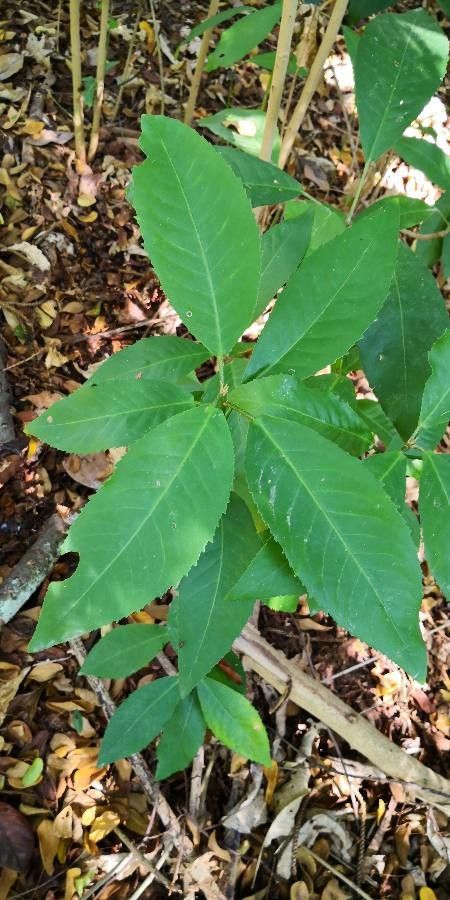
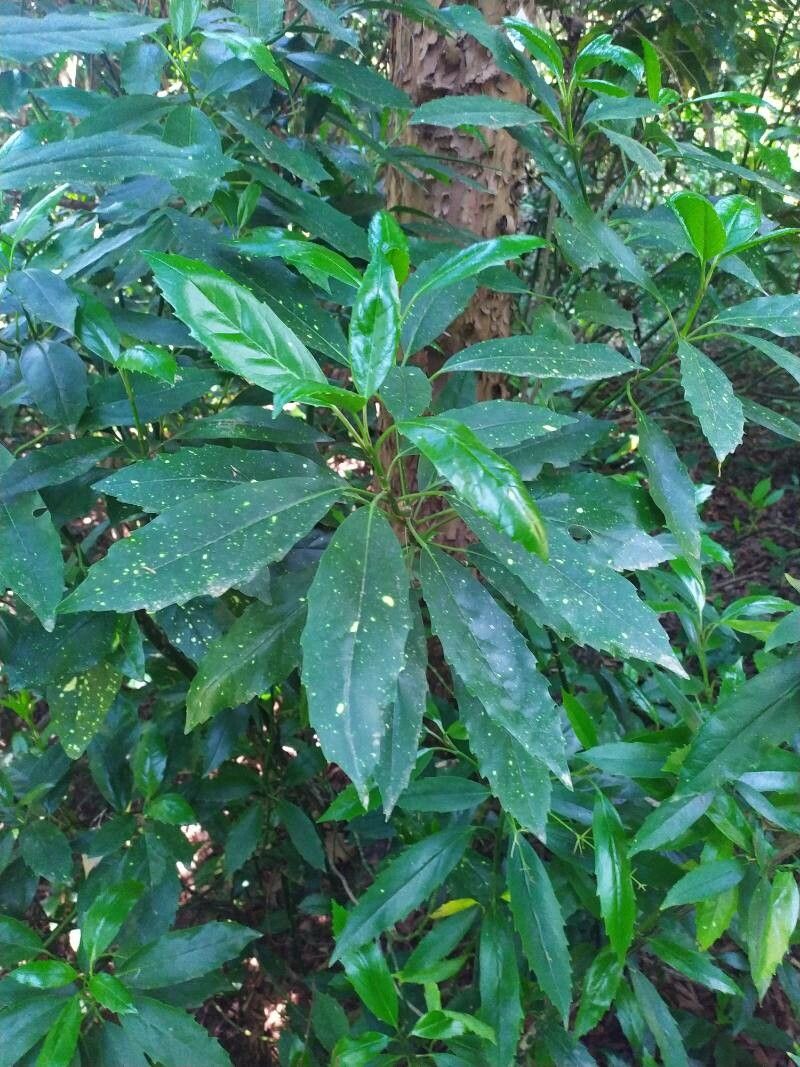
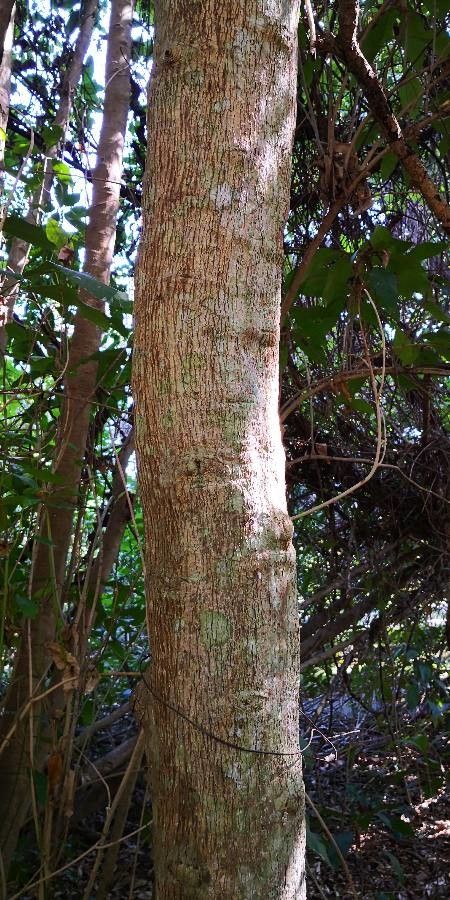
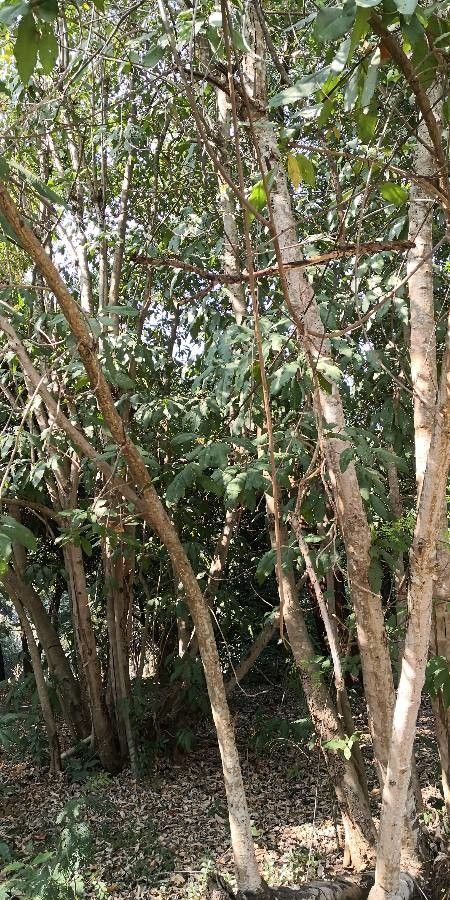
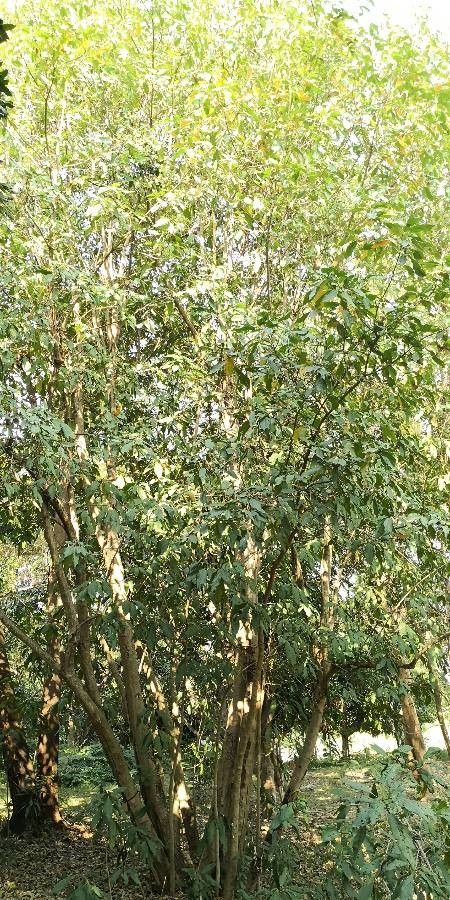
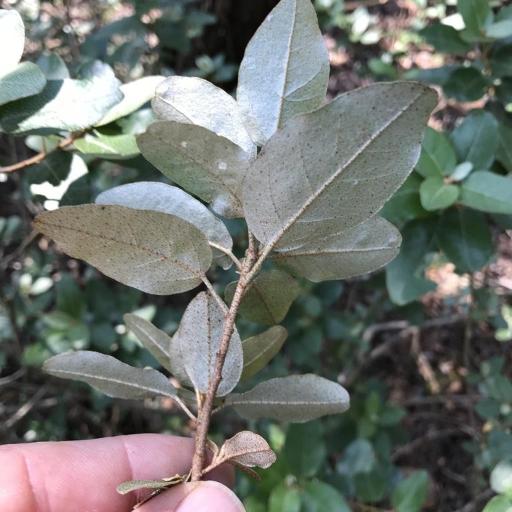
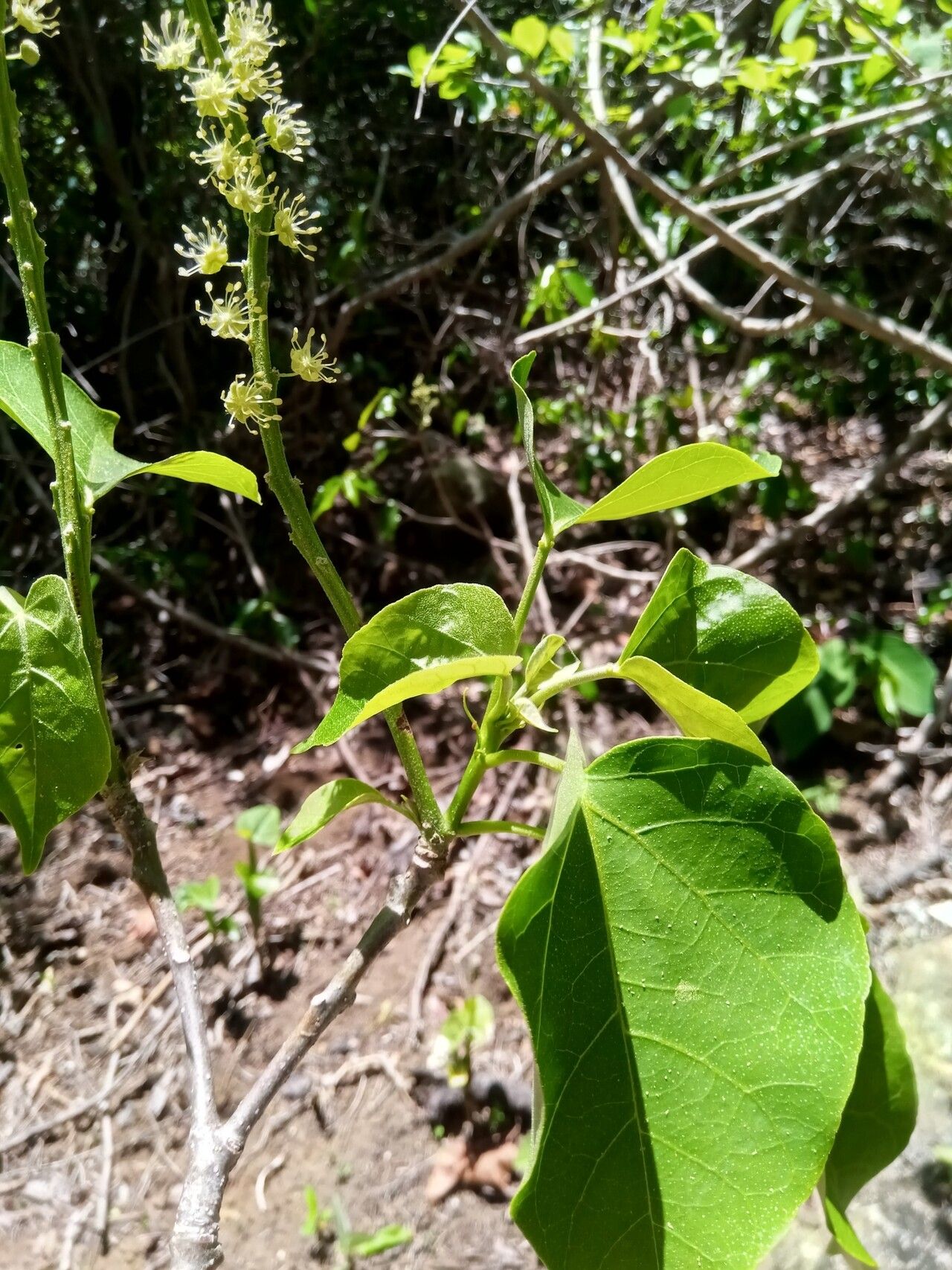
Croton laevigatus, commonly known as the Smooth Croton, is a tropical evergreen shrub in the Euphorbiaceae family. Native to Central and South America, it can reach a height of up to 10 feet. The plant features glossy green leaves that are oval-shaped with pointed tips, growing up to 6 inches long. These leaves are arranged alternately on the stem, giving the shrub a symmetrical appearance.
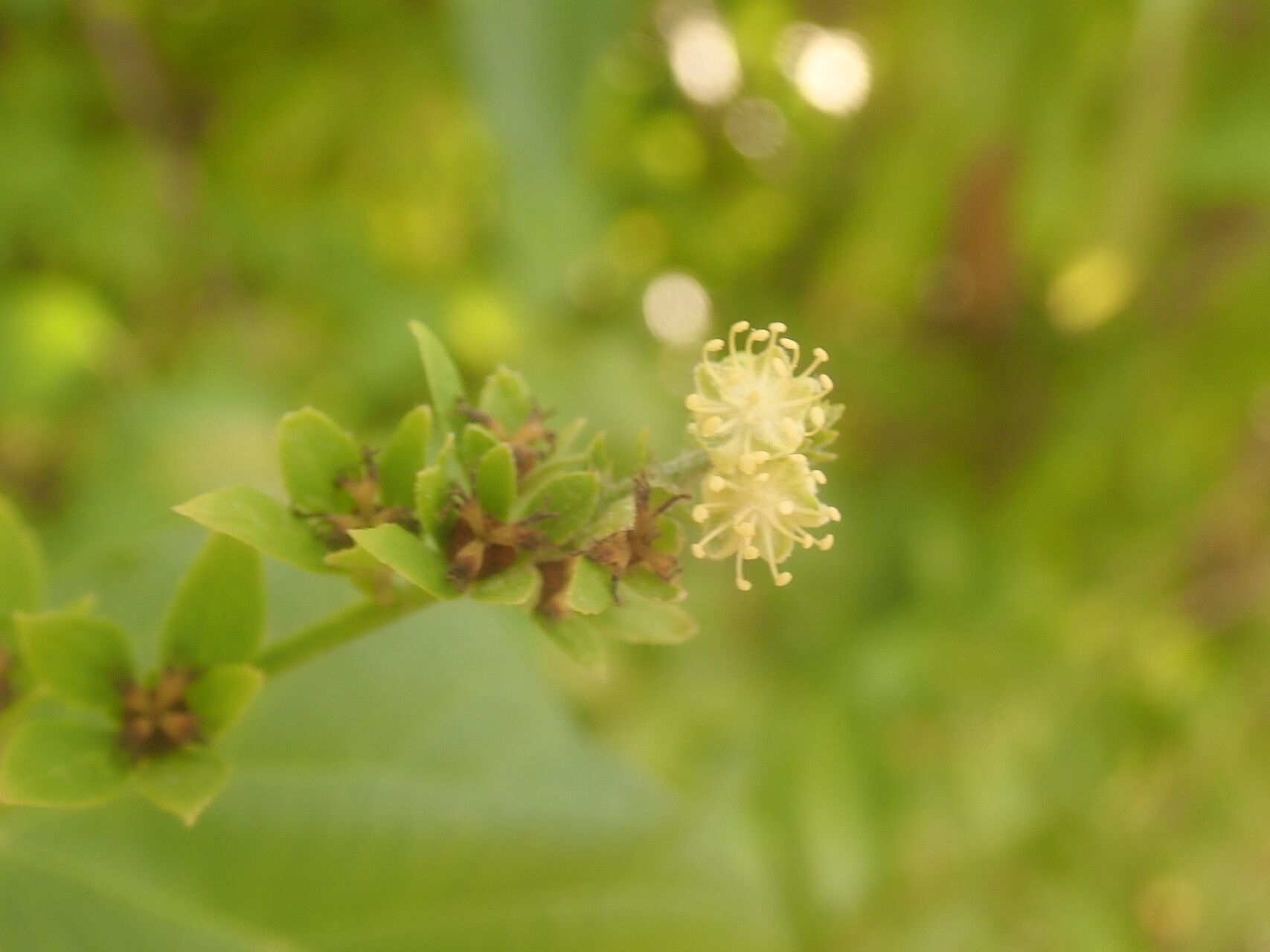
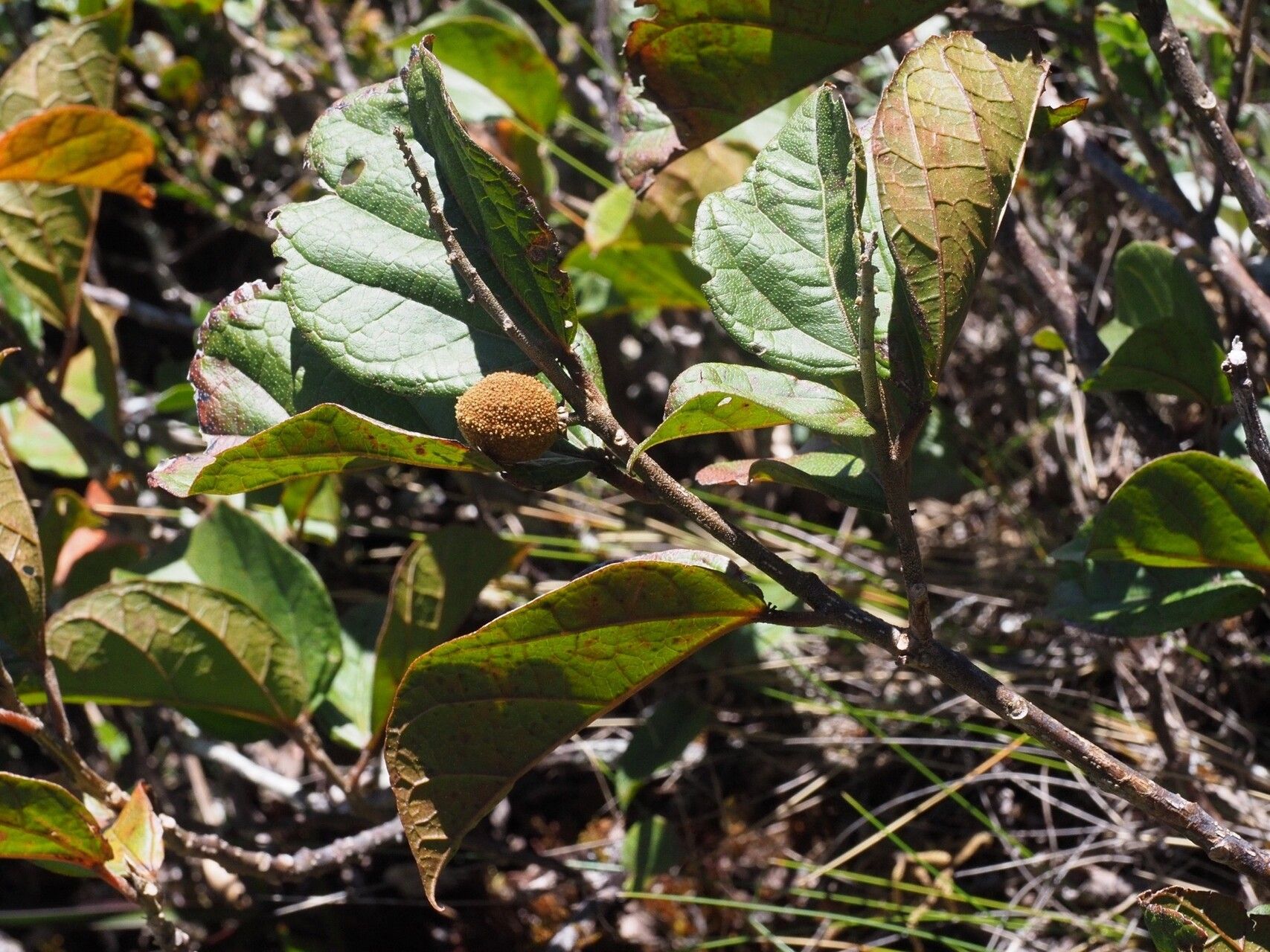
During the summer months, the Smooth Croton produces small yellow-green flowers in clusters at the ends of its branches. These flowers are followed by small fruits, each containing three seeds.
The plant thrives in well-drained soil with moderate moisture levels and does well in both full sun and partial shade conditions. Due to its attractive foliage, it is often used as an ornamental plant in gardens or as a houseplant.
Croton laevigatus has been used for medicinal purposes by indigenous people for centuries due to its anti-inflammatory properties. However, it is important to note that all parts of this plant contain toxic compounds that can cause skin irritation or gastrointestinal distress if ingested.
In summary, Croton laevigatus is an appealing tropical shrub with glossy green foliage that adds beauty to any setting. Nonetheless, it should be handled with care due to its toxic nature when consumed by humans or animals.
Croton laevigatus is resistant to disease and is typically not susceptible to illnesses. Regarding care, this plant is fairly low maintenance. When grown outdoors it needs only minimal watering, and larger specimens usually do not require pruning. Smaller plants, however, should be pruned after they have finished blooming. Croton laevigatus is appropriate for anyone with an outdoor space, such as a garden or deck, and does not demand a lot of plant-care experience.
How to keep Croton Laevigatus.
Light
Croton laevigatus is native to habitats such as forest understories and rocky areas, where it grows in natural shade. It prefers partial sun but can tolerate both full sun and full shade, demonstrating its versatile and hardy nature.
Temperature
Croton laevigatus comes from tropical areas where the climate is generally warm and humid. Therefore it is well adapted to high temperatures and moisture. It does not tolerate sudden temperature shifts and prefers a consistent thermal environment, so avoiding temperature fluctuations indoors is important. It usually cannot withstand cold and needs warmer conditions to grow. If the ambient temperature falls too low, the plant may stop growing or even die.
Fertilizer
Providing fertilizer is essential to Croton laevigatus care. Consistent feeding during the growing season maintains the energy for its showy foliage and supports overall growth. If fertilization is neglected, leaves can become unhealthy, the plant’s ornamental appeal may decline, and growth can be stunted or weak and more likely to break.
Botanical profile.
- Plant Type
- Shrub
- Life Cycle
- Perennial
- Genus
- Croton
- Family
- Euphorbiaceae
- Hardiness Zone
- 10-12
- Mature Height
- 1.52 m to 3.05 m
- Mature Spread
- 0.91 m to 1.52 m
- Leaf Color
- Dark Green, Forest Green
- Leaf Type
- Evergreen
- Flower Size
- 0.25 cm to 0.51 cm
- Bloom Time
- All year round
- Planting Time
- Summer, Autumn
- Harvest Time
- All year round
- Native Area
- Sri Lanka, India, Cambodia, Vietnam, Myanmar, Bangladesh, Laos, Thailand, China
Other names.