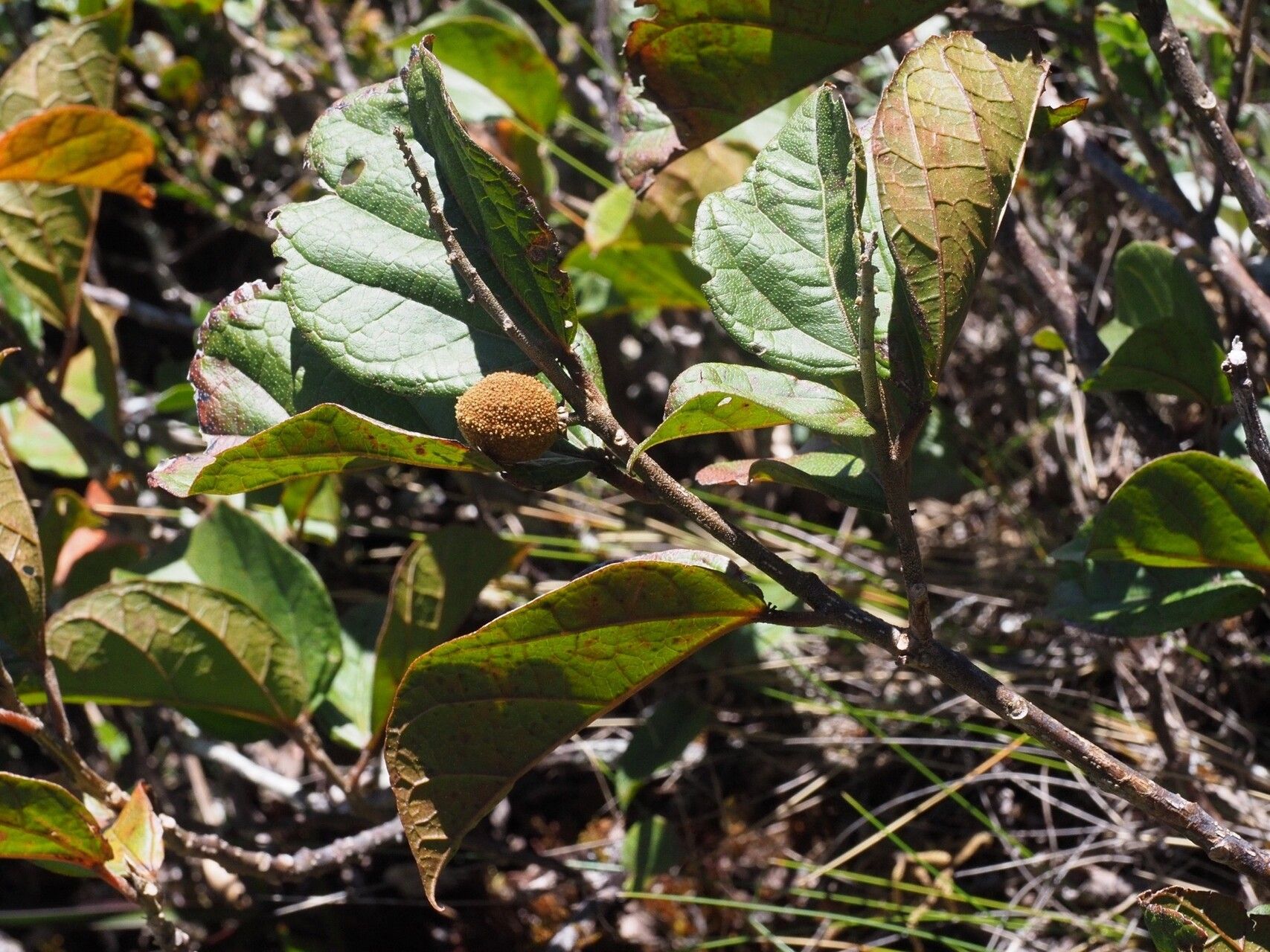
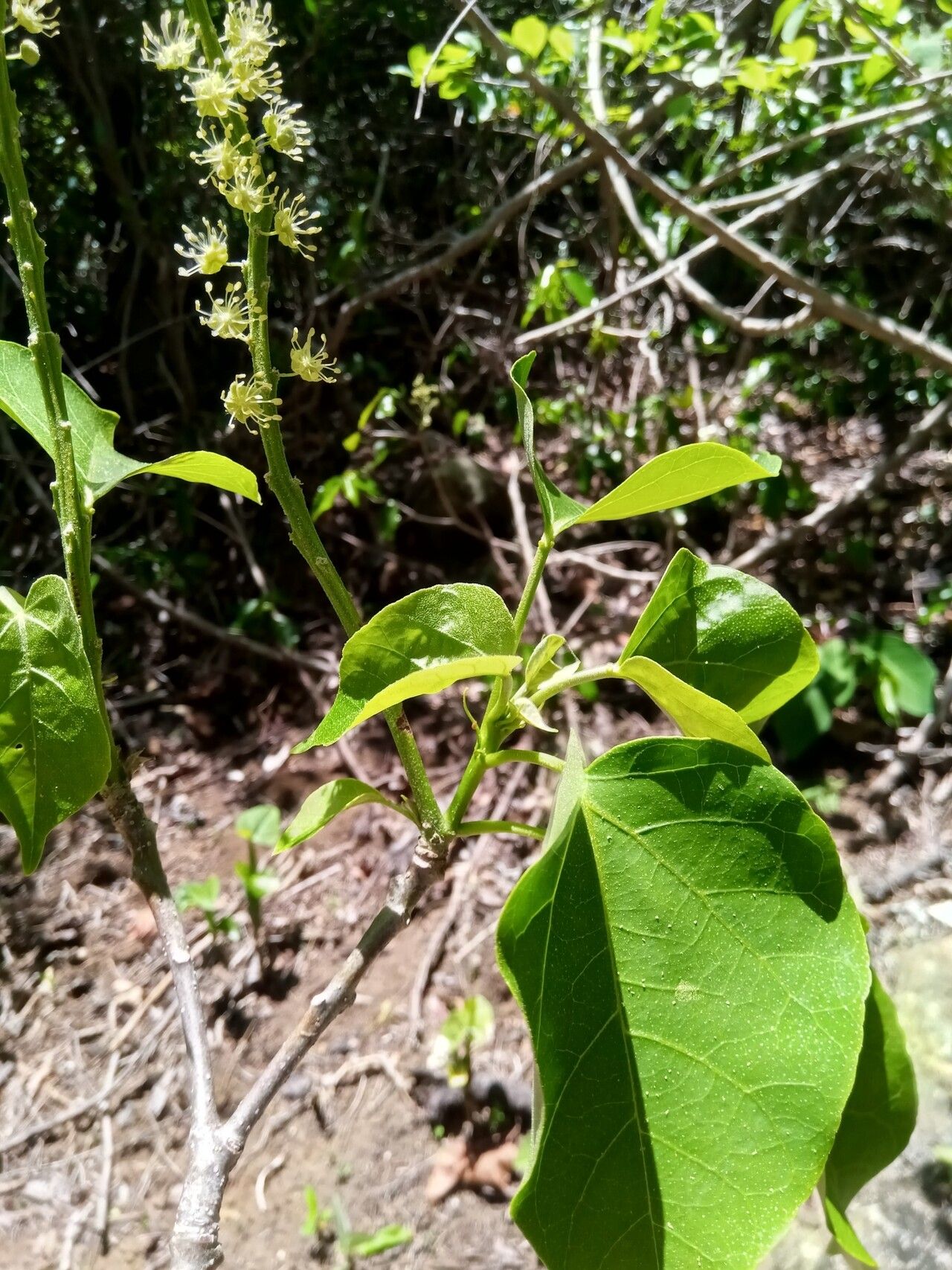
Croton lobatus, also known as hogwort or hogweed, is a tropical plant species that belongs to the Euphorbiaceae family. It is native to Central and South America, found in countries such as Brazil, Colombia, Ecuador, Peru, and Venezuela.
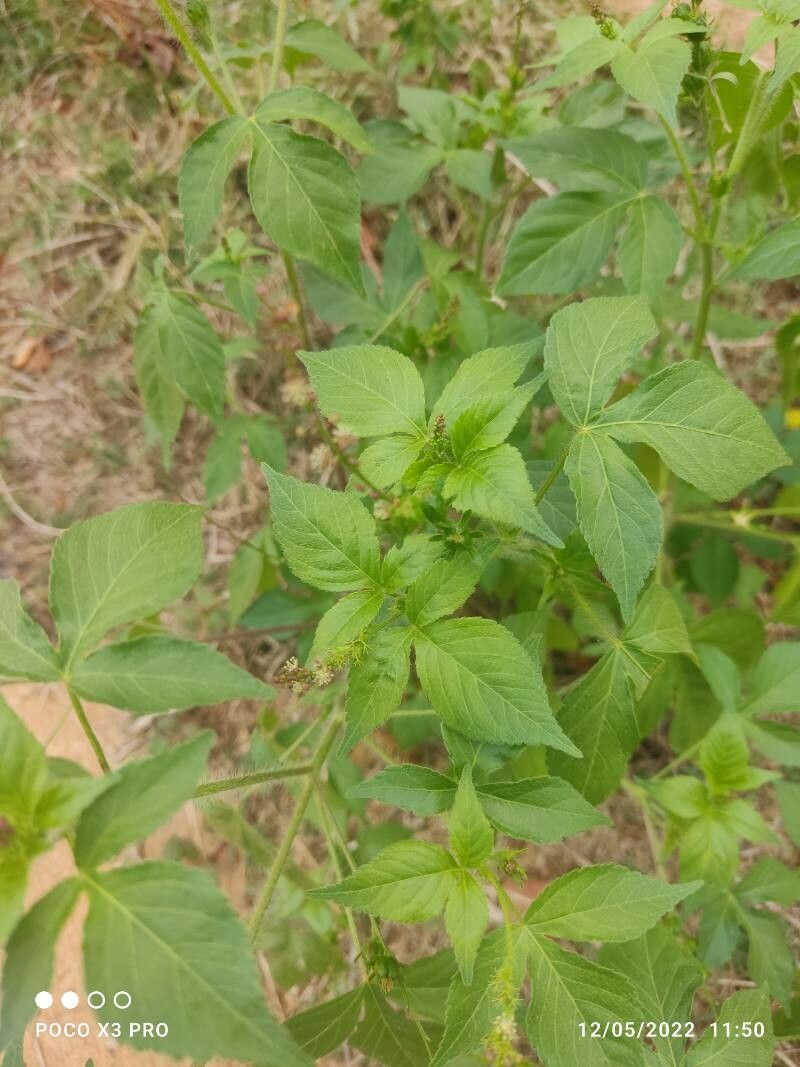
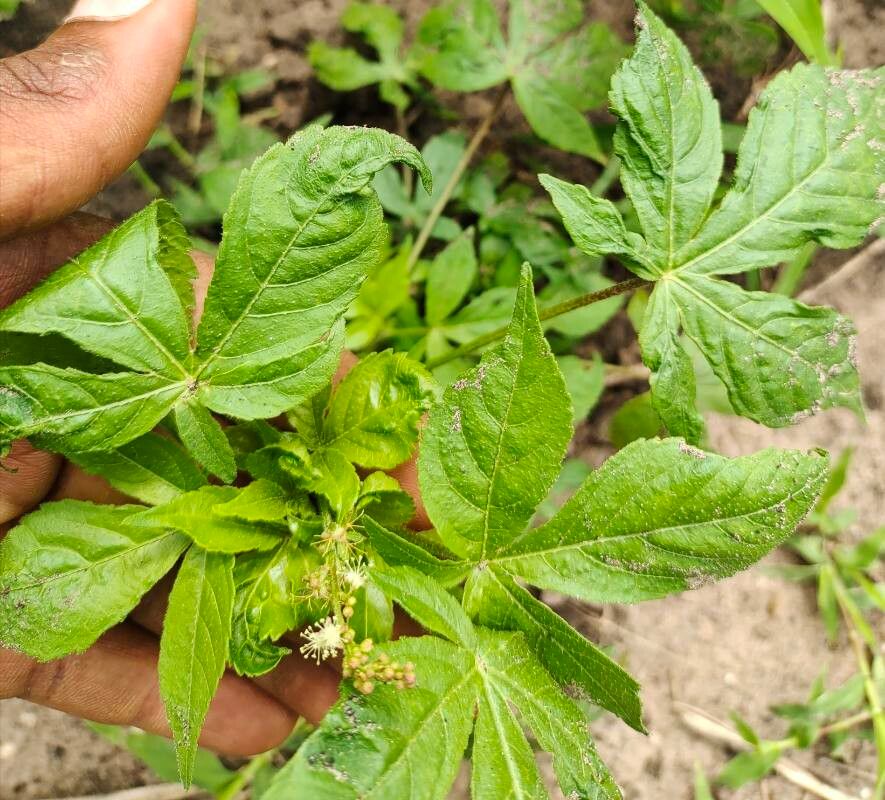
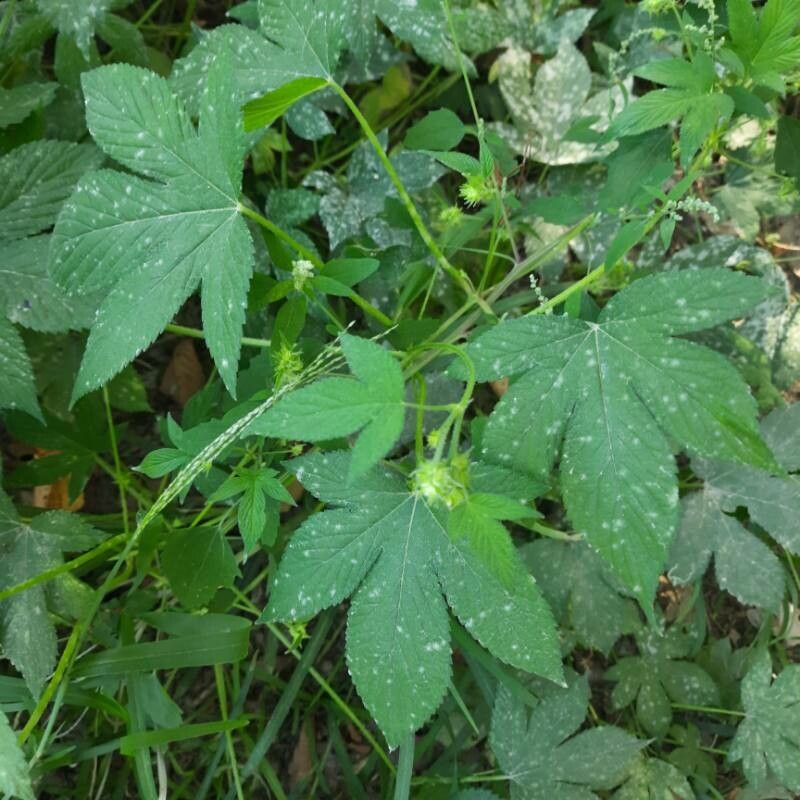
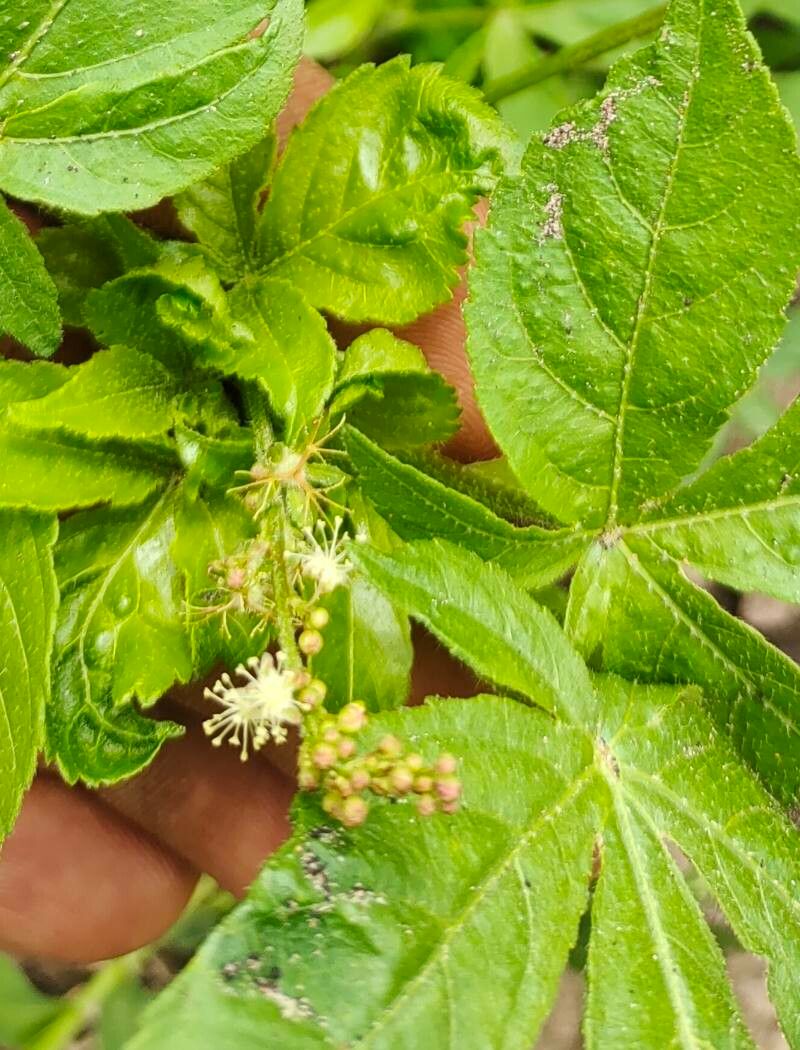
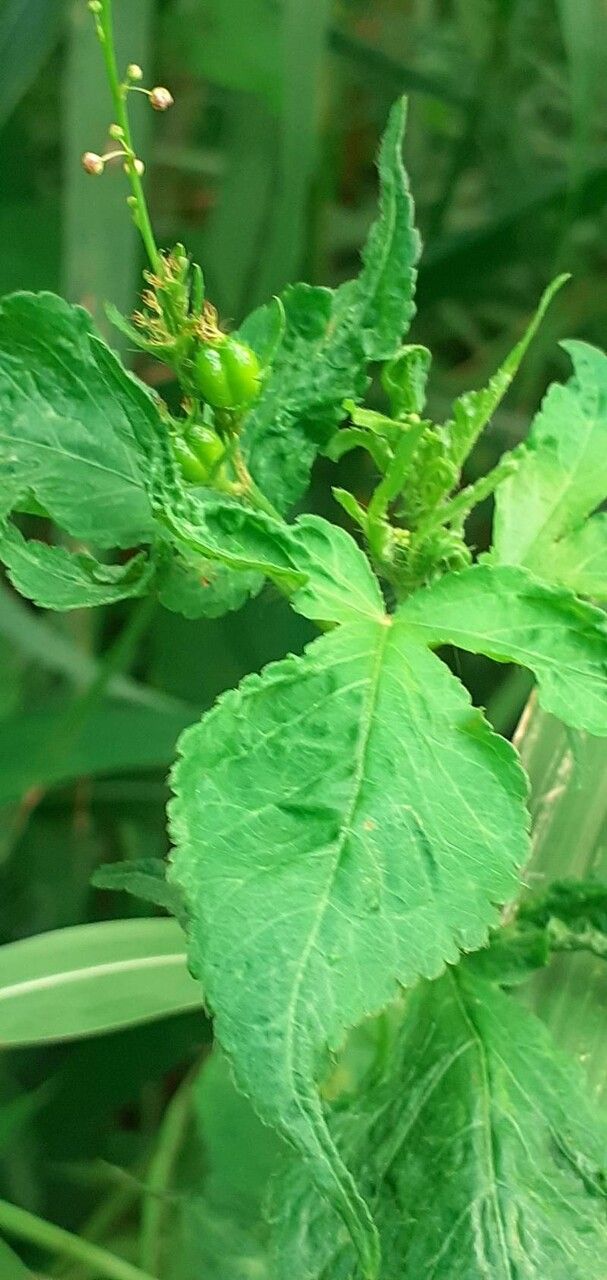
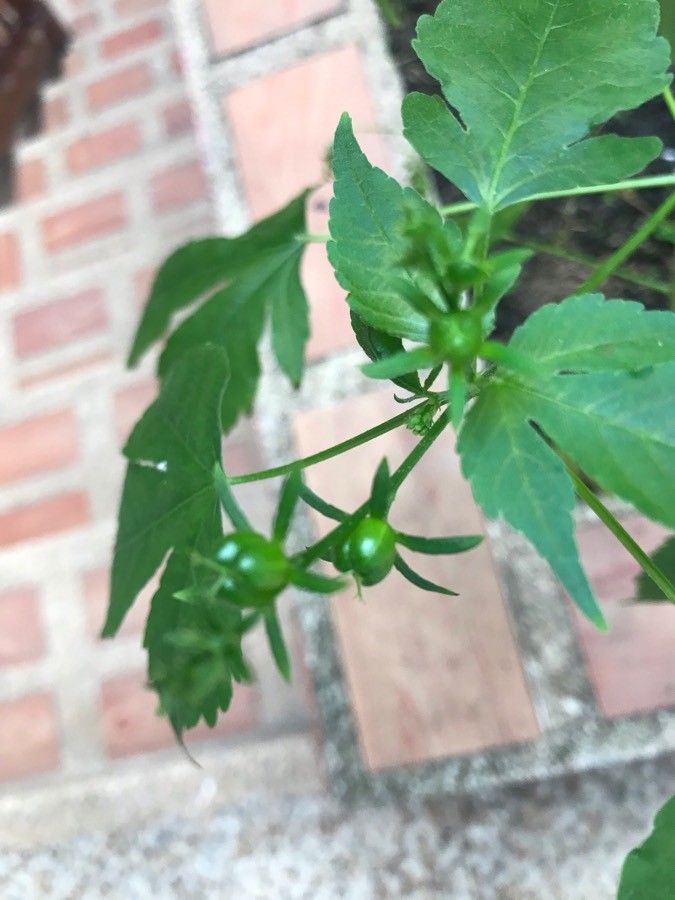
The plant has a shrub-like appearance with thick stems that can grow up to 2 meters in height. Its large, oval-shaped leaves are notable for their prominent veins, which give them a textured appearance. The leaves also boast vibrant colors that range from green to yellow to red, depending on the variety.
Croton lobatus is commonly used for medicinal purposes due to its anti-inflammatory properties, making it effective in treating conditions such as arthritis and rheumatism. Traditionally, indigenous communities have also used it to treat skin conditions like eczema.
In addition to its medicinal properties, Croton lobatus is often grown as an ornamental plant due to its striking foliage, making it an attractive addition to gardens and indoor spaces.
Overall, Croton lobatus is a versatile tropical plant species with both medicinal benefits and ornamental value, making it popular among gardeners worldwide.
The lobed croton is fairly resistant to disease and typically does not suffer from many illnesses. Still, it can be affected by pests and diseases found nearby. When infections occur, they are generally mild. Regarding upkeep, this plant needs a moderate level of care. Regular pruning is necessary to preserve its appearance and support healthy growth. Applying fertilizer can also encourage it to flower. This croton is appropriate for anyone with outdoor areas such as a garden or patio and does not demand extensive gardening experience. If kept indoors, it may need more attentive care.
How to keep Croton Lobatus.
Light
Lobed croton is native to places with dappled light, such as forest understories or rocky sites that offer natural shade. It does well in partial sun but can also adapt to full sun conditions.
Temperature
Lobed croton can tolerate a wide range of temperatures, but its distribution may still be constrained by different combinations of moisture and heat. It grows best in warm summer climates with sufficient rainfall or regular watering. Extended periods of cloudy, rainy weather or sustained high temperatures can raise the chance of Lobed croton dying. In winter, adequate protection from cold can increase the plant’s survival rate.
Fertilizer
Lobed croton benefits from regular, light applications of fertilizer to encourage healthy leaf development. You should fertilize Lobed croton about once a month during the summer. Nitrogen is important for foliage, and providing nitrogen-rich sources helps Lobed croton thrive.
Botanical profile.
- Plant Type
- Herb
- Life Cycle
- Annual, Perennial
- Genus
- Croton
- Family
- Euphorbiaceae
- Hardiness Zone
- 10-12
- Mature Height
- 0.49 m to 1.52 m
- Mature Spread
- 61 cm to 91 cm
- Leaf Color
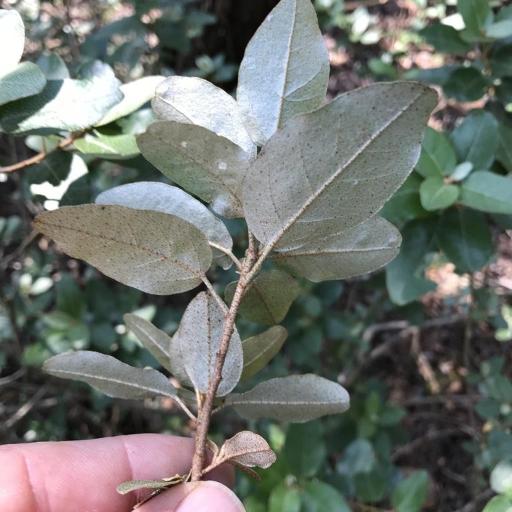
- Green, Dark Green
- Leaf Type
- Semi-evergreen
- Flower Color
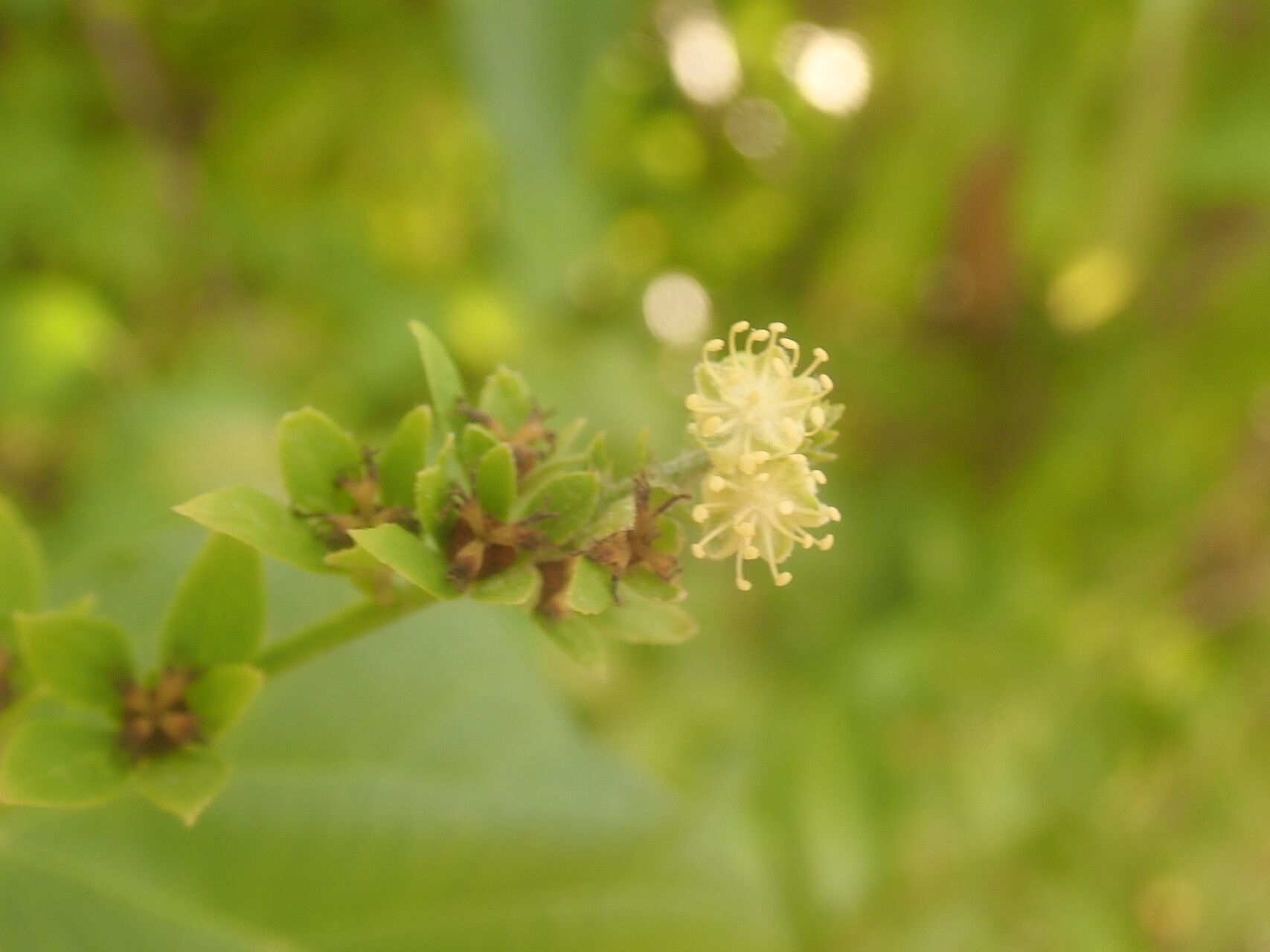
- White
- Flower Size
- 1.02 cm to 2.03 cm
- Bloom Time
- Late spring, Summer, Early fall
- Planting Time
- Spring, Summer, Autumn
- Harvest Time
- Mid summer, Late summer, Fall
Other names.