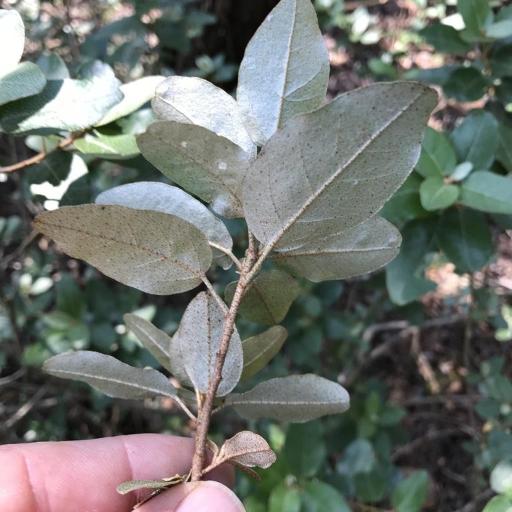
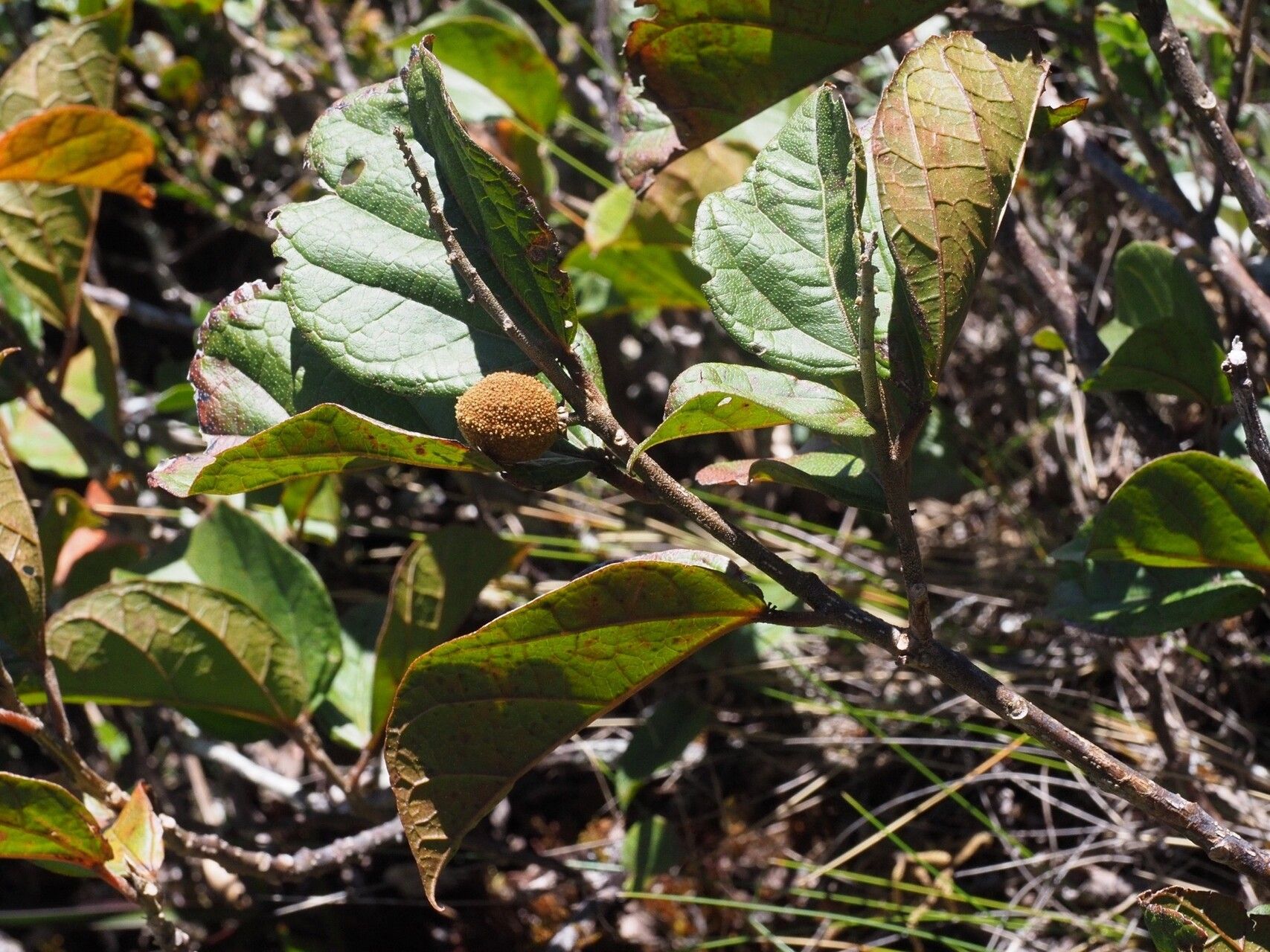
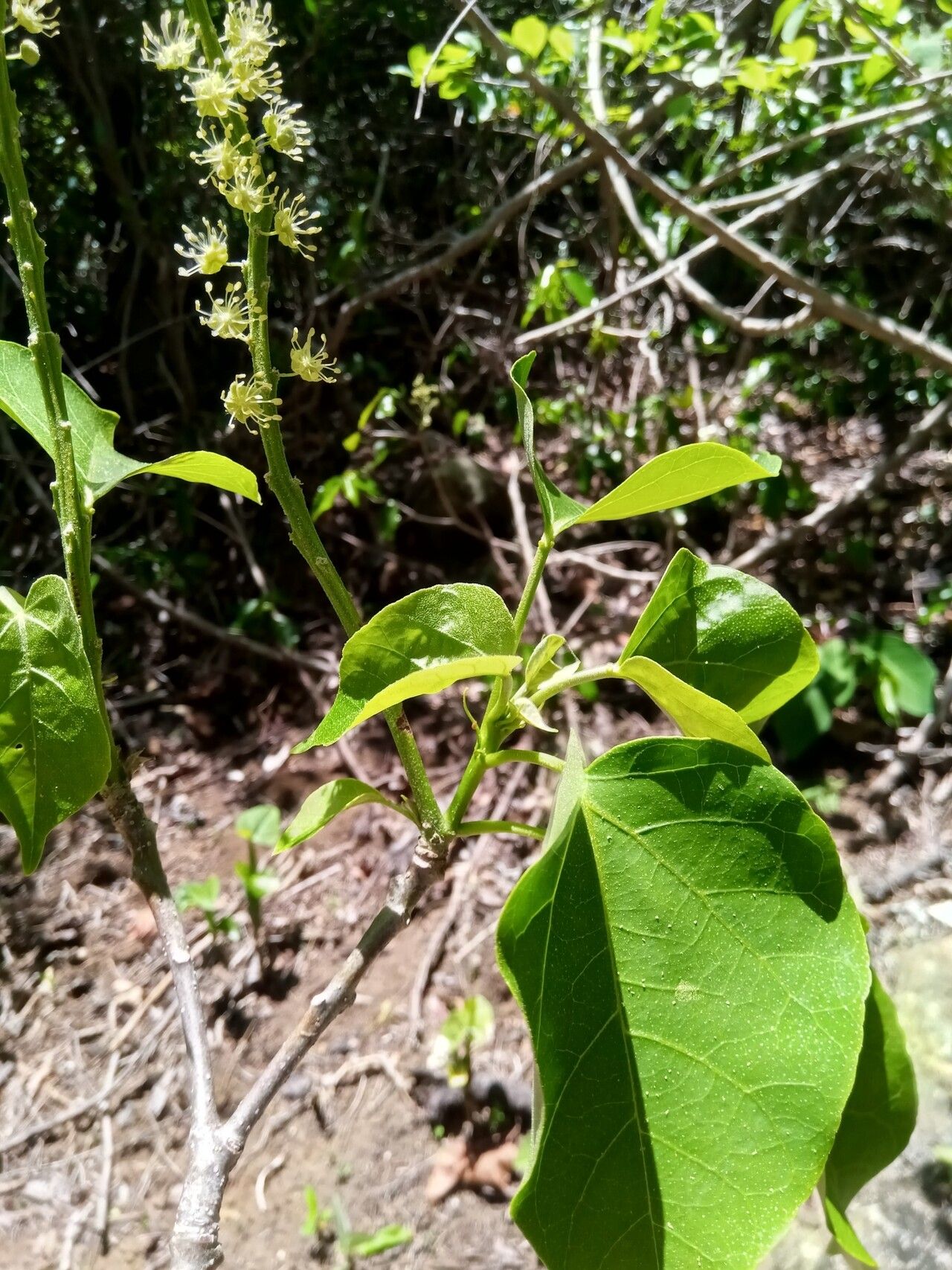
Croton sonorae, commonly known as the Sonoran croton, is a flowering plant belonging to the Euphorbiaceae family. Native to the Sonoran Desert in North America, this plant is notable for its distinct appearance, featuring thick, succulent leaves covered in fine hairs and possessing a waxy texture. The green leaves exhibit yellow veins that become more prominent as they mature.
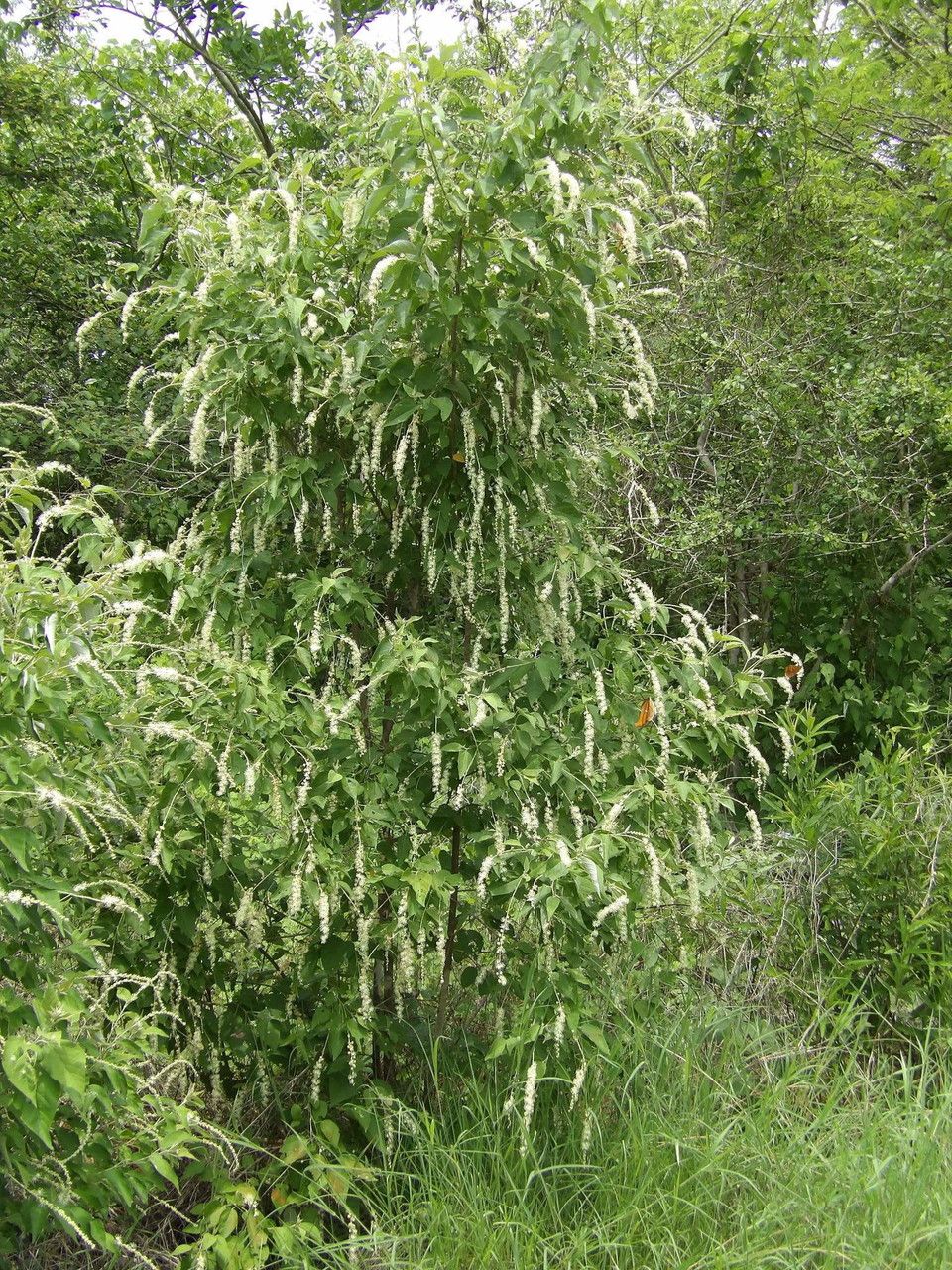
Reaching up to 3 feet in height and 2 feet in width, the Sonoran croton is a versatile choice for both indoor and outdoor landscaping. It thrives in well-draining soil and full sun exposure but can also tolerate partial shade.
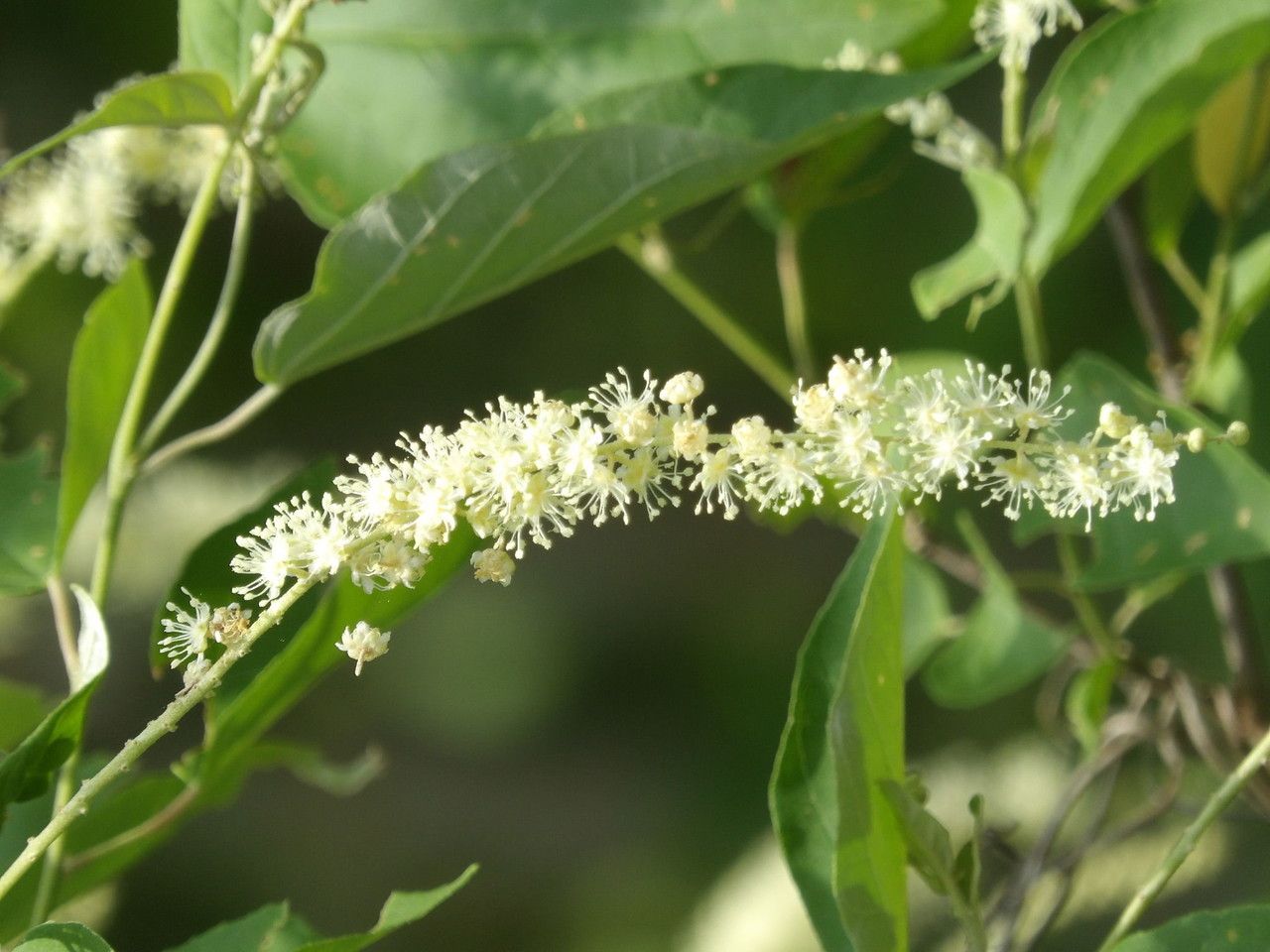
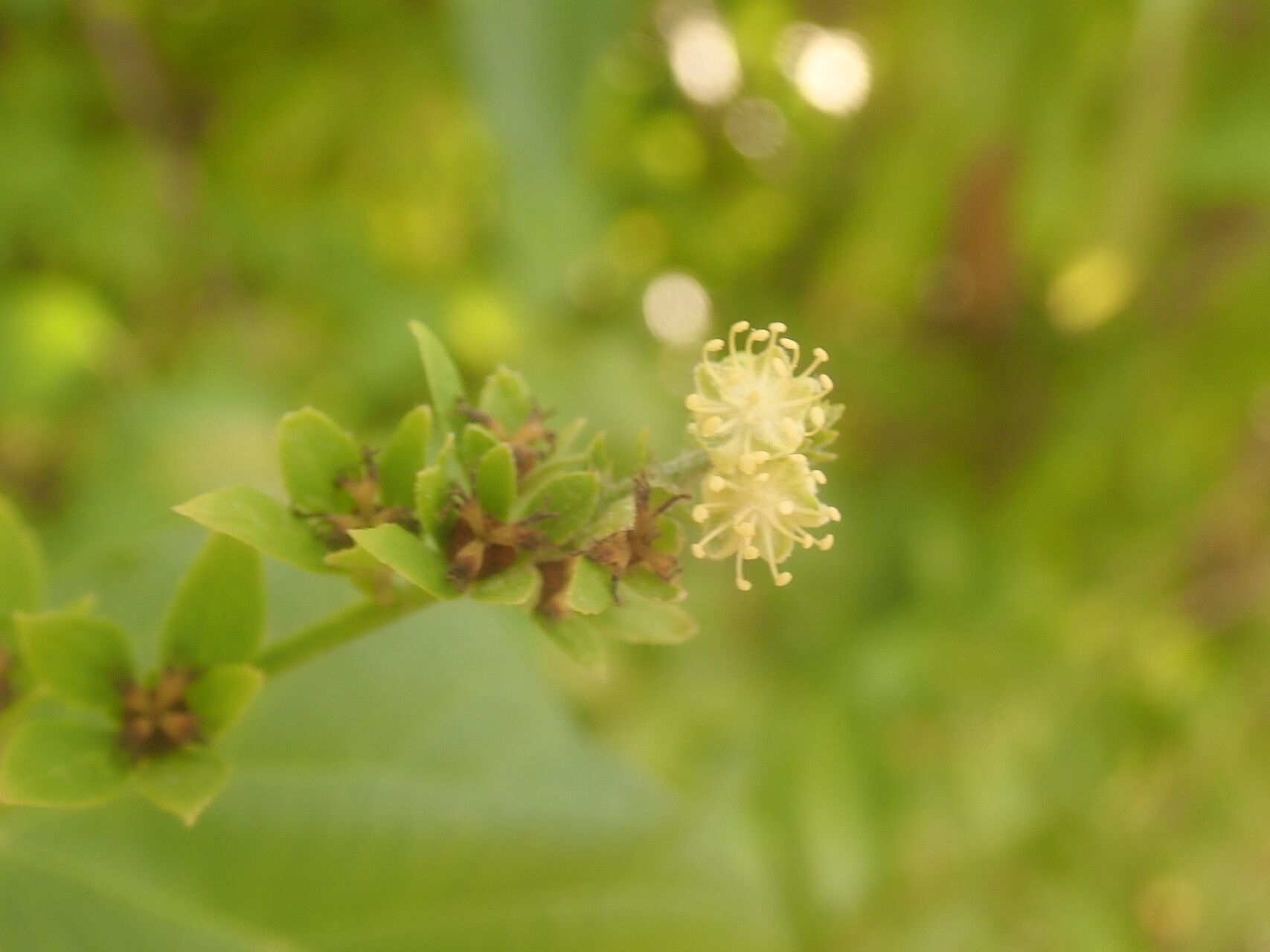
During late spring or early summer, the plant produces small yellow-green flowers that bloom in clusters. These flowers attract bees, butterflies, and other pollinators, enhancing the ecological value of any garden space.
Historically, Native American tribes have utilized Croton sonorae for its anti-inflammatory properties. However, it is important to note that all parts of the plant are toxic if ingested by humans or animals.
In summary, Croton sonorae is an attractive succulent with distinctive foliage that can add interest to any garden or indoor setting. Additionally, it supports pollinators during its blooming season, offering both aesthetic and ecological benefits.
Botanical profile.
- Genus
- Croton
- Family
- Euphorbiaceae
Other names.