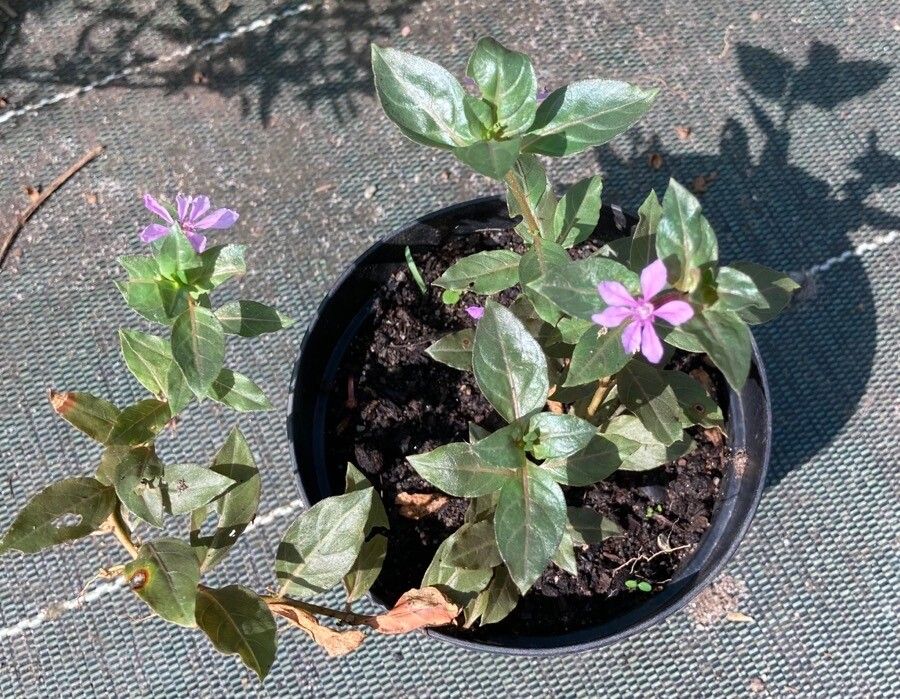
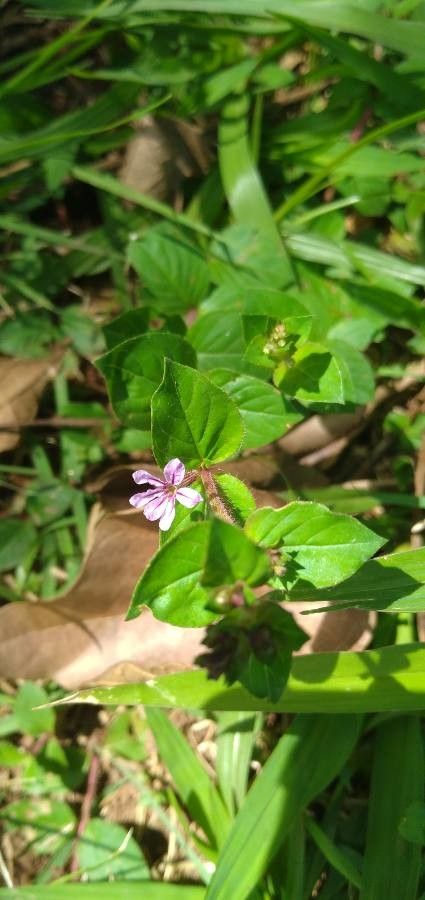
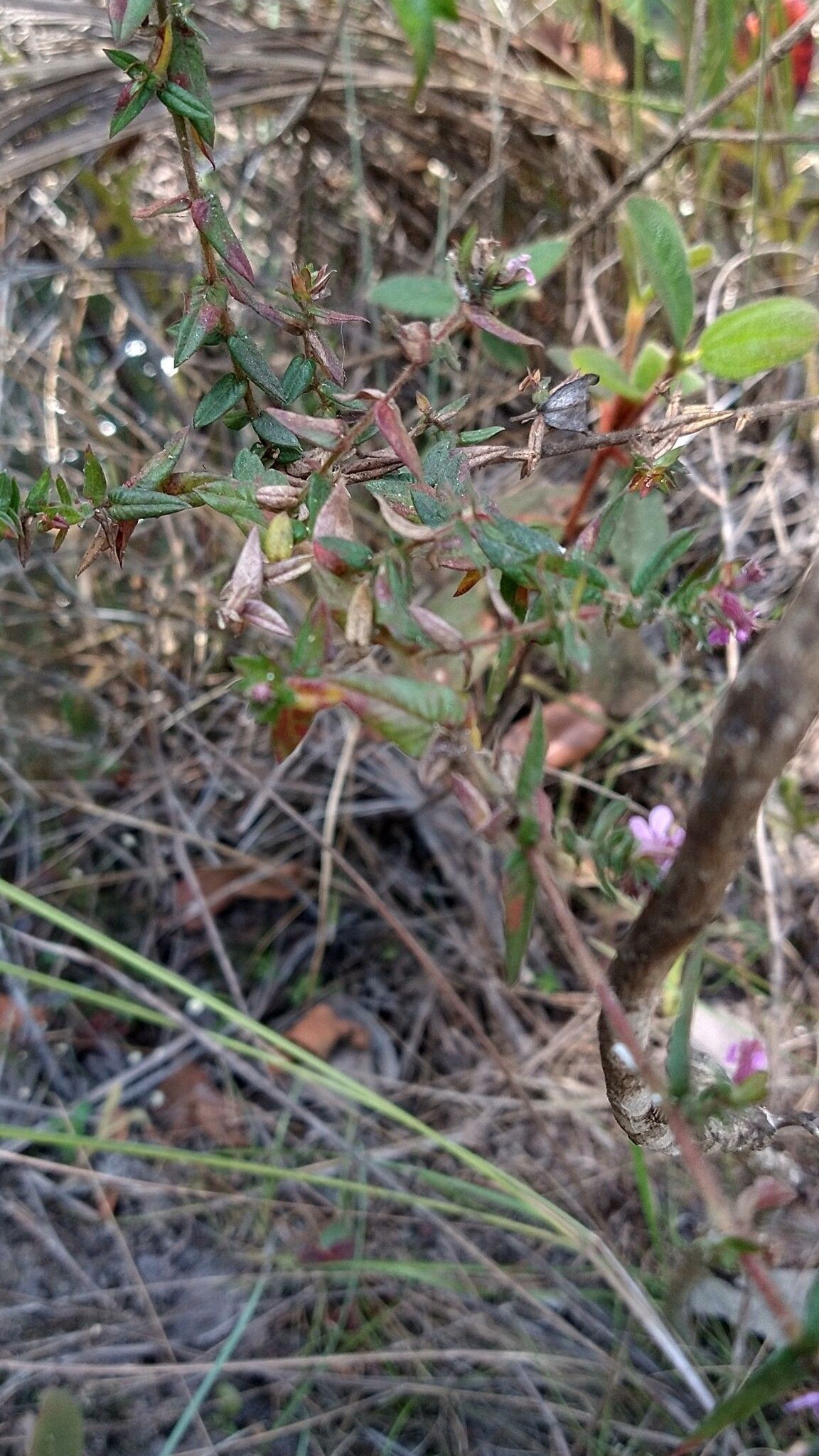
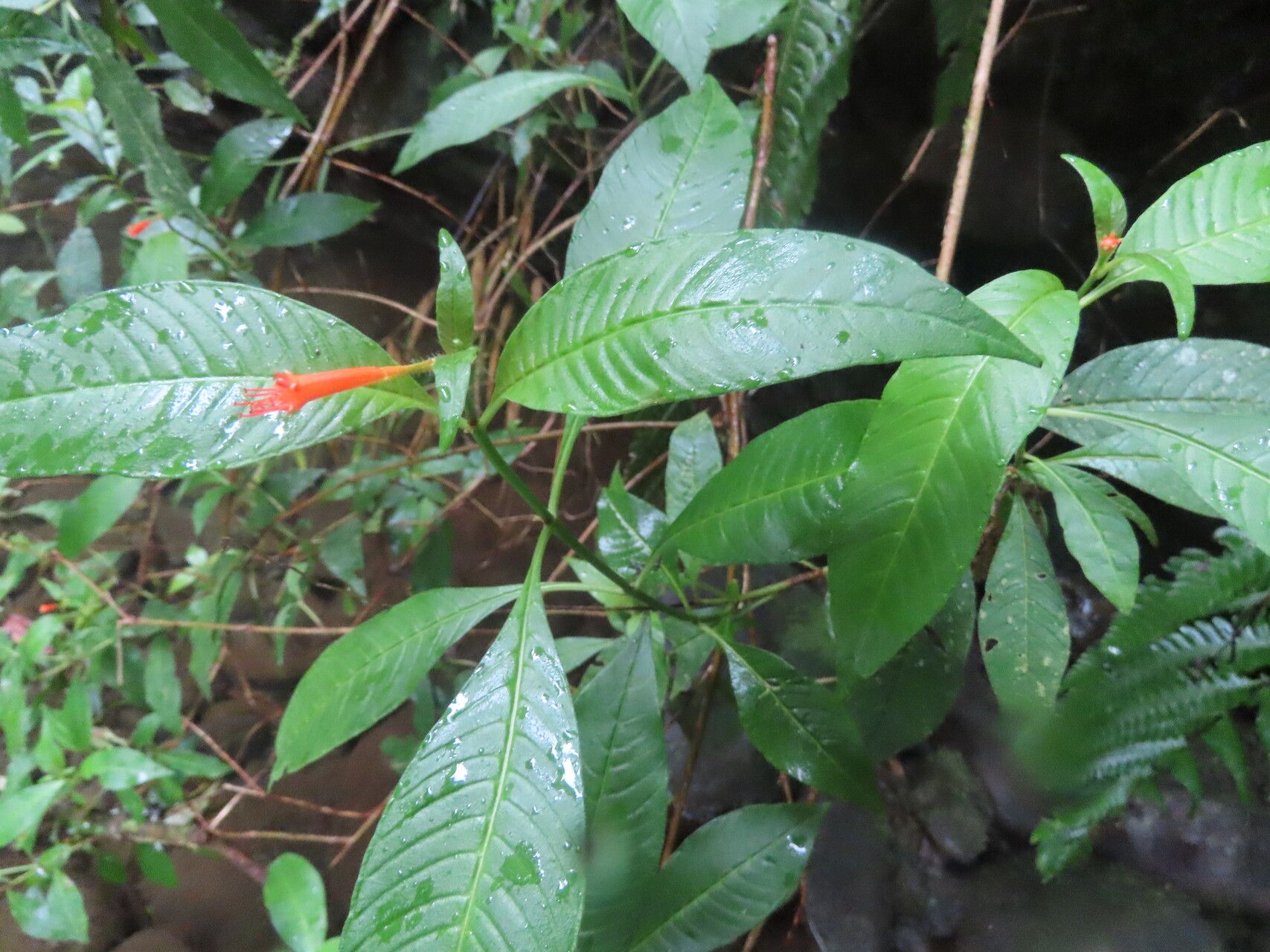
Cuphea strigulosa, commonly known as Mexican heather, is a small evergreen shrub belonging to the Lythraceae family. Native to Mexico and Central America, it is widely cultivated as an ornamental plant in gardens and landscapes. This compact shrub grows up to 2 feet tall and spreads 1 to 2 feet wide. It features small, lance-shaped green leaves with a slightly hairy texture.
Mexican heather is prized for its abundant small tubular flowers, which are pink or purple with white tips. These vibrant blooms appear from spring through fall, attracting bees, butterflies, and hummingbirds, making it an excellent choice for pollinator gardens.
Cuphea strigulosa prefers full sun to partial shade and thrives in well-drained soil. While it can tolerate drought conditions, regular watering during the growing season ensures optimal growth.
Propagation can be done through seeds or stem cuttings taken in the spring. Although the plant is low-maintenance, it benefits from regular pruning to maintain its shape.
Overall, Cuphea strigulosa is a visually appealing ornamental shrub that adds color and texture to any garden. Its ability to attract pollinators makes it an excellent choice for gardeners seeking low-maintenance plants with high aesthetic value.
Tri-coloured cuphea is resistant to disease and typically not susceptible to illnesses. As for care, the plant is fairly low-maintenance. Planted outdoors it needs only light watering, and larger specimens usually do not require pruning. Smaller plants, however, should be trimmed after they finish blooming. Tri-coloured cupheat is well suited to anyone with an outdoor area, such as a garden or deck, and does not demand much experience in plant care.
How to keep Cuphea Strigulosa.
Light
Tri-coloured cuphea comes from open habitats, such as sunlit meadows and forest margins, where light is abundant. It thrives in Full Sun but can also tolerate Partial Sun, adapting well to different sunlight conditions.
Temperature
Tri-coloured cuphea comes from tropical areas, where conditions are usually warm and humid. Consequently, it is suited to high temperatures and moisture. It does not tolerate sudden shifts in temperature and prefers a steady thermal environment, so keeping indoor temperatures stable is important. It typically cannot withstand cold and needs warmer conditions for growth. If the surrounding temperature falls too low, the plant may stop growing or even die.
Fertilizer
The best time to fertilize a Tri-coloured cuphea is in early spring when it breaks dormancy. Doing so promotes overall growth and encourages flower development. Fertilization improves the foliage, stems, and branching while encouraging flowers that are large, bright, and long-lasting. It also helps move nutrients from the roots to the blooms and enhances the plant’s health and resistance to disease.
Botanical profile.
- Plant Type
- Shrub
- Life Cycle
- Perennial
- Genus
- Cuphea
- Family
- Lythraceae
- Hardiness Zone
- 9-11
- Mature Height
- 30 cm to 61 cm
- Mature Spread
- 30 cm to 46 cm
- Leaf Color
- Dark Green
- Leaf Type
- Evergreen
- Flower Size
- 1.02 cm to 2.03 cm
- Bloom Time
- All year round
- Planting Time
- Spring, Summer, Autumn
- Harvest Time
- All year round
- Native Area
- Mexico, Guatemala
Other names.