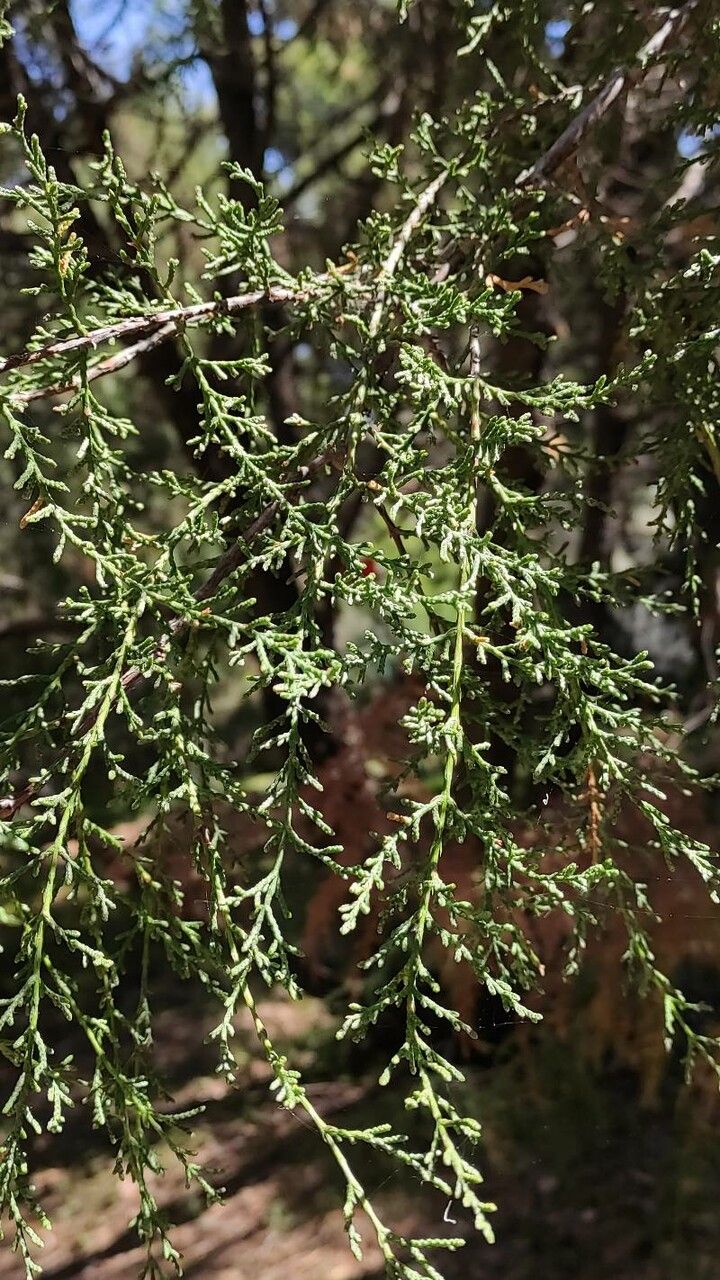
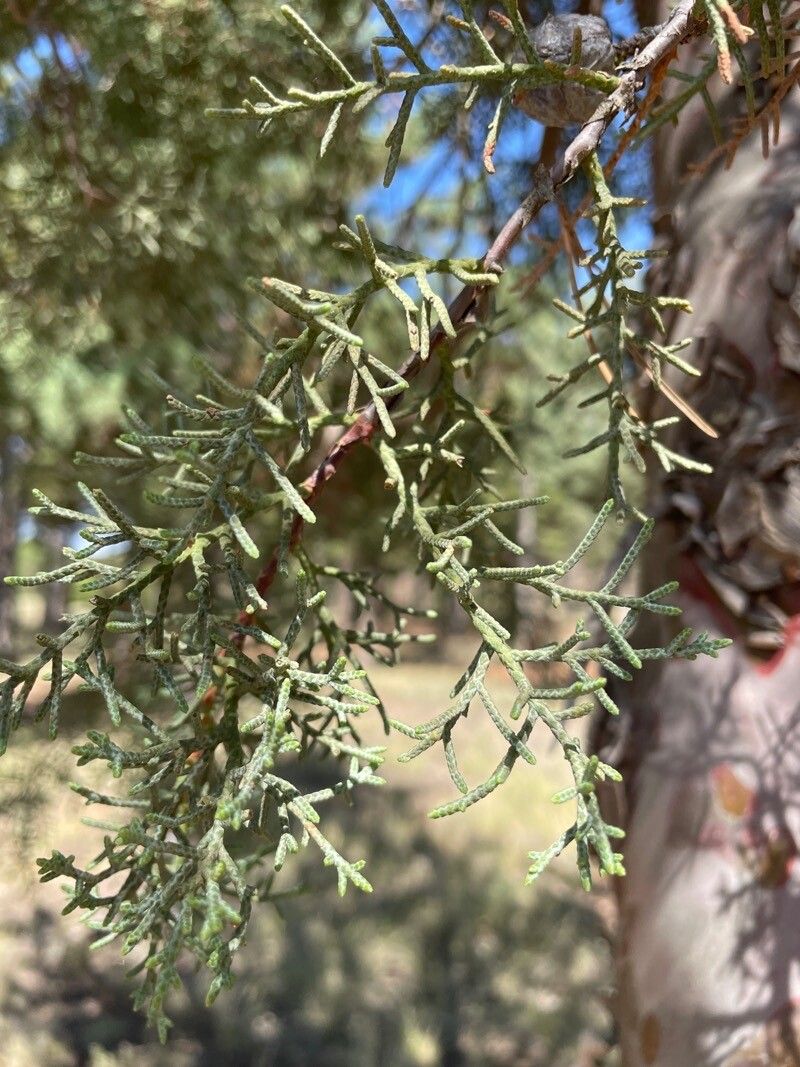
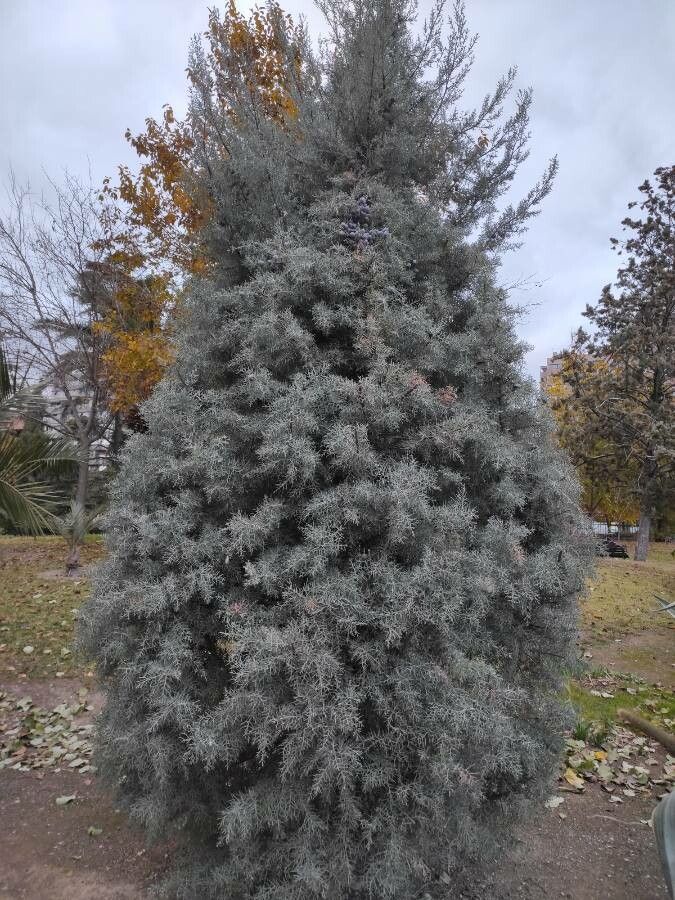
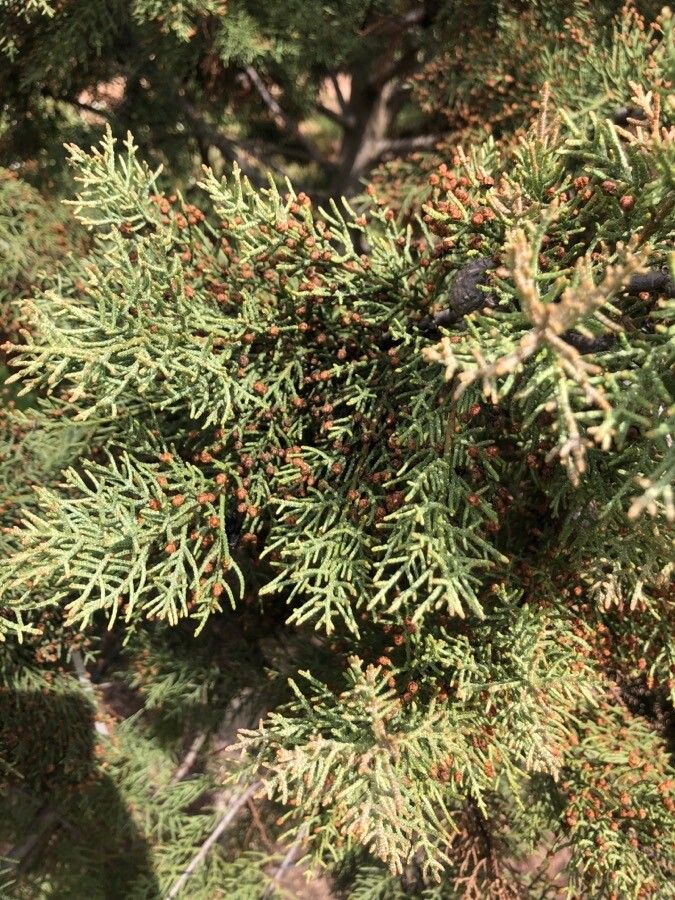
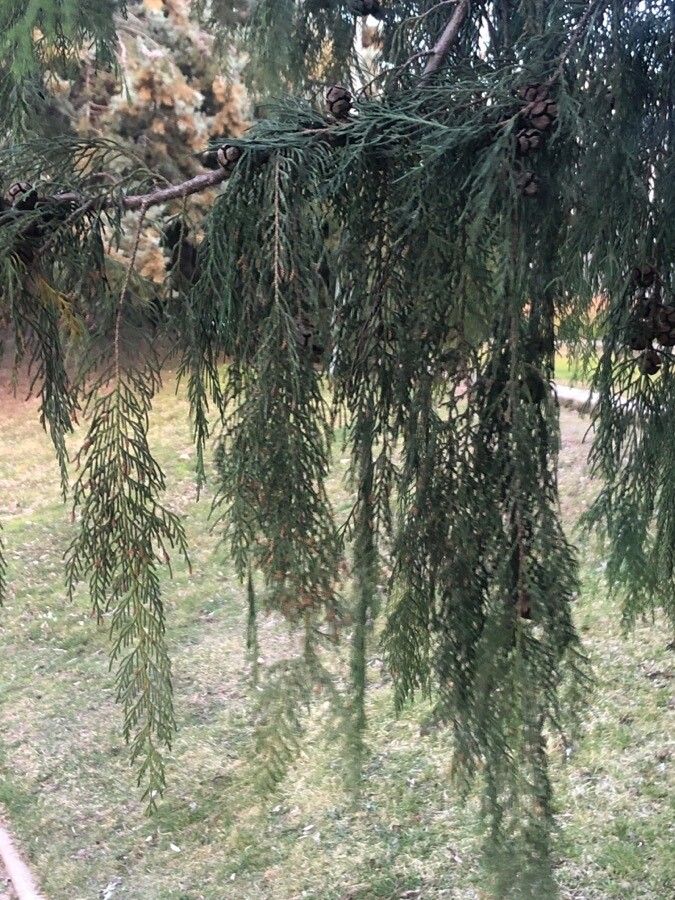
Cupressus guadalupensis, commonly known as Guadalupe cypress or Mexican cypress, is a species of coniferous tree native to the southwestern United States and Mexico. This medium-sized evergreen tree can reach up to 25 meters in height with a trunk diameter of up to 1 meter. Its bark is grayish-brown, fibrous, and features deep fissures.
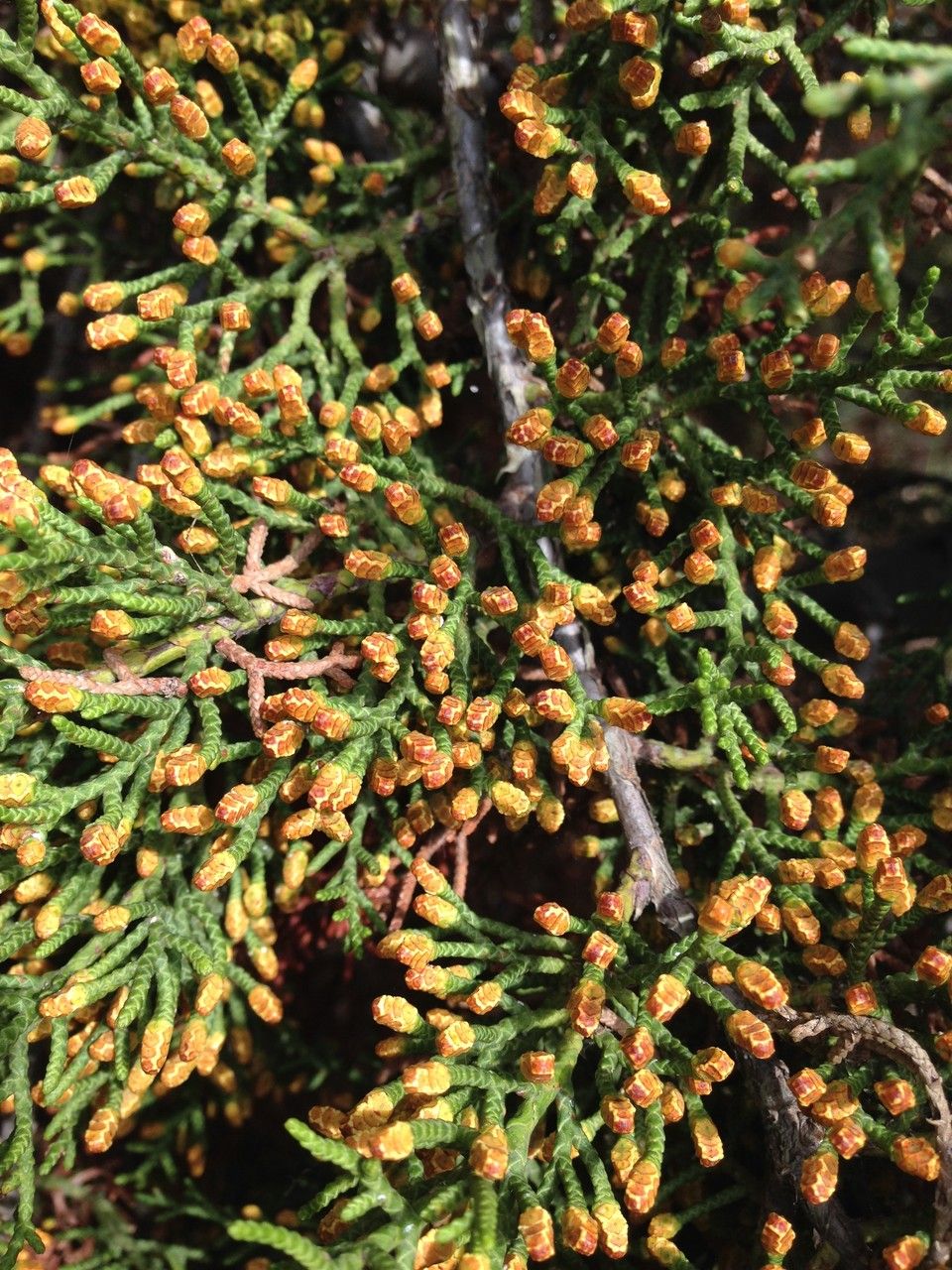
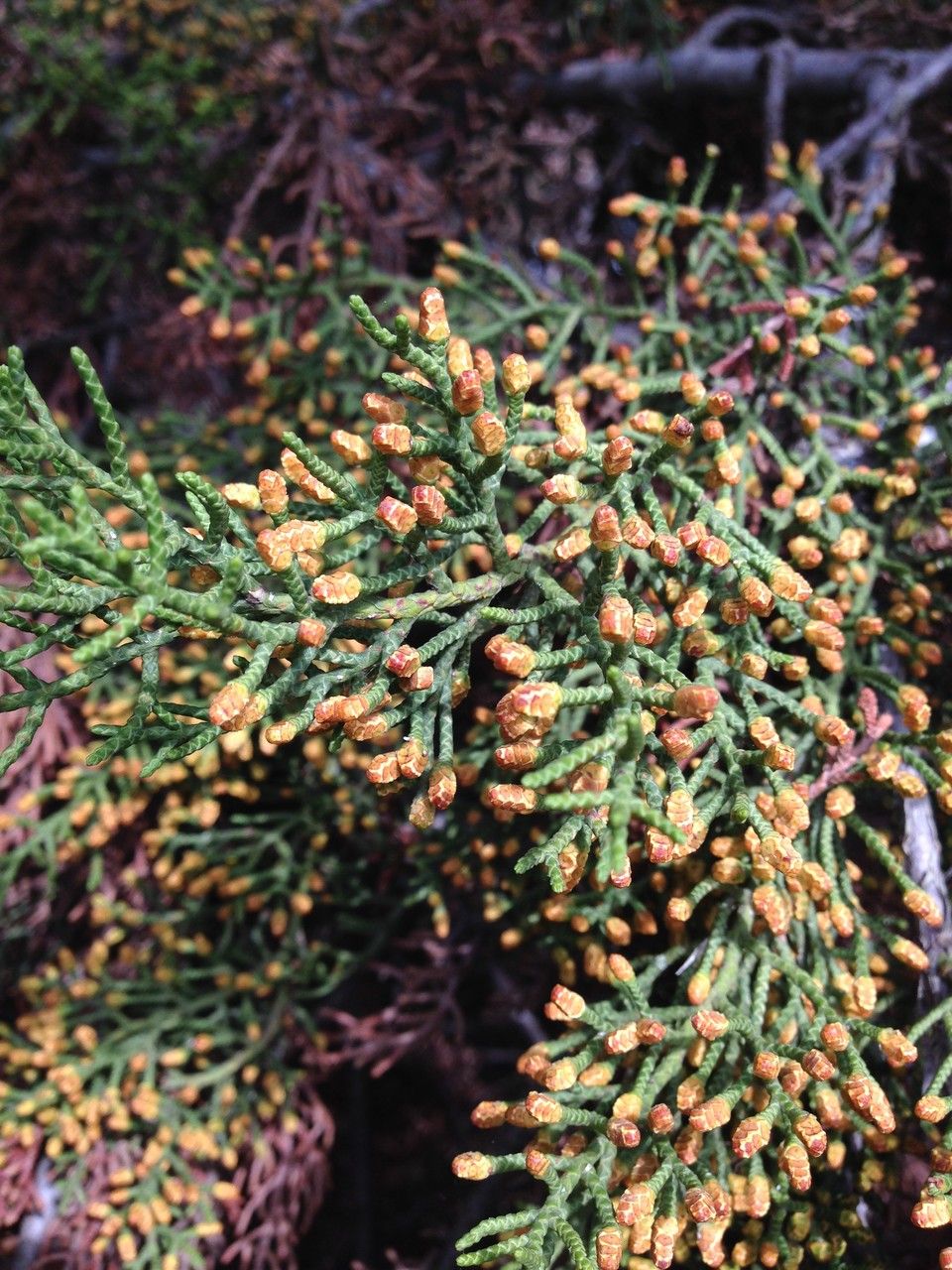
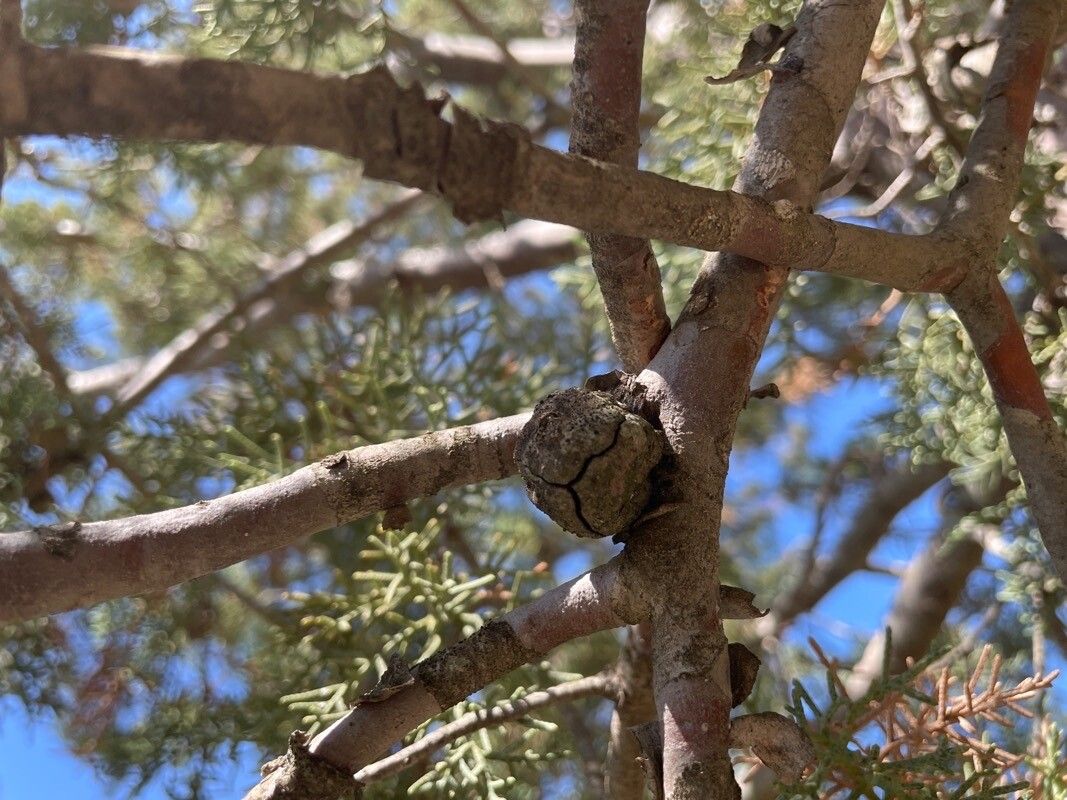
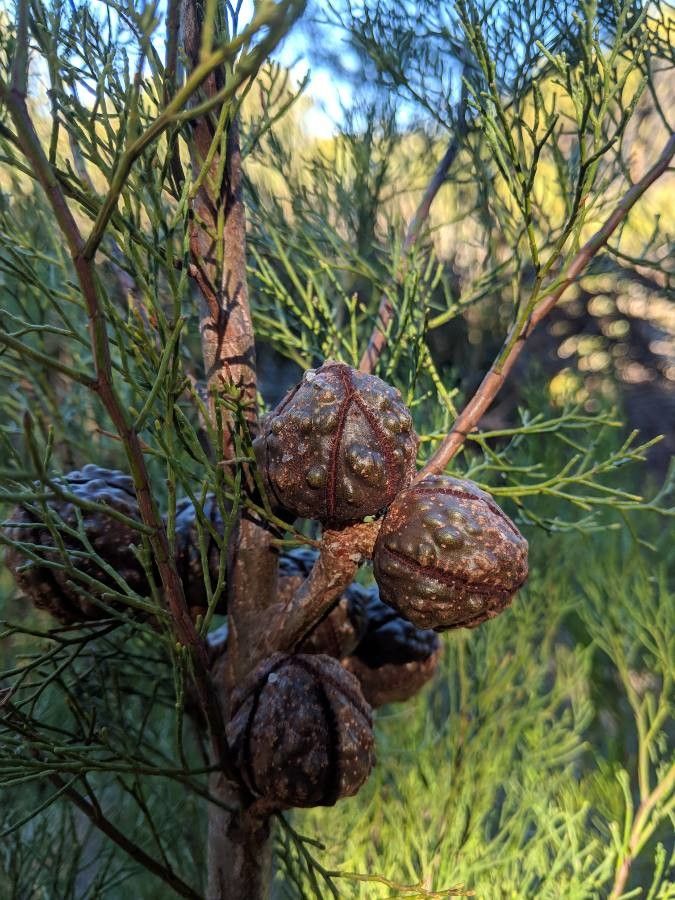
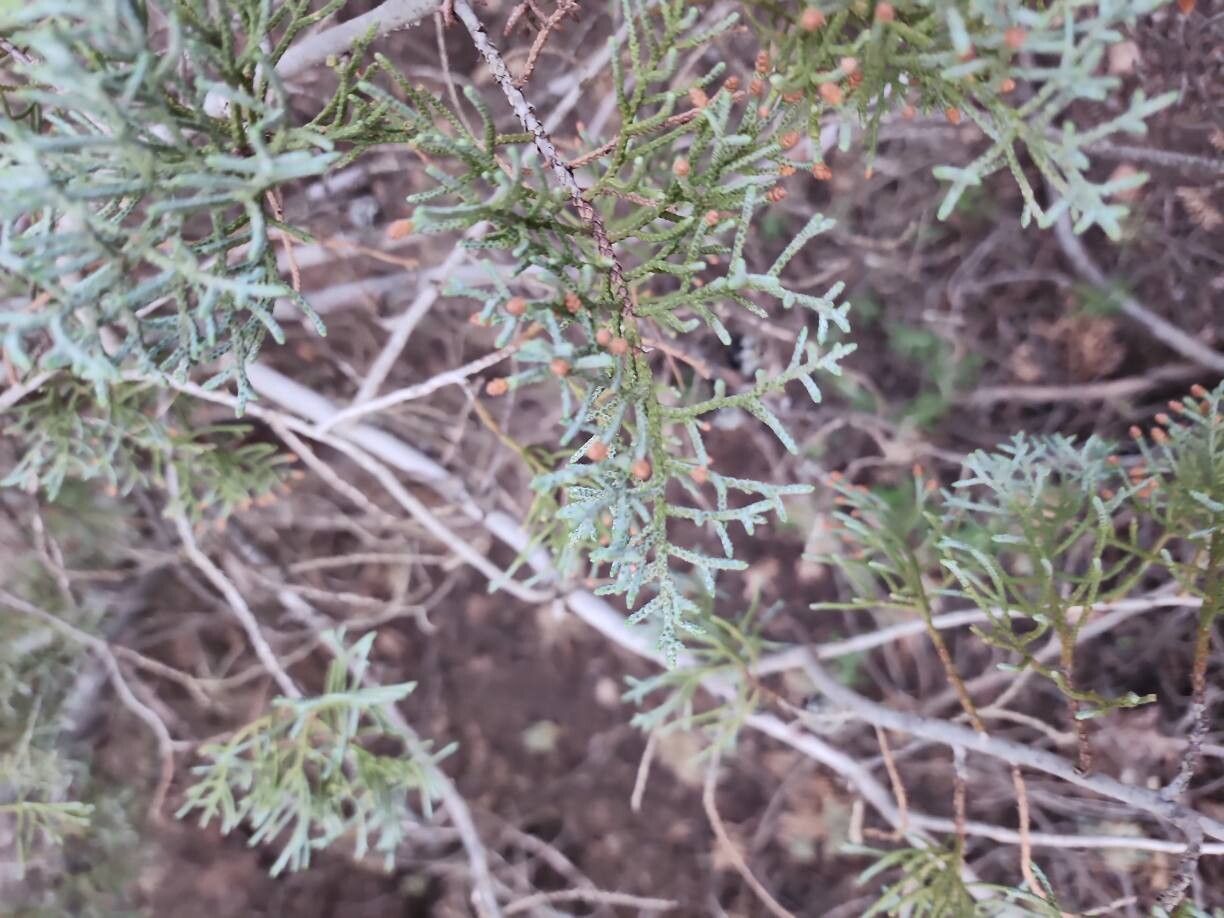
The leaves are scale-like, arranged in opposite pairs along the stem, and are dark green in color. When crushed, the leaves emit a distinctive resinous aroma. The cones of the tree are small, round, and brownish-green.
Guadalupe cypress trees thrive in well-drained soils but can tolerate some moisture as long as the soil does not become waterlogged. They perform best in full sun, although they can also endure partial shade.
This species is popular for ornamental landscaping due to its attractive foliage, symmetrical shape, and drought resistance once established. It also holds cultural significance for some indigenous communities, who use its wood for traditional crafts such as carvings and musical instruments.
Unfortunately, Guadalupe cypress populations are declining due to habitat loss from urbanization and agricultural development, as well as over-harvesting for commercial purposes such as fence posts and firewood. Conservation efforts, including seed collection programs, are being implemented to preserve the genetic diversity of this vital species. The Guadalupe cypress plays an important role in maintaining ecological balance within its native range.
Guadalupe cypress offers strong disease resistance and is generally not prone to disease. In terms of upkeep, this plant is fairly low-maintenance. When grown outdoors it needs only minimal watering, and larger specimens typically do not require pruning. Smaller plants, however, should be pruned after they have finished blooming. Guadalupe cypresst is appropriate for anyone with an outdoor area, such as a garden or deck, and does not demand extensive care experience.
How to keep Cupressus Guadalupensis.
Light
Guadalupe cypress comes from open habitats, such as sunny meadows and forest edges, which supply abundant light. It thrives in Full Sun but can also tolerate Partial Sun, adapting well to a range of sunlight conditions.
Temperature
Guadalupe cypress is highly adaptable to a range of climate conditions, whether facing very hot summers or cold winters. Nonetheless, it has a preferred temperature range for healthy growth. When temperatures become too high, the plant is vulnerable to heat and humidity stress, which can lead to death. In areas where temperatures near the lower limit of its cold tolerance, it is important to use insulation measures to protect the plant.
Fertilizer
The Guadalupe cypress has particular nutrient needs and does not require heavy fertilization. Fertilizing in spring is the best time to encourage optimal growth. Providing nutrients improves its health, strengthens its resistance to pests and diseases, and helps preserve its long lifespan.
Botanical profile.
- Plant Type
- Tree
- Life Cycle
- Perennial
- Genus
- Cupressus
- Family
- Cupressaceae
- Hardiness Zone
- 8-10
- Mature Height
- 10.06 m to 20.12 m
- Mature Spread
- 4.88 m to 10.06 m
- Leaf Color
- Dark Green
- Leaf Type
- Evergreen
- Bloom Time
- Early spring, Mid spring
- Planting Time
- Spring, Summer
- Harvest Time
- Late summer, Early fall, Mid fall
Other names.