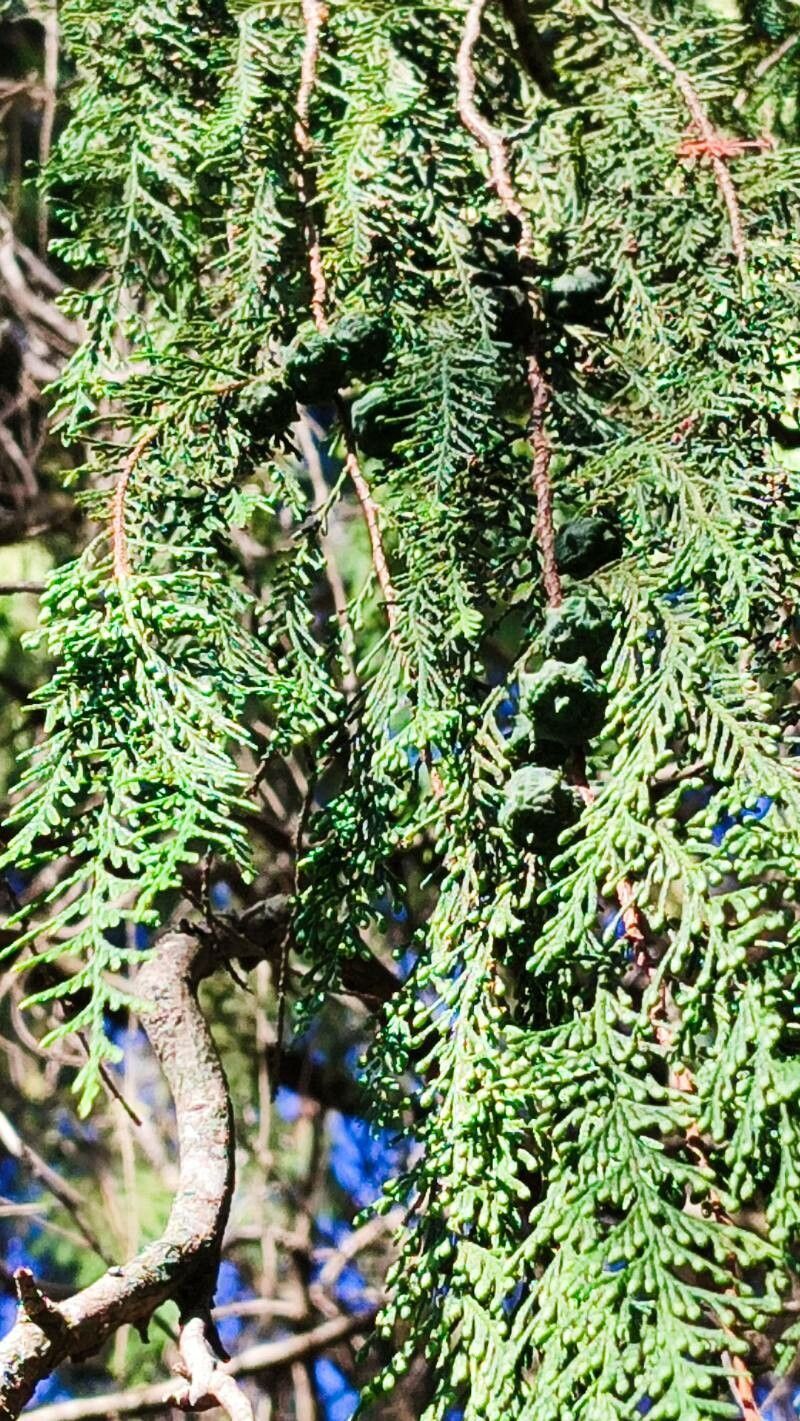
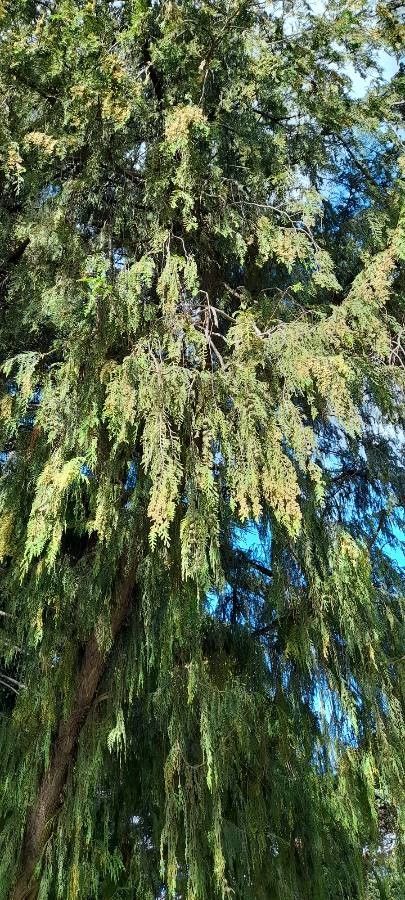
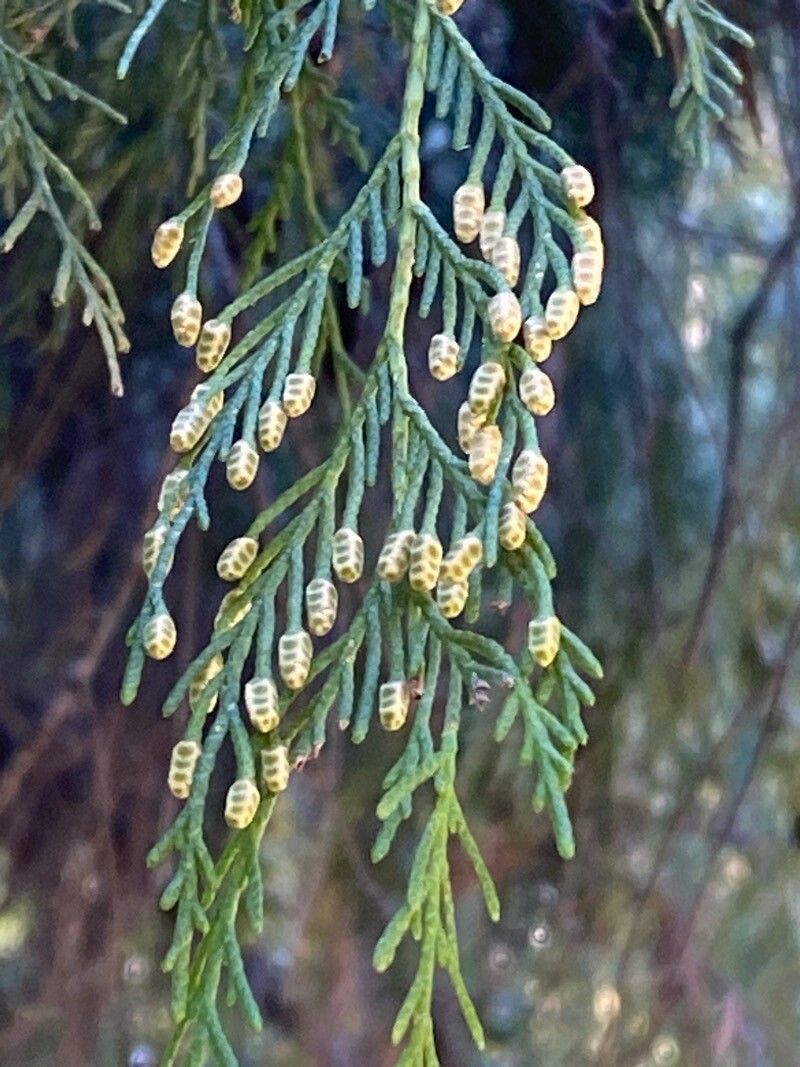
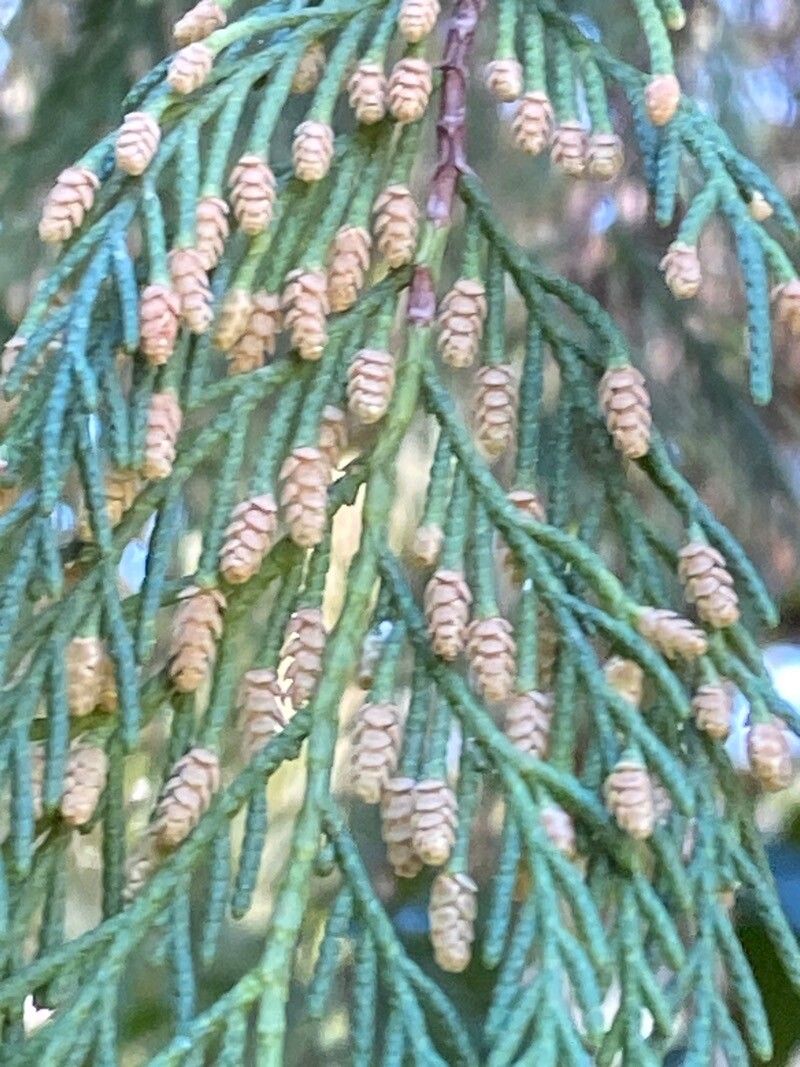
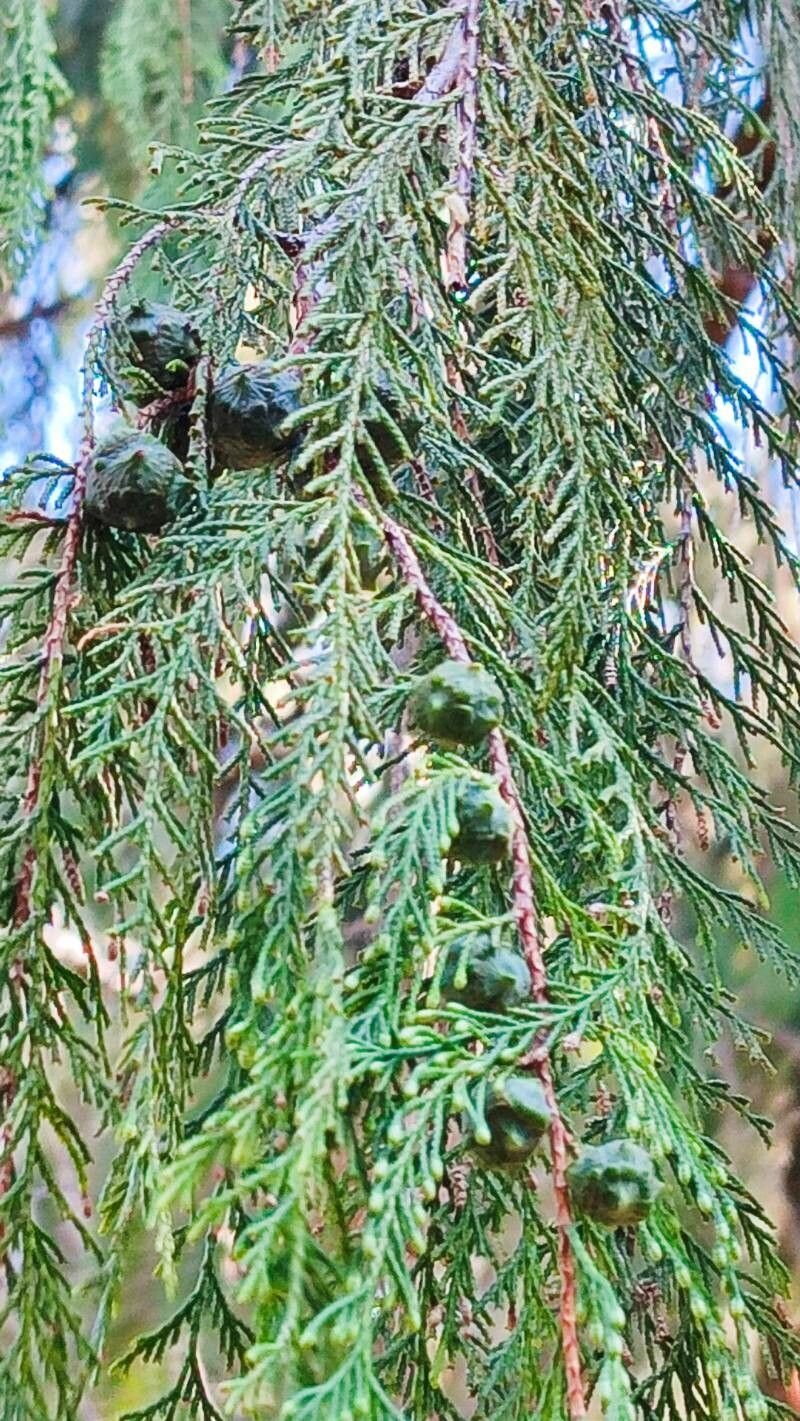
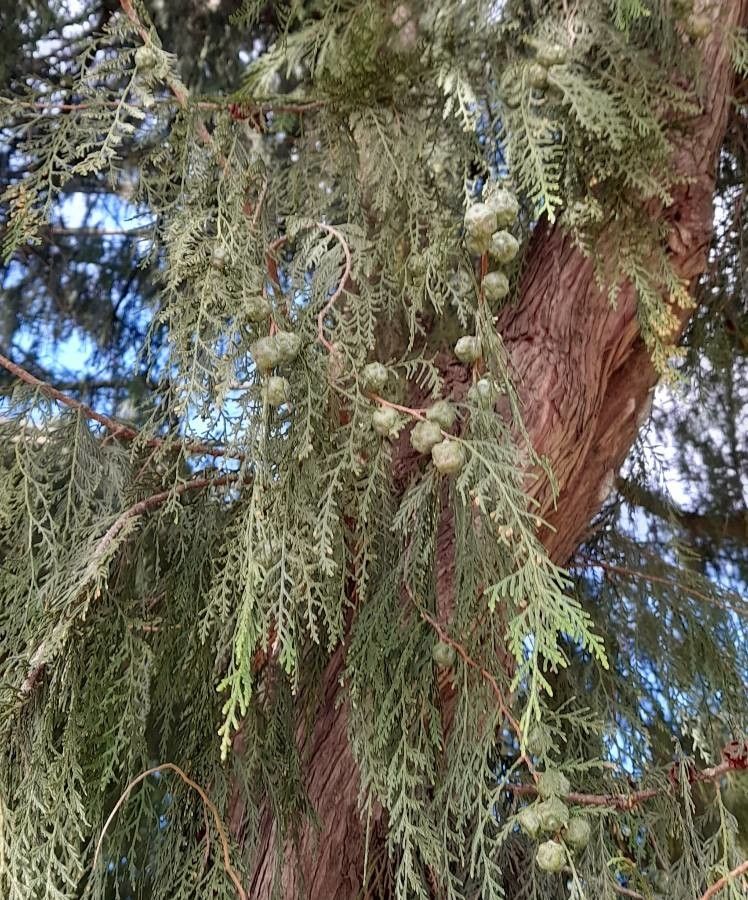
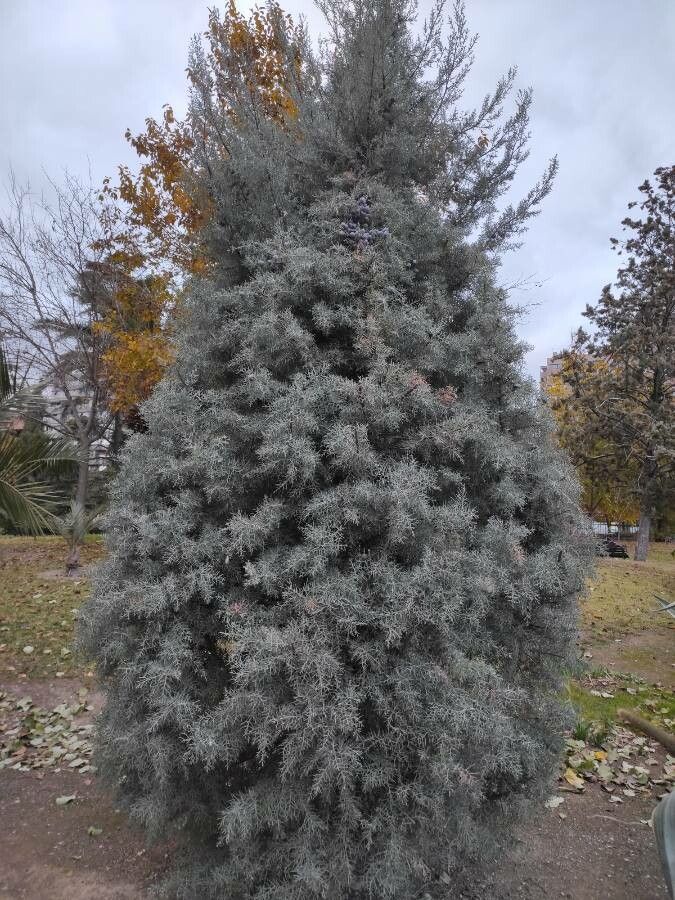
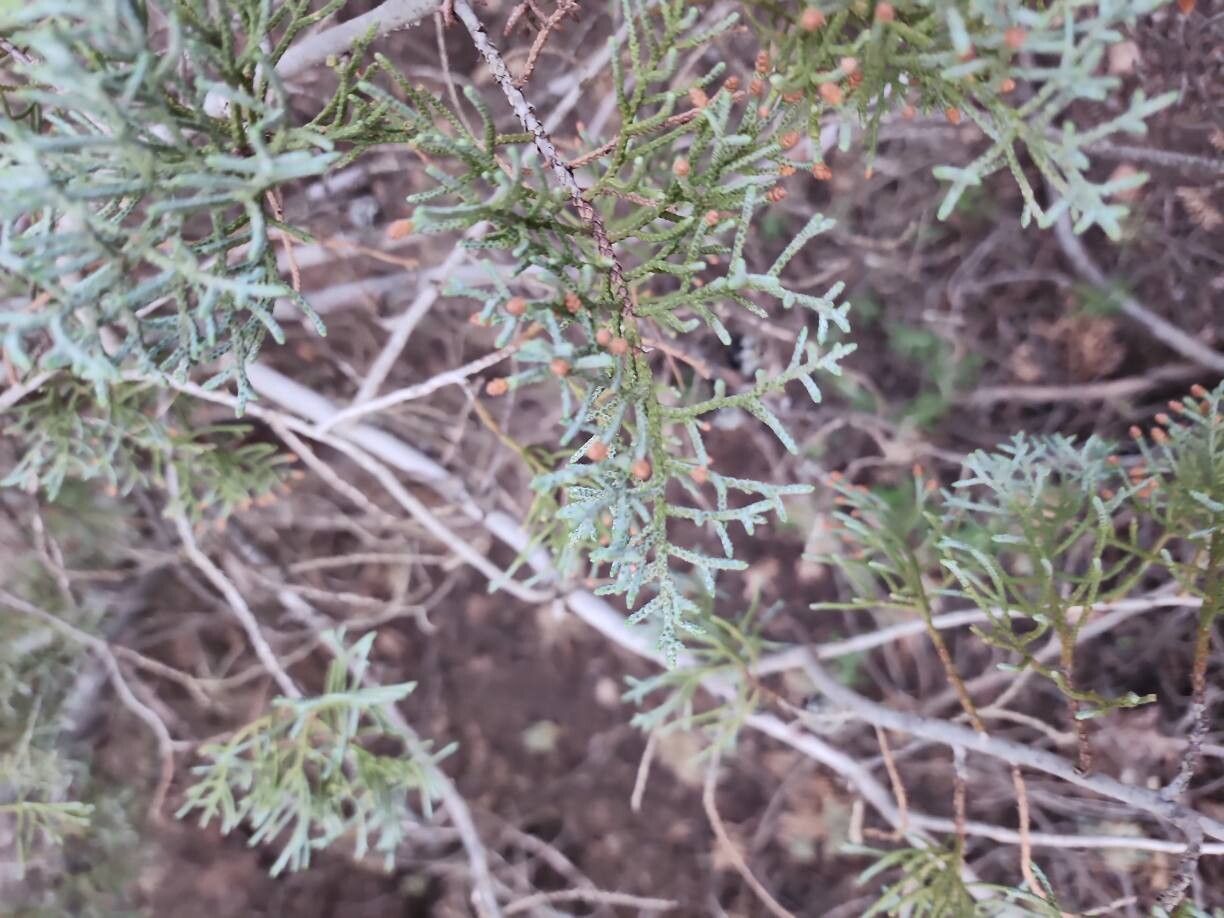
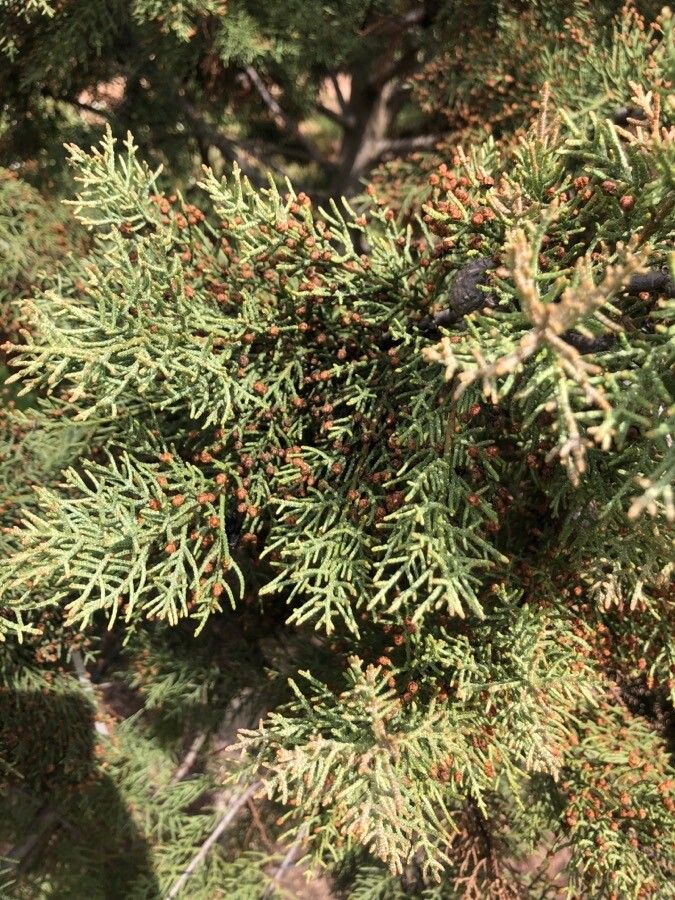
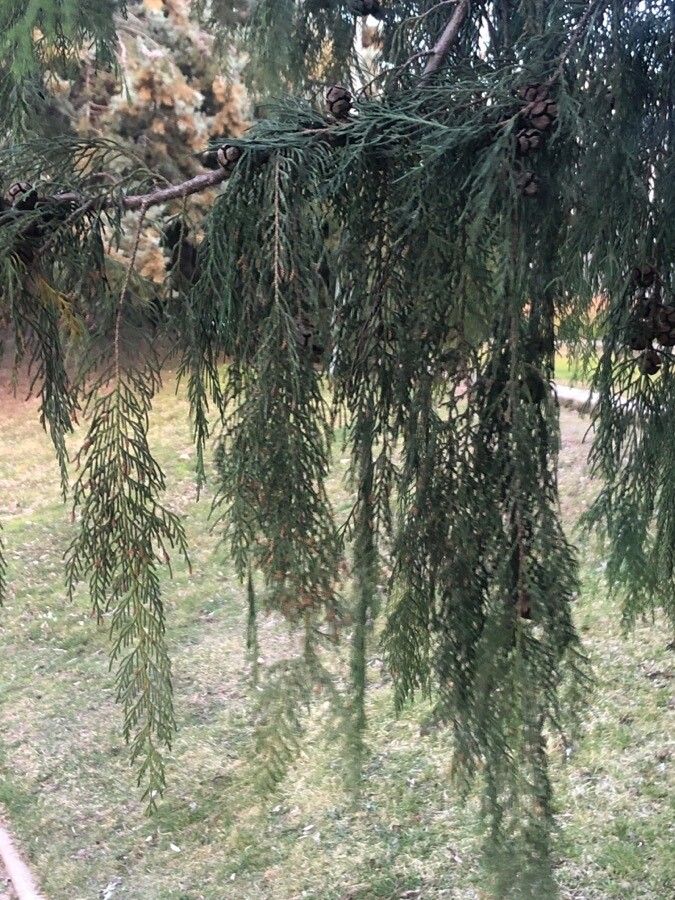
Kashmir cypress has strong resistance to diseases and is usually not susceptible to them. In terms of maintenance, this plant is fairly low-care. When planted outside it needs only infrequent watering, and larger specimens typically do not require pruning. Smaller plants, however, should be trimmed after they have bloomed. Kashmir cypresst is appropriate for anyone with outdoor space, like a garden or a deck, and does not demand much gardening experience.
How to keep Cupressus Pendula.
Light
The kashmir cypress needs abundant sunlight to grow vigorously and does not tolerate poorly lit locations. It comes from areas with ample sun and performs well in those conditions. Too little light can result in weak growth, while too much light is generally not a significant problem.
Temperature
Kashmir cypress has good temperature adaptability, able to tolerate higher temperatures and wide temperature fluctuations. In hot weather, it is important to ensure proper watering and provide suitable shade to avoid sunburn. However, Kashmir cypress is relatively less tolerant of low temperatures. Although it can endure some cold, excessively cold conditions may cause frost damage.
Fertilizer
Kashmir cypress has specific nutrient needs and does not require heavy fertilization. Fertilizing in spring is best for promoting optimal growth. Providing nutrients improves its health, increases its resistance to pests and diseases, and helps sustain a long lifespan.
Botanical profile.
- Plant Type
- Tree
- Life Cycle
- Perennial
- Genus
- Cupressus
- Family
- Cupressaceae
- Hardiness Zone
- 7-10
- Mature Height
- 12.19 m to 18.29 m
- Mature Spread
- 14.94 m
- Leaf Color
- Blue, Silver, Gray
- Leaf Type
- Evergreen
- Bloom Time
- Early spring, Mid spring
- Planting Time
- Spring, Summer, Autumn
- Harvest Time
- Late summer, Early fall, Mid fall
- Native Area
- Bhutan, India
Other names.