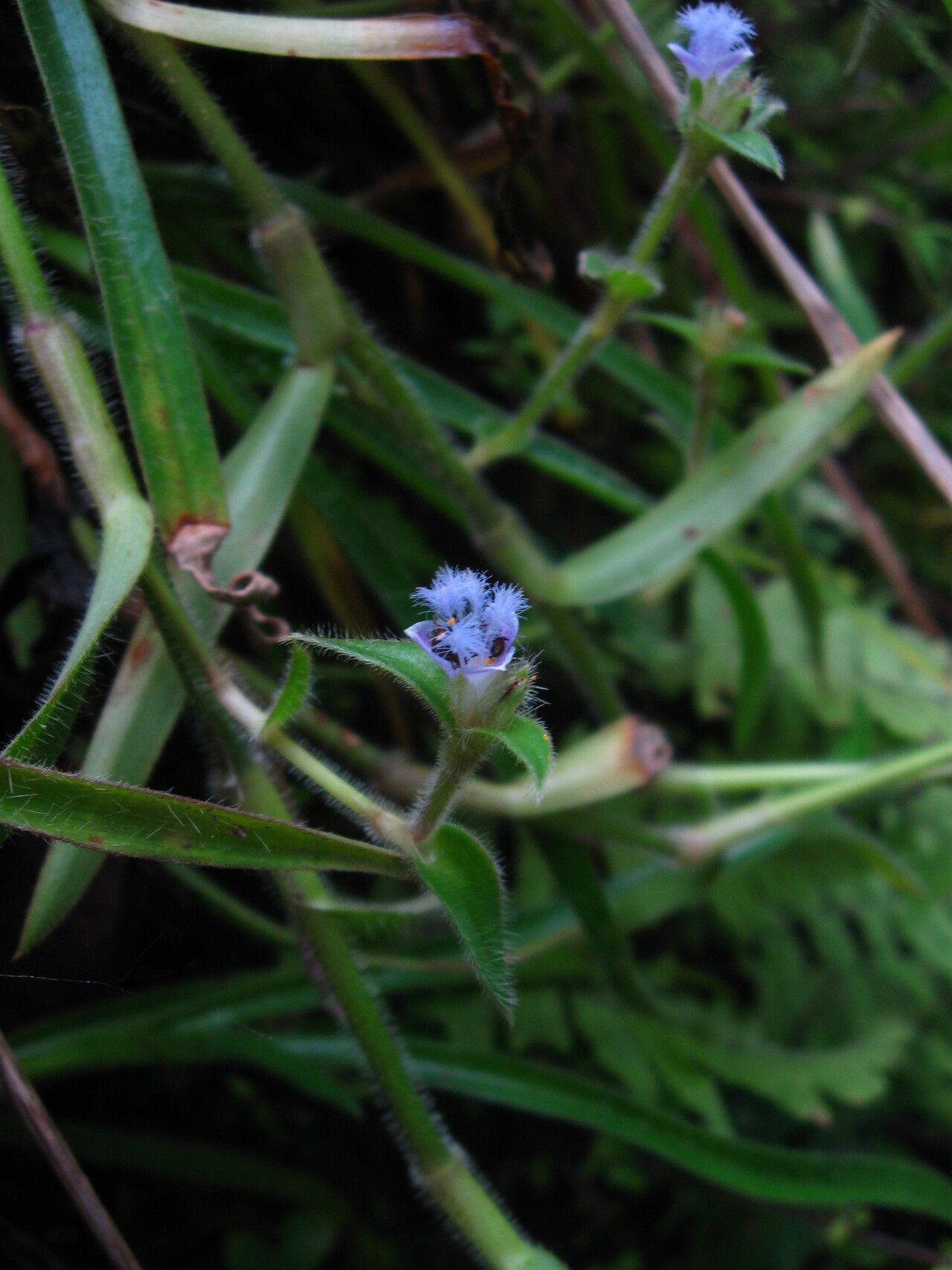
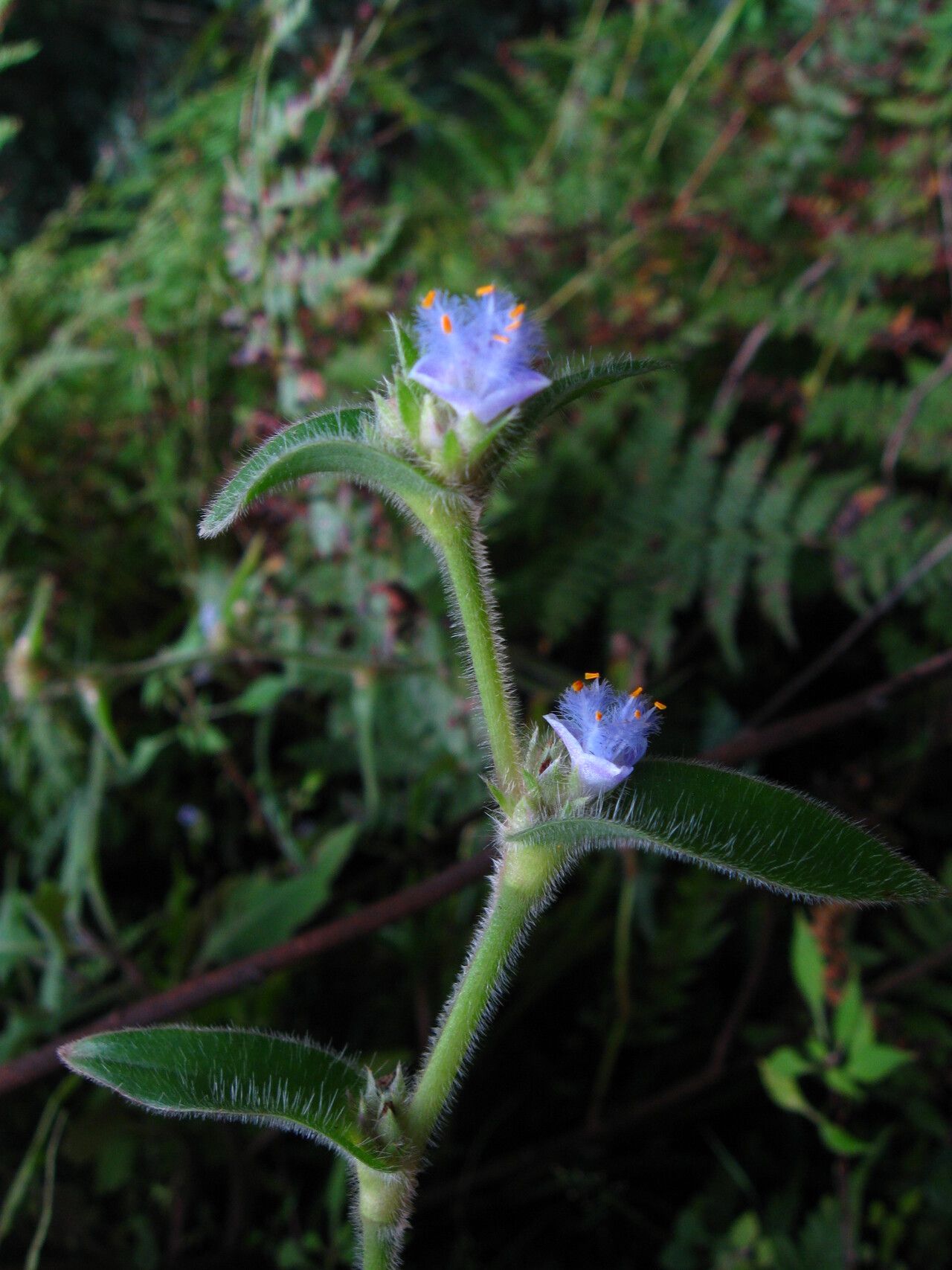
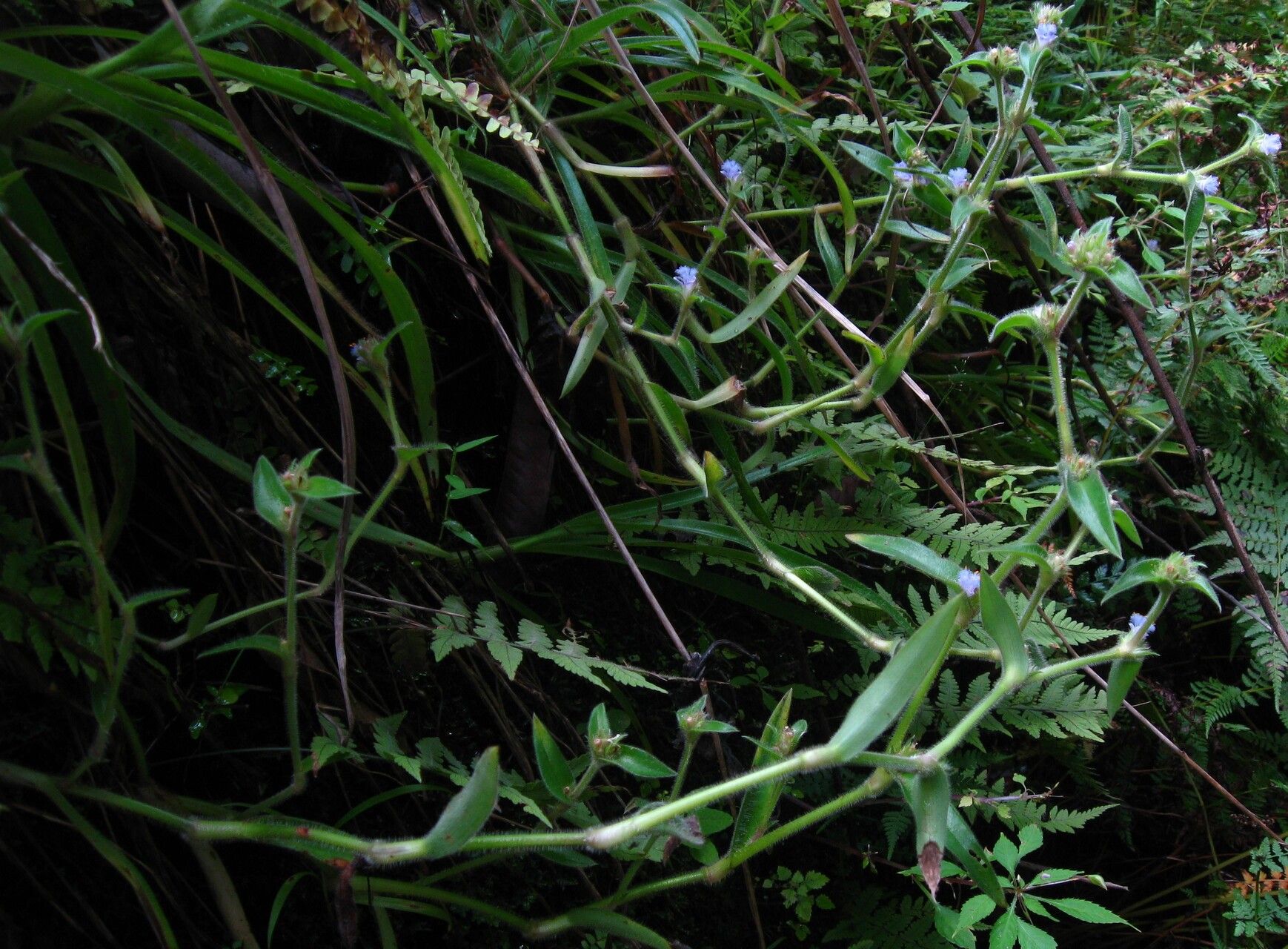
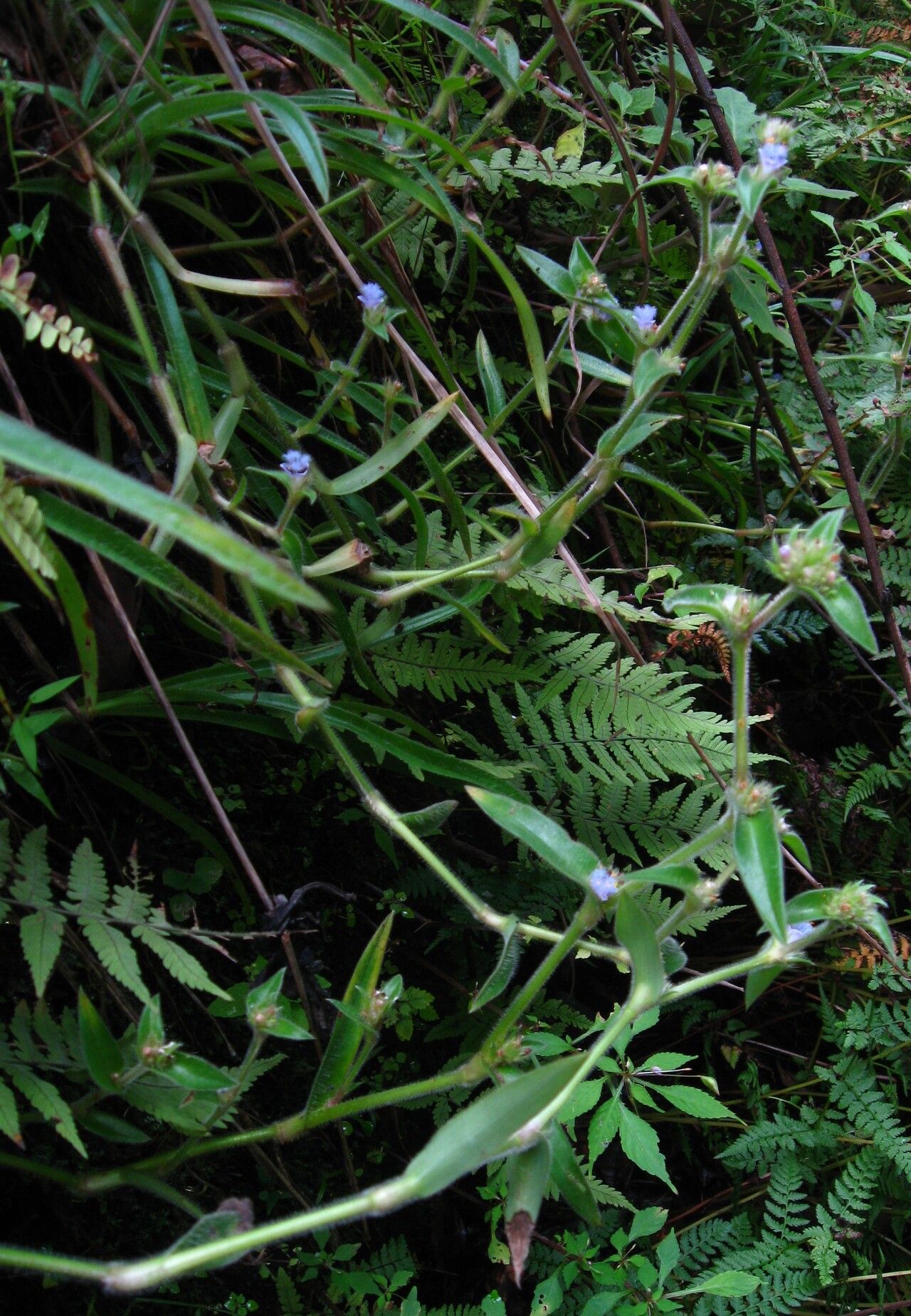
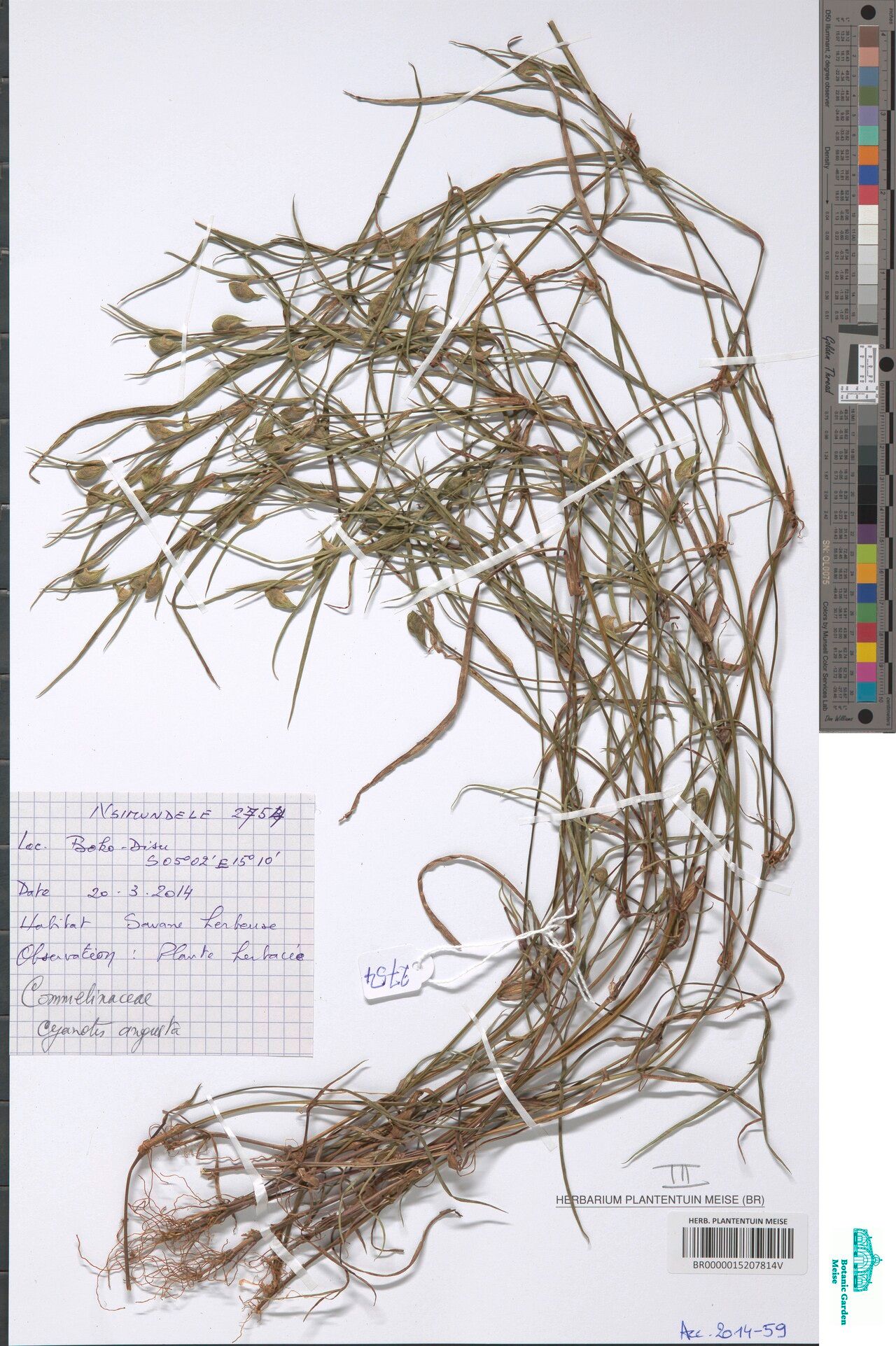
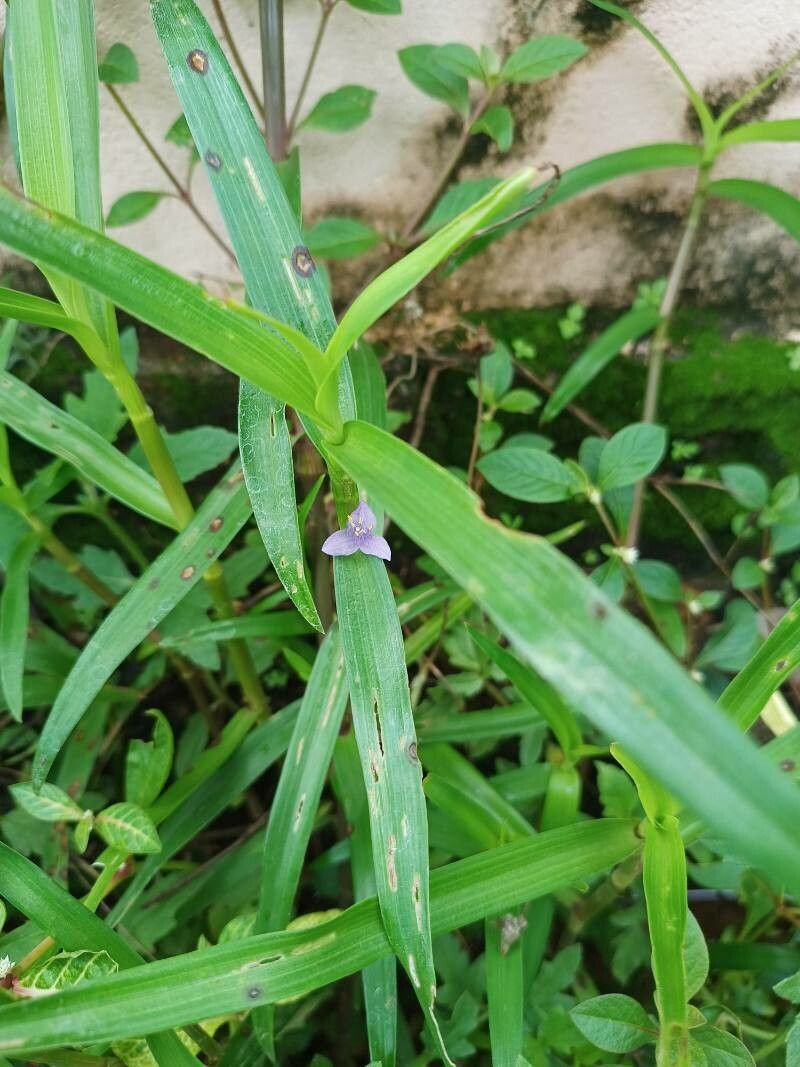
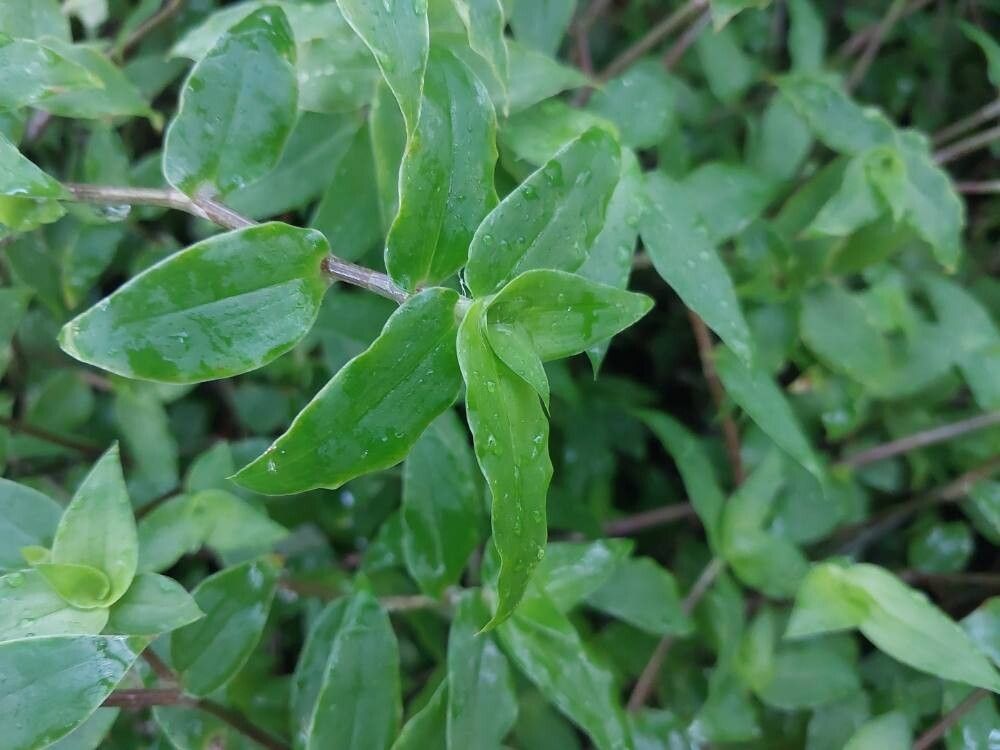
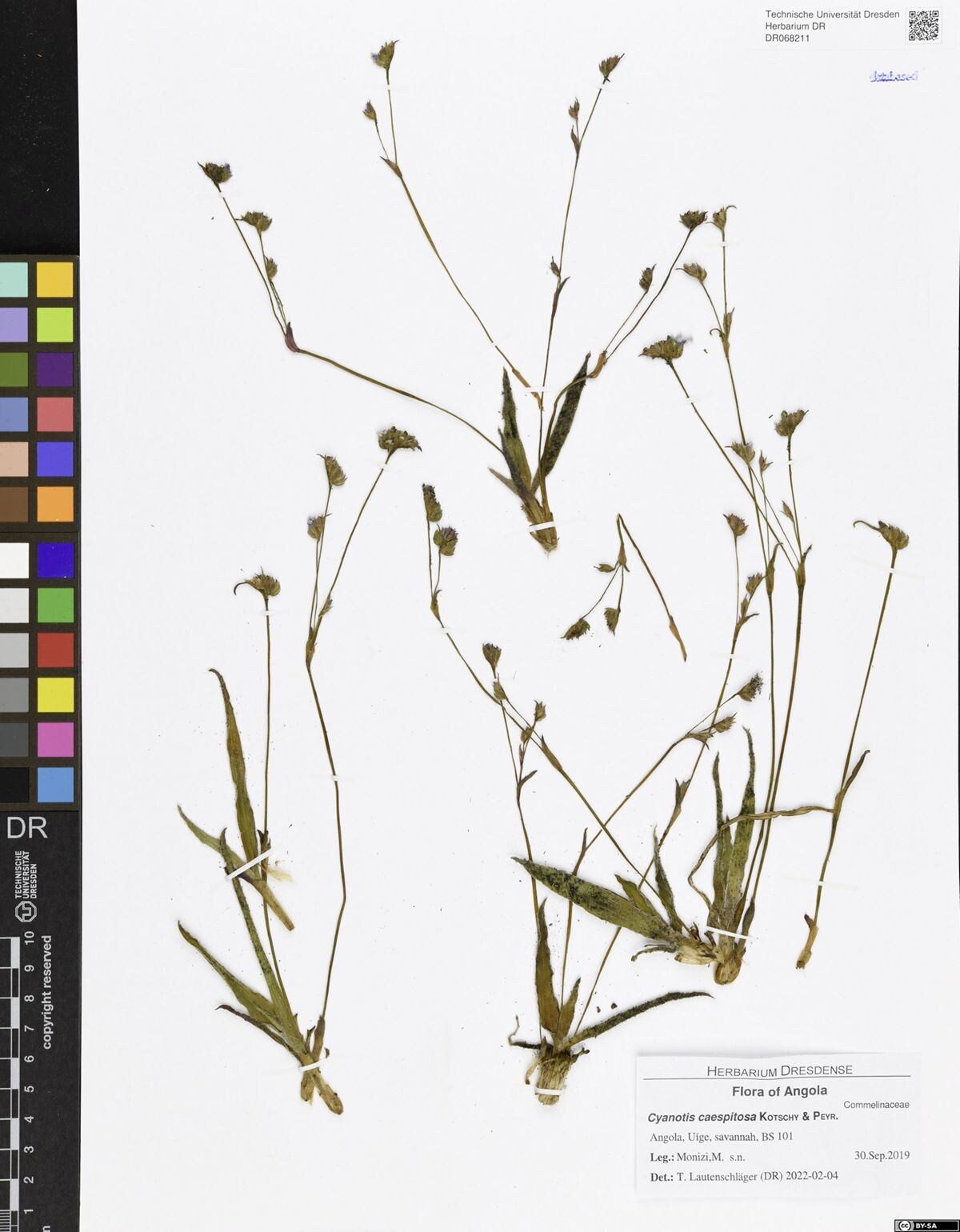
White grass of the dew has strong disease resistance and is generally unlikely to suffer from illnesses. However, it can be affected by pests and diseases present in its environment. These problems are usually minor. Regarding care, this plant needs moderate maintenance. It should be pruned regularly to keep a good appearance and support healthy growth. Fertilizing can also help encourage flowering. White grass of the dew is suitable for people who have outdoor spaces such as a garden or patio and does not require extensive care experience. It may demand more attention when cultivated indoors.
How to keep Cyanotis Arachnoidea.
Light
White grass of the dew does best in locations that receive plenty of sun during the day, though it can also grow with less intense light. Too little sunlight may cause the plant to become weak and unhealthy. While it comes from habitats with abundant light, it can tolerate some shade.
Water
White grass of the dew originates from subtropical regions and thrives in moderate humidity, with occasional short dry spells. For optimal growth, it should be watered weekly and misted regularly to mimic the humidity of its natural habitat. This helps promote healthy, lush foliage.
Temperature
White grass of the dew comes from habitats that typically have temperatures between 68 to 100 °F (20 to 38 ℃). For that reason, it is well-suited to warmer climates. Depending on your local seasonal temperatures, you may need to adjust white grass of the dew's surroundings to keep conditions within its preferred range.
Fertilizer
Correct feeding is essential for the health and appearance of White grass of the dew. Apply fertilizer to White grass of the dew in summer, repeating the application monthly throughout the season. Nutrients provide the energy for growth and support the plant's tissues. Fertilization improves White grass of the dew's flowering, helping produce the best blooms.
Pruning
The white grass of the dew plant needs to be pruned from early spring to late winter. This process removes dead or diseased stems, encourages healthy growth, and helps maintain the plant's shape. Regular pruning also enhances airflow and light penetration, which reduces the risk of fungal infections. To preserve the plant's vibrant appearance, avoid heavy pruning during the blooming period to prevent any disruption.
Pot & Repot
Repot white grass of the dew every 2 to 3 years in early spring to encourage growth. Use well-draining soil and maintain consistent moisture levels. After repotting, avoid direct sunlight to minimize stress. With proper care, the distinctive 'dewy' leaves of white grass of the dew will remain healthy and vibrant.
Botanical profile.
- Plant Type
- Herb
- Life Cycle
- Perennial
- Genus
- Cyanotis
- Family
- Commelinaceae
- Hardiness Zone
- 10-11
- Mature Height
- 20 cm to 61 cm
- Mature Spread
- 15 cm to 30 cm
- Leaf Color
- Green, Dark Green
- Leaf Type
- Evergreen
- Flower Color
- Purple
- Flower Size
- 1.02 cm to 1.52 cm
- Bloom Time
- Summer, Early fall, Mid fall
- Planting Time
- Spring, Summer, Autumn
- Harvest Time
- Late summer, Fall, Early winter
- Native Area
- India, Angola, Laos, Nigeria, Gabon, Kenya, Uganda, China, Cambodia, Equatorial Guinea, Liberia, Cameroon, Vietnam, Myanmar, Togo, Ghana, Côte d'Ivoire, Congo (DRC), Thailand, Congo