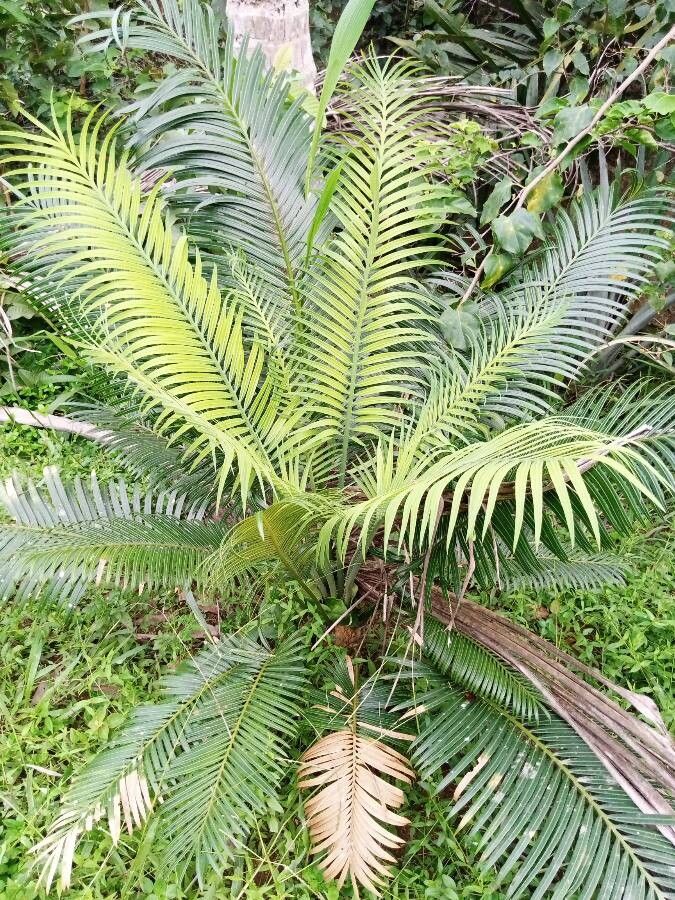
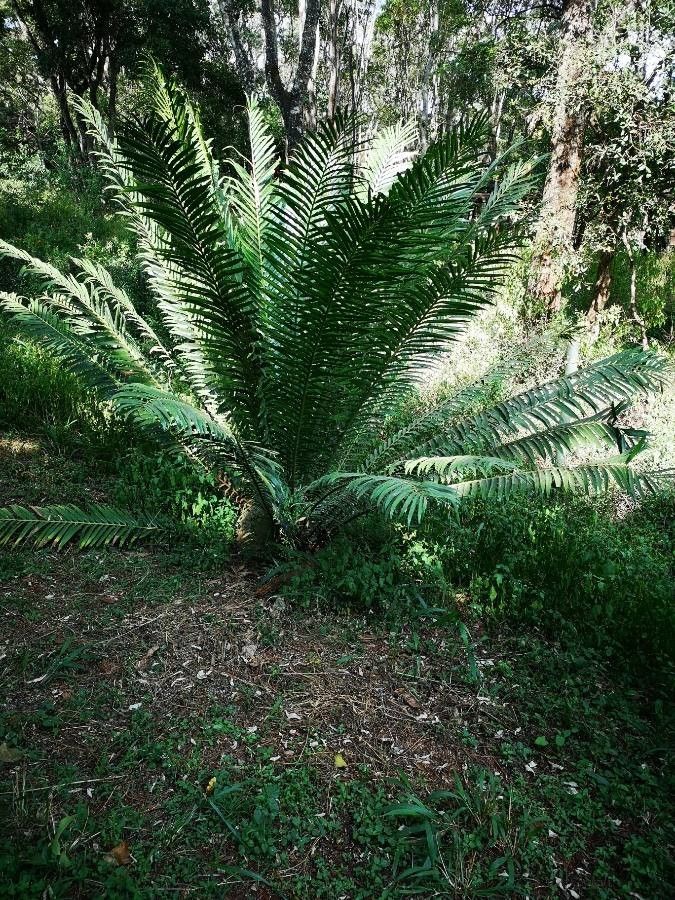
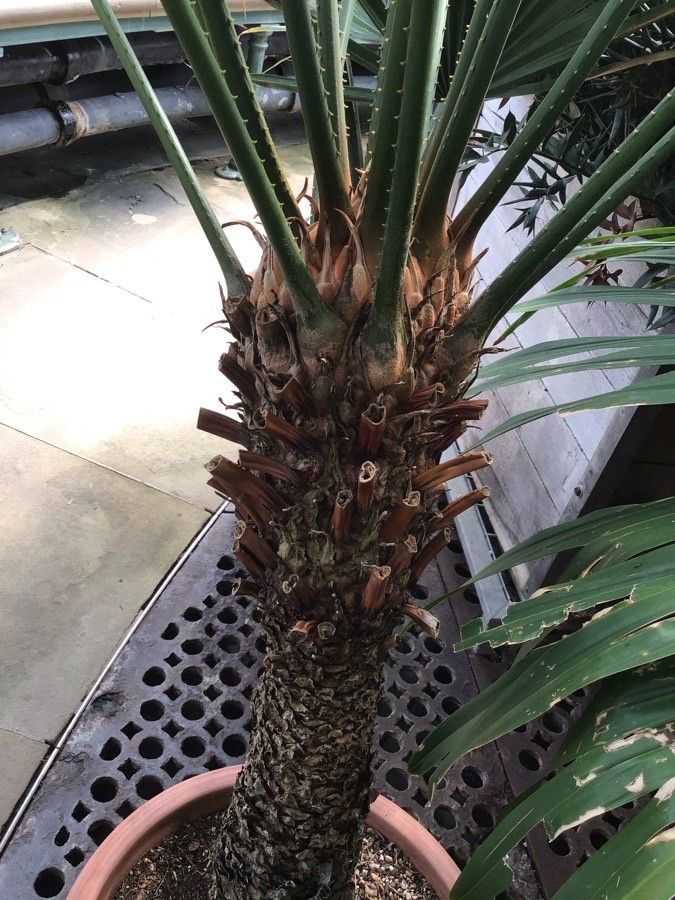
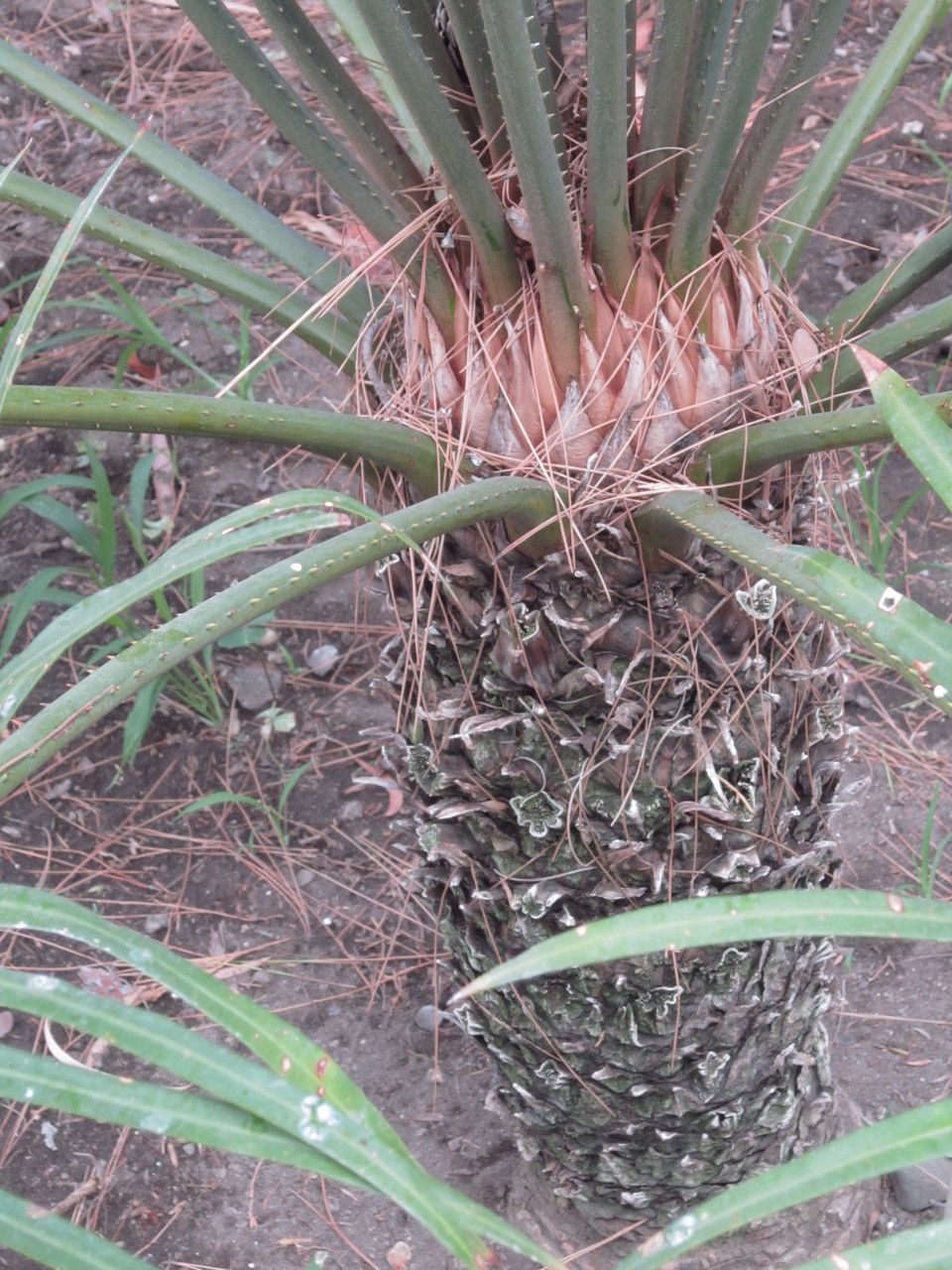
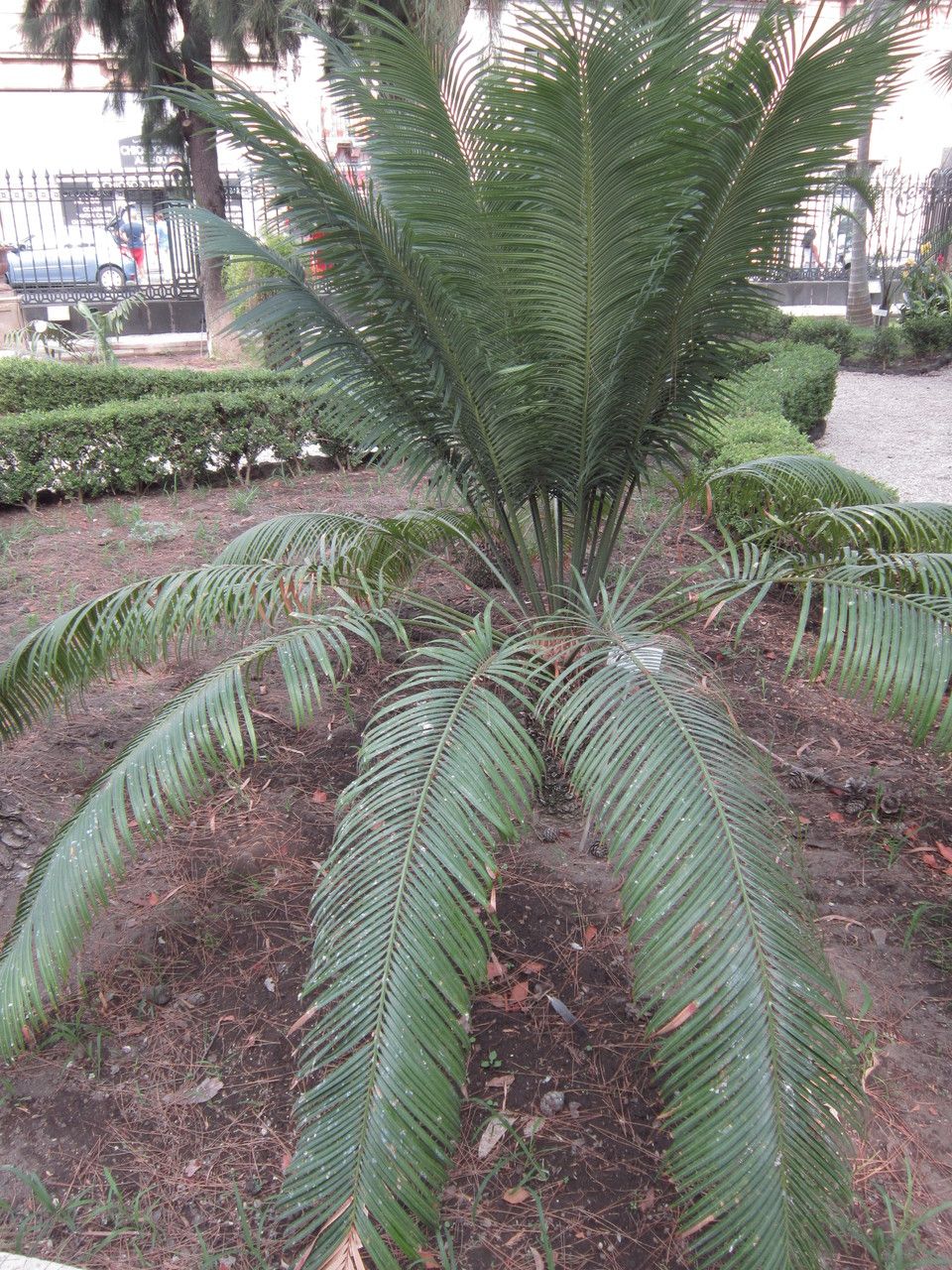
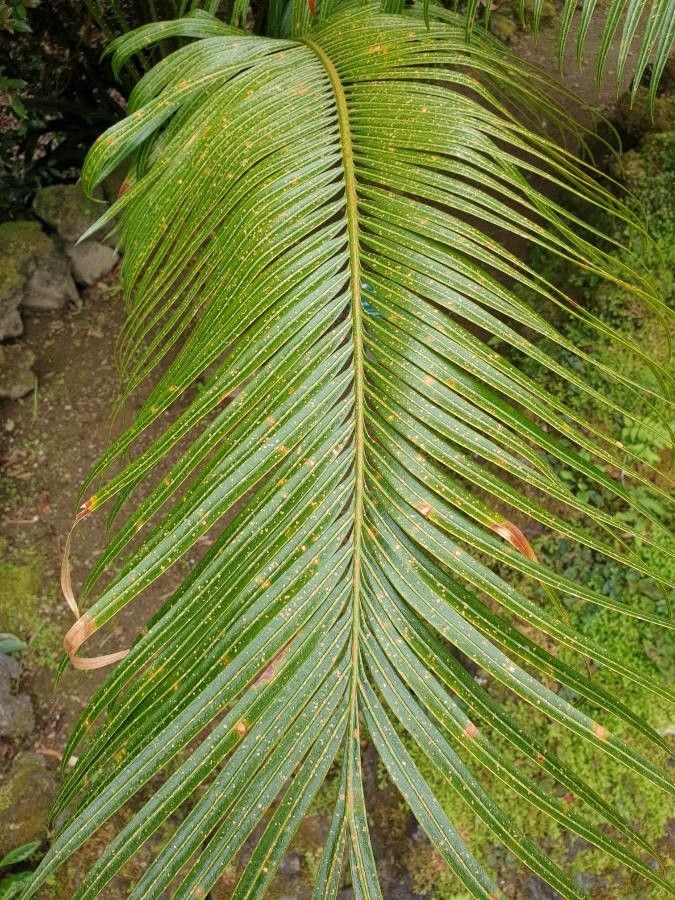
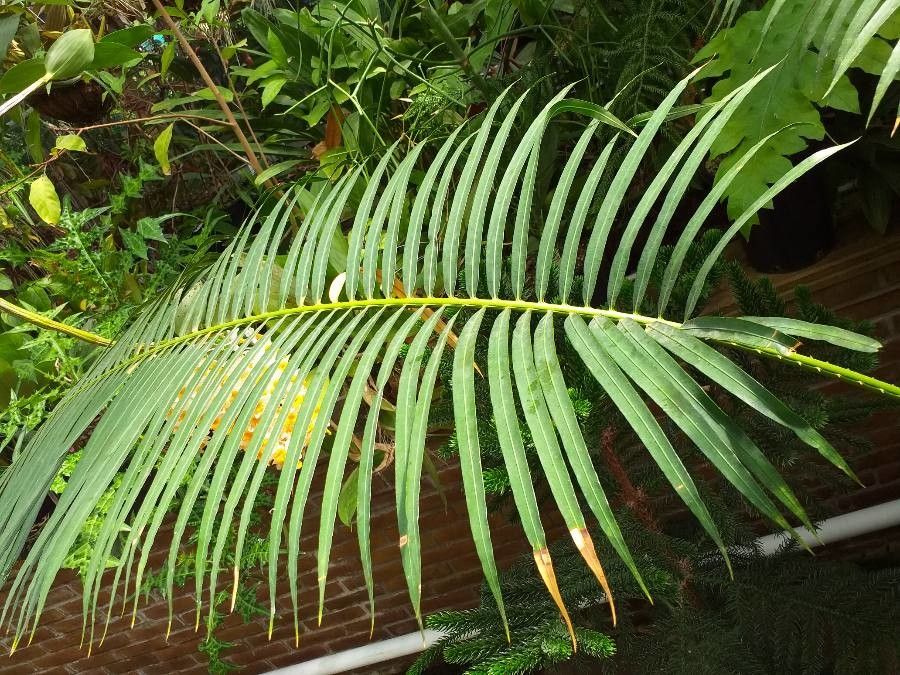
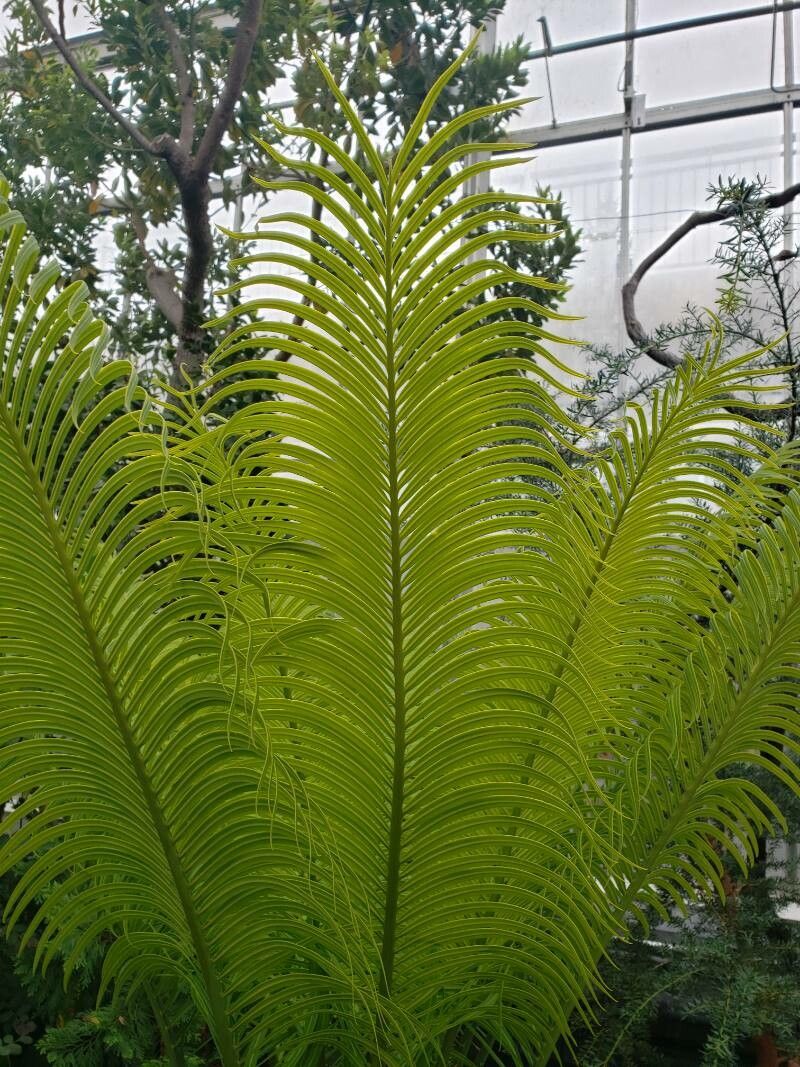
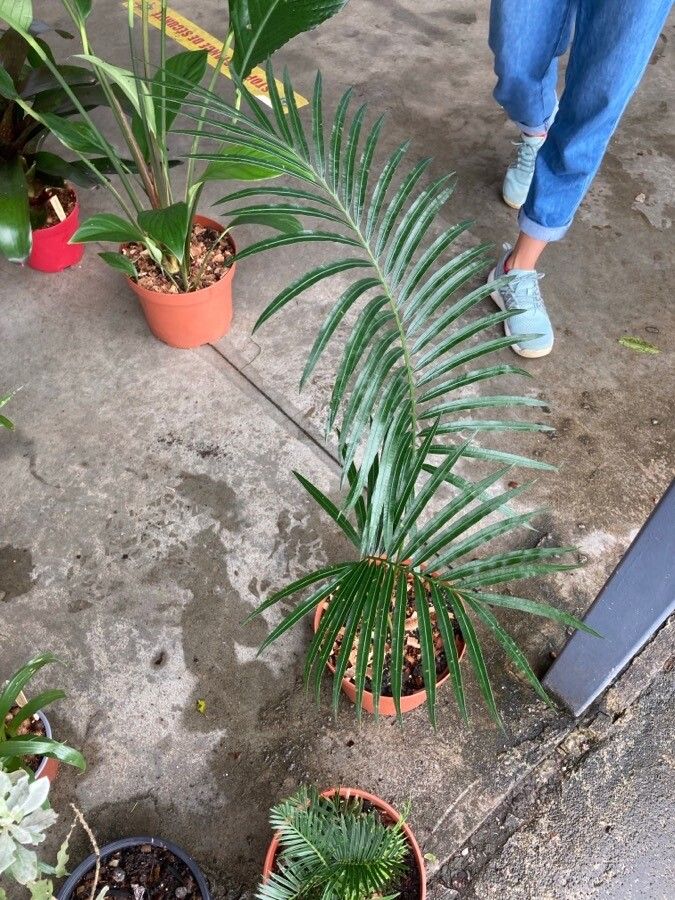
Cycas thouarsii, the Madagascar cycad, is an evergreen arborescent cycad in the genus Cycas. It is named after a French botanist Louis-Marie Aubert du Petit-Thouars (1758—1831).
African cycas is resistant to disease and generally not susceptible to illnesses. In terms of care, this plant is fairly low-maintenance. When grown outdoors it needs only light watering, and larger specimens usually do not require pruning. Smaller specimens, however, should be trimmed after they have finished blooming. African cycast is appropriate for anyone with an outdoor area, such as a garden or deck, and does not demand extensive care experience.
How to keep Cycas Thouarsii.
Light
African cycas comes from open habitats, like sunny meadows and forest edges, which supply plenty of light. It performs best in Full Sun but can also tolerate Partial Sun, showing good adaptability to different sunlight conditions.
Water
The African cycas requires ample water and good drainage. It should be watered thoroughly twice a week. However, if you have outdoor potted plants, they may need to be watered more frequently. To help retain moisture, build a 3-inch-high soil mound about 12 inches away from the trunk. This will help keep the top 10 inches of soil moist. At the same time, make sure there is proper drainage to prevent root rot.
Temperature
African cycas comes from tropical areas where the climate is generally warm and humid. Consequently, it is well suited to high temperatures and humidity. It does not tolerate sudden temperature shifts and prefers a constant temperature environment, so avoiding temperature fluctuations indoors is important. It typically cannot withstand cold and needs higher temperatures to grow. If the ambient temperature falls too low, the plant may stop growing or even die.
Fertilizer
African cycas has specific nutritional needs and does not require heavy fertilization. Fertilizing in spring is best for optimal growth. Providing nutrients improves its health, increases resistance to pests and diseases, and helps sustain its long lifespan.
Pruning
The African cycas features sturdy trunks and pinnate leaves. To enhance its growth and appearance, selectively prune in early spring to remove dead fronds. Focus on trimming the lower leaves, and avoid cutting too close to the trunk to prevent damage. This practice not only promotes healthy growth but also helps manage pests, ensuring the African cycas remains vibrant and healthy.
Botanical profile.
- Plant Type
- Palm
- Life Cycle
- Perennial
- Genus
- Cycas
- Family
- Cycadaceae
- Hardiness Zone
- 10-12
- Mature Height
- 3.05 m to 10.06 m
- Mature Spread
- 2.13 m to 3.96 m
- Leaf Color
- Dark Green
- Leaf Type
- Evergreen
- Bloom Time
- Late spring, Early summer, Mid summer
- Planting Time
- Spring, Summer
- Harvest Time
- Late summer, Early fall, Mid fall
- Native Area
- Madagascar, Mozambique
Other names.
Reader questions.
What are the sunlight requirements for an African cycas (Cycas thouarsii)?
The African cycas (Cycas thouarsii) requires specific sunlight conditions to thrive. It needs full sun, which means it should receive above 6 hours of sunlight daily. Alternatively, it can grow in partial sun, described as about 3-6 hours of sunlight each day. It's important to observe how sunlight moves throughout your garden to ensure you place your plant in a spot that has the perfect balance of light and shade. This careful consideration will help ensure the happiness and health of your African cycas.
What is the African cycas?
The African cycas, known botanically as Cycas thouarsii, is a plant species. There are no additional details provided about its essentials or symptoms associated with it in the provided data.