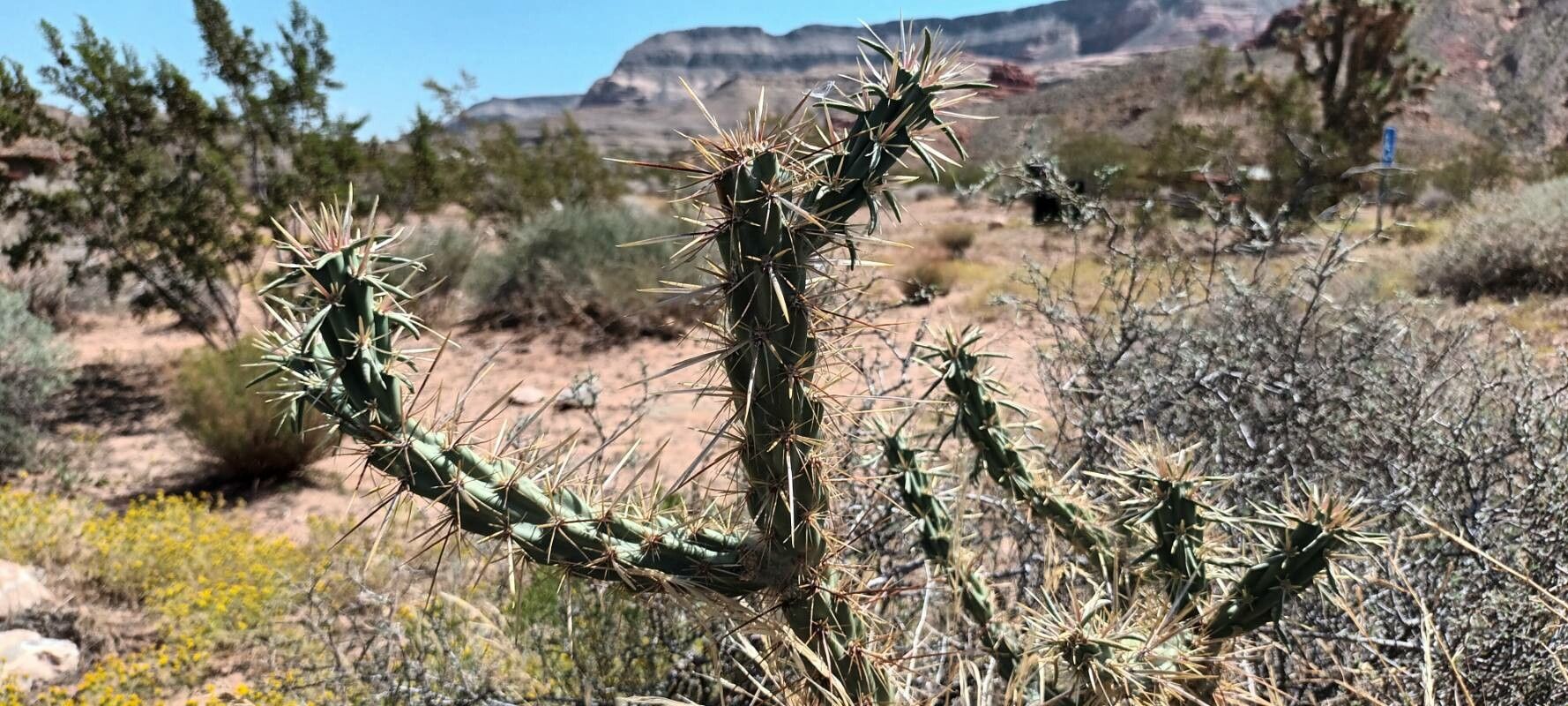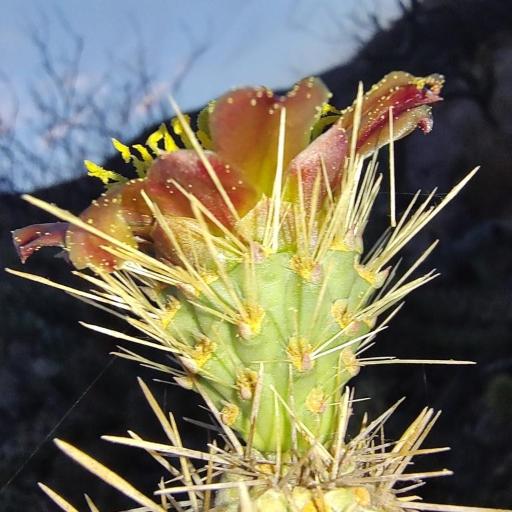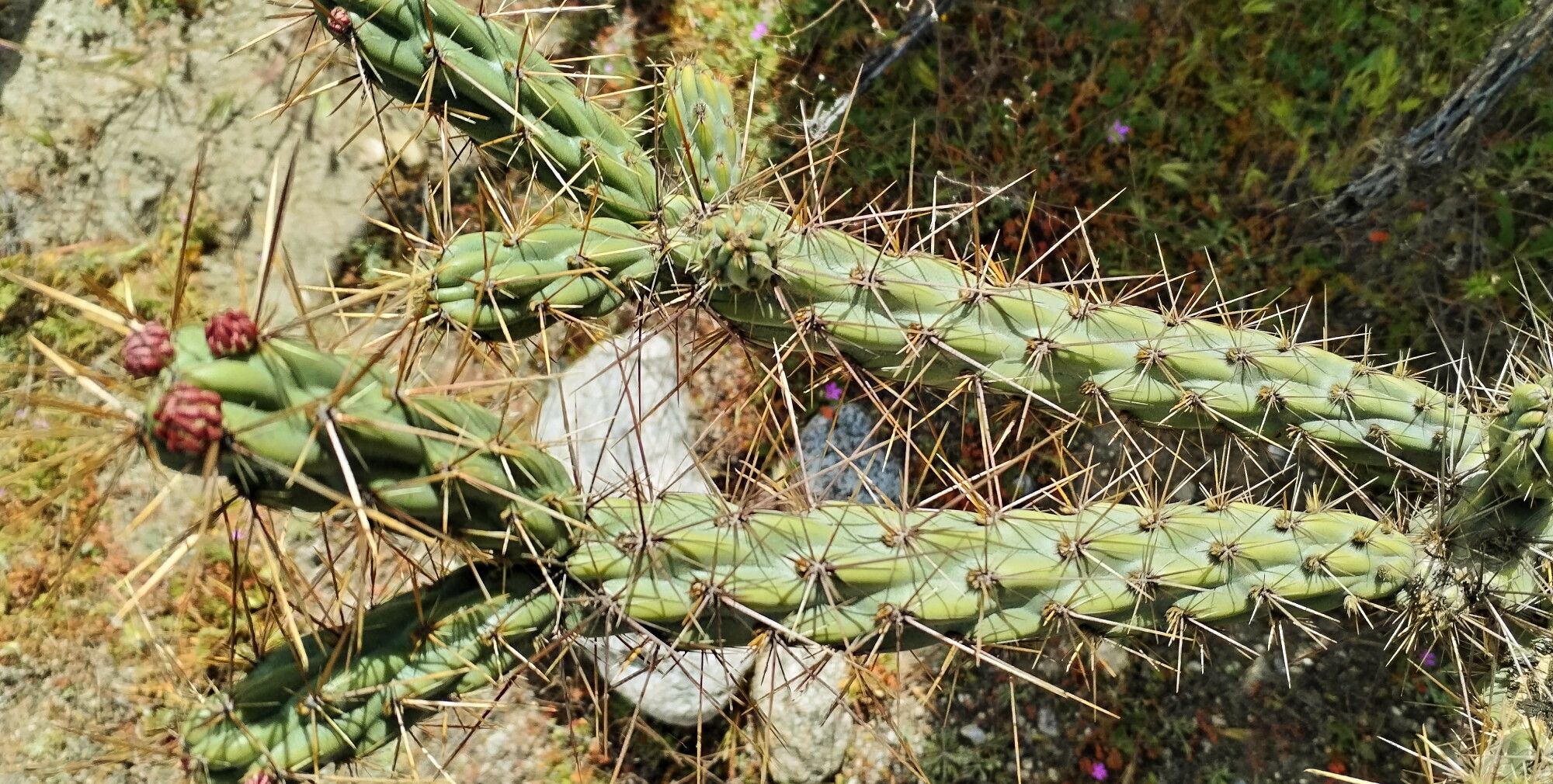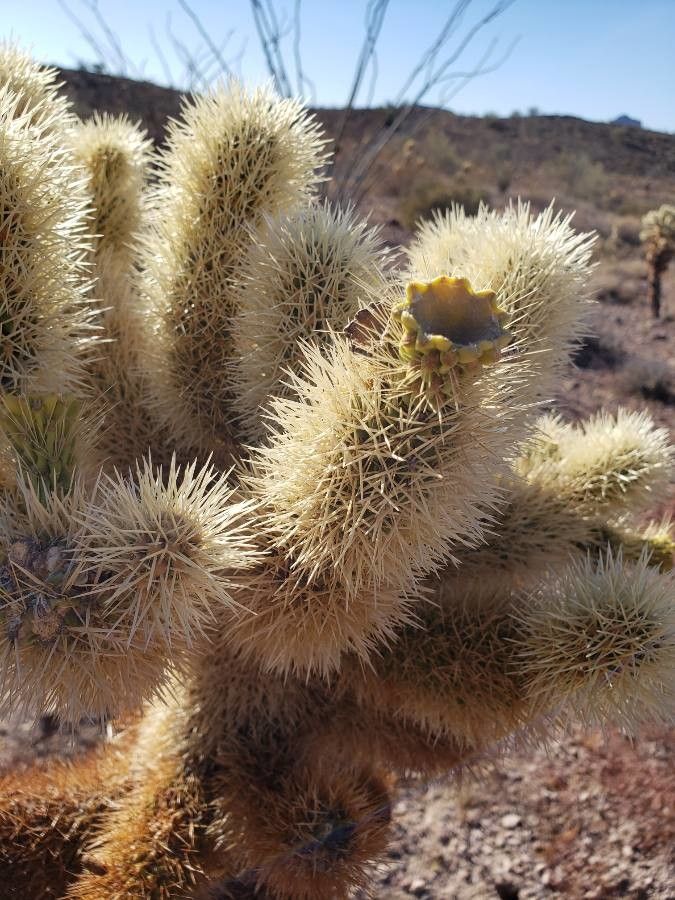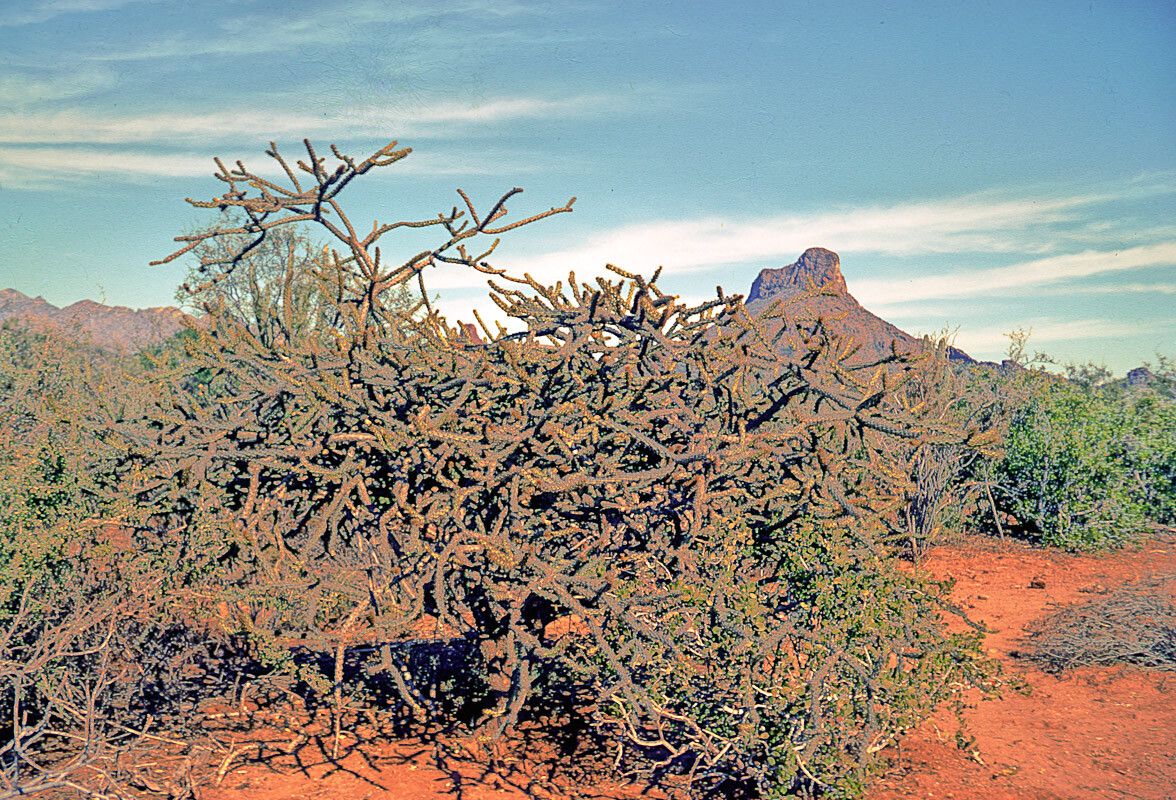
Pencil cholla shows strong resistance to disease and generally remains healthy under normal care without easily becoming ill. That said, it can be vulnerable to mealybugs; these pests may cause some harm but typically do not pose a serious danger. Regarding its care needs, Pencil cholla tolerates drought and does not require frequent watering. It can endure extended periods without water and needs little fertilizer. However, if light is inadequate and it receives too much water, it is very prone to root rot. In general, Pencil cholla is a good choice for people who prefer to spend less time on plant care, though it is still important to know and meet its basic requirements. It is especially appropriate for those who are away for long stretches and might forget to water regularly.
How to keep Cylindropuntia Arbuscula.
Light
Pencil cholla strongly prefers spots that get plenty of sunlight for most of the day. These conditions, like those in its native habitat, support healthy growth. Conversely, too little or too much light can be harmful and may impede its development.
Water
Pencil cholla, which comes from arid regions, is highly drought-tolerant and efficiently stores water in its succulent stems. It should be watered sparingly every 2 to 3 weeks, allowing the soil to dry out completely between waterings. The plant thrives in well-draining soil and is ideal for outdoor desert landscapes, where it helps prevent root rot.
Temperature
Pencil cholla is endemic to hot, dry environments where temperatures can range from 68 to 100 °F (20 to 38 °C). It thrives in summer heat, but for healthy growth it should be kept near those temperatures year-round.
Fertilizer
For Pencil cholla, light fertilizer applications 1-2 times a year during the growing season are sufficient. Avoid fertilizing in winter and summer when it is dormant. Reduce fertilizer for repotted plants and wait a couple of months after repotting before fertilizing. Fertilizing supports healthy growth and encourages blooms.
Pruning
To maintain healthy and attractive pencil cholla, prune them in late spring. Focus on removing dead sections and promoting new growth. Be sure to use clean tools and wear gloves to protect yourself from the spines. Pruning helps improve airflow and light penetration, which reduces the risk of disease. However, be careful not to over-prune, as this can cause stress to the plant.
Botanical profile.
- Plant Type
- Shrub
- Life Cycle
- Perennial
- Genus
- Cylindropuntia
- Family
- Cactaceae
- Hardiness Zone
- 9-11
- Mature Height
- 30 cm to 91 cm
- Mature Spread
- 1.22 m to 2.44 m
- Leaf Color
- Green, Blue
- Leaf Type
- Evergreen
- Flower Color
- Yellow
- Flower Size
- 3.81 cm
- Bloom Time
- Late spring, Early summer
- Planting Time
- Spring, Summer
- Harvest Time
- Mid summer, Late summer, Early fall
- Native Area
- Mexico
Reader questions.
How should I water my Pencil cholla plant?
Your Pencil cholla plant is not very particular about how you water it, so you can use any common watering tool like a watering can, hose, or even a cup. When watering, it's best to apply the water directly to the soil and make sure all areas are evenly moistened to provide water to all parts of the root system. Using filtered water is recommended to avoid harmful particles in tap water. It's also beneficial to use water that is at or slightly above room temperature to prevent shocking the plant. However, the Pencil cholla plant generally responds well to any type of water you give it.
How much sunlight does Pencil cholla need to grow?
Tropical ornamental plants that thrive in full sun require at least 6 hours of direct sunlight each day. These plants are well-suited to areas with strong and direct sunlight, as they need this light to flourish. In their natural habitats, they tend to grow in open fields or along forest edges, where they can enjoy abundant sunlight all day long.
What temperature is best for Pencil cholla?
To help your tropical plants thrive, it's best to maintain a temperature range of 75℉ to 90℉ (25-32℃). While different species can tolerate temperatures outside this range, sticking within a few degrees of these limits will ensure optimal growth. However, there are extreme temperature limits to be aware of. Anything below 50℉ (10℃) or above 95℉ (35℃) can hinder growth and cause issues with the leaves and stems. Low temperatures are particularly damaging, as even a light frost can lead to the death of your tropical plants. In fact, cellular death can occur rapidly, with some species dying within 12 to 24 hours.
How much water does my Pencil cholla plant need?
When watering your Pencil cholla, you may be surprised to learn that it doesn't always require a large amount of water. If only a few inches of soil have dried out since your last watering, you can support healthy growth by giving it about five to ten ounces of water each time. You can also adjust the water amount based on the moisture of the soil. Pay attention to how many inches of soil have dried between waterings. To ensure your Pencil cholla gets enough moisture, water until all the dry layers of soil have been moistened since the last watering. If more than half of the soil has dried out, give it more water until excess water drains from the pot's holes. If your Pencil cholla is planted in an outdoor area with plenty of rain, it may not need extra watering. When it is young or newly planted, make sure it receives 1-2 inches of rain per week. As it grows and establishes, it can rely solely on rainwater. Only in hot weather without rain for 2-3 weeks should you give it a thorough watering to prevent stress.
If Pencil cholla doesn't get enough sunlight, what will happen?
Tropical ornamental plants that need full sun may face issues if they don't receive enough sunlight. They might become leggy and weak, and their leaves could turn yellow or pale. Furthermore, they may stop producing flowers. Ultimately, if these plants continue to lack the required amount of direct sunlight, there is a possibility that they may die.
Does Pencil cholla need to be grown at different temperatures during different stages?
Pencil cholla does not need temperature changes to switch between growing phases, but it should be kept in a consistent environment. Fluctuations in temperature can slow its growth, so it's best to maintain a controlled environment. The optimal temperature range for Pencil cholla is between 75℉ and 90℉ (25-32℃), with a focus on staying above the lower limit. While exceeding 90℉ (32℃) is not ideal, the plant, being tropical, can tolerate it. However, temperatures below 50℉ (10℃), particularly 40℉/5℃, can directly harm this heat-loving plant species.
How can I know if I am giving enough water to my Pencil cholla plant?
When it comes to the Pencil cholla, overwatering is a common issue. There are clear signs to watch for if this happens. Generally, an overwatered Pencil cholla will have yellow leaves and may drop some. Overwatering can also cause the plant to shrink and lead to root rot. On the other hand, an underwatered Pencil cholla will also wilt and may have brown or brittle leaves. Whether you notice signs of overwatering or underwatering, it's important to take action and restore your Pencil cholla's health.
How can you keep Pencil cholla safe from too much sunlight?
To protect tropical ornamental plants that thrive in full sun, it's important to find a spot with ample direct sunlight but some shield from the intense midday heat. If you're growing these plants in containers, you can move them to a shadier area during the hottest hours to shield them from excessive sunlight. Another option is to offer shade using a shade cloth or umbrella during the peak heat of the day.
Does Pencil cactus require varying temperatures in different seasons?
Pencil cholla grows best at a consistent temperature, so it is recommended to keep this plant indoors where you can control the temperature regardless of the outdoor climate. Additionally, tropical species like pencil cholla require partial sunlight, but it should be dappled or filtered rather than direct, bright light. Too much direct sunlight can harm the plant's leaves and stunt its growth.
How should I water my Pencil cholla as it grows?
As a Pencil cholla grows, it will require less water. However, when it is young or recently transplanted, it needs more water to encourage root development. This means you should keep the soil consistently moist during the early stages. Additionally, if your Pencil cholla is flowering or fruiting, it may need extra water to support these structures. Providing the correct care will help it develop showy flowers and fruits.
What temperatures should you keep your Pencil cholla in to keep it healthy?
Here are three tips to help you take care of your plants: 1. Keep your plants away from windows during colder months: Cold air can leak into your home through cracks in the windows, and any plants placed near them will be affected. Move tropical plants to an area with bright but indirect light, while avoiding potential drafts. 2. Watch out for dry patches, which may indicate too much sunlight or heat: If you notice white or scorched leaves, your plant may be getting too much heat or sunlight. This can lead to dehydration and hinder growth. Dry spots can spread and eventually cause your plants to die if left unaddressed. 3. Be cautious of frost: Colder temperatures and frost can damage plants by disrupting their water circulation. This can lead to a lack of moisture in the stems and leaves. Look out for signs of hydrosis (a water-soaked appearance) and if the issue persists, the plant may shrivel and turn dark brown or black, eventually leading to death.
How do I make sure my Pencil cholla plant gets enough water all year round?
The watering needs of your Pencil cholla will be influenced by the changing seasons. In the summer, especially when the plant is exposed to a lot of sunlight, you will likely need to increase the frequency of watering to prevent the soil from drying out too quickly. On the other hand, during the winter when the plant is not actively growing, it will require much less water. You can water it once every 2 to 3 weeks or even skip watering altogether. If you are growing the plant indoors, be mindful of appliances like air conditioners as they can cause the plant to dry out faster, necessitating more frequent watering.