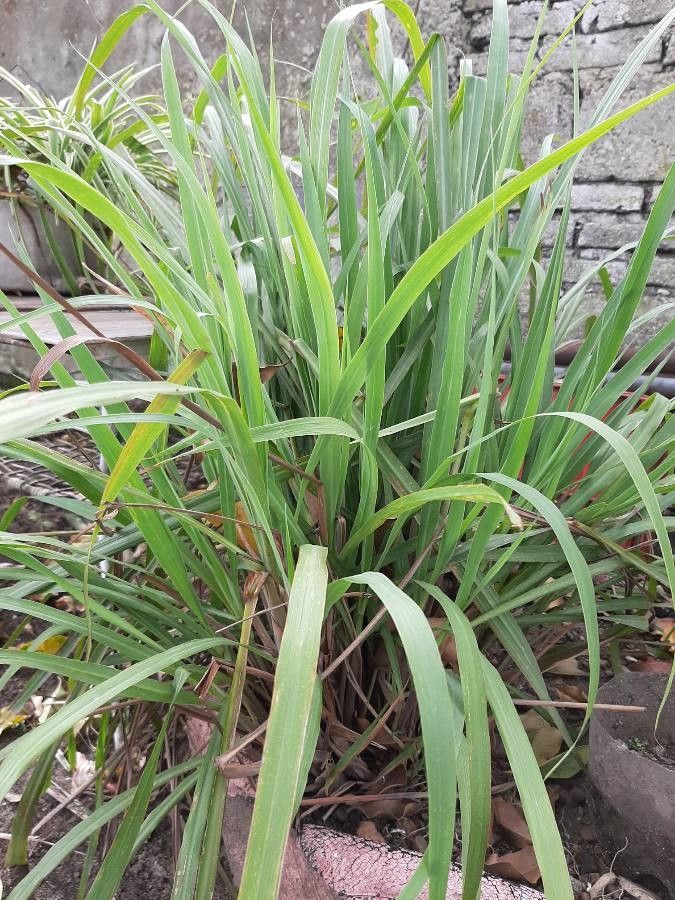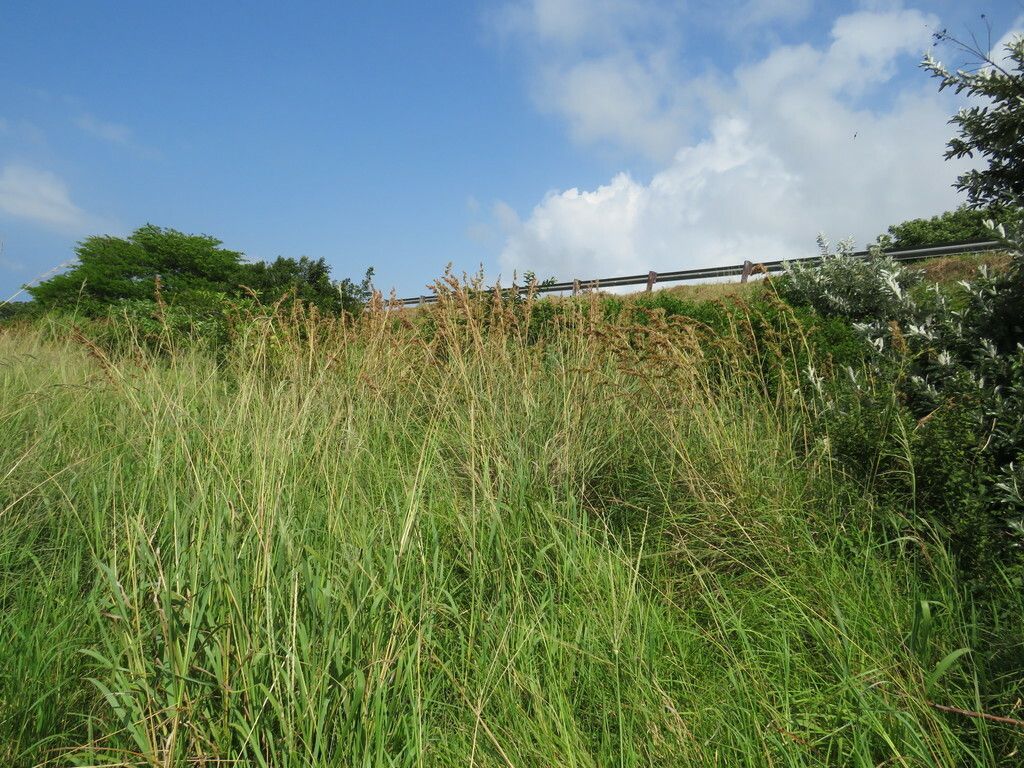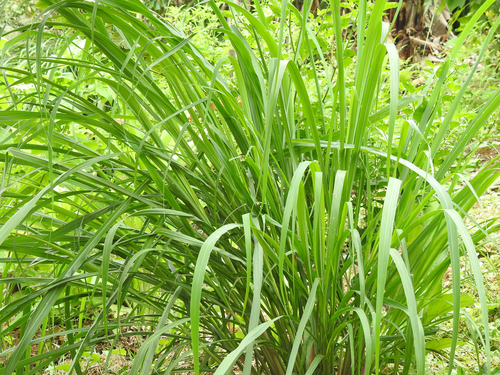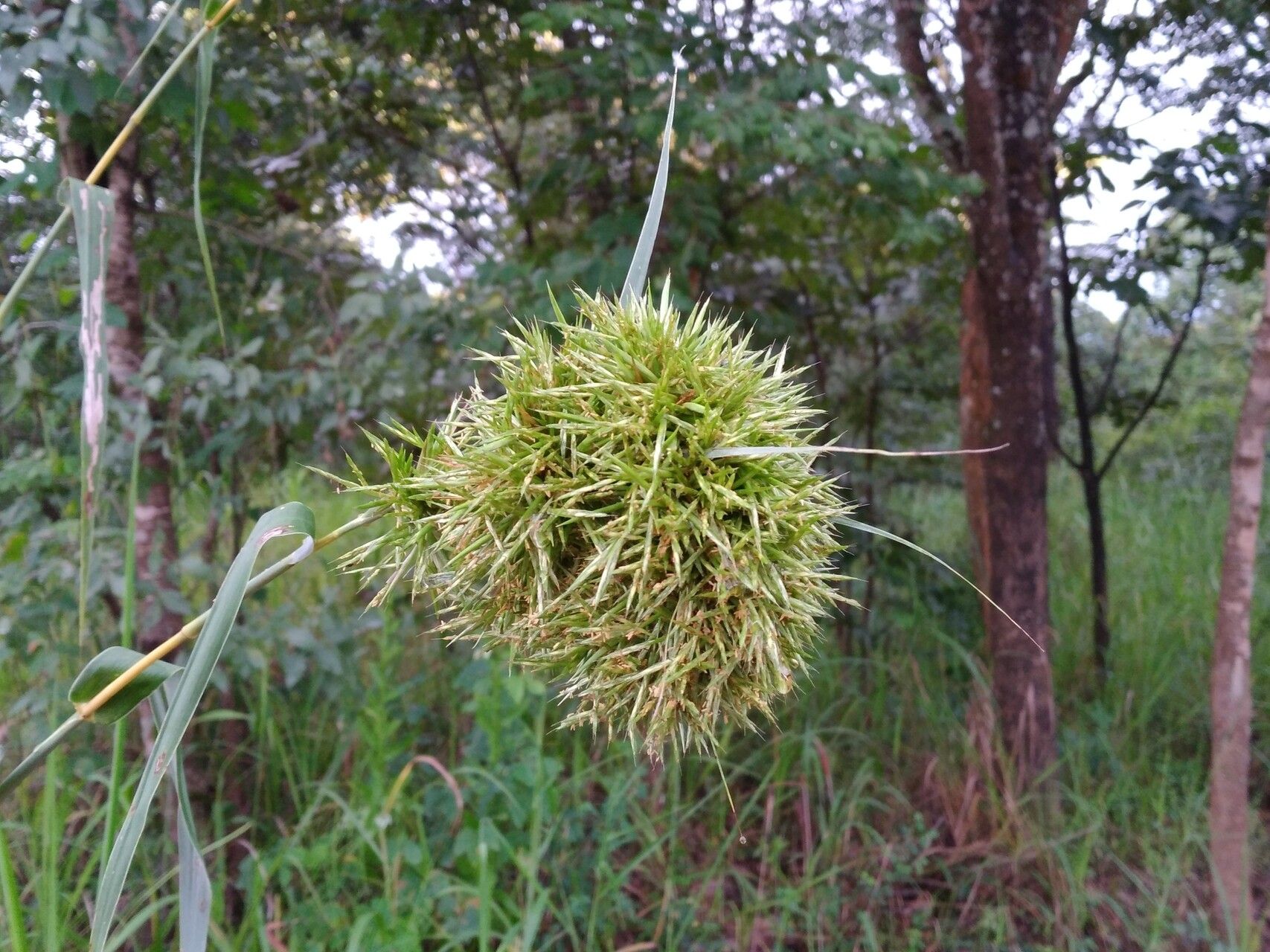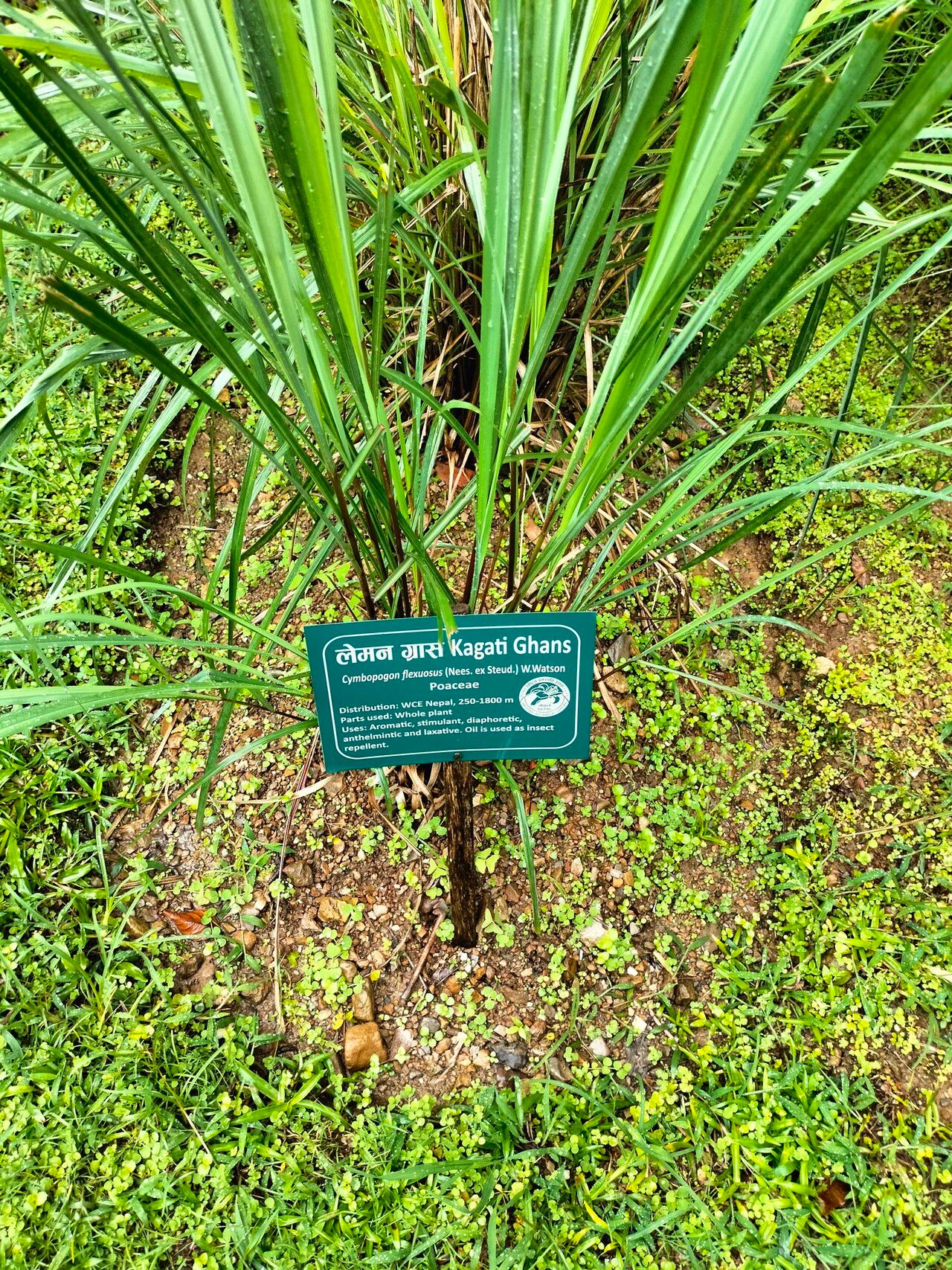
Cymbopogon flexuosus, also called Cochin grass, East-Indian lemon grass or Malabar grass, is a perennial grass native to India, Sri Lanka, Burma, and Thailand. It is placed in the genus Cymbopogon (lemongrasses).
East Indian lemongrass is fairly disease-resistant and is usually not prone to diseases. In terms of care, the plant is relatively low-maintenance. When grown outdoors it needs only minimal watering, and larger plants typically do not require pruning. Smaller plants, however, should be pruned after they finish blooming. East Indian lemongrass is suitable for anyone who has an outdoor space, such as a garden or deck, and does not demand extensive plant-care experience.
How to keep Cymbopogon Flexuosus.
Light
Originating from open environments, East Indian lemongrass is a herbaceous perennial plant that favors sunny locations. Typically, it flourishes in meadows and grasslands. While it enjoys full sunlight, it also can withstand conditions of partial sun.
Temperature
Lemongrass from East India is native to tropical areas, characterized by their consistently hot and moist conditions. This makes the plant exceptionally suited to high temperature and humidity levels. It has a low tolerance for abrupt changes in temperature, necessitating a constant temperature setting, particularly when grown in an indoor environment. Its optimal growing conditions involve warmth, and it doesn't fare well in colder climates. There's a risk of the plant failing to grow or even dying if exposed to extremely low ambient temperatures.
Fertilizer
The East Indian lemongrass needs extra nourishment to encourage robust new growth. During spring, the deployment of compost around the plant's base can supply it with the essential nutrients it requires. Fertilization promotes strong growth and assists the plant in warding off diseases and pests.
Pot & Repot
While repotting East Indian lemongrass, opt for a pot that's 1-2 inches (2.5–5 cm) wider, equipped with sufficient drainage. Employ a potting mix that drains well. Carry out the repotting during spring or fall, guaranteeing the root ball sits a bit beneath the flower pot's edge. Thoroughly water post-repotting and situate in a warm location with soft sunlight.
Botanical profile.
- Plant Type
- Grass
- Life Cycle
- Perennial
- Hardiness Zone
- 9-11
- Mature Height
- 1.52 m
- Mature Spread
- 1.52 m
- Leaf Color
- Green
- Leaf Type
- Evergreen
- Flower Color
- Green
- Bloom Time
- Summer, Early fall, Mid fall
- Planting Time
- Spring
- Harvest Time
- Late summer, Fall, Early winter
- Native Area
- Nepal, India, Myanmar, Bhutan, Bangladesh, Thailand, China