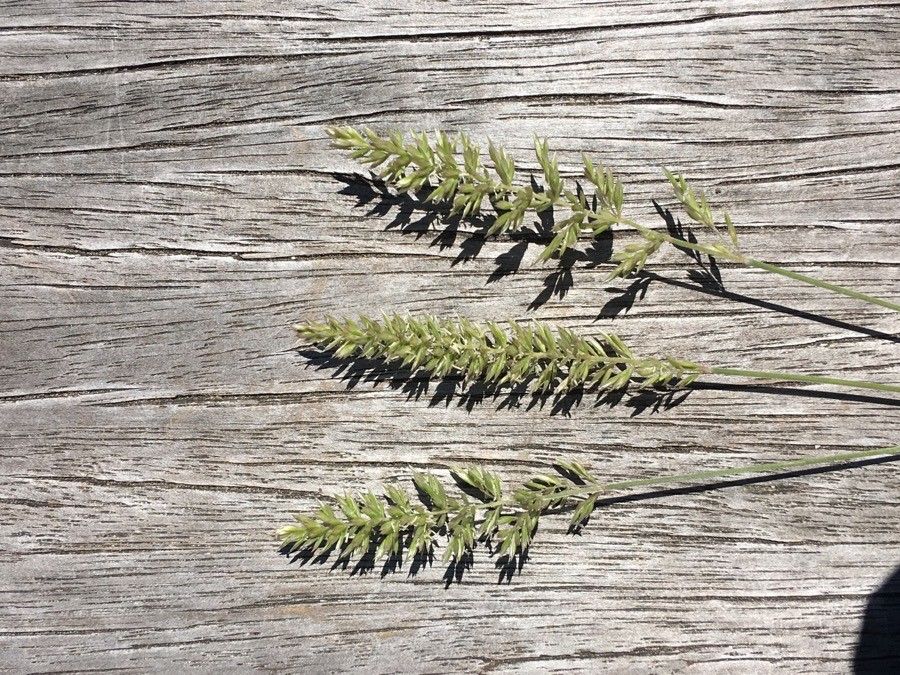
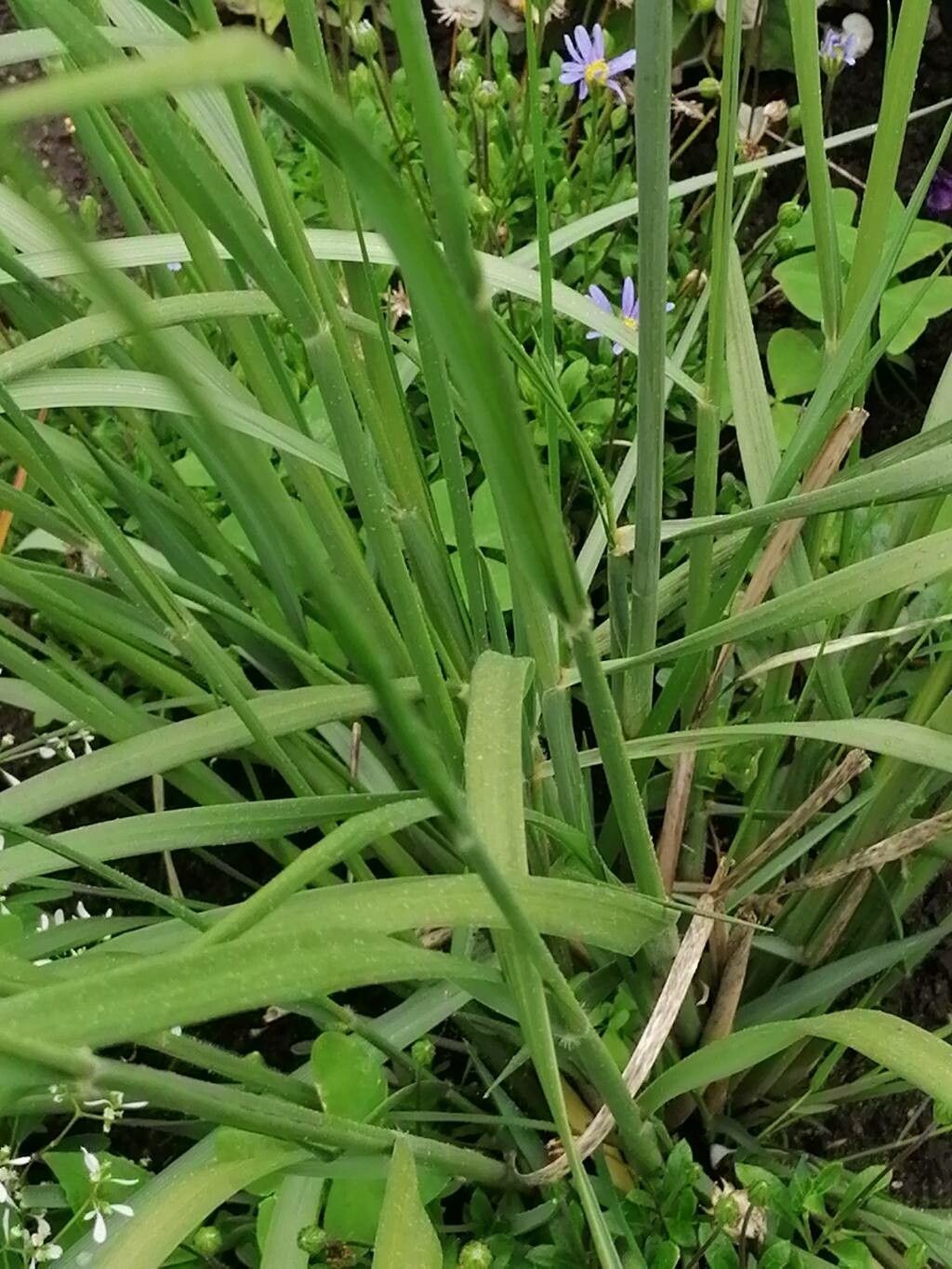
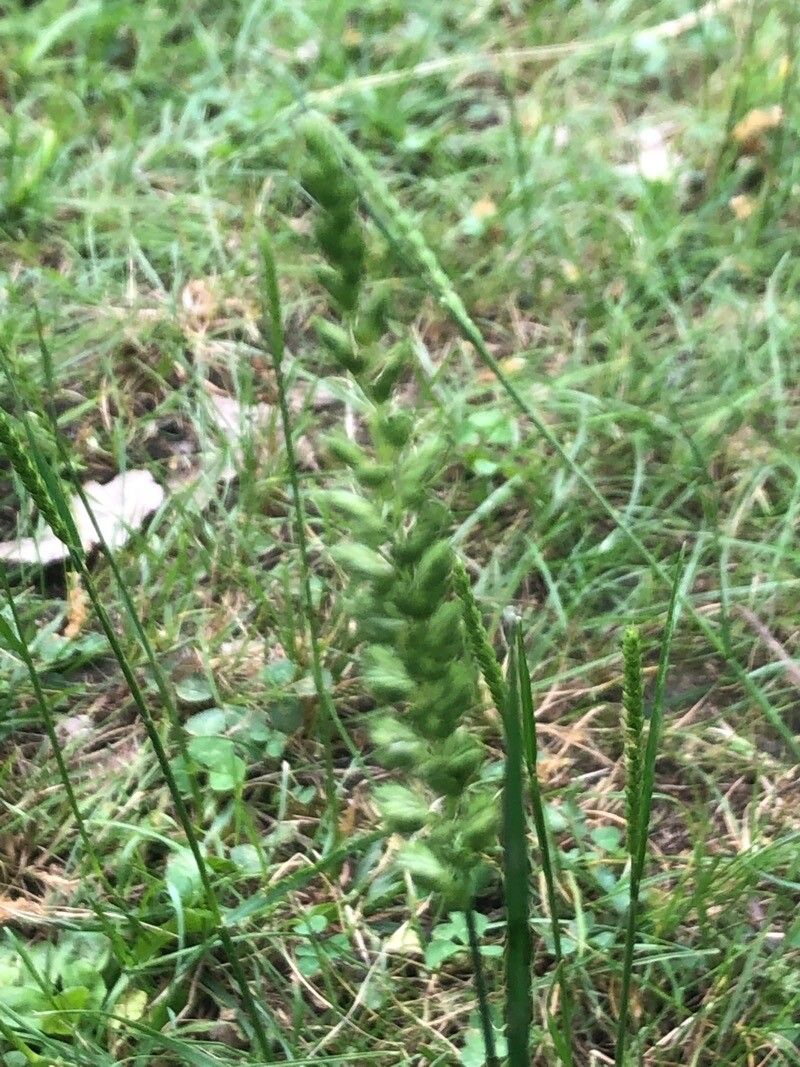
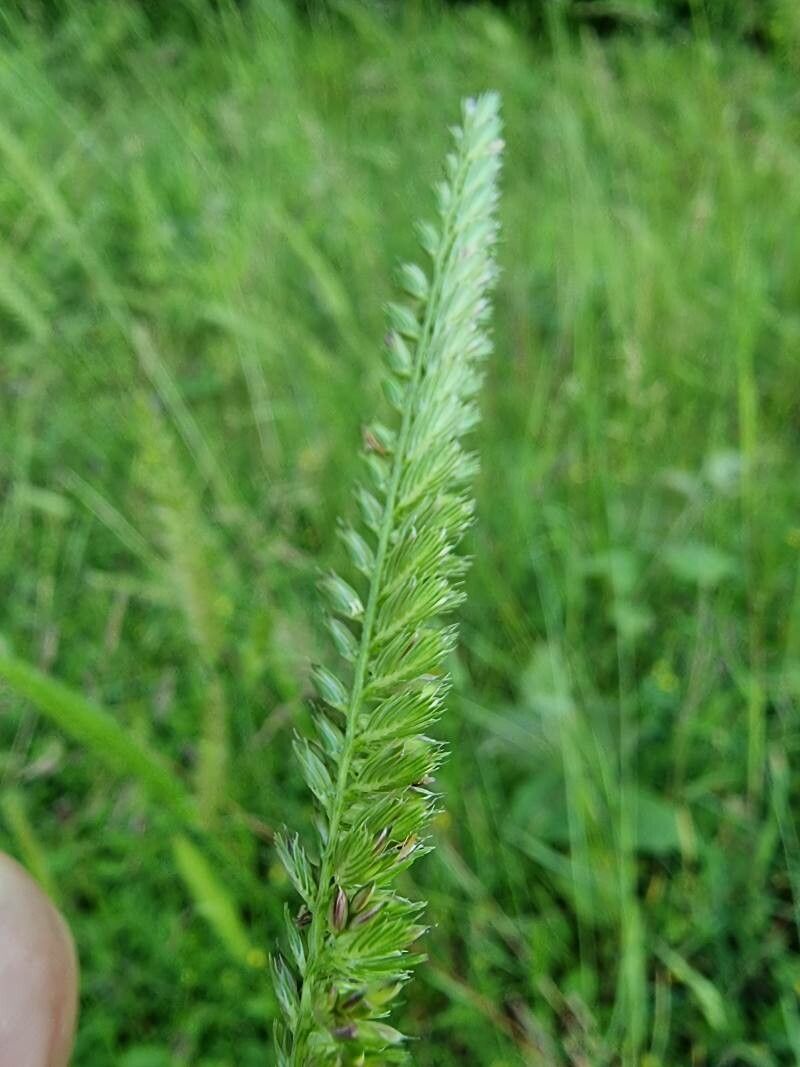
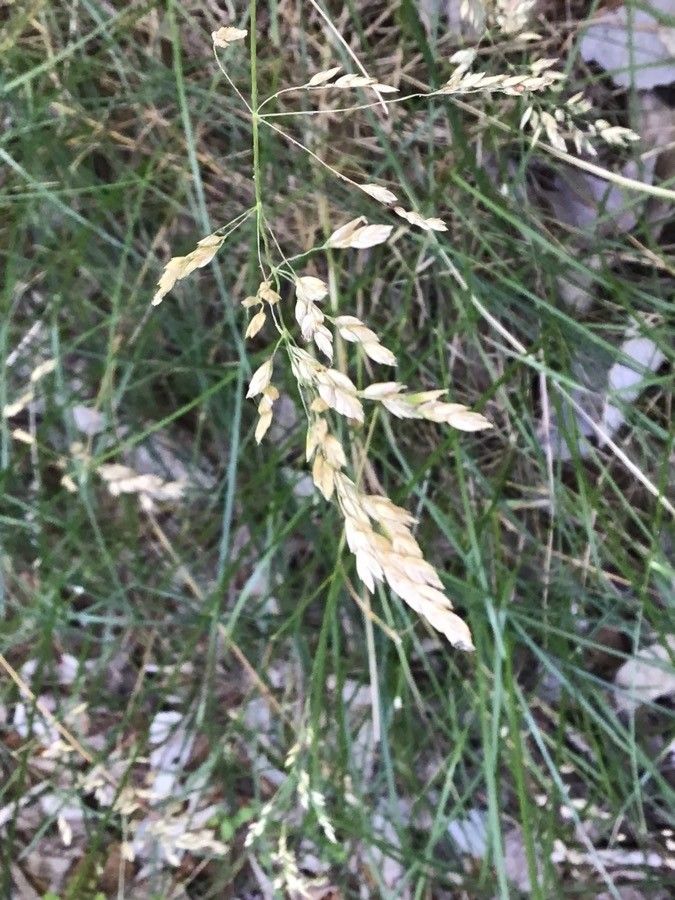
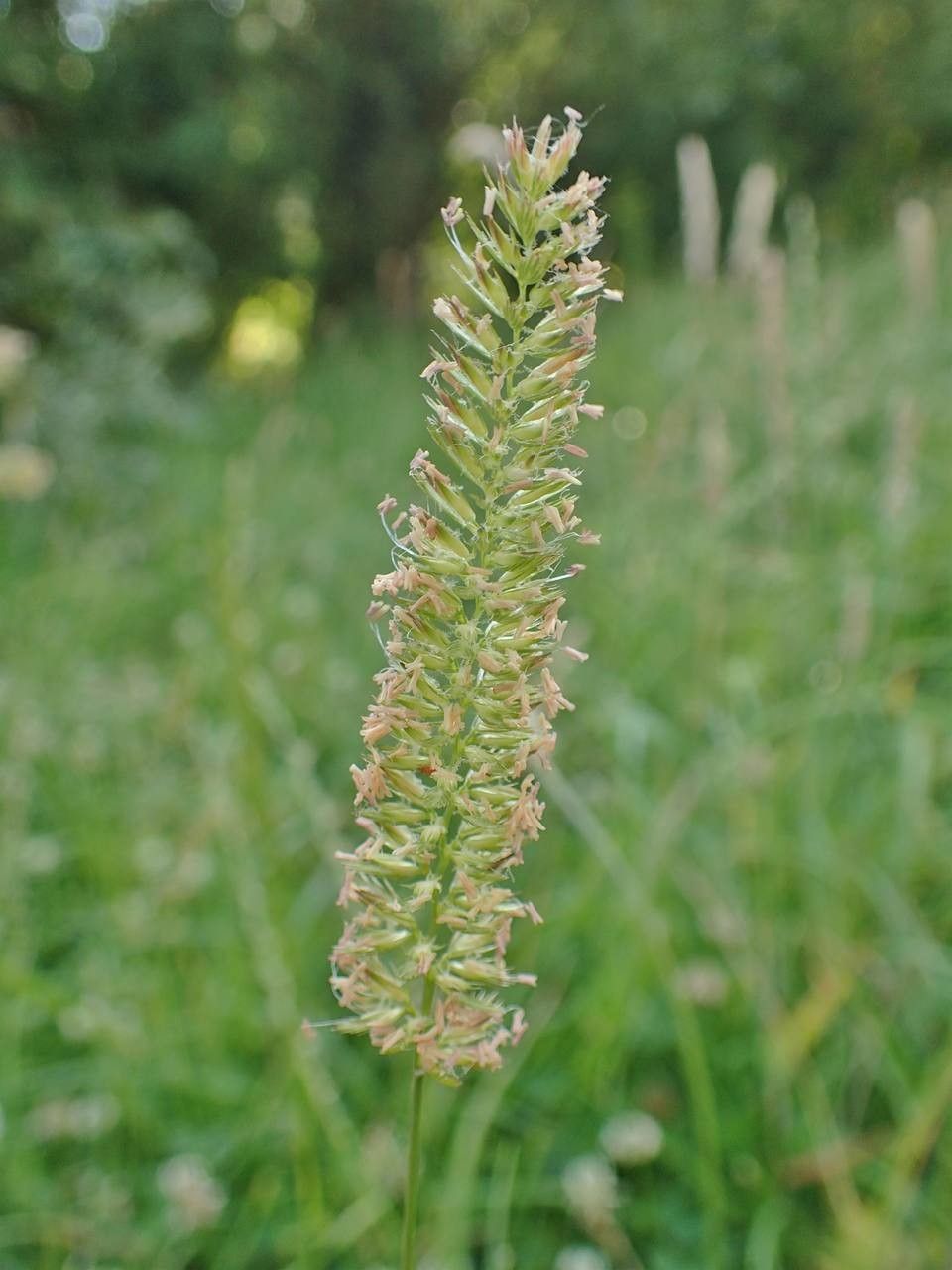
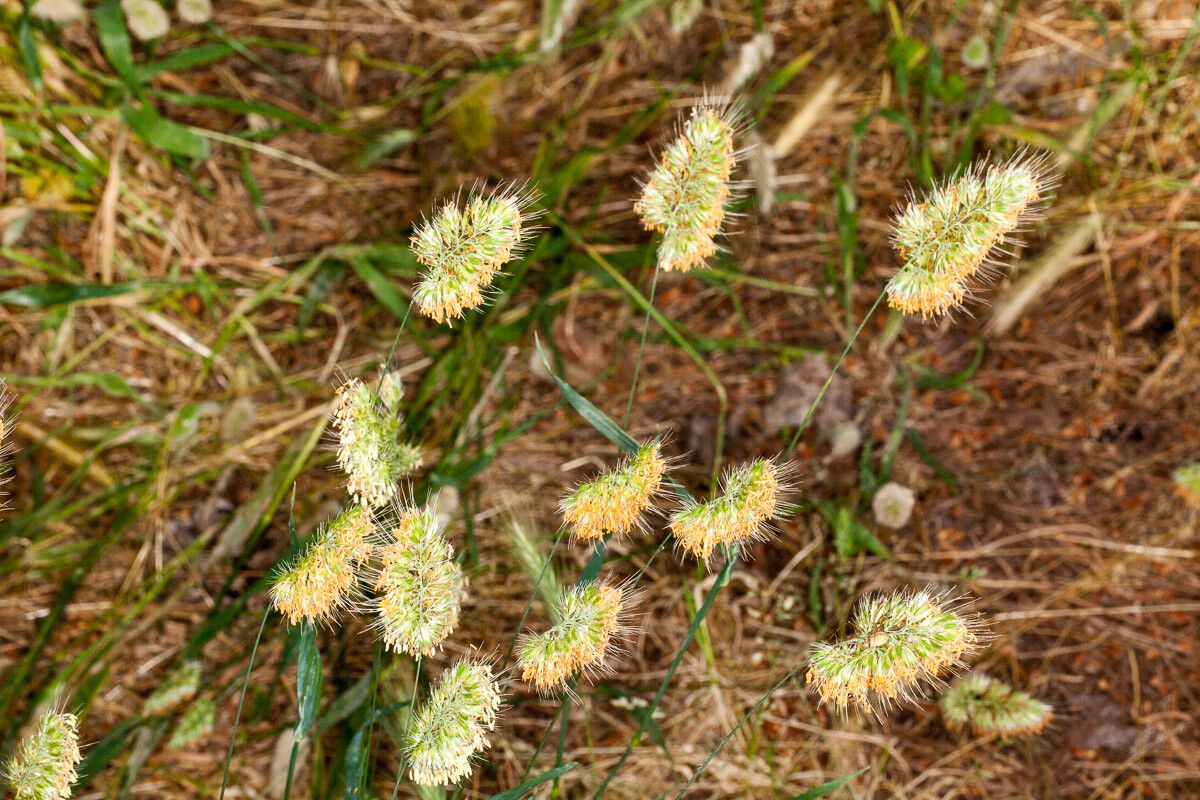
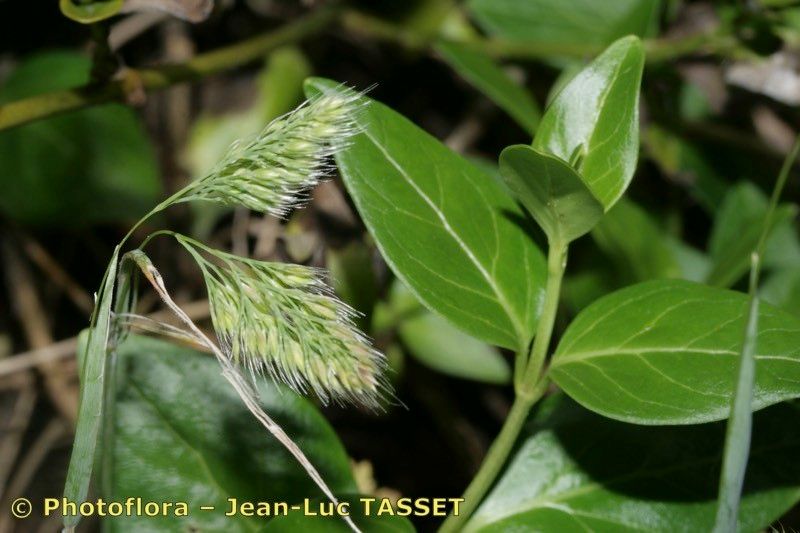
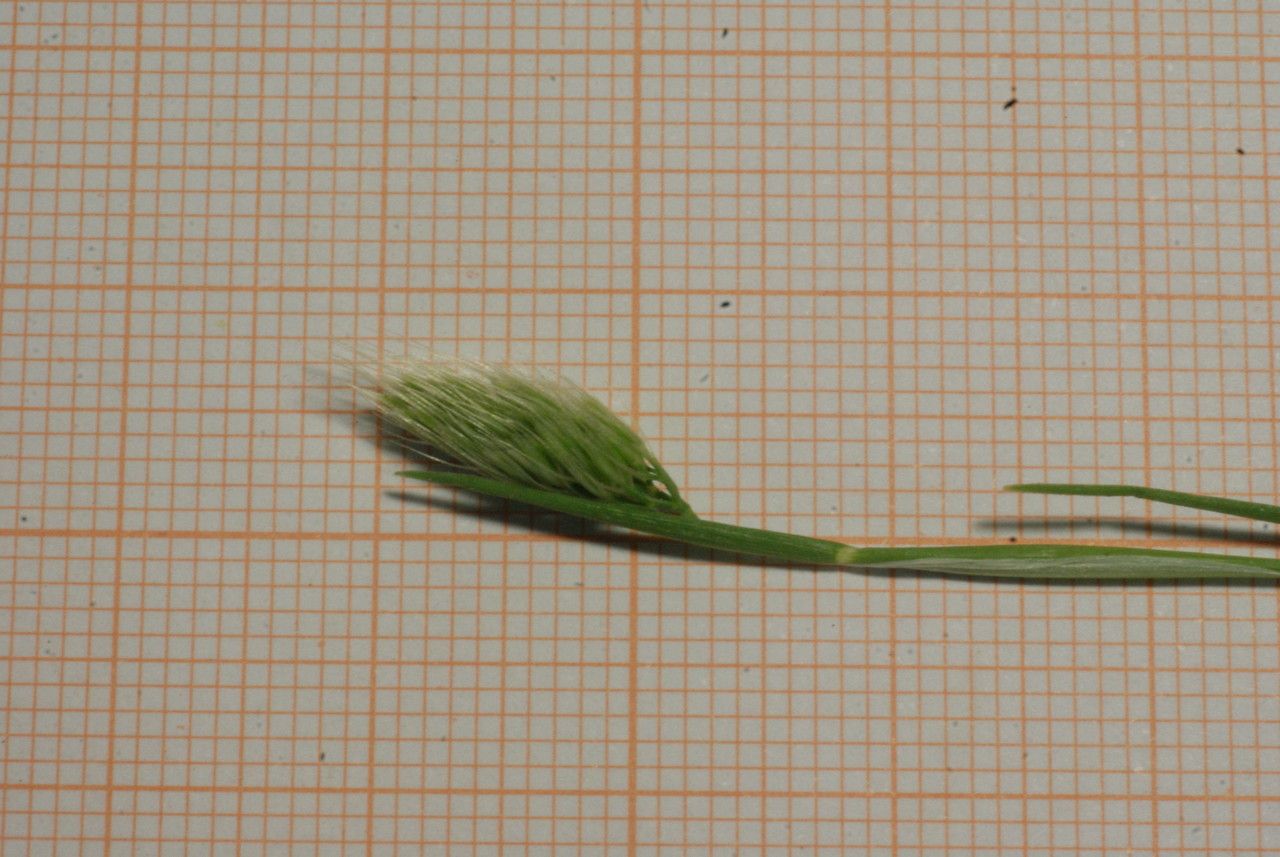
Cynosurus cristatus, the crested dog's-tail, is a short-lived perennial grass in the family Poaceae, characterised by a seed head that is flat on one side. It typically grows in species rich grassland. It thrives in a variety of soil types but avoids the acid and calcareous extremes of pH, and prefers well drained soils. It may be grown as an ornamental plant.
Crested dogstail-grass is resistant to disease and, overall, does not tend to suffer from illnesses. As for care, the plant is fairly low-maintenance. When grown outdoors it needs little watering, and larger plants usually do not require pruning. Smaller plants, however, should be pruned after they have finished blooming. Crested dogstail-grasst is appropriate for anyone with an outdoor area, such as a garden or deck, and does not demand extensive experience in plant care.
How to keep Cynosurus Cristatus.
Light
Crested dogstail-grass flourishes with ample light, since sunlight is essential for its healthy growth. Its preference for sun stems from its native habitat. Too much or too little light can hinder its development and cause possible health problems.
Water
Crested dogstail grass thrives in grasslands where there are regular rainfall and occasional short dry periods. For optimal health, it should be watered weekly, and it benefits greatly from natural rainfall patterns, which promote robust growth and healthy foliage during the growing season.
Temperature
Crested dogstail-grass is native to temperate regions and does well in temperatures from 41 to 89.6 °F (5 to 32 ℃). It can withstand light frosts. During extreme temperatures it may need modified sunlight exposure and watering schedules to achieve optimal growth.
Fertilizer
Crested dogstail-grass needs extra nutrients to encourage healthy new growth. In spring, putting some compost around the plant's base will effectively supply the nutrition it requires. Fertilizing supports robust growth and improves the plant's resistance to diseases and pests.
Pruning
Crested dogstail grass has fine, tufted leaves and distinct crested seed heads. To encourage growth, it is best to prune the plant in early spring. This involves removing old foliage and spent stems, which enhances its appearance and vitality. Regular pruning also improves air circulation and reduces the risk of disease, helping to maintain a lush and healthy plant.
Botanical profile.
- Plant Type
- Grass
- Life Cycle
- Perennial
- Genus
- Cynosurus
- Family
- Poaceae
- Hardiness Zone
- 4-7
- Mature Height
- 61 cm
- Mature Spread
- 40 cm
- Leaf Color
- Green
- Leaf Type
- Evergreen, Deciduous
- Flower Color
- Purple, White, Yellow, Green
- Flower Size
- 0.51 cm to 0.76 cm
- Bloom Time
- Early summer, Mid summer
- Planting Time
- Spring, Summer, Autumn
- Harvest Time
- Mid summer, Late summer
- Native Area
- Turkey, Sweden, Austria, Slovakia, Montenegro, Slovenia, Croatia, Belarus, Russia, Germany, Estonia, Romania, Latvia, Belgium, Portugal, Netherlands, France, Czech Republic, Bulgaria, Armenia, Poland, Greece, Ukraine, Serbia, Lithuania, Norway, Italy, Spain, Switzerland, Denmark, Finland, Iran, Albania, Ireland, United Kingdom, Hungary, Azerbaijan
Other names.
Reader questions.
What do I do if I give my Crested dogstail-grass too much water or too little water?
The performance of this beautiful ornamental grass is highly dependent on proper watering. When grown in the ground, watering issues can be resolved. However, if this grass is cultivated in a container, the wrong amount of water, either excessive or inadequate, can quickly cause its demise. Insufficient water can halt its growth, while excessive water can cause yellowing leaves with brown tips. Underwatering can lead to drooping leaves, weak seed head production, and browned leaves. If you suspect your Crested dogstail-grass has been watered improperly, the first step is to determine if it is receiving too much or too little water. If it is overwatered, cease watering immediately. It may take some time for heavy soils to dry out, so patience is necessary. Once you observe new growth, check the soil's moisture level and determine if it requires additional watering. Conversely, if the grass is receiving too little water, a generous and deep watering should be provided to see if it recovers. In conclusion, it is important to remember that a long, deep watering is more beneficial than frequent shallow waterings. This promotes the growth of deep roots, making the grass more resilient to drought and less prone to watering issues.
Why should I use fertilizer for my Crested dogstail-grass?
Fertilizing Crested dogstail-grass is necessary for a few reasons. Firstly, it provides the plant with essential nutrients for healthy new growth. Additionally, these nutrients also support the overall health of the plant's existing growth, and can even help it defend against diseases and pests.
What are the sunlight requirements for Crested dogstail-grass?
Crested dogstail-grass requires full sun, meaning it needs above 6 hours of sunlight daily to thrive. It's essential to observe how sunlight moves through your garden, choosing locations that provide the right balance of light and shade. Ensuring your plants receive ample sunlight is crucial for their growth and health, as inadequate or excessive light can lead to developmental issues.
What is the native climate for Crested dogstail-grass?
Crested dogstail-grass, known botanically as Cynosurus cristatus, is native to temperate climates. It thrives best in temperature ranges of 41 to 89.6 °F (5 to 32 °C) and can tolerate minor frosts. Despite its high cold tolerance, during extreme temperatures, adjustments in sunlight exposure and watering schedules might be necessary for optimal growth.
How often do I need to water my Crested dogstail-grass?
The watering needs of Crested dogstail-grass depend on its planting location. In general, watering once a week is recommended. However, in hot climates, watering once or twice a week during summer may be necessary. In moderate climates, watering once every seven days or more may be sufficient. Grass in containers typically requires more frequent watering than grass in the ground. The location of the grass also affects its watering frequency. Shaded grasses require less frequent watering compared to grasses in the ground. Only water Crested dogstail-grass when the soil is dry. To determine if the soil is dry, press your finger a couple of inches into the soil. For potted grass, you can also weigh the grass with a portable scale or feel the pot to check for lightness. When the roots lack sufficient water, the grass blades may appear folded and thinner. Despite its drought tolerance, regular, deep waterings will result in beautiful color. While Crested dogstail-grass can handle harsh, dry conditions, it still benefits from consistent water. Newly planted grass requires more frequent watering until it establishes deep roots. For potted grass, check the soil every 3 to 4 days and water when it feels dry. Ground-planted grass generally needs less watering but this depends on the soil type. Heavy clay soil can hold water for a long time, feeling dry at the surface while still retaining moisture below the ground. Sandy soils that drain quickly will require more frequent watering.
When should I fertilize my Crested dogstail-grass?
To ensure the survival of Crested dogstail-grass in your garden, it's important to know the right time to fertilize. This grass doesn't need a lot of nutrients when it's dying back, so no additional fertilization is necessary during that time. While you can use diluted fertilizer at the beginning of the growing season, it is not advisable. Instead, consider using mulch or compost around the plant's base.
How important is sunlight for the growth of Crested dogstail-grass?
Sunlight plays a pivotal role in the healthy growth of Crested dogstail-grass. Originating from environments where abundant sunlight is common, this grass thrives under conditions where it can bask in the sun's rays. In cases where natural sunlight is insufficient, especially during winter or in less sunny spaces, supplementing with artificial lighting can be beneficial. This includes using LED lights, which can be customized to provide specific wavelengths needed for optimal growth. For full sun plants, 30-50W/sq ft of artificial light is recommended, with a light source placed 12-36 inches above the plant for 8-12 hours per day.
Does Crested dogstail-grass require frost protection measures during winter?
Crested dogstail-grass does not require additional frost protection measures during winter due to its high cold tolerance. However, to prepare for winter, it's recommended to water the plant generously before the first freeze of autumn. This ensures the soil remains moist and enters a frozen state, helping to prevent drought and water scarcity for the plant during the colder months and early spring.
What do I need to be cautious about when watering my Crested dogstail-grass in different seasons, climates, or during different stages of growth?
To determine if you are watering enough, observe the rate at which your grass is growing. Crested dogstail-grass tends to double in size during the hottest months of the year. If the weather is hot but the grass is not showing vigorous growth, adjust your watering schedule accordingly. In winter, you may be able to water once a month, but it is still essential to check the soil for moisture. During the active growth phase, the grass will require more water than usual. However, in winter and cooler months, the water requirements will significantly decrease. Remember that Crested dogstail-grass should always be allowed to dry out completely before adding water to the soil.
When is it best not to fertilize my Crested dogstail-grass?
If you choose not to use packaged fertilizers, you can simply skip the worry of when to stop feeding Crested dogstail-grass. In the spring, applying a layer of compost or mulch will suffice to keep the grass happy all year round. No need to concern yourself with mulching or composting during the plant's dormant period in winter.
What symptoms indicate Crested dogstail-grass is receiving inadequate light?
Symptoms of light deficiency in Crested dogstail-grass include smaller new leaves, leggy or sparse growth, faster leaf drop, slower or no new growth, lighter-colored new leaves, and symptoms of too much light include chlorosis, sunscald, leaf curling, wilting, and leaf scorching. These symptoms can affect the plant's health significantly, indicating that adjustments in lighting conditions are necessary.
How does low temperature affect Crested dogstail-grass and what are the solutions?
Although Crested dogstail-grass is extremely cold-tolerant, maintaining the winter temperature above -30°C is crucial. If temperatures drop below this threshold, the grass may not show immediate changes during winter but could lead to decreased sprouting or even no sprouting in spring. The solution for any parts of the plant that failed to sprout by springtime is to remove them, promoting healthier growth.