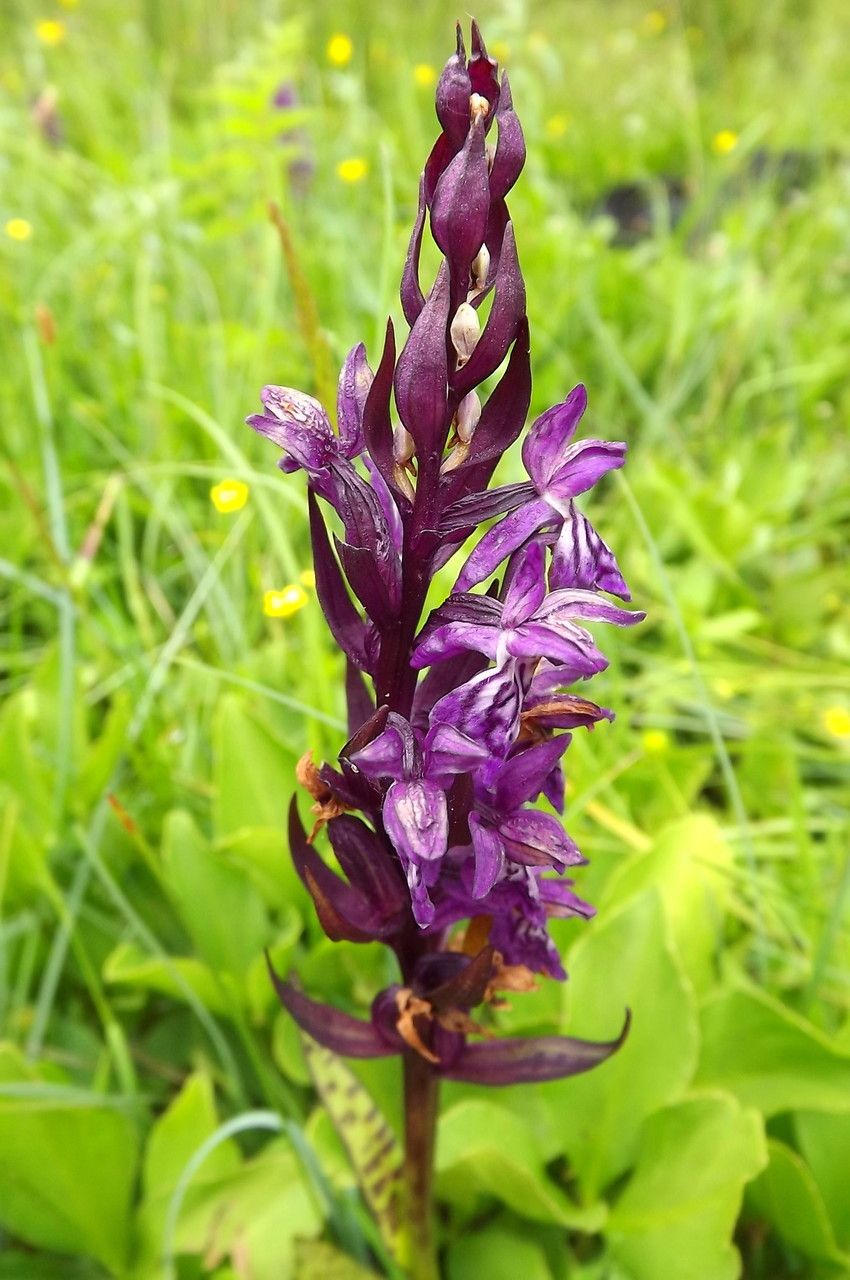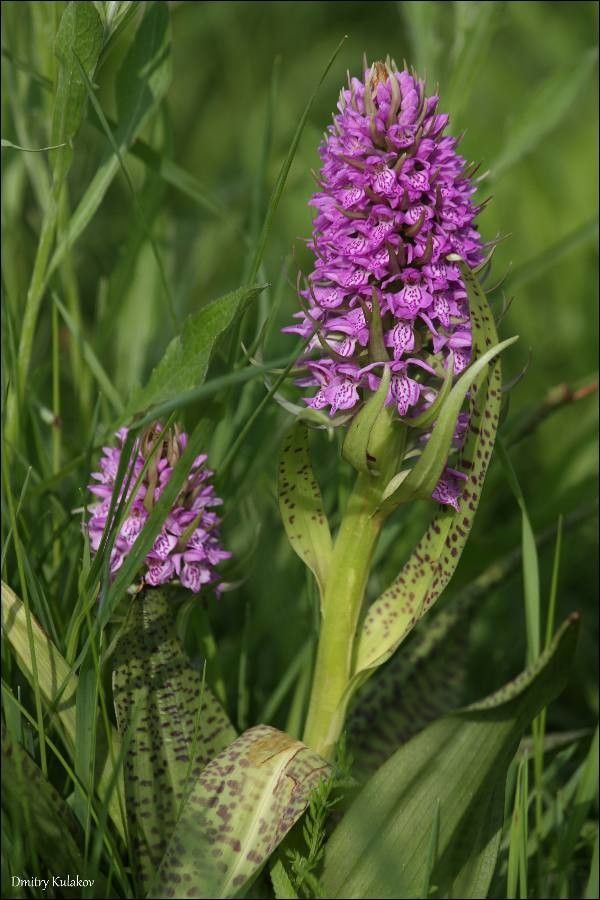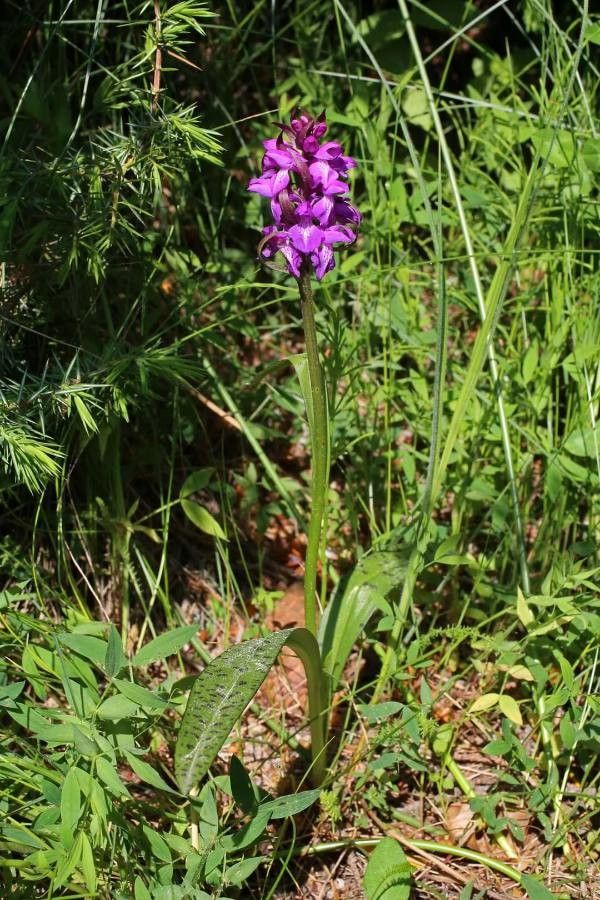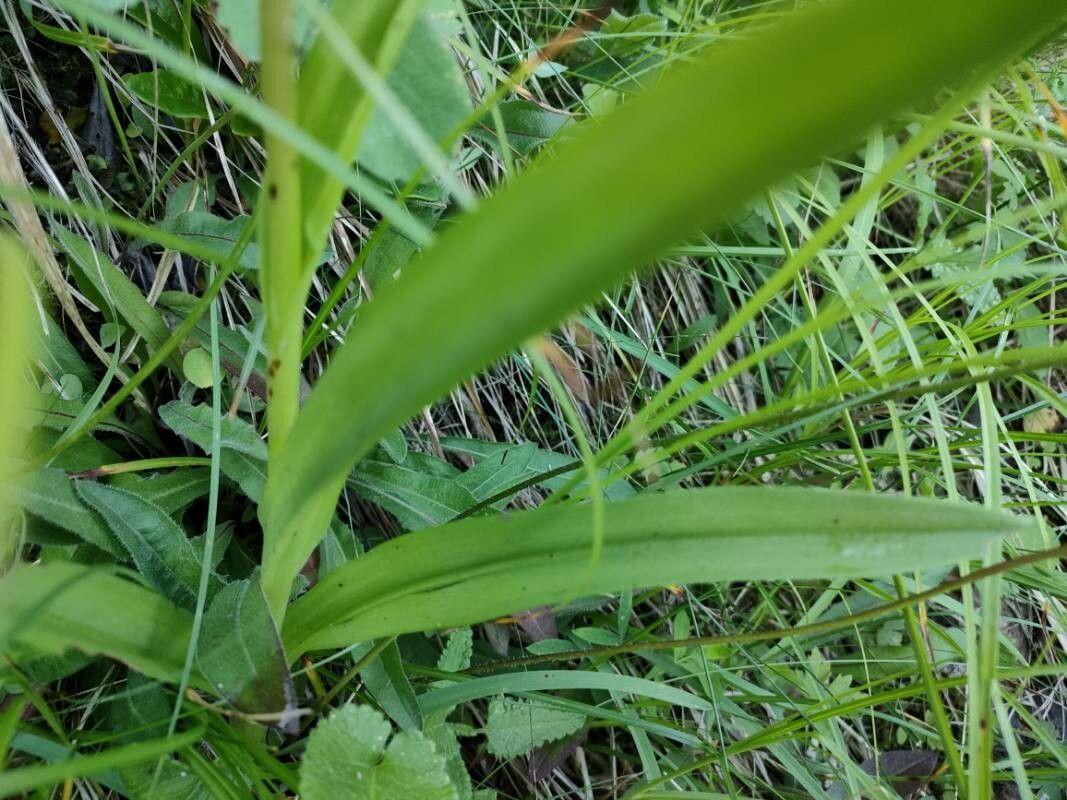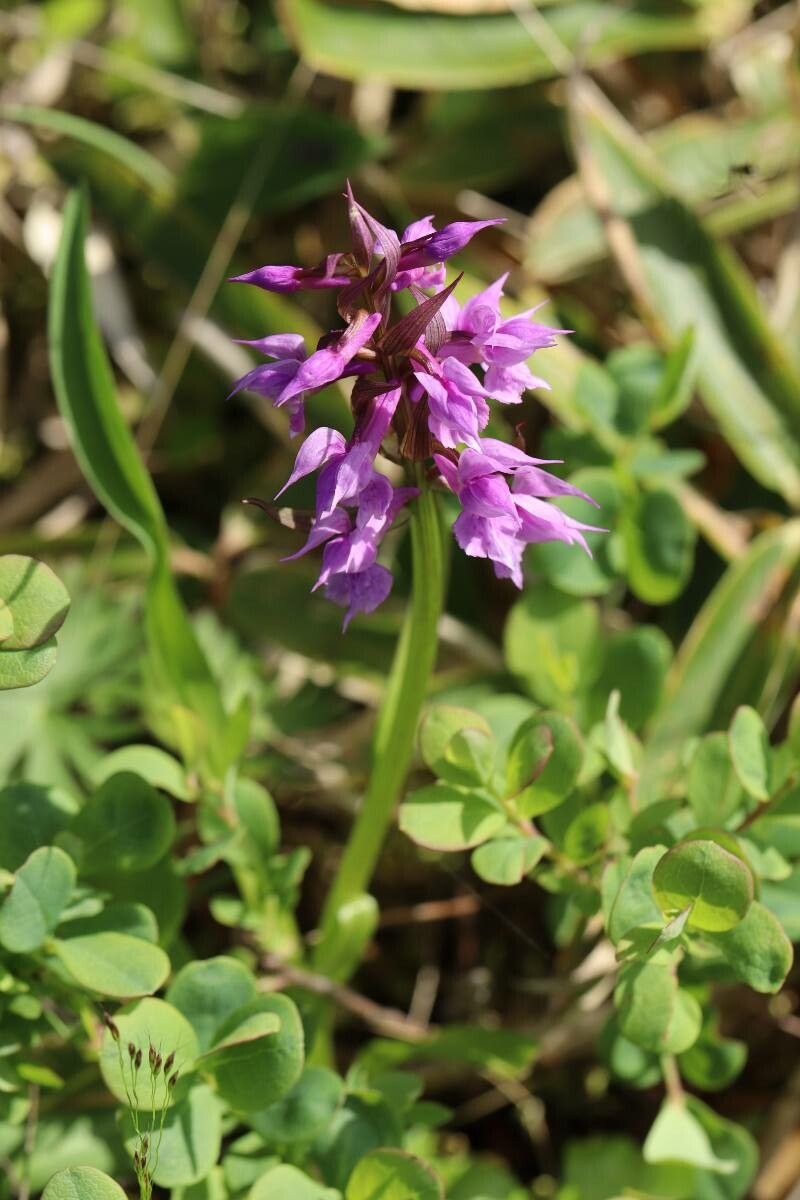
Dactylorhiza aristata, the keyflower, is a species of orchid. It is native to Japan, Korea, northeastern China, the Russian Far East, and Alaska.
Key flower typically has strong disease resistance and relatively few insect pests. Its care is considered difficult because it needs very high humidity while also being well ventilated and kept free of harmful pathogens. Too much watering can cause root rot. Although anyone can grow Key flower, keeping it healthy and getting it to flower again requires more growing experience.
How to keep Dactylorhiza Aristata.
Water
Key flowers thrive with adequate moisture, but they can withstand some drought conditions. To keep them healthy, water them once a week during the summer and every ten days during the fall and winter. It's important to maintain humidity, especially in dry environments, so consider misting the plants regularly. When watering, use water with a neutral pH. Let tap or rainwater settle before using it on the plants.
Fertilizer
Typically, a one-time application of fertilizer in the spring is enough for Key flower, yet more frequent feeding can augment growth. It's advisable to fertilize once every four to six weeks. Fertilizing improves the aesthetics and functionality of the leaves, encouraging uniform color and robust texture. Additionally, it spurs root development and nutrient uptake, contributing to the plant's health over time.
Pruning
Key features of this plant include attractive spiked flower clusters and broad leaves. To promote growth and encourage flowering, prune dead leaves and spent spikes in early spring. Proper pruning improves air circulation, reduces the risk of disease, and helps maintain the plant's health and aesthetic appeal.
Botanical profile.
- Plant Type
- Herb
- Life Cycle
- Perennial
- Genus
- Dactylorhiza
- Family
- Orchidaceae
- Hardiness Zone
- 9-11
- Native Area
- Russia, Koppen, Japan, China