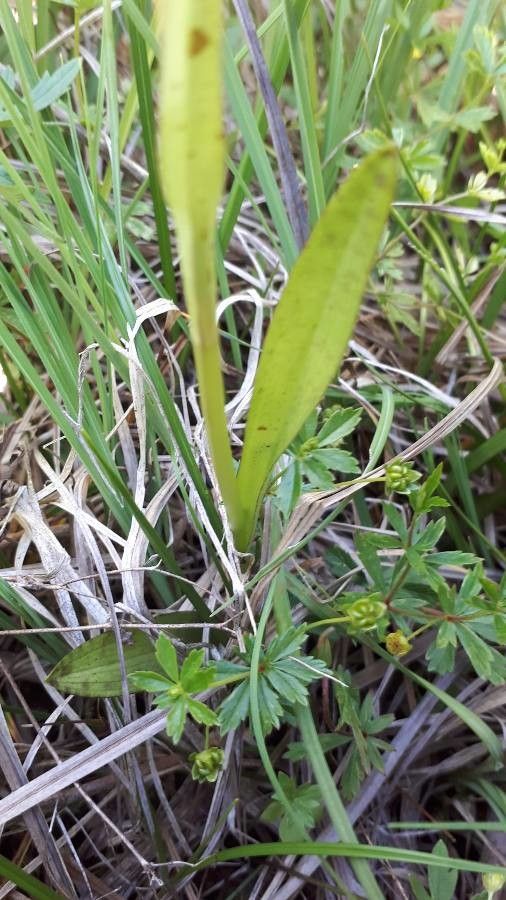
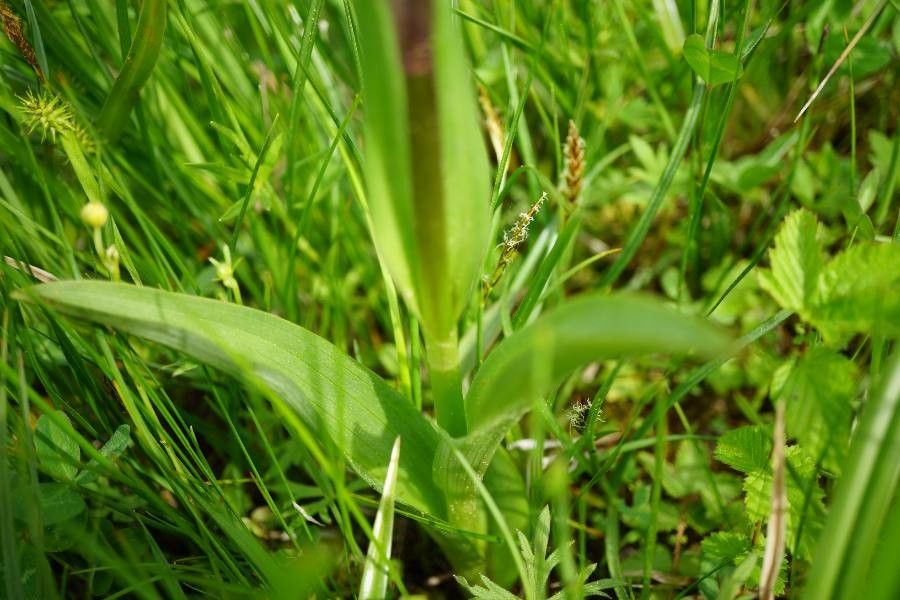
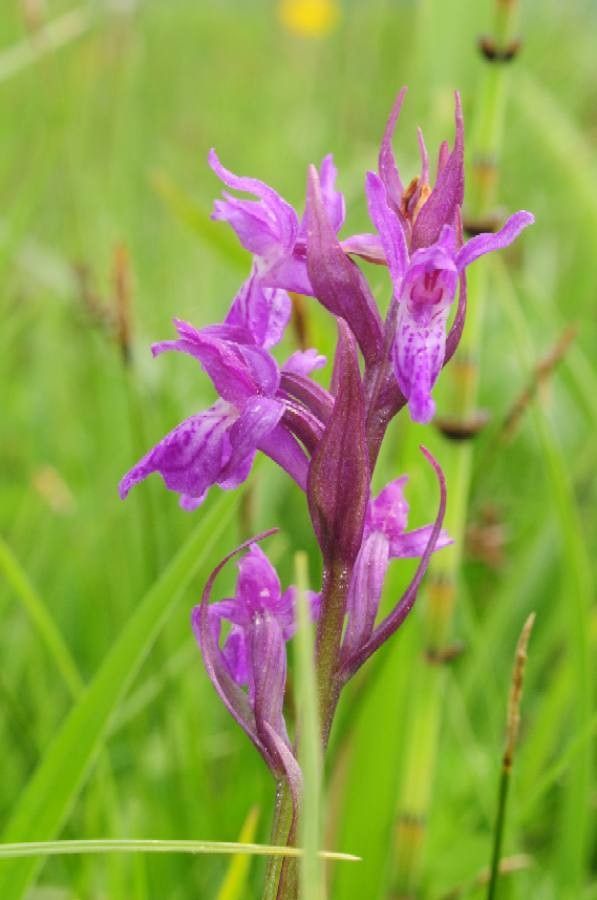
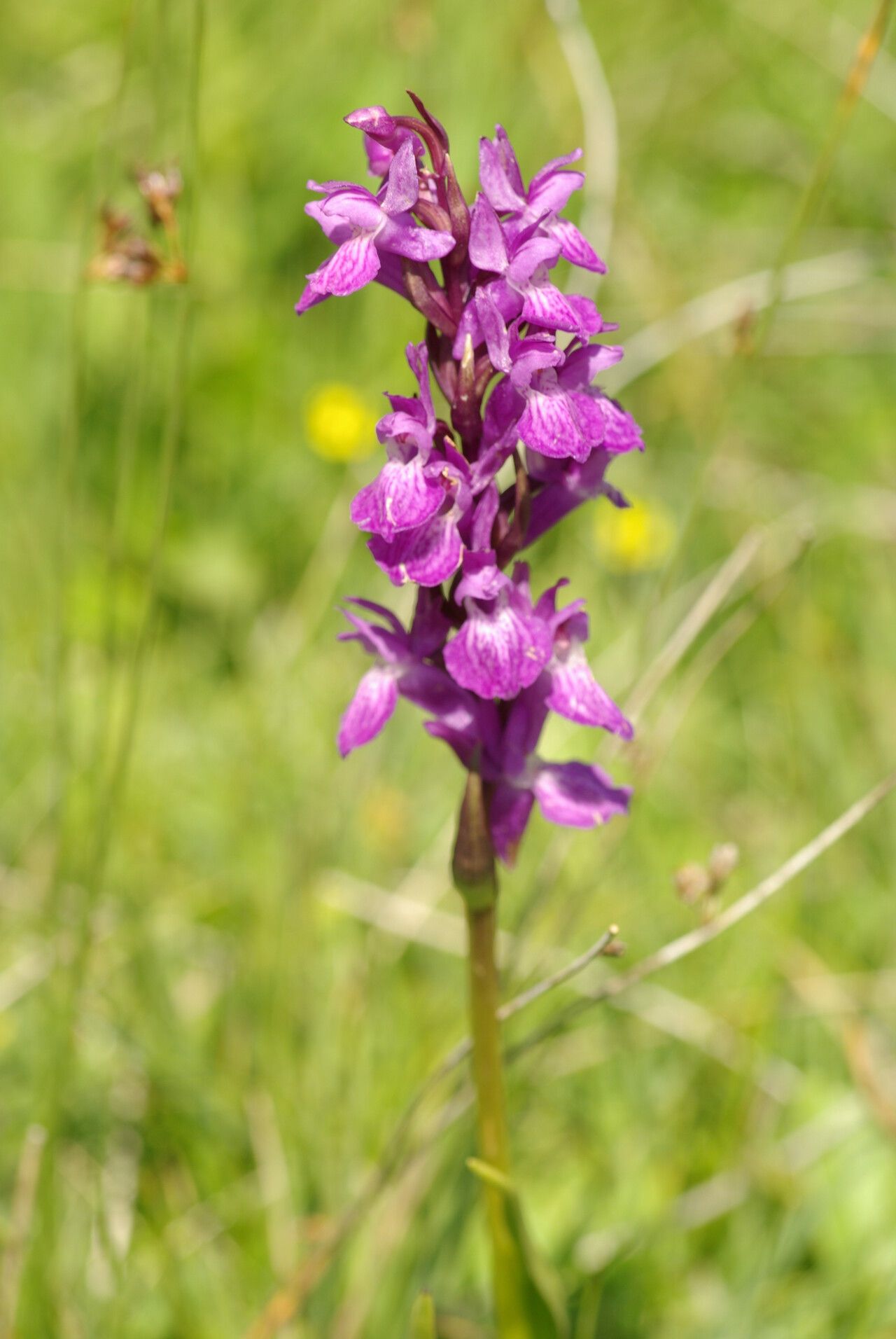
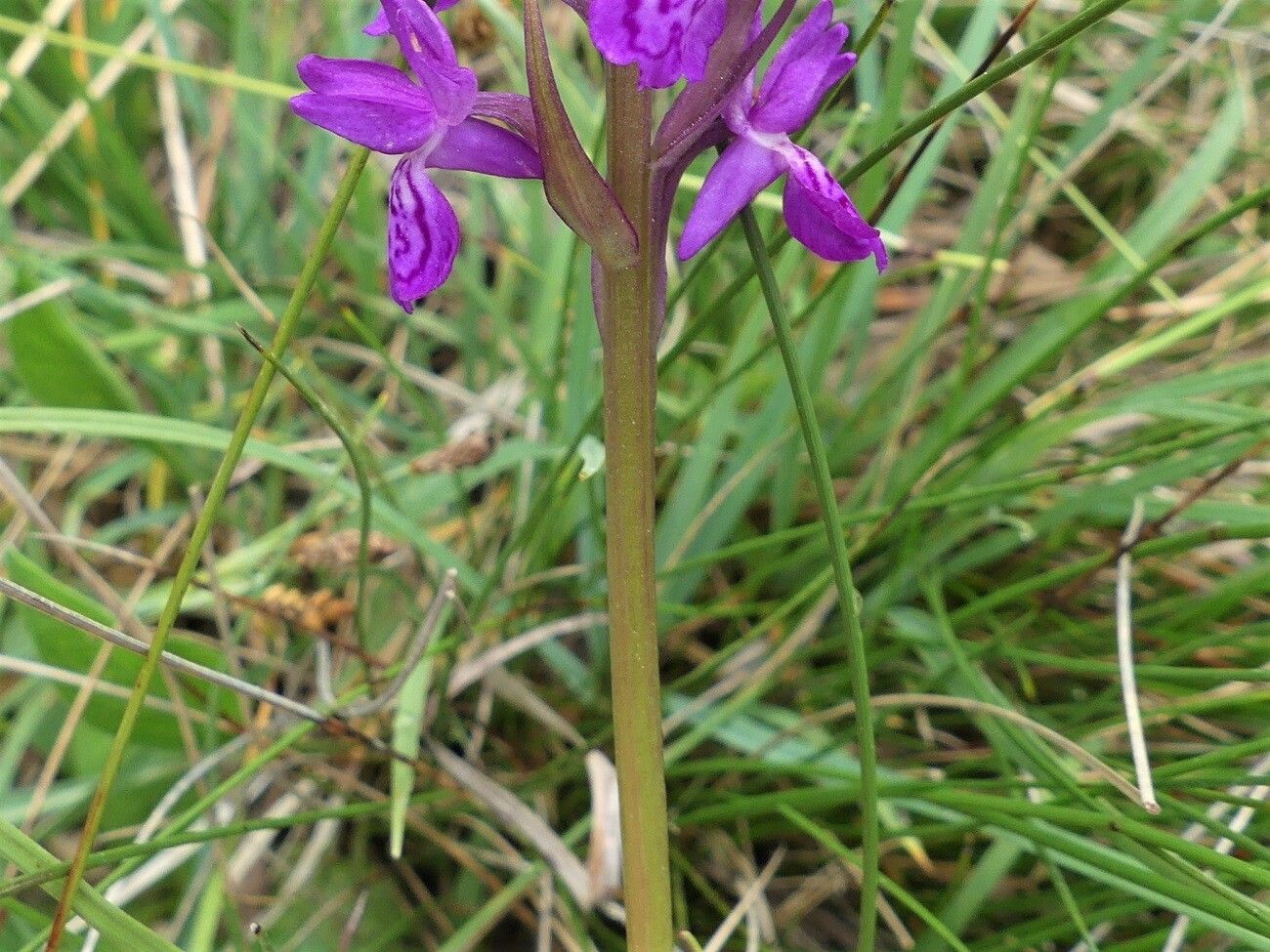
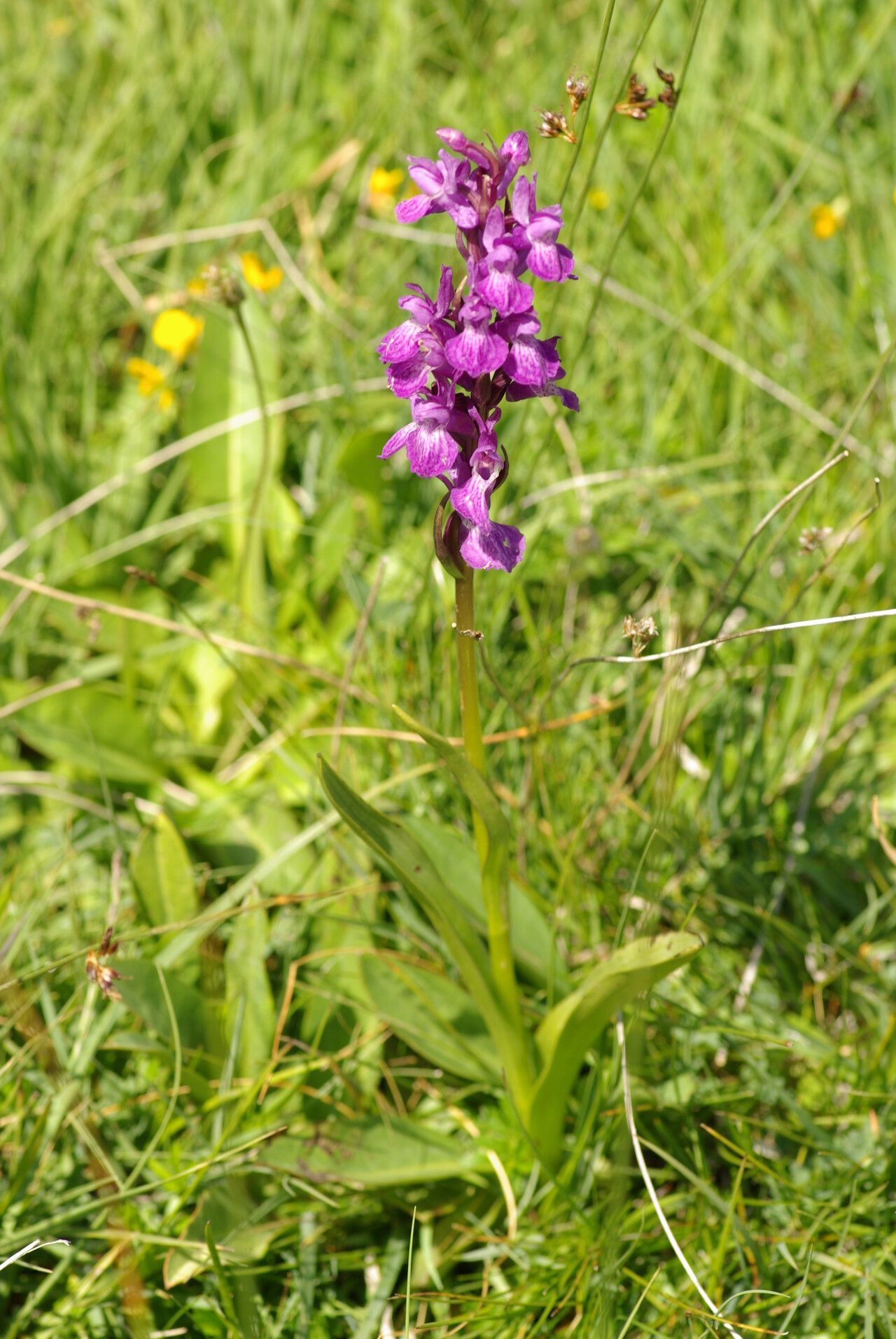
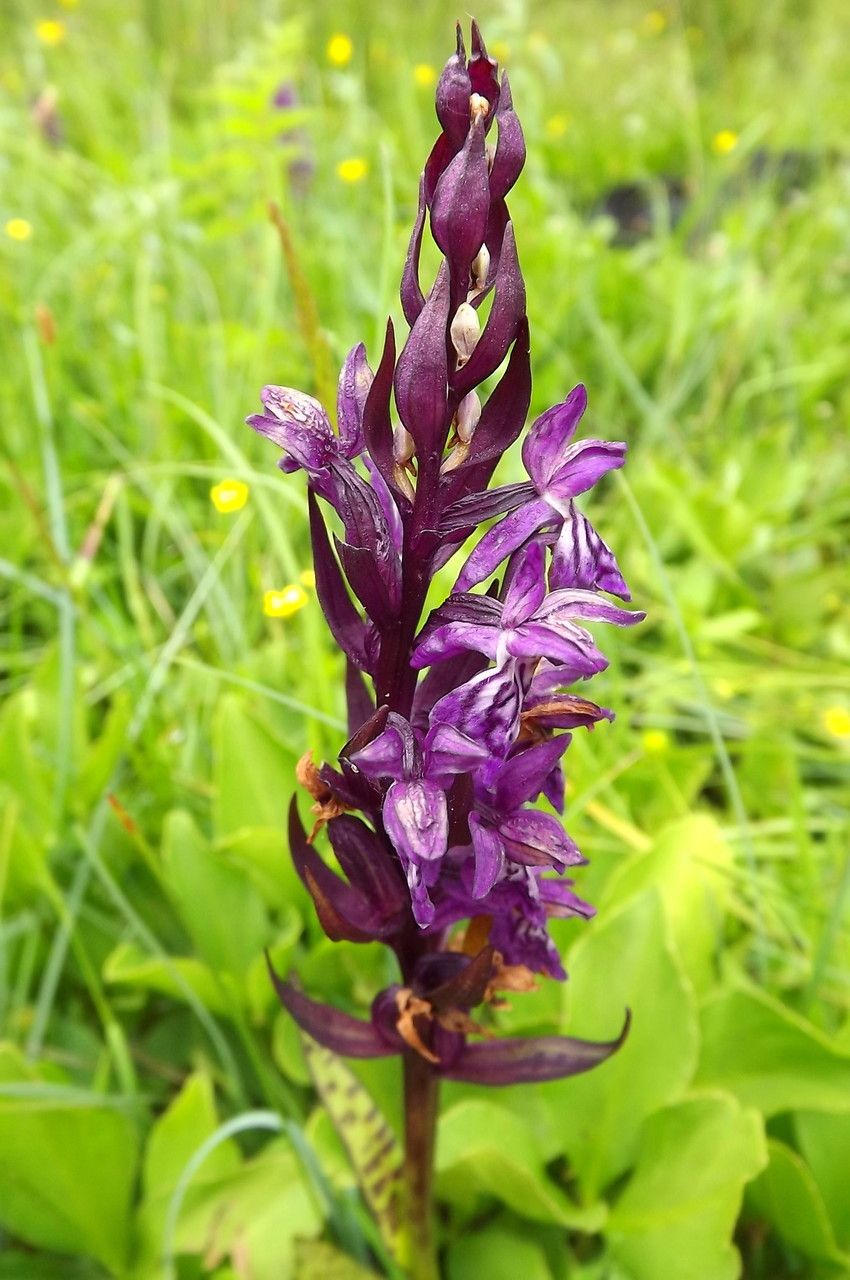
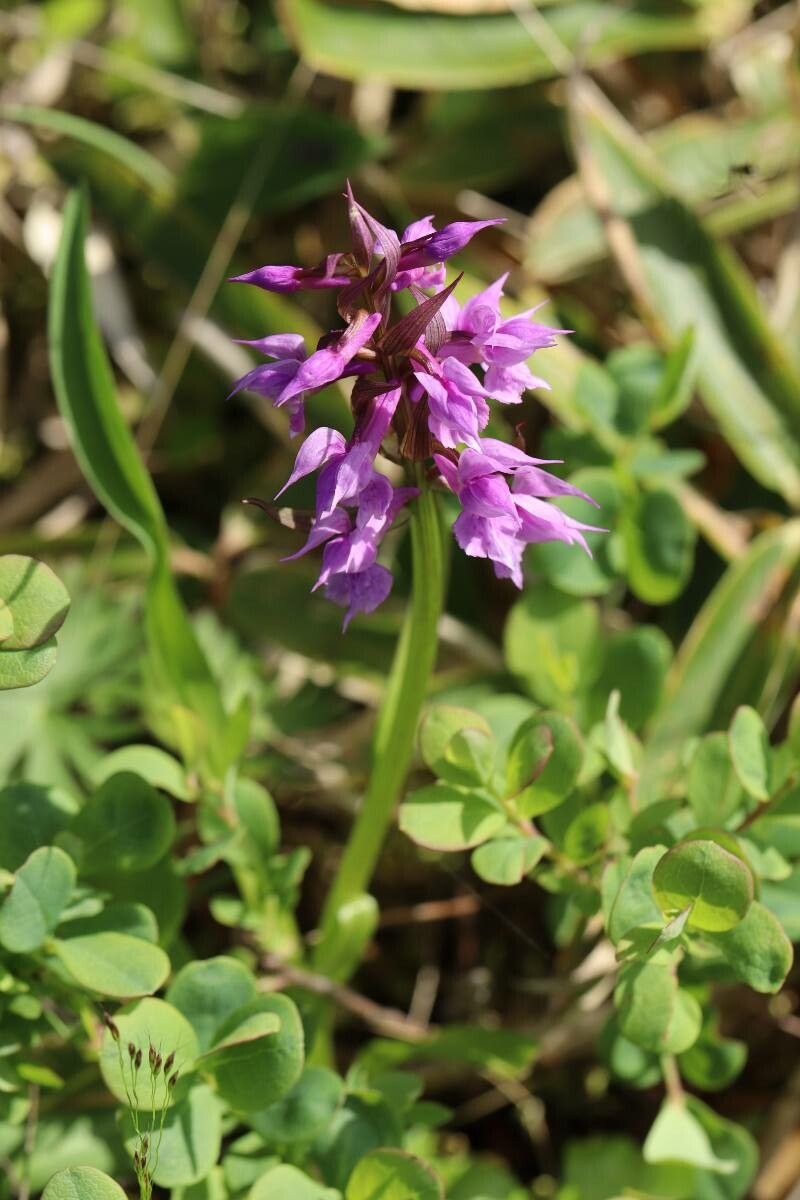
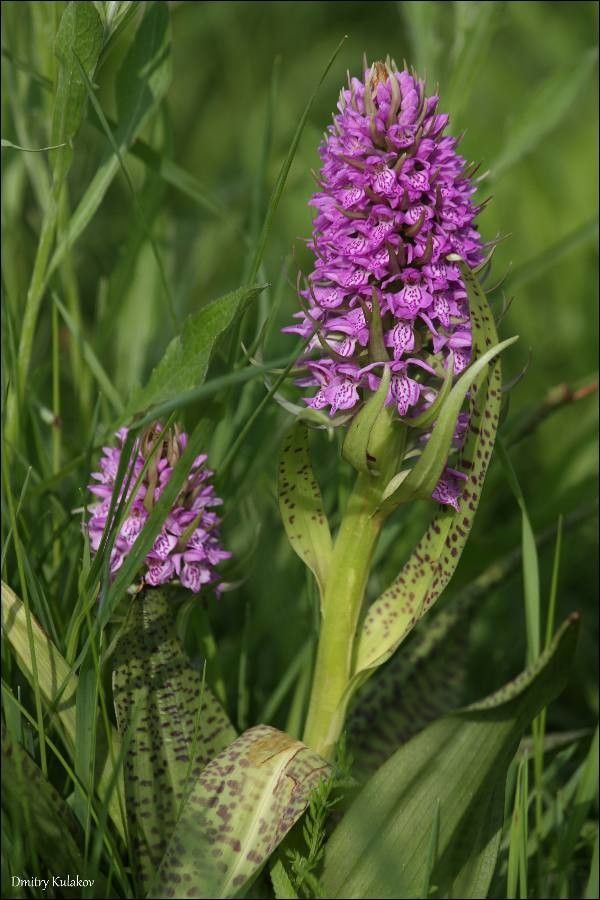
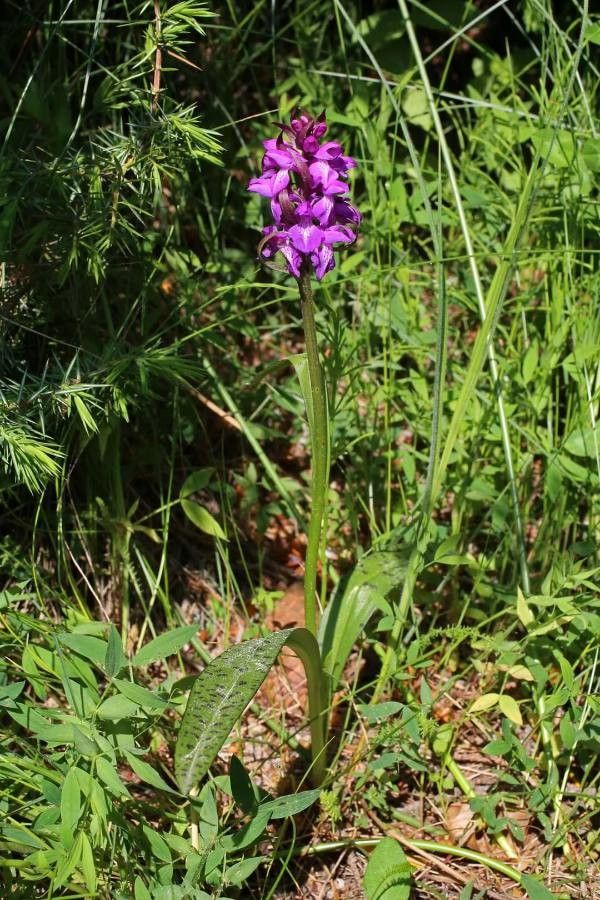
Dactylorhiza traunsteineri, the narrow-leaved marsh orchid or Traunsteiner's dactylorhiza, is a terrestrial species of orchid native to the cooler parts of the Eastern Hemisphere. It is native to Scandinavia, the Alps, and a region extending from Germany to Western Siberia. Although said by some sources to occur in Britain and Ireland, others say that plants identified as this species are actually Dactylorhiza majalis subsp. traunsteinerioides, a view supported by genetic data.Five subspecies are recognized as of June 2014: Dactylorhiza traunsteineri subsp. curvifolia (F.Nyl.) Soó - Czech Republic, Sweden, Finland, northern Russia Dactylorhiza traunsteineri subsp. irenica (F.M.Vázquez) Kreutz - Spain Dactylorhiza traunsteineri subsp. traunsteineri - most of the species range Dactylorhiza traunsteineri subsp. turfosa (F.Proch.) Kreutz - Austria, Czech Republic, Slovakia Dactylorhiza traunsteineri subsp. vosagiaca Kreutz & P.Wolff - Germany
Narrow-leaved marsh orchid generally shows good resistance to disease and is subject to relatively few insect pests. Its care is considered difficult because it needs a high-humidity yet well-ventilated environment with few harmful pathogens. Excessive watering can cause root rot. Although anyone can grow the Narrow-leaved marsh orchid, keeping it healthy and getting it to flower again requires more growing experience.
How to keep Dactylorhiza Traunsteineri.
Light
Narrow-leaved marsh orchid naturally occurs in habitats like forest understories and rocky sites, where it grows in natural shade. It prefers partial sun but can tolerate full sun or full shade, showing its versatility and hardiness.
Water
The narrow-leaved marsh orchid thrives in moist environments and needs consistent hydration, typically through weekly watering. Although it can survive brief periods of drought, maintaining high humidity levels is essential for its indoor growth. This helps ensure vibrant flowering during its active season.
Temperature
Narrow-leaved marsh orchid can adapt to a wide range of temperature conditions, although its distribution may still be limited by different combinations of water and heat. It performs best in warm summer climates with sufficient rainfall or watering. Extended periods of cloudy, rainy weather or prolonged high temperatures can increase the likelihood of the Narrow-leaved marsh orchid dying. In winter, appropriate protection against cold can improve the plant's survival rate.
Fertilizer
The best time to fertilize a Narrow-leaved marsh orchid is in early spring, as it comes out of dormancy and begins active growth. Fertilizing supplies essential nutrients for healthy development. Although the Narrow-leaved marsh orchid has relatively low fertilizer requirements, an annual application can improve its survival and encourage better, longer-lasting flowers.
Pruning
The narrow-leaved marsh orchid is known for its slender leaves and vibrant flowers. To encourage healthy growth, prune the plant from early to late spring. Remove any dead foliage and faded stems during this time by cutting just above the nodes, which will promote branching. Pruning at the right time not only boosts the plant's health and enhances its flowering but also helps prevent disease and supports strong, vigorous blooms.
Botanical profile.
- Plant Type
- Herb
- Life Cycle
- Perennial
- Genus
- Dactylorhiza
- Family
- Orchidaceae
- Hardiness Zone
- 4-8
- Mature Height
- 20 cm to 40 cm
- Mature Spread
- 10 cm to 15 cm
- Leaf Color
- Dark Green
- Leaf Type
- Deciduous
- Flower Color
- Purple, Pink
- Flower Size
- 1.02 cm to 2.03 cm
- Bloom Time
- Late spring, Early summer
- Planting Time
- Spring
- Harvest Time
- Mid summer, Late summer
Other names.