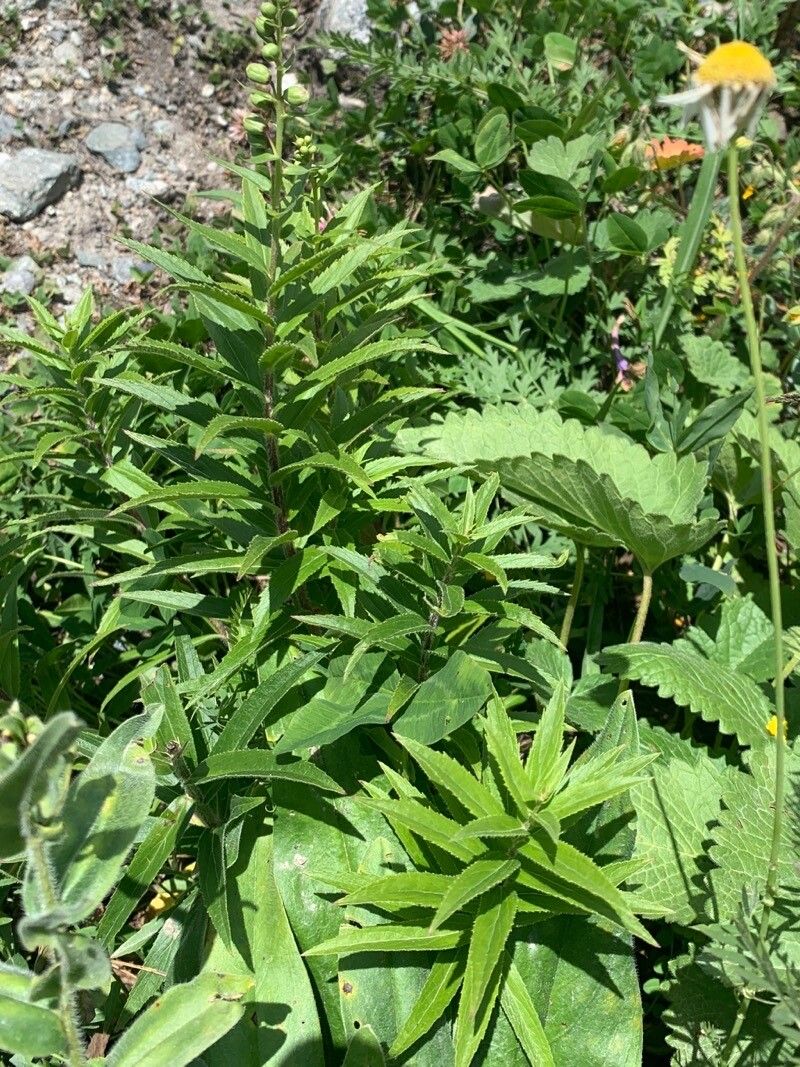
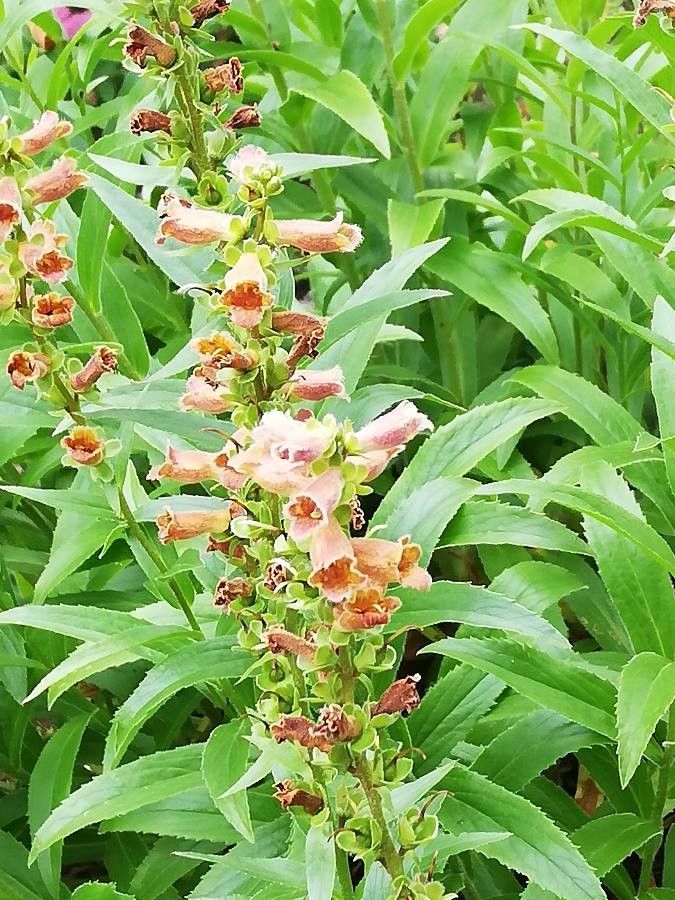
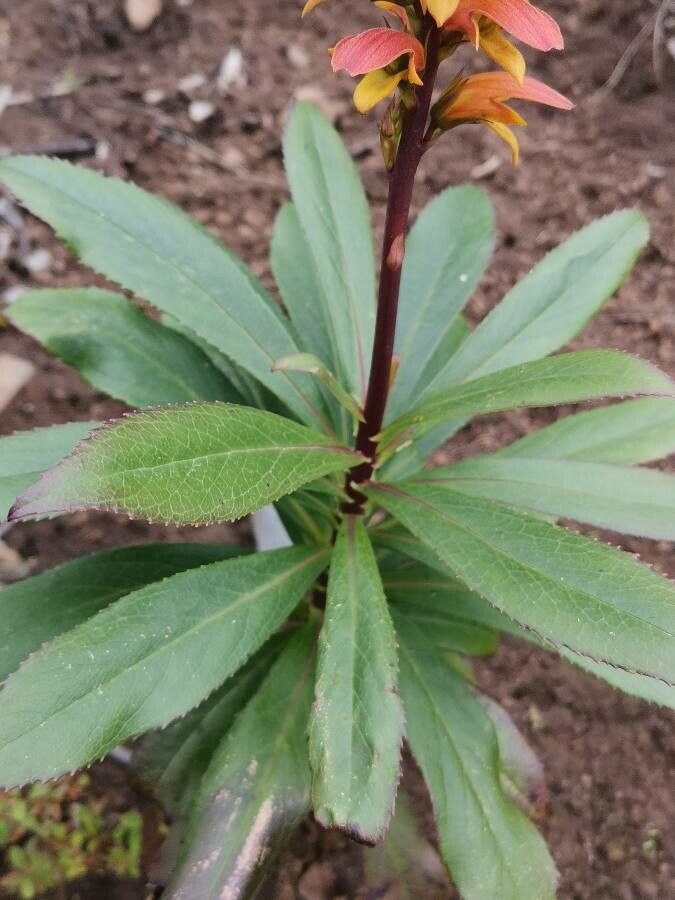
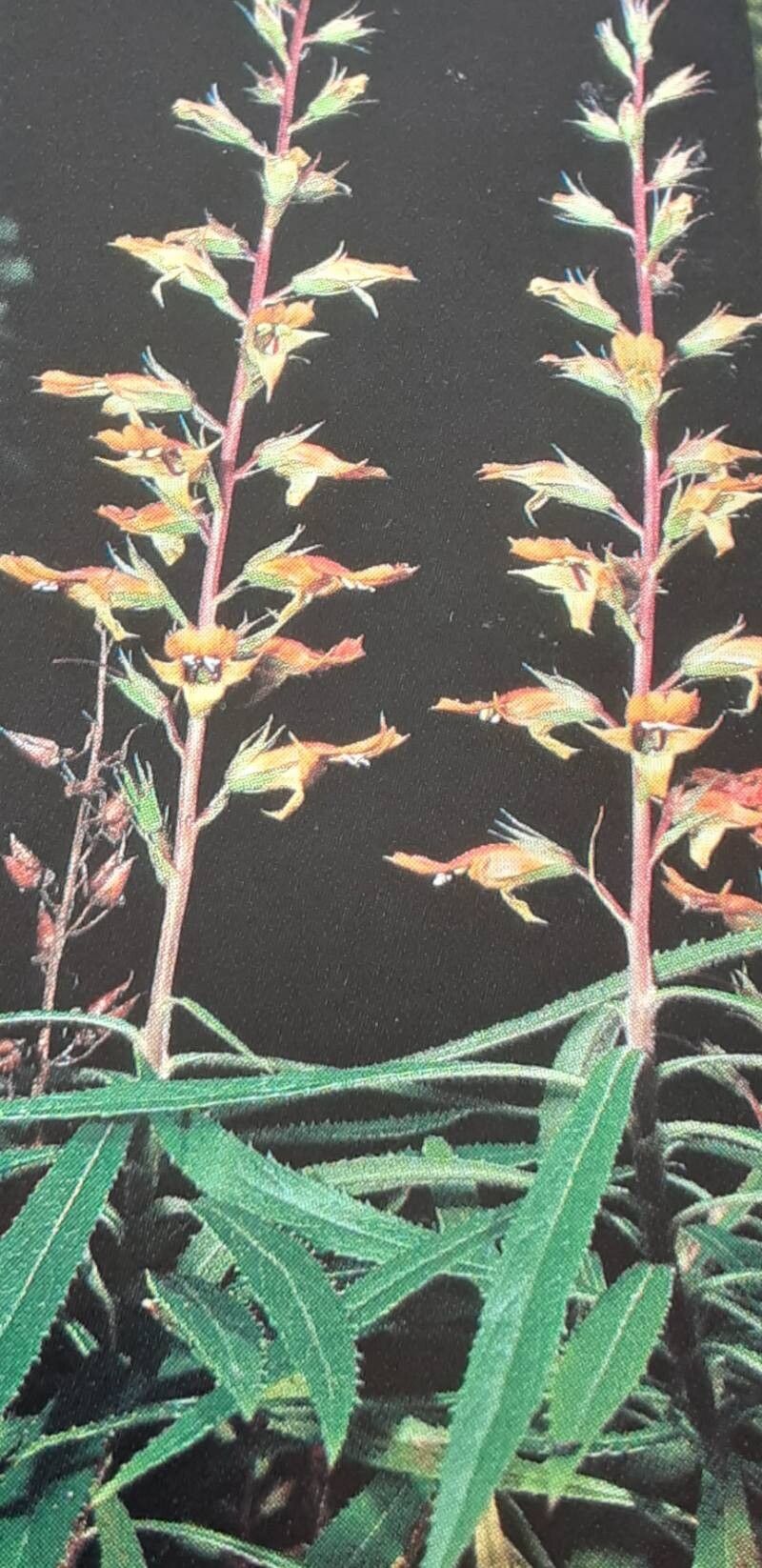
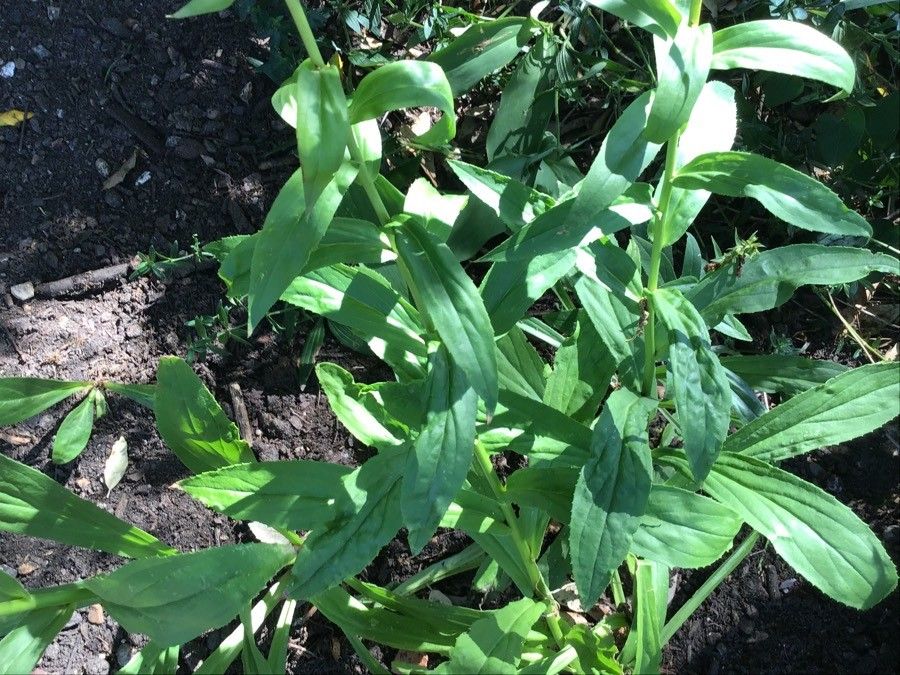
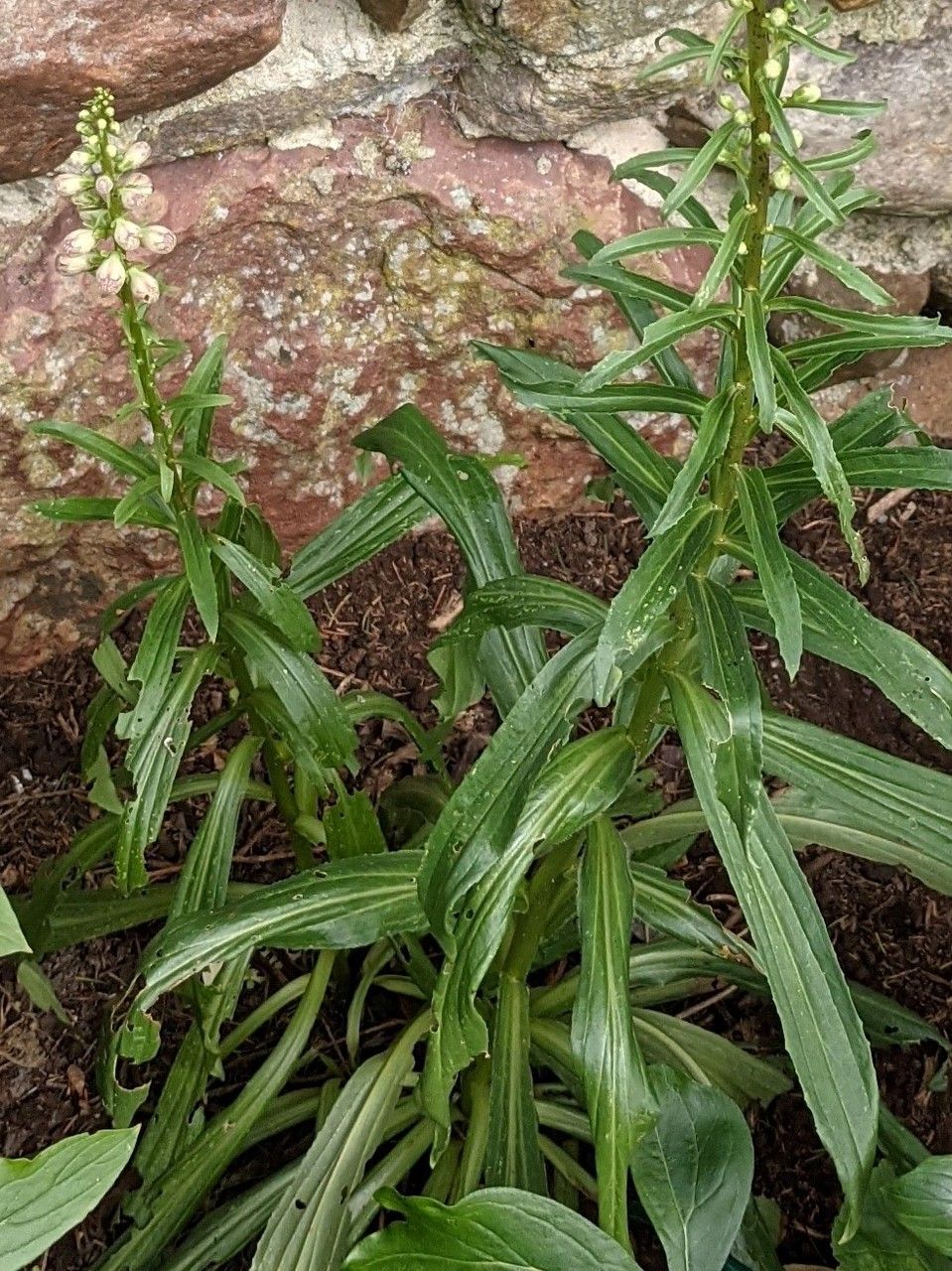
Digitalis ciliata, commonly called Hairy Foxglove is a member of the genus Digitalis. It has thimble-shaped, yellow to cream colored flowers produced on perennial plants with evergreen foliage. It is native to the Caucasus and is grown as an ornamental in other parts of the world. The species name is derived from the fine hairs that cover the plants stems and flowers.
Hairy foxglove is fairly disease-resistant and usually does not suffer from many ailments. However, it can be vulnerable to pests and diseases present in its surroundings. These problems are generally not severe. In terms of care, this plant needs moderate upkeep. It should be pruned regularly to maintain a neat appearance and support healthy growth. Fertilizing can also help encourage flowering. Hairy foxglove is well suited for anyone with outdoor space, such as a garden or patio, and does not demand extensive gardening experience. It may need more attention when grown indoors.
How to keep Digitalis Ciliata.
Light
Hairy foxglove is native to habitats with dappled sunlight, such as forest understories or rocky sites that provide natural shade. It does well in partial sun but can also tolerate full-sun conditions.
Water
Hairy foxglove thrives in moderately moist soil, particularly in understory habitats. It needs watering once a week, but it also has a moderate tolerance for drought conditions. This plant is best grown outdoors, where it can benefit from natural rainwater, which supports its growth cycle.
Temperature
Hairy foxglove can tolerate a broad range of temperatures, though its range may still be restricted by various combinations of moisture and heat. It does best in warm summer conditions with sufficient rainfall or watering. Extended periods of cloudy, rainy weather or prolonged high temperatures can raise the chance of Hairy foxglove dying. In winter, appropriate protection from cold can increase the plant’s survival rate.
Fertilizer
Hairy foxglove requires regular fertilization to encourage flowering but does not tolerate excessive amounts. It needs small, frequent applications of fertilizer throughout its life cycle, especially during its peak active growth and while it is flowering. You should continue feeding your Hairy foxglove until it stops blooming.
Pruning
The hairy foxglove is characterized by its hairy leaves and tubular flowers. To encourage growth and blooming, it's best to prune the plant from early to late spring. Effective pruning techniques include removing dead stems and trimming back faded blooms, which will improve the plant's display the following year. Regular pruning also enhances airflow, reduces the risk of disease, and promotes overall plant health.
Botanical profile.
- Plant Type
- Herb
- Life Cycle
- Biennial
- Genus
- Digitalis
- Family
- Plantaginaceae
- Hardiness Zone
- 5-9
- Mature Height
- 30 cm to 61 cm
- Mature Spread
- 20 cm to 30 cm
- Leaf Color
- Green
- Leaf Type
- Semi-evergreen
- Flower Color
- Yellow
- Flower Size
- 2.03 cm to 3.05 cm
- Bloom Time
- Early summer, Mid summer
- Planting Time
- Spring, Autumn
- Harvest Time
- Late summer, Early fall
Reader questions.
What are the sunlight requirements for Hairy foxglove (Digitalis ciliata)?
Hairy foxglove (Digitalis ciliata) thrives in different sunlight conditions depending on its needs. For full sun exposure, it requires above 6 hours of sunlight per day. Alternatively, for partial sun exposure, about 3-6 hours of sunlight daily is adequate. It's important to observe how sunlight interacts with your garden throughout the day to find the ideal location for your Hairy foxglove, ensuring it receives the right balance of light and shade for optimal growth and health.
What is the botanical name of Hairy foxglove?
The botanical name of Hairy foxglove is Digitalis ciliata. This plant belongs to the vast family of plants known commonly for their distinctive and often bell-shaped flowers. Despite the given common name, the specific characteristics and uses of Hairy foxglove can vary, and it's important for enthusiasts or researchers to refer to it by its botanical name, Digitalis ciliata, to avoid confusion with other species.