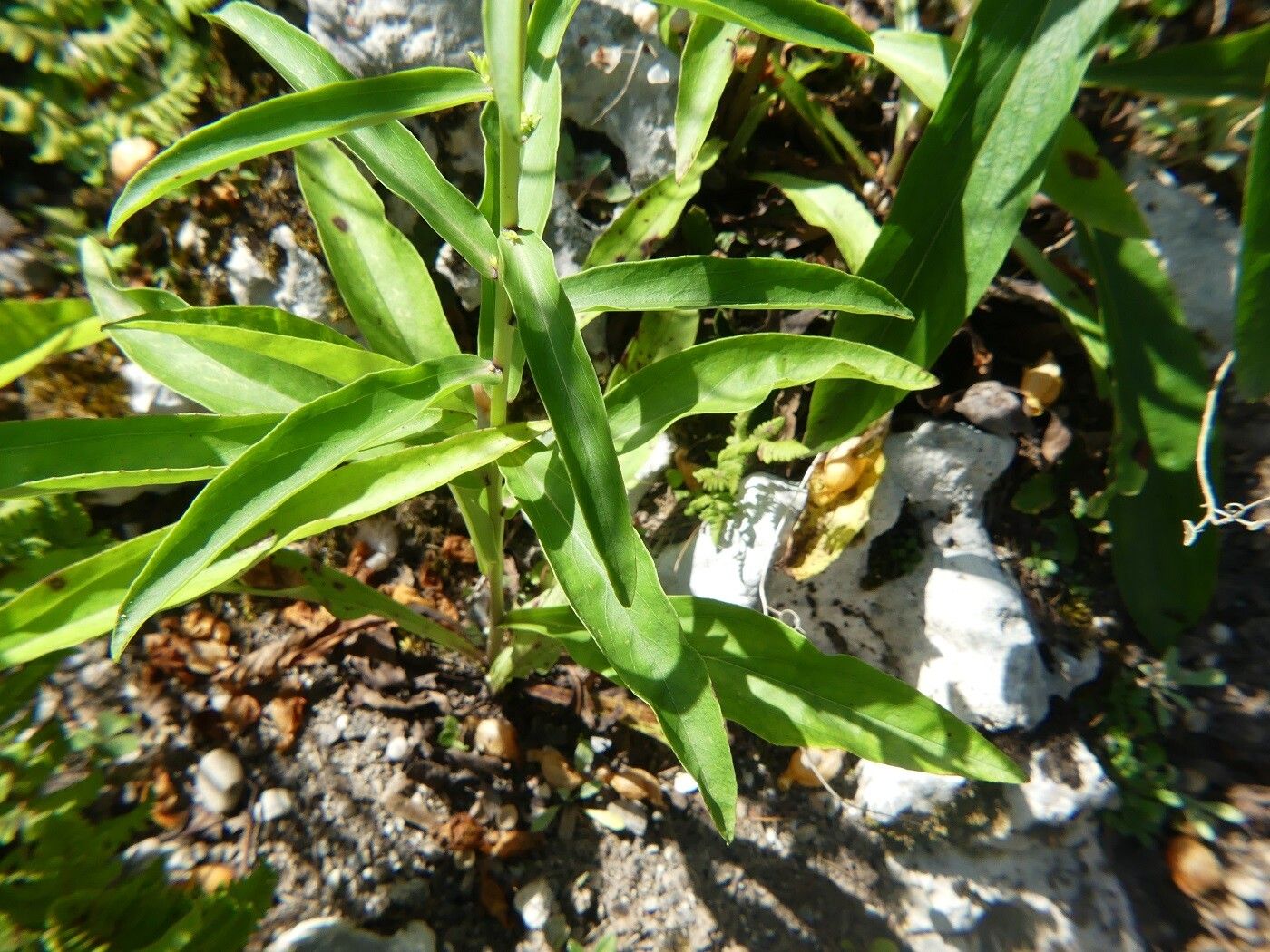
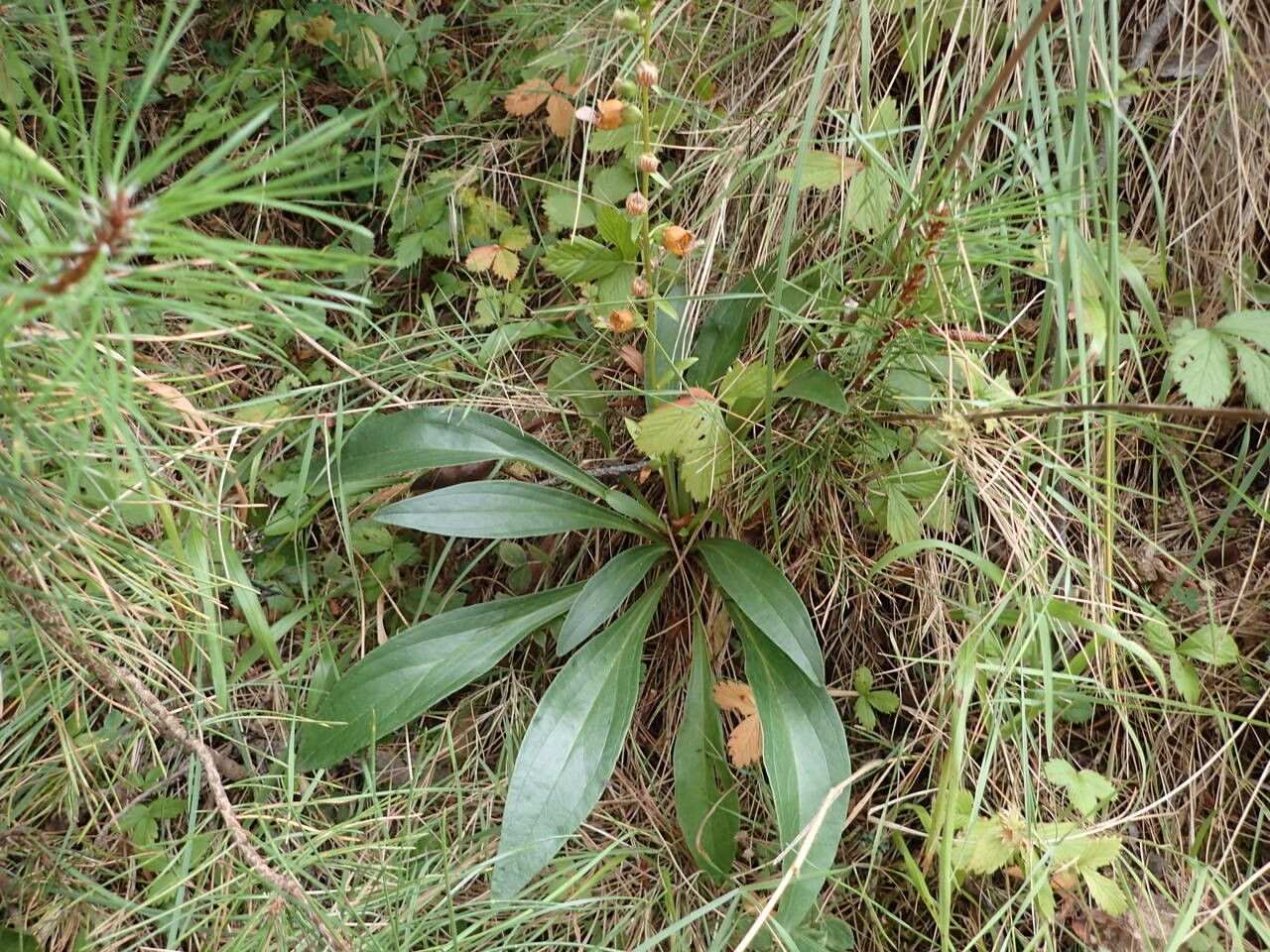
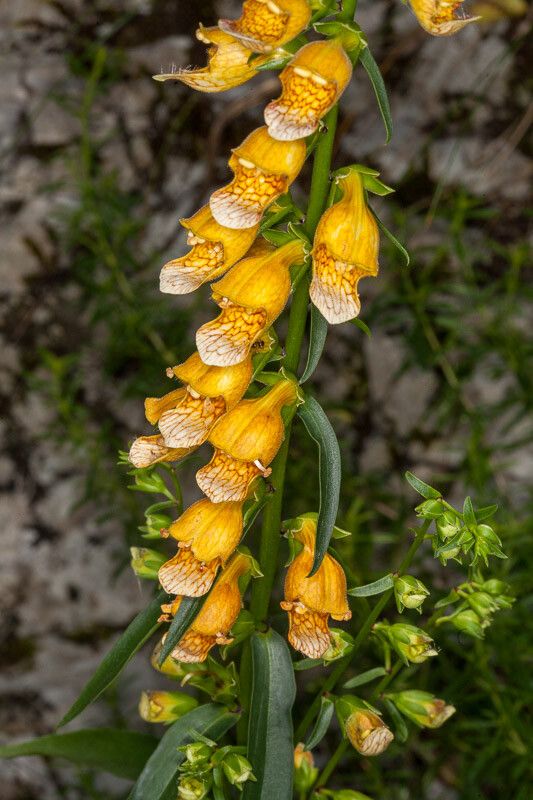
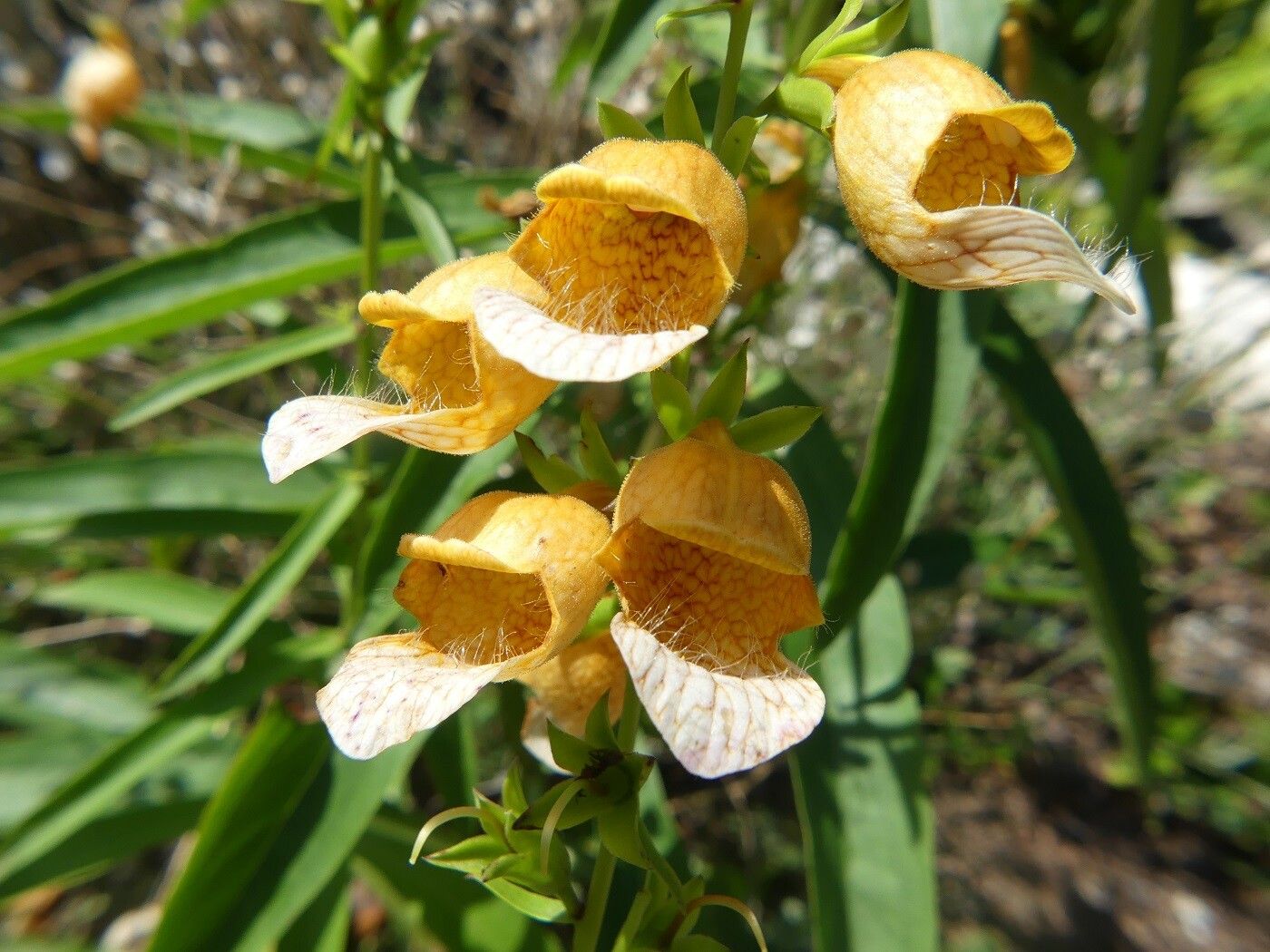
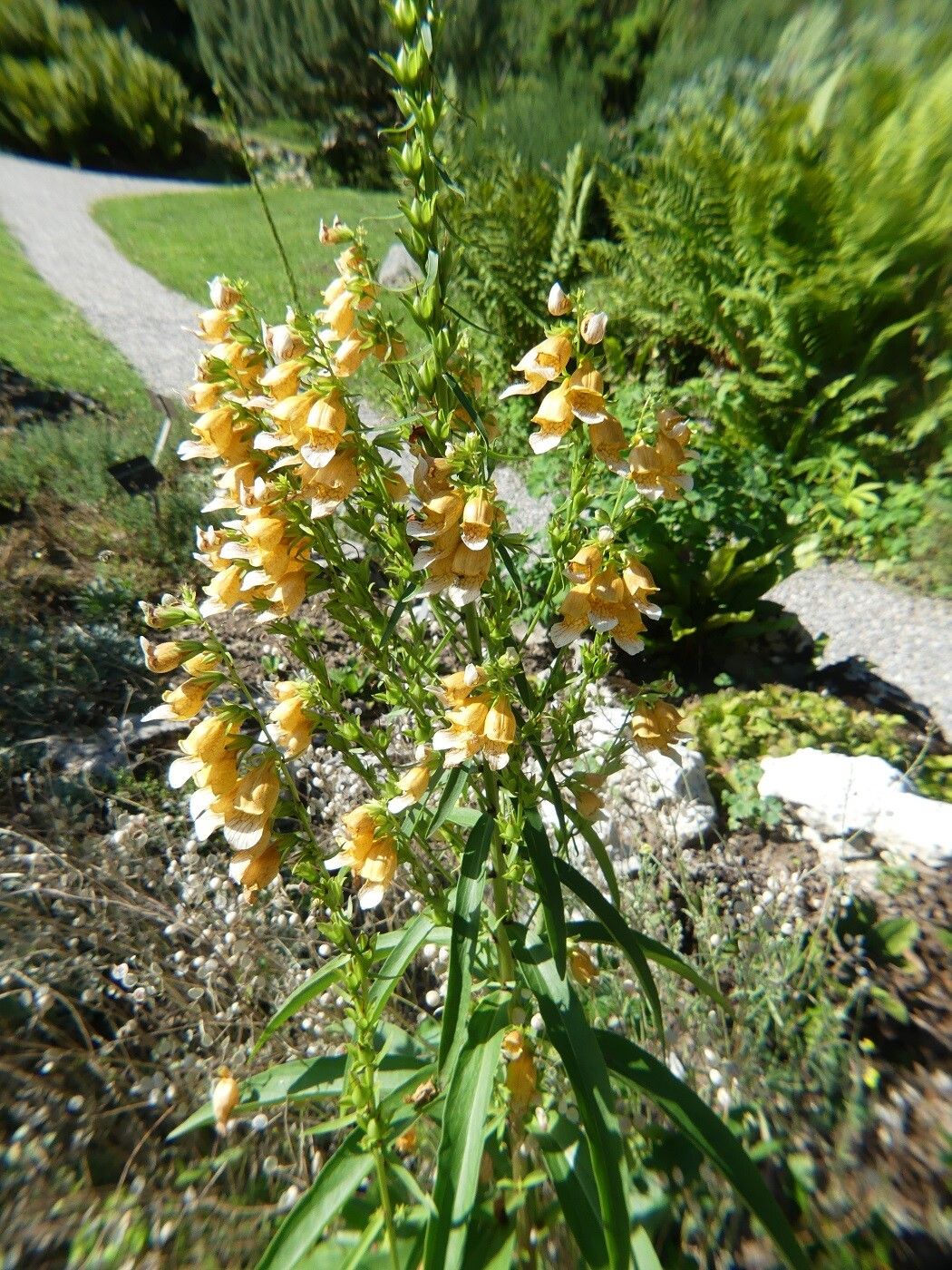
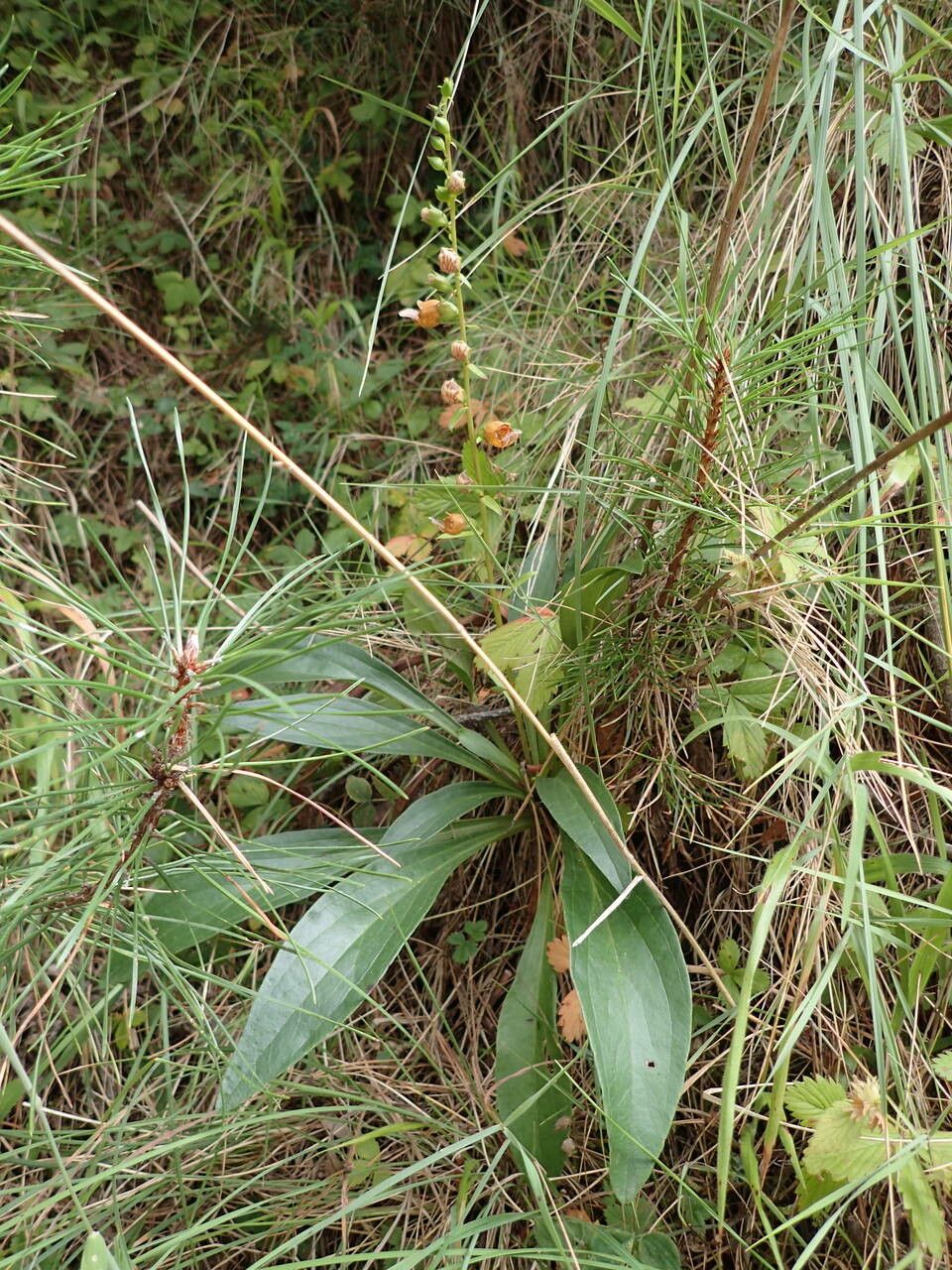
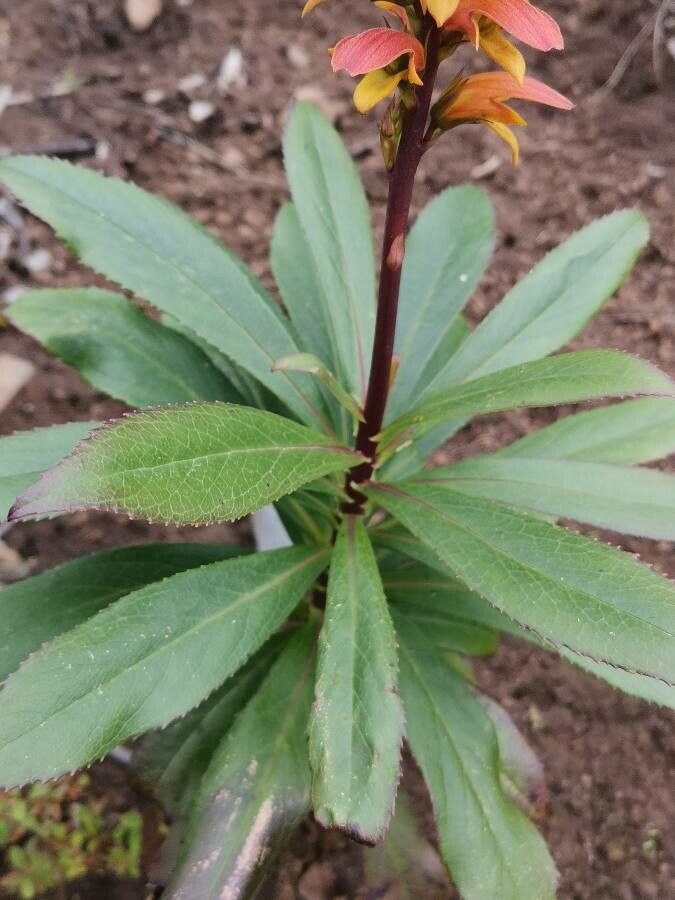
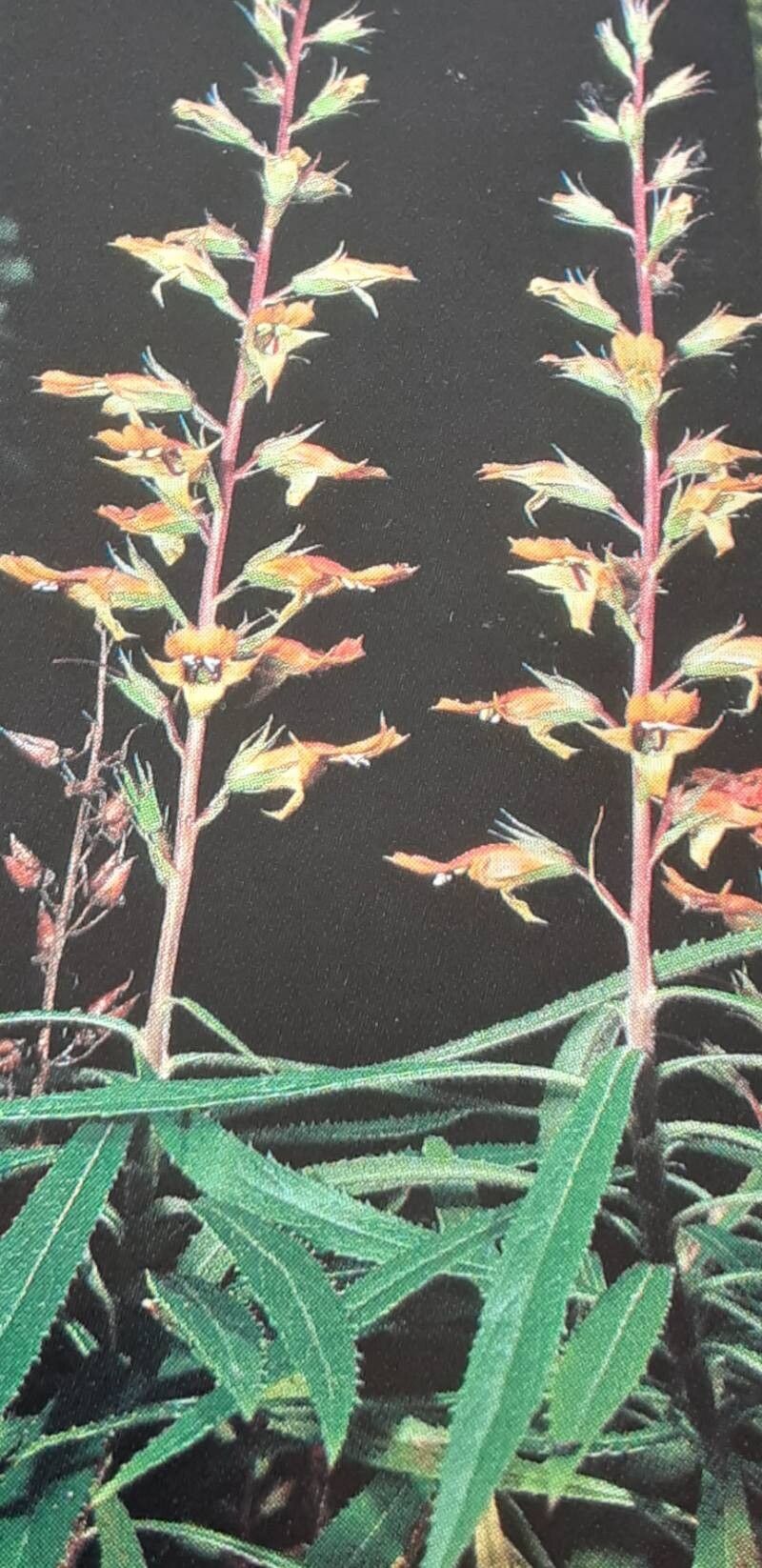
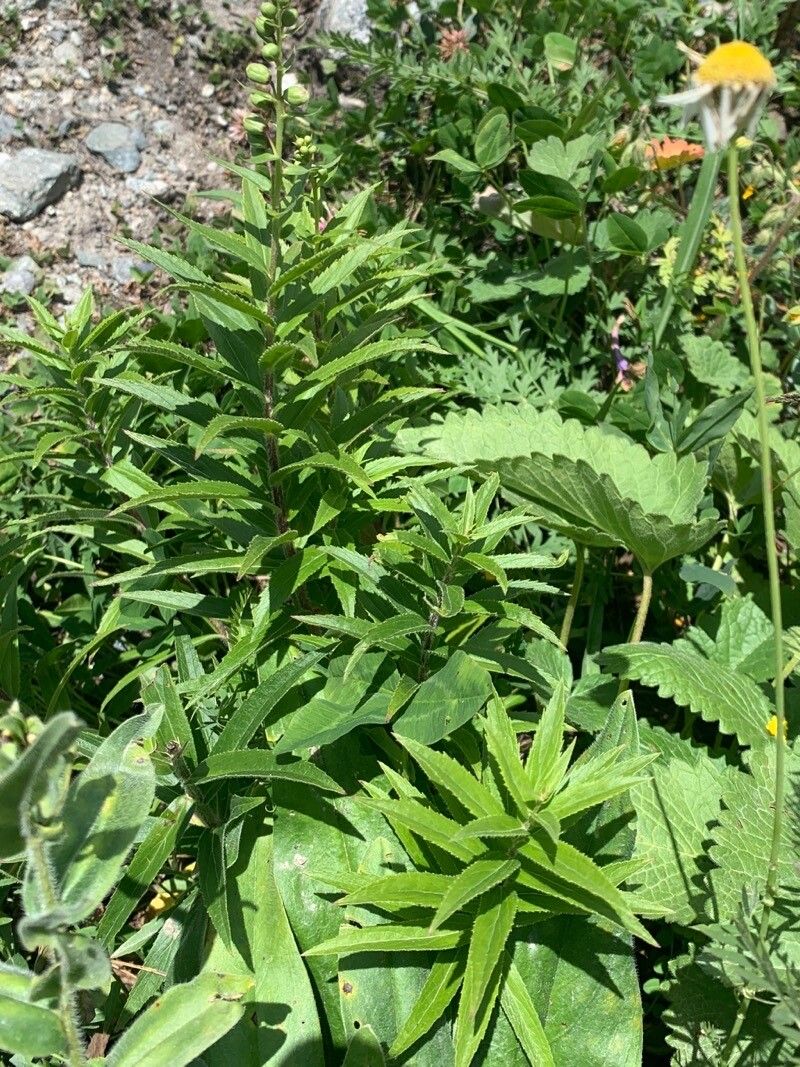
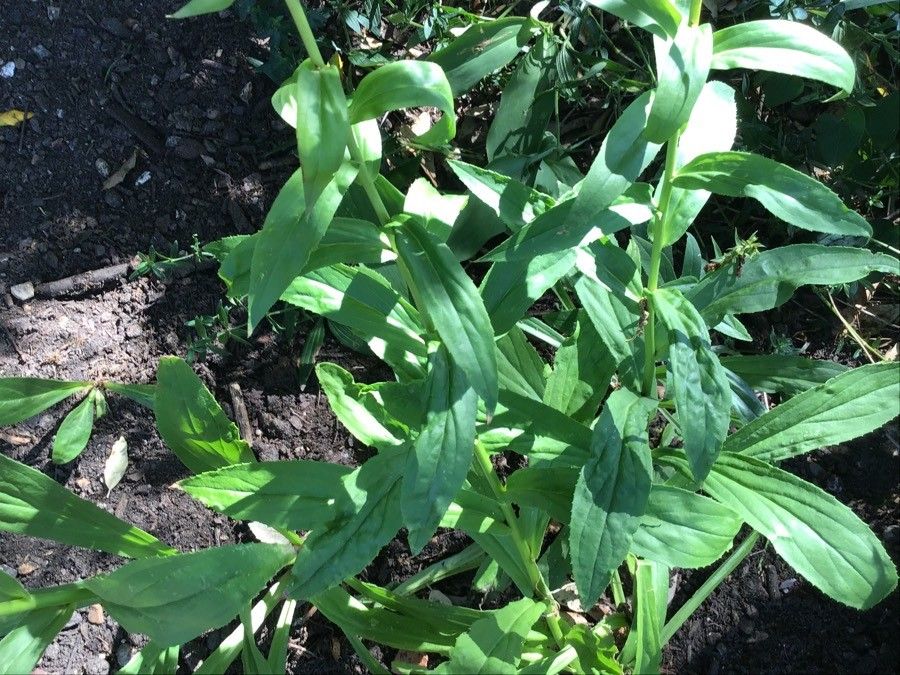
Digitalis laevigata, common names Grecian foxglove or giraffe foxglove, is a species of flowering plant in the genus Digitalis, in the family Plantaginaceae.
Grecian foxglove is fairly disease-resistant and generally not vulnerable to illnesses. Still, it can be affected by pests and diseases present in the surrounding area, though these problems are typically mild. As for care, the plant needs moderate maintenance. It should be pruned regularly to preserve a neat appearance and support healthy growth, and fertilizing can encourage flowering. Grecian foxglove is well suited to anyone who has an outdoor area, like a garden or patio, and does not demand extensive plant-care experience. It may need extra attention when kept indoors.
How to keep Digitalis Laevigata.
Light
Grecian foxglove is a sun-loving perennial herbaceous plant that comes from open habitats and commonly thrives in meadows and grasslands. It prefers full sun but can also tolerate partial sun.
Water
Grecian foxglove, originally from the Mediterranean, thrives in areas with moderate rainfall. For optimal growth, it needs to be watered weekly. Although it is drought-tolerant and can withstand short dry spells, consistent moisture helps it grow better. This plant is usually grown outdoors, where it benefits from well-drained soil and natural rain patterns.
Temperature
Grecian foxglove can tolerate a broad range of temperatures, but its range may still be restricted by specific combinations of moisture and heat. It grows best in warm summer conditions with sufficient rainfall or irrigation. Extended spells of cloudy, rainy weather or prolonged high temperatures raise the risk of Grecian foxglove dying. In winter, protecting the plant from cold can increase its chances of survival.
Fertilizer
The best time to fertilize a Grecian foxglove is in early spring, as it is coming out of dormancy and beginning active growth. Fertilizing supplies essential nutrients needed for healthy development. Although Grecian foxglove has relatively low fertilizer requirements, applying fertilizer annually can improve its survival and encourage better, longer-lasting flowers.
Pruning
Grecian foxglove is known for its tall spikes of tubular flowers. To keep these plants healthy and attractive, it's important to prune them from early to late spring. This process helps by removing dead growth, stimulating new shoots, and maintaining the plant's shape. Regular pruning prevents the plants from becoming leggy, encourages more blooms, and enhances the appearance of your garden. Be sure to make clean cuts and avoid over-pruning for the best results.
Botanical profile.
- Plant Type
- Herb
- Life Cycle
- Perennial, Biennial
- Genus
- Digitalis
- Family
- Plantaginaceae
- Hardiness Zone
- 4-8
- Mature Height
- 91 cm
- Mature Spread
- 40 cm
- Leaf Color
- Green
- Leaf Type
- Evergreen, Semi-evergreen, Deciduous
- Flower Color
- Yellow
- Flower Size
- 2.03 cm to 3.05 cm
- Bloom Time
- Early summer, Mid summer
- Planting Time
- Spring
- Harvest Time
- Late summer, Early fall
Other names.