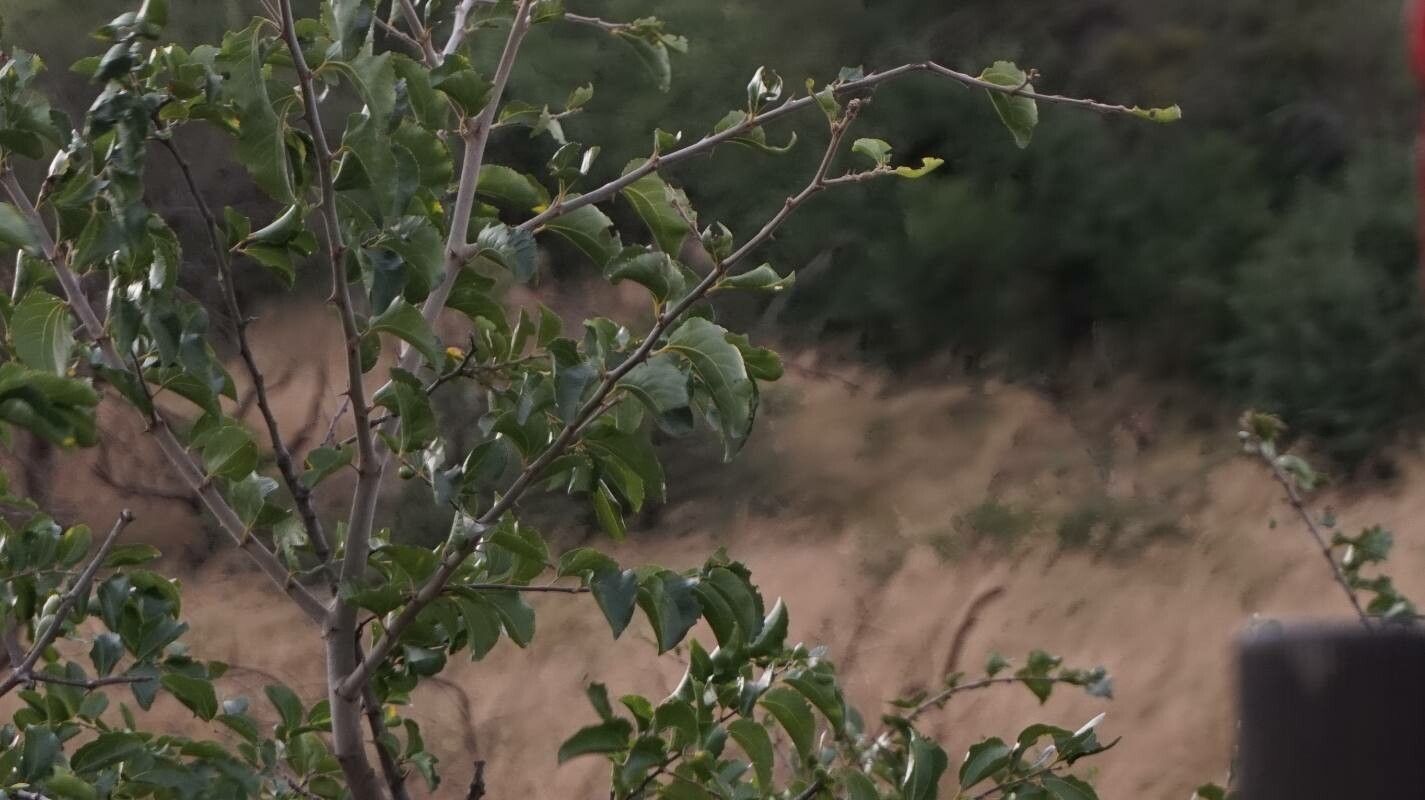
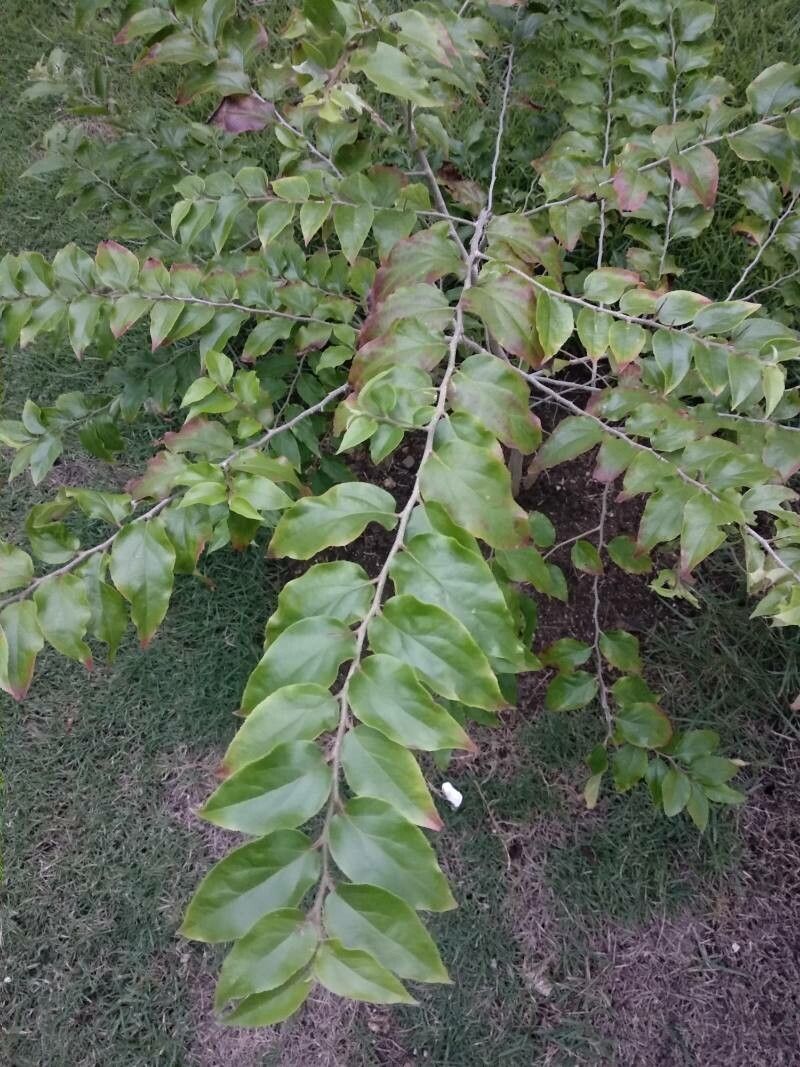
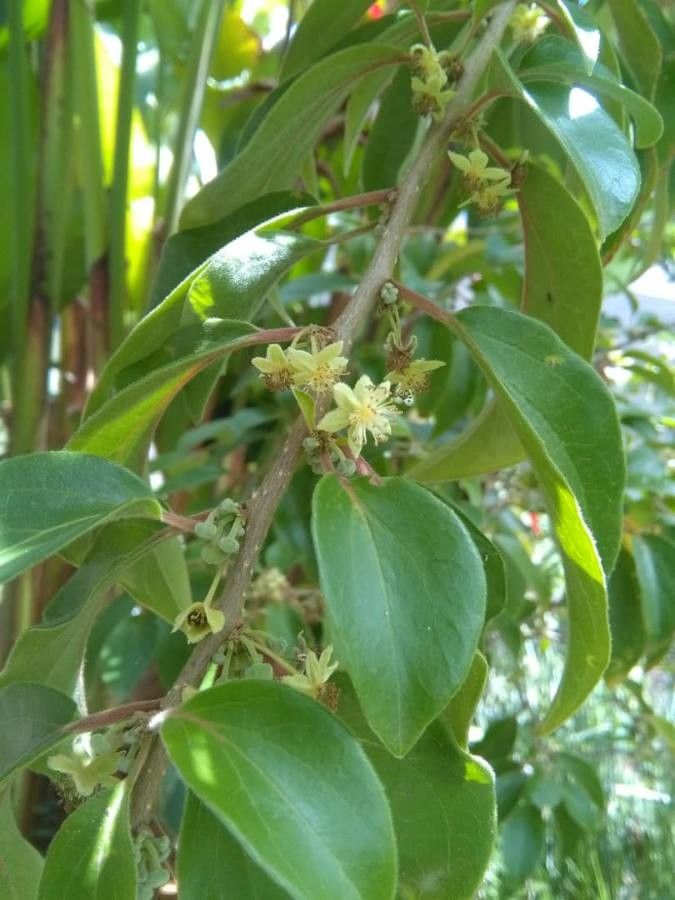
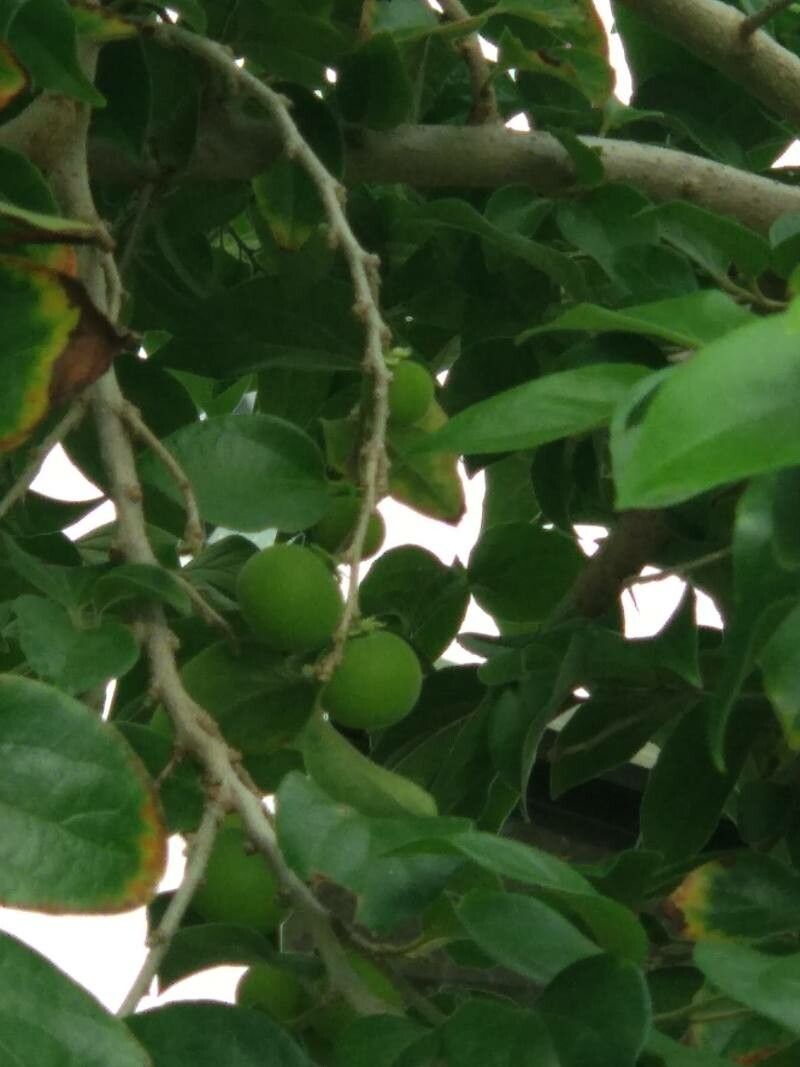
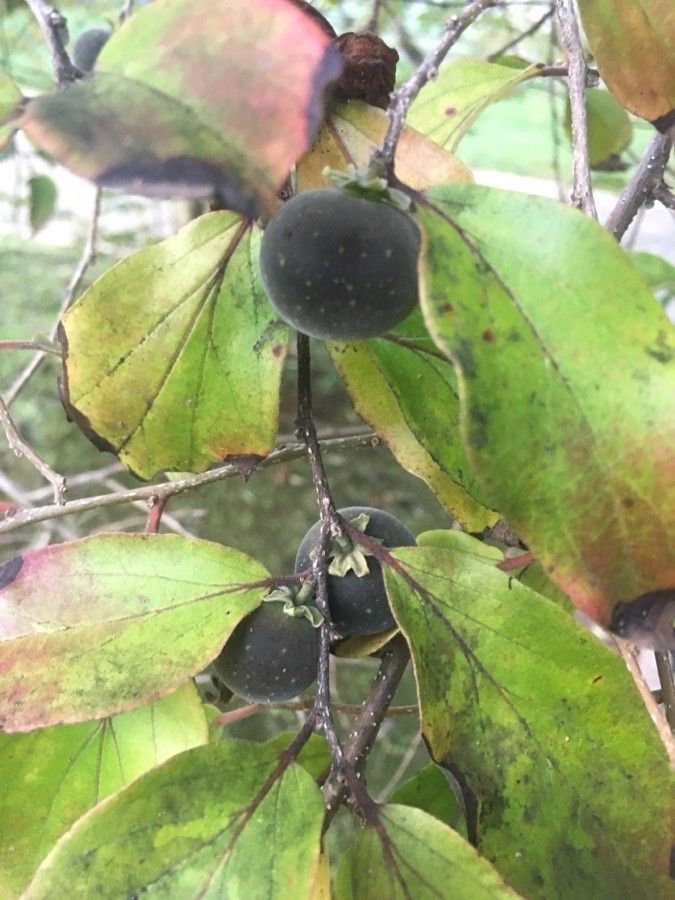
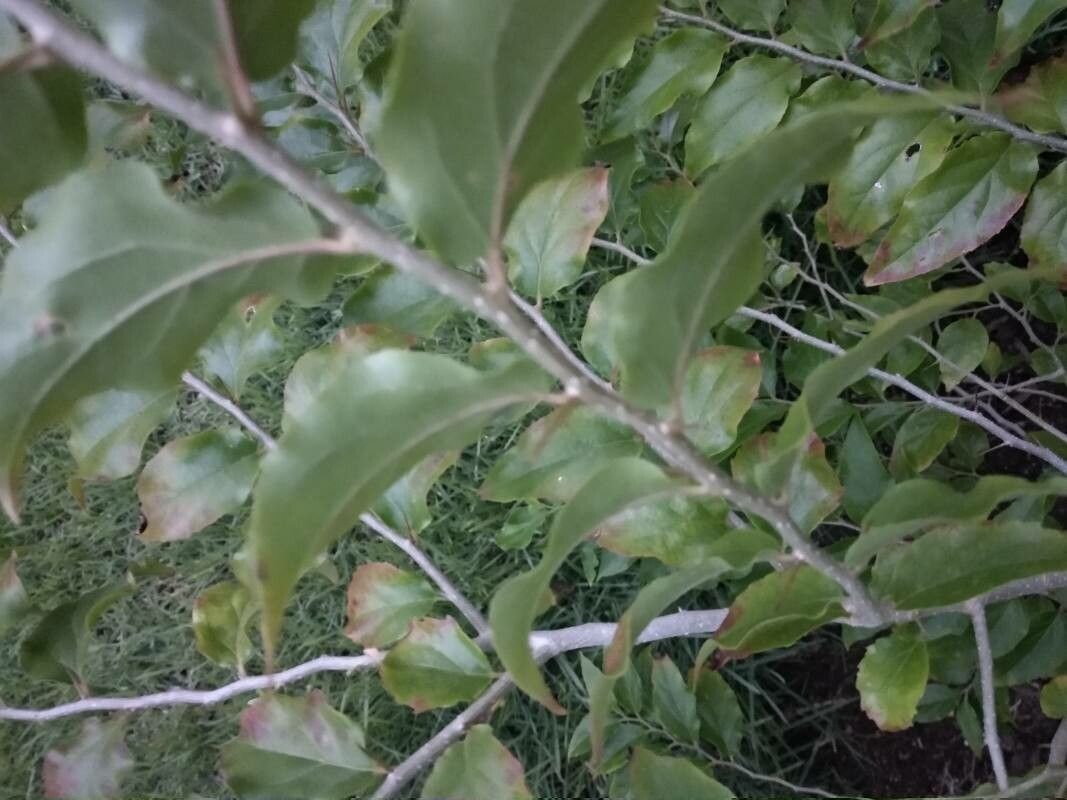
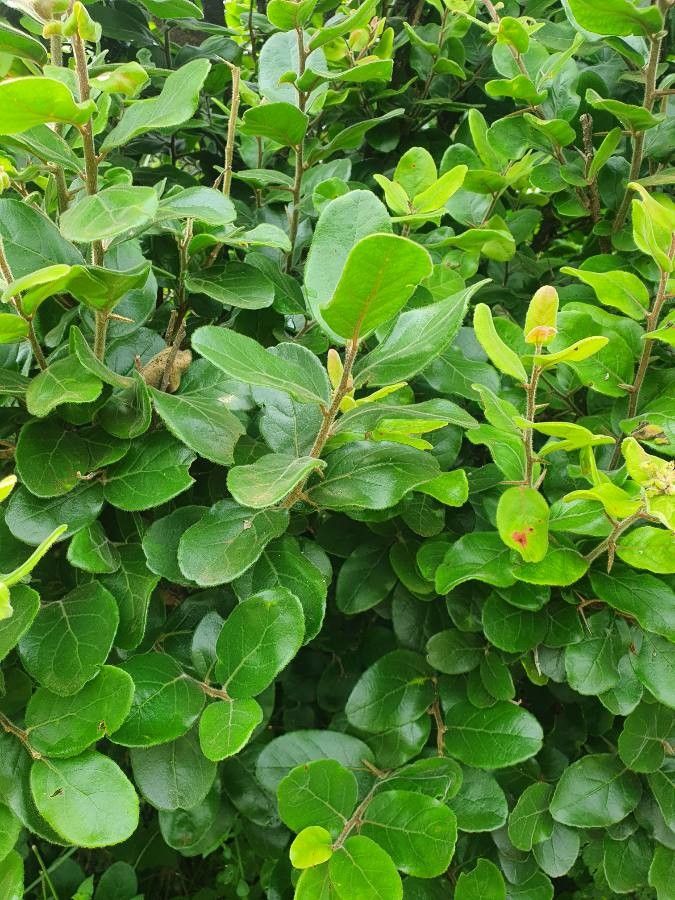
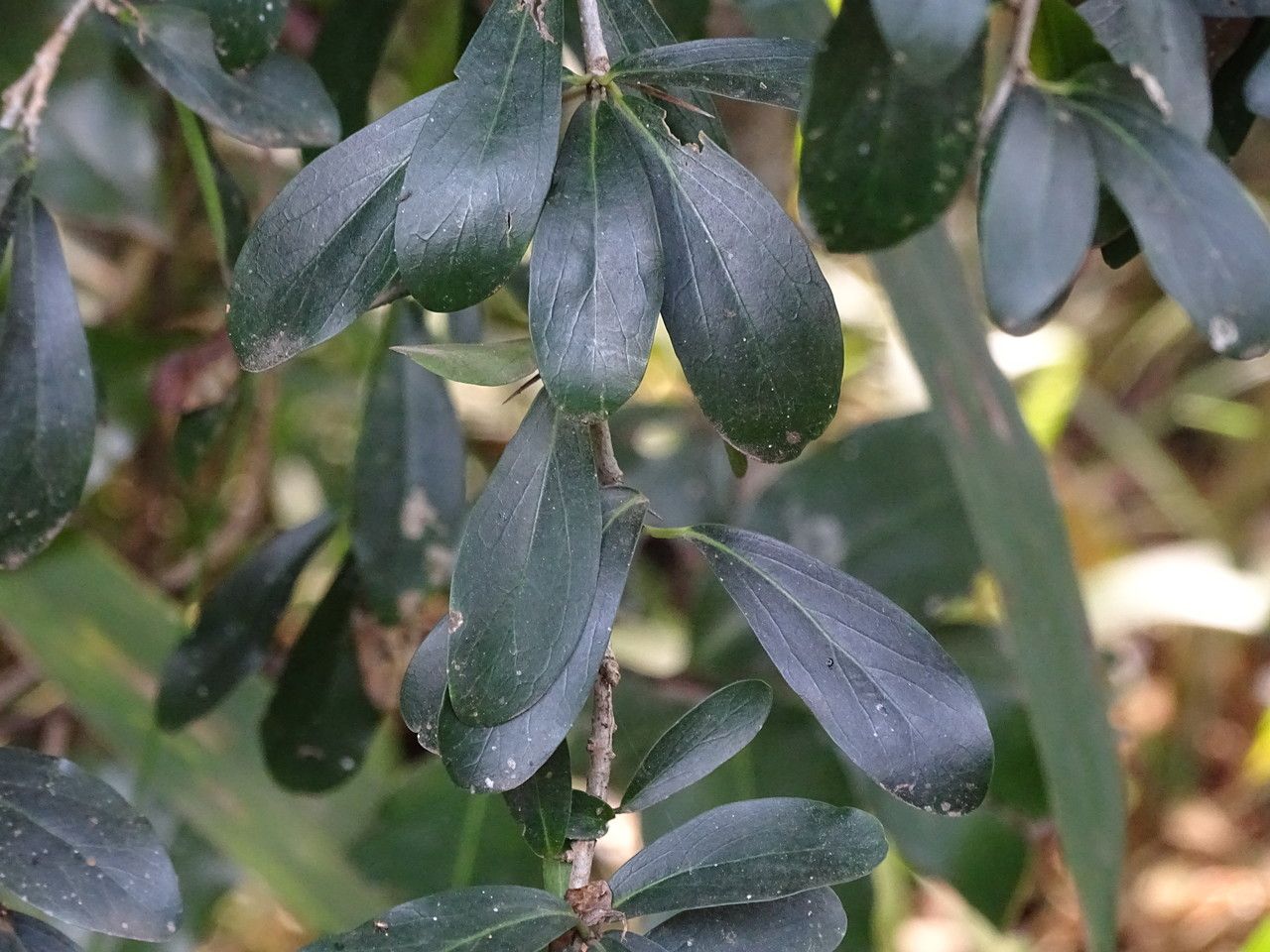
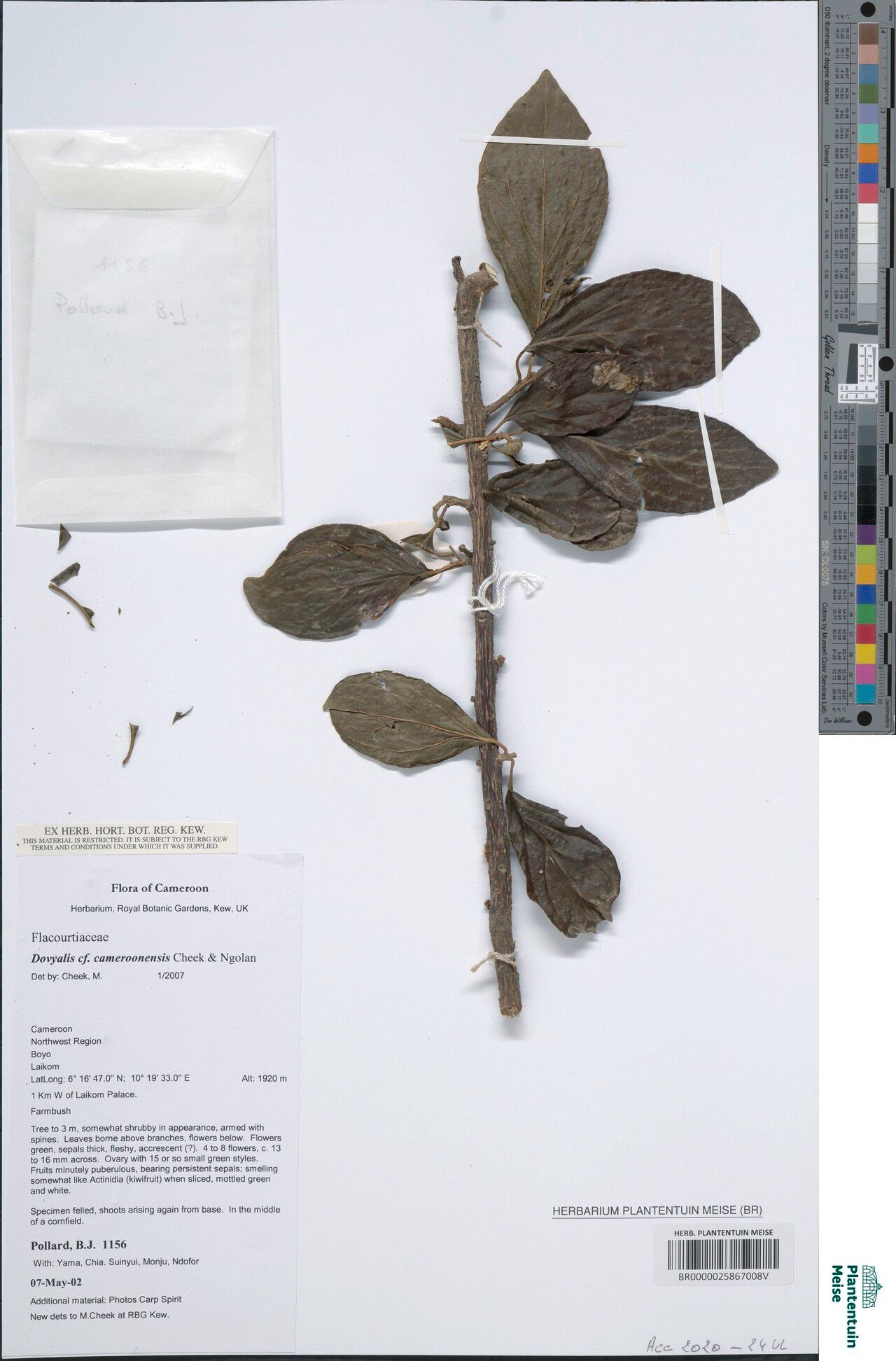
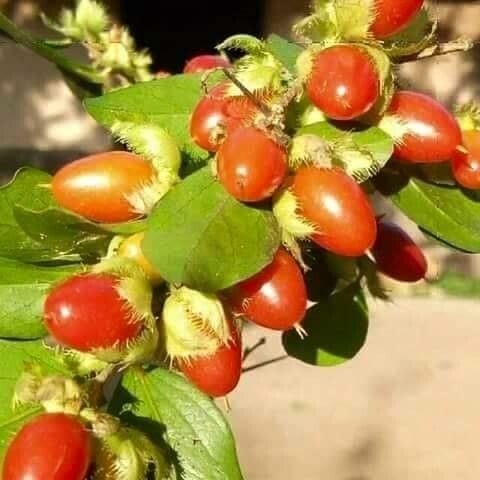
Dovyalis hebecarpa, with common names Ceylon gooseberry, ketembilla, and kitambilla, is a plant in the genus Dovyalis, native to Sri Lanka and southern India. The fruit are often eaten fresh, or made into jam. Some cultivars have been selected for being thornless (making harvesting easier) and for larger fruit. The tropical apricot, or ketcot, is a hybrid between D. hebecarpa and D. abyssinica that was developed in Florida in 1953 and is also cultivated for its fruit.
Ceylon gooseberry displays strong disease resistance and is typically unlikely to suffer from illnesses. Regarding care, this plant is fairly low-maintenance. When grown outdoors it requires minimal watering, and larger specimens usually do not need pruning. Smaller plants, however, should be pruned after they have bloomed. Ceylon gooseberryt is well suited to anyone with an outdoor space, such as a garden or a deck, and does not require much care experience.
How to keep Dovyalis Hebecarpa.
Light
The ceylon gooseberry is a plant species that does best in full sun. It can also grow well in locations where the sun's rays are occasionally interrupted. Originating from an environment with full sun, it is adapted to benefit from abundant sunlight, promoting healthy growth. Excessive shade can slow its growth, while extreme sun exposure can cause leaf scorch.
Water
The Ceylon gooseberry thrives in humid environments and prefers soil that remains consistently moist. Although it has a moderate tolerance for drought, it is important to water the plant every two weeks to maintain optimal hydration. As an evergreen, the Ceylon gooseberry needs a stable watering routine to ensure healthy growth. When grown outdoors, it benefits from natural rainfall.
Temperature
Ceylon gooseberry comes from regions with temperatures between 68 and 100.4 °F (20 to 38 ℃). It performs best within that temperature range. Seasonal adjustments may require providing some shelter if temperatures fall significantly below 68 °F (20 °C).
Fertilizer
Use organic fertilizers (for example, fish emulsion or compost) instead of chemical ones for Ceylon gooseberry. Give young plants higher nitrogen and phosphorus in spring. Work compost or fertilizer into the soil before or after planting. For mature plants, apply a balanced fertilizer or one specific to any deficiencies in spring. Nutrient deficiency results in small leaves, short branches, yellow or bronze foliage, acidic fruits, early fruit drop, and splitting.
Pruning
The Ceylon gooseberry is a tropical plant known for its edible berries and thorny branches. To encourage healthy growth and maintain its shape, it is best to prune the plant in the spring. Begin by removing any dead or crossing branches to improve air circulation. Additionally, thinning out older canes can boost fruit production. These steps will help ensure that the plant remains healthy and productive.
Botanical profile.
- Plant Type
- Tree, Shrub
- Life Cycle
- Perennial
- Genus
- Dovyalis
- Family
- Salicaceae
- Hardiness Zone
- 10-11
- Mature Height
- 4.57 m to 6.1 m
- Mature Spread
- 7.01 m
- Leaf Color
- Dark Green
- Leaf Type
- Evergreen
- Flower Color
- Yellow
- Flower Size
- 2.54 cm
- Bloom Time
- Late spring, Early summer, Mid summer
- Planting Time
- Spring, Summer
- Harvest Time
- Late summer, Fall
- Native Area
- Sri Lanka
Other names.
Reader questions.
How should I water my Ceylon gooseberry plant?
You can water your Ceylon gooseberry with any common watering tool, such as watering cans, hoses, or cups. It's important to water the soil directly, making sure to moisten all areas evenly to provide water to the entire root system. Filtering the water is helpful because tap water may contain harmful particles. The temperature of the water should be at or slightly above room temperature to avoid shocking the Ceylon gooseberry. Overall, this plant is adaptable and will generally respond well to any type of water.
Why is it important to add fertilizer to my Ceylon gooseberry plant?
Whether or not you need to fertilize depends on the soil's richness in your area. If the soil lacks nutrients, a Ceylon gooseberry will struggle to produce enough leaves, flowers, and fruits. To determine the nutrient status of the soil, a soil test is recommended. Nutrient deficiencies in the Ceylon gooseberry can result in small leaves, short branches, yellow or bronze foliage, and less flavorful fruits due to increased acidity. In some cases, nutrient deficiencies can lead to premature fruit drop or splitting.
What are the sunlight requirements for Ceylon gooseberry?
Ceylon gooseberry thrives in full sun, requiring more than 6 hours of sunlight a day, but can also grow well in partial sun, with about 3-6 hours of sunlight. It's crucial to observe the movement of sunlight through your garden and choose locations that offer a harmonious balance of light and shade to ensure the plants’ wellbeing.
What is the ideal temperature range for Ceylon gooseberry?
Ceylon gooseberry, botanically known as Dovyalis hebecarpa, thrives in climates where the temperature ranges from 68 to 100.4 °F (20 to 38 °C). It is extremely heat-loving, with optimal growth within this temperature range. Seasonal adjustments, such as providing shelter during temperatures below 68 °F (20 °C), are crucial. During the colder months, particularly in autumn, it is advisable to bring the plant indoors, placing it near a bright window but away from direct heat sources to maintain temperatures above 20°C. It is essential to keep the plant away from temperatures approaching 5°C, as such cold conditions can significantly harm it.
What should I do if I give my Ceylon gooseberry too much or too little water?
For outdoor plants, especially newly planted ones or seedlings, the lack of watering can be a problem. It's important to remember to water enough for a few months when the tree is small or recently planted. Once the roots are established, Ceylon gooseberry can usually rely on rain for water. When you have your Ceylon gooseberry planted in pots, overwatering is more likely. If you accidentally overwater your plant, take immediate action to fix the situation. First, stop watering your plant to minimize the effect of overwatering. Then, remove your Ceylon gooseberry from its pot to check its roots. If you find no signs of root rot, you can put your plant back in its container. If you do find root rot, trim away the affected roots and consider using a fungicide to prevent further damage. Finally, repot your Ceylon gooseberry in well-draining soil. If your Ceylon gooseberry is underwatered, simply water it more frequently. Underwatering is usually easy to fix. If you notice drooping, dried-out leaves that fall off, watering it enough will make the leaves regain their fullness. Make sure to adjust your watering schedule as soon as you realize the plant is underwatered.
When should I fertilize my Ceylon gooseberry?
To support the growth of young Ceylon gooseberry plants, it is recommended to use a fertilizer with higher nitrogen and phosphorus content. The best time to apply this fertilizer is during the spring of the first growing season. Prior to or right after planting, it is beneficial to add compost or another fertilizer to the soil. For mature plants, supplement with a balanced fertilizer or one that addresses specific soil deficiencies every few years during the spring and summer. It is important to avoid fertilizing Ceylon gooseberry plants in the autumn or winter.
What are the essential growing conditions for Ceylon gooseberry?
The Ceylon gooseberry is a plant that benefits from full sun exposure, indicative of its origin environment, which in turn supports its healthy growth. Although it can also do well with intermittent sun blocks, insufficient light can lead to growth issues. For indoor plants, artificial lighting can be a solution during less sunny periods or in winter, with LED lights recommended for their ability to mimic natural sunlight. Full sun plants need 30-50W/sq ft of light, partial sun plants 20-30W/sq ft, and full shade plants 10-20W/sq ft. Additionally, maintaining the correct distance (12-36 inches) above the plant and ensuring 8-12 hours of light per day can promote healthier growth.
How should I care for Ceylon gooseberry when temperatures fall below its preferred range?
Ceylon gooseberry is not tolerant of cold temperatures, requiring special care when the temperature drops below its preferred range of above 20°C. During winter, ensure the plant is kept above 5°C to prevent frost damage. If temperatures fall below 1°C, the leaves might lighten in color, with further frost damage causing browning or blackening and symptoms like wilting. To mitigate cold damage, trim off any frost-damaged parts and move the plant to a warm environment indoors, preferably near a south-facing window for ample sunlight. It's essential to avoid placing the plant near heaters or air conditioning vents, as these can cause excessive dryness.
How often do I need to water my Ceylon gooseberry?
Most outdoor plants can grow naturally with rainfall. However, if your area lacks rainfall, you should water your plants every 2 weeks during the spring and fall. In the summer, you will need to water them more frequently. In winter, when plants require less water, you should water them sparingly, and in some cases, you may not need to water them at all. If you have a young or newly planted Ceylon gooseberry, you should water it more often to help it establish and grow. For potted plants, there are two main ways to determine how often to water your Ceylon gooseberry. The first way is to set a predetermined watering schedule, such as once a week or once every other week. However, this may not always work because it doesn't take into account the specific growing conditions of your Ceylon gooseberry. Alternatively, you can adjust your watering frequency based on soil moisture. It's best to wait until the top two to four inches of soil have completely dried out before watering again. Keep in mind that during summer, when the plant's water needs are highest, a predetermined watering schedule might not be enough.
When is it a bad idea to add fertilizer to my Ceylon gooseberry plant?
To ensure the health of your Ceylon gooseberry plant, it is best to follow these guidelines regarding fertilizer. Firstly, refrain from fertilizing after pruning, during instances of disease or insect infestation, or when the plant is generally stressed. While fertilizer can address insufficient soil nutrients, it is incapable of addressing other potential issues that may negatively impact your Ceylon gooseberry. Therefore, accurately diagnosing the problem is crucial to ensure that fertilizer is not mistakenly applied when another factor is actually causing the issue. Additionally, it is advisable to avoid fertilizing the plant in winter or during extremely hot and dry periods in the summer.
What are the symptoms of light deficiency in Ceylon gooseberry?
Insufficient lighting can lead to several noticeable symptoms in Ceylon gooseberry, including smaller new leaves, leggy or sparse growth, faster leaf drop, slower or no new growth, lighter-colored new leaves, chlorosis, sunscald, leaf curling, wilting, and leaf scorching. These symptoms indicate the plant's struggle with inadequate light exposure, affecting its growth, color, and overall health.
What steps should I take if Ceylon gooseberry experiences high temperatures?
During the summer, it's crucial to ensure that the temperature around Ceylon gooseberry stays below 38°C. Exposing the plant to temperatures above 43°C may lighten the leaf color and increase susceptibility to sunburn. If such high temperatures occur, you should trim away sunburned and dried-up parts of the plant. Moving the plant to a shaded location, especially away from the direct midday and afternoon sun, will help protect it. To further assist the plant in coping with high temperatures, water it during the cooler morning and evening hours, keeping the soil moist.