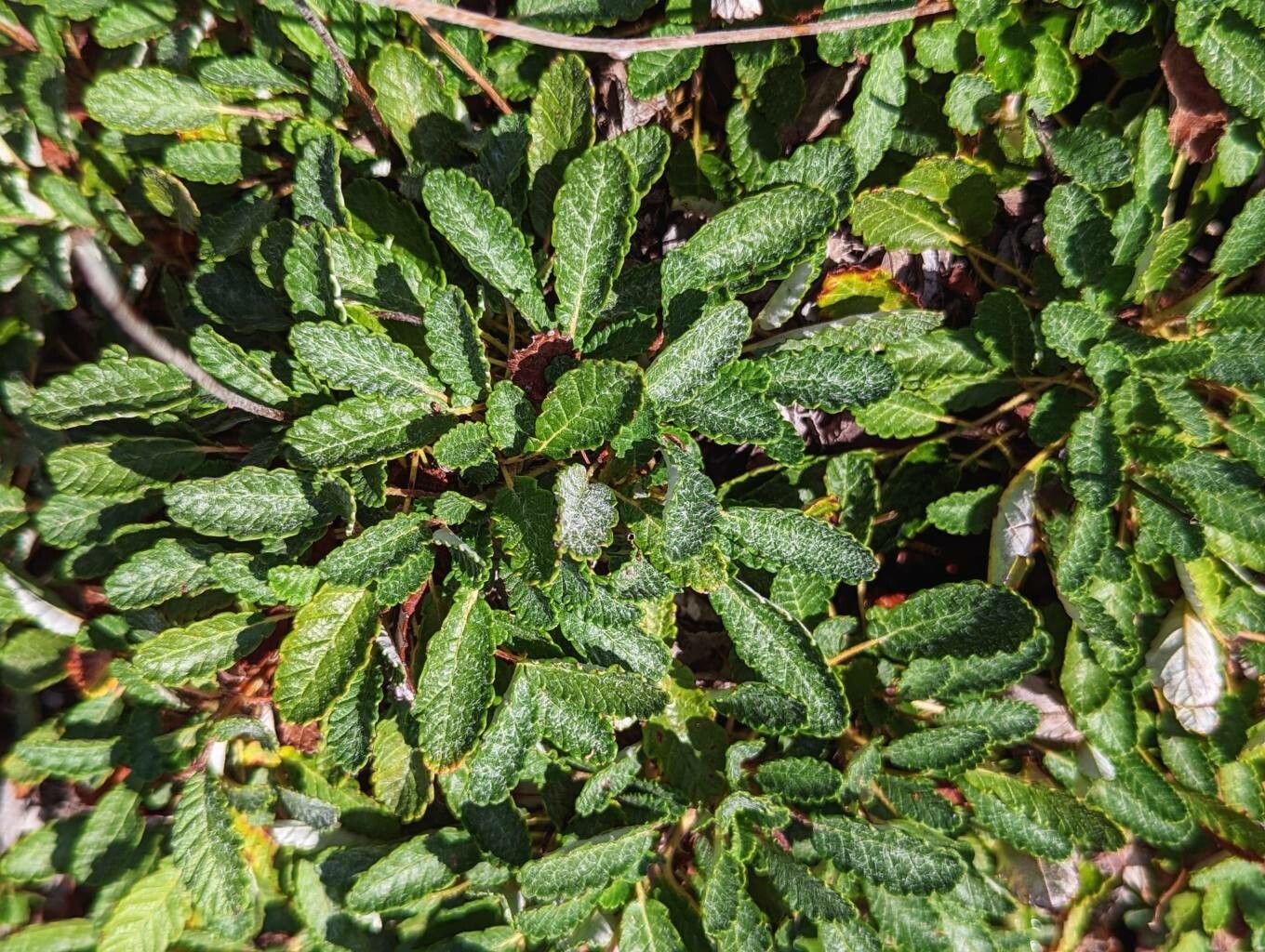
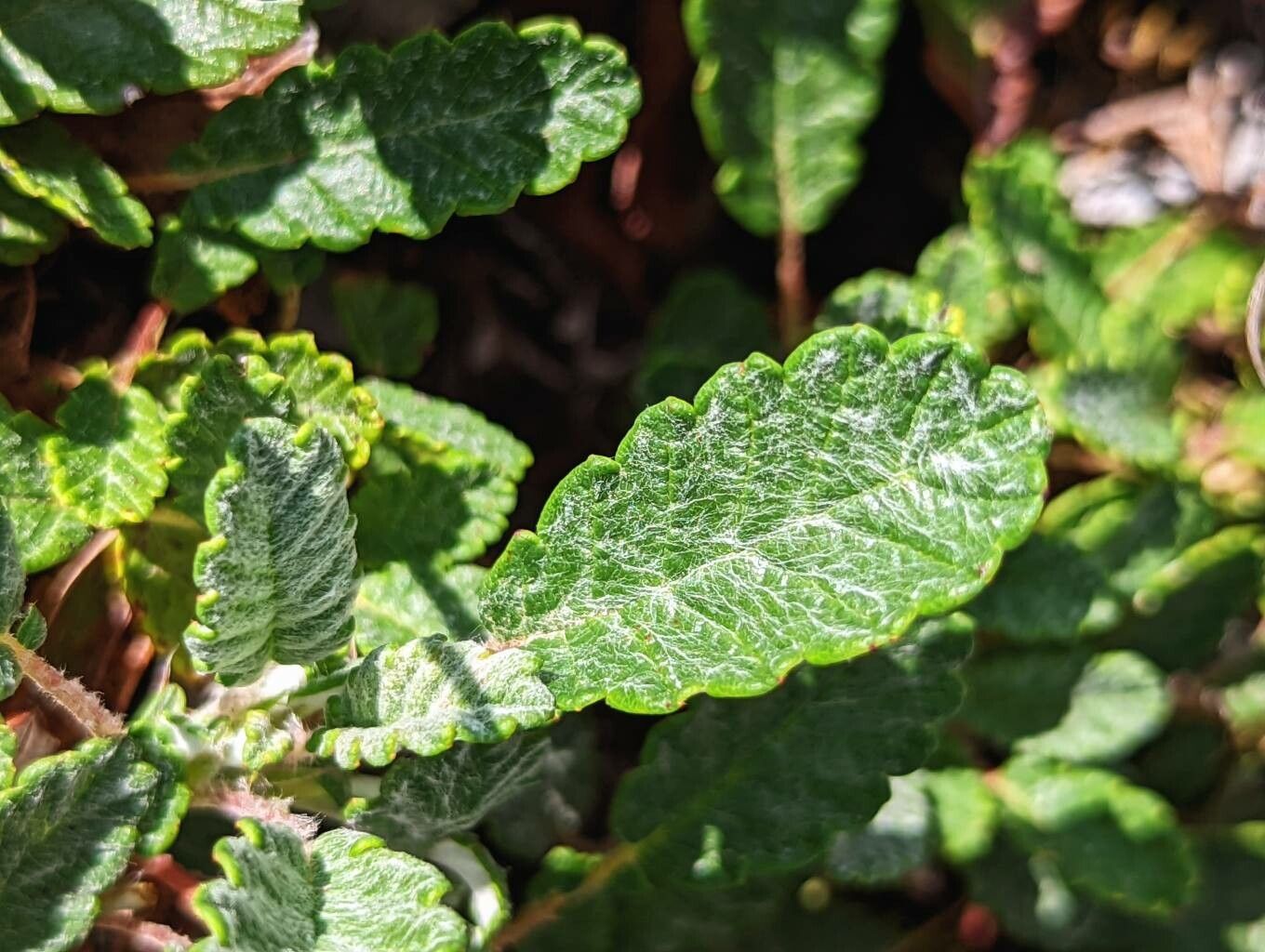
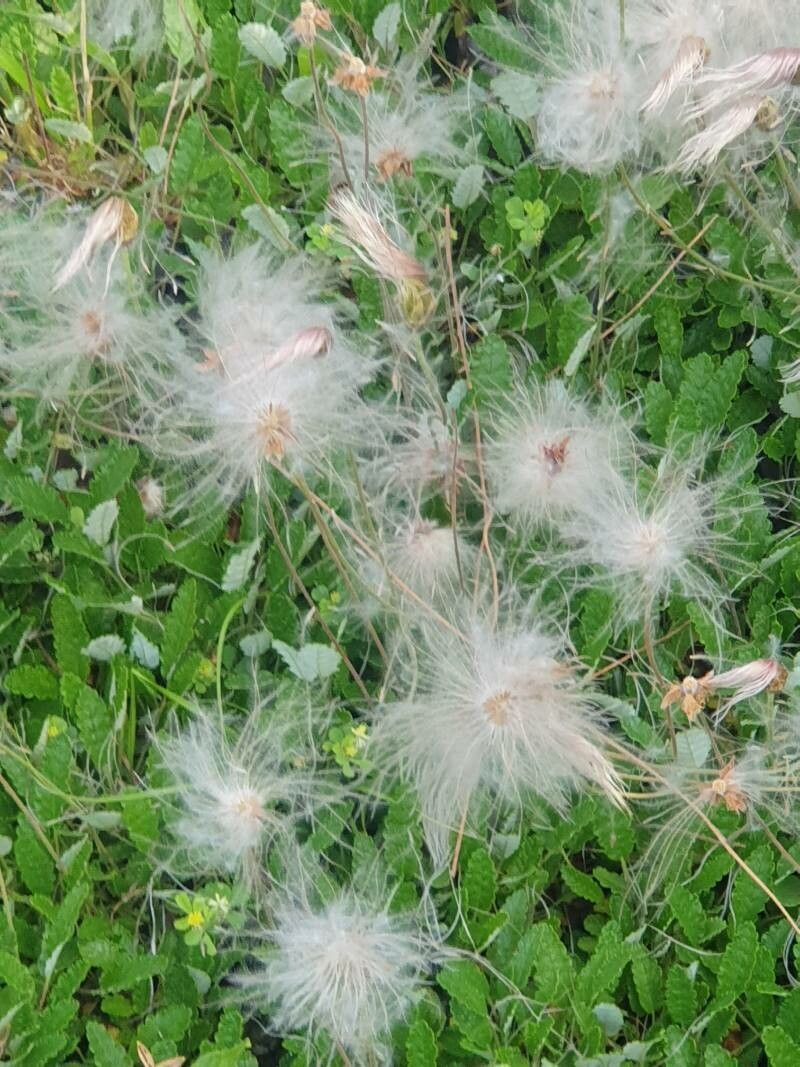
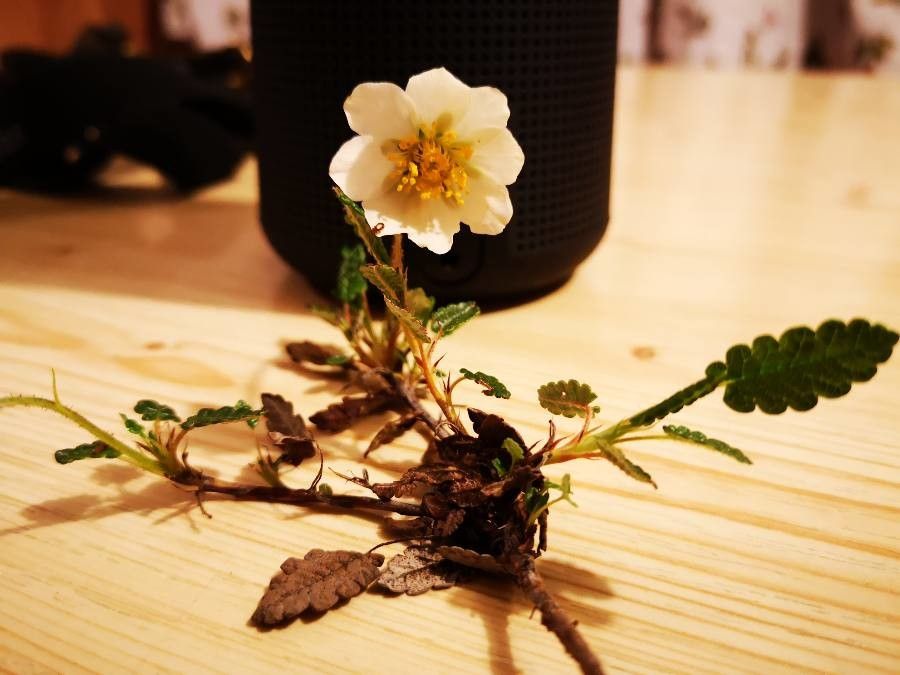
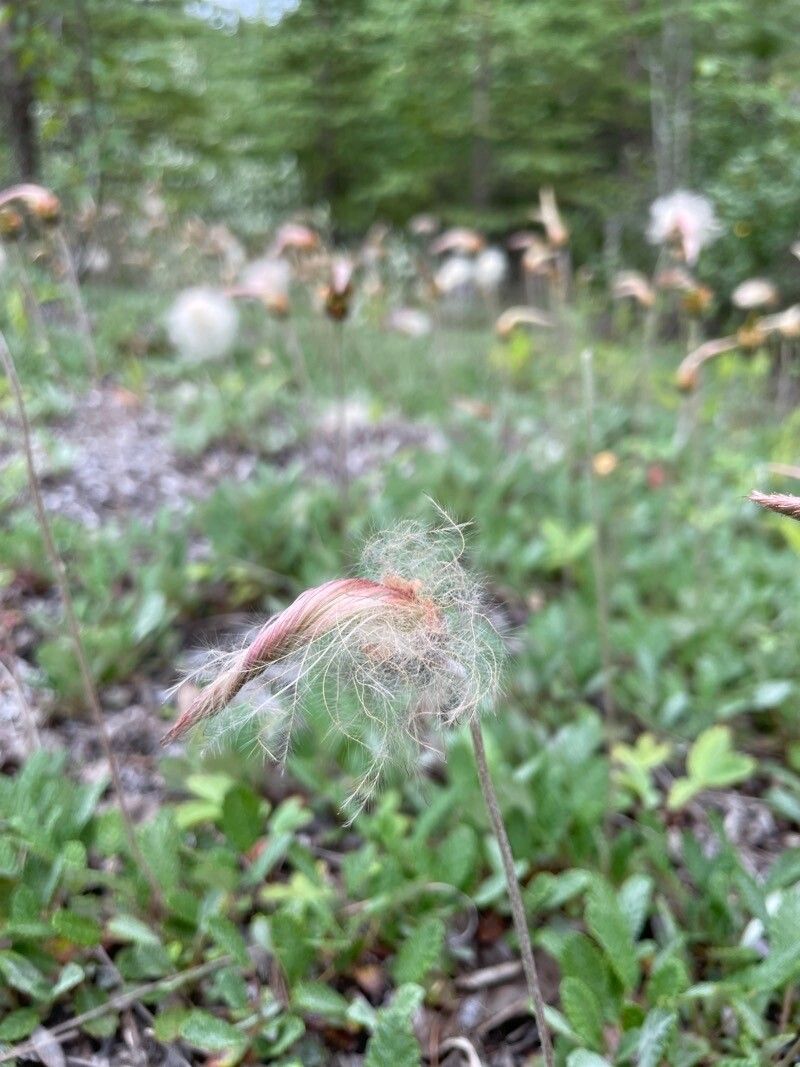
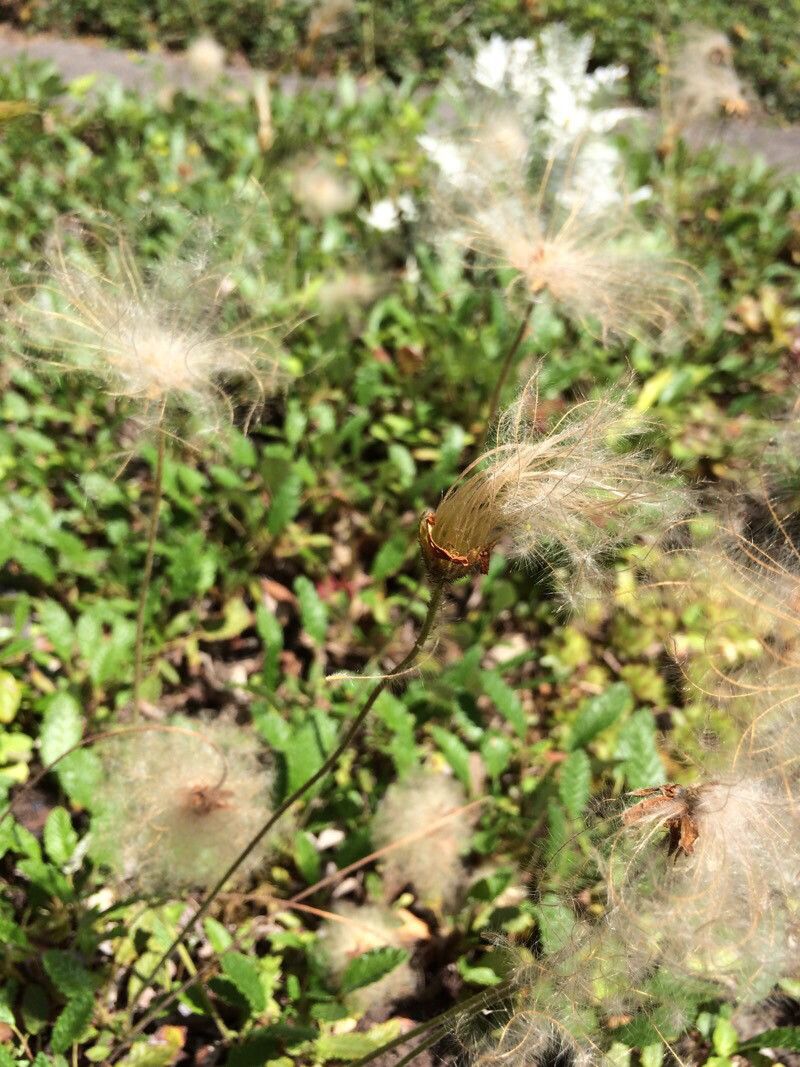
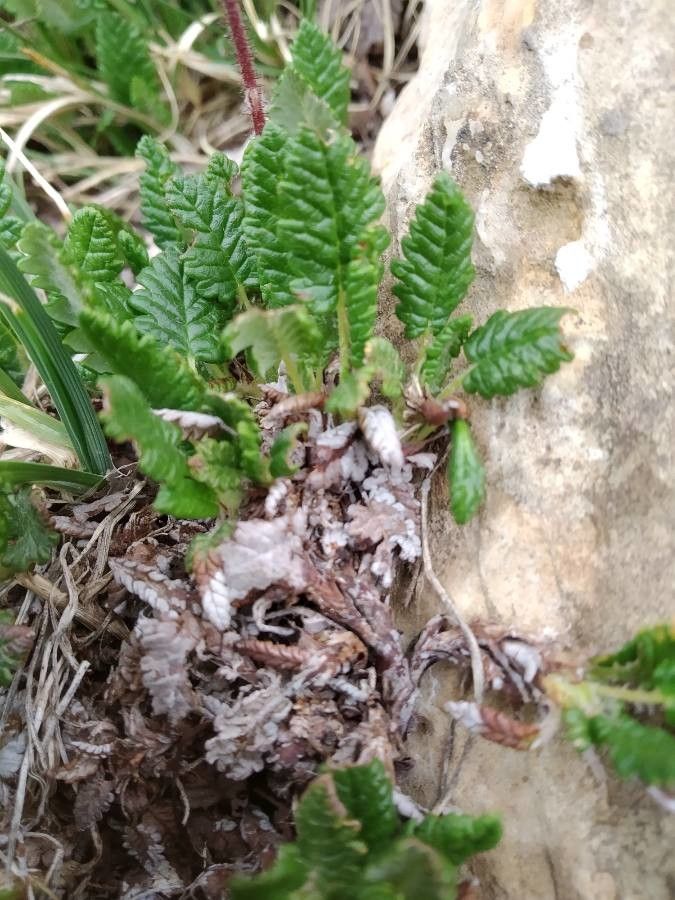
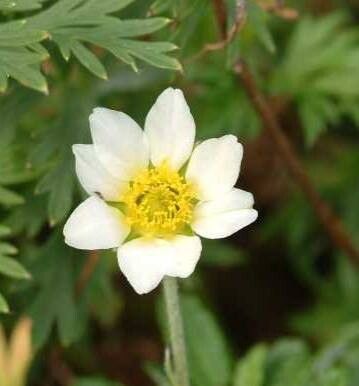
Dryas drummondii is a species of flowering plant in the rose family known by the common names yellow mountain-avens, yellow dryas, or yellow dryad. It is native to Alaska, Canada, and northern states in the contiguous United States. This species is actinorhizal, able to live in symbiosis with nitrogen-fixing bacteria.
Yellow mountain-avens is fairly disease-resistant and generally not prone to illnesses. However, it can be vulnerable to pests and diseases present in its surroundings. These problems are usually not severe. In terms of care, the plant requires moderate maintenance. It should be pruned regularly to preserve a neat appearance and promote healthy growth. Fertilizing can also help encourage flowering. Yellow mountain-avens is suitable for anyone with outdoor space, such as a garden or patio, and does not demand extensive care experience. It may need more attention when grown indoors.
How to keep Dryas Drummondii.
Light
Yellow mountain-avens is a perennial herbaceous plant that prefers sunny locations and originates from open habitats, commonly occurring in meadows and grasslands. It favors full sun but can also tolerate partial sun.
Water
Yellow mountain-avens originate from alpine and arctic tundras, where they thrive in well-drained soils with moderate moisture levels. To stay healthy, these plants need watering once a week. They adapt well to natural rainfall and can benefit from additional watering, especially during the growing season, to ensure lush foliage and vibrant blooms.
Temperature
Yellow mountain-avens does best in cold climates and at high altitudes. It prefers cool temperatures, good airflow, and a moist environment. In summer, steps should be taken to keep it cool, since it is very sensitive to heat and can easily die; dry conditions can also harm the plant. In winter, no special cold protection is necessary, but keeping the soil moist is important.
Fertilizer
The best time to fertilize Yellow mountain-avens is in early spring when the flowers are beginning to form. Using the proper fertilizer promotes improved blooms and helps Yellow mountain-avens produce attractive flowers. Fertilizing in early spring assures strong flowering during the season and supplies energy for dormant growth phases.
Pruning
The Yellow Mountain Avens is a resilient perennial plant featuring yellow flowers and evergreen foliage. To maintain its health and appearance, prune the plant from early to late spring. This will help remove dead wood, encourage growth, and improve airflow, which can prevent diseases. When pruning, concentrate on trimming back the oldest stems to stimulate vigorous blooming, ensuring the plant remains healthy and visually appealing.
Botanical profile.
- Plant Type
- Herb, Shrub
- Life Cycle
- Perennial
- Genus
- Dryas
- Family
- Rosaceae
- Hardiness Zone
- 2-7
- Mature Height
- 0 cm to 30 cm
- Mature Spread
- 91 cm
- Leaf Color
- Dark Green
- Leaf Type
- Evergreen
- Flower Color
- White, Yellow
- Flower Size
- 2.54 cm
- Bloom Time
- Late spring, Early summer
- Planting Time
- Spring, Summer, Autumn
- Harvest Time
- Mid summer, Late summer
Other names.
Reader questions.
What are the sunlight requirements for Yellow mountain-avens (Dryas drummondii)?
Yellow mountain-avens, or Dryas drummondii, thrives in conditions that meet specific sunlight requirements. For optimal growth, it requires full sun, which means the plant should receive above 6 hours of sunlight daily. Alternatively, it can also flourish under partial sun, with about 3-6 hours of sunlight. It's essential to observe the movement of sunlight through your garden to identify spots that offer a perfect balance of light and shade. This careful selection ensures that your plants remain happy and healthy.