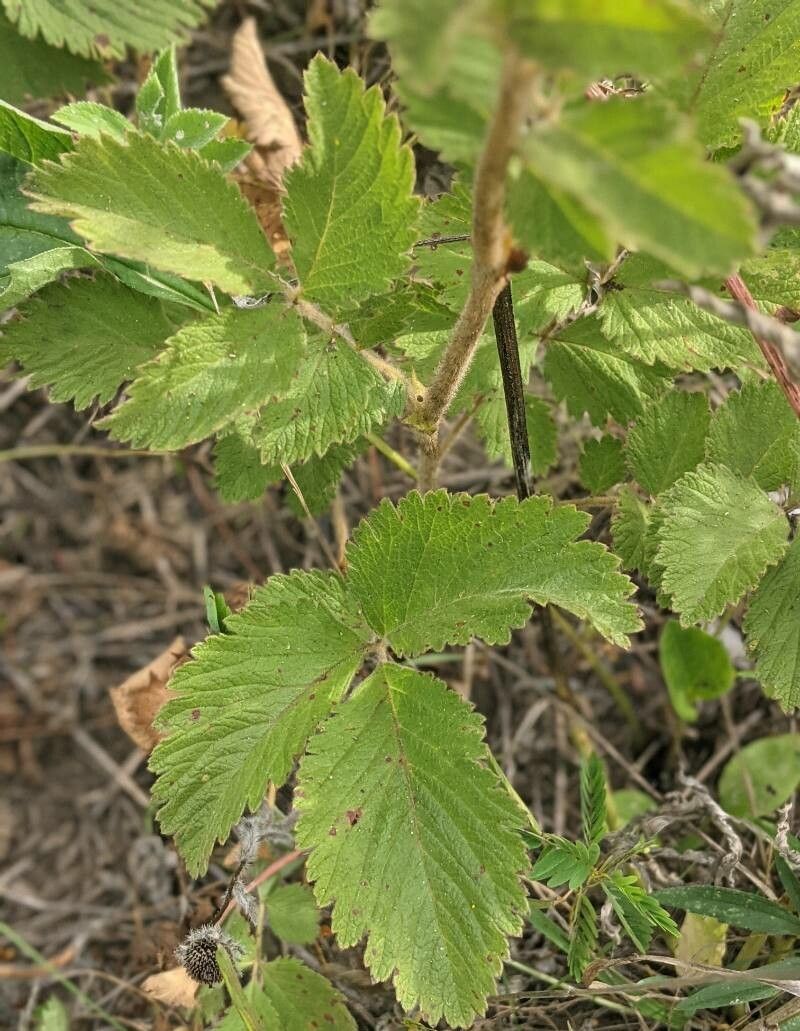
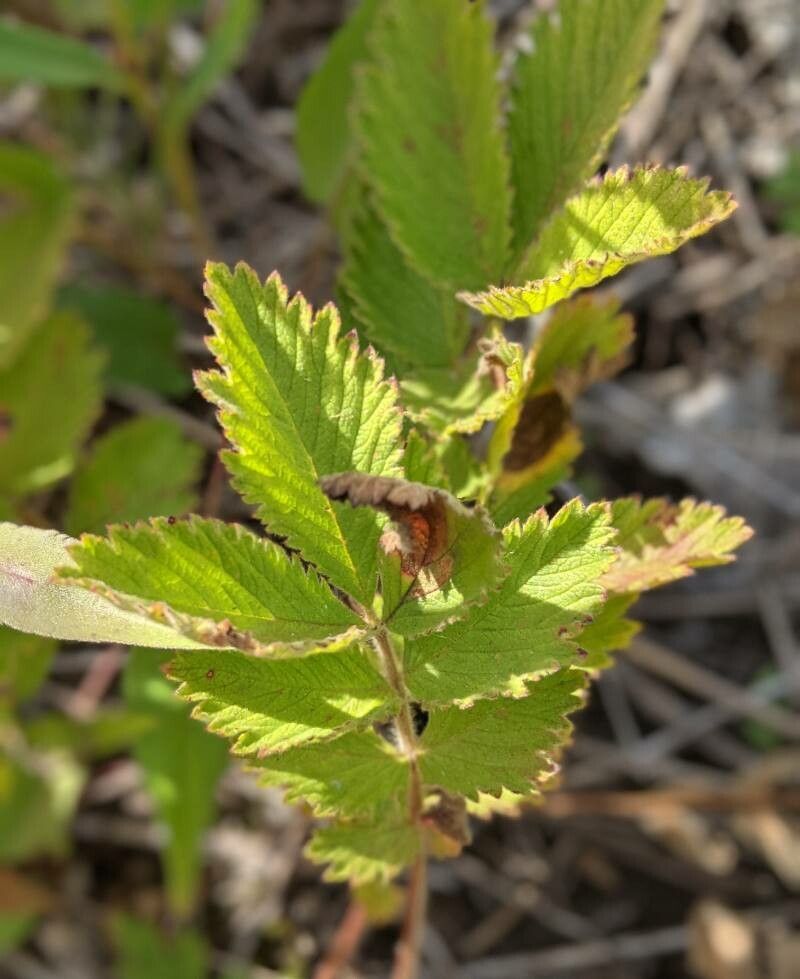
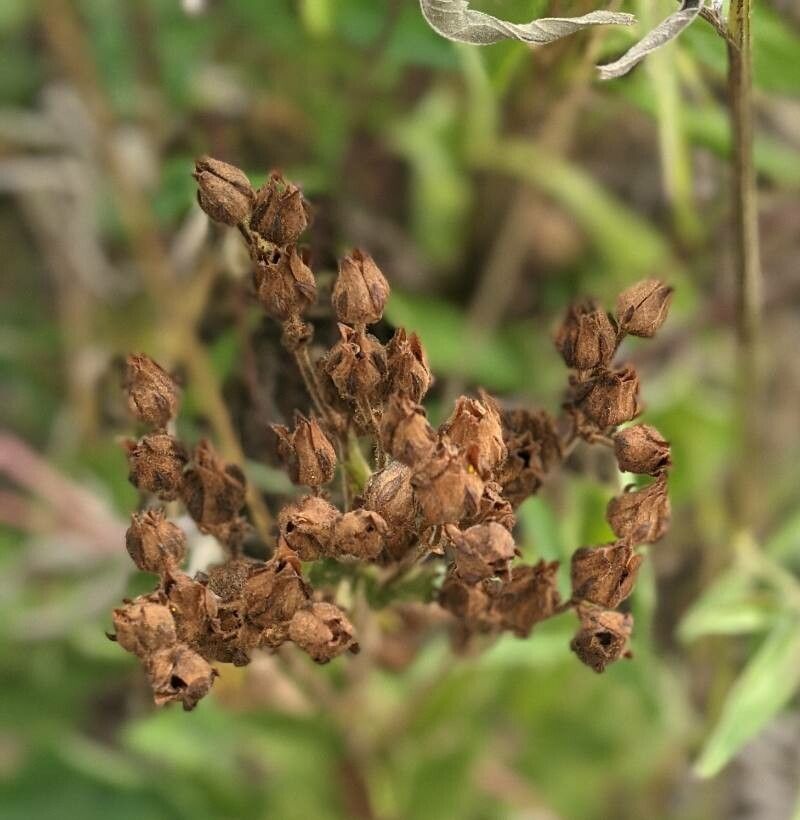
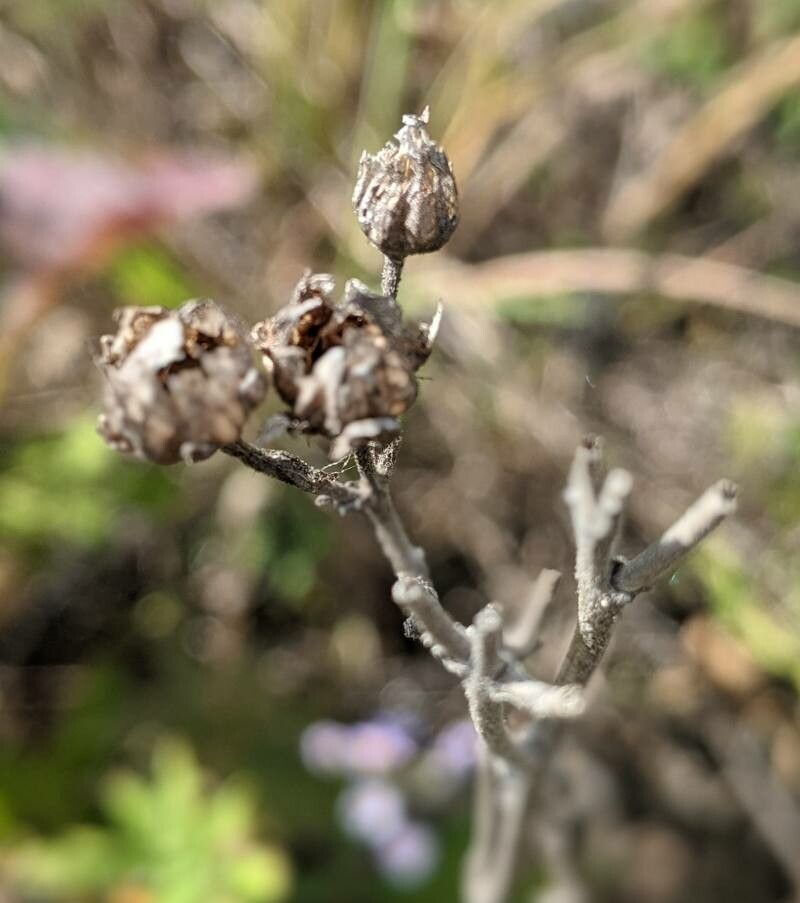
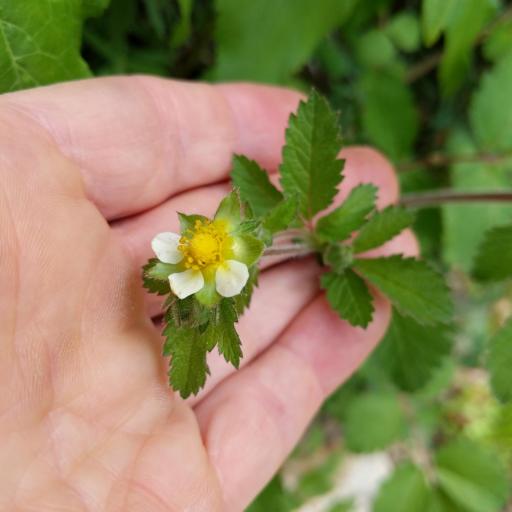
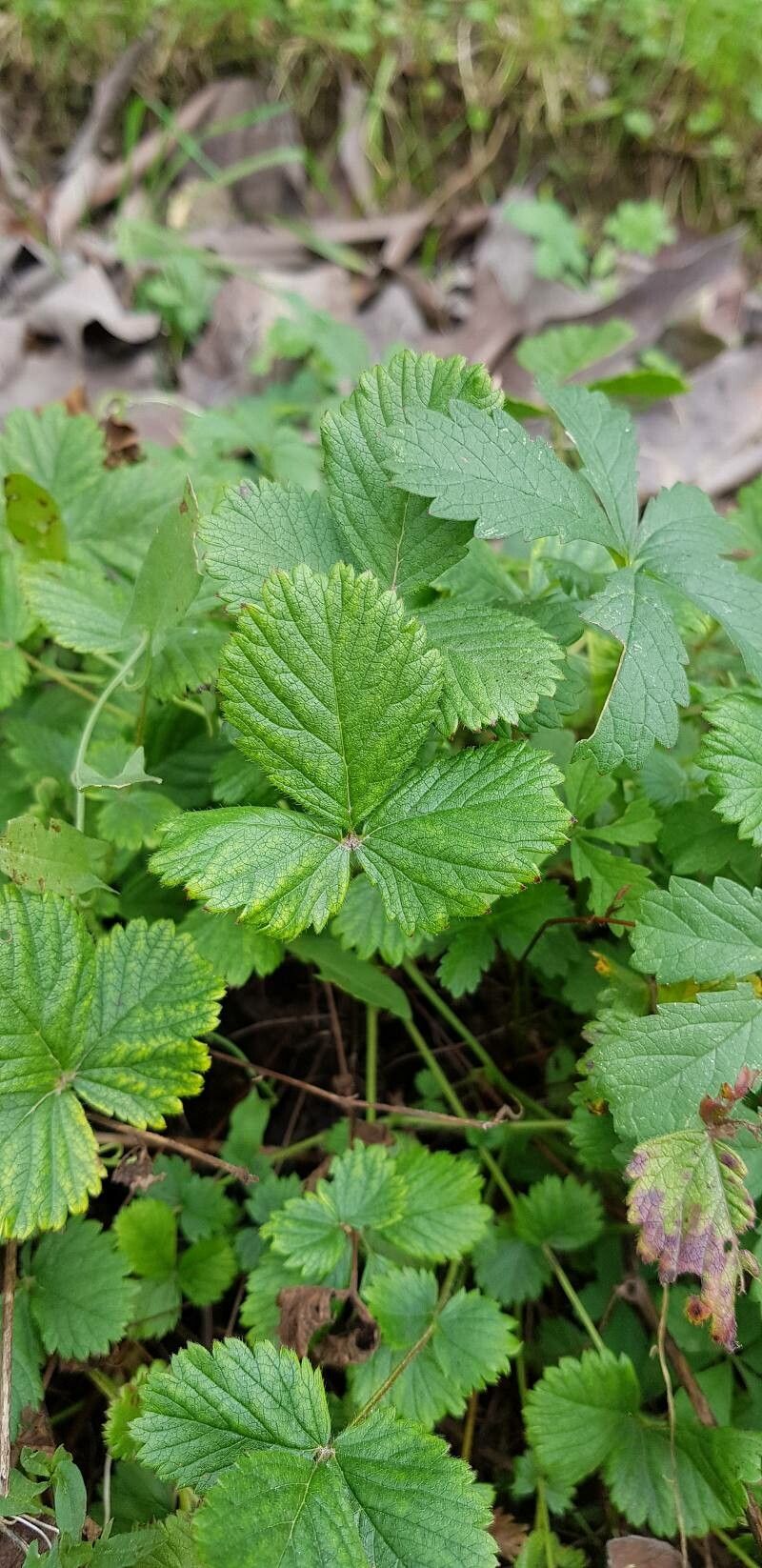
Drymocallis arguta, commonly known as the tall cinquefoil, prairie cinquefoil, or sticky cinquefoil, is a perennial herbaceous plant native to North America. It was formerly included with the typical cinquefoils in the genus Potentilla.
Tall cinquefoil has strong resistance to disease and is generally not highly susceptible to illness. Still, it can be affected by pests and diseases present in its environment. Such issues are typically mild. Regarding care, this plant needs moderate maintenance. It should be pruned regularly to preserve a neat appearance and healthy growth. Applying fertilizer can also encourage blooming. Tall cinquefoil is appropriate for anyone with outdoor space, like a garden or patio, and does not demand extensive gardening experience. It may require more attention if cultivated indoors.
How to keep Drymocallis Arguta.
Light
Tall cinquefoil needs ample sunlight to do well, coming from habitats where sunlight is plentiful. Its health can suffer if light is lacking, with growth becoming stunted and colors dull. It has no defined tolerance for low-light conditions and reaches vigorous growth when exposed to strong sunlight.
Water
Tall cinquefoil thrives in moist, well-drained soil with consistent weekly watering. While it can tolerate short dry spells, it benefits from the natural rainfall patterns common in temperate regions, which support its growth cycles and seasonal hydration needs.
Temperature
Tall cinquefoil is native to habitats where temperatures range from 41 to 77 °F (5 to 25 ℃). It does best within that temperature range. Due to seasonal variations, monitoring and adjusting the temperature can help encourage healthier growth.
Fertilizer
The best time to fertilize a Tall cinquefoil is in early spring, as it comes out of dormancy and starts active growth. Fertilization supplies essential nutrients for healthy development. Although Tall cinquefoil has fairly low fertilizer requirements, feeding it once a year can improve its survival and encourage better, longer-lasting blooms.
Pruning
Pruning tall cinquefoil from early to late spring helps improve growth and air circulation. To rejuvenate the plant and encourage flowering, remove dead stems and thin out the older ones. Regular pruning also maintains an attractive shape and reduces the risk of disease, ensuring the plant remains vibrant and healthy.
Botanical profile.
- Plant Type
- Herb, Shrub
- Life Cycle
- Perennial
- Genus
- Drymocallis
- Family
- Rosaceae
- Hardiness Zone
- 5
- Mature Height
- 30 cm to 91 cm
- Mature Spread
- 30 cm to 61 cm
- Leaf Color
- Green, Dark Green
- Leaf Type
- Deciduous
- Flower Color
- White
- Flower Size
- 2.54 cm
- Bloom Time
- Summer
- Planting Time
- Autumn, Spring
- Harvest Time
- Late summer, Early fall, Mid fall
Other names.