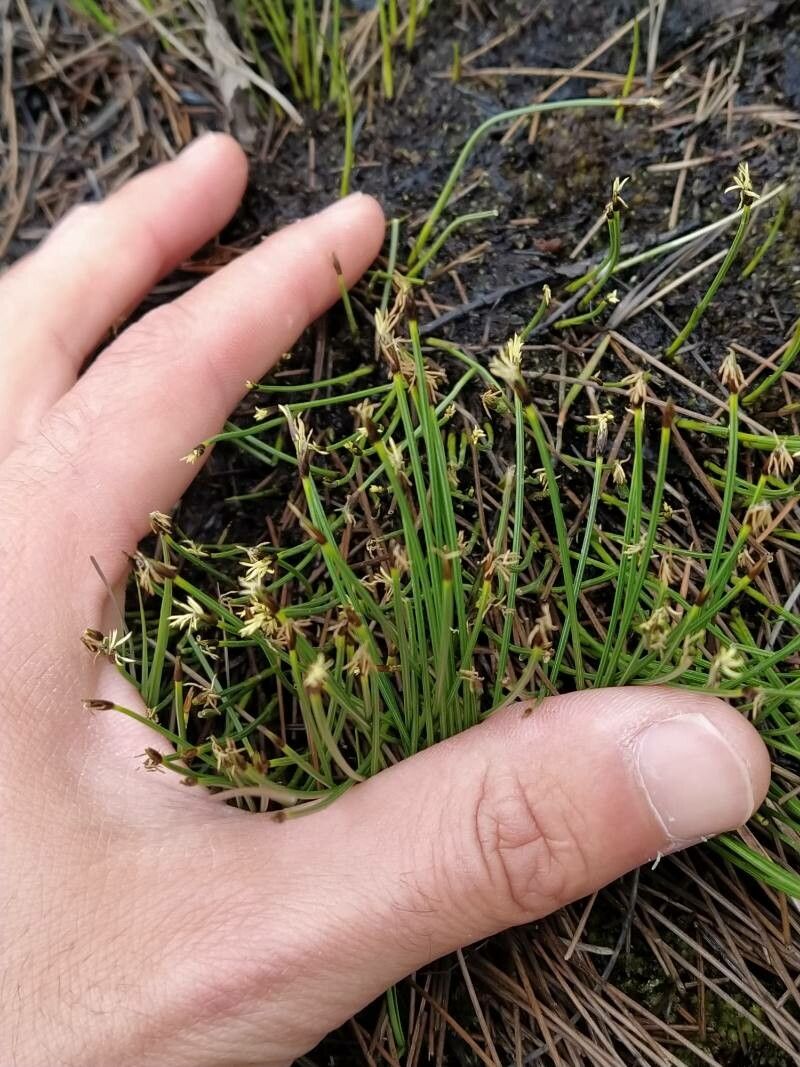
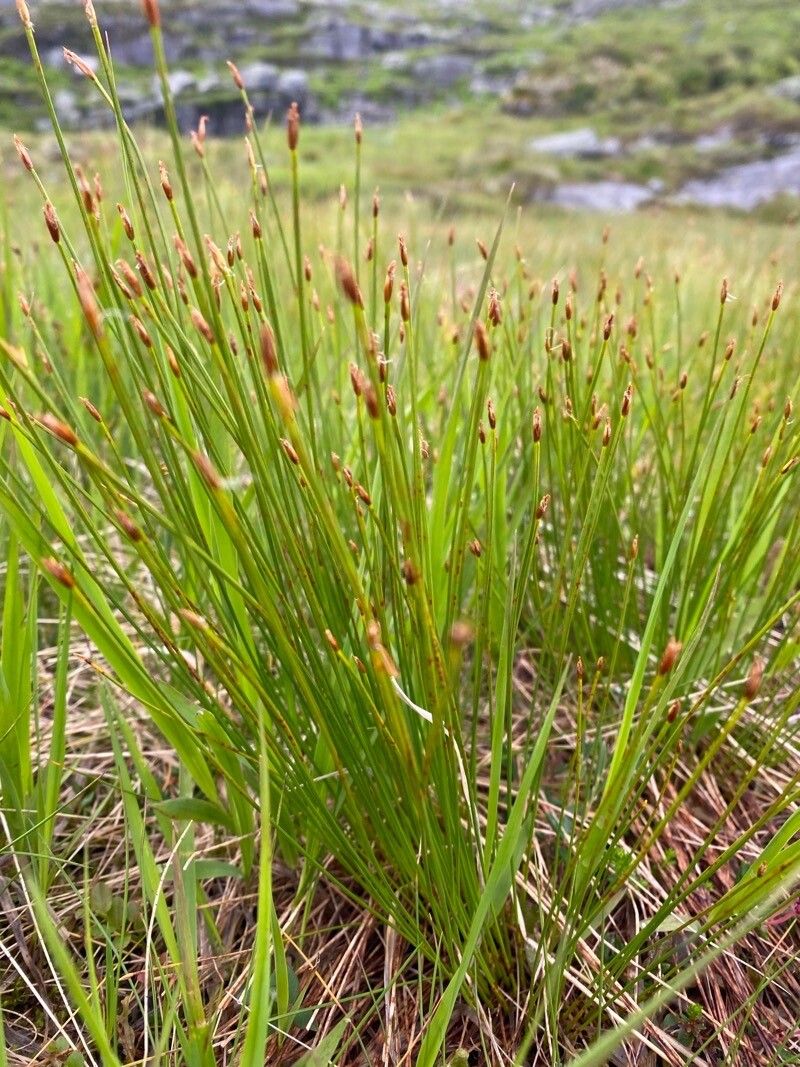
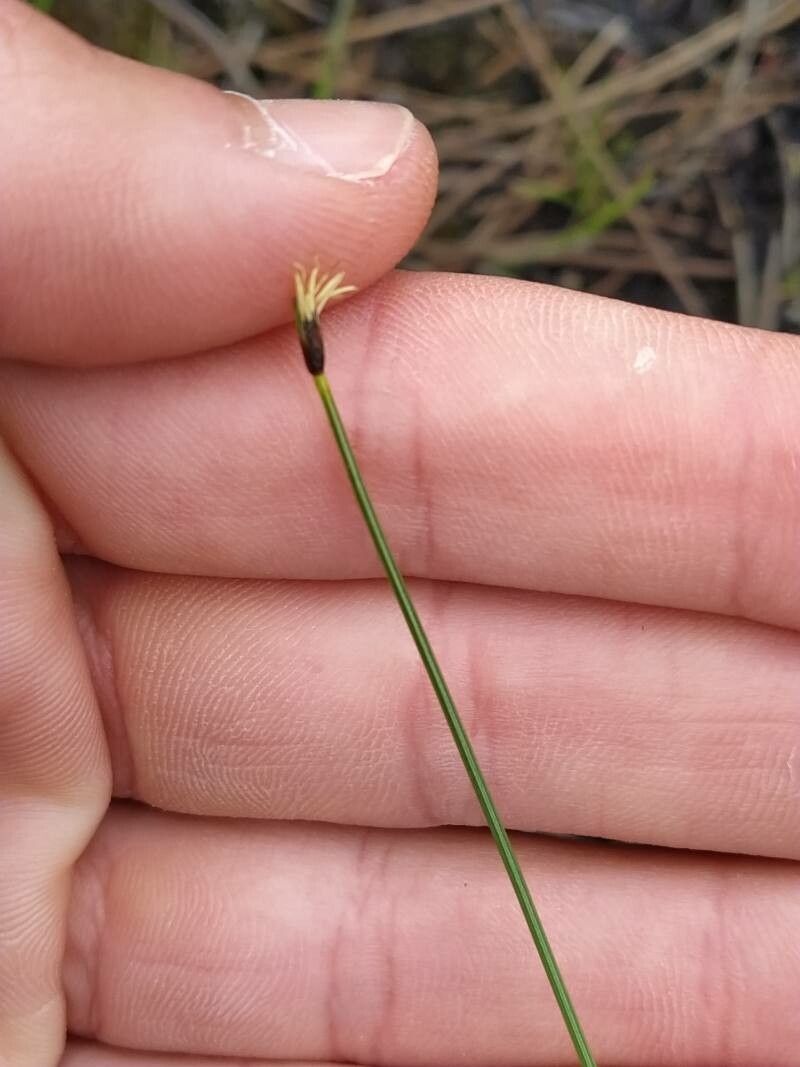
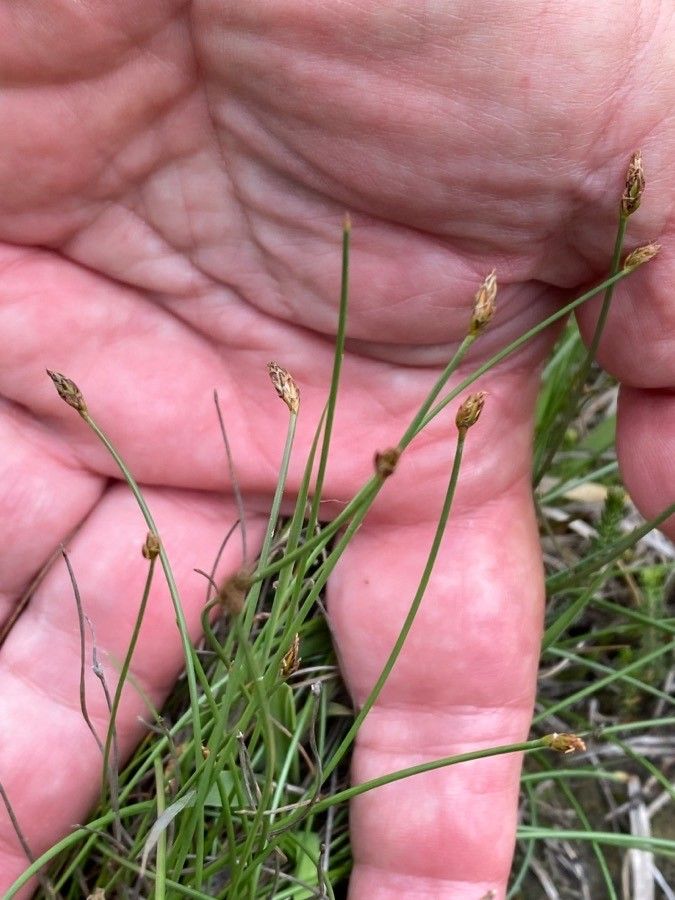
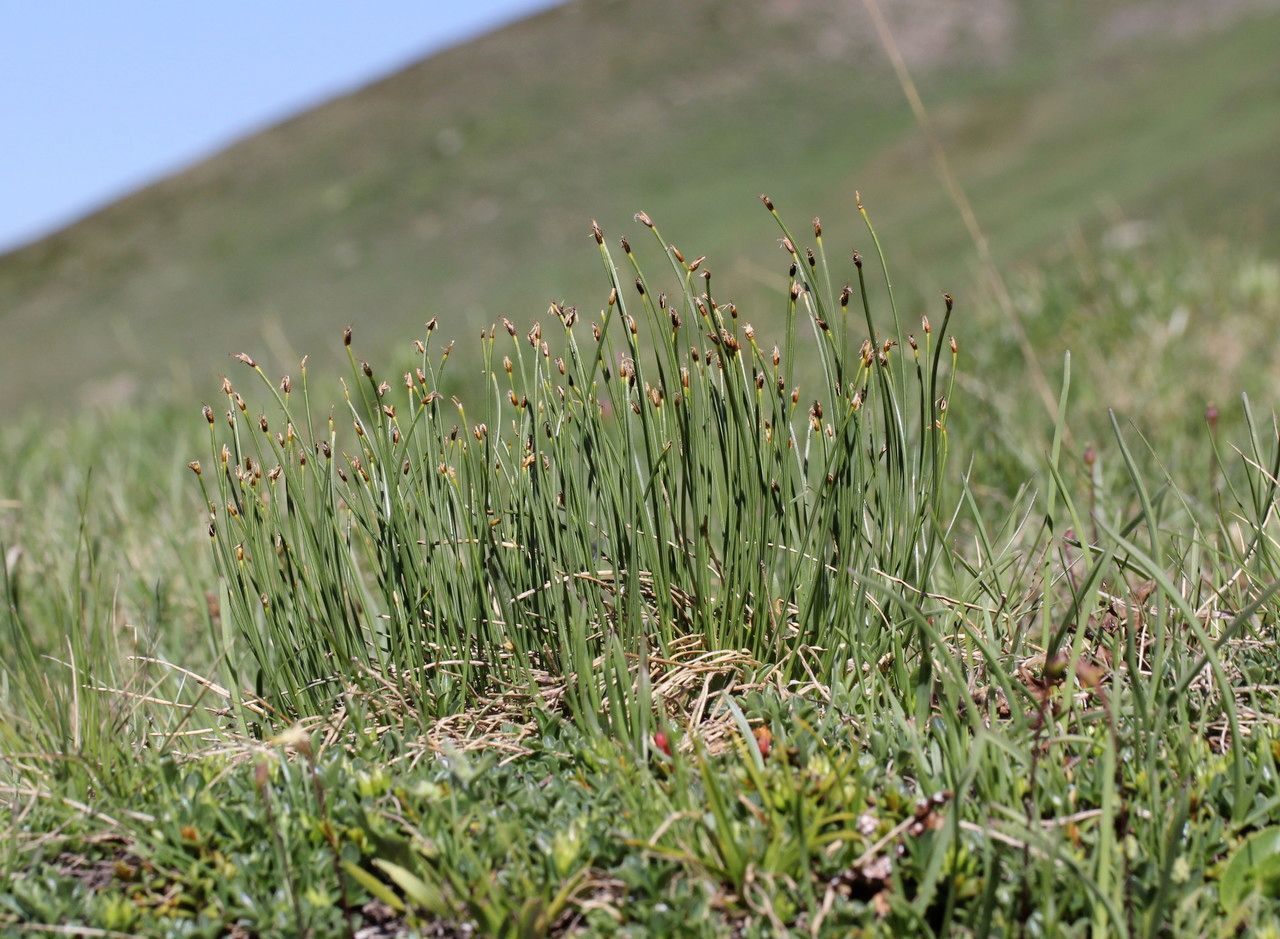
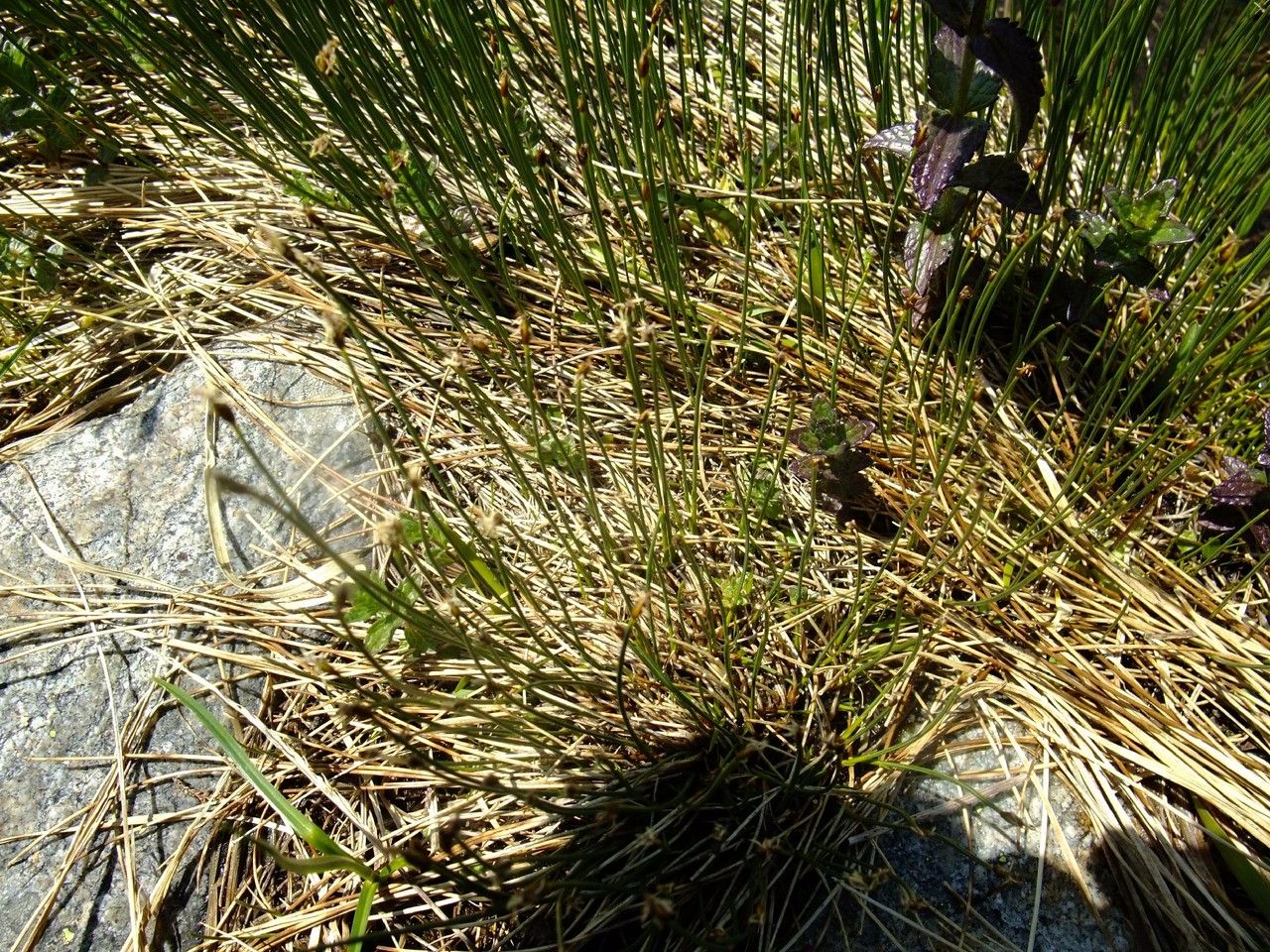
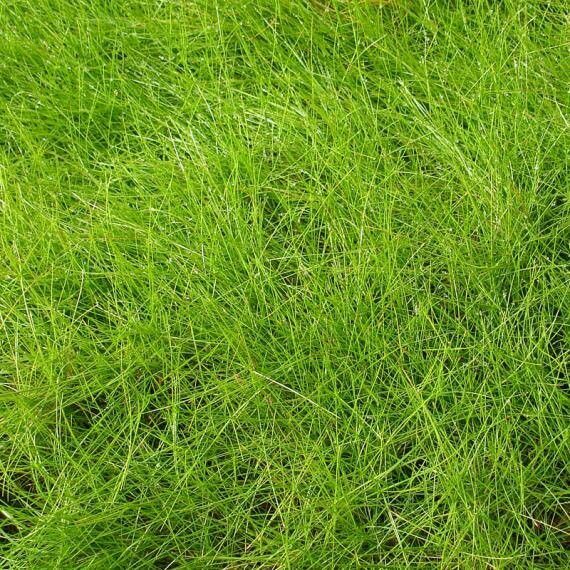
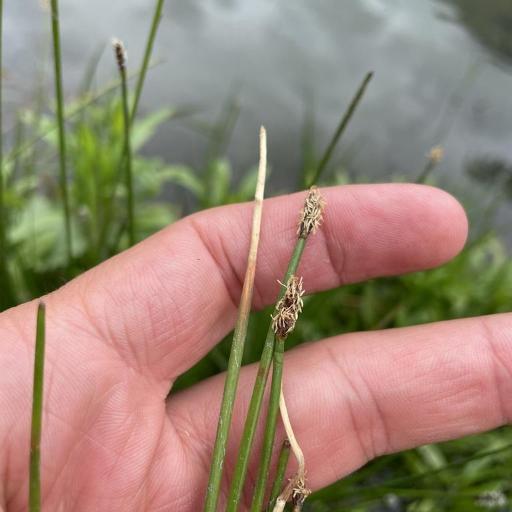
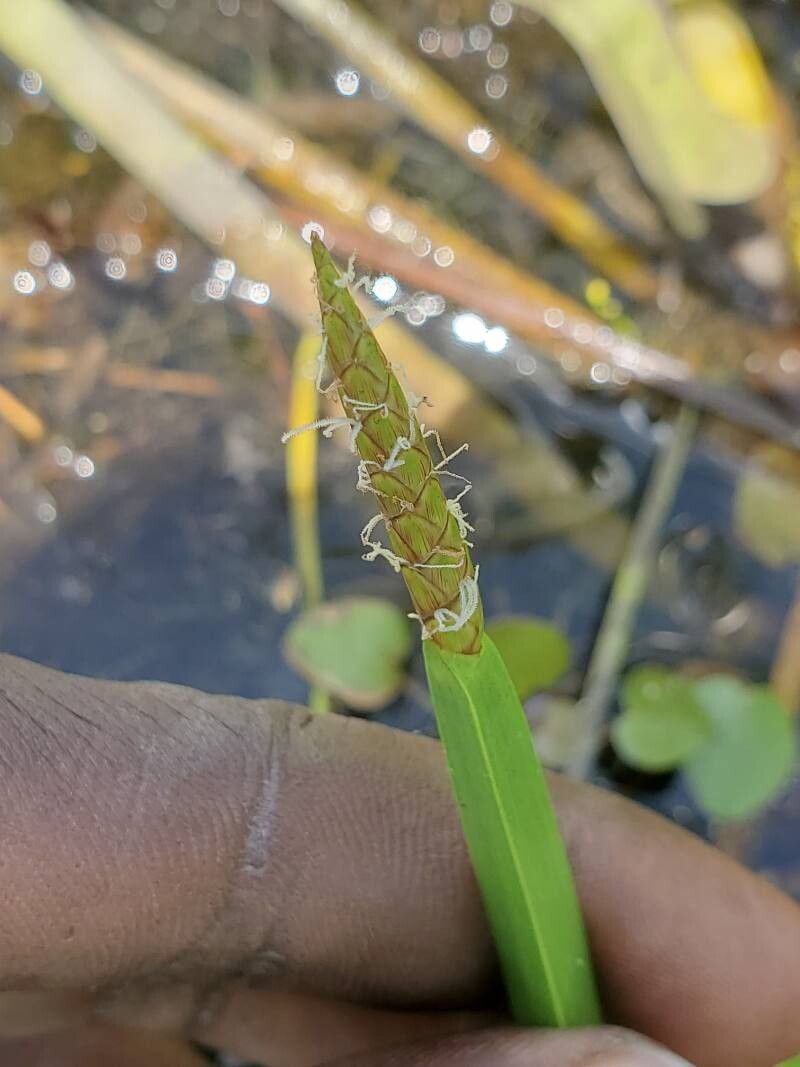
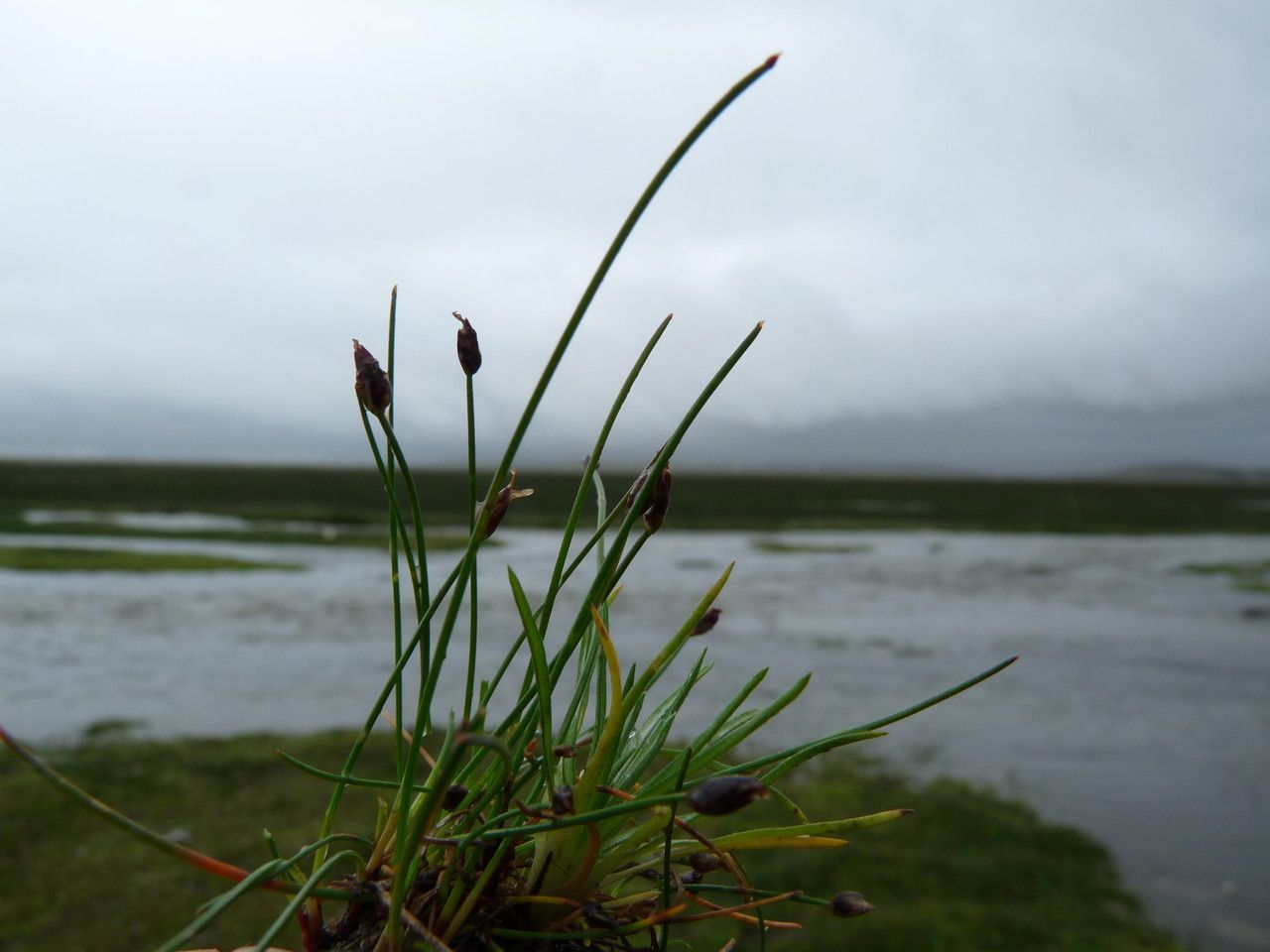
Eleocharis quinqueflora is a species of spikesedge known by the common names fewflower spikerush and few-flowered spike-rush. It is widespread across Europe, North Africa, northern Asia (Siberia, China, Kazakhstan, Himalayas, etc.), and North America (Canada, Greenland, northern and western US). There are also isolated populations in Argentina and Chile.Eleocharis quinqueflorais a resident of wet meadows, bogs, hot springs, and other moist places. This is a rhizomatous perennial approaching a maximum height of 40 centimeters. The thin, flattened stems are surrounded by papery reddish to green leaf sheaths and topped with dark inflorescences. The spikelet is lance-shaped to oval and less than a centimeter long. It contains two to seven flowers, each of which is covered with a brown or black bract. The fruit is a yellow-brown achene two or three millimeters long.
Few-flowered spike-rush has strong resistance to disease and is typically not prone to infections. Regarding care, this plant is fairly low-maintenance. When grown outdoors it needs only limited watering, and larger plants usually do not require pruning. Smaller plants, however, should be pruned once they have finished blooming. Few-flowered spike-rush is well suited to anyone with an outdoor area, such as a garden or deck, and does not demand extensive care experience.
How to keep Eleocharis Quinqueflora.
Light
Few-flowered spike-rush is a sun-loving perennial herbaceous plant that comes from open habitats and is frequently found in meadows and grasslands. It prefers full sun but can also tolerate partial sun.
Fertilizer
Few-flowered spike-rush needs extra nutrients to encourage healthy new growth. In spring, adding compost around the plant's base will effectively supply the nutrition it requires. Fertilizing supports vigorous growth and helps the plant resist diseases and pests.
Pruning
Pruning the few-flowered spike-rush in early spring is beneficial as it involves trimming away dead or damaged stems. This process promotes healthier growth and helps maintain the plant's shape. Regularly removing older growth prevents overcrowding, which supports the development of new shoots. As a result, the plant's overall health, aesthetic appeal, and habitat functionality are enhanced throughout the growing season.
Botanical profile.
- Plant Type
- Grass
- Life Cycle
- Perennial
- Genus
- Eleocharis
- Family
- Cyperaceae
- Hardiness Zone
- 5-9
- Mature Height
- 5 cm to 37 cm
- Leaf Type
- Semi-evergreen
- Flower Color
- White, Yellow, Red, Brown
- Native Area
- Turkey, Sweden, India, Austria, Mexico, Slovakia, Montenegro, Pakistan, Slovenia, Morocco, Croatia, Belarus, Uzbekistan, Russia, Iraq, Germany, Iceland, Estonia, Latvia, Belgium, Netherlands, Nepal, France, Tajikistan, Czech Republic, Bulgaria, Armenia, Poland, Greece, Ukraine, Serbia, Lithuania, Norway, Afghanistan, Kyrgyzstan, Kazakhstan, Italy, Spain, Switzerland, Denmark, Bolivia, Mongolia, Finland, Iran, Albania, Ireland, United Kingdom, Hungary, Azerbaijan, Turkmenistan
Other names.