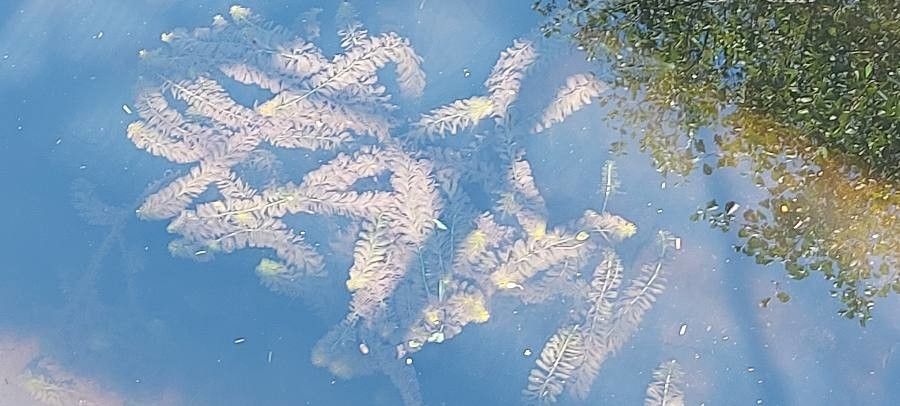
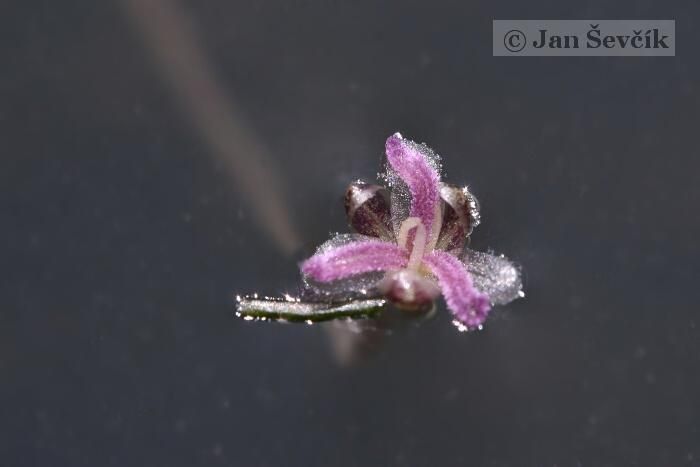
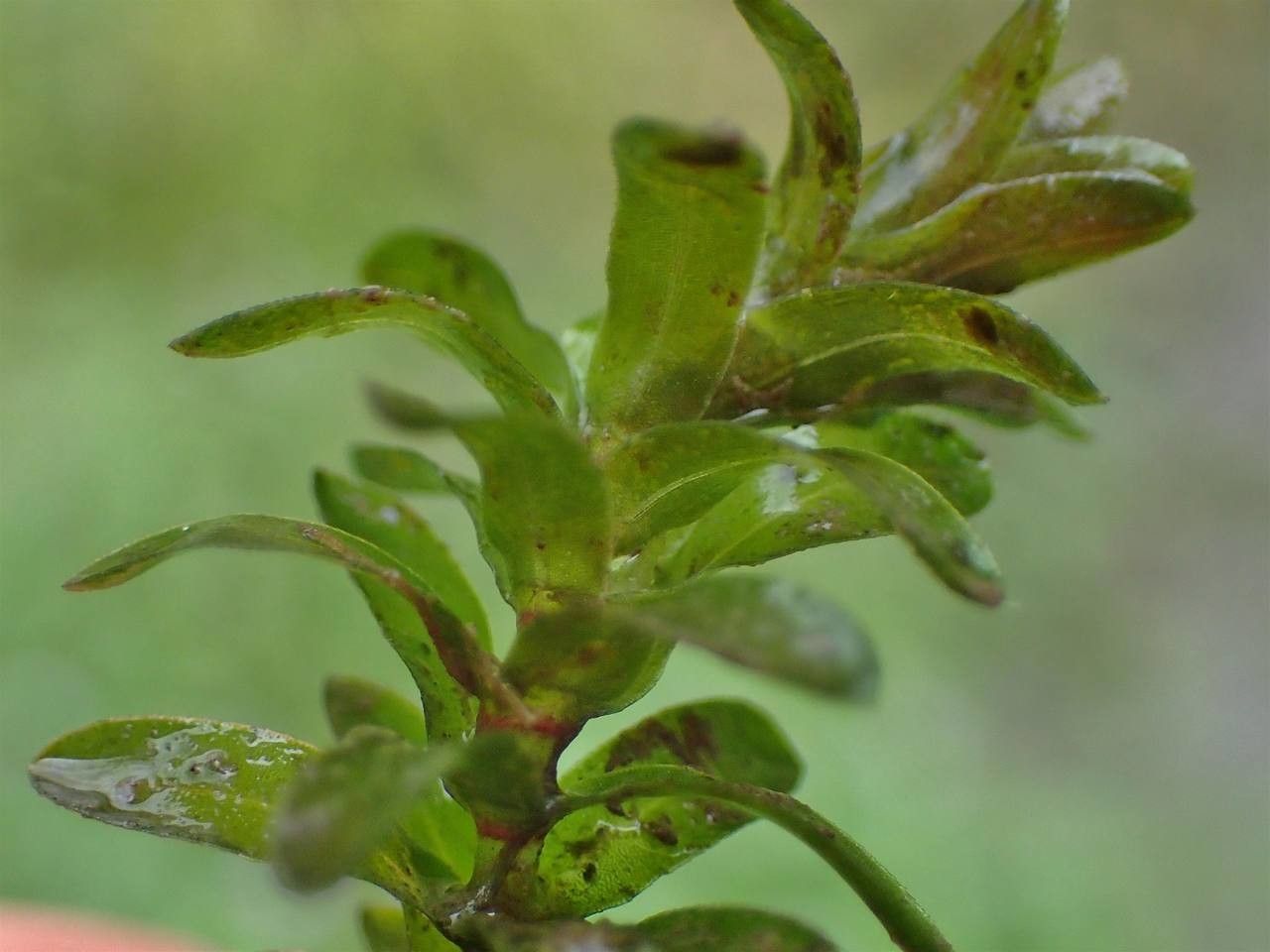
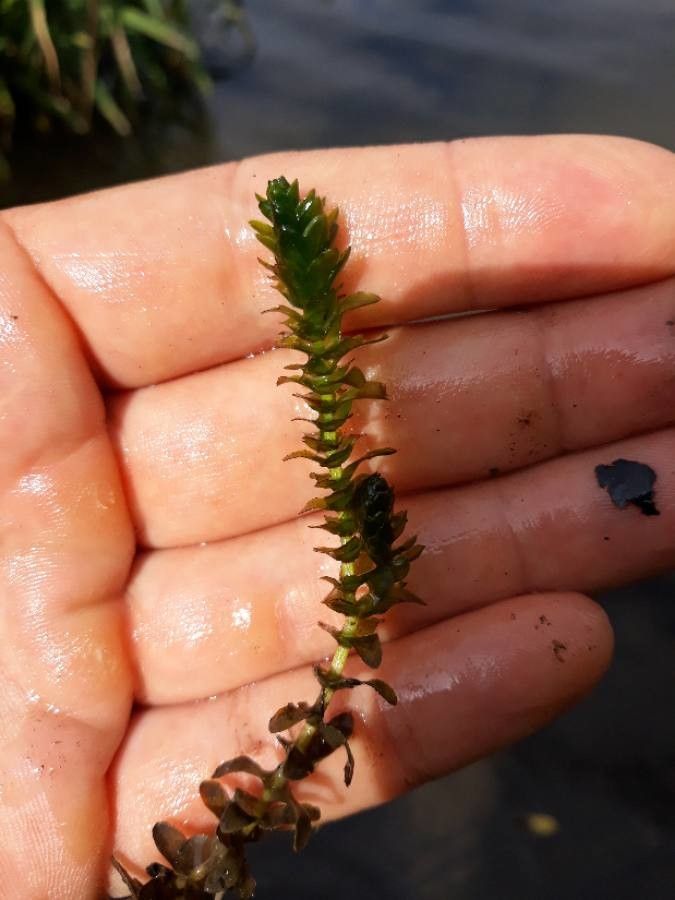
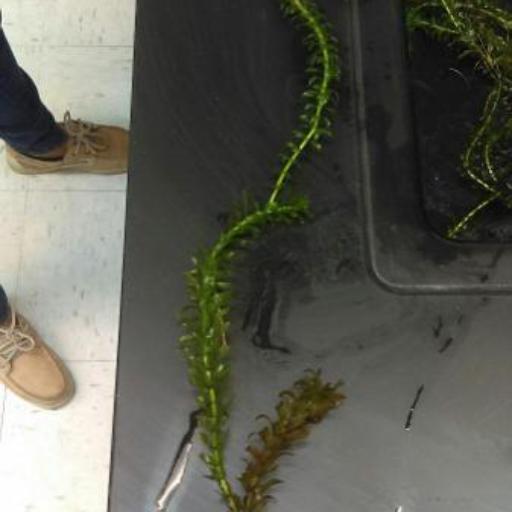
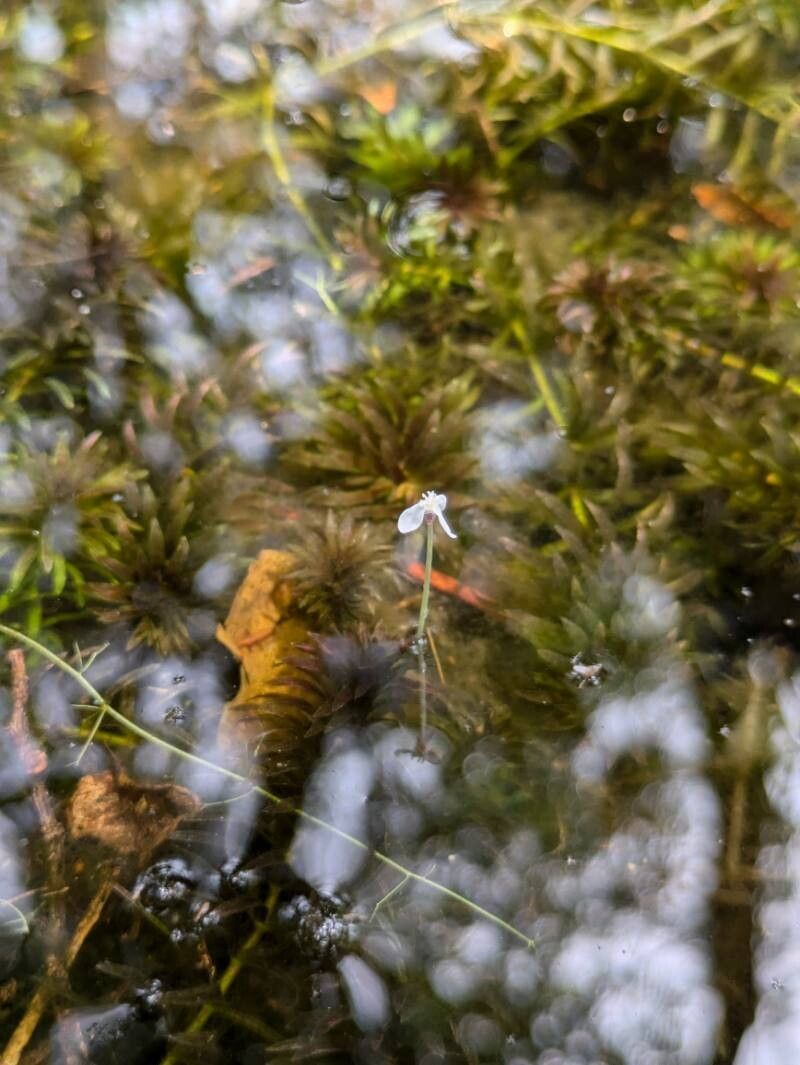
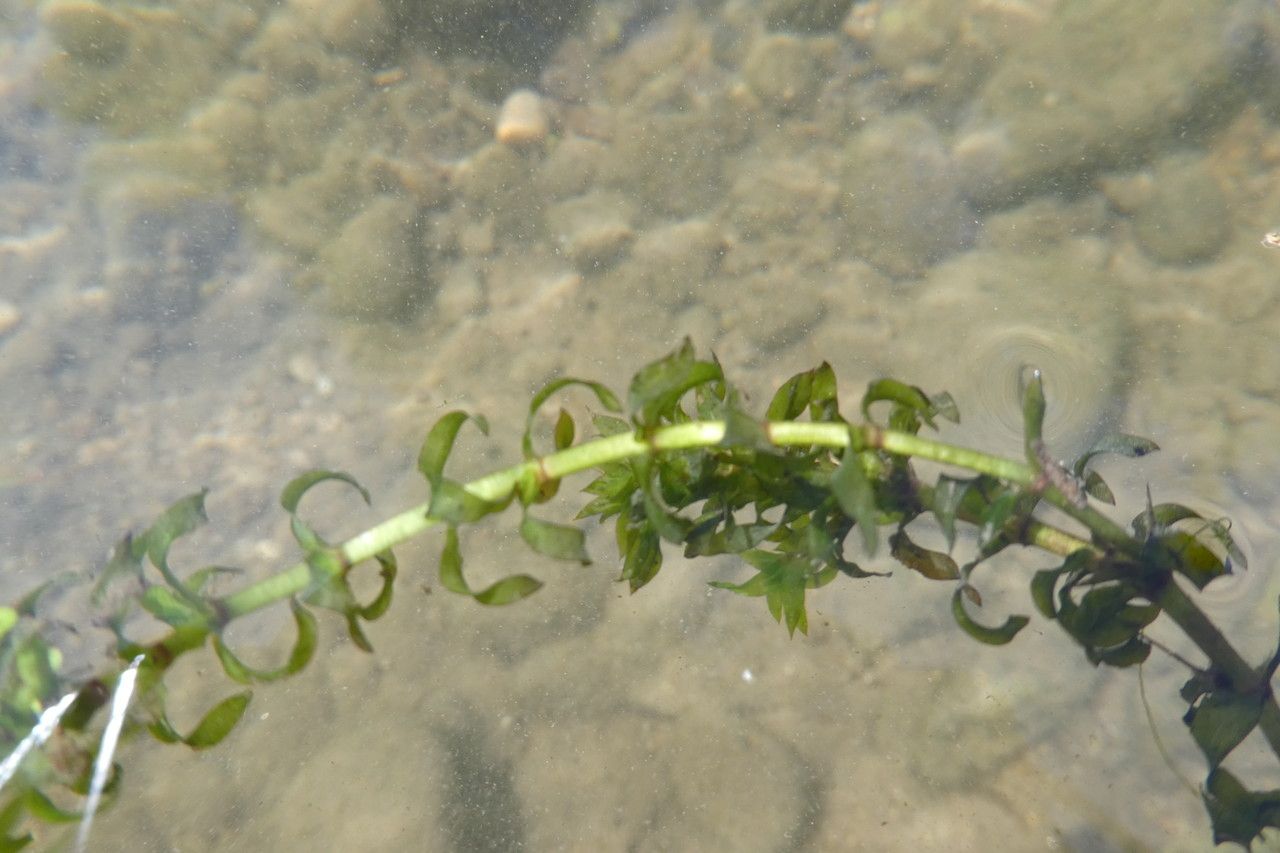
Elodea canadensis (American waterweed or Canadian waterweed or pondweed) is a perennial aquatic plant, or submergent macrophyte, native to most of North America. It has been introduced widely to regions outside its native range and was first recorded from the British Isles in about 1836.
Canadian waterweed is fairly disease‑resistant and usually not prone to illness. However, it can be vulnerable to pests and diseases present in its environment. These infections are typically not serious. As for care, the plant needs a moderate level of maintenance. It should be pruned regularly to keep a tidy appearance and encourage healthy growth. Fertilizing can also help stimulate flowering. Canadian waterweed is suitable for anyone with outdoor space, such as a garden or patio, and does not require extensive caregiving experience. It may need more attention if kept indoors.
How to keep Elodea Canadensis.
Light
Canadian waterweed does best in full sun but can tolerate some shade. It comes from a habitat with abundant sunlight. While ample light encourages vigorous growth, excessive light can impede growth, and insufficient light may cause stunted development.
Water
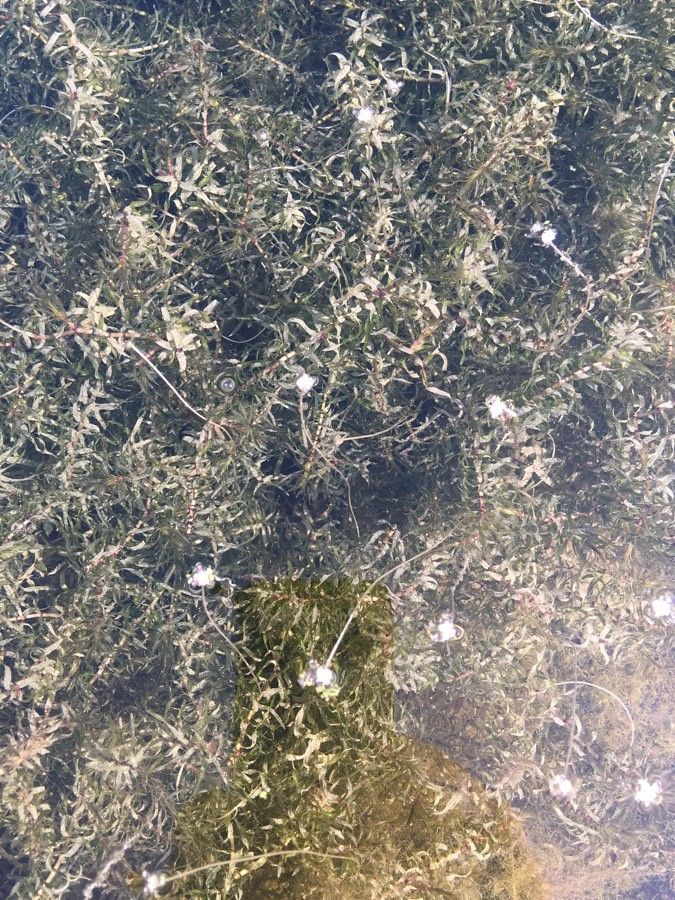
Canadian waterweed is well-suited to freshwater habitats, where it survives in submerged conditions by maintaining its internal water balance. To mimic its natural environment, it needs watering on a weekly basis. Although primarily grown outdoors, it forms dense mats in ponds and lakes. Its growth cycles are influenced by water temperature, leading to vigorous propagation.
Temperature
Canadian waterweed is native to temperate habitats where temperatures range from 41 to 95 °F (5 to 35 ℃). Seasonal adjustments are generally unnecessary unless there are drastic shifts in temperature. Make sure the environment remains within these parameters to encourage growth.
Pruning
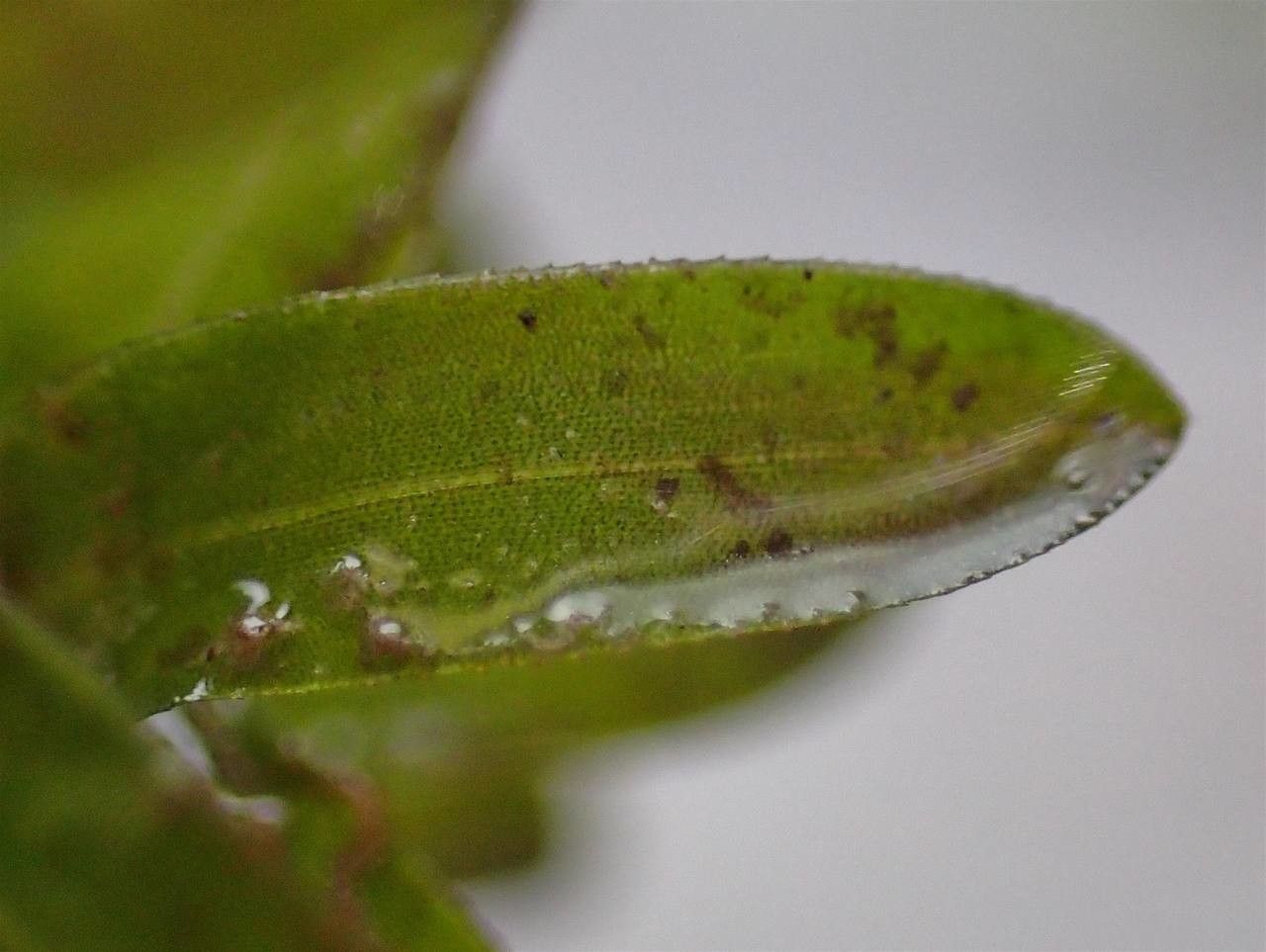
Canadian waterweed is a fast-growing aquatic plant with small, serrated leaves. Pruning the plant from early to late spring promotes healthy growth, improves water circulation, and enhances light penetration. Regular trimming helps control its invasive spread, maintaining a balanced aquatic environment.
Botanical profile.
- Plant Type
- Herb
- Life Cycle
- Perennial
- Genus
- Elodea
- Family
- Hydrocharitaceae
- Hardiness Zone
- 4-10
- Mature Height
- 10 cm to 49 cm
- Mature Spread
- 49 cm to 91 cm
- Leaf Color
- Green
- Leaf Type
- Evergreen, Semi-evergreen
- Flower Color
- White, Green
- Flower Size
- 0.51 cm
- Bloom Time
- Summer, Early fall, Mid fall
- Planting Time
- Spring, Summer
- Harvest Time
- Late summer, Fall, Early winter
Other names.
Reader questions.
How should I water my Canadian waterweed to keep it healthy?
To properly care for the Canadian waterweed, use filtered water at room temperature. Tap water may contain harmful particles, so filtering is preferable. The reason for using room temperature water is that the Canadian waterweed is used to warm environments, and cold water might shock it. Avoid overhead watering, as it can cause leaf issues. Instead, thoroughly water the soil with your filtered room temperature water until it is soaked. This helps moisten the roots and promotes nutrient absorption for the plant's growth.
Why is it important to add fertilizer to my Canadian waterweed?
The main structure of Canadian waterweed is made up of its leaves. Fertilization plays a crucial role in maintaining the appearance and function of these leaves. By properly fertilizing, you can ensure that the leaves of your Canadian waterweed have consistent color and a healthy texture. Fertilization also has positive effects below the surface of the soil. It helps the waterweed generate new roots and maintain existing ones in the root system. This not only keeps the plant healthy in the present but also enhances its ability to absorb nutrients from the soil in the future.
What are the sunlight requirements for Canadian waterweed (Elodea canadensis)?
Canadian waterweed, or Elodea canadensis, flourishes in full sunlight, ideally receiving more than 6 hours of direct sunlight daily, but can also tolerate partial shade with about 3-6 hours of sunlight. Optimal growth occurs under full exposure where the plant can access abundant sunlight, a condition akin to its native habitat. However, while ample sunlight fosters vigorous growth, too much direct sunlight might impede its growth, and insufficient light could lead to stunted development. Observing how sunlight moves through your garden will help in picking spots that ensure a balance between light and shade, contributing to the plant's health and happiness.
What are the essential environmental conditions for growing Canadian waterweed?
Canadian waterweed, botanically known as Elodea canadensis, thrives in temperate habitats with temperatures ranging from 41 to 95 °F (5 to 35 °C). It's important to maintain this thermal spectrum to encourage growth. Although this plant exhibits strong cold resistance, making special frost protection measures unnecessary in most cases, attention should be given during extreme winters. If temperatures are expected to drop below -30°C, implementing cold protection by covering the plant with soil or straw is advised. Additionally, abundant watering before the first autumn freeze is recommended to keep the soil moist, aiding in drought prevention during the colder months.
What should I do if I give too much or too little water to my Canadian waterweed?
Overwatering and underwatering can both harm your Canadian waterweed, but overwatering is more likely to occur. When this species is overwatered, its stems and leaves may wilt and turn from green to yellow. Overwatering for a long time can also cause diseases like root rot, mold, and mildew, which can be deadly for your plant. Underwatering is less common because the Canadian waterweed can tolerate drought. However, there is still a possibility of underwatering, which results in brittle and brown leaves. It is important to catch signs of overwatering early when taking care of your Canadian waterweed. Some diseases caused by overwatering, such as root rot, may not be fixable if you wait too long. If you notice early signs of overwatering, reduce your watering schedule immediately. Also, check the soil quality where your Canadian waterweed grows. If the soil drains poorly, replace it with loose, well-draining potting mix. If you see signs of underwatering, simply water more regularly until the signs disappear.
When should I fertilize my Canadian waterweed?
If you grow Canadian waterweed outdoors, it will start to grow new leaves in early spring. This is a sign that it's time to fertilize the plant for the year. Usually, one application of fertilizer in the spring is enough for the waterweed to thrive. However, if you want to maximize its growth, you can fertilize it multiple times during the spring and early summer. If you choose this option, fertilize the waterweed once every month to a month and a half.
How does artificial lighting affect the growth of Canadian waterweed?
In environments where natural sunlight is insufficient, especially during winter or in less sunny spaces, artificial lighting can be a crucial solution for the growth of Canadian waterweed. It promotes faster and healthier growth by providing adequate lighting. LED lights are recommended because they can be adjusted to offer specific wavelengths needed by the plant. For optimal growth under artificial lights, full sun plants require 30-50W per square foot, partial sun plants need 20-30W per square foot, and full shade plants should have 10-20W per square foot. The light source should be placed 12-36 inches above the plant to mimic natural sunlight conditions, and the duration of exposure should mirror natural daylight hours, typically 8-12 hours per day.
How does Canadian waterweed respond to low temperatures, and what measures should be taken?
Canadian waterweed is resilient to cold weather and prefers temperatures above 5°C. However, during winter, it's best if temperatures stay above -25°C. Exposure to temperatures below -30°C won't show immediate effects in winter but may lead to reduced or no sprouting in spring. To manage this, in spring, it's advised to remove any plant parts that have not sprouted, ensuring the plant can continue to grow healthily despite the cold exposure.
How much should I water my Canadian waterweed?
To determine if your Canadian waterweed needs water, follow these guidelines based on where it is planted. If it is in a pot, simply stick your finger into the soil. If the top two to three inches are dry, it's time to water. For Canadian waterweed grown outside in the ground, the same method applies - if the top few inches of soil are dry, it needs watering. In the spring and early fall, this usually means watering once a week, but during hot weather, you may need to water twice or more per week. It's worth noting that mature and well-established Canadian waterweed can withstand periods of drought.
When should I not add fertilizer to my Canadian waterweed?
During the late fall and winter, your Canadian waterweed goes into a dormant phase and stops growing. During this time, it's important to avoid fertilizing it. In the spring and summer, if you choose to fertilize, start reducing the amount as summer approaches because the growth rate of the waterweed slows down. In general, it's not recommended to fertilize your Canadian waterweed during extremely hot weather or when the soil is very dry. Fertilizing in those conditions can stress the waterweed and cause it to die early.
What are the symptoms of light deficiency in Canadian waterweed?
Symptoms of light deficiency in Canadian waterweed include smaller new leaves compared to older ones, leggy or sparse growth as the spaces between leaves or stems lengthen, faster leaf drop due to conservation of resources, slower or halted growth indicating a survival mode due to poor light, and lighter-colored or irregularly patterned new leaves that signify a lack of chlorophyll and nutrients. Excessive sunlight exposure can cause chlorosis, the yellowing of leaves due to chlorophyll breakdown, sunscald represented by pale, bleached areas on plant tissue, leaf curling as a defense mechanism to minimize water loss, wilting from increased transpiration, and leaf scorching characterized by brown, crispy leaf edges.
What are the impacts of high temperatures on Canadian waterweed, and how can they be mitigated?
In summer, it's crucial to keep Canadian waterweed's environment below 35°C. Should temperatures climb above 41°C, the plant may exhibit signs of stress such as lighter colored leaves, curling, susceptibility to sunburn, and in severe cases, wilting and dryness. To mitigate these effects, trimming the sunburned and dried parts is recommended. Moving the plant to shaded areas or employing shade cloth to protect it from the midday and afternoon sun helps prevent further damage. Ensuring the soil remains moist through watering in the morning and evening is also beneficial.