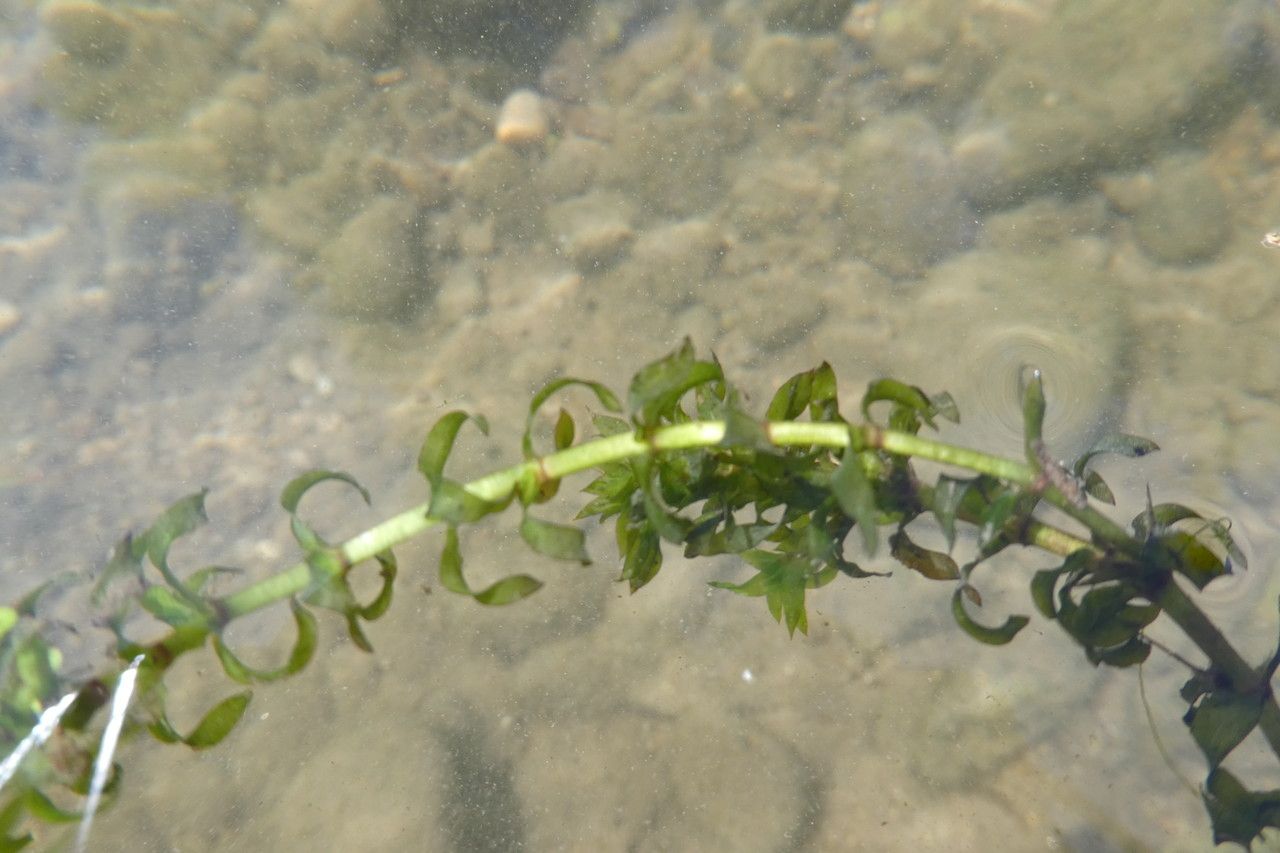
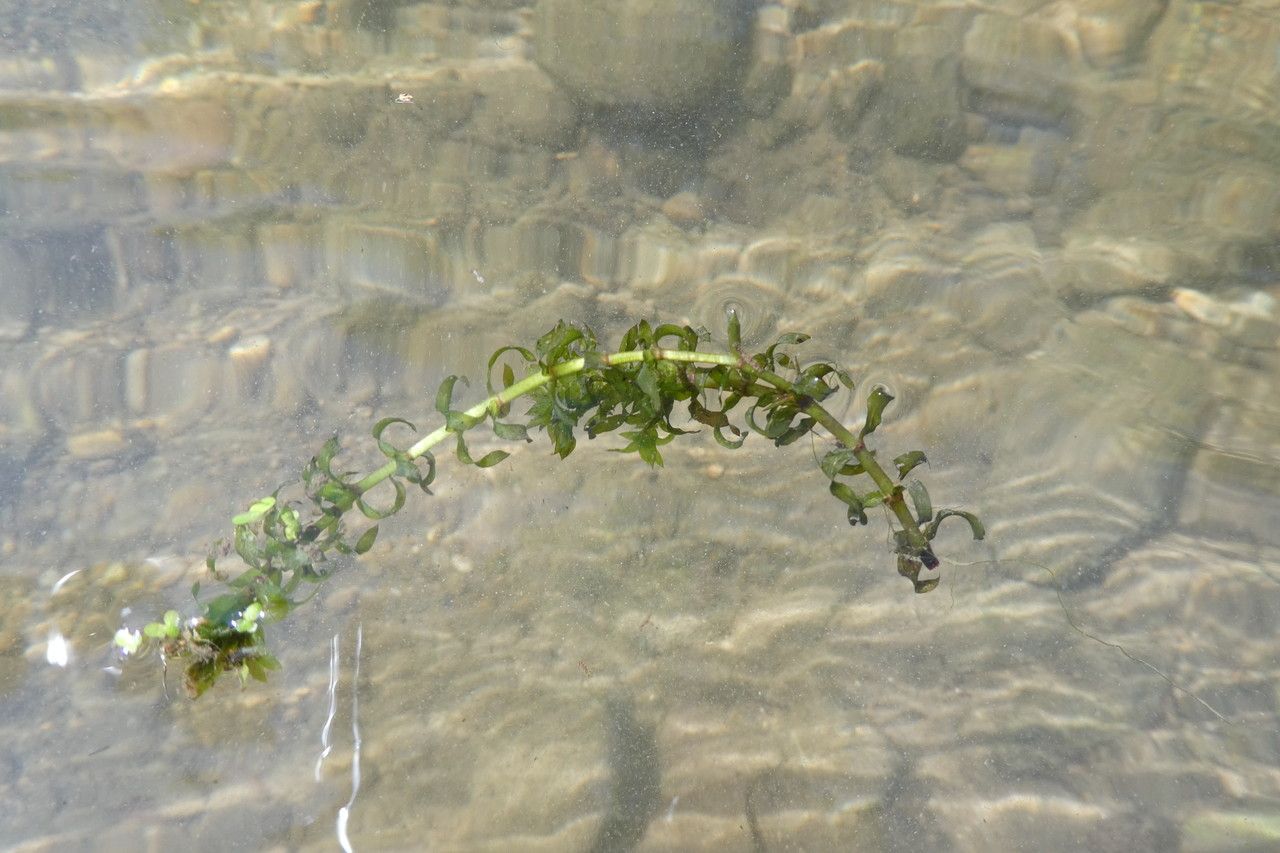
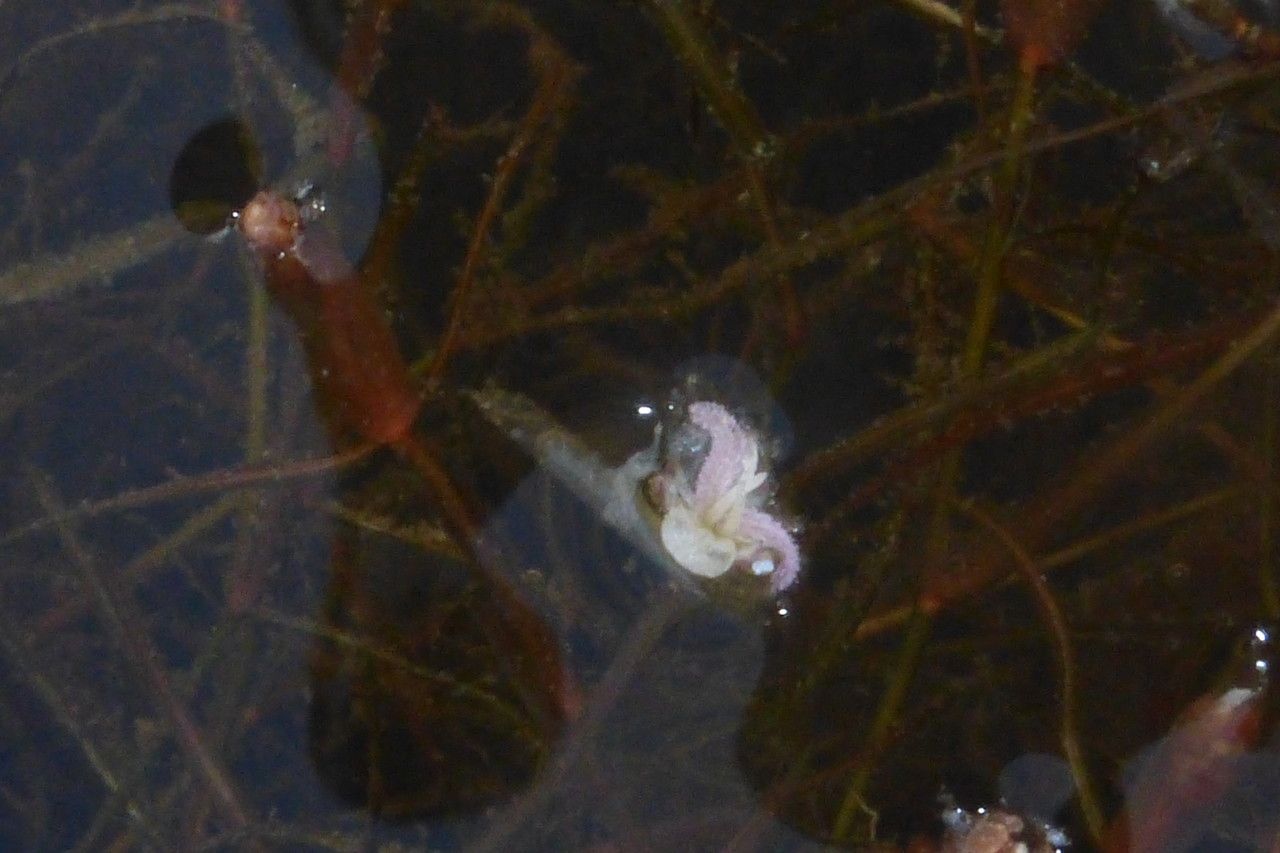
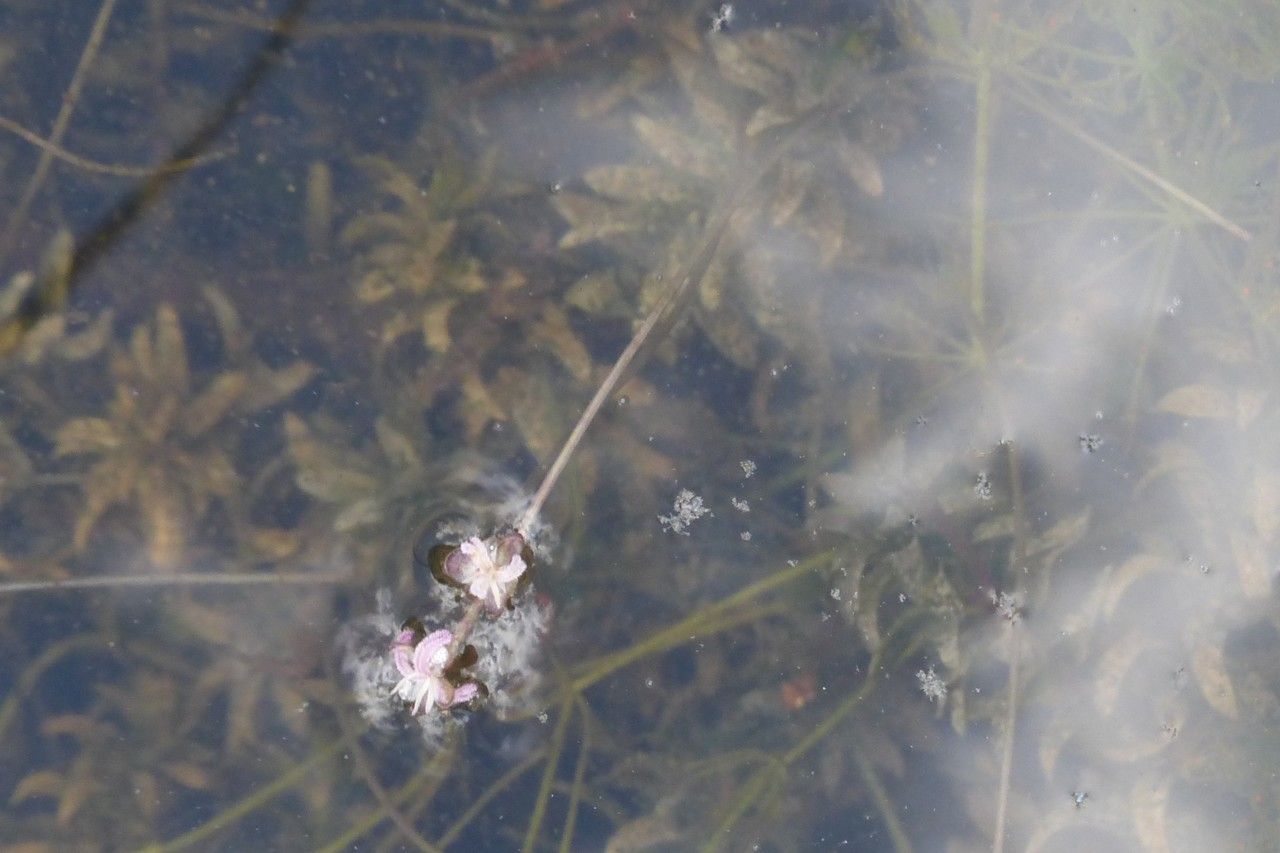
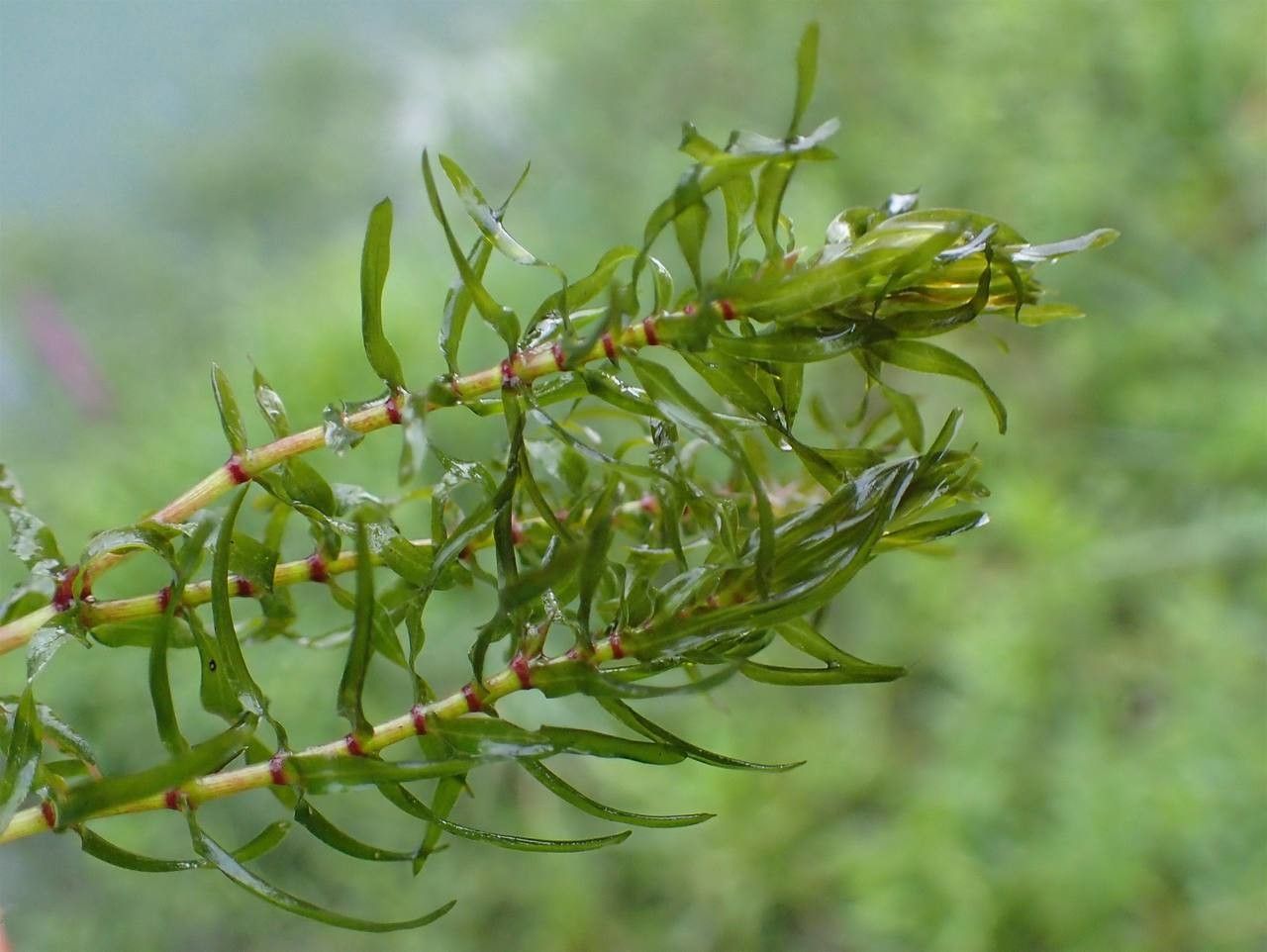
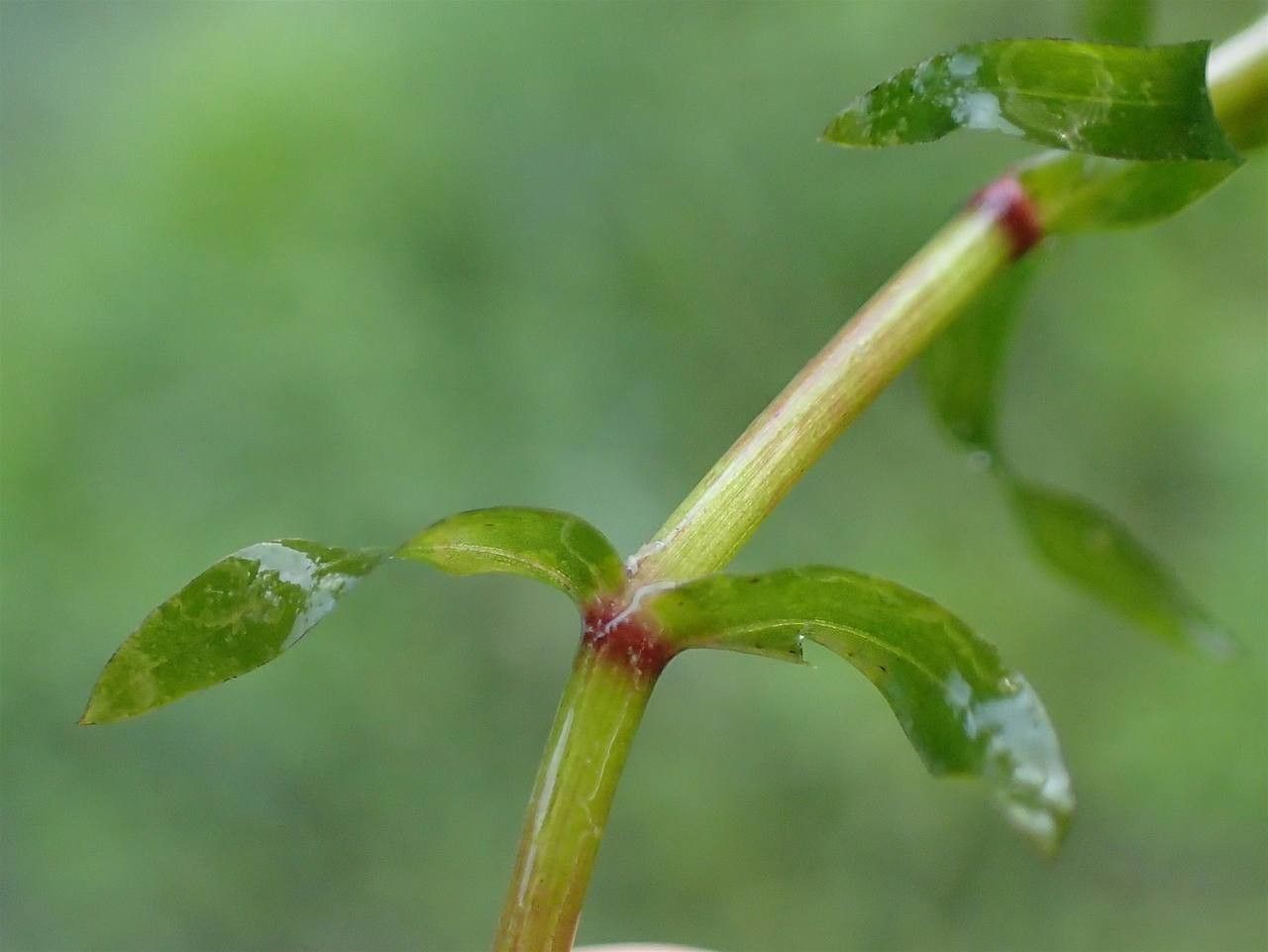
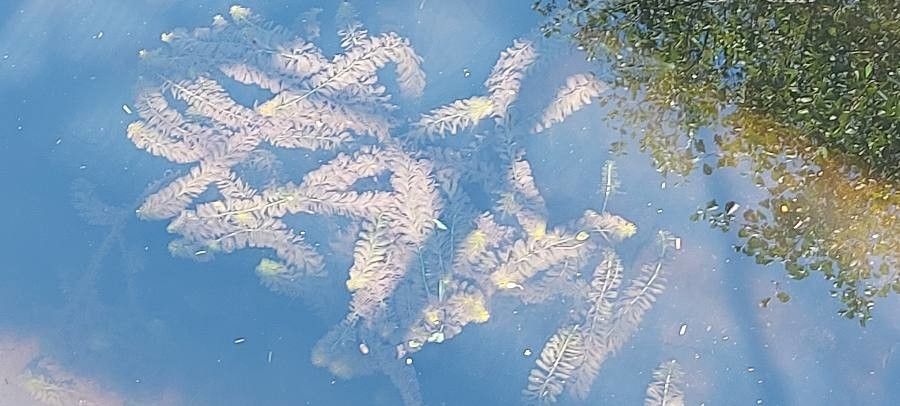
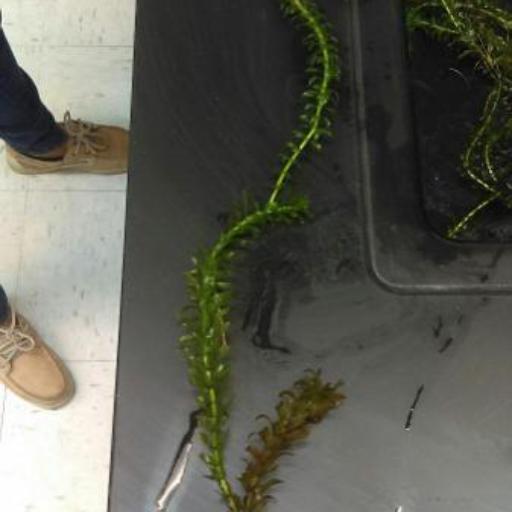
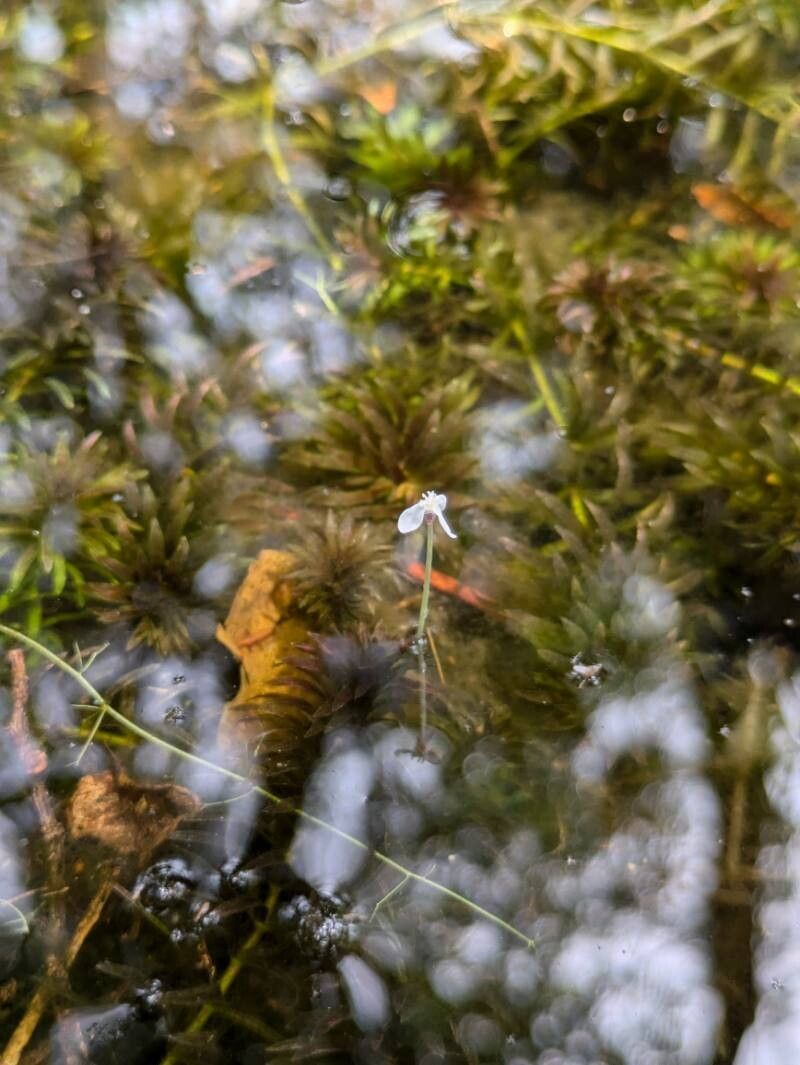
Elodea nuttallii is a species of waterweed known by the common name western waterweed or Nuttall's waterweed. This is a perennial aquatic plant which is native to North America where it grows submersed in lakes, rivers, and other shallow water bodies. It is also found in Eurasia, where it is commonly weedy; it is not known as a weed species in its native range. It is sometimes used as an aquarium plant.
Western waterweed is fairly disease-resistant and is usually not prone to illness. However, it can be affected by pests and diseases present in its environment. These infections tend to be mild. In terms of care, this plant needs moderate maintenance. It should be pruned regularly to preserve a neat appearance and support healthy growth. Fertilizing can also encourage flowering. Western waterweed is suitable for anyone with outdoor space, such as a garden or patio, and does not demand extensive plant-care experience. It may require more attention when grown indoors.
How to keep Elodea Nuttallii.
Water
Western waterweed, which originates from aquatic environments, thrives in consistently moist conditions and needs to be watered weekly. This evergreen plant is usually grown underwater in ponds or aquariums, where it maintains its foliage year-round. It plays a vital role in aquatic ecosystems by providing oxygen and shelter.
Temperature
Western waterweed is naturally adapted to habitats with temperatures between 59 and 89.6 °F (15 to 32 ℃). It performs best when kept within that temperature range. Seasonal weather variations may require adjustments to maintain the optimal temperature.
Pruning
Western waterweed thrives in aquatic environments, where its leaves are fully submerged. To encourage growth and manage its spread, pruning should be done from early to late spring, making cuts just below the leaf nodes. Regular pruning helps maintain water oxygen levels, clarity, and overall health. To prevent unwanted propagation, it's important to avoid disposing of pruned material in natural water bodies.
Botanical profile.
- Plant Type
- Herb
- Life Cycle
- Perennial
- Genus
- Elodea
- Family
- Hydrocharitaceae
- Hardiness Zone
- 7
- Mature Height
- 2.13 m
- Mature Spread
- 20 cm to 49 cm
- Leaf Color
- Light Green, Green
- Leaf Type
- Deciduous
- Flower Color
- White
- Flower Size
- 0.51 cm to 1.02 cm
- Bloom Time
- Summer, Early fall, Mid fall
- Planting Time
- Spring, Summer, Autumn
- Harvest Time
- Late summer, Fall, Early winter
Other names.
Reader questions.
What is the optimal temperature range for Western waterweed?
Western waterweed, scientifically known as Elodea nuttallii, is best adapted to environments within a temperature range of 59 to 89.6 °F (15 to 32 °C). It thrives when the environmental temperature is maintained within this spectrum. Adjustments may be necessary to accommodate seasonal weather changes to keep the temperature optimal for the plant's growth.
Is Western waterweed cold resistant?
Yes, Western waterweed possesses strong cold resistance and usually does not require special frost protection measures during the winter months. However, if temperatures are expected to fall below -15°C, it is crucial to provide the plant with cold protection. This can be done by covering the plant with insulating materials like soil or straw. Additionally, watering the plant abundantly before the first freeze in autumn helps keep the soil moist, preventing drought and water scarcity during the colder months.
What should I do if the temperature drops below -15°C?
If temperatures drop below -15°C, Western waterweed may not show immediate changes during the winter but could experience decreased sprouting or even no sprouting in the spring. To address this, in spring, it's recommended to remove any parts of the plant that have failed to sprout.
How does Western waterweed react to high temperatures, and how can I protect it?
During the summer, it's important to ensure that the temperature around Western waterweed does not exceed 32°C. When temperatures surpass 35°C, the plant's leaves may lighten in color, curl, and become susceptible to sunburn, which in severe cases, can lead to the wilting and drying of the entire plant. To protect the plant from high temperatures, trim away any sunburned or dried-up parts, move it to a shadier location or use a shade cloth to protect it from the midday and afternoon sun. Additionally, watering the plant in the morning and evening will help keep the soil moist and cool.