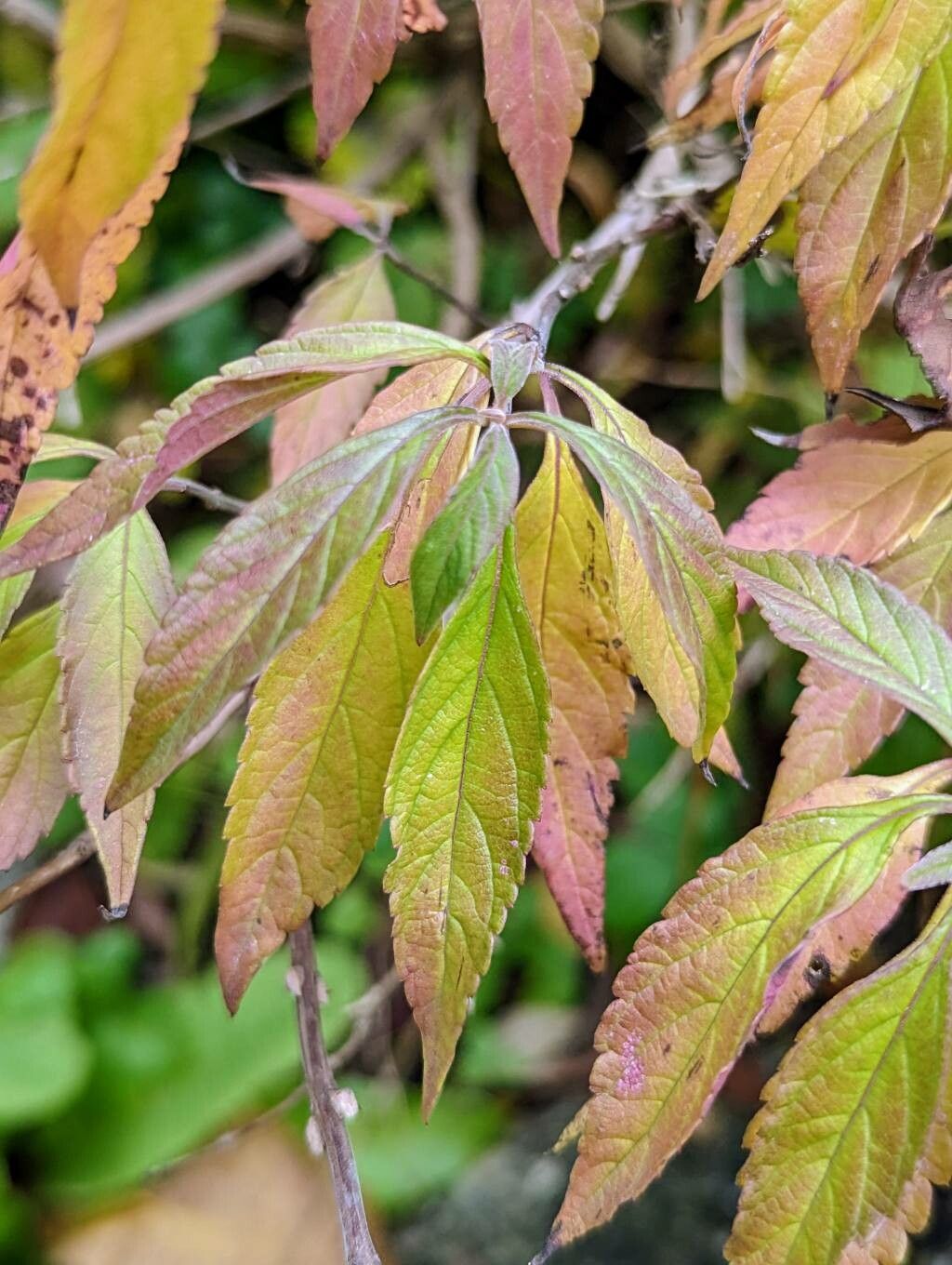
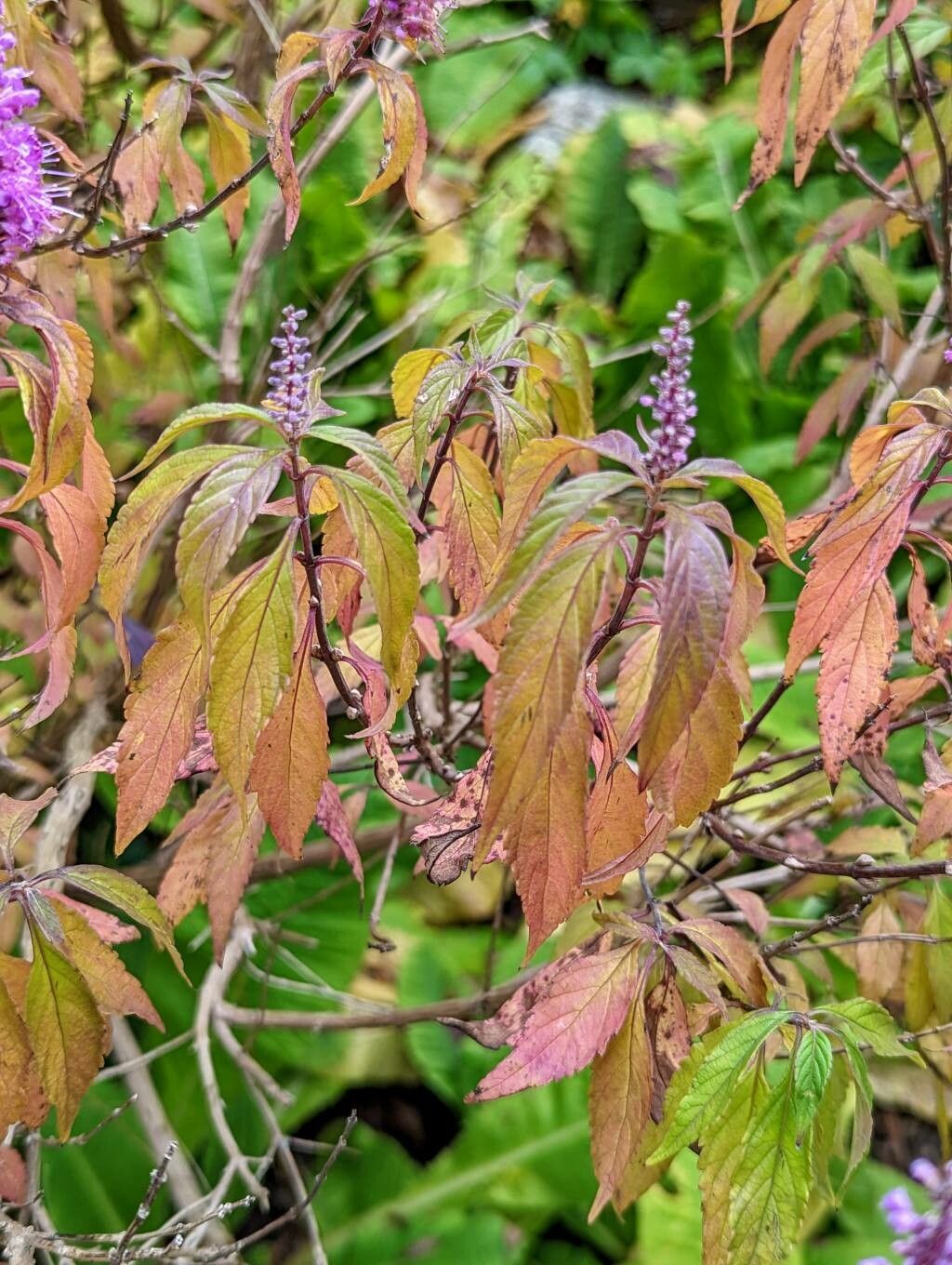
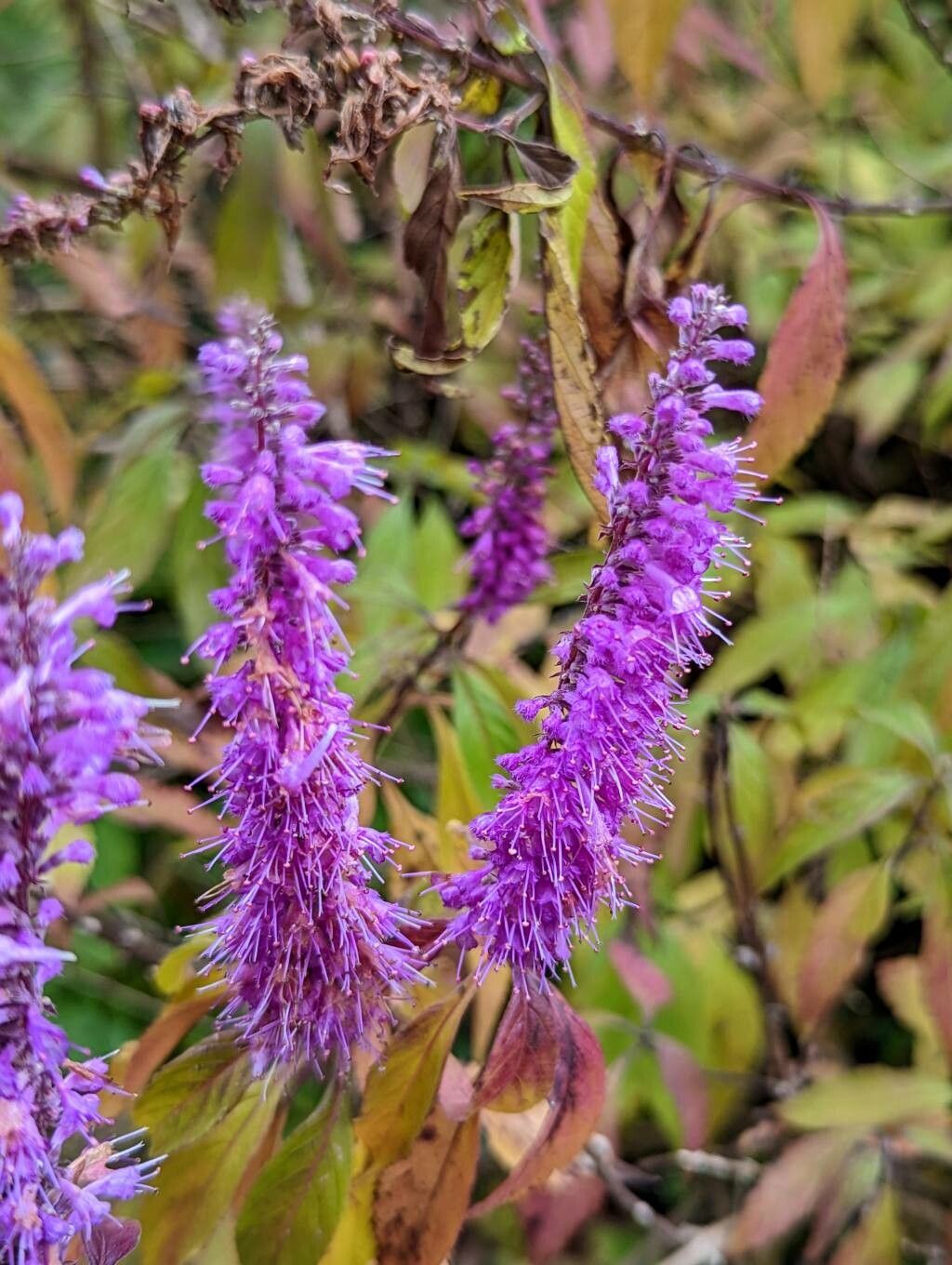
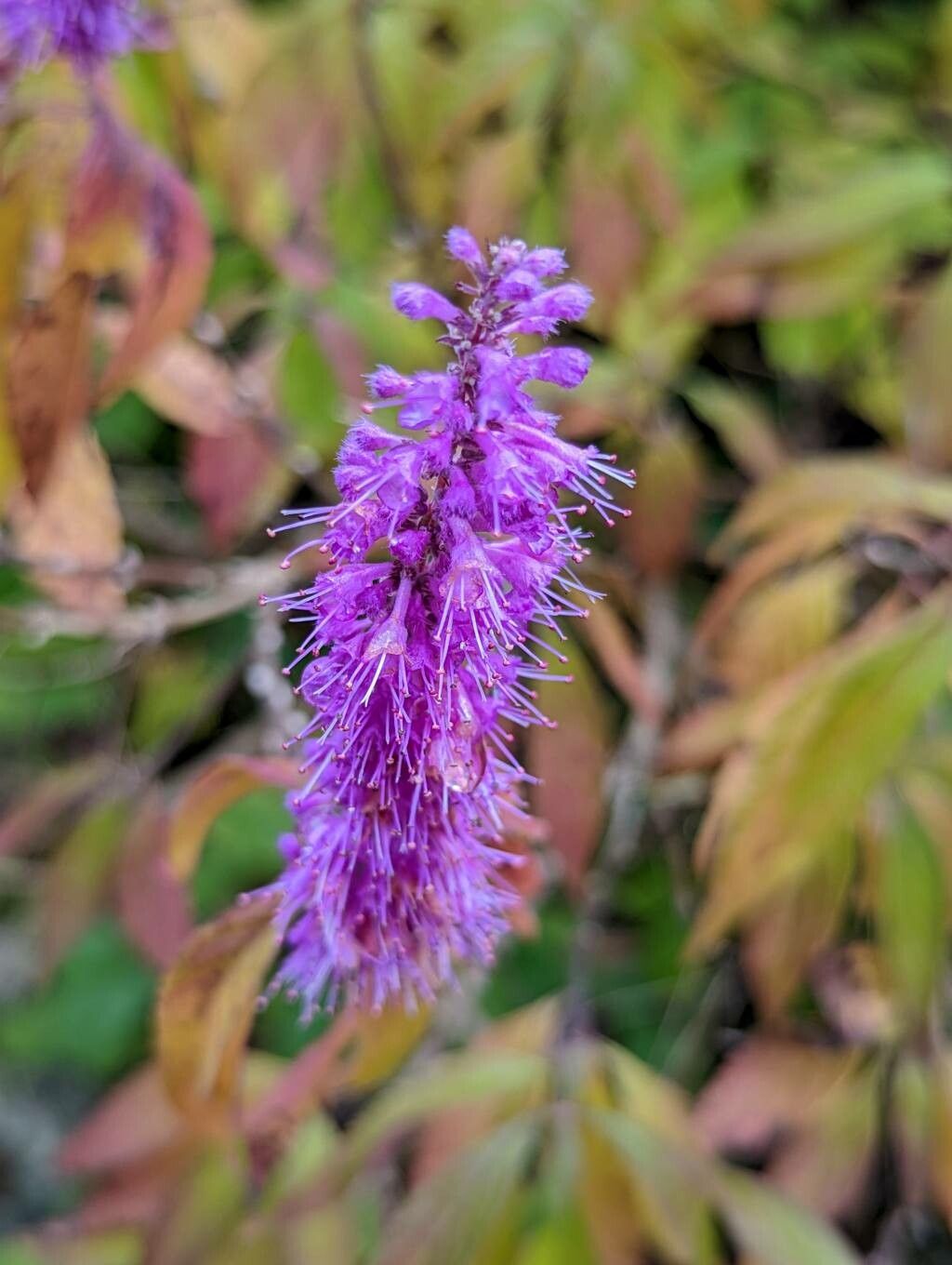
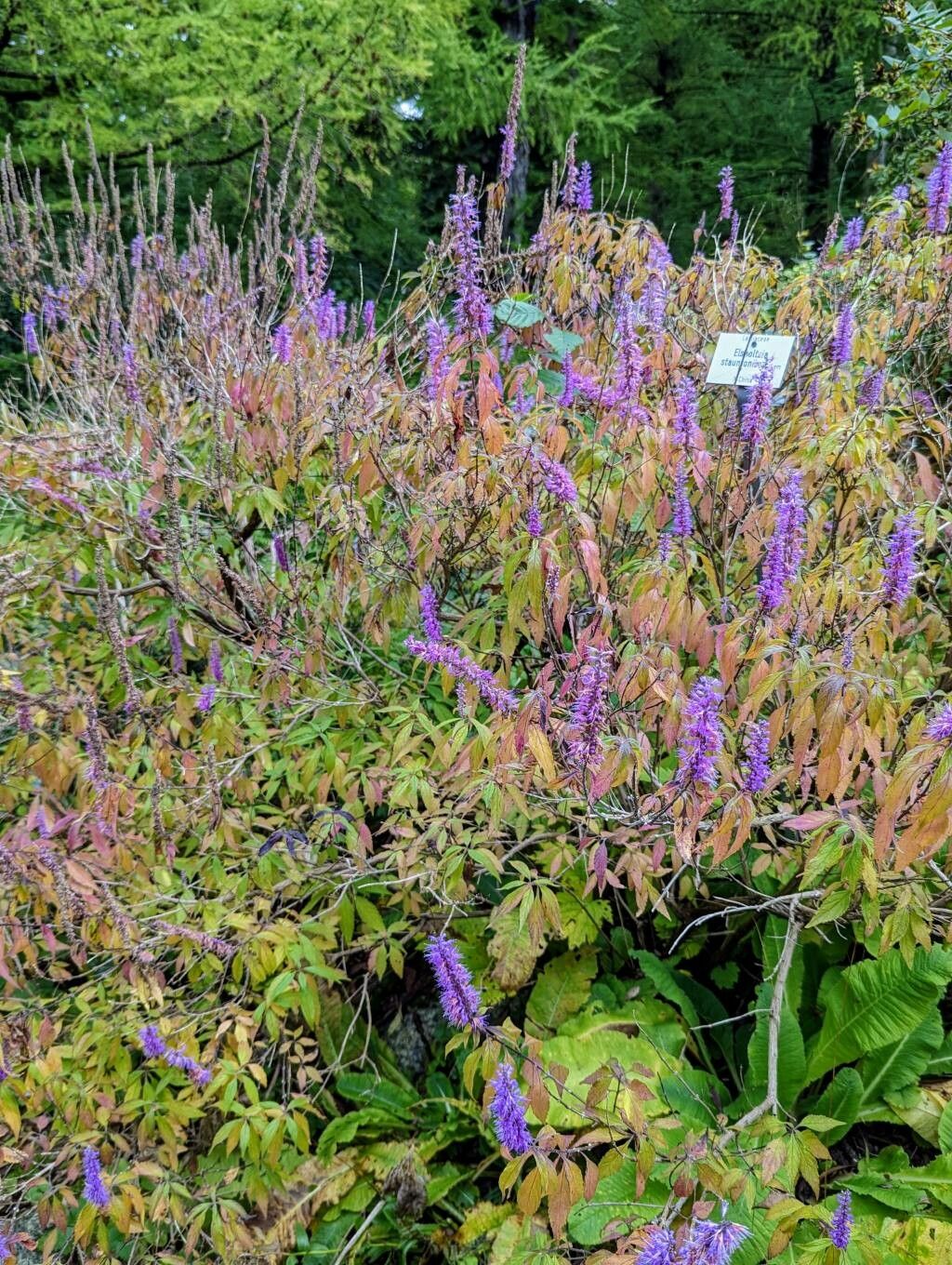
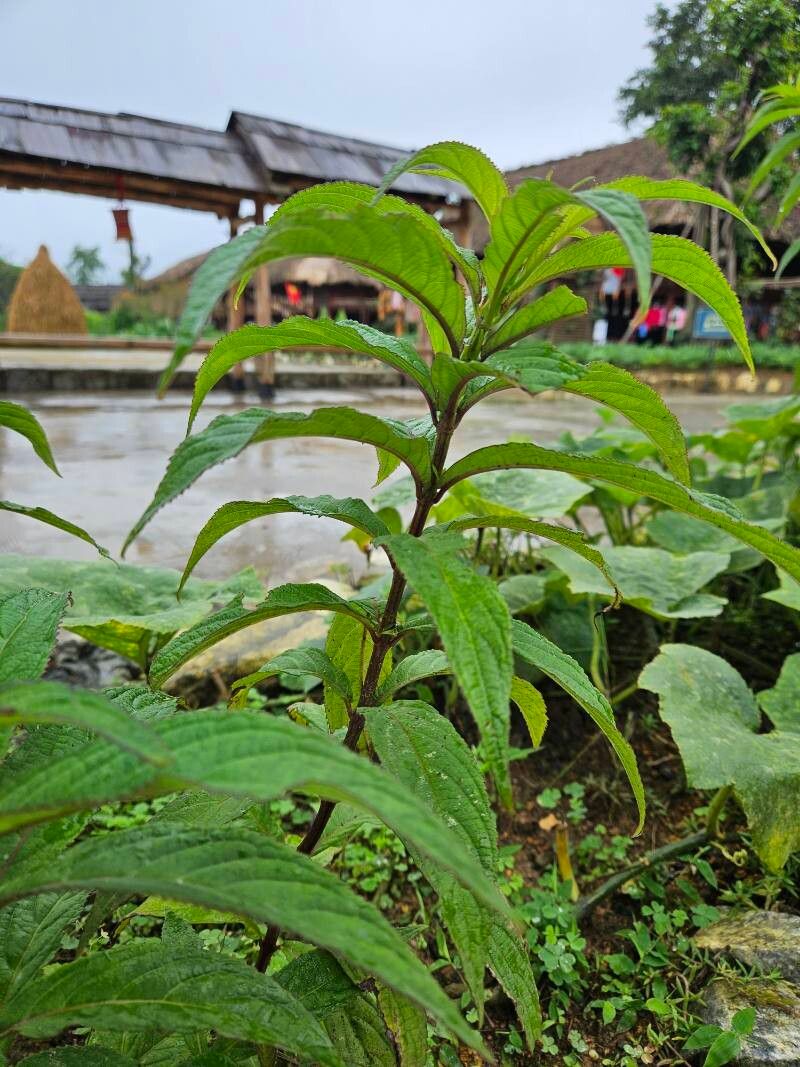
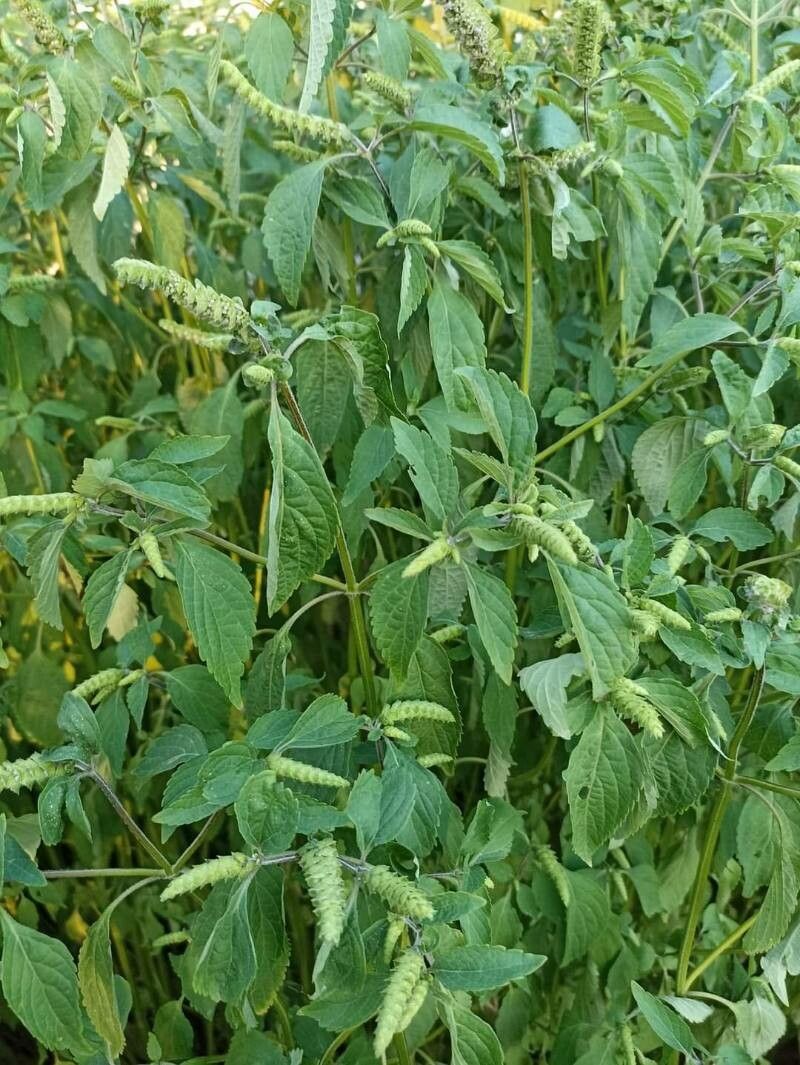
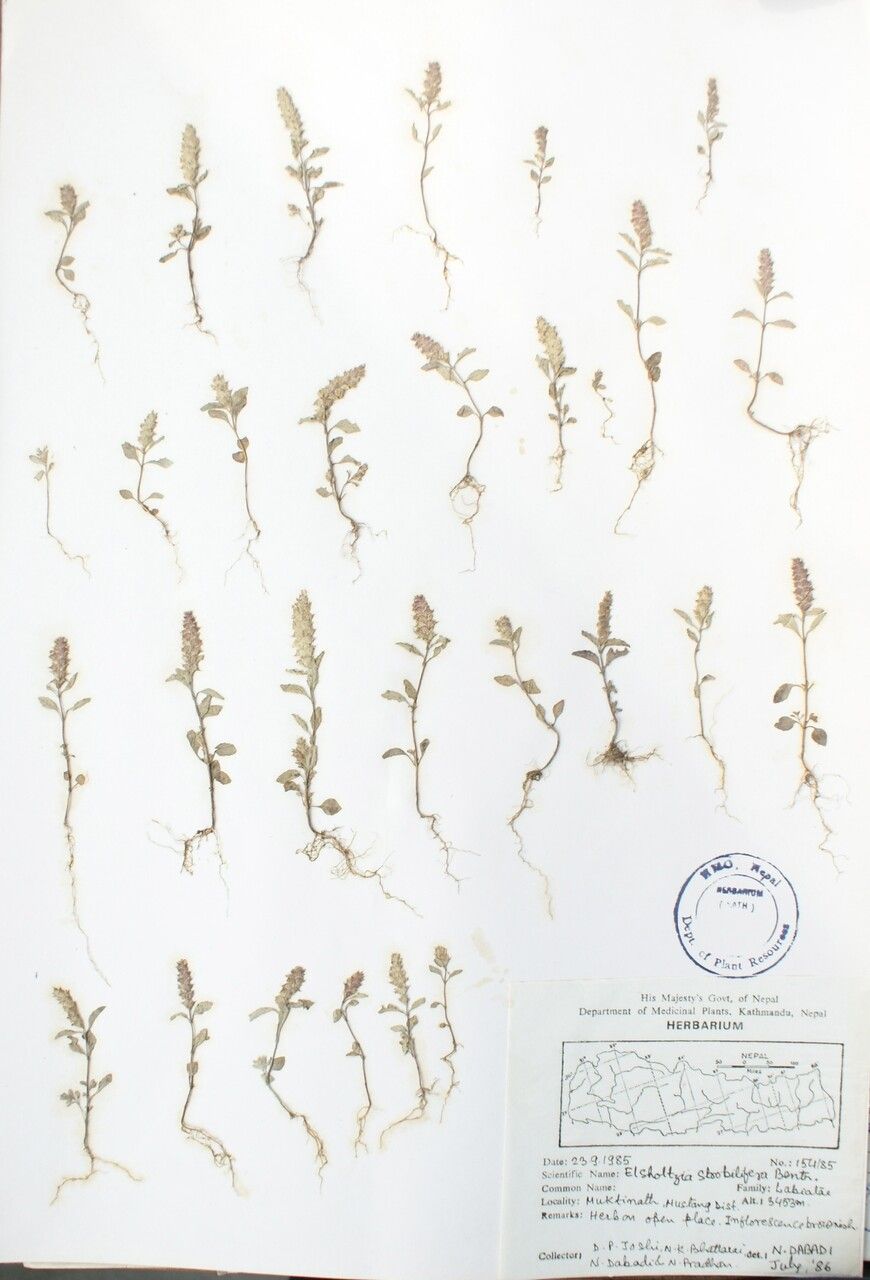
The Chinese mint bush is resistant to disease and is generally unlikely to develop illnesses. As for care, the plant is fairly low-maintenance. When grown outdoors it needs only light watering, and larger plants typically do not require pruning. Smaller plants, however, should be pruned after they finish blooming. The Chinese mint bush is suitable for anyone with an outdoor area, such as a garden or a deck, and does not demand much prior care experience.
How to keep Elsholtzia Stauntonii.
Light
Chinese mint bush is native to open habitats, such as sunny meadows and forest margins, which offer abundant light. It does best in full sun but can also handle partial sun, showing good adaptability to different light levels.
Temperature
The Chinese mint bush is highly adaptable to a variety of climate conditions, enduring both scorching summers and chilly winters. However, it has an optimal temperature range for growth. If temperatures become excessively high, the plant is vulnerable to heat and humidity stress, which can lead to its death. In areas where temperatures approach the lower limit of its cold tolerance, providing insulation to protect the plant is important.
Fertilizer
Timing is important when fertilizing Chinese mint bush. Apply fertilizer in early spring and continue monthly until early summer. Fertilizer promotes attractive blooms and supplies energy during both dormant and active growth phases.
Pruning
The Chinese mint bush is known for its aromatic leaves and purple flowers. To keep it healthy and vibrant, it's important to prune it annually in early spring. Start by trimming one-third of the previous year's growth to encourage bushiness and more blooms. Additionally, remove any dead wood to improve air circulation, which supports vigorous new growth and overall health while minimizing stress on the plant.
Botanical profile.
- Plant Type
- Shrub
- Life Cycle
- Perennial
- Genus
- Elsholtzia
- Family
- Lamiaceae
- Hardiness Zone
- 5-9
- Mature Height
- 0.91 m to 1.52 m
- Mature Spread
- 2.13 m
- Leaf Color
- Green, Dark Green
- Leaf Type
- Semi-evergreen
- Flower Color
- Lavender, Purple
- Flower Size
- 20.32 cm
- Bloom Time
- Late summer, Early fall, Mid fall
- Planting Time
- Spring, Summer, Autumn
- Harvest Time
- Mid fall, Late fall, Early winter
- Native Area
- China
Other names.
Reader questions.
What is the best way to water my Chinese mint plant?
To promote excellent root development, place a garden hose at the base of the plant, avoiding direct spraying of the leaves. If the plant is outdoors and exposed to direct sunlight, the leaves will need more watering. You can also use bubblers or soaker hoses to moisten the roots, and ensure deep watering by using soaker hoses that cover the entire garden or bed. After adding or removing plants, drain any excess water and wait for the soil to dry before watering again. To prevent diseases, water at ground level rather than sprinkling from above. On sunny days, consider spraying the entire bush with water. Whether potted or in-ground, remember that Chinese mint bush prefers deep watering rather than light sprinkling.
Why should I put fertilizer on my Chinese mint bush?
There are a few important reasons why fertilizing a Chinese mint bush is necessary. Firstly, fertilizer helps the bush produce beautiful blooms. The best time to fertilize is in early spring to ensure excellent flowering during that season. Additionally, fertilizer provides the bush with ample energy to store in the ground during periods of dormancy. By giving the bush extra nutrients during fall planting or late spring, it will have more energy to utilize once active growth resumes.
How many hours of sunlight does Chinese mint bush need daily to grow well?
To ensure healthy growth, it is important to give Chinese mint bush at least 3-6 hours of sunlight per day. This is the minimum requirement, although most plants that can tolerate some shade can also do well in full sun. However, because they need less light for photosynthesis, these plants are more adaptable compared to those that need either full sun or partial shade.
What should I do if I give too much/not enough water to my Chinese mint bush?
An overwatered Chinese mint bush can show several signs of distress. The leaves may turn yellow, drop off, and wilt, giving the plant a dull and unhealthy appearance. Mushy stems may also be present. When these signs begin to appear, it's important to adjust your watering schedule accordingly. Additionally, wilting can also be a sign of under watering. In this case, the leaves will become crispy and dry. To address under watering, check the soil regularly and provide a thorough watering when it is dry. However, be aware that enough water to revive the plant may cause the Chinese mint bush to temporarily display yellow, dry leaves due to damage to the root system. Once the plant returns to normal, the yellowing leaves will cease. When caring for a Chinese mint bush indoors, always monitor the moisture levels in the pot. Avoid overwatering and be on the lookout for black spots. If you notice these spots, allow the soil to dry out by withholding water for a few days. Overwatering can lead to root rot, so if you observe discolored and slimy roots, consider transferring the plant to a different pot. Preventing root rot is crucial, so avoid overly soggy soil. When planting a Chinese mint bush outdoors, dig a little deeper to ensure proper moisture absorption. If you find that the soil is too dry when you check with your fingers, it may indicate under watering. Adequate watering is necessary for the plant to recover.
When should I fertilize my Chinese mint bush?
To effectively fertilize Chinese mint bush, timing is crucial. It is important not to apply fertilizer too early, when the plant is still dormant. This is because the fertilizer will not be effective and will be washed away by rainwater, resulting in waste and pollution. The best time to start fertilizing is in the early spring. After that, continue applying fertilizer once a month until early summer.
What kind of sunlight does Chinese mint bush require?
Chinese mint bush thrives when it is exposed to full or partial sun. It will do particularly well when it receives direct morning light. However, during the summer, it requires some shelter from the intense afternoon sun, as excessive heat can cause the leaves to burn, which can harm the overall appearance and health of the plant.
How often do I need to water my Chinese mint bush?
The Chinese mint bush prefers deep and infrequent watering, especially when planted in pots. It is recommended to soak them in a gallon of water each time to account for the limited water storage and faster drying of pot soil. In cold regions, watering is needed every 3 to 5 days. Watering early in the morning is ideal when the soil is dry, whether the plant is placed indoors or outdoors. Checking the soil can also determine if watering is necessary - when the top 2-3 inches are dry, it's time for a full watering. During hot days, daily moisture checks may be necessary to prevent the soil from drying out quickly. If you have a garden, irrigation of the soil is required. In hot climates, watering once a week is recommended. Only water when you notice about 2-3 inches of soil becoming too dry, and take into consideration rainfall to avoid overwatering and root rot. Chinese mint bushes typically grow in spring and fall, and adding mulch about 3-4 inches deep when they are outdoors helps conserve water. Sandy soil requires more frequent watering as it drains faster, while clay soil needs less frequent watering to prevent root rot. It can be helpful to mark the watering dates on a calendar and pay attention to the plant's leaves - drooping leaves may indicate a need for water.
When is it best not to add fertilizer to my Chinese mint bush?
To ensure the optimal growth and blossoming of Chinese mint bush, it is important to be mindful of the type and timing of fertilizer used. Avoid using fertilizer with excessive nitrogen content, as this can result in an abundance of leaves but limited blooms. Instead, select a fertilizer that has a lower nitrogen level compared to other nutrients. Additionally, refrain from fertilizing the plant after the early autumn, as this can cause excessive growth just before winter. It is also advisable to avoid fertilization during hot and dry periods, as dry soil does not effectively deliver the nutrients and can lead to overstimulated growth, requiring more water than may be available. It is best to apply fertilizer earlier in the season when temperatures are cooler. Lastly, be cautious about unintentionally providing the Chinese mint bush with a double dose of fertilizer, as it can absorb nutrients from nearby plants or lawns.
Can the sun harm Chinese mint bush? How can I keep Chinese mint bush safe from the sun and heat?
Chinese mint bush, when moved from indoors to outdoors, can be easily damaged by direct sunlight. To prevent sunburns from overexposure, it is best to move the pots gradually from a shaded area to a brighter spot. However, even plants acclimated to the summer sun can still be damaged by extreme heat. During a heatwave, it is crucial to keep the soil consistently moist to help the plants cope with excessive heat levels. To protect sensitive Chinese mint bush during extreme weather events, consider moving plants in containers to areas with afternoon shade or using a shade cloth to provide shade.
How much water does my Chinese mint bush need?
The Chinese mint bush needs about a gallon of water on a regular basis. For potted plants, water them deeply until you see water dripping from the bottom of the pot, then wait for the soil to dry before watering again. You can use a water calculator or moisture meter to track how much water you've given your plant each week. During the flowering period, provide plenty of water but let the moisture evaporate to prevent root rot. If the Chinese mint bush is planted outdoors and receives sufficient rainfall, it may not need extra watering. However, when it's young or newly planted, ensure it receives 1-2 inches of rain per week. As it grows, it can rely solely on rainfall, except for extremely hot weather or prolonged periods without rain. In such cases, water the plant fully during cooler parts of the day to protect it from heat damage. Additional watering is necessary during extended dry spells.
What kind of plant food does my Chinese mint bush need?
To ensure the optimal growth of your Chinese mint bush, it is recommended to use a fertilizer with a balanced mix of plant nutrients, with slightly higher levels of phosphorus. Another option is to improve the soil by adding organic materials like compost, worm castings, and manure. When the flower buds start to appear, experienced gardeners may choose to supplement the plant with water-soluble fertilizers that contain phosphorus, enhancing flower development and promoting larger and longer blooms. Various types of fertilizers are available for Chinese mint bushes, with liquid or powdered forms considered among the best. Regardless of the type used, it is important to dilute the fertilizer and apply it while watering the plant.
Should I keep Chinese mint bush away from sunlight?
Chinese mint bush benefits from bright morning sun and some full sun exposure, but it can't handle the harsh, hot midday sun in summer. If it's planted in the ground, it can gradually adapt to the increasing intensity of the sun throughout the season. However, potted plants that have been indoors or in a protected location might get hurt if exposed suddenly to the full summer sun. To protect the plant from the intense afternoon sun, it's best to plant or place it in a shaded area at midday, under taller trees or plants, or near a building or landscape feature.