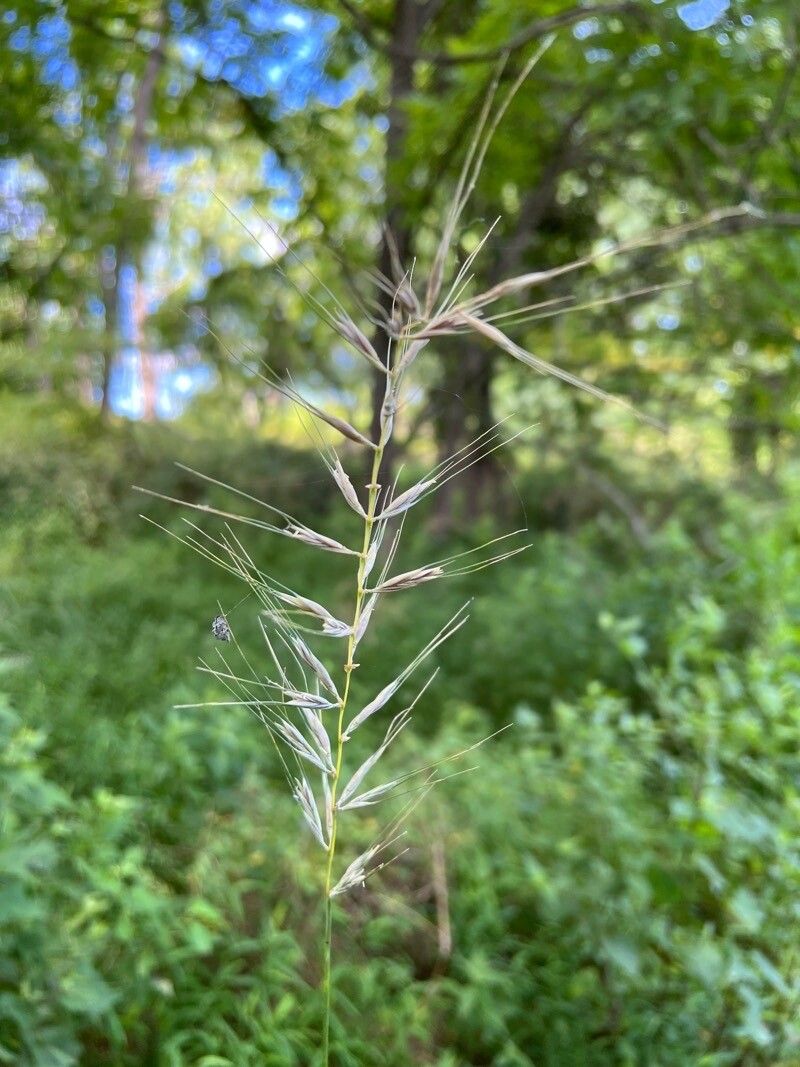
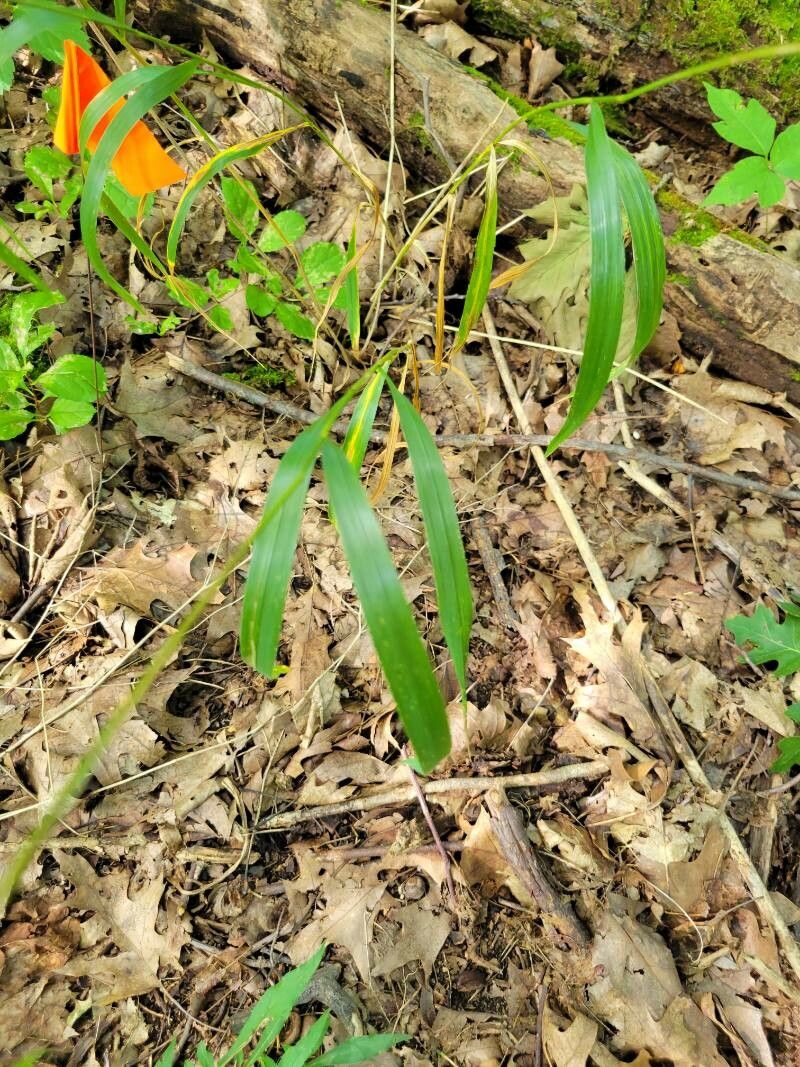
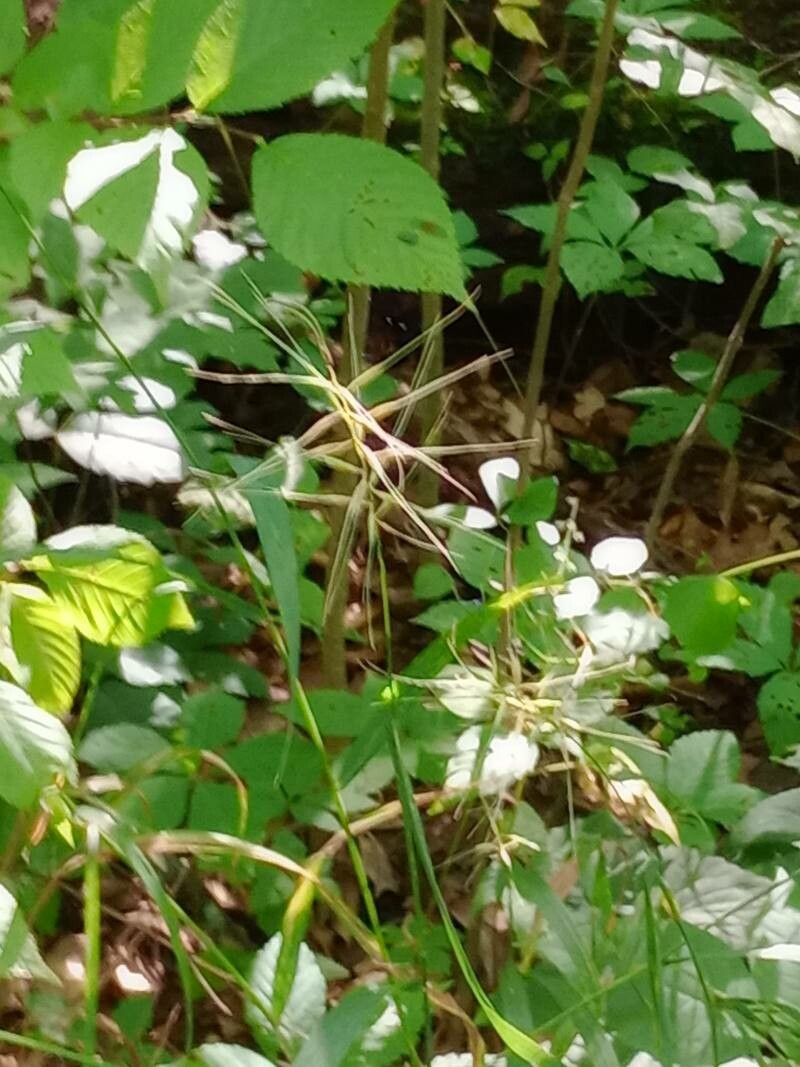
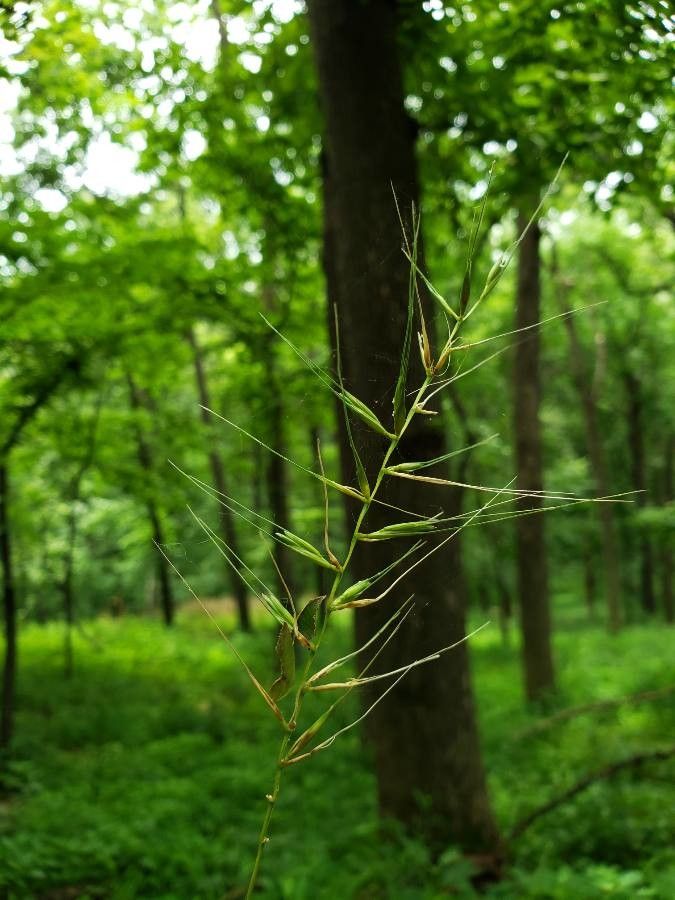
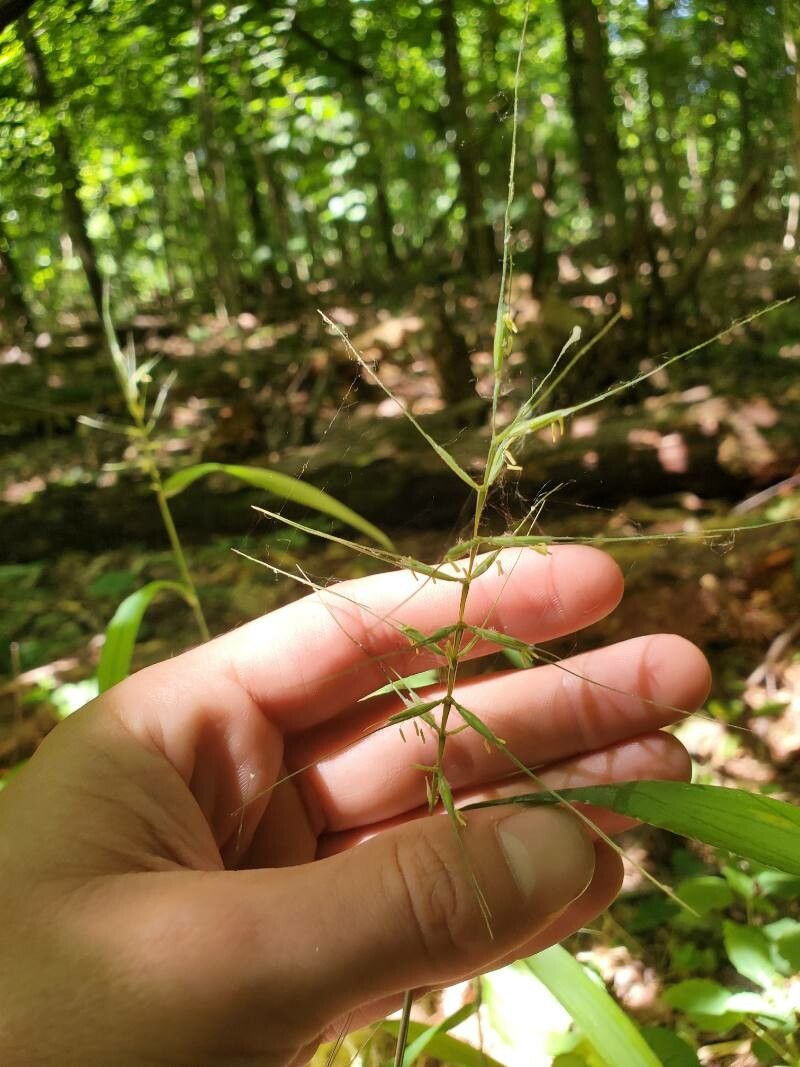
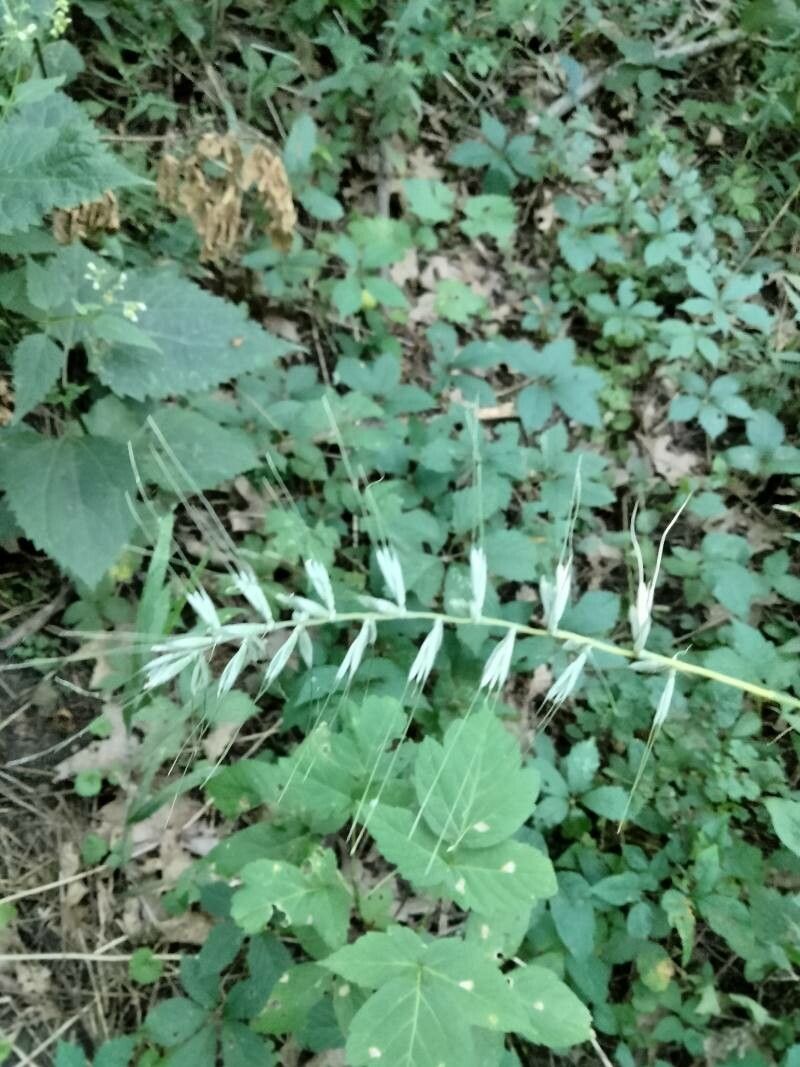
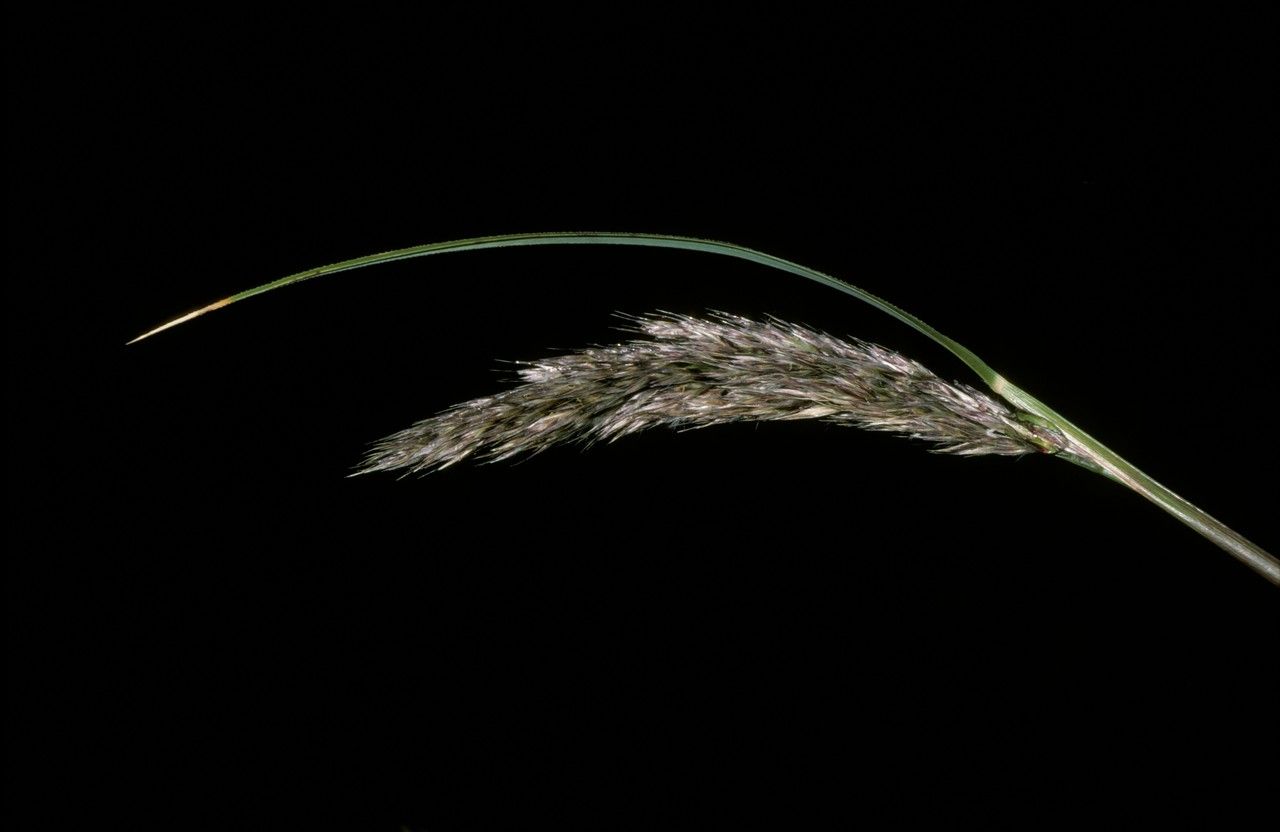
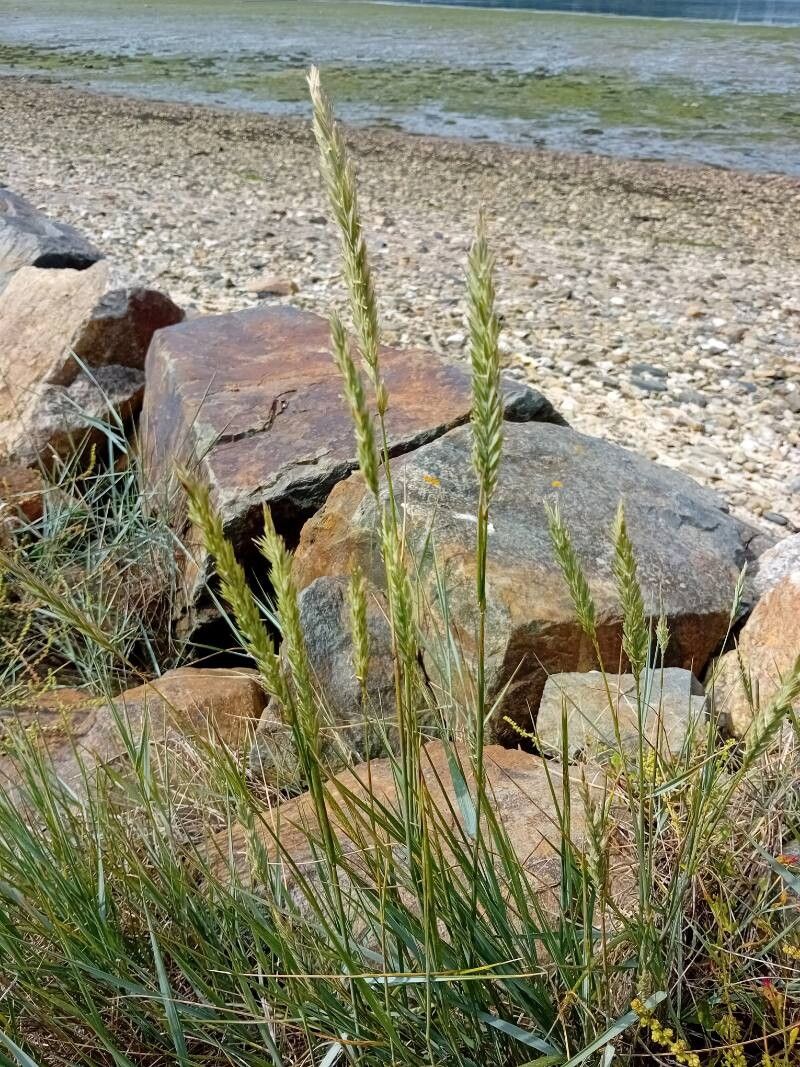
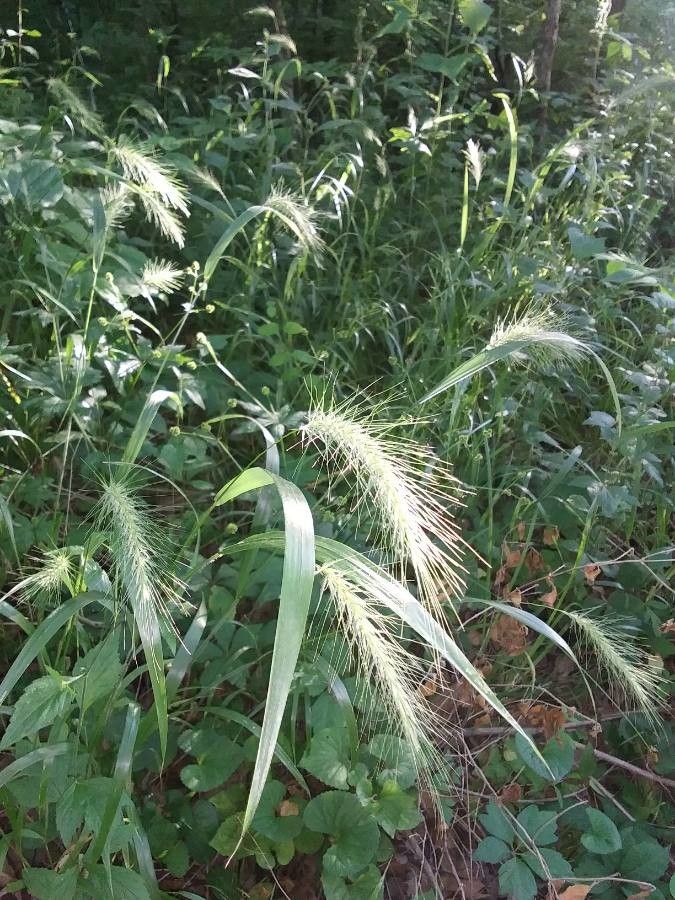
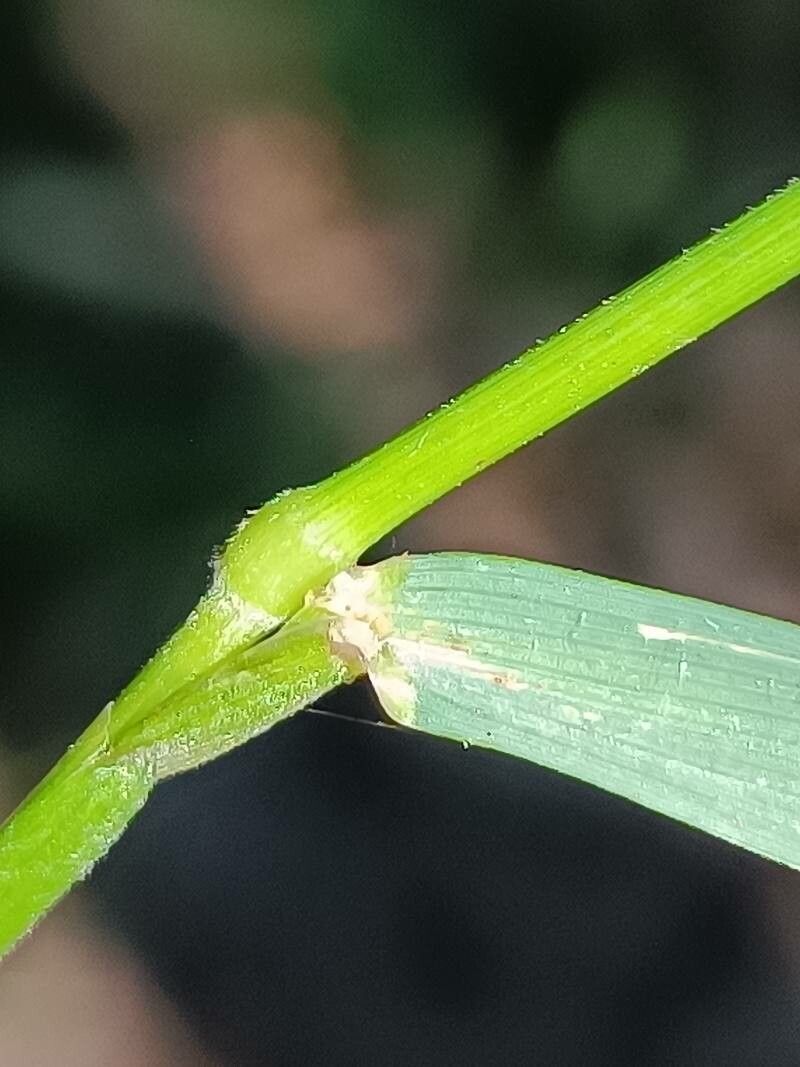
Elymus hystrix, known as eastern bottlebrush grass, or bottle-brush-grass, is a bunchgrass in the grass family, Poaceae. It is native to the Eastern United States and Eastern Canada.
Eastern bottle-brush grass is fairly resistant to disease and typically does not suffer from illnesses. Nonetheless, it can be vulnerable to pests and diseases present in its surroundings. These outbreaks are usually minor. For care, the plant requires moderate maintenance. It should be pruned regularly to preserve a good appearance and encourage healthy growth. Fertilizing can also help stimulate flowering. Eastern bottle-brush grass is well-suited for anyone with outdoor space, such as a garden or patio, and does not demand extensive care experience. It may need extra attention when kept indoors.
How to keep Elymus Hystrix.
Light
Eastern bottle-brush grass grows best with moderate sunlight and can tolerate periods of intense sun. Its health and development depend on maintaining that light balance. In its natural setting it occurs beneath a canopy, which limits exposure to strong light. Too much light can cause light-related damage, while too little light can prevent it from reaching optimal growth.
Water
Eastern bottle-brush grass is native to temperate regions and thrives in environments with moderate moisture. It prefers consistent hydration and should be watered twice a week. As an outdoor plant, it flourishes in natural light and particularly benefits from rainfall during its growing season.
Temperature
Eastern bottle-brush grass is native to mild climates and favors temperatures from 32 to 90°F (0 to 32°C). To preserve healthy growth during extreme seasons, it is recommended to provide extra shading in summer and frost protection in winter.
Fertilizer
One fertilizer application in spring is typically adequate for Eastern bottle-brush grass, though repeated feedings can boost growth to its fullest. Apply fertilizer about once a month to every month and a half. Fertilization improves the leaves’ appearance and performance, supporting even color and a healthy texture. It also encourages root development and better nutrient uptake for enduring plant health.
Pruning
Eastern bottle-brush grass is known for its distinctive bottle-brush-shaped seed heads and gracefully arching stems. To maintain its health and appearance, prune the plant in early spring. This will remove any damaged growth and promote vigorous new growth. Additionally, cutting the foliage down to ground level enhances the grass's ornamental value. It also prevents overcrowding and improves air circulation, which helps reduce the risk of disease.
Botanical profile.
- Plant Type
- Herb
- Life Cycle
- Perennial
- Genus
- Elymus
- Family
- Poaceae
- Hardiness Zone
- 2-8
- Mature Height
- 0.61 m to 1.22 m
- Mature Spread
- 30 cm to 61 cm
- Leaf Color
- Green, Blue, Gray, Silver
- Leaf Type
- Deciduous
- Flower Color
- Green, Brown, White, Yellow
- Flower Size
- 7.62 cm to 15.24 cm
- Bloom Time
- Early summer, Mid summer
- Planting Time
- Spring, Summer
- Harvest Time
- Late summer, Early fall
Other names.
Reader questions.
How should I water my Eastern bottle-brush grass in the best way?
To properly water the Eastern bottle-brush grass, it's best to use filtered water at room temperature. Tap water may have harmful particles, so filtered water is safer. The grass is used to warm environments, so cold water can be a bit of a shock. Avoid watering from above, as it can cause issues with the foliage. Instead, just water the soil with the filtered room temperature water until it is fully saturated. This helps the roots stay moist and spread throughout the soil to collect nutrients.
Why do I have to add fertilizer to my Eastern bottle-brush grass?
The structure of the Eastern bottle-brush grass is mainly composed of its leaves. Fertilization plays a crucial role in ensuring that these leaves look good and function properly. By fertilizing properly, you can maintain consistent leaf color and a healthy texture in your Eastern bottle-brush grass. Additionally, fertilization also has benefits below the soil's surface. It helps the grass generate new roots and maintain its existing root system. This not only keeps the plant healthy currently but also improves its ability to absorb soil nutrients in the future.
How much sunlight does Eastern bottle-brush grass need to grow?
Eastern bottle-brush grass thrives with 3-6 hours of direct sunlight daily. However, it also needs shade during the hottest parts of the day to avoid sun damage. Ideal sunlight for this grass is in the morning, but it can tolerate some afternoon sun if it's not too hot. To achieve the right balance, consider planting Eastern bottle-brush grass in a partially sunny spot, like under a tree or on the east side of a building.
What temperature is best for Eastern bottle-brush grass?
The ideal temperature for Eastern bottle-brush grass depends on the time of year. There are two main seasons to consider: the growing season and the dormancy season. During the growing season, when the grass is sprouting, the best temperature range is between 65-80℉ (18-27℃). If it gets colder than 15℉ (-10℃), the plant may suffer and its leaves could turn brown and wilt. However, if it's a short cold snap, the grass may survive with some assistance. In the warmer months, the grass also needs protection from extremely high temperatures. The upper limit for Eastern bottle-brush grass is 95-105℉ (35-40℃). Anything hotter can harm the leaves and blooms, causing wilting, drooping, and even sunburn. To address this issue, there are several simple and quick ways to help the grass.
What should I do if I give my Eastern bottle-brush grass too much or too little water?
Overwatering is a common issue for Eastern bottle-brush grass and can cause wilting, yellowing, and diseases like root rot, mold, and mildew. Underwatering is less common but can result in brittle, brown leaves. It's important to recognize the signs of overwatering early to prevent irreversible damage. Reduce watering if you notice these signs and consider using well-draining potting mix if the soil doesn't drain well. If your grass shows signs of underwatering, simply water more regularly until the signs disappear.
When should I fertilize my Eastern bottle-brush grass?
When you grow your Eastern bottle-brush grass outdoors, it will start growing new leaves in early spring. This is a sign that it's time to start fertilizing for the year. Normally, a single application of fertilizer in the spring is enough for the grass to grow well. However, if you want to promote maximum growth, you can fertilize it multiple times throughout the spring and early summer. In this case, you can feed the grass every month to a month and a half.
If Eastern bottle-brush grass doesn't get enough sunlight, what will happen?
To avoid sun damage to Eastern bottle-brush grass, it is important to provide some shade during the hottest parts of the day. Excessive direct sunlight can cause the leaves to turn yellow, dry out, or burn, and may even cause the plant to wilt or become stunted. There are a couple of ways to protect the grass from the sun, such as using a shade cloth or planting it near taller plants that can provide natural shade.
What temperatures do Eastern bottle-brush grass seedlings need in their first year?
If you have a newly planted Eastern bottle-brush grass in its first year, it's important to give it some extra attention during the coldest months. Frost can severely damage the grass and prevent it from growing back healthy in the spring. To protect it, keep the temperature above 40℉(5℃) by either bringing it indoors or using mulch or fabric barriers. During the first year or two, it's best to plant the grass in a shadier area. Smaller and weaker plants struggle to maintain their own temperature in the heat, so limit direct sunlight to no more than five hours a day. If the temperature goes above 80℉(27℃), provide shade with shadecloth and water or mist the grass frequently to control the summer heat.
How frequently should I water my Eastern bottle-brush grass?
If your Eastern bottle-brush grass is in a pot, the best way to determine if it needs water is by sticking your finger in the soil. If the top two to three inches of soil feel dry, it's time to water it. The same method can be used if your grass is grown outdoors in the ground. Once the top few inches of soil have dried out, it's time to water. Generally, this means watering about once a week in the spring and early fall. However, in extremely hot weather, you may need to water twice or more per week. It's worth noting that mature, well-established Eastern bottle-brush grass can handle drought quite well.
When is it not a good idea to put fertilizer on my Eastern bottle-brush grass?
During the late fall and winter, your Eastern bottle-brush grass goes into a dormant phase, meaning it stops growing. So, it's best to avoid fertilizing it during this time. In the spring and summer, if you choose to fertilize, gradually decrease the amount of fertilizer you use as summer approaches because the grass will slow its growth. It's never a good idea to fertilize your Eastern bottle-brush grass during extremely hot weather or when the soil is very dry. Fertilizing in these conditions can stress the grass and cause it to die prematurely.
What happens if Eastern bottle-brush grass gets too much sun?
Eastern bottle-brush grass can become tall and lanky with sparse foliage if it doesn't receive adequate sunlight. This lack of sunlight can cause the leaves to turn yellow or pale green due to insufficient chlorophyll production. To fix this issue, consider relocating the grass to a sunnier spot or trimming nearby foliage to enable more light to reach the plant.
How can I keep Eastern bottle-brush grass safe in very hot or cold weather?
If cold temperatures (below 15℉(-10℃)) occur during the growing season, here are some steps you can take to protect Eastern bottle-brush grass from frost or cold damage. - If you're growing it in a container, simply bring the container inside with bright, indirect light until the temperatures go above the lower threshold again. - If it's ground-planted, using mulch or horticultural fabric to create a barrier around the plant will help insulate and protect it from frost and cold wind. For temperatures hotter than 80℉(27℃) in the shade during the day, be cautious about exposing Eastern bottle-brush grass to more than six hours of sunlight per day, especially in the morning. - Setting up shade cloth or fine plastic mesh can reduce the direct sunlight hitting the plant during the hottest parts of the day. - Installing a misting system that releases cooling mist around the base of the plant during the day can lower ground temperatures.