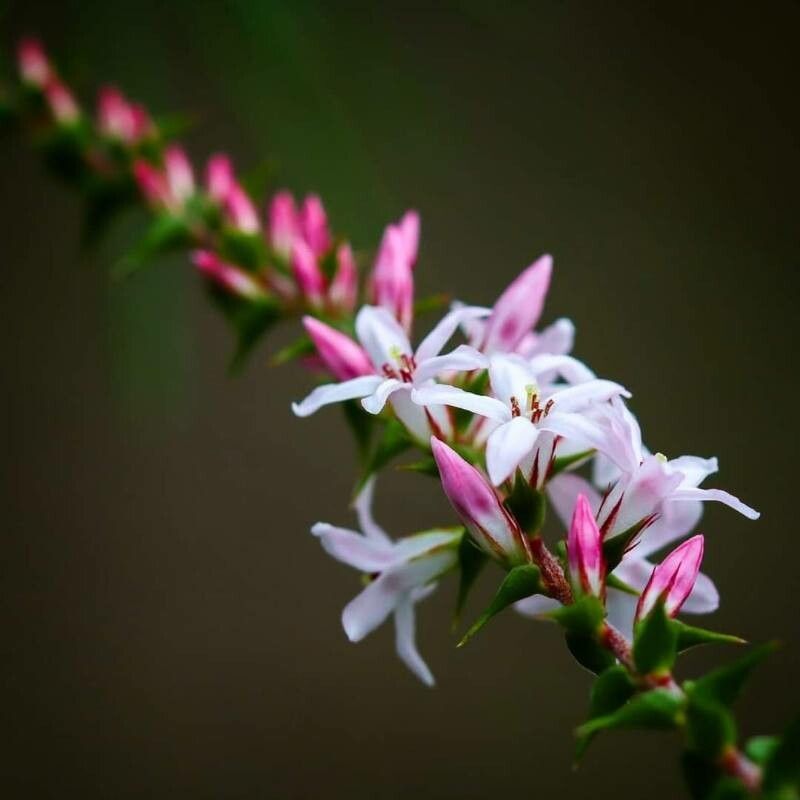
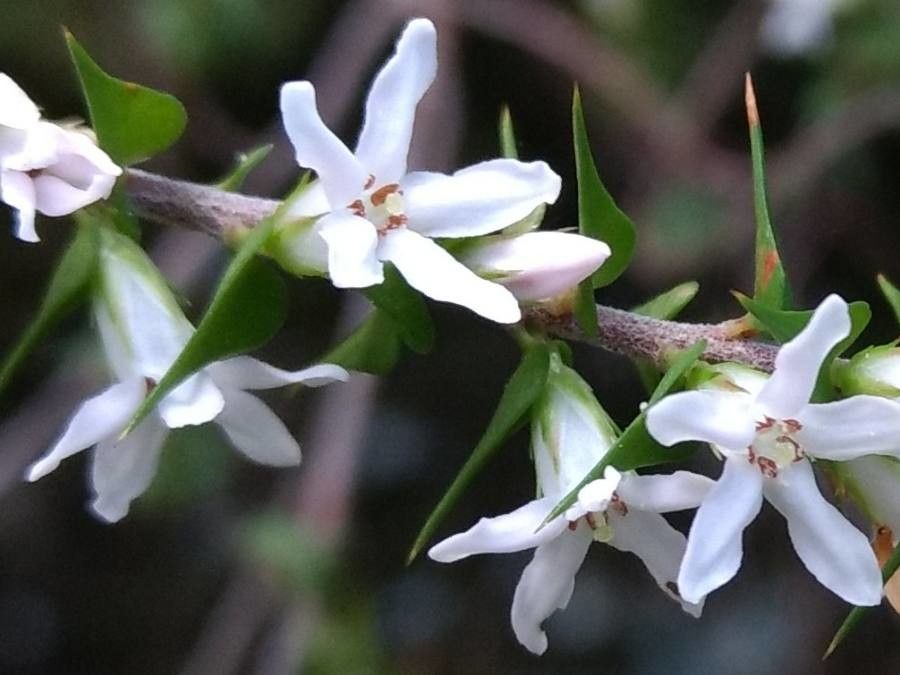
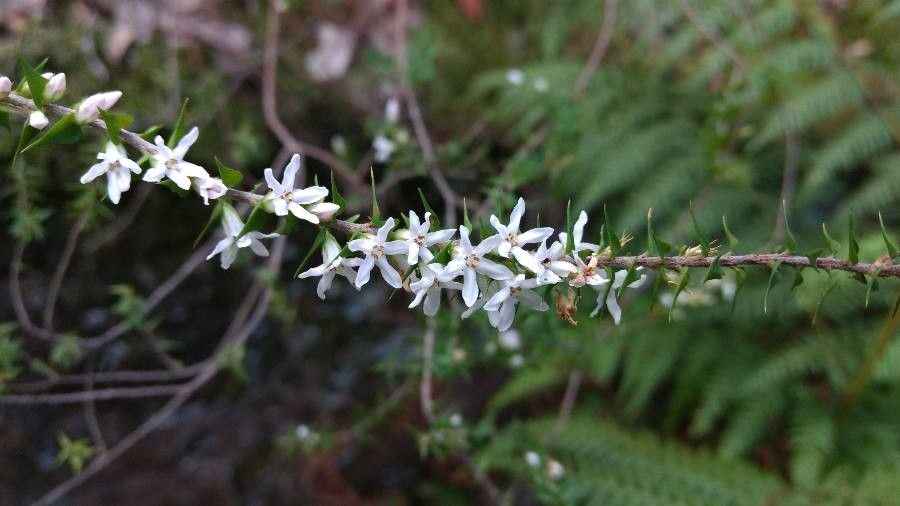
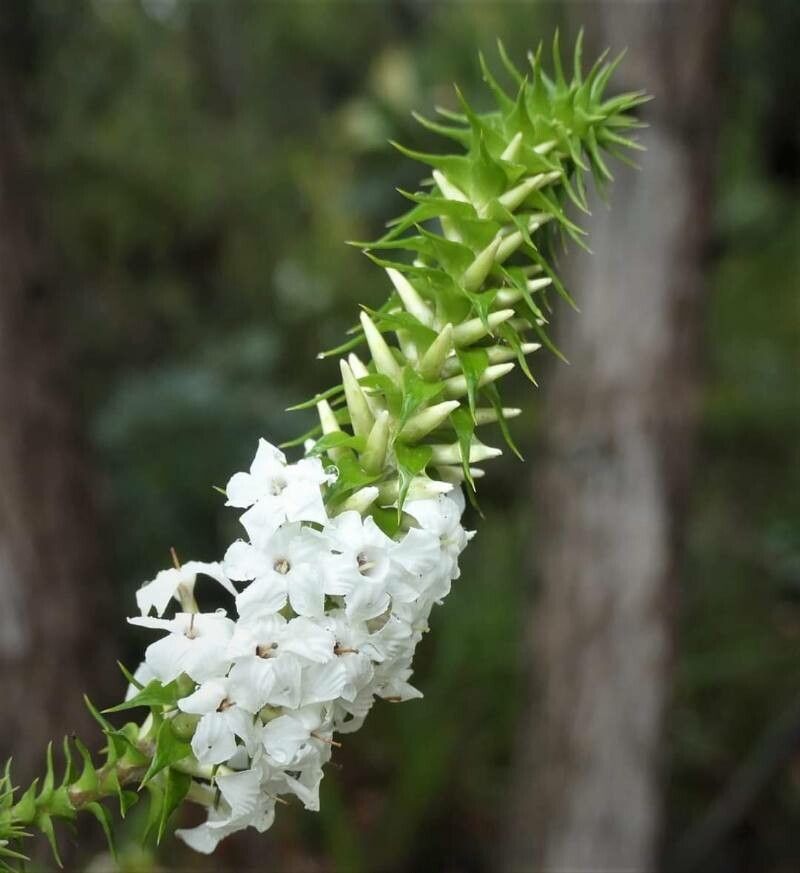
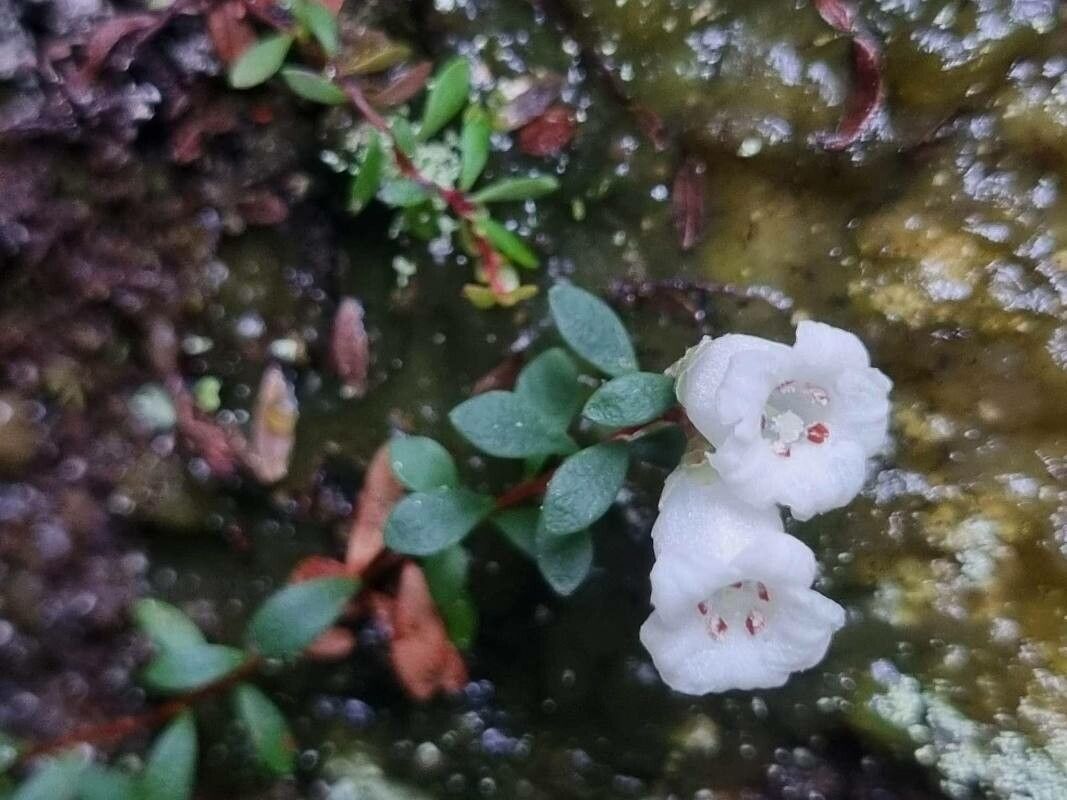
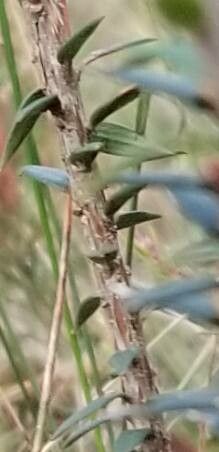
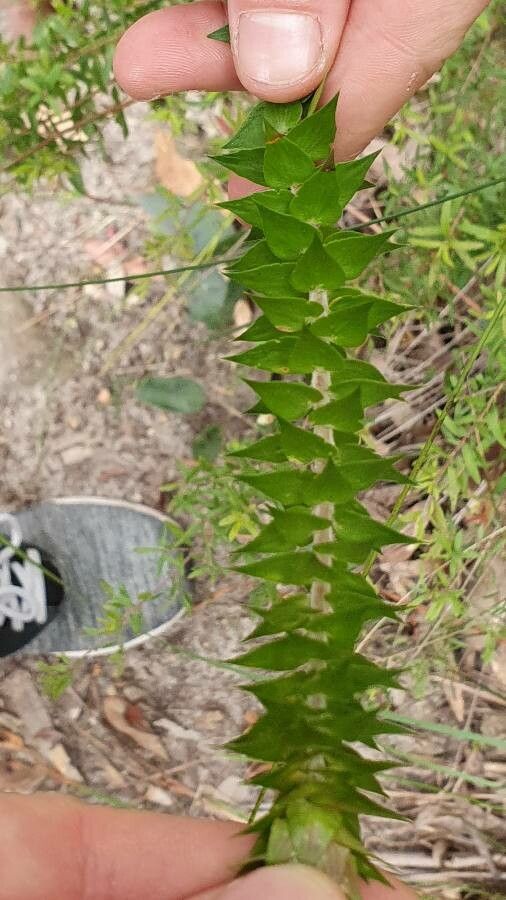
Epacris pulchella, commonly known as wallum heath or coral heath is a species of flowering plant in the family Ericaceae and is endemic to eastern Australia. It is a slender, erect shrub with egg-shaped, pointed leaves and white or pinkish, tube-shaped flowers.
New South Wales coral heath is resistant to disease and is generally not likely to suffer from infections. Regarding care, this plant is fairly low maintenance. Planted outdoors, it needs little watering, and larger specimens usually do not require pruning. Smaller plants, however, should be pruned after they finish blooming. New South Wales coral heath is appropriate for anyone with an outdoor area, such as a garden or deck, and does not demand extensive experience in plant care.
How to keep Epacris Pulchella.
Light
New South Wales coral heath is native to habitats like forest understories or rocky areas, where it experiences natural shade. It prefers partial sun but can tolerate full sun or full shade, demonstrating its versatile and hardy nature.
Temperature
New South Wales coral heath is very adaptable to a range of climatic conditions, from blistering summers to cold winters. It still has a preferred temperature band for healthy growth. If temperatures get too high, the plant can suffer from heat and humidity stress, which may kill it. In areas where temperatures reach the lower edge of its cold tolerance, providing insulation is important to protect the plant.
Fertilizer
To encourage healthy development, fertilize your New south wales coral heath in early spring. Regular feeding boosts overall health, leading to vigorous growth, greater tolerance of harsh conditions, and improved resistance to pests and diseases. Follow a consistent fertilization schedule for your New south wales coral heath to ensure lush, deeply colored, vibrant foliage.
Pruning
The New South Wales coral heath is a small evergreen shrub with delicate white to pink tubular flowers. To promote a healthier and more vibrant display, prune it in early spring. Remove any dead branches and trim back one-third of the new growth to enhance the plant's shape, encourage growth, and improve airflow.
Botanical profile.
- Plant Type
- Shrub
- Life Cycle
- Perennial
- Genus
- Epacris
- Family
- Ericaceae
- Hardiness Zone
- 9-11
- Mature Height
- 30 cm to 91 cm
- Mature Spread
- 49 cm to 91 cm
- Leaf Color
- Dark Green
- Leaf Type
- Evergreen
- Flower Size
- 0.51 cm to 0.76 cm
- Bloom Time
- Late summer, Early fall, Mid fall
- Planting Time
- Spring, Summer
- Harvest Time
- Late fall, Early winter, Mid winter