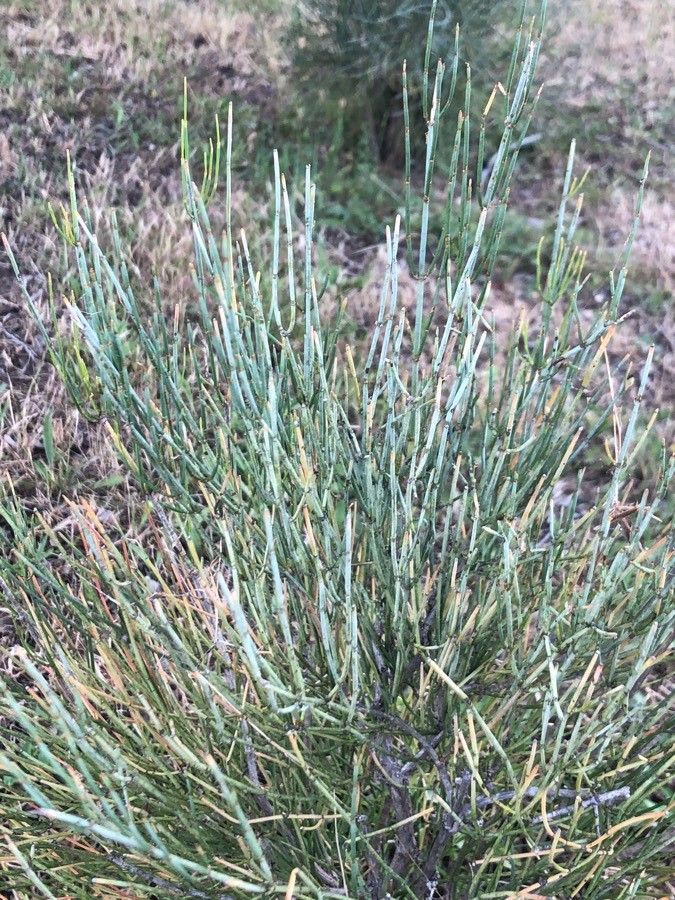
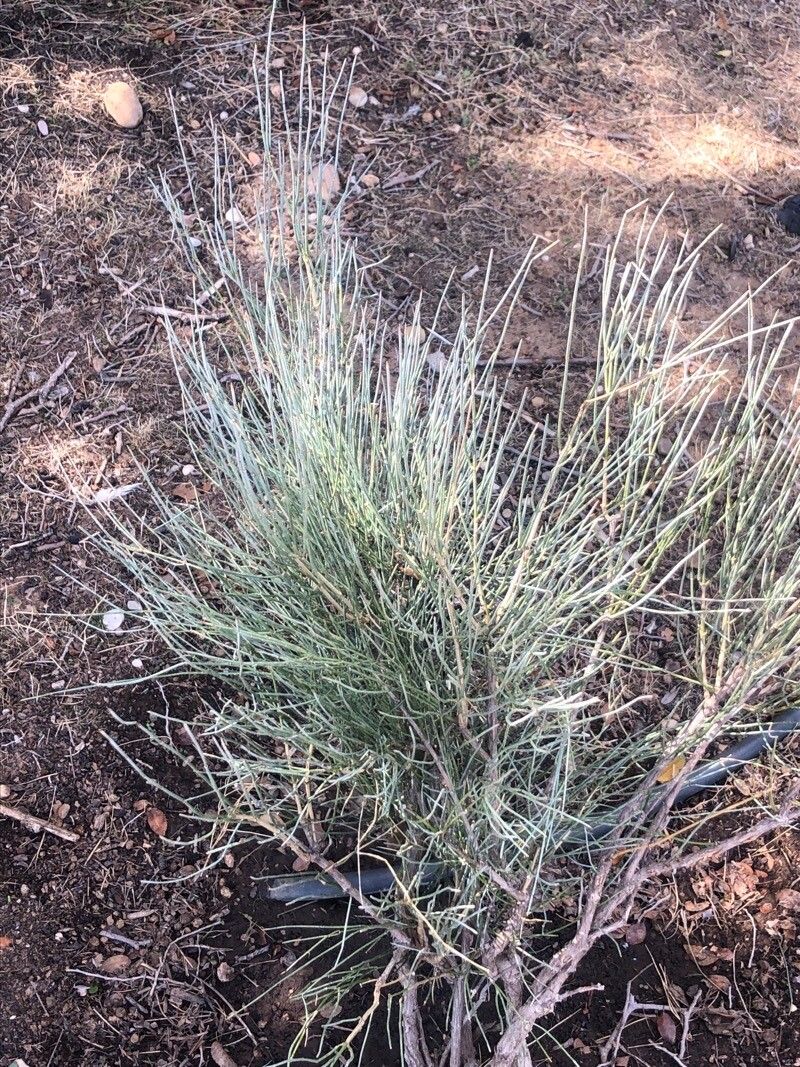
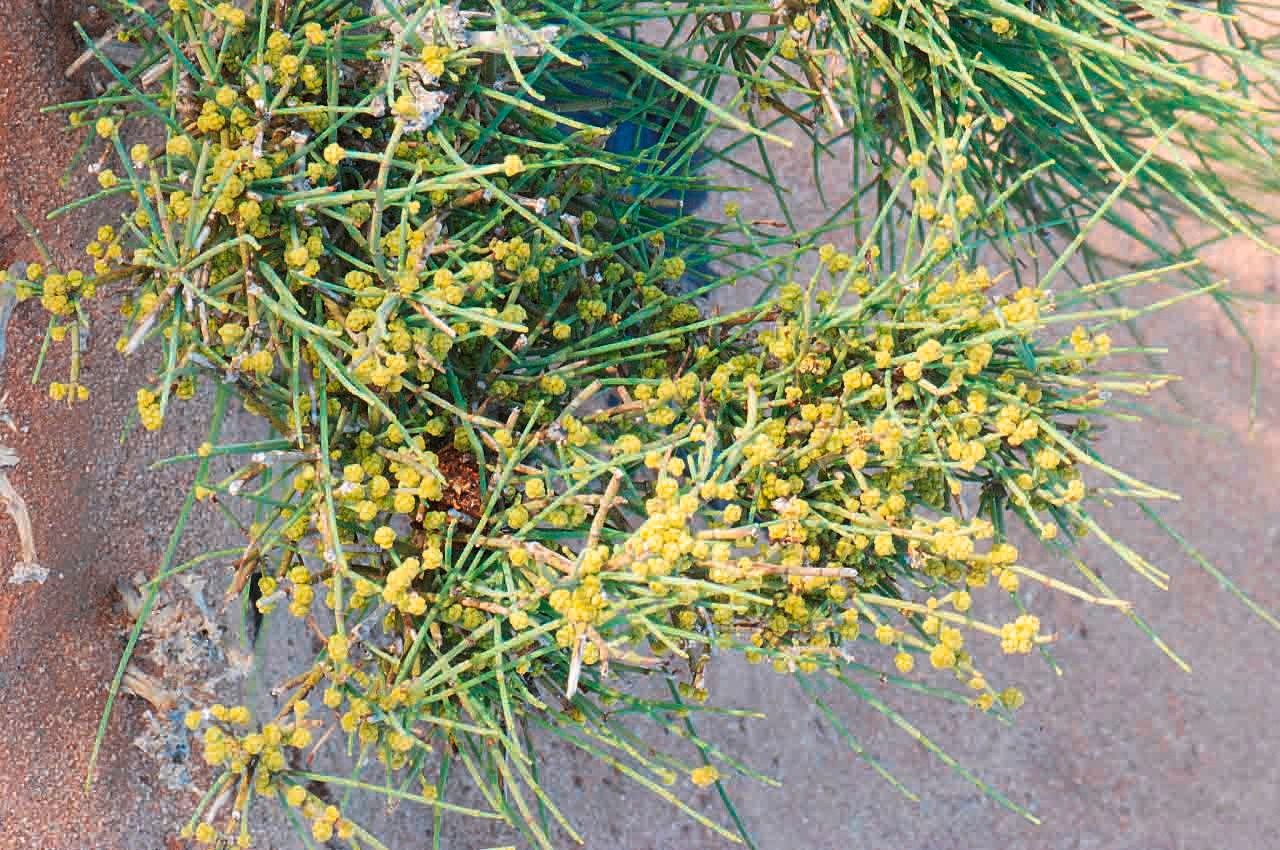
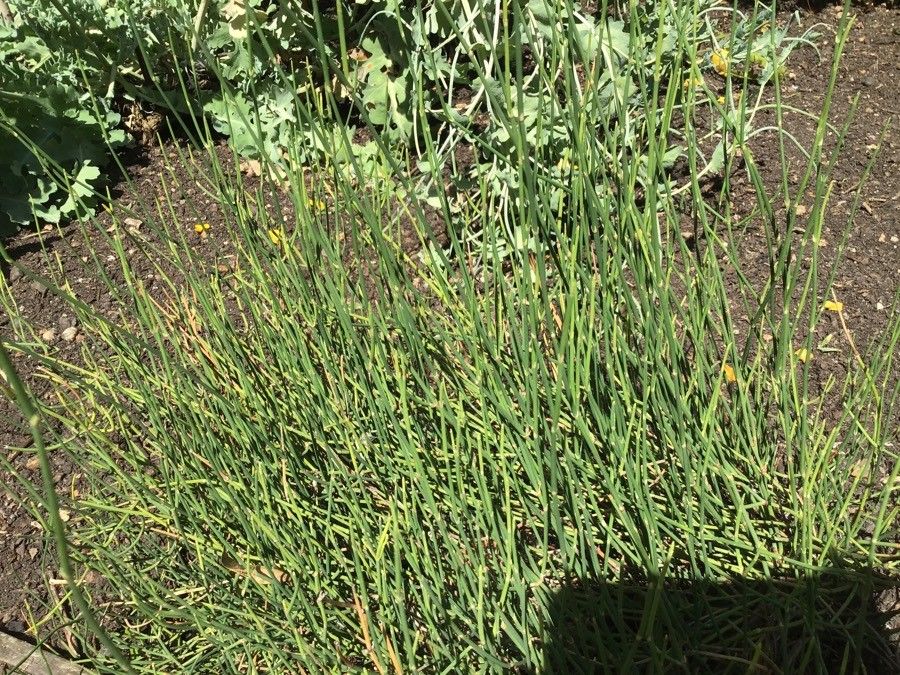
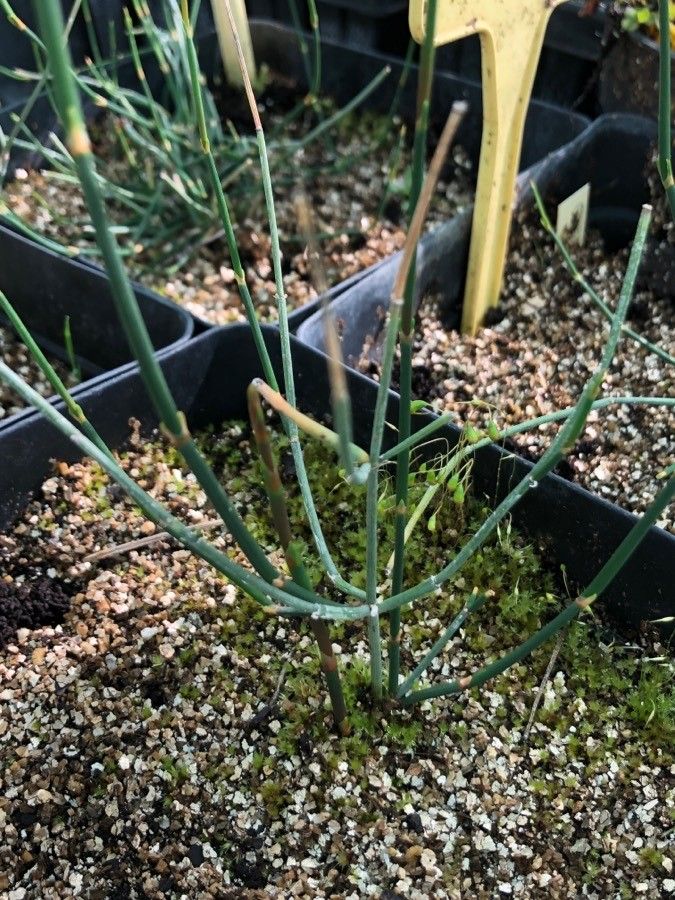
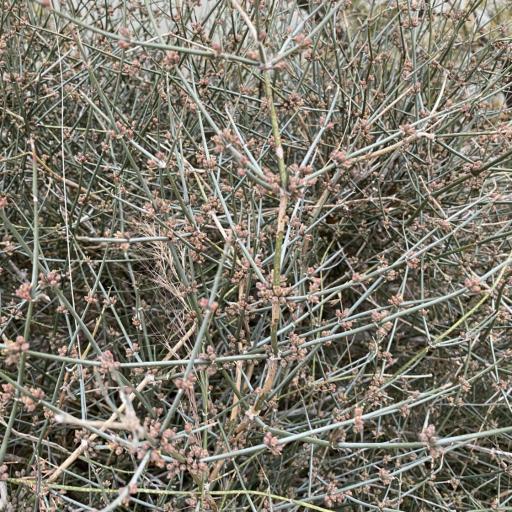
The Bluestem joint fir is resistant to disease and typically not susceptible to illnesses. Regarding care, this plant is fairly low-maintenance. When grown outdoors it needs little watering, and larger plants usually do not require pruning. Smaller plants, however, should be trimmed after they finish blooming. The Bluestem joint fir is suitable for anyone with an outdoor area, such as a garden or deck, and does not demand extensive care experience.
How to keep Ephedra Equisetina.
Light
Bluestem joint fir grows best in locations with ample sunlight during the day. An excess of light does not harm it, whereas a lack of light can result in reduced growth. Its native habitat is usually characterized by steady sunlight, underscoring its requirement for a substantial amount of sun.
Temperature
Bluestem joint fir is very adaptable to different climate conditions, whether in hot summers or cold winters. However, it has a preferred temperature range for growth. When temperatures rise too high, the plant is vulnerable to heat and humidity stress, which can lead to its death. In areas where temperatures reach the lower limit of its cold tolerance, it is important to provide insulation to protect the plant.
Fertilizer
Fertilize your Bluestem joint fir in early spring to encourage healthy growth. Consistent fertilization boosts its overall health, producing robust growth, increased tolerance of harsh conditions, and enhanced resistance to diseases and pests. Keep a defined fertilization schedule for your Bluestem joint fir to maintain vibrant, deeply colored foliage and a lush appearance.
Pruning
Bluestem joint fir is a hardy shrub with needle-like leaves and segmented stems. To maintain its health and appearance, prune the shrub during its dormant period from early to late winter. This helps remove dead or overcrowded branches, improves air circulation, reduces the risk of disease, and encourages new growth. Make sure to always use clean, sharp tools for the best results.
Botanical profile.
- Plant Type
- Shrub
- Life Cycle
- Perennial
- Genus
- Ephedra
- Family
- Ephedraceae
- Hardiness Zone
- 4-9
- Mature Height
- 91 cm
- Mature Spread
- 1.83 m to 2.44 m
- Leaf Color
- Green
- Leaf Type
- Evergreen
- Flower Color
- Yellow
- Flower Size
- 0.20 cm to 0.25 cm
- Bloom Time
- Mid spring, Late spring
- Planting Time
- Spring, Summer, Autumn
- Harvest Time
- Mid summer, Late summer
- Native Area
- Uzbekistan, Afghanistan, Tajikistan, Turkey, Kyrgyzstan, Kazakhstan, Mongolia, Turkmenistan, China
Other names.
Reader questions.
What are the sunlight requirements for Bluestem joint fir?
Bluestem joint fir requires full sun, which means it needs more than 6 hours of sunlight daily to thrive. It's important to observe your garden's sunlight exposure throughout the day to find spots that provide a balance of light and shade optimal for plant growth. The plant's natural habitat is known for constant illumination, underscoring its need for significant sunlight exposure. Even if it receives excessive light, it won't harm the plant, but a lack of sunlight can lead to poor growth.
How do I use artificial lighting for my indoor Bluestem joint fir?
For indoor Bluestem joint fir plants, or when natural sunlight is insufficient, artificial lighting can be an effective solution. LED lights are recommended because they can be customized to provide specific wavelengths needed by the plant. Full sun plants should have 30-50W/sq ft of artificial light, partial sun plants 20-30W/sq ft, and full shade plants 10-20W/sq ft. The light source should be placed 12-36 inches above the plant, mimicking natural sunlight distance, and for a duration that simulates the natural daylight hours for the species, typically 8-12 hours per day.
What symptoms indicate my Bluestem joint fir isn't getting enough light?
Symptoms of light deficiency in Bluestem joint fir include smaller new leaves, leggy or sparse growth, faster leaf drop, slower or no new growth, and lighter-colored or yellow (chlorosis) new leaves. Excessive sunlight exposure can cause sunscald, leaf curling, wilting, and leaf scorching. Monitoring these symptoms can help you adjust your plant's exposure to ensure optimal health and growth.
What solutions are there for sunlight-related issues in Bluestem joint fir?
Indoor plants not receiving enough sunlight should be gradually moved to a sunnier spot, ideally near a south-facing window and supplemented with artificial light if necessary. For outdoor plants, similarly, gradually move them to sunnier locations to avoid shock and sunburn. If your plants are ground-planted and blocked by obstructions like trees, consider pruning to let more sunlight through or transplant smaller plants during their dormant period to a sunnier location with good drainage. This gradual adjustment helps the plant adapt and promotes healthy new growth.