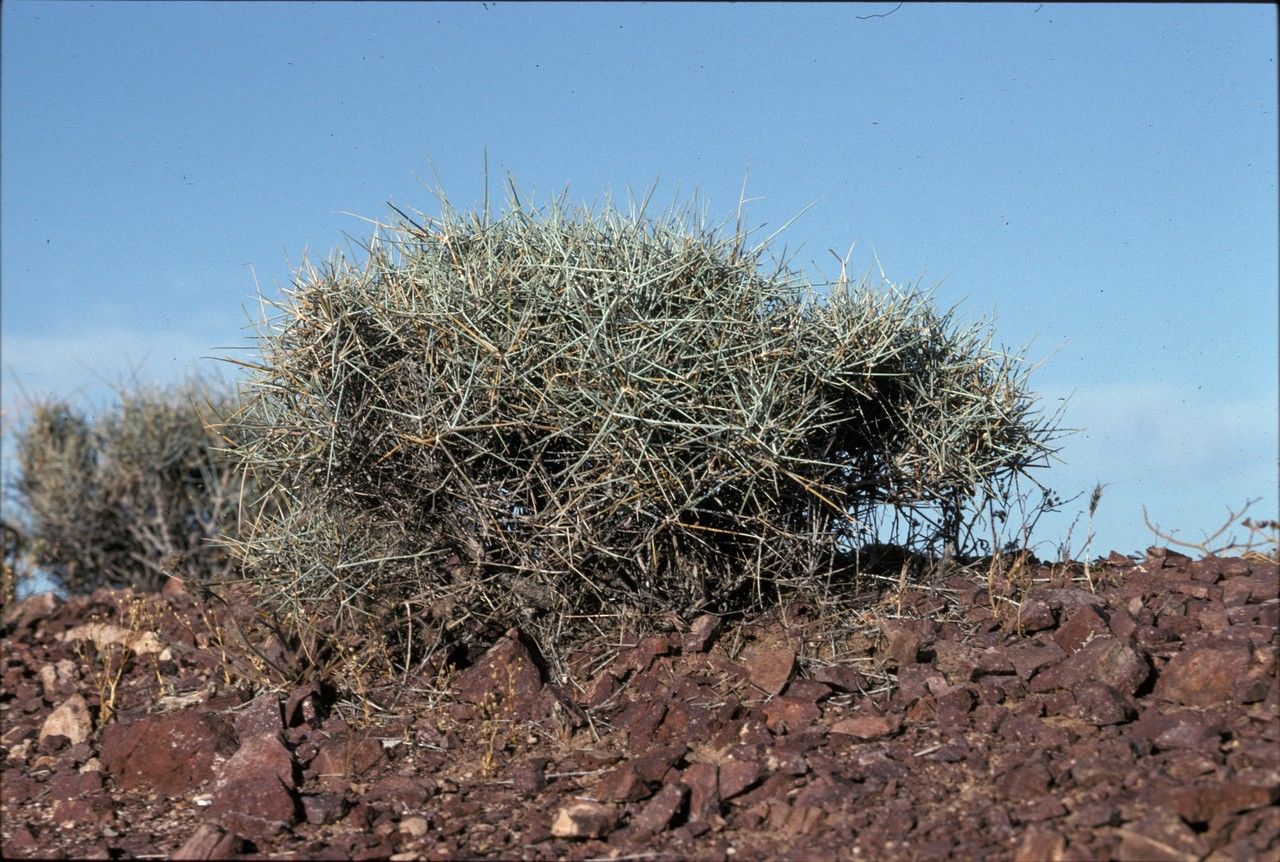
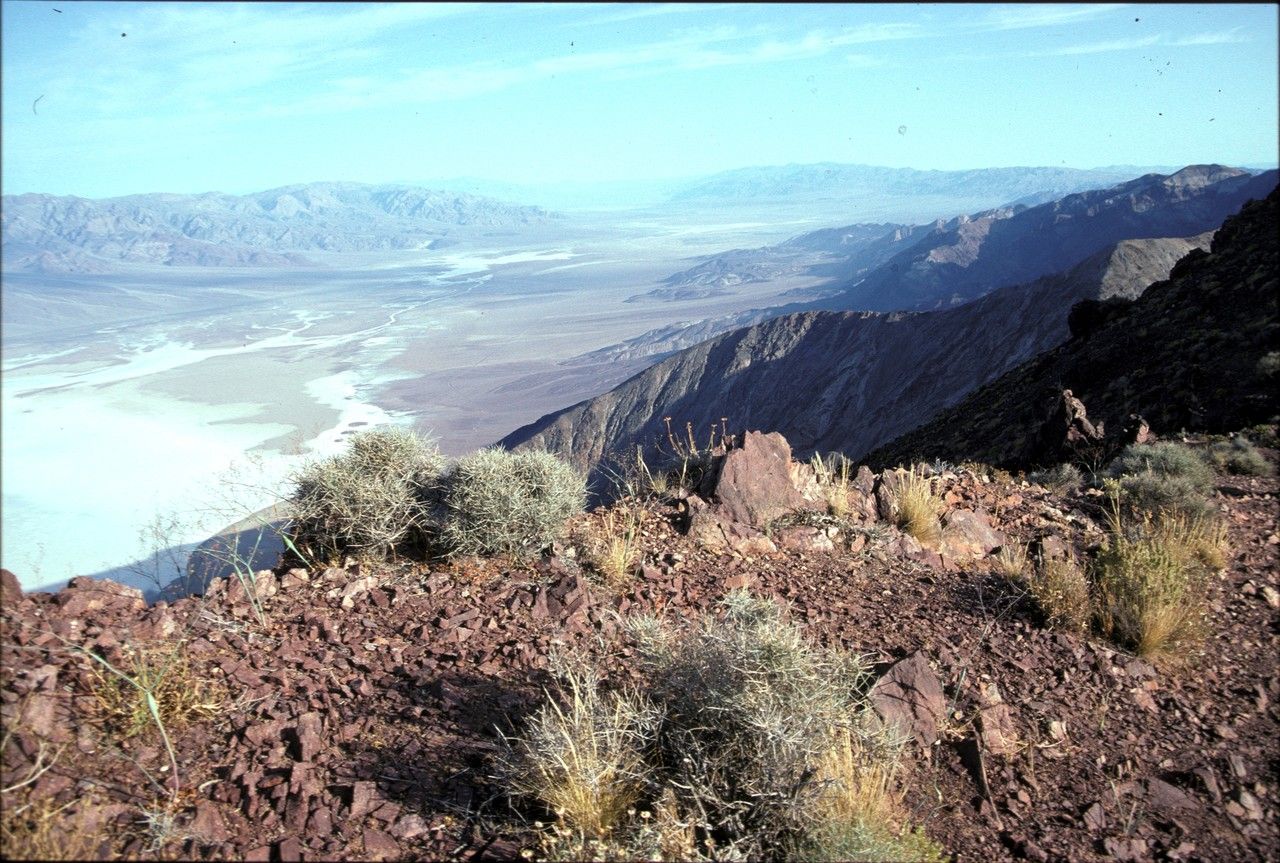
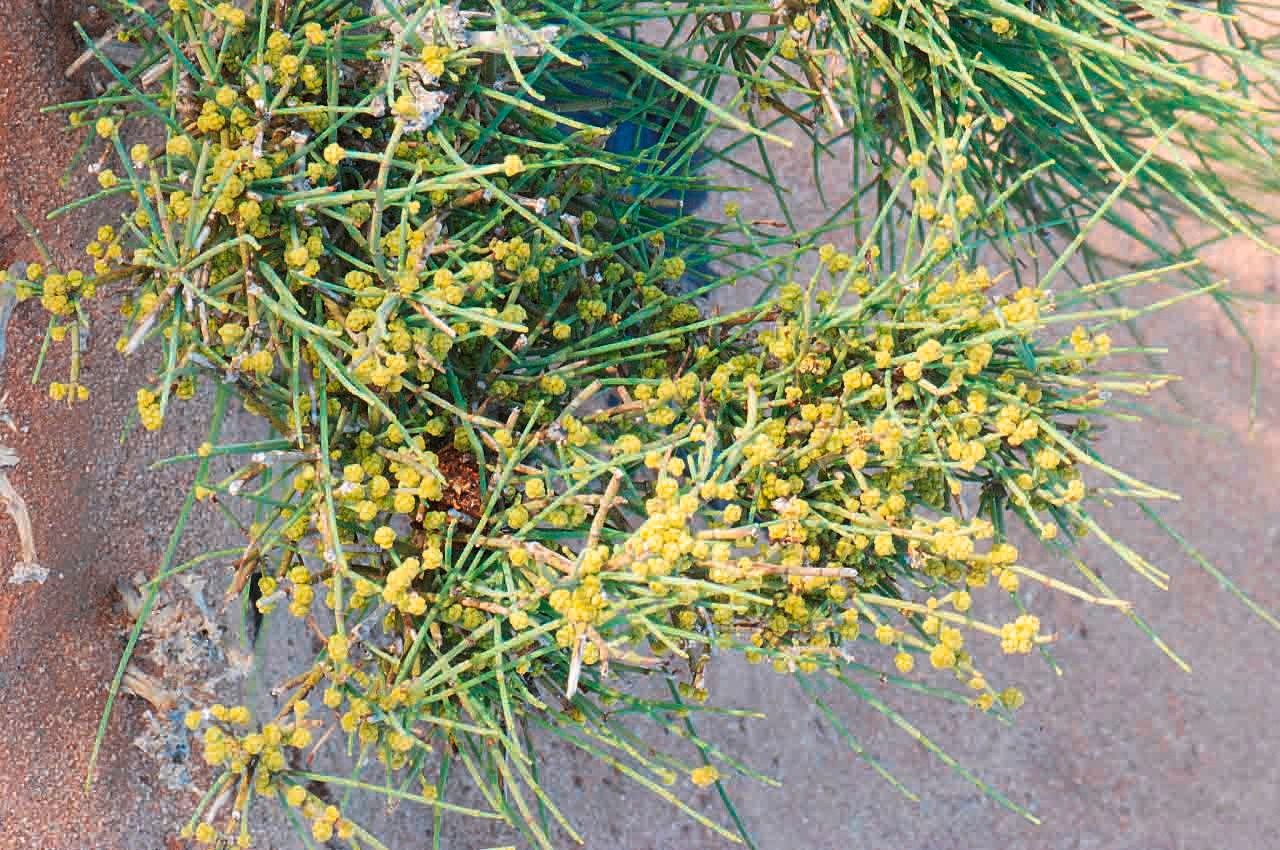
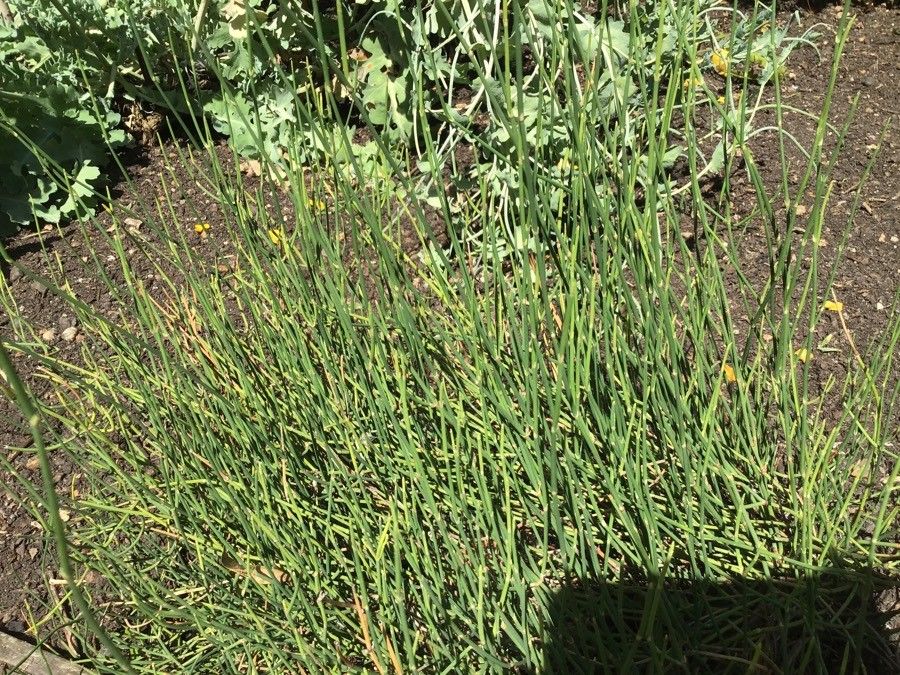
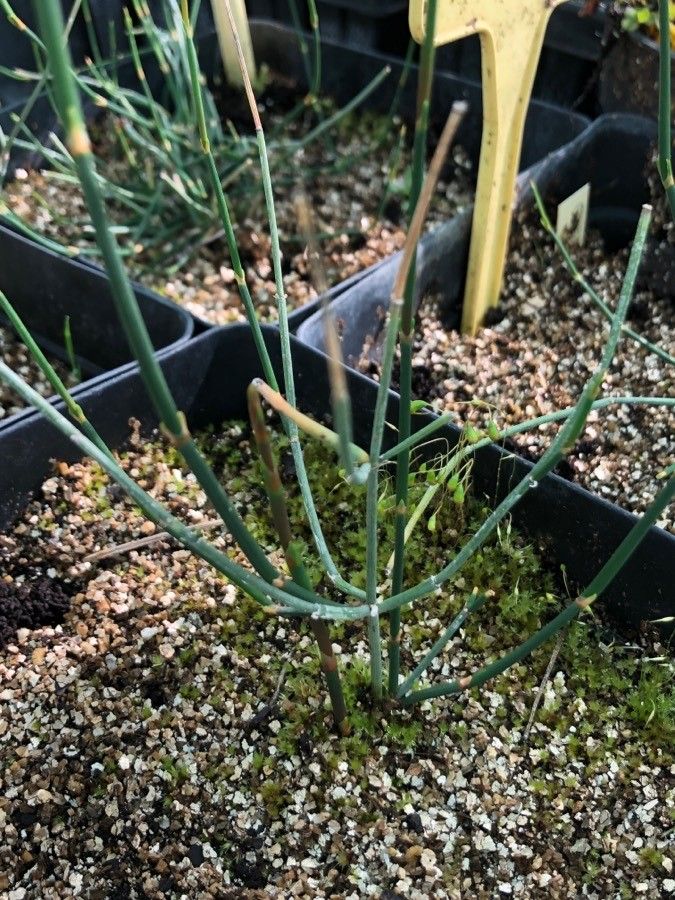
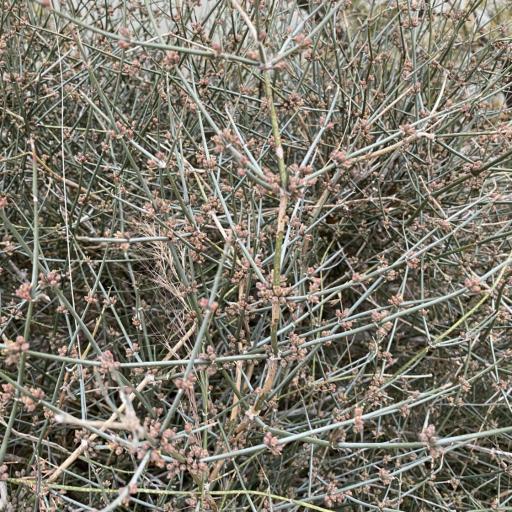
Ephedra funerea is a species of Ephedra, known by the common name Death Valley jointfir, Death Valley ephedra, or Mormon Tea. It is native to the Mojave Desert of California, Arizona and Nevada. It is named after a population in the Funeral Mountains, in Death Valley National Park.Native Americans and Mormon pioneers drank a tea brewed from this plant called Mormon Tea or Indian Tea.
Death valley jointfir is resistant to disease and is generally not prone to illnesses. Regarding care, this plant is fairly low-maintenance. When grown outdoors it requires minimal watering, and larger specimens typically do not need pruning. Smaller plants, however, should be pruned after they have finished blooming. Death valley jointfir is suitable for anyone with an outdoor space, such as a garden or deck, and does not require much care experience.
How to keep Ephedra Funerea.
Light
The death valley jointfir is native to open habitats like sunlit fields and woodland borders, where there's plenty of light. It flourishes in full sunlight but can also survive in partial sunlight, demonstrating its adaptability to different degrees of sunlight exposure.
Water
Adapted to the arid conditions of the desert, the Death Valley jointfir is exceptionally drought-tolerant and thrives in low humidity. It requires weekly watering and is best cultivated outdoors to mimic the water scarcity of its native habitat. This approach aligns its growth cycle with the sporadic rainfall patterns unique to its ecosystem.
Temperature
Death valley jointfir comes from tropical areas, where the climate is usually warm and humid. As a result, it is well adapted to high temperatures and humidity. It does not tolerate sudden temperature changes and prefers a stable temperature environment, so avoiding temperature fluctuations indoors is important. It generally cannot withstand cold and needs higher temperatures to grow. If the surrounding temperature falls too low, the plant may stop growing or even die.
Fertilizer
The care of Death Valley jointfir greatly depends on fertilization. A steady diet during the growth phase assists in maintaining energy for vibrant foliage and promotes overall development. Failure to fertilize can lead to poor leaf health, reduced decorative attractiveness, and inadequate or fragile growth susceptible to damage.
Pruning
The Death Valley jointfir is a resilient plant that thrives in drought conditions, characterized by its jointed stems and sparse foliage. To keep the plant healthy and well-shaped, prune it between early and late winter. This will help remove dead wood, encourage robust growth in the spring, and improve air circulation, which can prevent pest infestations.
Botanical profile.
- Plant Type
- Shrub
- Life Cycle
- Perennial
- Genus
- Ephedra
- Family
- Ephedraceae
- Hardiness Zone
- 7-10
- Mature Height
- 30 cm to 91 cm
- Mature Spread
- 0.49 m to 1.52 m
- Leaf Color
- Gray, Light Gray
- Leaf Type
- Evergreen
- Bloom Time
- Mid spring, Late spring
- Planting Time
- Spring, Summer, Autumn
- Harvest Time
- Summer
Other names.