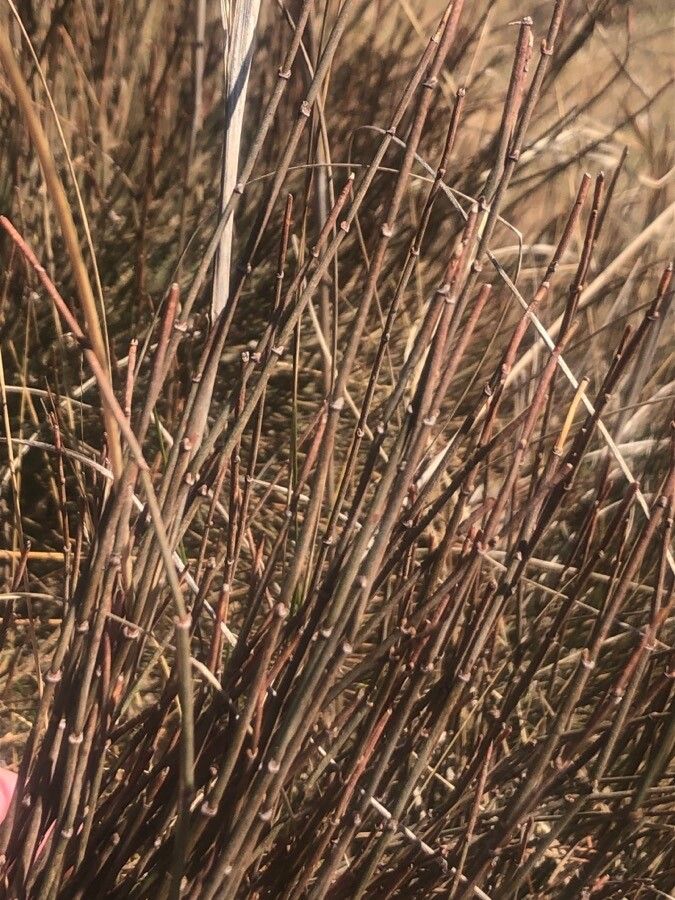
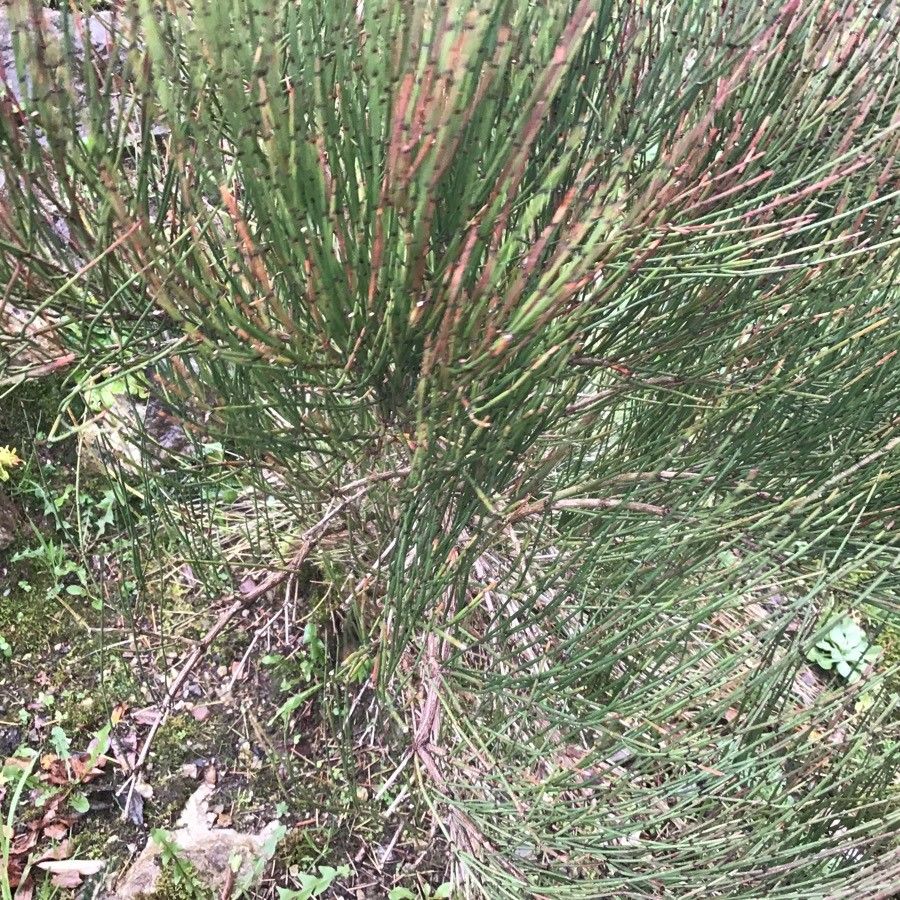
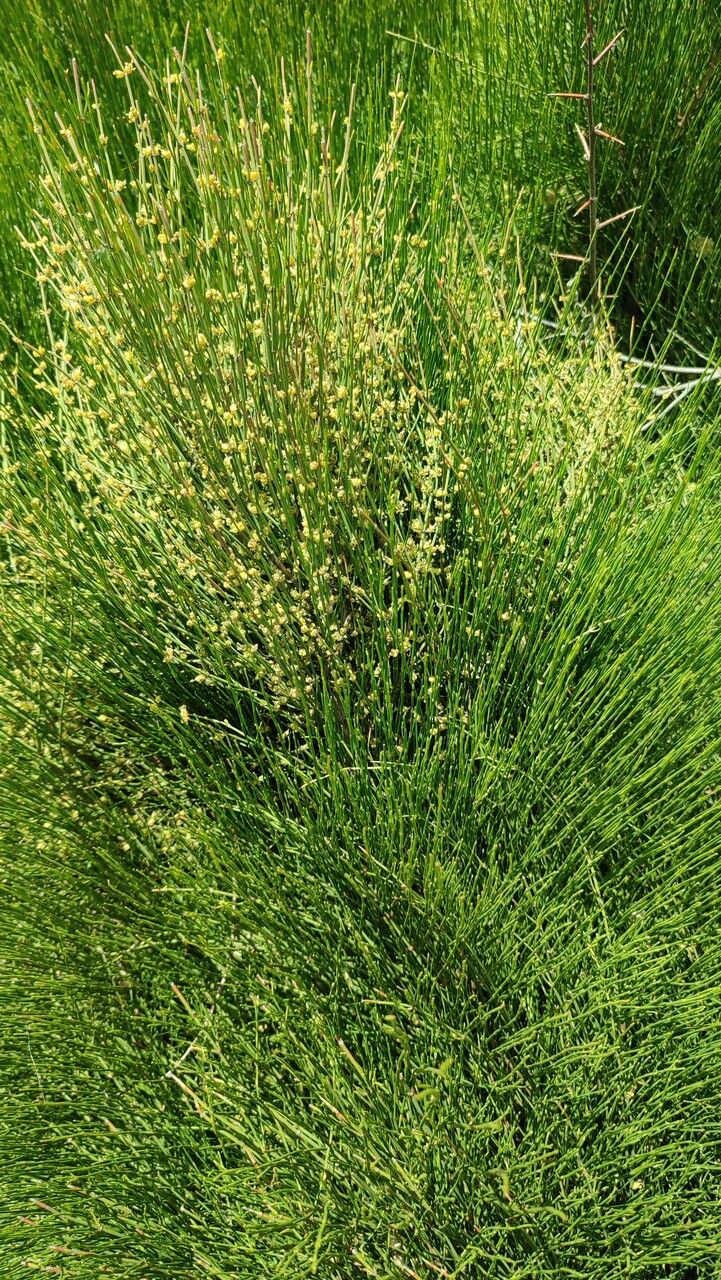
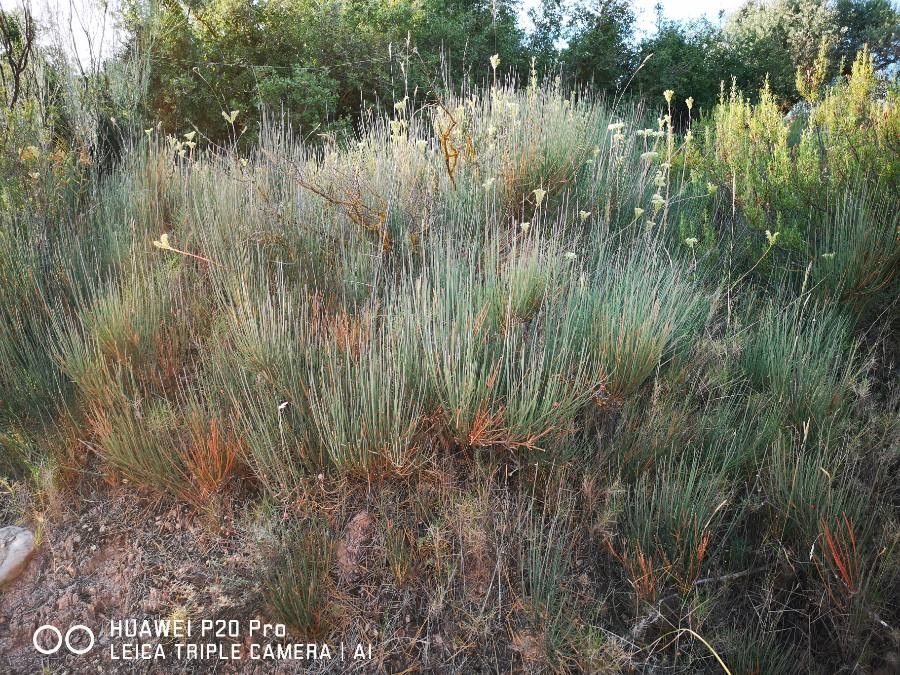
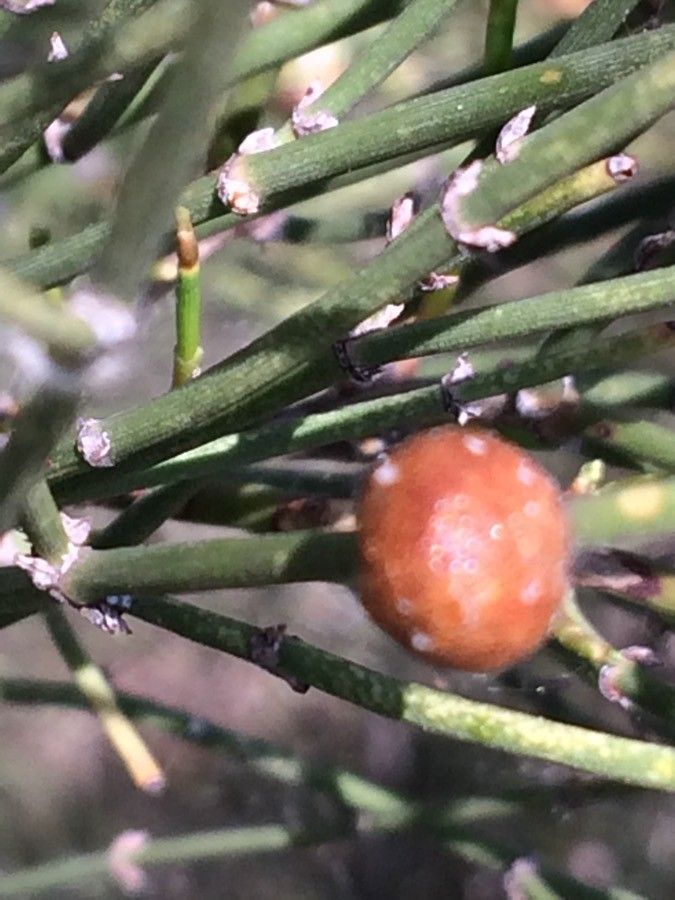
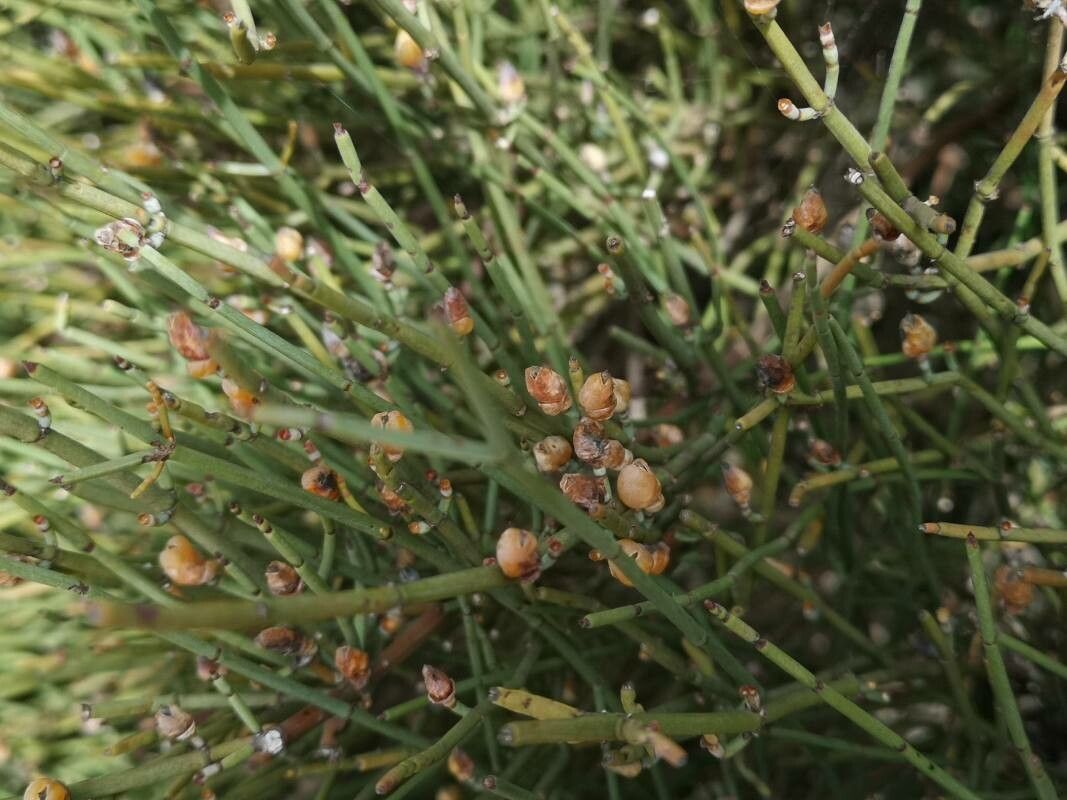
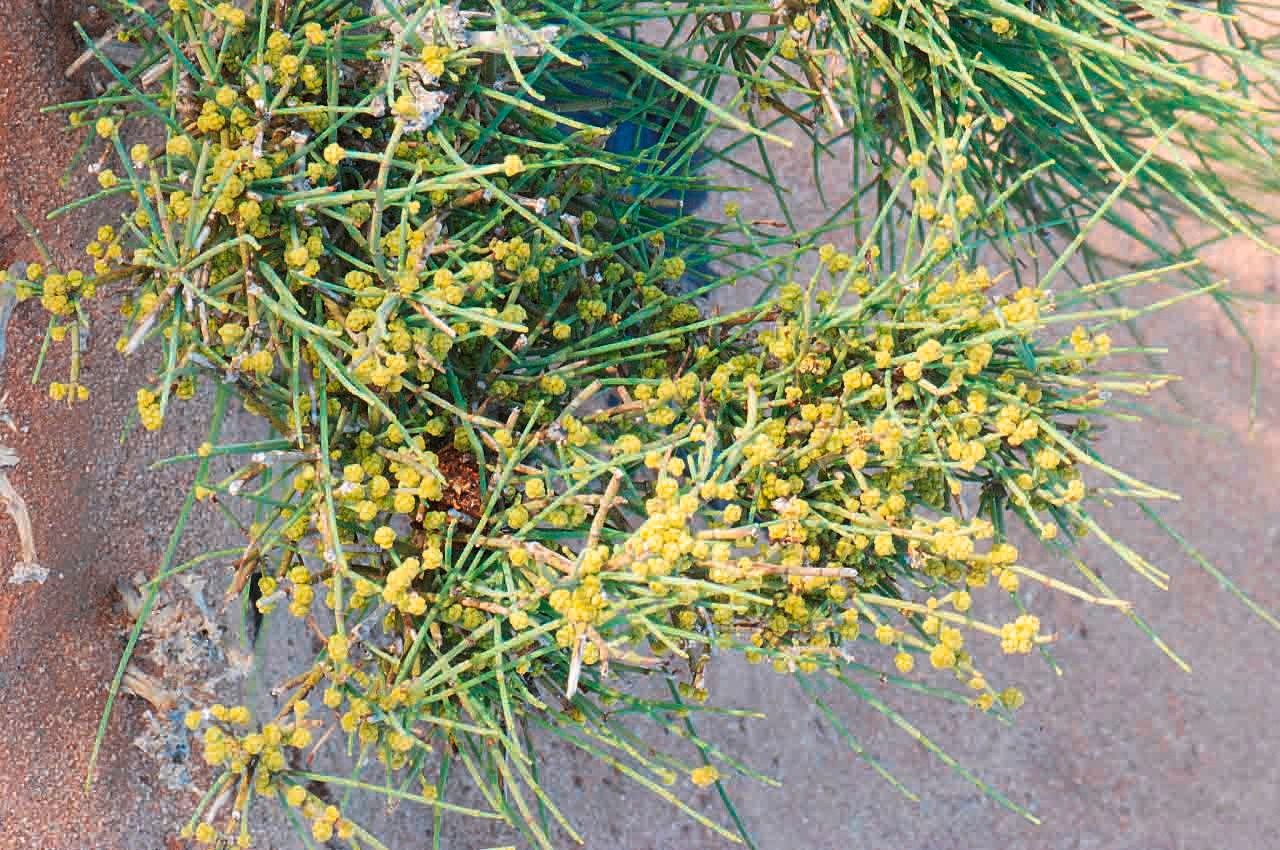
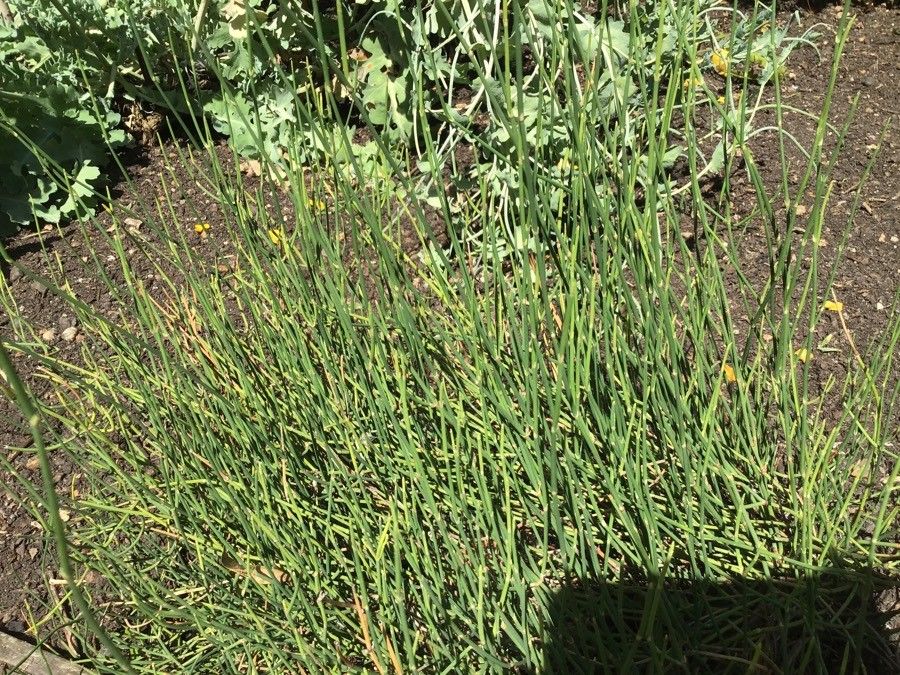
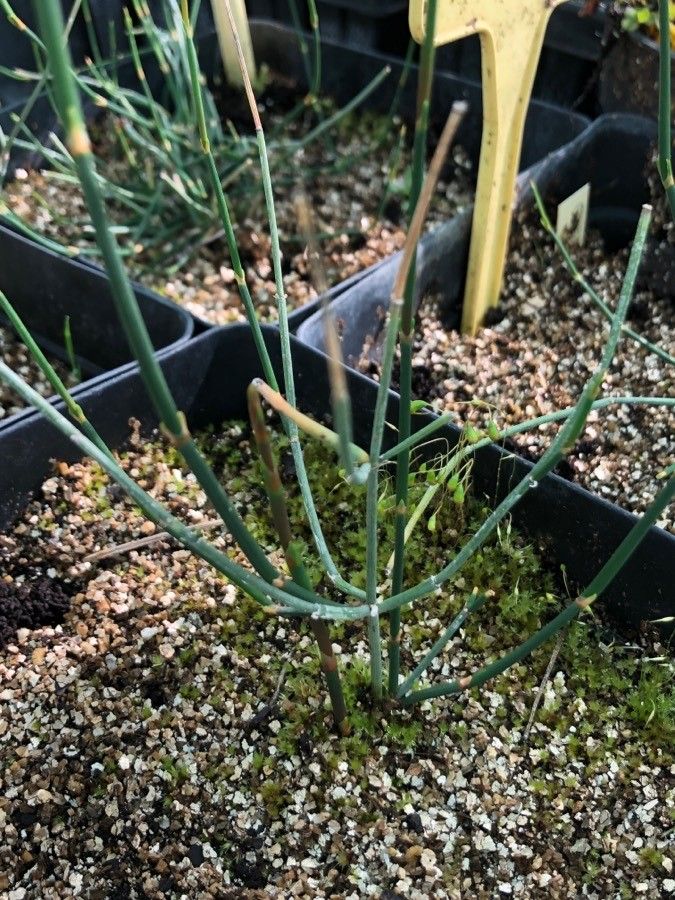
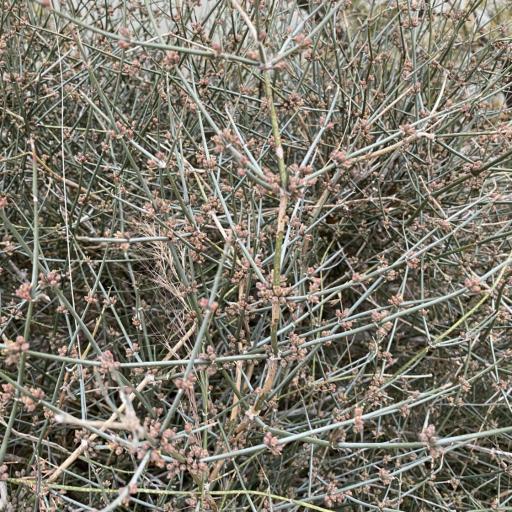
Ephedra major, commonly known as joint pine or Mormon tea, is a shrub-like plant belonging to the Ephedraceae family. Native to arid regions of North America, it can be found in parts of Mexico, Canada, and the United States. The plant features jointed stems that resemble bamboo and small, scale-like leaves, giving it a distinctive appearance. For centuries, indigenous people have utilized Ephedra major for medicinal purposes. The plant contains ephedrine alkaloids, which have traditionally been used as decongestants and bronchodilators. It has also been employed to treat ailments such as asthma, allergies, colds, and flu. Ephedra major thrives in dry, sandy soils with full sun exposure, though it can tolerate some shade. It is drought-tolerant but benefits from occasional watering during prolonged dry spells. Beyond its medicinal applications, Ephedra major serves as a vital food source for wildlife, including birds and small mammals that feed on its seeds. However, it is important to note that ephedrine alkaloids found in Ephedra species can have potential side effects, such as increased heart rate and blood pressure, when consumed in large amounts or over extended periods without medical supervision. In conclusion, Ephedra major is a fascinating shrub with unique physical characteristics. It holds significant medicinal and ecological value within the arid regions of North America.
Botanical profile.
- Plant Type
- Shrub
- Life Cycle
- Perennial
- Genus
- Ephedra
- Family
- Ephedraceae
- Hardiness Zone
- 7-10
- Mature Height
- 0.49 m to 1.52 m
- Mature Spread
- 0.91 m to 2.13 m
- Leaf Color
- Green
- Leaf Type
- Evergreen
- Bloom Time
- Mid spring, Late spring
- Planting Time
- Spring, Summer, Autumn
- Harvest Time
- Mid summer, Late summer
Other names.