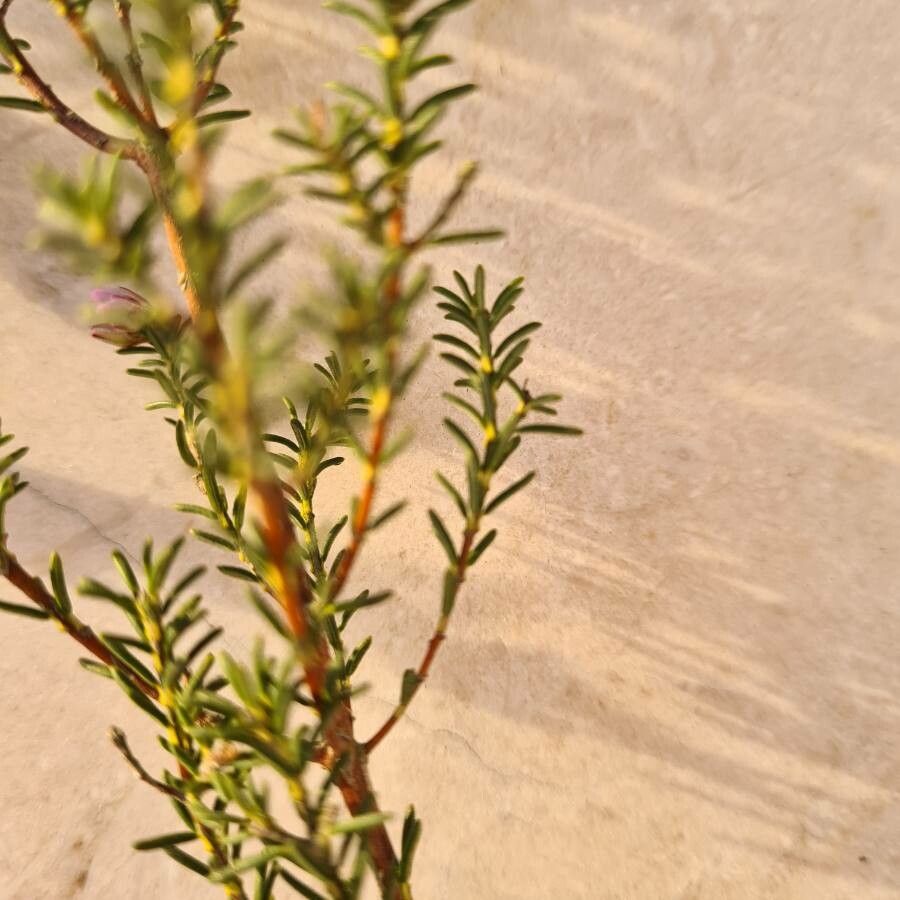
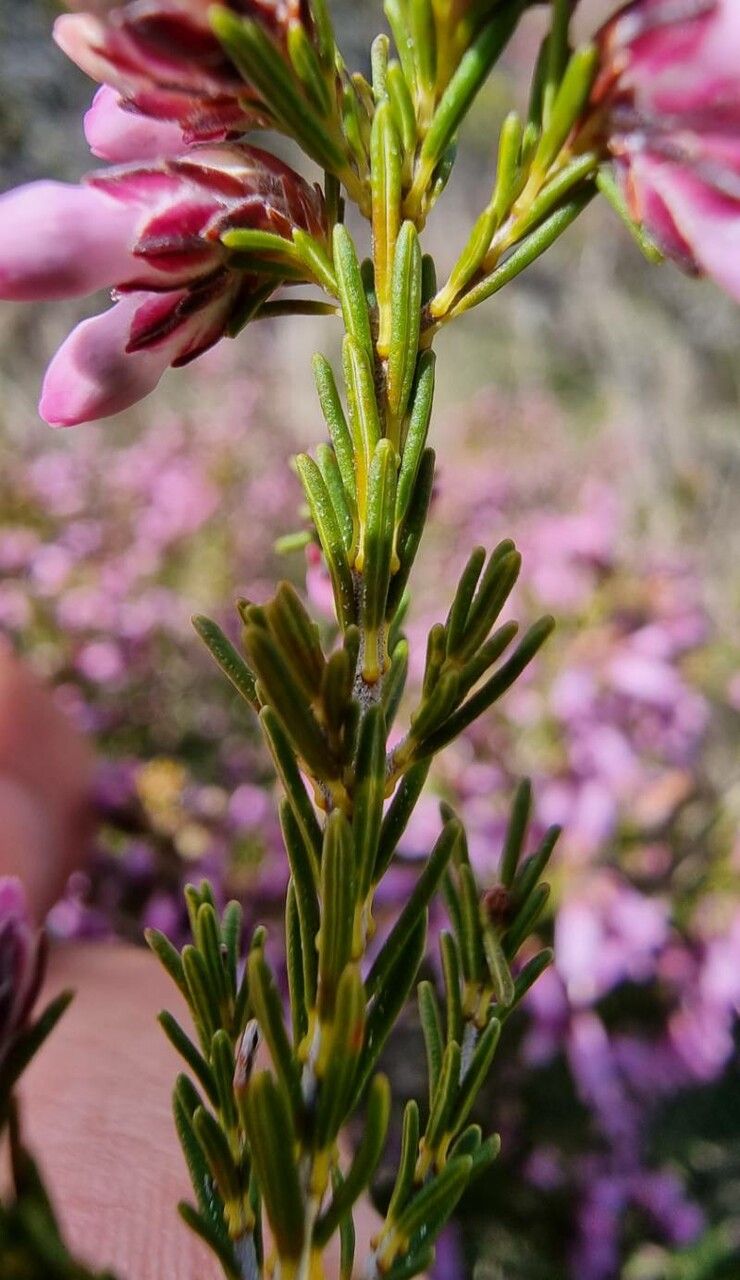
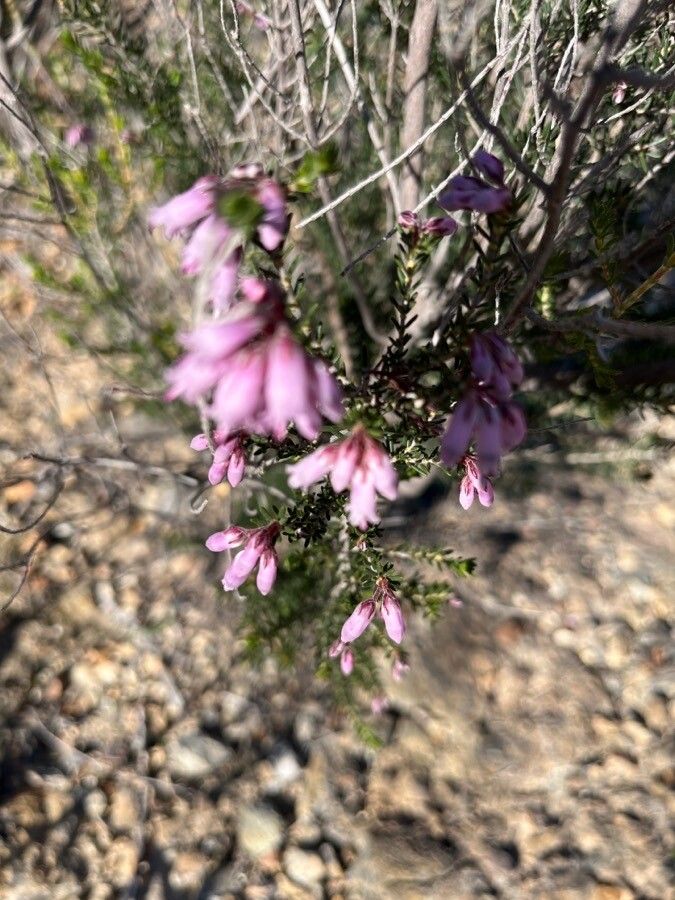
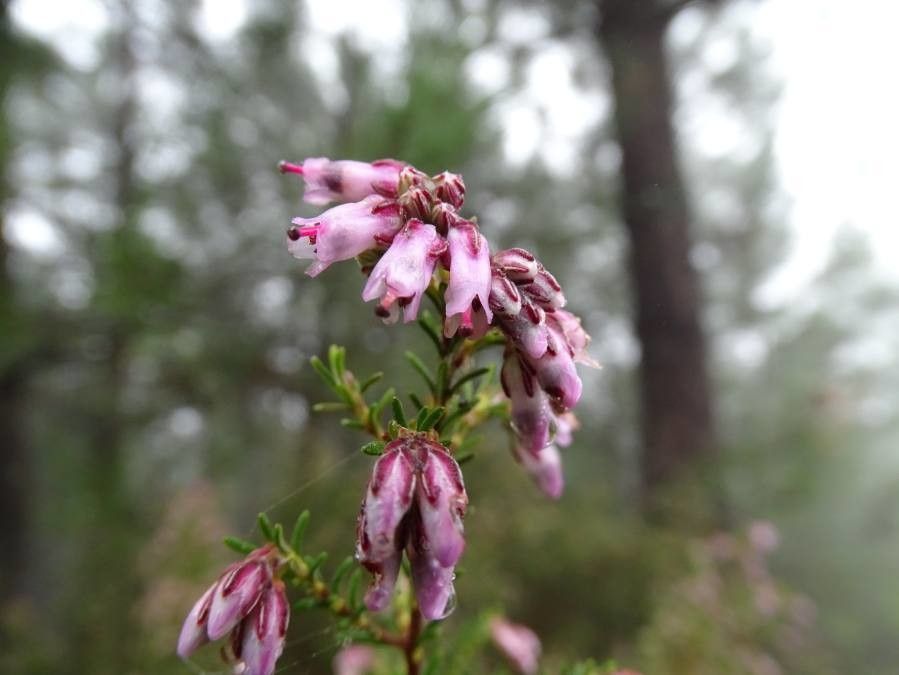
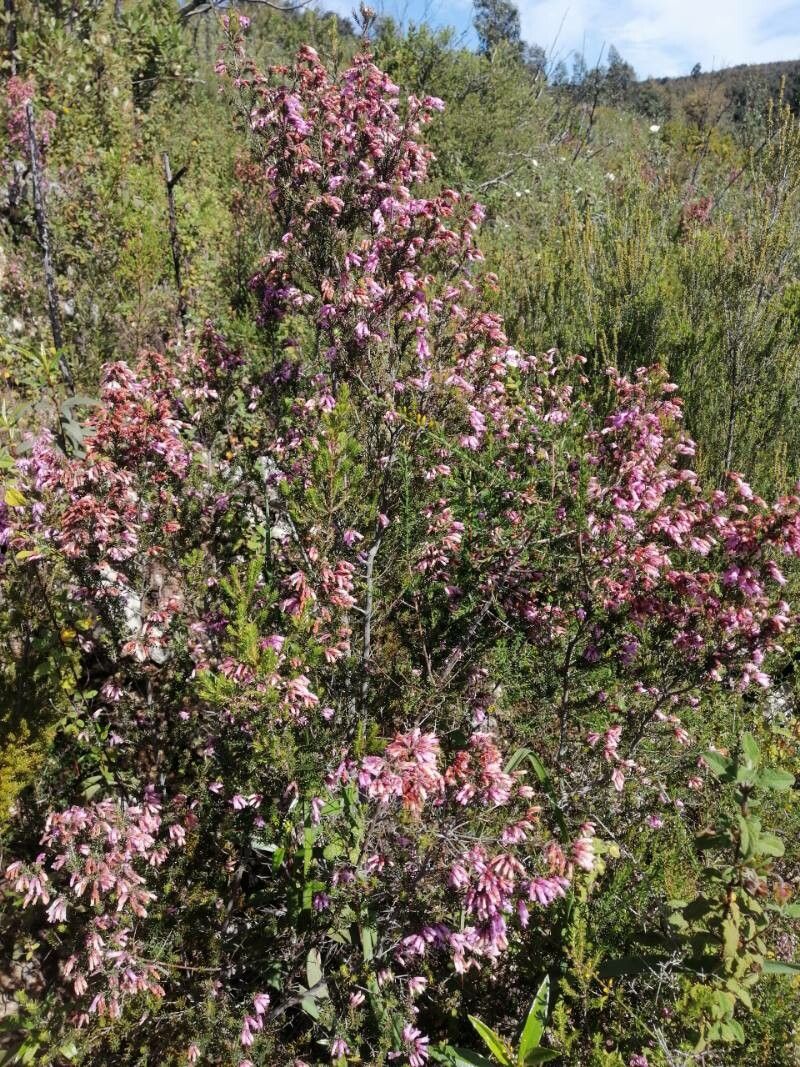
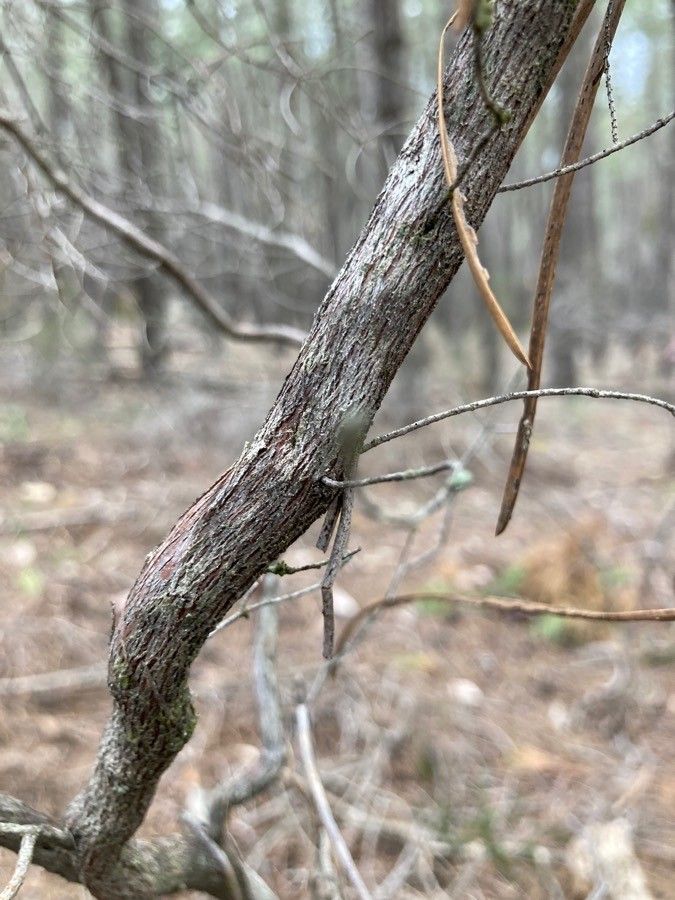
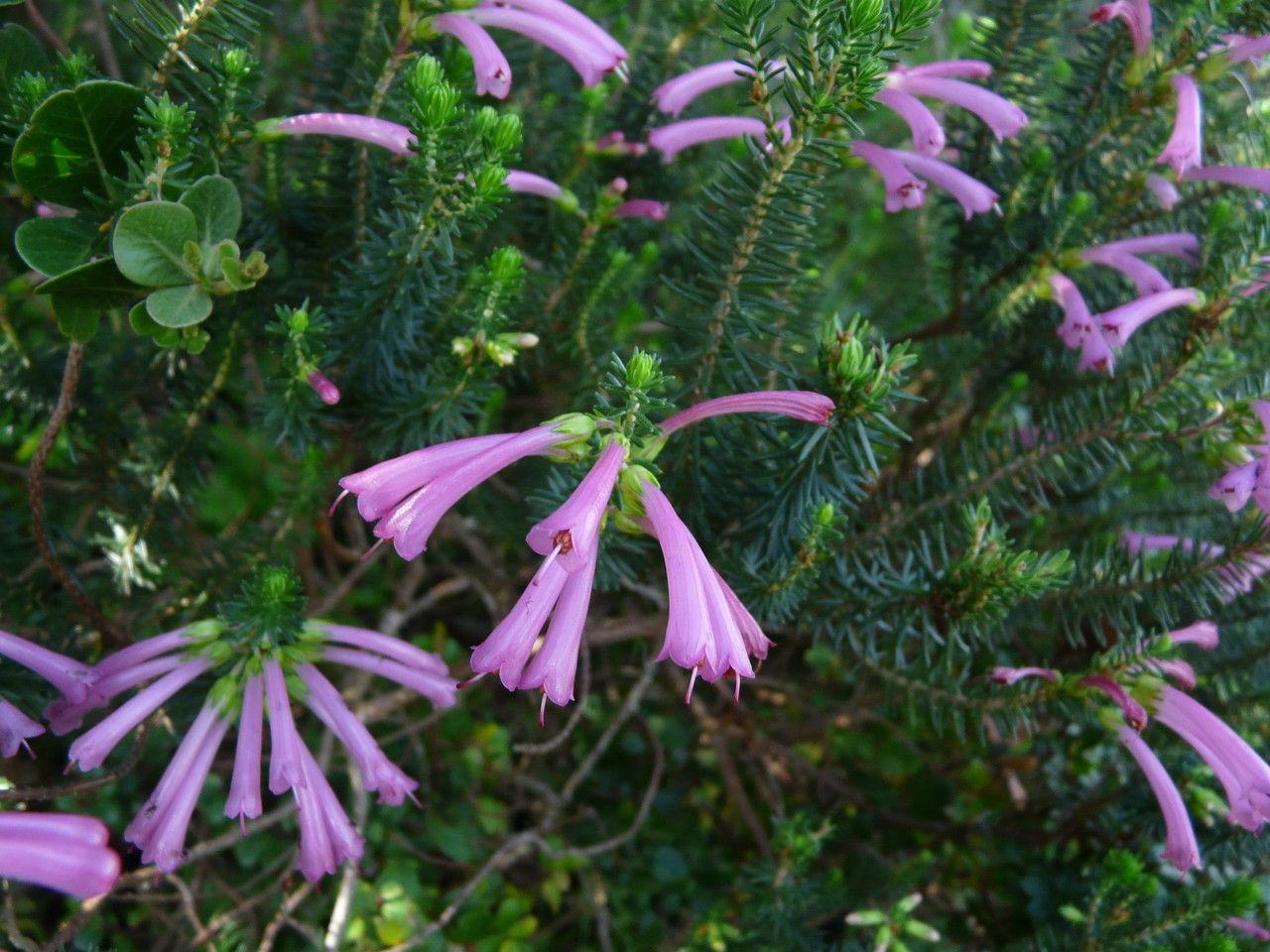
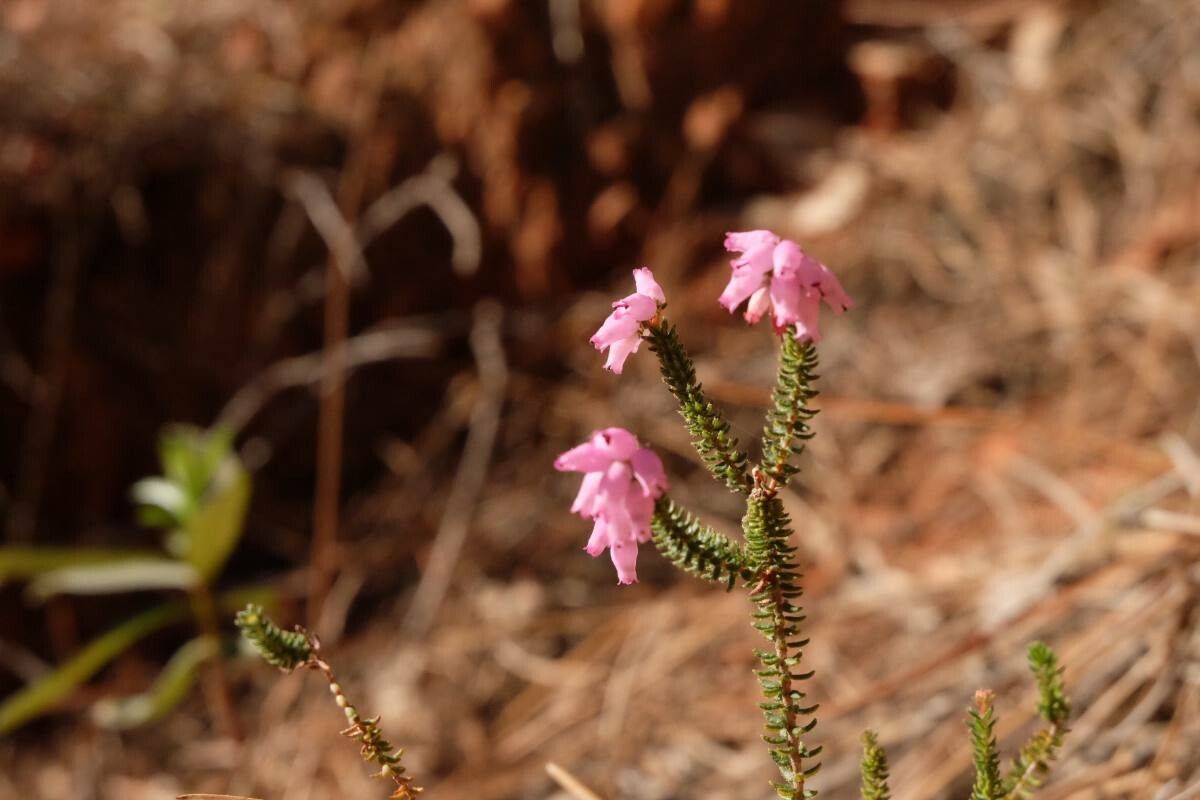
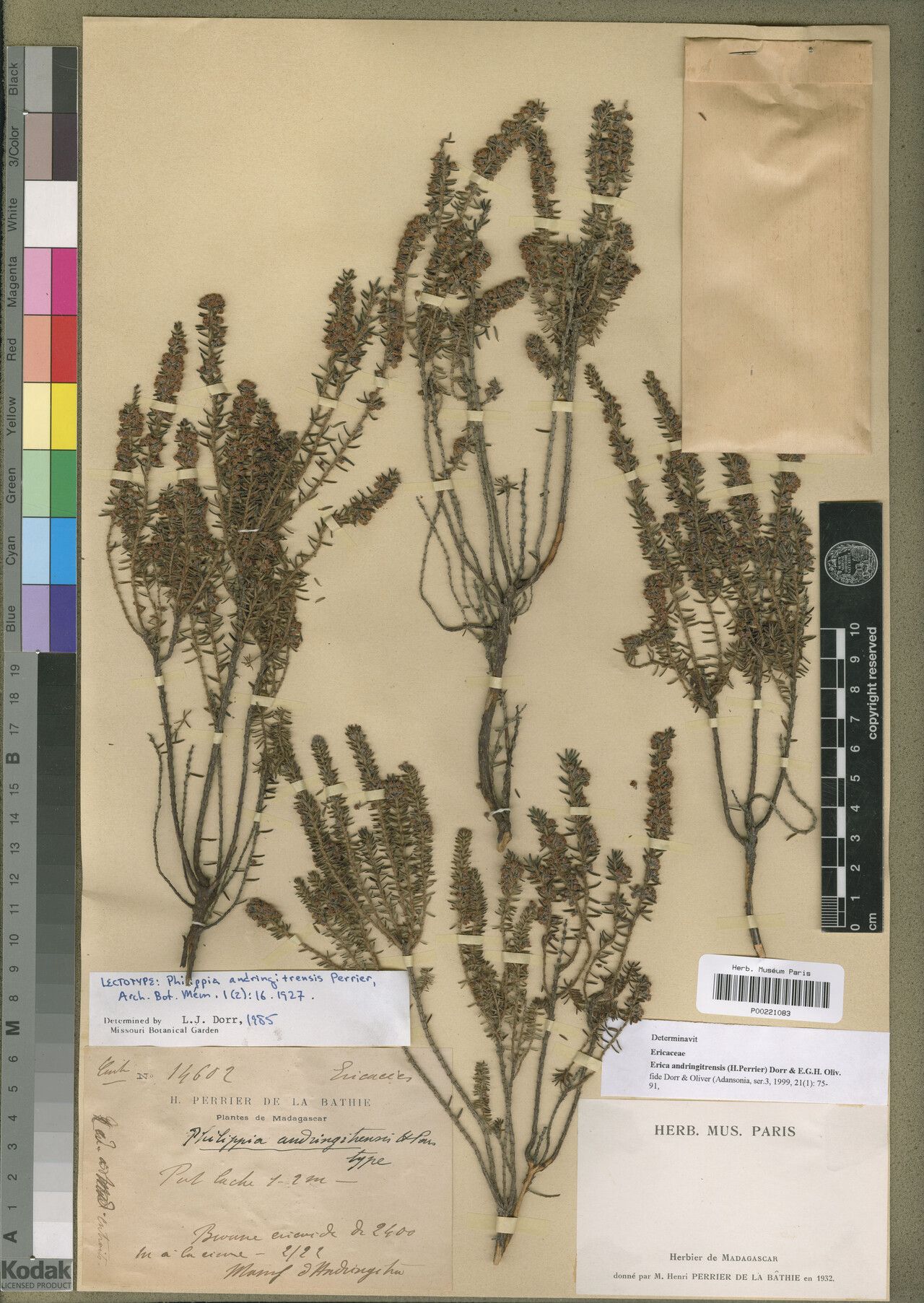
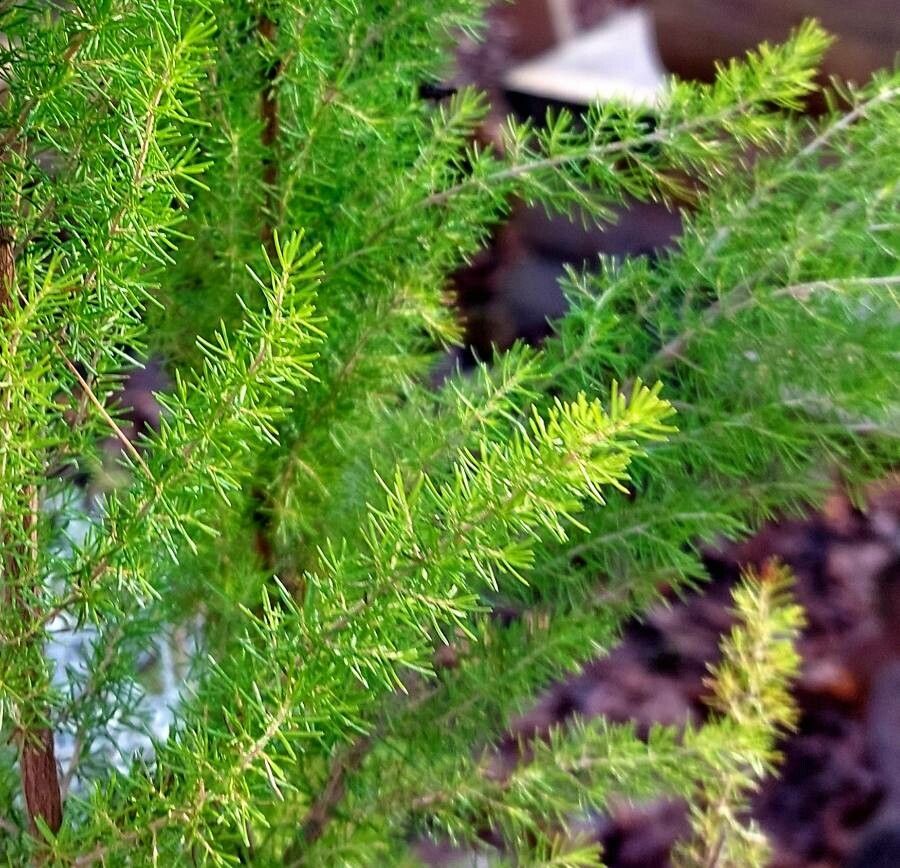
Erica australis, the Spanish heath or Spanish tree heath, is a species of flowering plant in the family Ericaceae, native to the western Iberian Peninsula (Portugal and Western Spain) and Northwest Africa (in Morocco). It is a bushy evergreen shrub growing to 2 m (6.6 ft) tall and broad, with tiny needle-like leaves and pink to purple bell-shaped flowers in late Spring. As a calcifuge, it requires sharply drained acidic soil in full sun. It is hardy down to −10 °C (14 °F). The Latin specific epithet australis means “southern” - in this case, southern Europe (and northwestern Morocco).This plant is cultivated as an ornamental, and has produced numerous forms and cultivars. gaining the Royal Horticultural Society’s Award of Garden Merit for E. australis ‘Mr Robert’.
Spanish heath is highly resistant to disease and typically not vulnerable to illnesses. As for care, this plant is fairly low-maintenance. Planted outdoors, it needs only occasional watering, and larger specimens usually do not require pruning. Smaller specimens should be pruned after they have finished blooming. Spanish heath is suitable for anyone with an outdoor area, such as a garden or deck, and does not demand a lot of gardening experience.
How to keep Erica Australis.
Light
Spanish heath comes from open habitats, such as sunlit meadows and the edges of forests, which supply plenty of light. It prefers Full Sun but can also tolerate Partial Sun, showing good adaptability to different light levels.
Water
Spanish heath, a plant native to the Mediterranean, flourishes in wet winters and dry summers. It prefers well-drained soil and has a moderate tolerance for drought. It's best to water the plant every 1-2 weeks, allowing the soil to dry out slightly between waterings. Being an evergreen, its water requirements vary with the seasons, depending on how well its foliage retains moisture.
Temperature
Spanish heath displays considerable adaptability to different climate conditions, whether facing very hot summers or cold winters. Still, it has an optimal temperature range for growth. If temperatures become too high, the plant is susceptible to heat and humidity stress, which can lead to its death. In locations where temperatures near the lower limit of its cold tolerance, it's important to provide insulation to protect the plant.
Fertilizer
Proper timing is essential when fertilizing Spanish heath. Apply fertilizer in early spring and continue monthly until early summer. Fertilizer encourages beautiful blooms and supplies energy during both dormant periods and times of active growth.
Pruning
Spanish heath benefits greatly from early spring pruning, during which approximately one-third of the previous year's growth is trimmed. This process enhances blooming, helps maintain the plant's shape, and improves airflow. Removing any dead wood further promotes the plant's health. Additionally, pruning after flowering protects the buds for the next season, enhancing the plant's overall vitality and aesthetic appeal.
Botanical profile.
- Plant Type
- Shrub
- Life Cycle
- Perennial
- Genus
- Erica
- Family
- Ericaceae
- Hardiness Zone
- 7-10
- Mature Height
- 2.44 m
- Mature Spread
- 91 cm
- Leaf Color
- Green
- Leaf Type
- Semi-evergreen
- Flower Color
- Pink
- Flower Size
- 0.51 cm to 0.51 cm
- Bloom Time
- Late winter, Early spring, Mid spring
- Planting Time
- Spring, Summer
- Harvest Time
- Late spring, Early summer, Mid summer
- Native Area
- Morocco, Portugal
Other names.
Reader questions.
What are the sunlight requirements for Spanish heath (Erica australis)?
Spanish heath (Erica australis) thrives under specific sunlight conditions to ensure its health and growth. It needs full sun, which is above 6 hours of sunlight daily, to flourish properly. However, it can also tolerate partial sun, requiring about 3-6 hours of sunlight. It's important to observe the way sunlight moves throughout your garden over the day, selecting locations that offer a harmonious balance of light and shade to meet the needs of your Spanish heath, thus ensuring they remain happy and healthy.