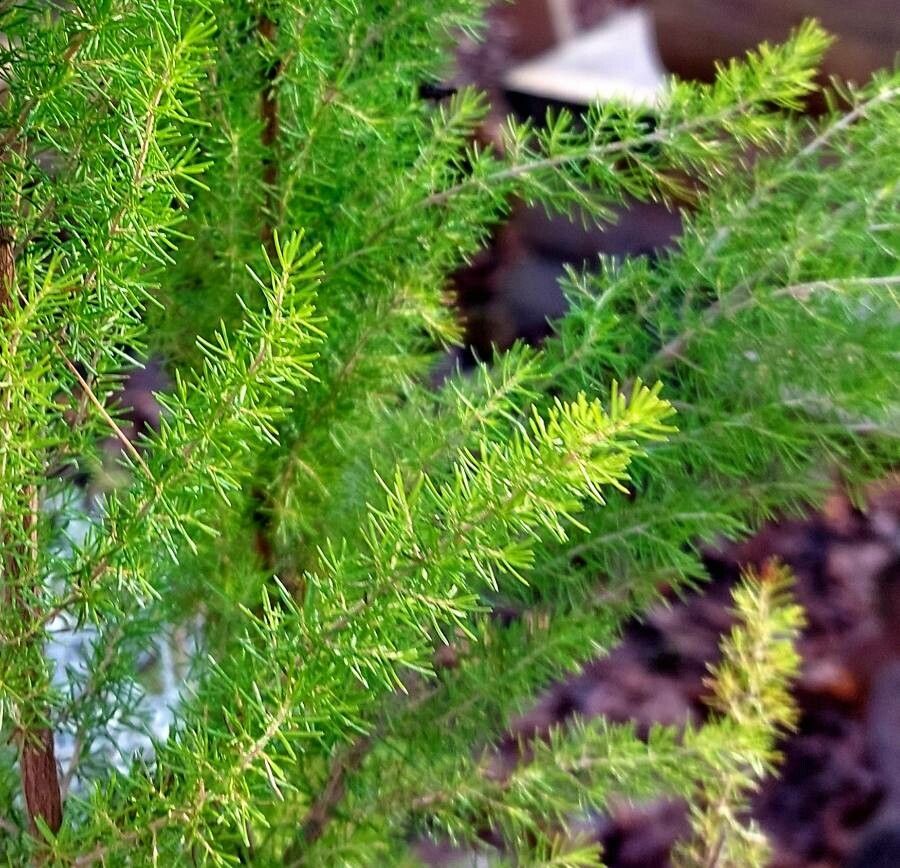
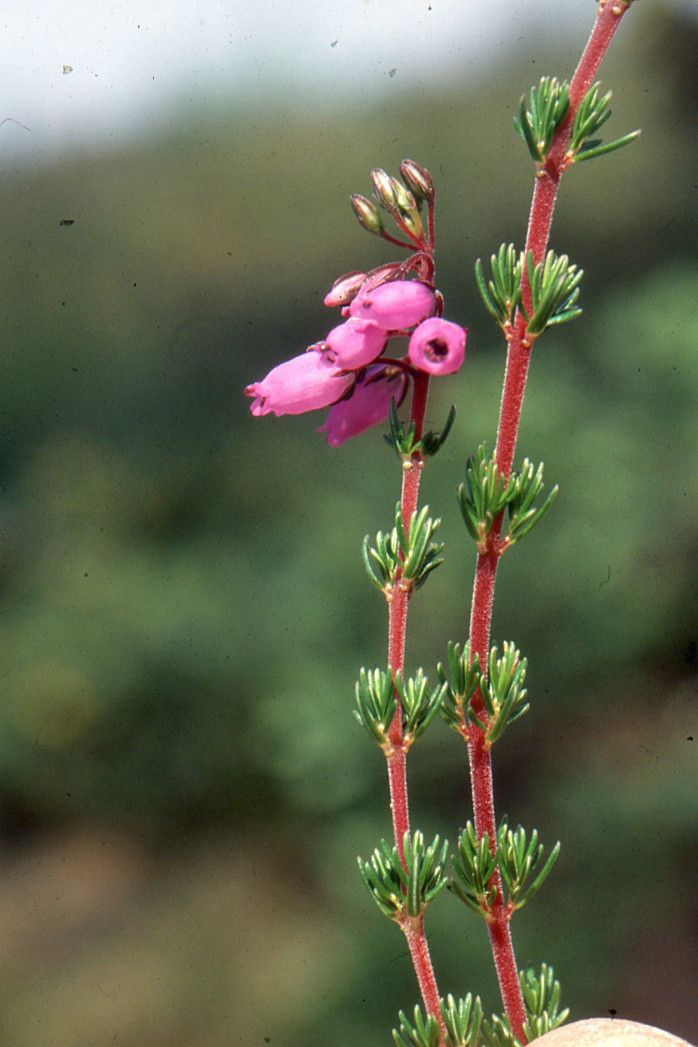
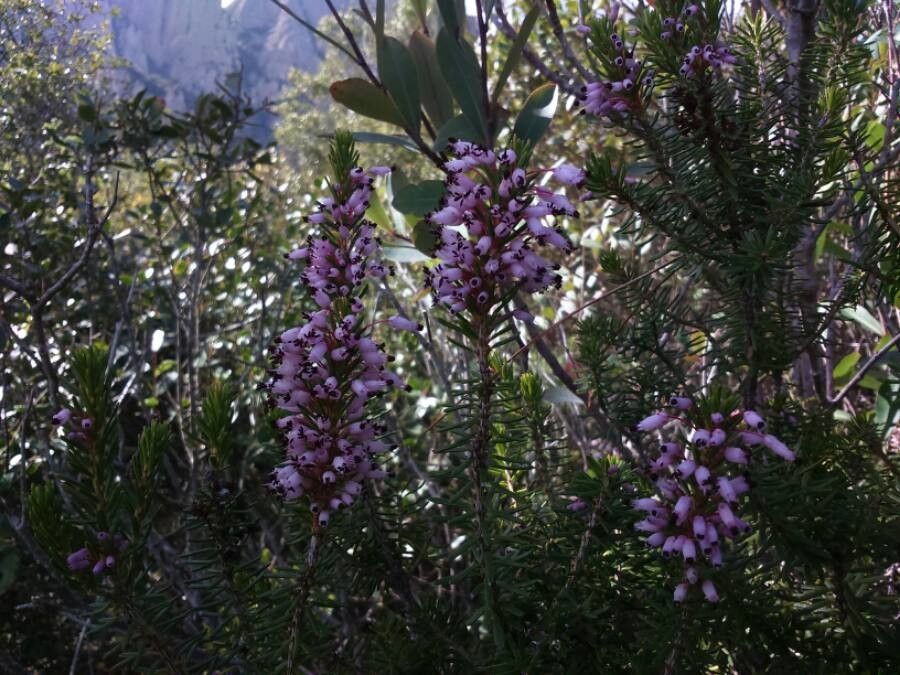
Erica ciliaris, commonly known as Dorset heath or pink winter heath, is a small evergreen shrub belonging to the Ericaceae family. Native to Western Europe, it thrives in heathlands, moors, and open woodlands. The plant typically grows up to 60 cm in height, featuring slender stems and small, needle-like leaves arranged in whorls around the stem.
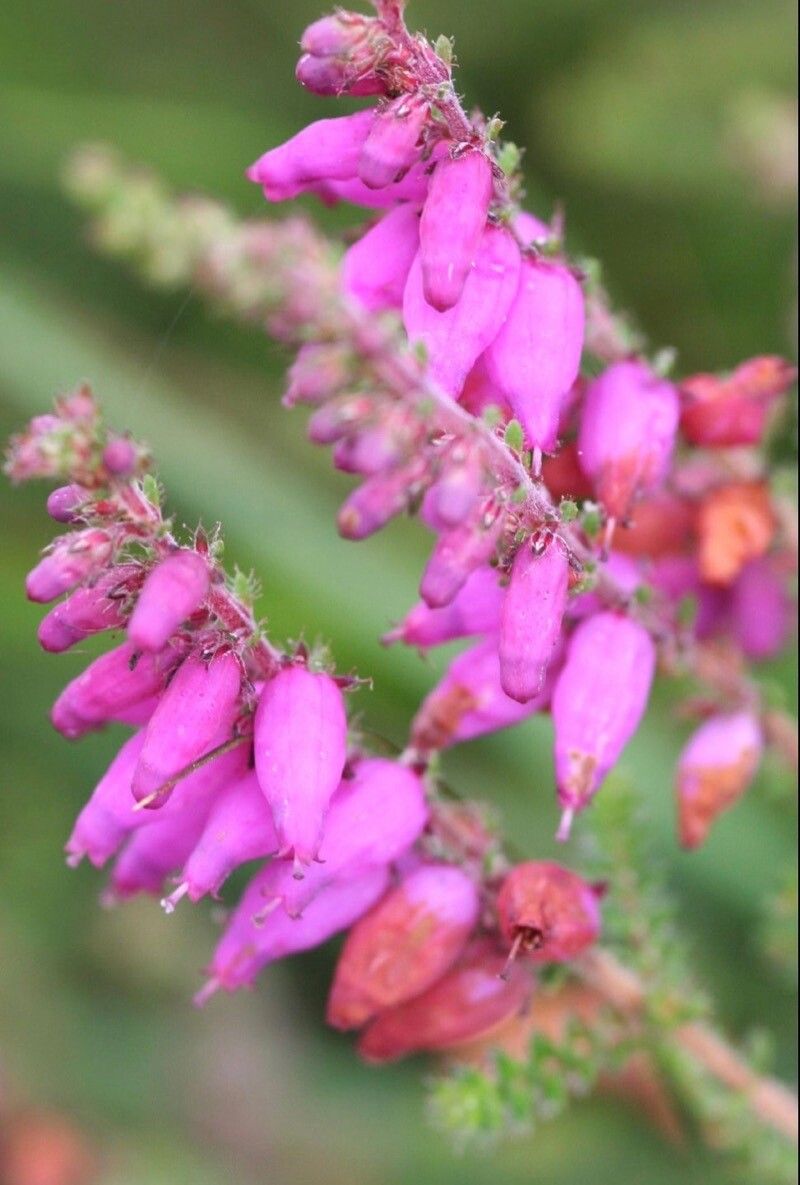
During the winter months, Erica ciliaris produces clusters of pink or purple bell-shaped flowers that bloom from December through April. These highly fragrant flowers attract bees and other pollinators, adding vibrant color and life to the landscape.
Erica ciliaris prefers well-drained, acidic soils with full sun exposure but can also tolerate partial shade. It is a hardy plant requiring minimal maintenance once established, though occasional pruning can help maintain its shape.
Historically, indigenous people have used the plant for its anti-inflammatory properties. Additionally, it has served as a natural dye source due to its vibrant pink coloration.
Overall, Erica ciliaris is an attractive ornamental shrub with year-round appeal owing to its evergreen foliage and winter blooms. It makes an excellent addition to any garden or landscape design project.


In the Home
Heather is fairly disease-resistant and usually not prone to illnesses. However, if grown in poor conditions it can become more vulnerable to disease. It also has few problems with insect pests. Care requirements for this plant are moderate. It needs plenty of sunlight, since insufficient light can make it more disease-prone and cause spindly growth. As it is often kept indoors, it may need to be moved regularly to a bright spot. It does not need frequent watering. Overall, Heather is suitable for most people, though it performs best with those who can provide strong light conditions.