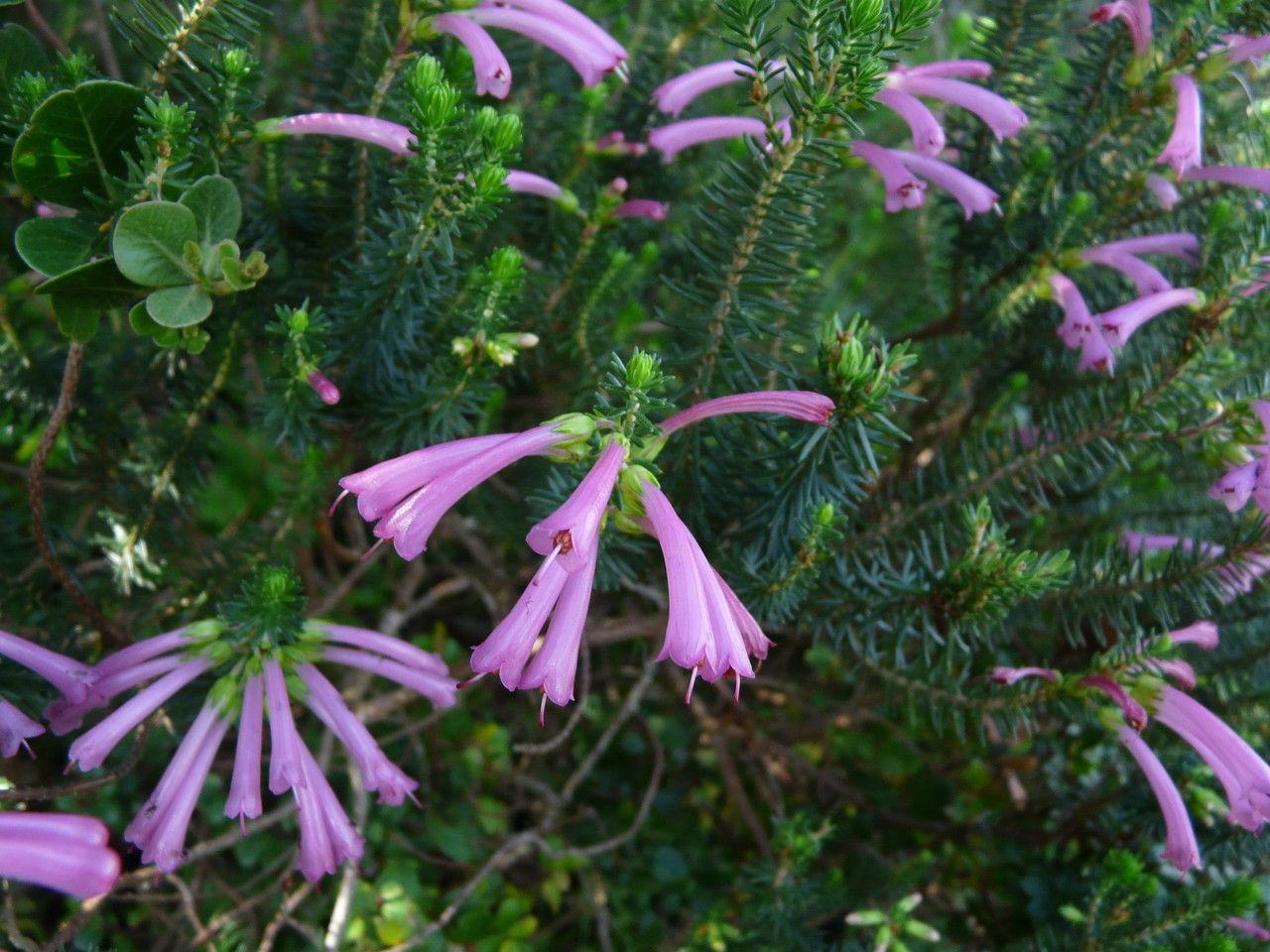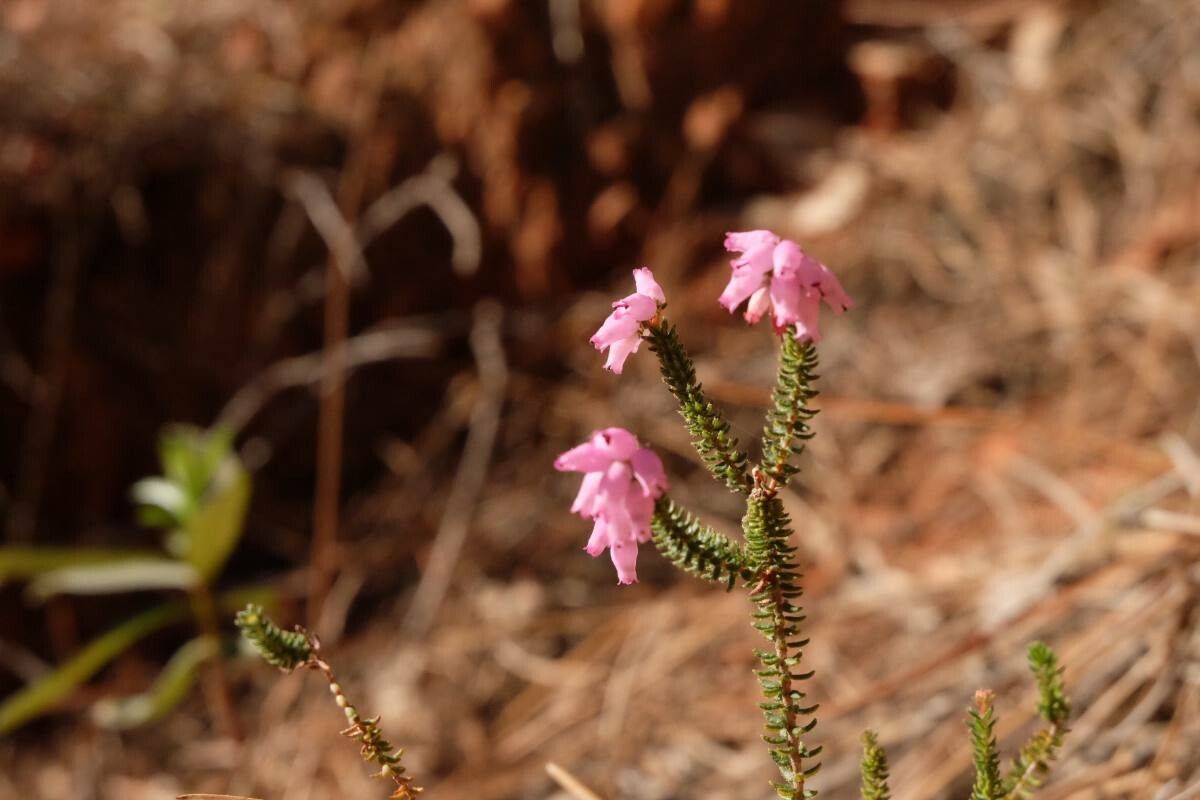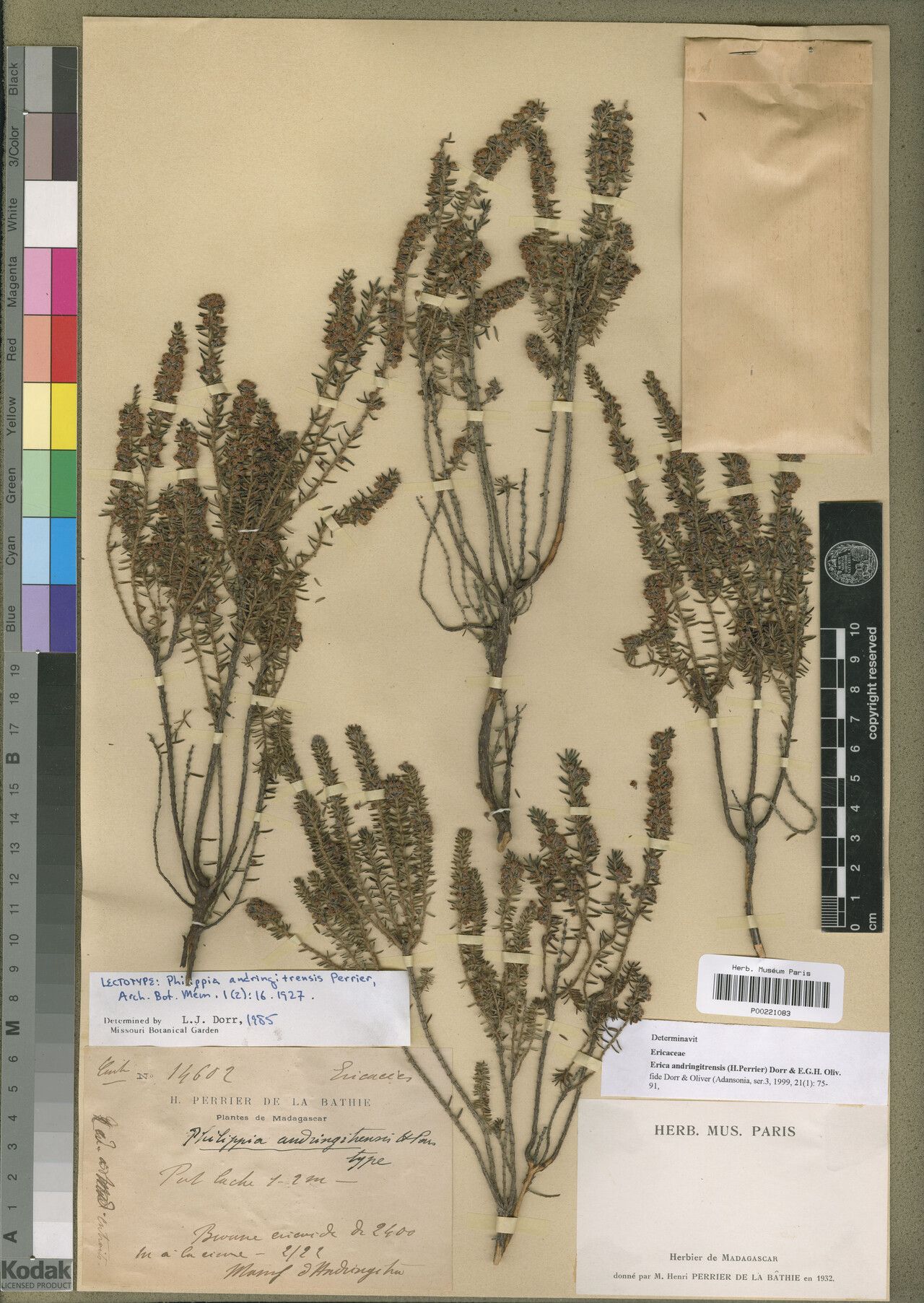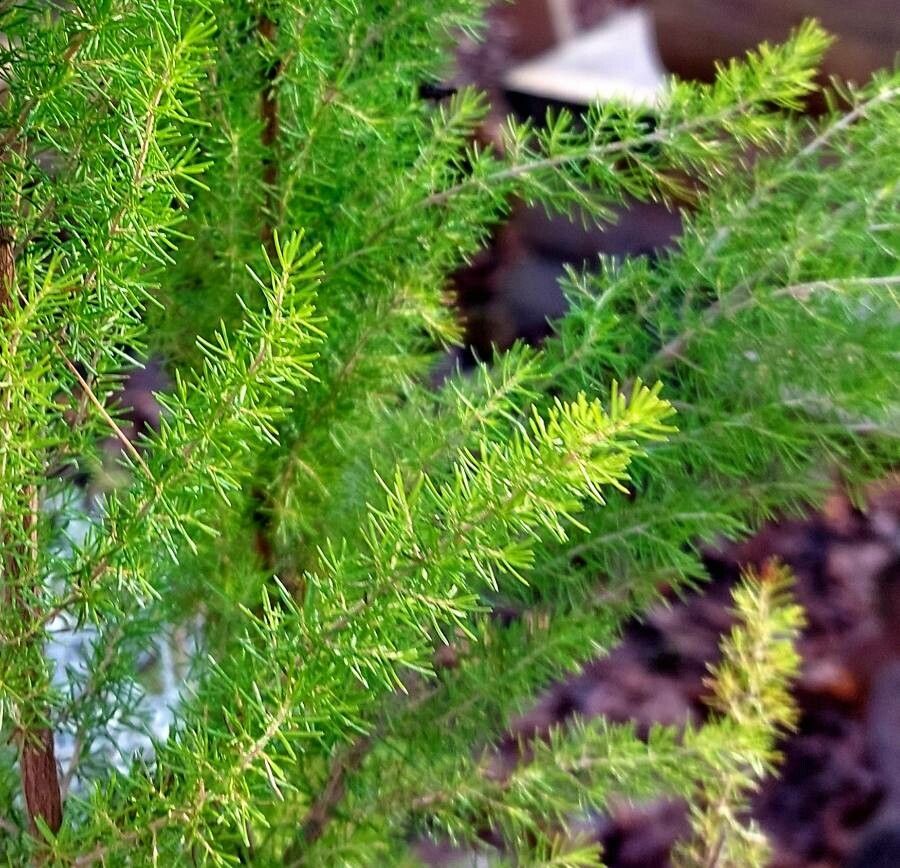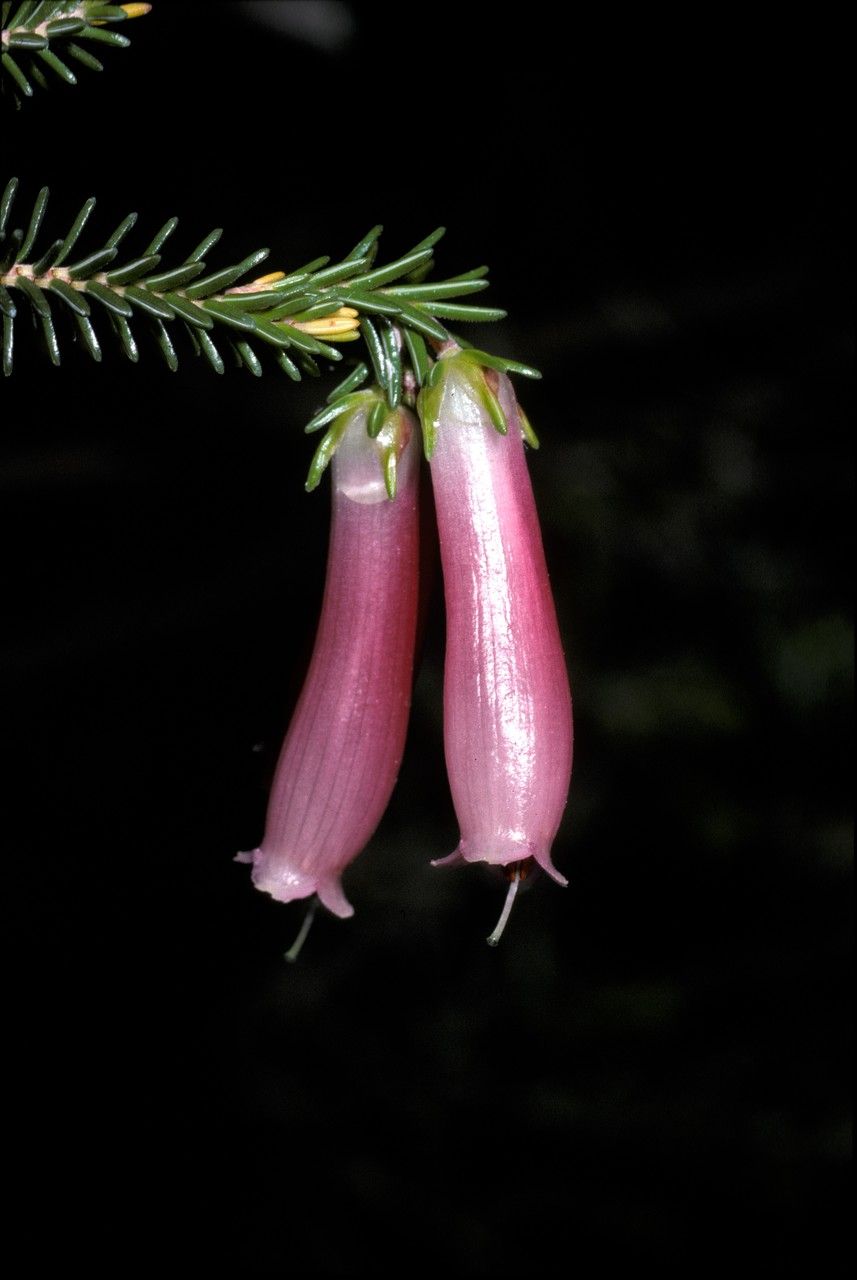
Erica diaphana, the diaphanous heath, is a plant belonging to the genus Erica and forming part of the fynbos. The species is endemic to the Eastern and Western Cape.
Heath is resistant to disease and generally does not tend to get sick. Regarding care, this plant is fairly low-maintenance. When grown outdoors it needs little watering, and larger plants typically do not require pruning. Smaller plants, however, should be pruned after they finish blooming. Heatht is appropriate for anyone with an outdoor area, like a garden or deck, and does not need much prior care experience.
How to keep Erica Diaphana.
Light
Heath naturally thrives in habitats like forest understories or rocky terrains, where it's naturally shaded. It favors partially sunny locations, yet it's capable of adjusting to both entirely sunny or completely shaded conditions, reflecting its robust and flexible character.
Temperature
Heath is known for its remarkable resilience to different weather conditions, from extreme heat in the summer to biting cold in the winter. Nonetheless, it has a particular temperature spectrum where it thrives the most. The plant is subject to thermal and moisture stress if the temperatures soar too high, which could potentially lead to its death. In areas where the temperature is nearing the plant's freeze threshold, taking precautionary measures for insulation becomes crucial to safeguard the plant.
Fertilizer
The timing for fertilizing Heath is critical. The fertilization should begin in early spring and continue on a monthly basis until the start of summer. The role of fertilizer is to aid in the production of beautiful flowers and supply energy during both dormant and growing periods.
Pruning
Heath plants benefit greatly from annual pruning in early spring, which enhances their growth and flowering. To improve air circulation, remove any dead branches and thin out crowded areas. After the plants have finished blooming, lightly trim the stems to maintain their shape and encourage new growth. This will help ensure that your heath plants remain vigorous and attractive.
Botanical profile.
- Plant Type
- Shrub
- Life Cycle
- Perennial
- Genus
- Erica
- Family
- Ericaceae
- Hardiness Zone
- 7-10
- Mature Height
- 30 cm to 61 cm
- Mature Spread
- 30 cm to 49 cm
- Leaf Color
- Dark Green
- Leaf Type
- Evergreen
- Flower Color
- Pink
- Flower Size
- 0.25 cm to 0.51 cm
- Bloom Time
- Late fall, Early winter, Mid winter
- Planting Time
- Summer, Autumn
- Harvest Time
- Late winter, Early spring, Mid spring
- Native Area
- South Africa
Other names.
Reader questions.
What are the sunlight requirements for Heath (Erica diaphana)?
Heath (Erica diaphana) thrives in different sunlight conditions depending on your gardening goals. For full sun exposure, it requires above 6 hours of sunlight, ideal for those brightly lit spots in your garden. On the other hand, partial sun, about 3-6 hours of sunlight, is also adequate, accommodating locations with a mix of light and shade. It's essential to observe the movement of sunlight in your garden carefully. Selecting the perfect balance of light and shade will ensure the happiness and health of your Heath plants. This consideration underscores the plant's adaptability to various light conditions, advocating for mindful placement to meet its needs.
What is the botanical name of Heath?
The botanical name of Heath is Erica diaphana.