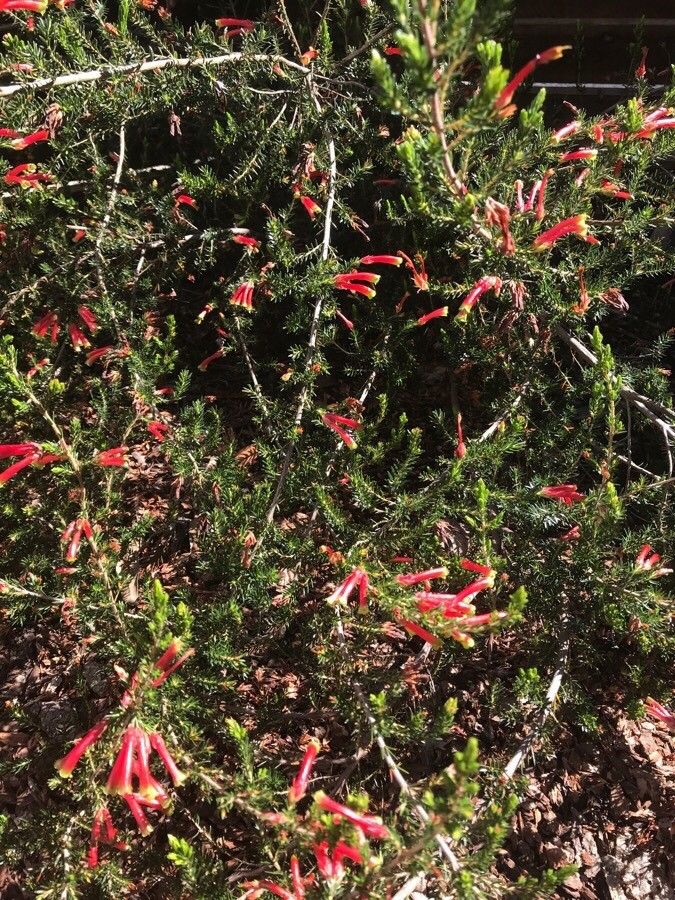
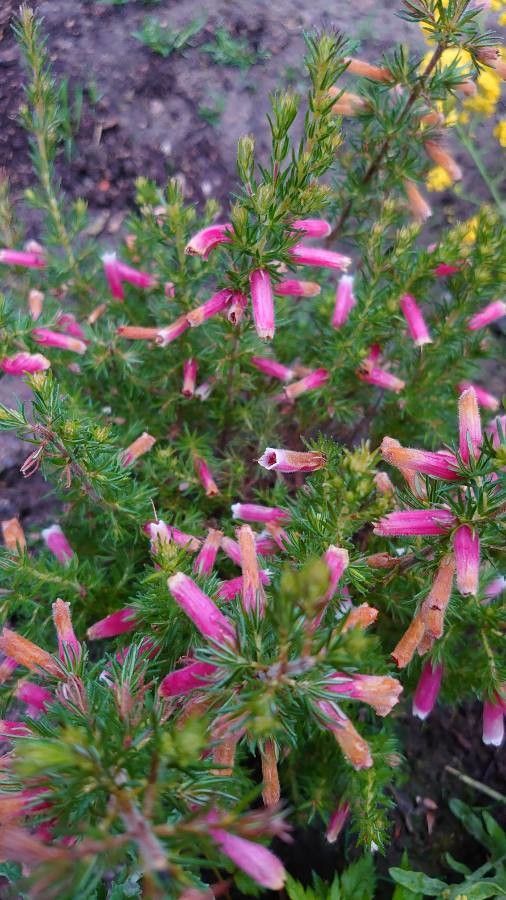
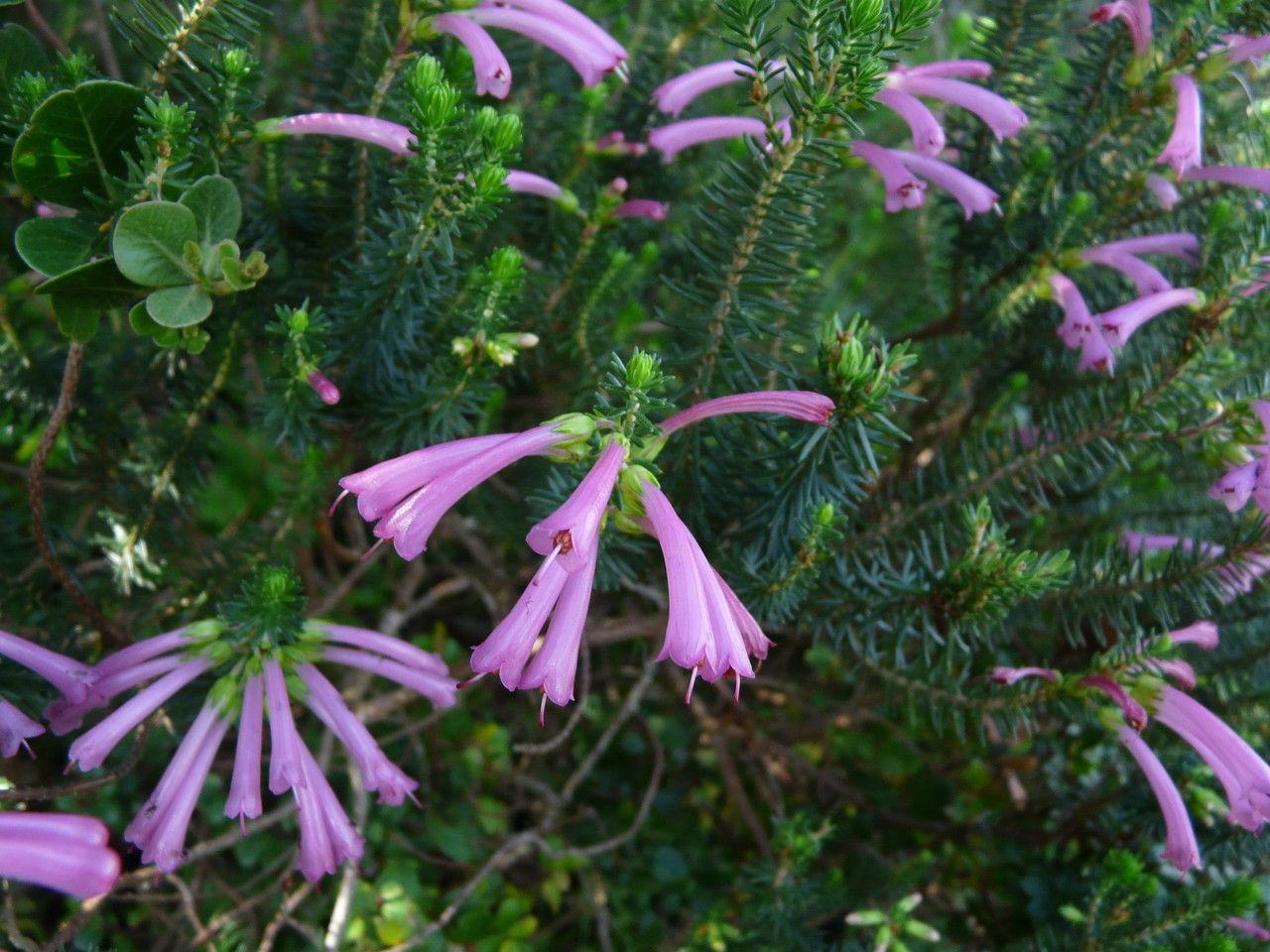
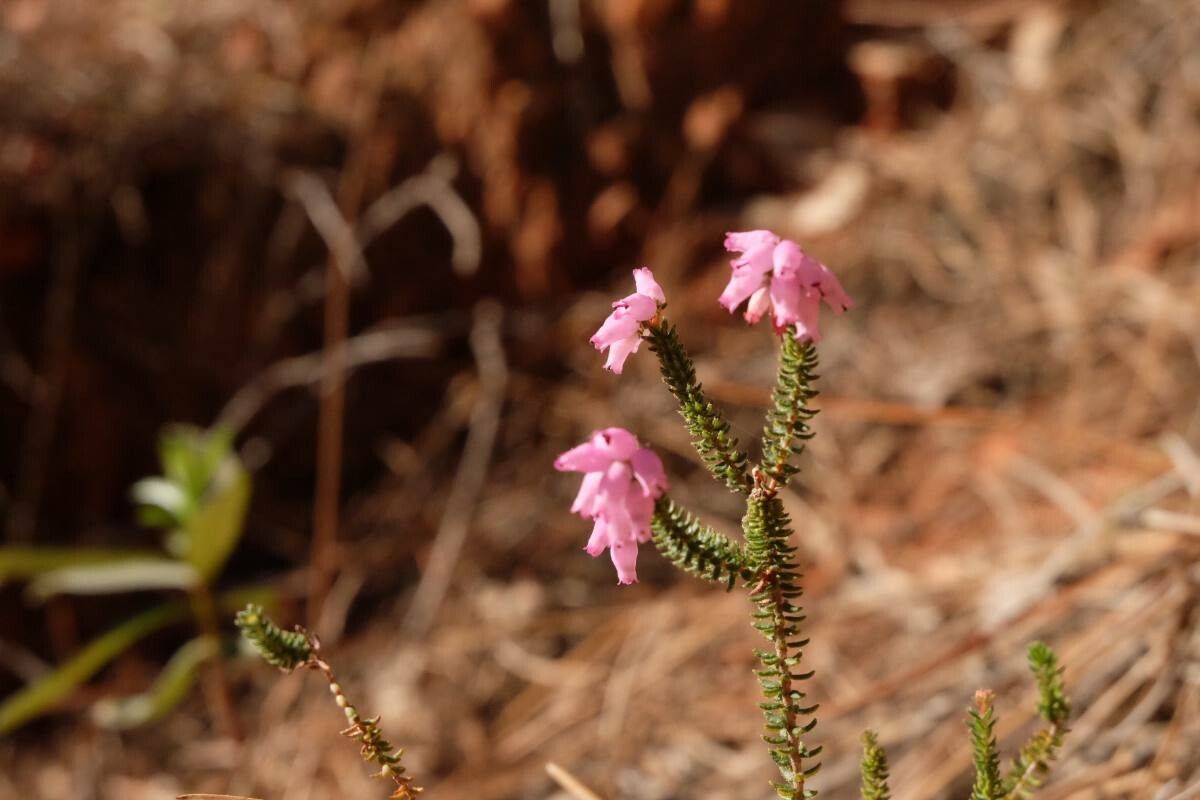
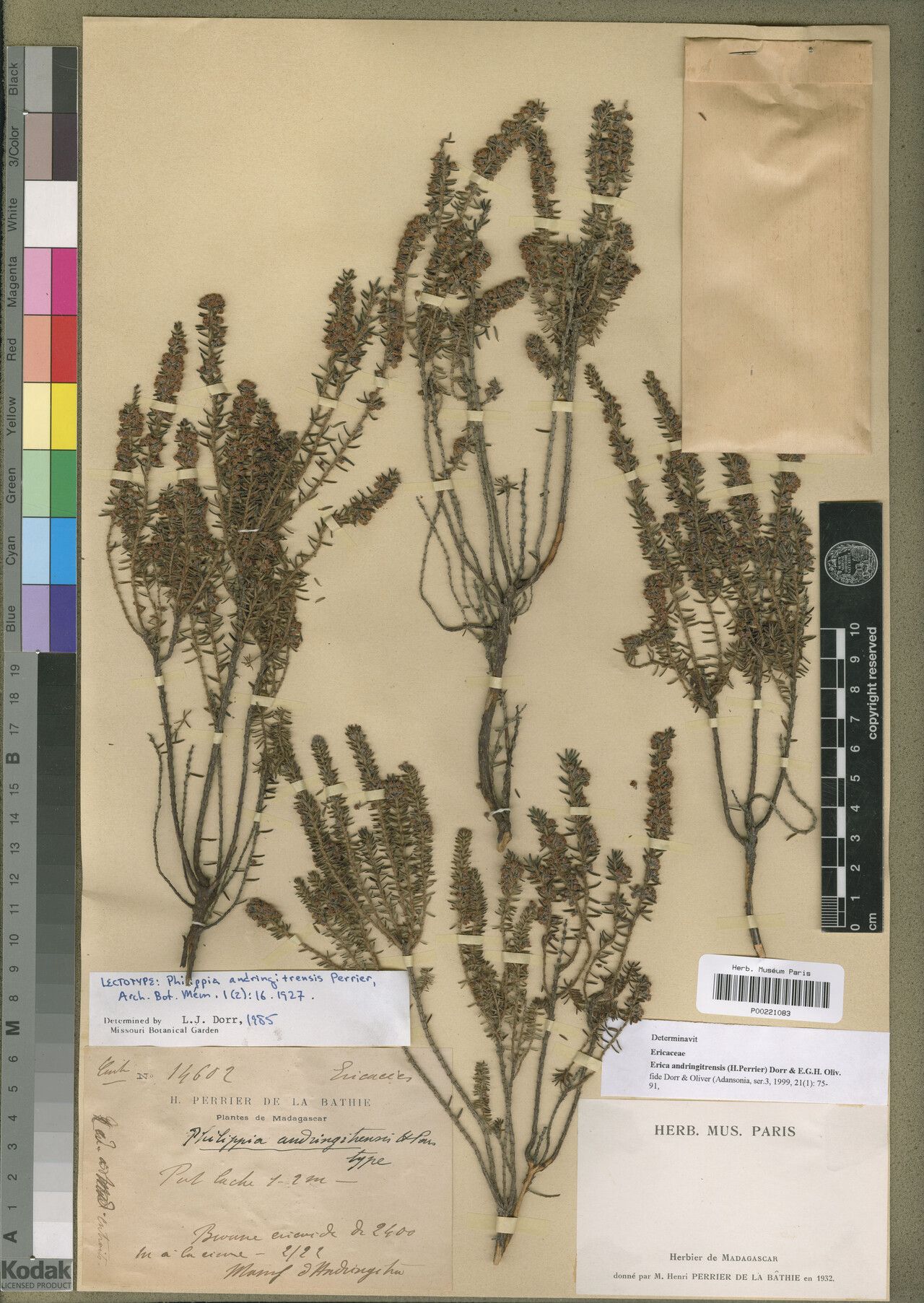
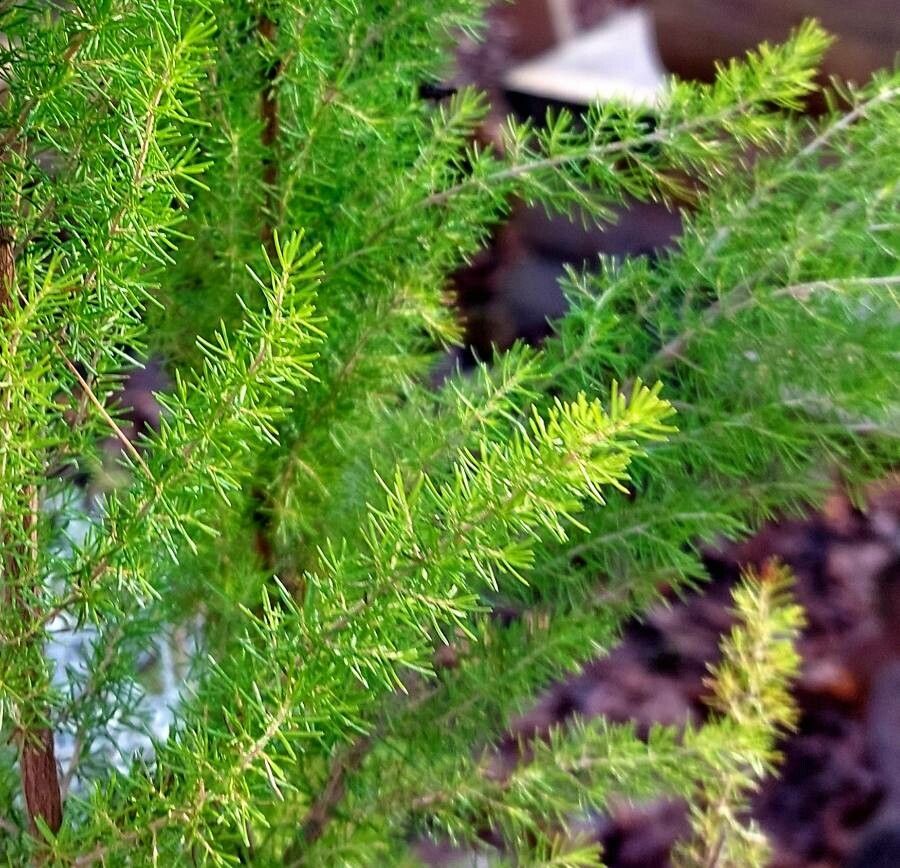
Erica discolor, the two-colour heath, is a plant that belongs to the genus Erica and forms part of the fynbos. The species is endemic to the Eastern and Western Cape; from Betty's Bay to Humansdorp.
Discoloring erica shows strong resistance to disease and is usually not susceptible to illnesses. Regarding upkeep, this plant is fairly low-maintenance. When grown outdoors it needs little watering, and larger specimens typically do not require pruning. Smaller specimens, however, should be trimmed after they finish blooming. Discoloring ericat is suitable for anyone with outdoor space, such as a garden or a deck, and does not demand much care experience.
How to keep Erica Discolor.
Light
Discoloring erica is native to habitats like forest understories and rocky areas, where it grows in natural shade. It prefers partial sun but can adjust to full sun or full shade, illustrating its versatile and hardy nature.
Temperature
Discoloring erica shows good temperature adaptability, tolerating high heat and wide temperature swings. In hot weather, attention should be paid to irrigation and providing suitable shade to prevent sunburn. Conversely, Discoloring erica is relatively sensitive to cold; it can endure some chill, but very low temperatures may cause frost damage.
Fertilizer
Apply fertilizer to your Discoloring erica in early spring to encourage healthy growth. Regular feeding improves overall health, producing vigorous growth, greater tolerance of harsh conditions, and enhanced resistance to pests and diseases. Adhere to a consistent fertilizing schedule for your Discoloring erica to maintain vibrant, deeply colored foliage and a lush appearance.
Pruning
To maintain the health and beauty of discoloring Erica, it's important to prune it annually, ideally in early spring before new growth begins. Trim back the old wood and, if needed, reduce the plant's size by one-third. Also, remove any spent flowers to encourage more blooms, which will ensure robust growth and vibrant displays in the following season.
Botanical profile.
- Plant Type
- Shrub
- Life Cycle
- Perennial
- Genus
- Erica
- Family
- Ericaceae
- Hardiness Zone
- 8-10
- Mature Height
- 30 cm to 61 cm
- Mature Spread
- 30 cm to 49 cm
- Leaf Color
- Dark Green
- Leaf Type
- Evergreen
- Flower Color
- White, Yellow, Red, Pink
- Flower Size
- 0.51 cm to 0.76 cm
- Bloom Time
- Late summer, Early fall, Mid fall
- Planting Time
- Spring, Summer, Autumn
- Harvest Time
- Late fall, Early winter, Mid winter
- Native Area
- South Africa
Other names.
Reader questions.
What are the sunlight requirements for Discoloring Erica?
Discoloring Erica requires different amounts of sunlight depending on the type of growth you're aiming for. For full sun exposure, it needs above 6 hours of sunlight, which is ideal for the most vigorous growth. However, if your garden can only provide partial sun, about 3-6 hours of sunlight will still support its growth, albeit possibly at a slower rate. When planning where to plant your Discoloring Erica, it's important to observe how sunlight moves through your garden throughout the day. Choosing spots that provide a good balance of light and shade will ensure your plant thrives. Keep in mind the provided warning to watch how sunlight gracefully moves through your garden, allowing you to choose the best spots for your plants' health and happiness.
What is Discoloring Erica?
Discoloring Erica, scientifically known as Erica discolor, does not have further provided details about its essentials or symptoms in the given information. This indicates a need for more specific data to fully understand the nature, care, or issues associated with Discoloring Erica.
What is the botanical name of Discoloring Erica?
The botanical name of Discoloring Erica is Erica discolor. Knowing the botanical name is useful for understanding more about the plant's characteristics and for seeking out care information specific to this type of Erica.