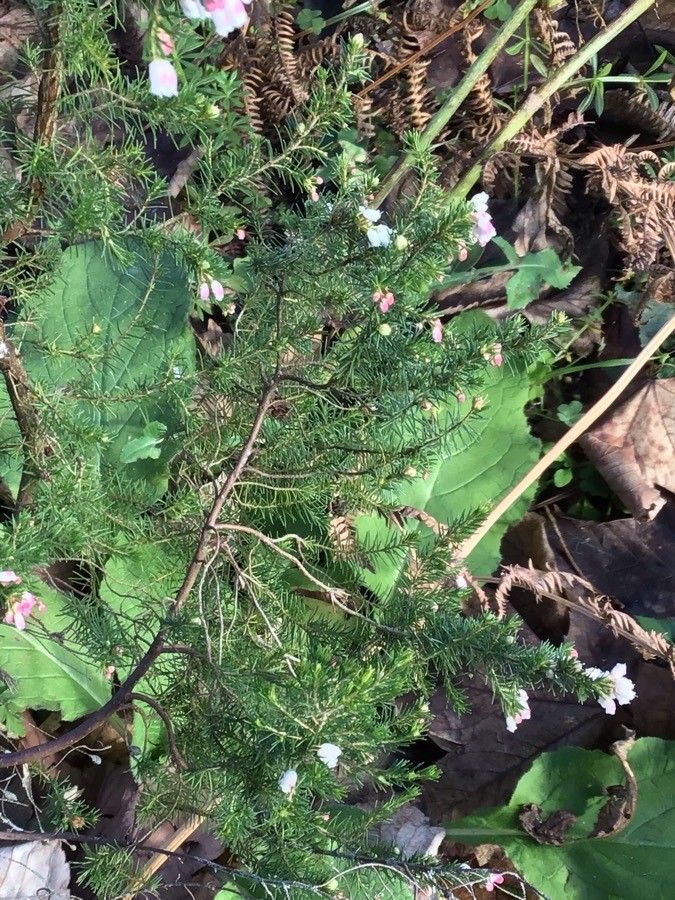
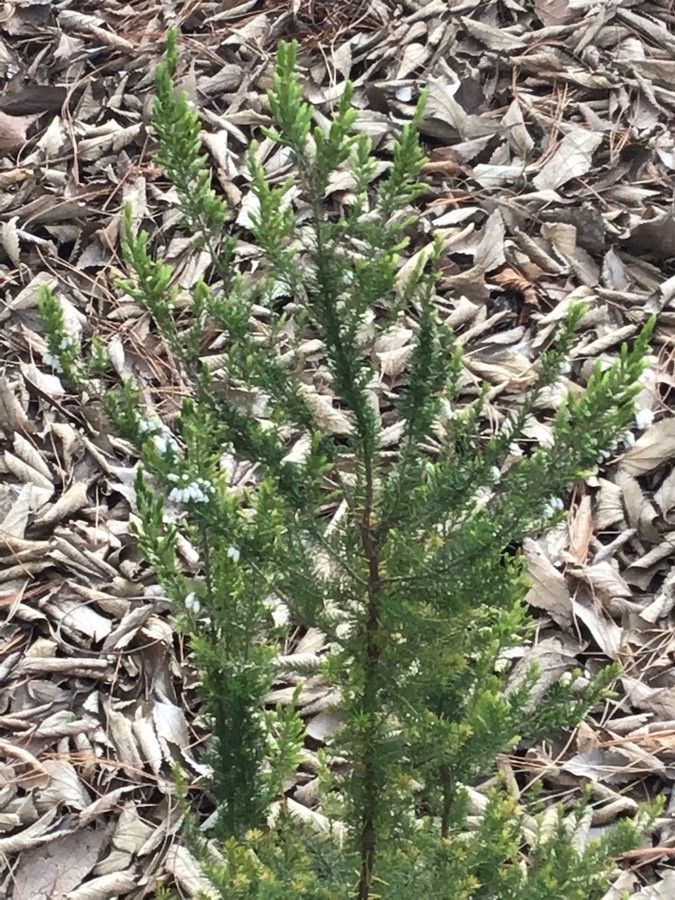
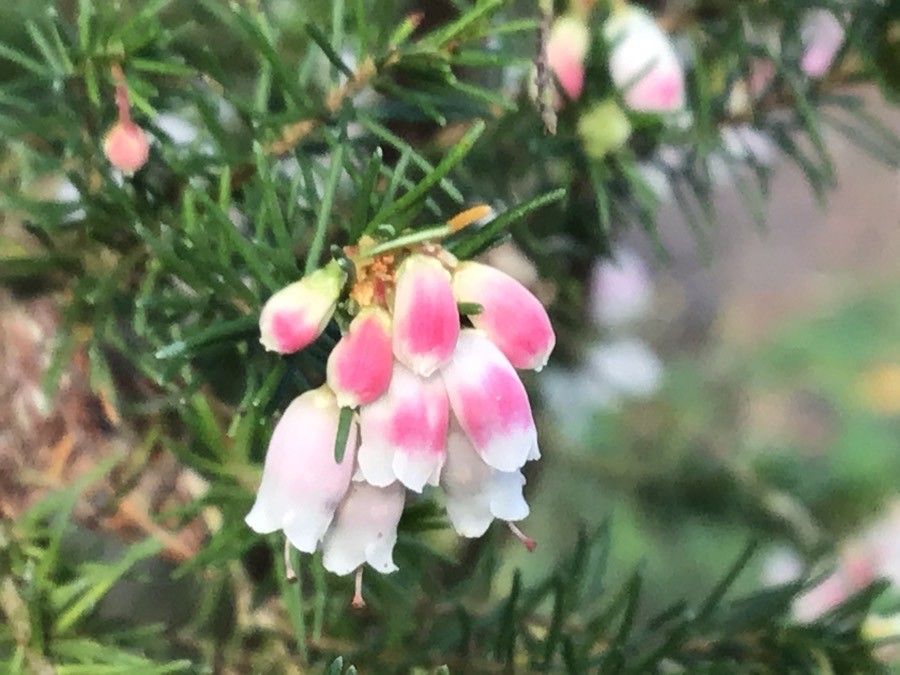
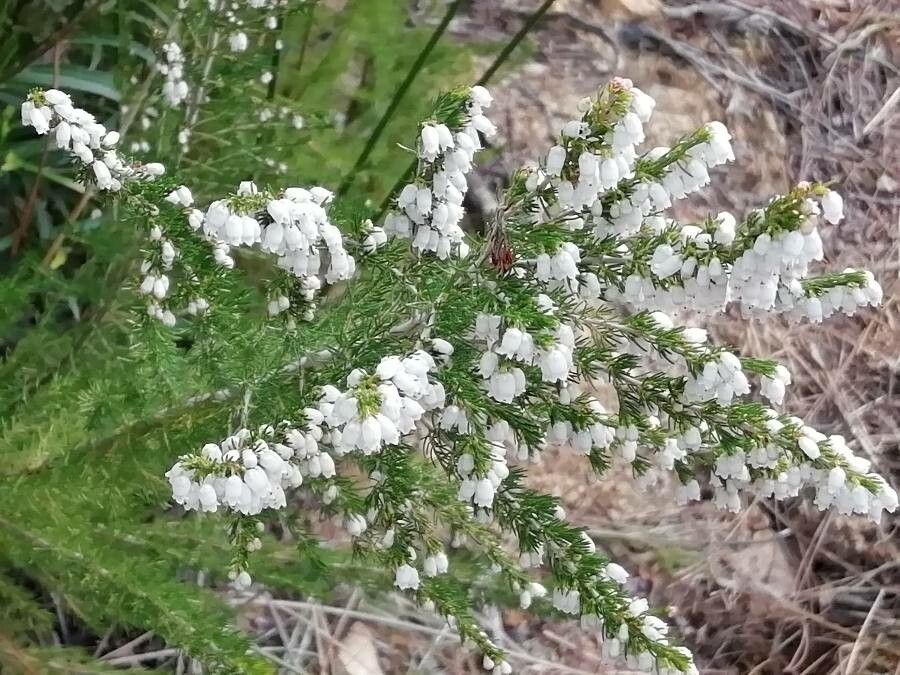
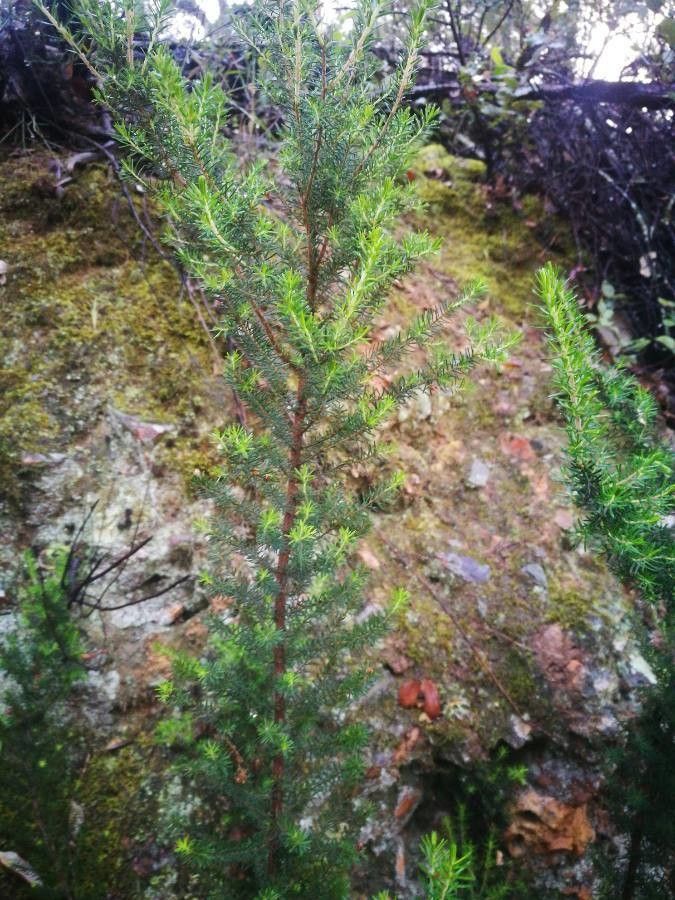
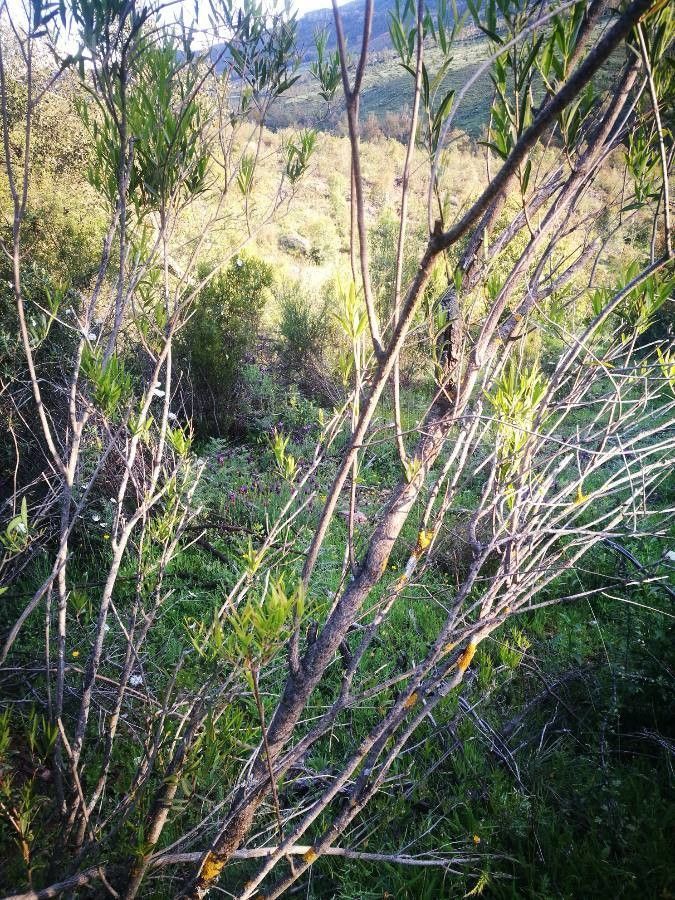
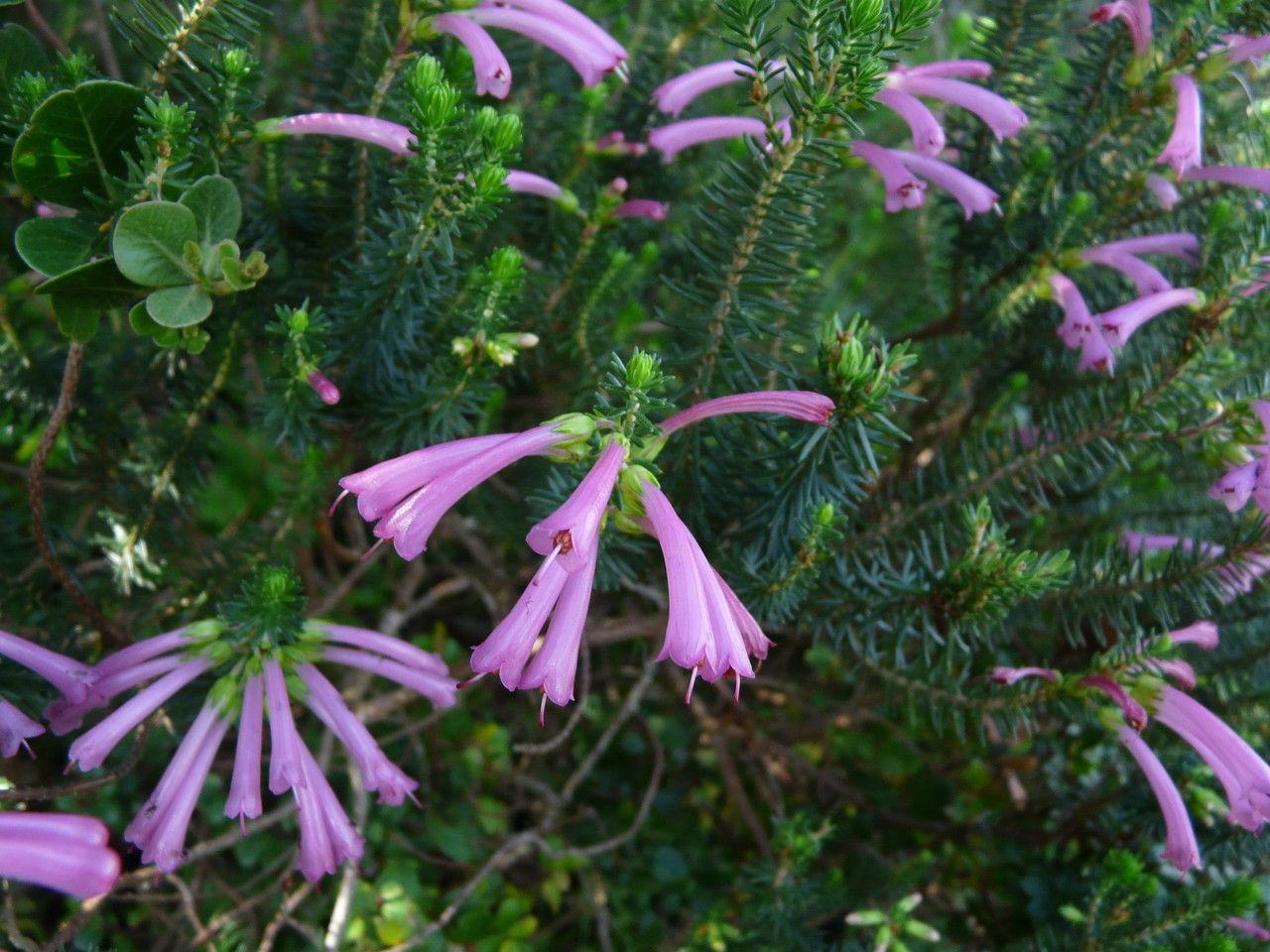
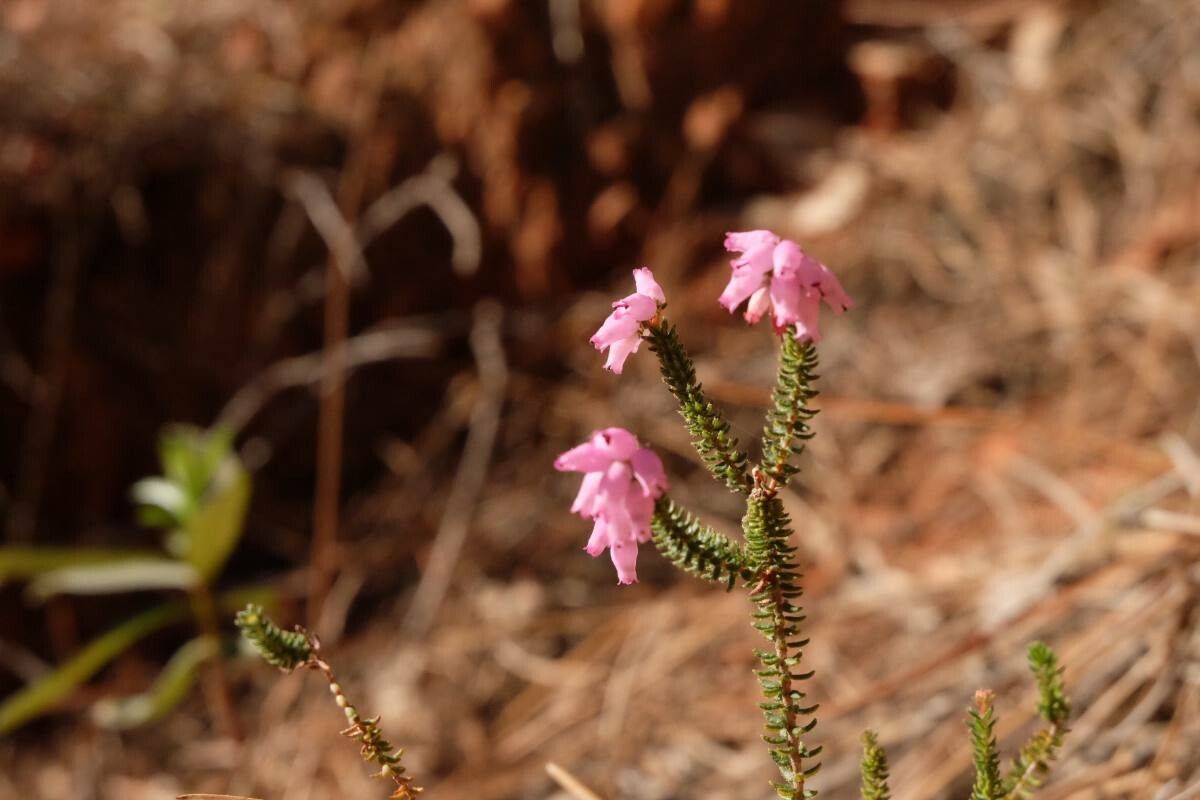
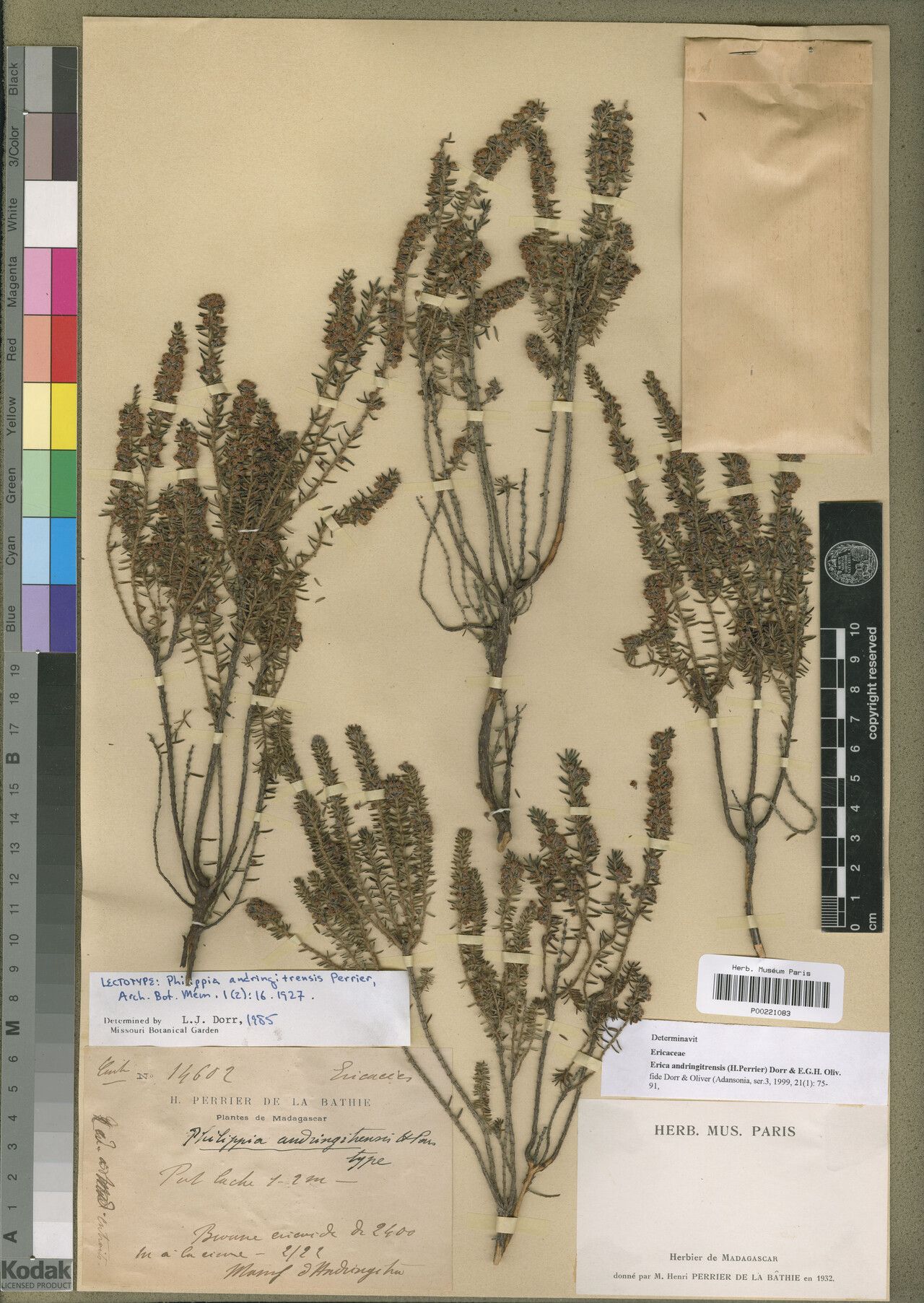
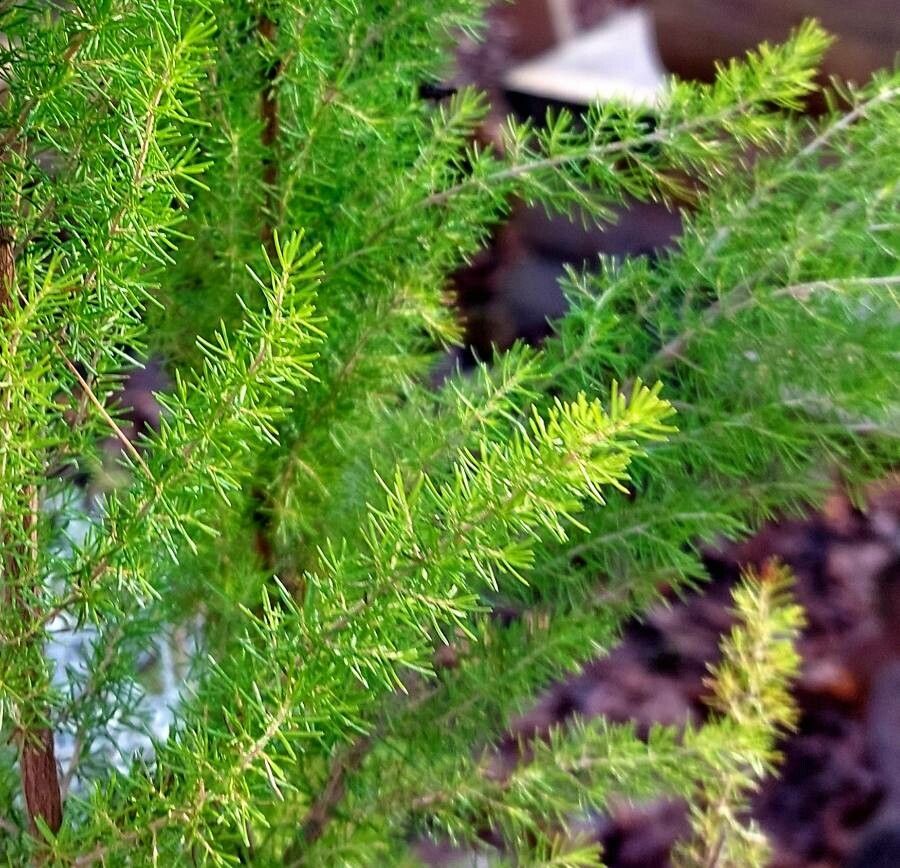
Erica lusitanica is a species of flowering plant in the family Ericaceae, known by the common names Portuguese heath and Spanish heath. It is native to Portugal, Spain and southwestern France. It is named for Lusitania, a historical region encompassing most of modern Portugal and parts of western Spain.
Spanish heath is highly resistant to disease and typically not vulnerable to illnesses. As for care, this plant is fairly low-maintenance. Planted outdoors, it needs only occasional watering, and larger specimens usually do not require pruning. Smaller specimens should be pruned after they have finished blooming. Spanish heath is suitable for anyone with an outdoor area, such as a garden or deck, and does not demand a lot of gardening experience.
How to keep Erica Lusitanica.
Light
Spanish heath grows best with plenty of sunlight. Its development and general vigor are greatly improved in places that receive abundant sun. Still, it can adapt to locations with somewhat less sun. Too much or too little sun exposure can negatively affect its growth and health.
Water
Spanish heath thrives with regular watering, needing hydration on a weekly basis to support its optimal growth. This is because the plant originates from regions with moderate rainfall. As an evergreen, it keeps its foliage year-round and grows well outdoors, where it benefits from natural rainwater. However, it can also be cultivated indoors.
Temperature
Spanish heath originates from regions where temperatures typically range from 59 to 95 °F (15 to 35 ℃). It performs best within that temperature range. To maintain optimal health, monitor seasonal changes and adjust its environment accordingly.
Fertilizer
Proper timing is essential when fertilizing Spanish heath. Apply fertilizer in early spring and continue monthly until early summer. Fertilizer encourages beautiful blooms and supplies energy during both dormant periods and times of active growth.
Pruning
Spanish heath is characterized by its delicate pink blossoms and needle-like leaves. To maintain its shape and promote better air circulation, which helps prevent diseases and enhances flowering in the next season, it should be pruned in late spring after it has finished blooming. Remove the spent flowers and any excess growth. Always use clean tools for pruning and avoid performing this task in wet conditions.
Pot & Repot
Repot Spanish heath every 2 to 3 years into slightly larger containers to encourage healthy roots and blooms. The best time for repotting is in late winter, using well-drained, acidic soil. After repotting, keep the soil moist and place the plant in indirect light to aid its recovery. Make sure to choose a pot that is snug for the plant.
Botanical profile.
- Plant Type
- Shrub
- Life Cycle
- Perennial
- Genus
- Erica
- Family
- Ericaceae
- Hardiness Zone
- 8-10
- Mature Height
- 3.05 m
- Mature Spread
- 91 cm
- Leaf Color
- Green
- Leaf Type
- Evergreen
- Flower Color
- White, Pink
- Flower Size
- 0.25 cm to 0.51 cm
- Bloom Time
- Winter, Early spring
- Planting Time
- Spring, Summer, Autumn
- Harvest Time
- Mid spring, Late spring, Early summer
Other names.
Reader questions.
What is the most effective way to water my Spanish heath plant?
It doesn't matter how you water your Spanish heath, as long as you make sure to moisten the soil evenly. You can use watering cans, hoses, or even cups to water the plant. It's a good idea to use filtered water, as tap water can be harmful due to particles. Also, using water at or slightly above room temperature is best, as very hot or cold water can shock the plant. However, the Spanish heath generally does well with any type of water.
Why should I add fertilizer to my Spanish heath?
Fertilizing your Spanish heath is beneficial for several reasons. One of the most obvious is that it helps your plant produce beautiful blooms. For optimal flowering, it is recommended to fertilize in early spring. Additionally, fertilizers provide your Spanish heath with ample energy, which it can store in the ground during dormant phases. By giving your plant extra nutrients during fall planting or late spring, you can ensure it has more energy to utilize once active growth resumes.
What are the sunlight requirements for Spanish heath?
Spanish heath requires generous exposure to sunlight for optimal growth and health. It thrives best in full sun, which is above 6 hours of sunlight per day, but can also adapt to partial sun conditions, approximately 3-6 hours of sunlight. However, an over-exposure or under-exposure to sunlight can negatively impact its growth and well-being. It's crucial to observe how sunlight moves through your garden or indoor space and place your plants in locations that achieve a balance of light and shade to ensure their happiness.
What is the optimal temperature range for Spanish heath?
Spanish heath, scientifically known as Erica lusitanica, thrives best in climates where temperatures range between 59 to 95 °F (15 to 35 °C). It is vital to monitor seasonal changes closely and adjust the plant's environment to remain within this optimal temperature range to ensure its health.
What should I do if I give too much water or too little water to my Spanish heath?
Outdoor plants, especially newly planted ones or seedlings, are at risk of not receiving enough water. It's important to water them consistently for a few months until their roots are established and they can rely on rainfall. If you have Spanish heath planted in pots, overwatering is a common issue. If you accidentally overwater your plant, you should take immediate action to remedy the situation. Stop watering the plant right away to minimize the effects of overwatering. Remove the plant from its pot to inspect the roots. If there is no root rot present, you can return the plant to its pot. However, if there are signs of root rot, trim away the affected roots and consider using a fungicide to prevent further damage. Repot the plant in well-draining soil. On the other hand, underwatering a Spanish heath is relatively easy to fix. If you notice droopy, dried out leaves that fall off, simply water the plant more frequently. The leaves will regain their fullness after sufficient watering. It's important to adjust your watering frequency as soon as you notice underwatering.
When should I fertilize my Spanish heath plant?
Proper timing is essential for fertilizing Spanish heath. If fertilizer is applied too early while the plant is still dormant, it won't be effective and will be washed away by rainwater, leading to waste and pollution. To ensure optimum results, the first application of fertilizer should be in early spring, followed by monthly fertilization until early summer.
Can artificial lighting be used for Spanish heath and how?
Yes, artificial lighting can be used for Spanish heath, especially when natural sunlight is insufficient, such as during winter or in less sunny indoor spaces. Indoor plants benefit greatly from adequate artificial lighting, which promotes faster and healthier growth. Opting for LED lights is advisable as they can be customized to provide specific wavelengths of light needed by your plants. Full sun plants require 30-50W/sq ft, partial sun plants need 20-30W/sq ft, and full shade plants require 10-20W/sq ft of artificial light. You should place the light source 12-36 inches above the plant and mimic natural daylight hours by providing 8-12 hours of light per day.
How does Spanish heath handle cold temperatures?
Spanish heath has a moderate tolerance to cold temperatures and can generally tolerate conditions above -5°C without requiring additional protection. If temperatures are expected to fall below -5°C, it is advisable to take temporary measures to protect the plant. This can include wrapping the plant with plastic film, fabric, or other insulating materials. These protective measures should be removed once temperatures rise to prevent any potential damage to the plant.
How often should I water my Spanish heath plant?
Plants grown outdoors usually get enough water from rainfall. However, if your area doesn't get much rain, you should water your plants every 2 weeks in the spring and fall, and more often in the summer. In the winter, when plants grow slower and need less water, you can water them less frequently or not at all. If you have a young or newly planted Spanish heath, you should water it more often to help it establish and grow into a drought-tolerant plant. For potted plants, there are two main ways to determine how often to water your Spanish heath. Setting a fixed watering schedule, such as once a week or every other week, is one option. However, this may not always work because it doesn't consider the specific conditions of your plant's environment. The other option is to check the soil moisture. Wait until the top 2 to 4 inches of soil (about 1/3 to 1/2 depth of the pots) have completely dried out before watering again. This approach may change depending on the season, as your Spanish heath will need more water during the summer.
When should I not put fertilizer on my Spanish heath?
To ensure optimal growth and blooming of Spanish heath, it is important to follow proper fertilization practices. Avoid using fertilizers with excessive nitrogen content, as this can promote leaf growth at the expense of blooming. Instead, choose a fertilizer that has a lower level of nitrogen compared to other nutrients. Timing is crucial when fertilizing Spanish heath. It is advisable to refrain from fertilizing after early autumn, as excessive growth during this time can be detrimental before the onset of winter. Additionally, avoid fertilizing Spanish heath during hot and dry periods, as the dry soil is less effective in delivering nutrients. Fertilizing under these conditions can stimulate growth, requiring more water that may not be readily available. It is best to apply fertilizers earlier in the season when temperatures are cooler. Lastly, be mindful that Spanish heath can absorb nearby fertilizers intended for other plants or lawns. To prevent unintentionally giving the tree or shrub an excessive amount of fertilizer, exercise caution and avoid double-dosing.
What are some common symptoms of light deficiency in Spanish heath?
Spanish heath may show several symptoms when exposed to suboptimal lighting conditions, including smaller new leaves, leggy or sparse growth, faster leaf drop, slower or halted growth, lighter-colored new leaves, chlorosis (yellowing of leaves due to breakdown of chlorophyll), sunscald (damaged areas on leaves/stems from intense light exposure), leaf curling (as a defense mechanism to reduce surface area exposed to sunlight), wilting (due to loss of turgor pressure), and leaf scorching (brown, dry, and crispy leaf edges from excessive sunlight). These signs indicate the plant is not receiving an adequate amount of light for photosynthesis and growth.
What should be done if Spanish heath is exposed to temperatures below -10°C?
If Spanish heath experiences temperatures below -10°C, the leaves may begin to droop and, in severe cases, wilt and fall off. In response to such damage, affected parts of the plant should be trimmed away. To prevent future frost damage, wrapping the plant with materials like non-woven fabric or cloth and constructing a wind barrier can be effective strategies to protect it from cold wind.