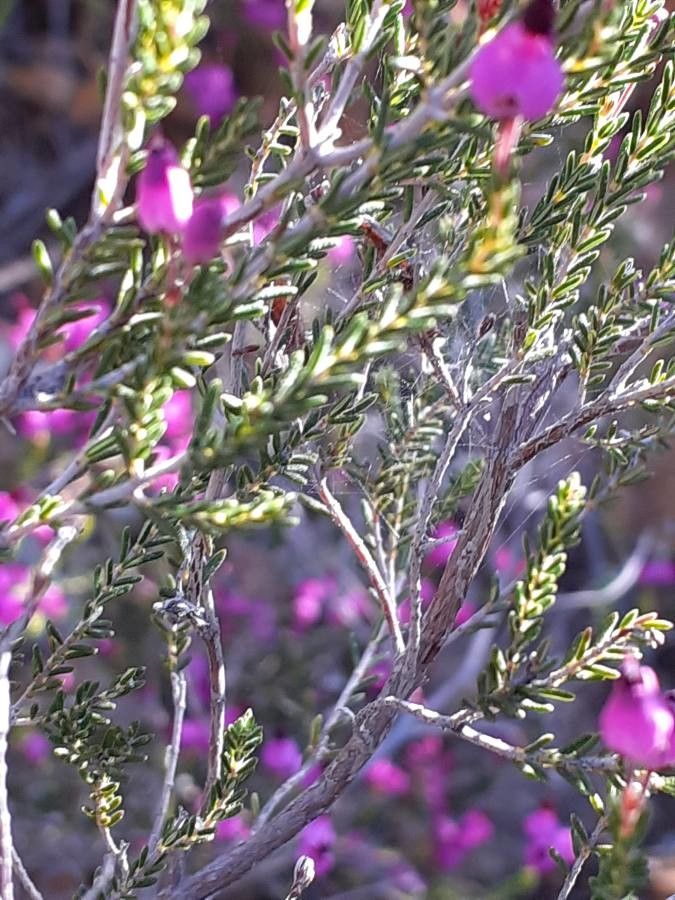
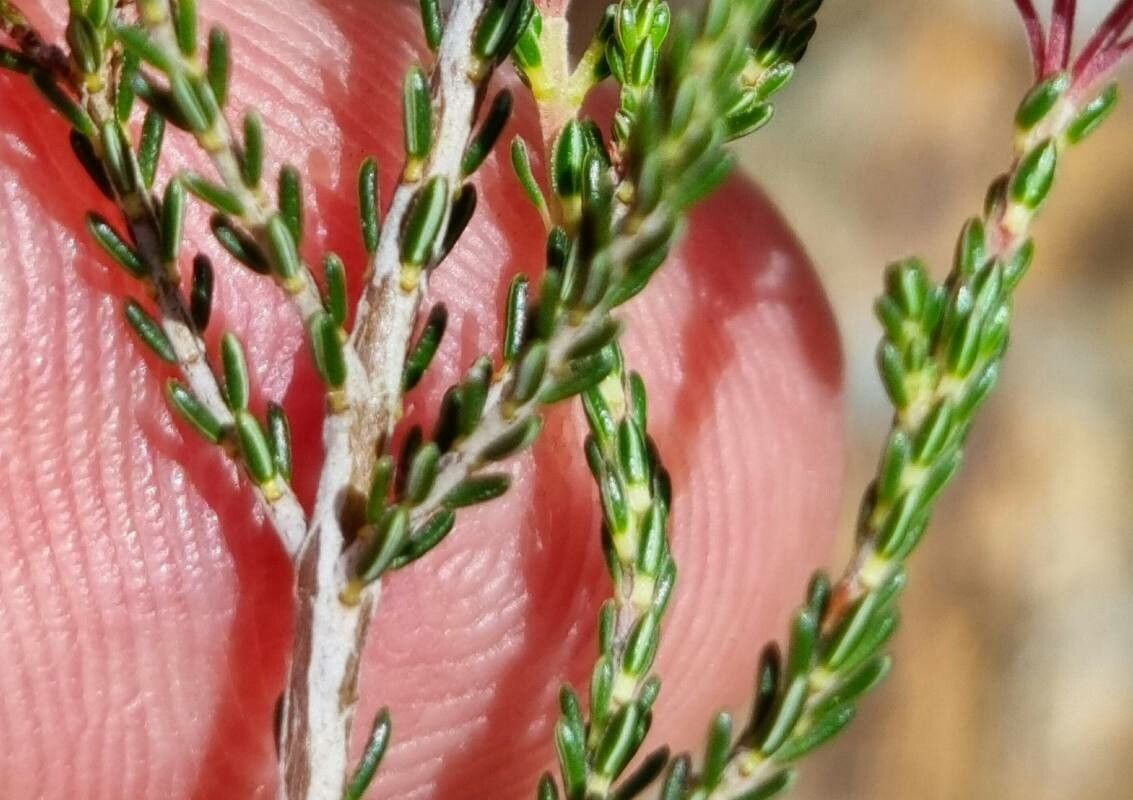
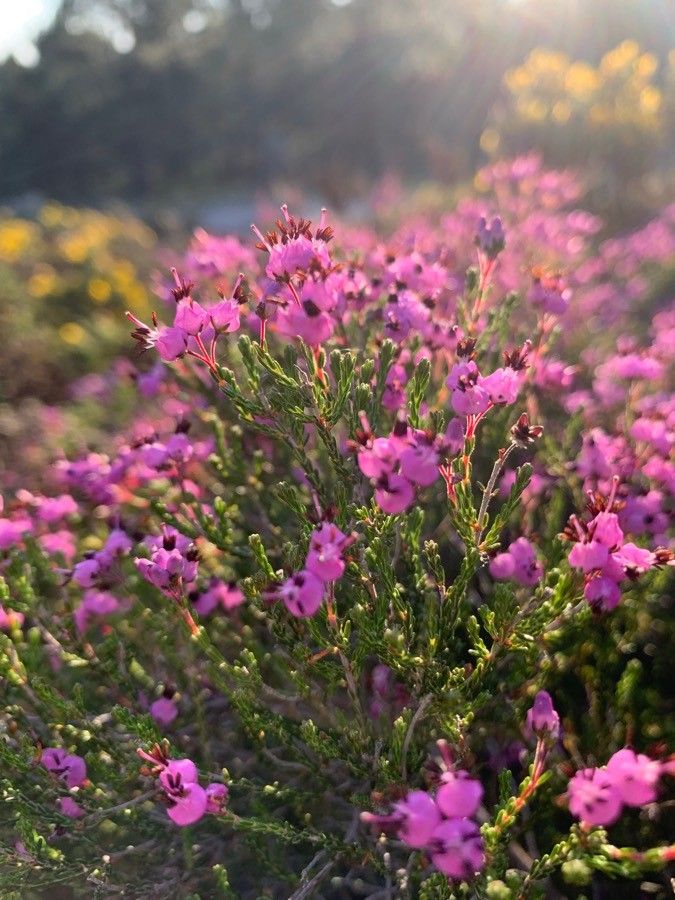
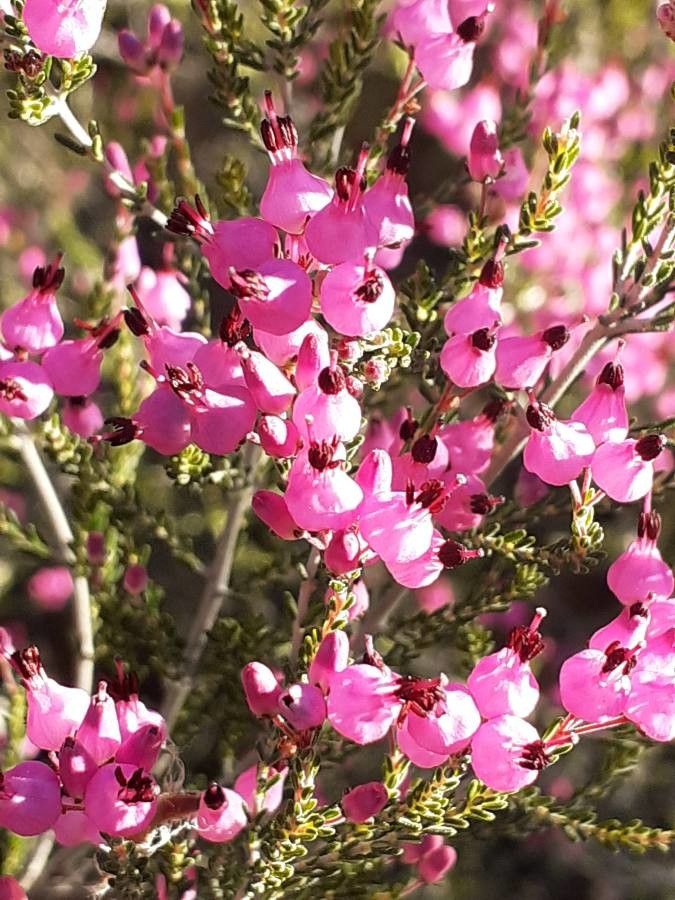
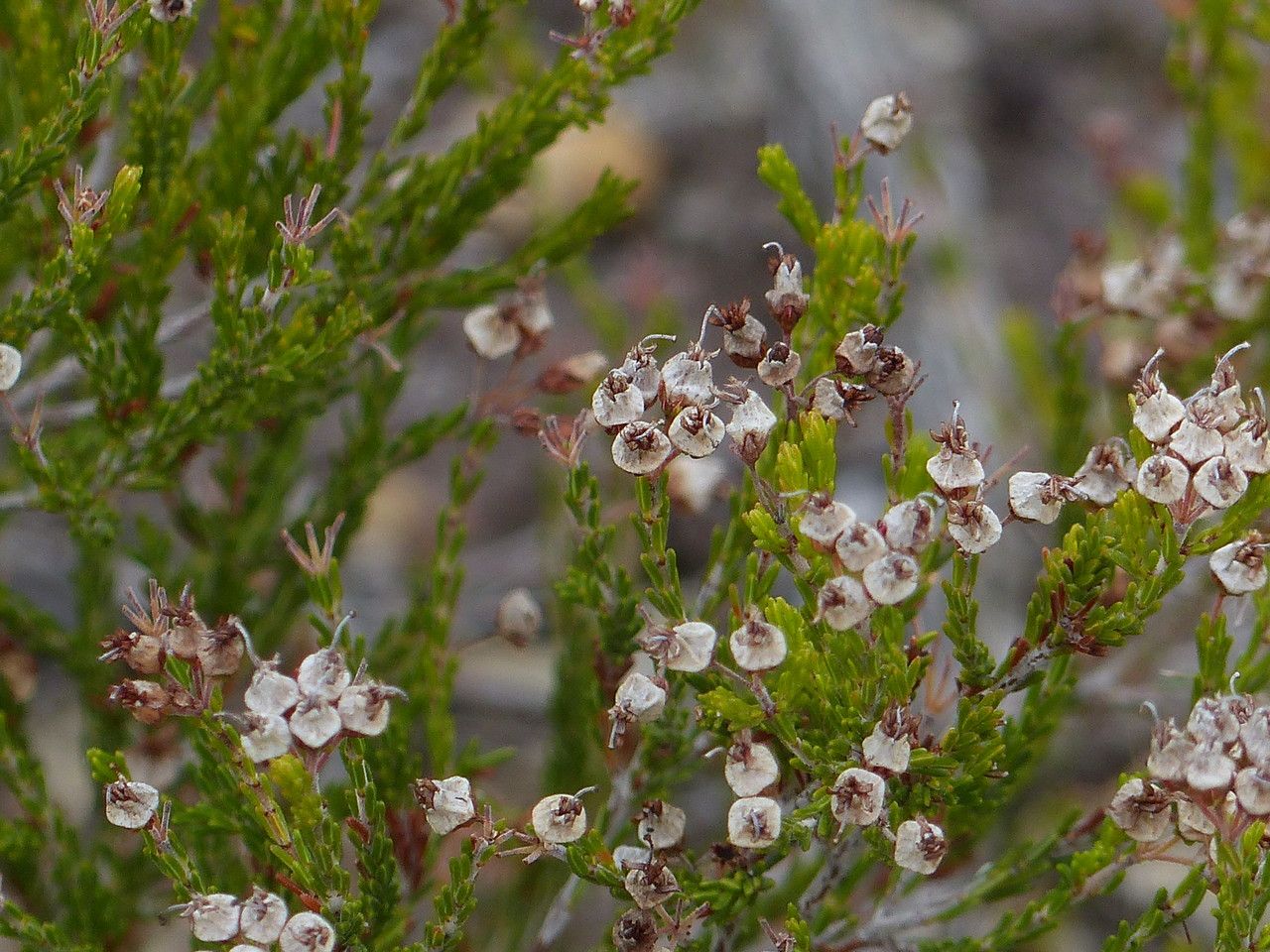
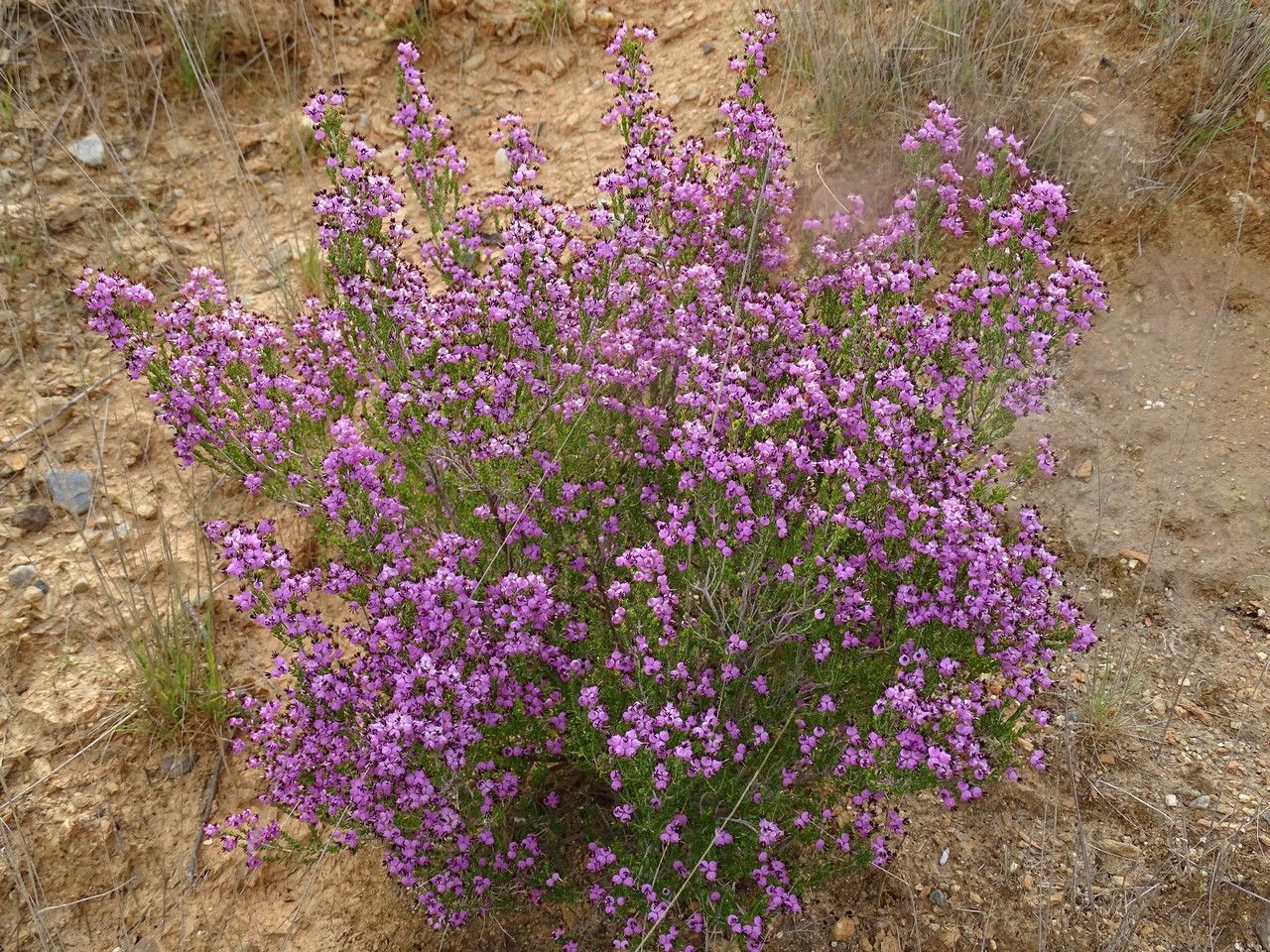
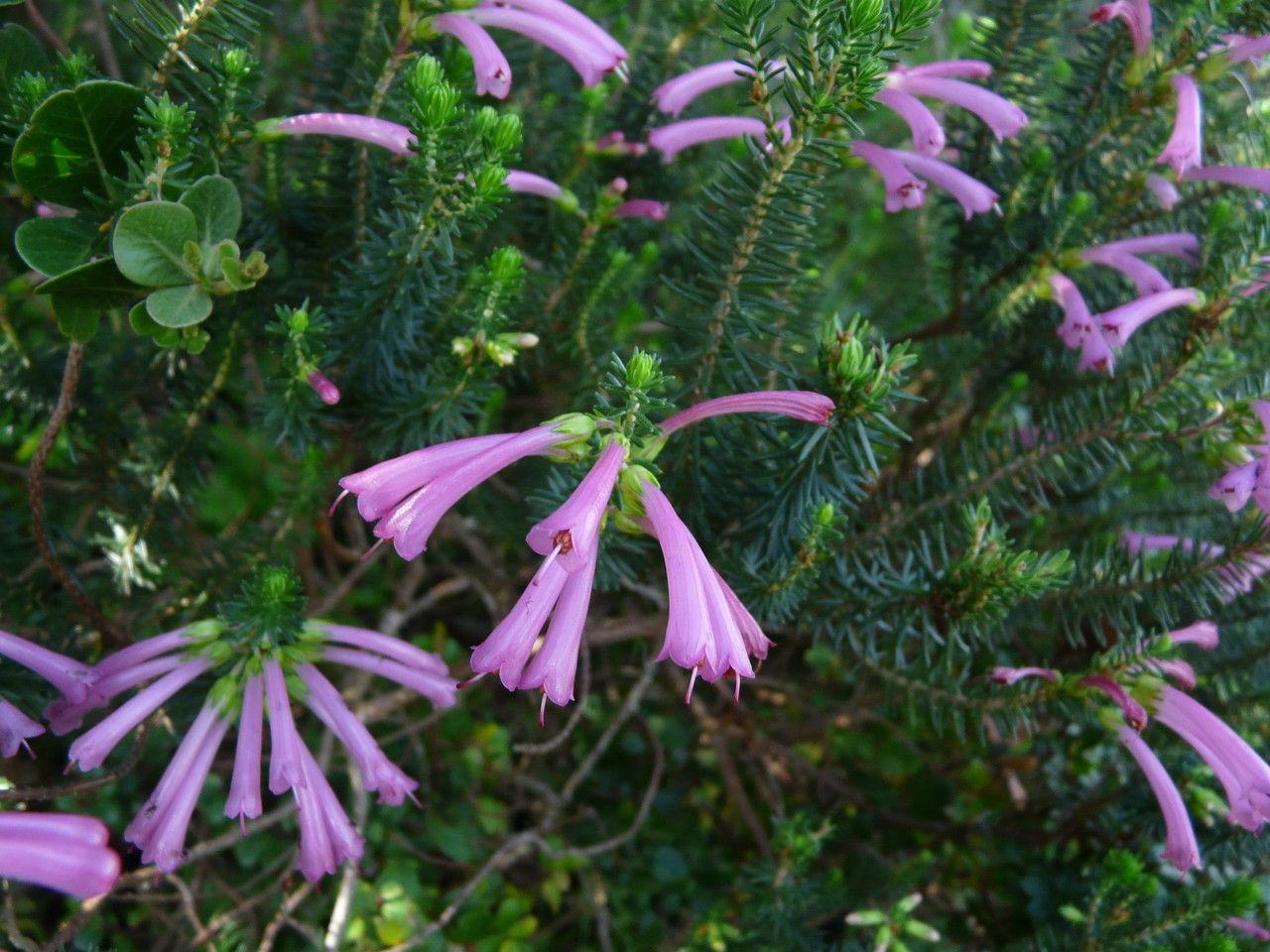
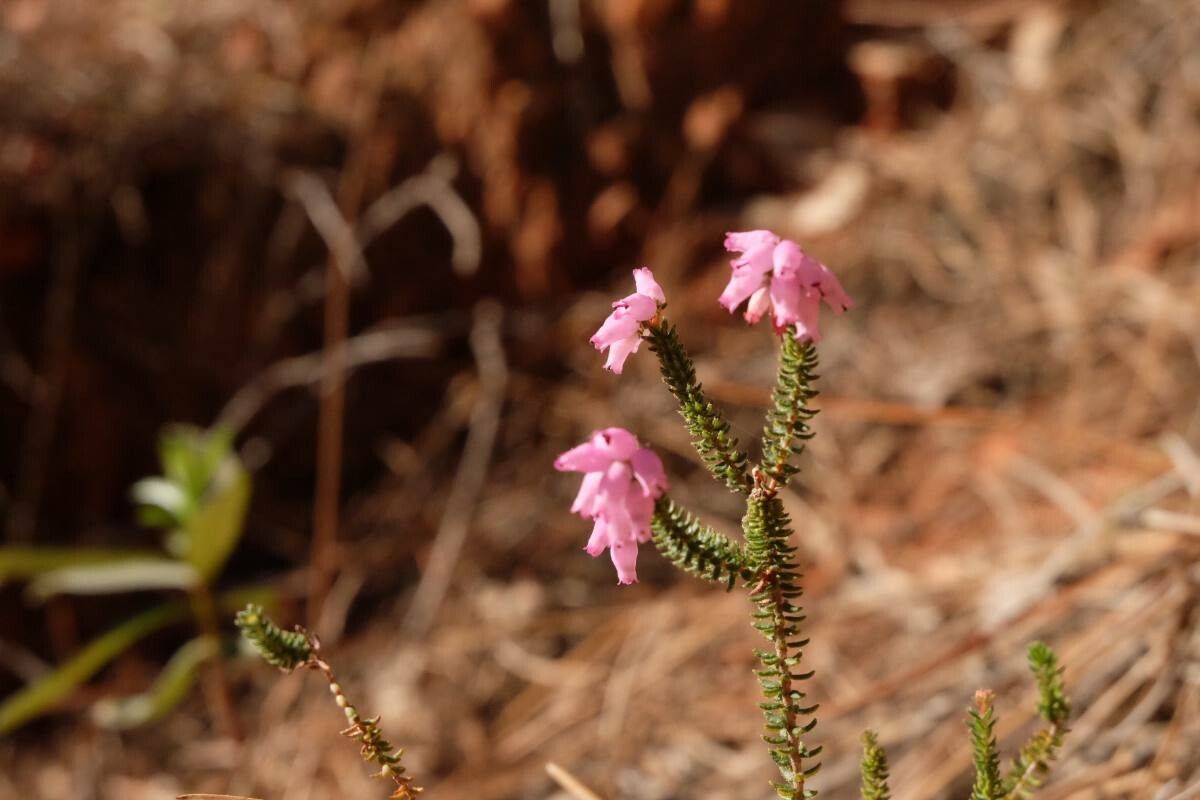
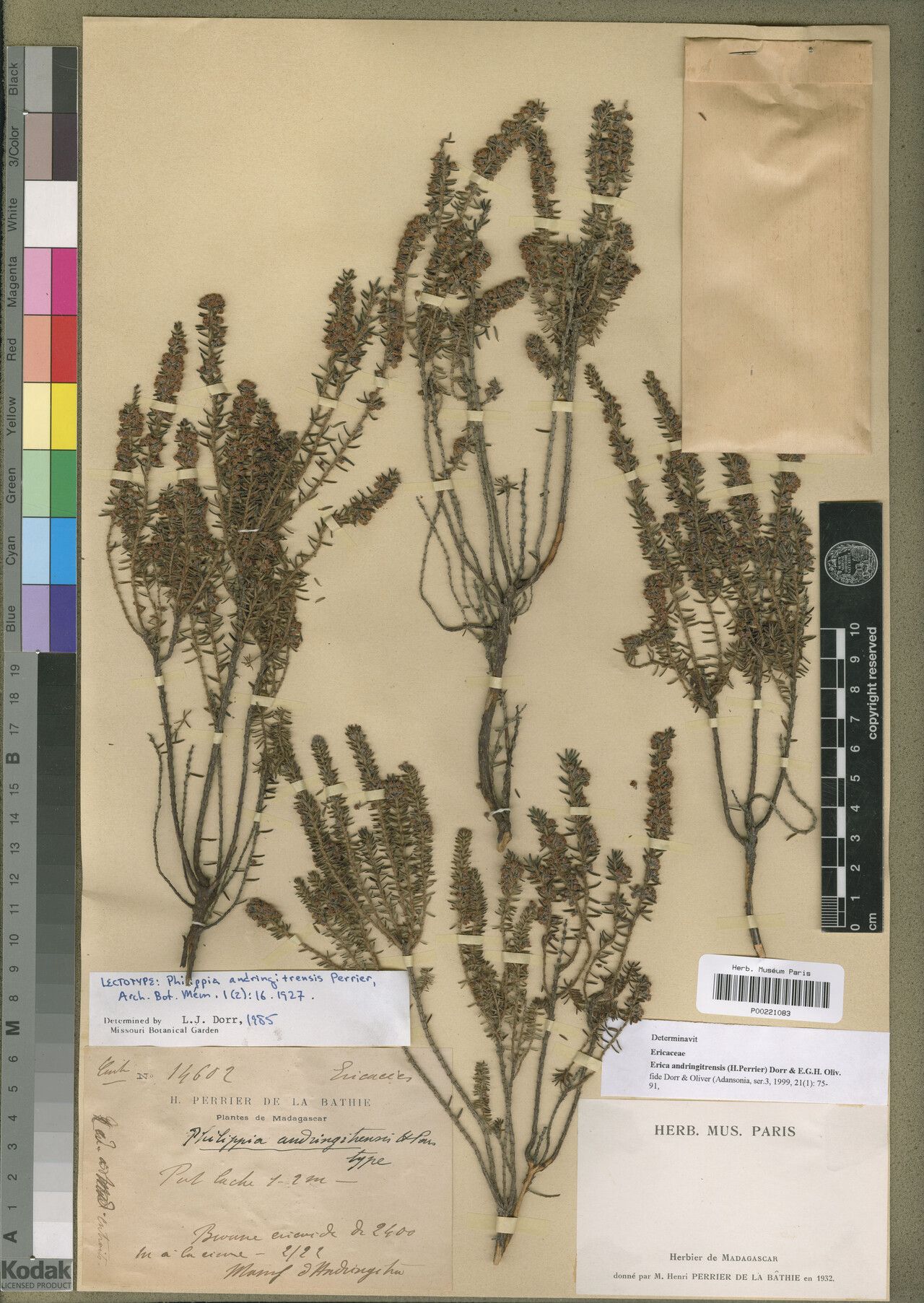
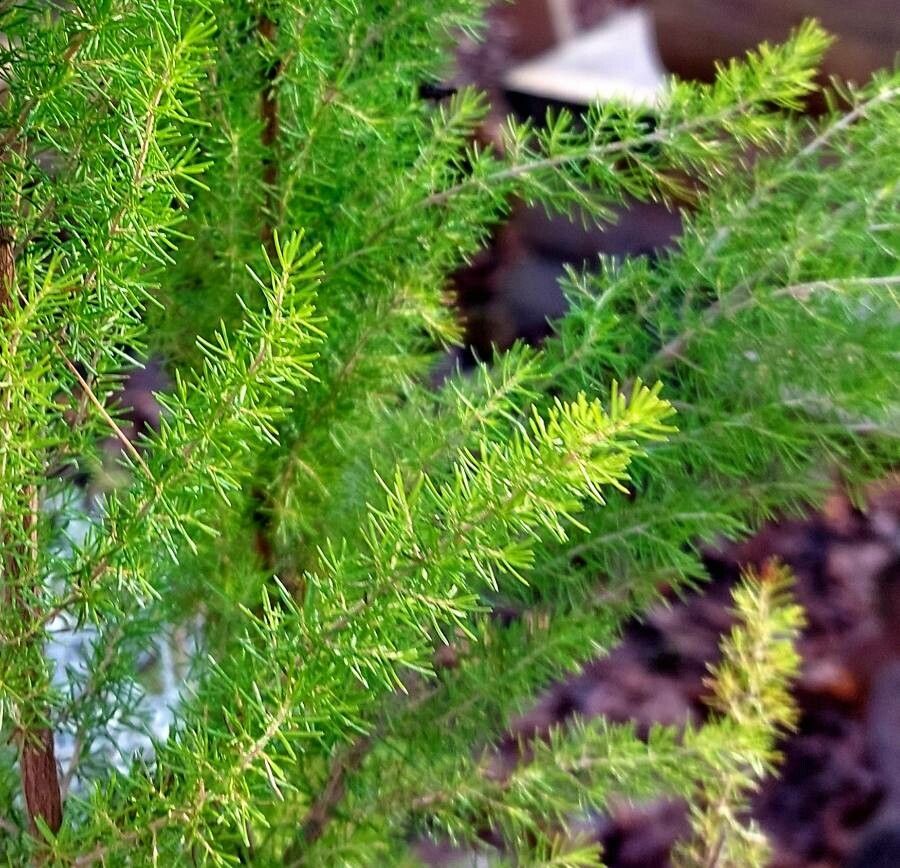
Erica umbellata, commonly known as heath or bell heather, is a small evergreen shrub belonging to the Ericaceae family. Native to Europe, it thrives in various habitats such as moors, heaths, and rocky areas. The plant typically grows up to 30 cm in height and features needle-like leaves arranged in whorls around the stem.
During the summer months, Erica umbellata produces clusters of bell-shaped flowers that range from pink to purple. These flowers are highly attractive to bees and other pollinators.
Erica umbellata prefers well-drained, acidic soils with full sun exposure but can also tolerate partial shade. It is a hardy plant that requires minimal maintenance once established.
Historically, the plant has been used for its anti-inflammatory properties in medicinal practices. Additionally, it serves as a food source for grazing animals such as sheep.
Overall, Erica umbellata is an attractive ornamental shrub with ecological significance. It plays a crucial role in supporting pollinators and providing food for grazing animals, while also offering medicinal benefits. This makes it an important species within its ecosystem.
Spanish heath is highly resistant to disease and typically not vulnerable to illnesses. As for care, this plant is fairly low-maintenance. Planted outdoors, it needs only occasional watering, and larger specimens usually do not require pruning. Smaller specimens should be pruned after they have finished blooming. Spanish heath is suitable for anyone with an outdoor area, such as a garden or deck, and does not demand a lot of gardening experience.
How to keep Erica Umbellata.
Light
Spanish heath comes from open habitats, such as sunlit meadows and the edges of forests, which supply plenty of light. It prefers Full Sun but can also tolerate Partial Sun, showing good adaptability to different light levels.
Water
Dwarf Spanish heath thrives in moisture-rich environments, requiring consistent hydration. This plant prefers evenly moist soil and needs to be watered weekly. It is best cultivated outdoors, where it can flourish in temperate gardens with predictable rainfall patterns that mimic its natural wet-dry cycles.
Humidity
This plant will thrive in moderate humidity, which is probably the level in your home. However, misting it a few times a week can be very beneficial. Make sure the room has good ventilation.
Temperature
Spanish heath displays considerable adaptability to different climate conditions, whether facing very hot summers or cold winters. Still, it has an optimal temperature range for growth. If temperatures become too high, the plant is susceptible to heat and humidity stress, which can lead to its death. In locations where temperatures near the lower limit of its cold tolerance, it's important to provide insulation to protect the plant.
Fertilizer
Proper timing is essential when fertilizing Spanish heath. Apply fertilizer in early spring and continue monthly until early summer. Fertilizer encourages beautiful blooms and supplies energy during both dormant periods and times of active growth.
Pruning
Dwarf Spanish heath benefits from pruning between early and late winter. By trimming back up to one-third of its growth and removing any dead branches, you can improve air circulation, prevent disease, and encourage vigorous spring growth. This approach helps the plant maintain a compact shape, resulting in a more attractive display.
Botanical profile.
- Plant Type
- Shrub
- Life Cycle
- Perennial
- Genus
- Erica
- Family
- Ericaceae
- Hardiness Zone
- 7-10
- Mature Height
- 2.44 m
- Mature Spread
- 91 cm
- Leaf Color
- Green
- Leaf Type
- Semi-evergreen
- Flower Color
- Pink
- Flower Size
- 0.51 cm to 0.51 cm
- Bloom Time
- Late winter, Early spring, Mid spring
- Planting Time
- Spring, Summer
- Harvest Time
- Late spring, Early summer, Mid summer
- Native Area
- Morocco, Portugal
Other names.
Reader questions.
What are the sunlight requirements for Dwarf Spanish Heath (Erica umbellata)?
Dwarf Spanish Heath (Erica umbellata) thrives in areas that receive different amounts of sunlight throughout the day. For optimal growth, it requires full sun, which is defined as more than 6 hours of sunlight daily. However, it can also grow in partial sun, which means it gets about 3 to 6 hours of sunlight each day. It's important to observe your garden to find spots that offer the right balance of light and shade. This observation ensures that your Dwarf Spanish Heath plants get the ideal conditions they need, fostering their health and happiness.
What is the botanical name of Dwarf Spanish Heath?
The botanical name of Dwarf Spanish Heath is Erica umbellata. It is a plant species renowned for its distinctive appearance and characteristics, although specific details about its essentials, content, symptoms, or additional aspects are not provided within the data.