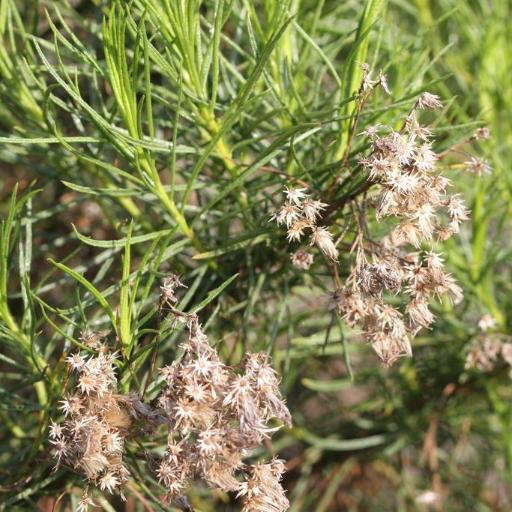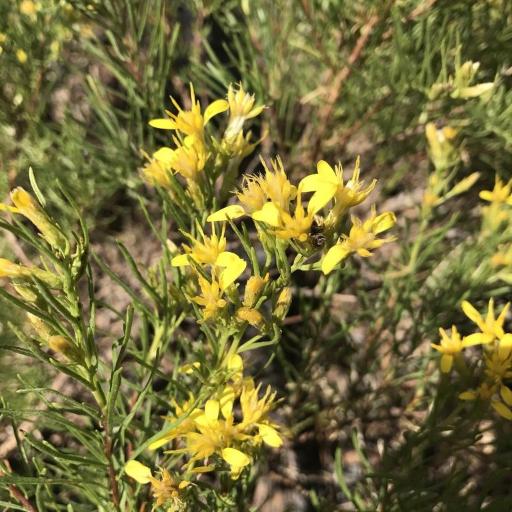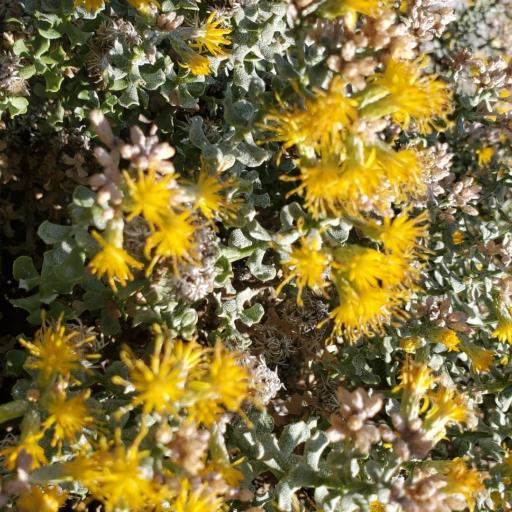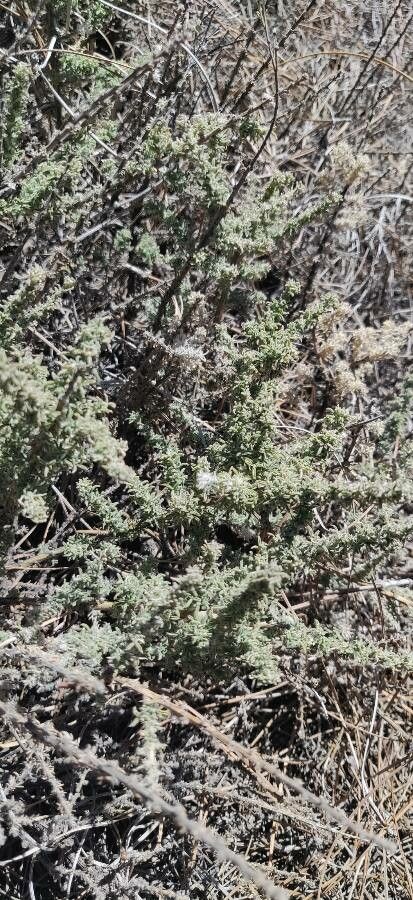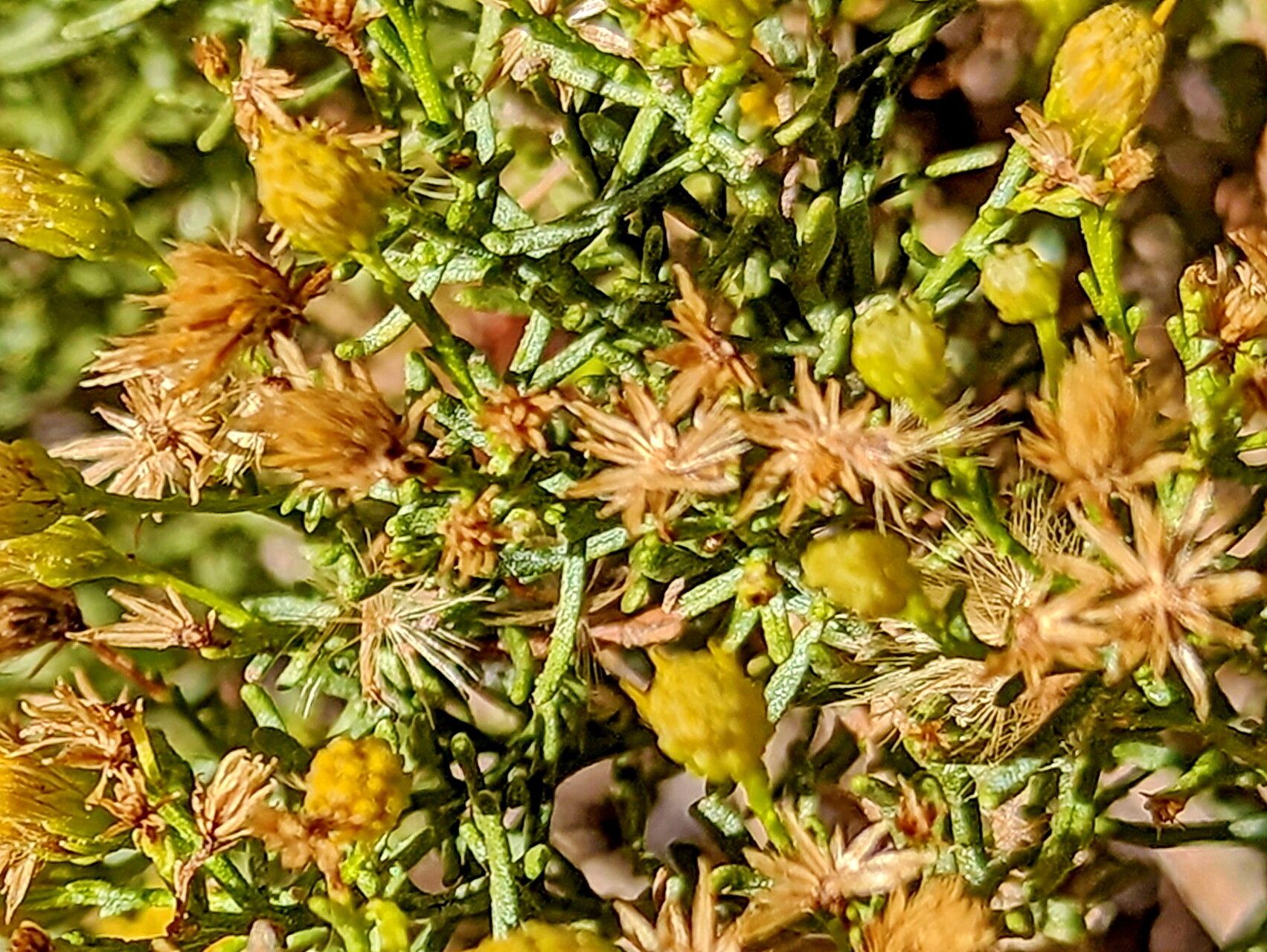
Ericameria laricifolia is a North American species of flowering shrub in the family Asteraceae known by the common name turpentine bush, or turpentine-brush. It is native to the southwestern United States and northern Mexico (Chihuahua).
Turpentine Bush resists disease well and is typically not susceptible to illnesses. Regarding care, this plant is fairly low-maintenance. Planted outdoors, it needs only light watering, and larger specimens usually do not require pruning; however, smaller plants should be trimmed after they finish blooming. Turpentine Bush is appropriate for anyone who has outdoor space, like a garden or a deck, and does not demand much gardening experience.
How to keep Ericameria Laricifolia.
Light
The Turpentine Bush flourishes in an environment predominantly exposed to sunlight, but can also handle situations where the sun's rays are somewhat hindered. Thanks to its adaptation to its original habitat, abundant sunlight enhances its healthy development, whereas a lack of it might result in less than optimal growth. Its robust nature enables it to handle varying light conditions throughout its growth phases.
Temperature
In its native temperate habitats, Turpentine Bush grows best at temperatures of 59 to 95 °F (15 to 35 °C). When grown in cultivation, seasonal adjustments may be needed to reproduce these conditions.
Fertilizer
It is essential to fertilize Turpentine Bush at the right time. Start fertilization in the early spring and continue on a monthly basis until the beginning of the summer. Fertilizing aids in the production of beautiful flowers and supplies energy during both dormant and active periods of growth.
Botanical profile.
- Plant Type
- Shrub
- Life Cycle
- Perennial
- Genus
- Ericameria
- Family
- Asteraceae
- Hardiness Zone
- 7-10
- Mature Height
- 49 cm to 91 cm
- Mature Spread
- 91 cm
- Leaf Color
- Dark Green
- Leaf Type
- Evergreen
- Flower Color
- Yellow
- Flower Size
- 0.76 cm
- Bloom Time
- Late summer, Early fall, Mid fall
- Planting Time
- Spring, Autumn
- Harvest Time
- Mid fall, Late fall, Early winter
- Native Area
- Mexico