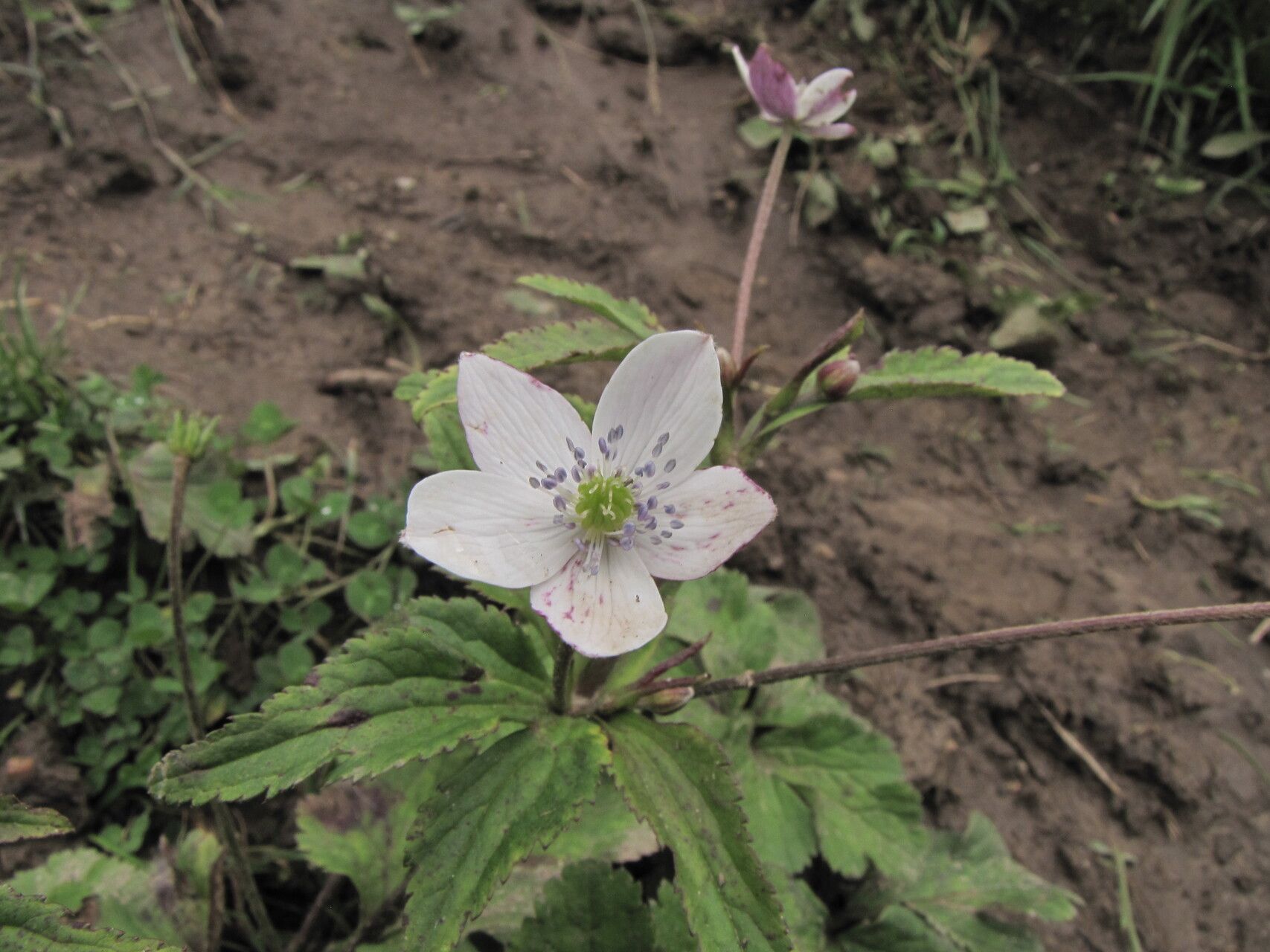
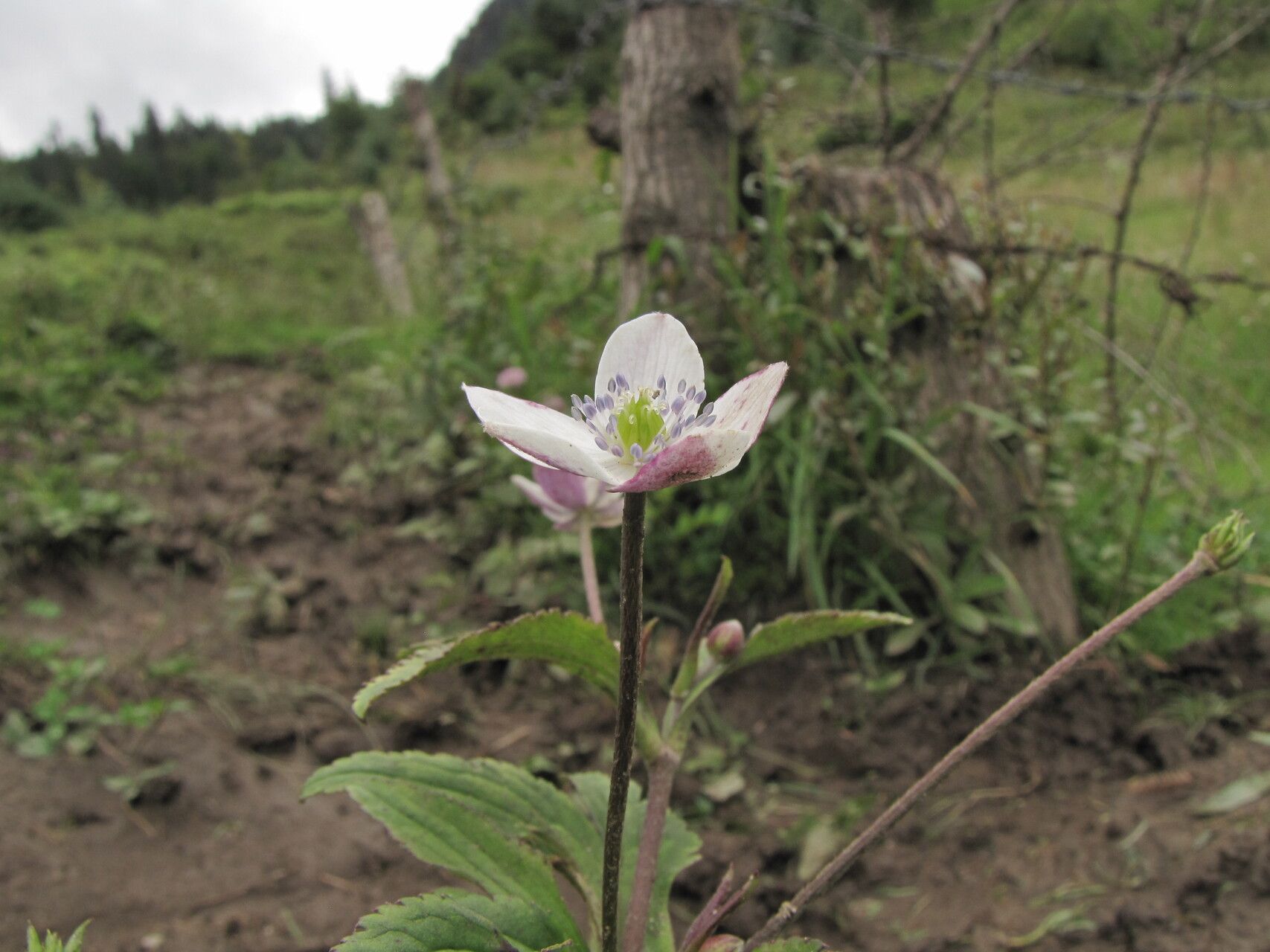
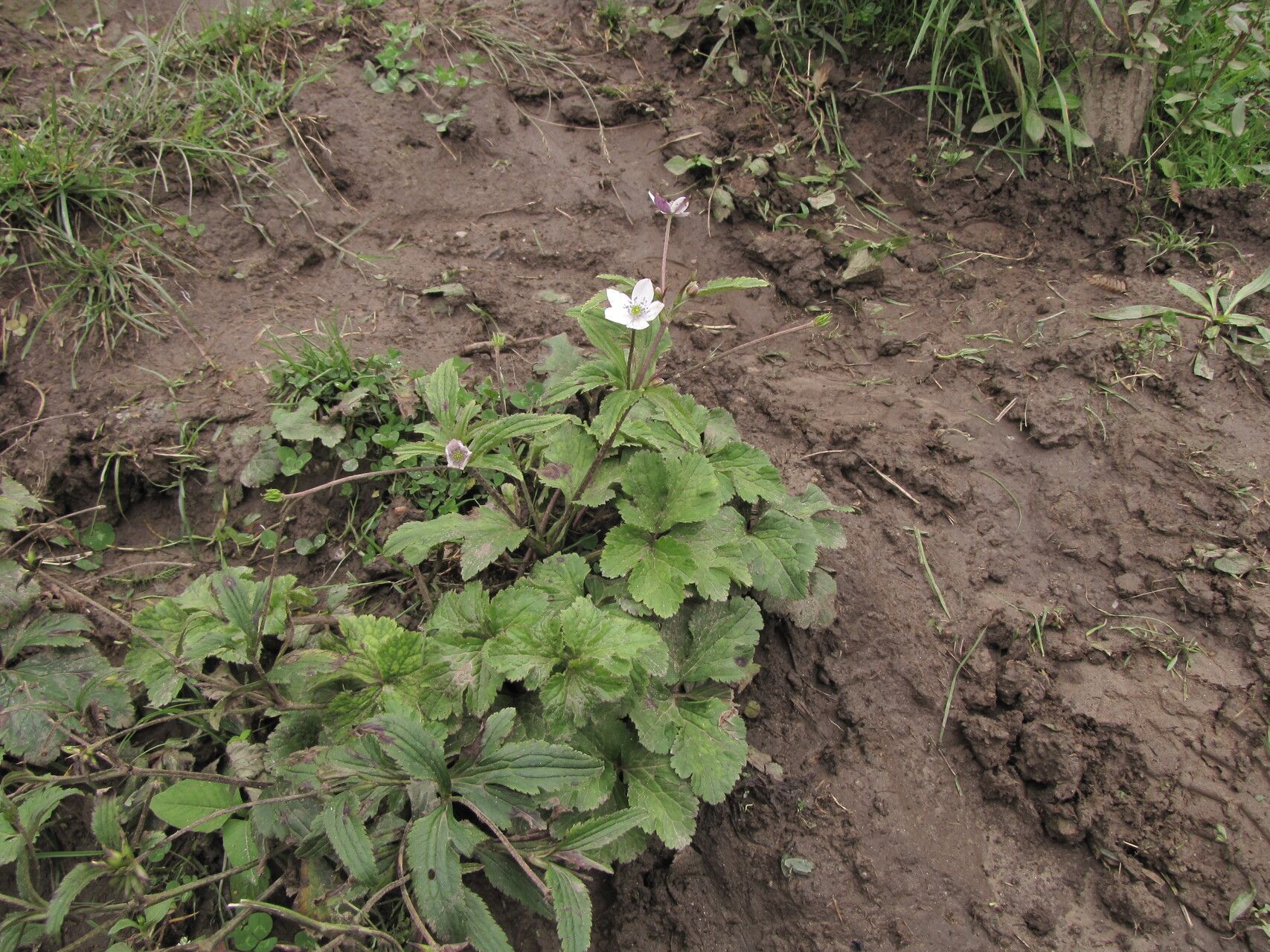
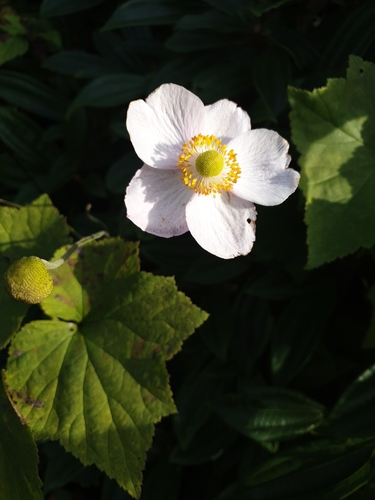
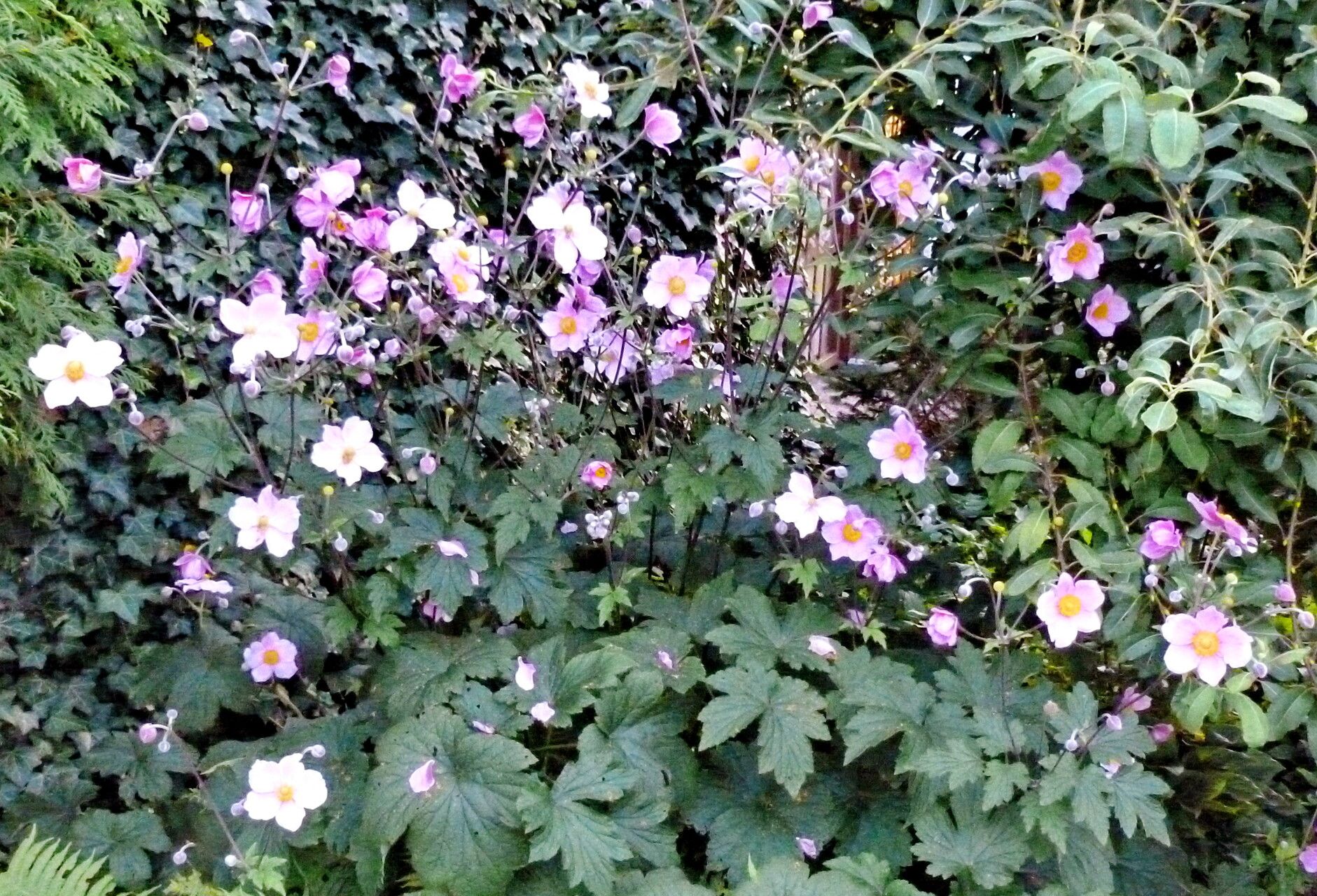
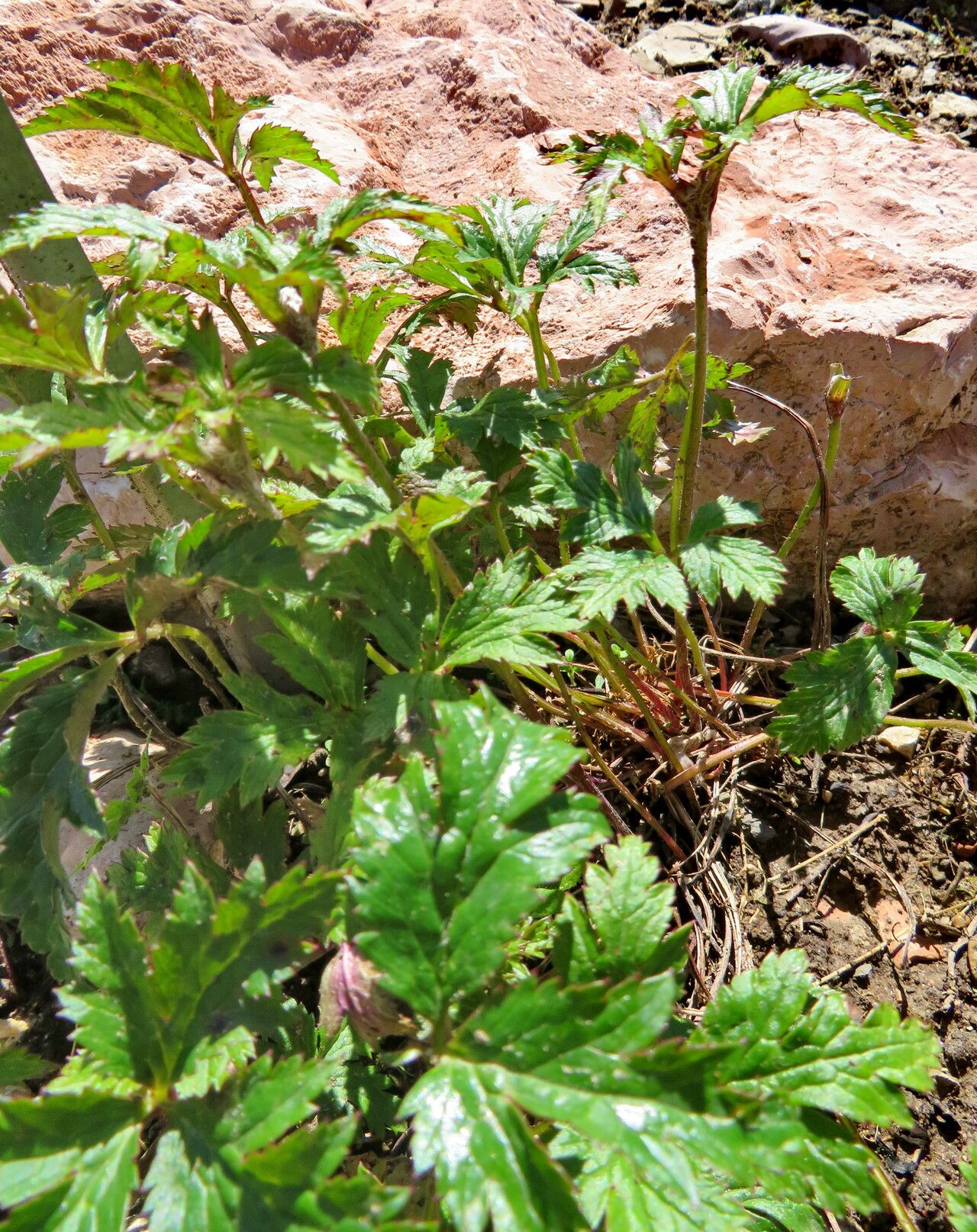
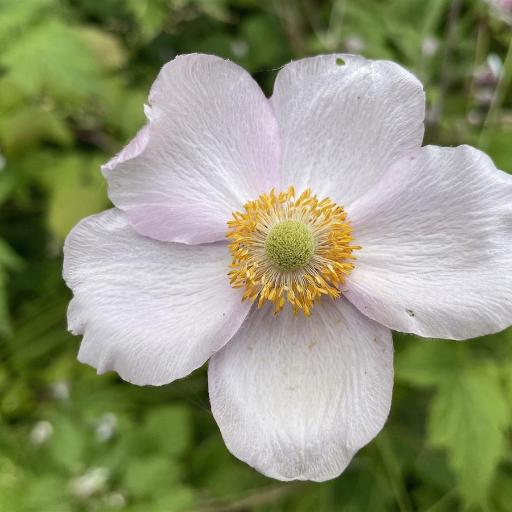
Eriocapitella rivularis, a species of flowering plant in the buttercup family Ranunculaceae, is native to Asia. The specific epithet rivularis means "waterside, of the rivers", which evidently refers to one of its preferred habitats. It is commonly called the riverside windflower. In Chinese, it is called cǎoyùméi (草玉梅), literally "grass jade plum".
Himalayan windflower has good resistance to disease and is generally not prone to illnesses. However, it can be vulnerable to pests and diseases present in its environment. These infections are typically not serious. In terms of care, this plant requires a moderate level of maintenance. It should be pruned regularly to maintain a pleasing appearance and healthy growth. Fertilizing can also help encourage flowering. Himalayan windflower is appropriate for anyone with an outdoor area, such as a garden or patio, and does not need extensive care experience. It may need more attention when grown indoors.
How to keep Eriocapitella Rivularis.
Light
The Himalayan windflower thrives best in locations where there is plenty of sunlight for its optimal growth. It can also survive in places where the sunlight is somewhat filtered. Too much or too little sunlight can hinder its proper growth. It has evolved to adapt to both full sun and partial shade conditions, as it comes from habitats with significant sunlight.
Temperature
The Himalayan windflower can adjust to diverse temperature environments, although its spread could still be impacted by various mixtures of water and thermal conditions. It flourishes optimally in tropical climates in the summer with sufficient rainfall or irrigation. Extended instances of overcast and wet weather, coupled with prolonged elevated temperatures, can heighten the probability of this plant dying. In the colder months, taking proper precautions against the cold can enhance this plant's chance of survival.
Fertilizer
The best period to feed a Himalayan windflower is at the onset of spring, as it comes out of dormancy and proceeds into active growth. Fertilizing offers crucial nutrients for its vigorous growth. Even though the Himalayan windflower doesn't require much fertilization, giving it an annual feed can boost its longevity and support the development of superior and more durable blossoms.
Botanical profile.
- Plant Type
- Herb
- Life Cycle
- Perennial
- Hardiness Zone
- 4-8
- Mature Height
- 61 cm
- Mature Spread
- 40 cm
- Leaf Color
- Green, Dark Green
- Leaf Type
- Evergreen
- Flower Color
- White
- Flower Size
- 2.03 cm to 3.05 cm
- Bloom Time
- Mid spring, Late spring, Early summer
- Planting Time
- Spring, Summer, Autumn
- Harvest Time
- Summer
- Native Area
- Nepal, Sri Lanka, India, Vietnam, Myanmar, Bhutan, Pakistan, Laos, China