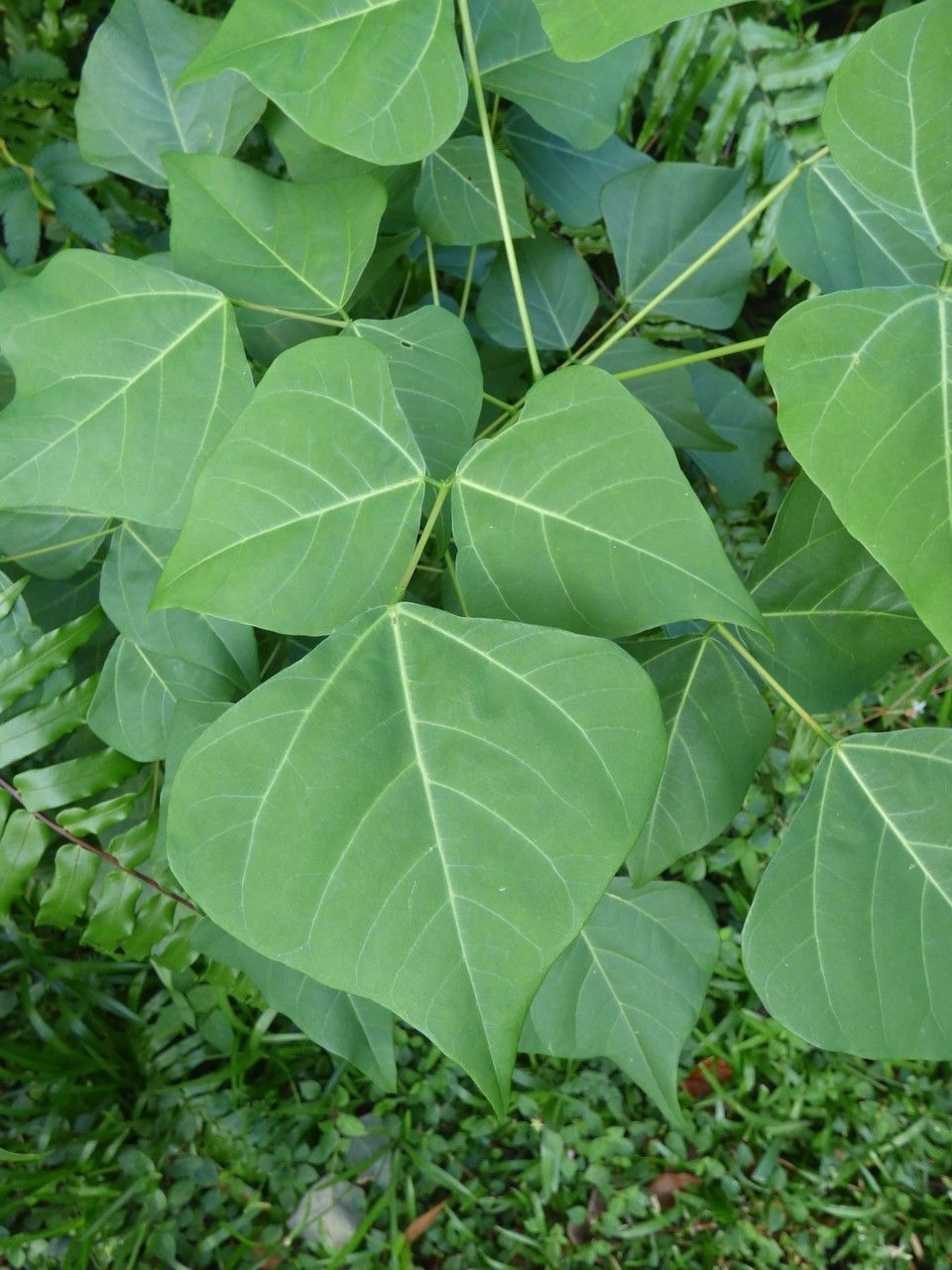
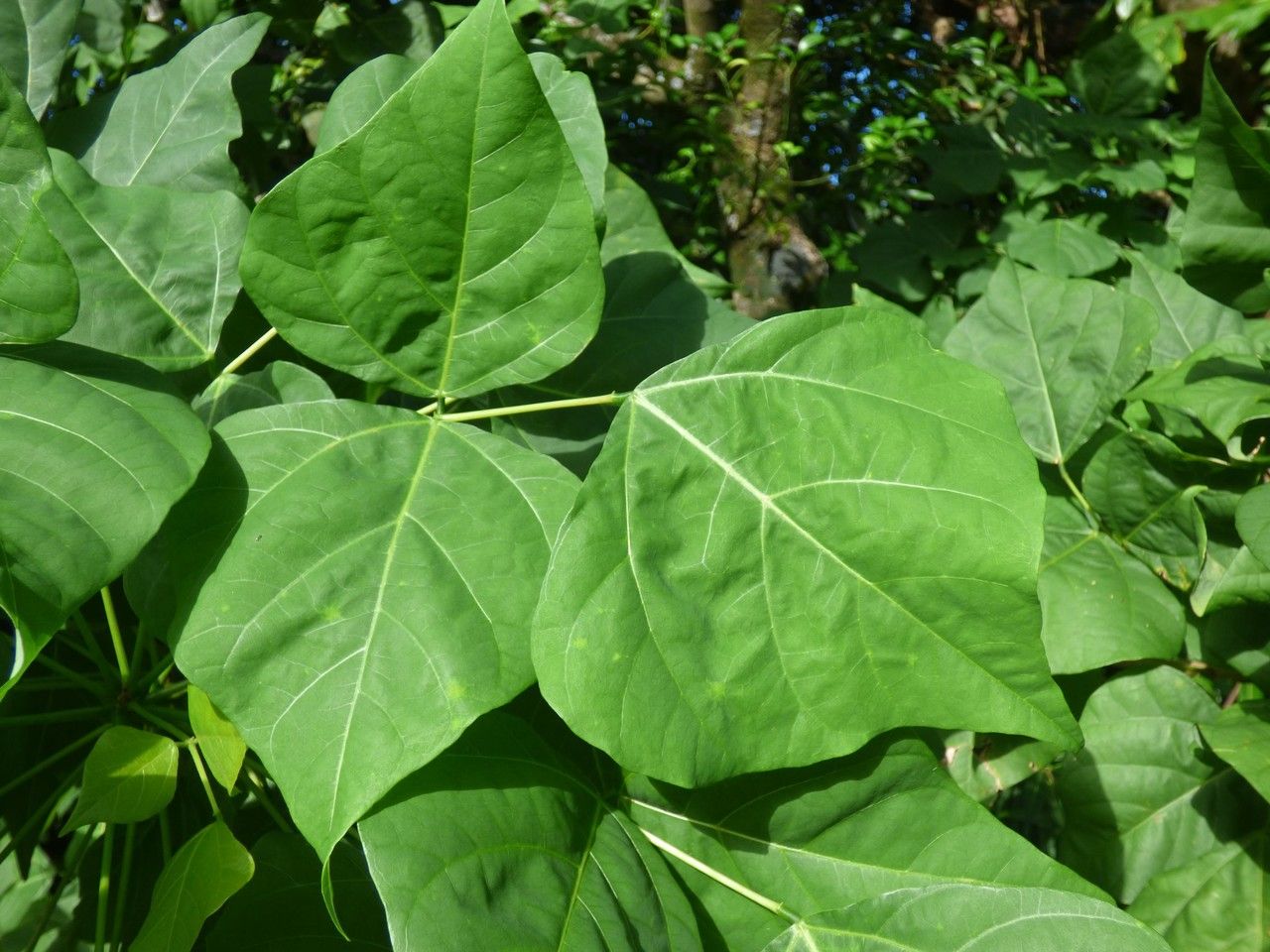
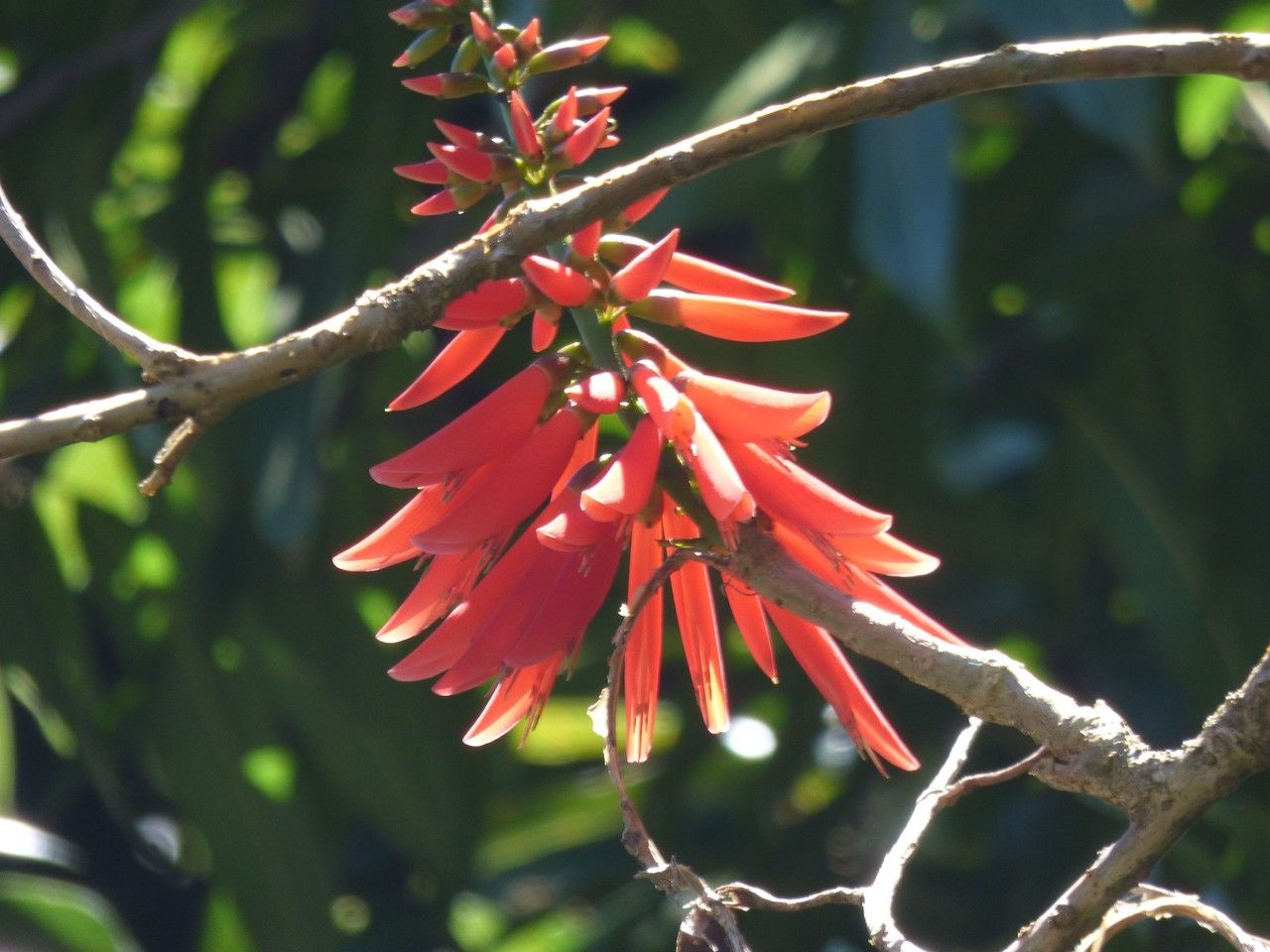
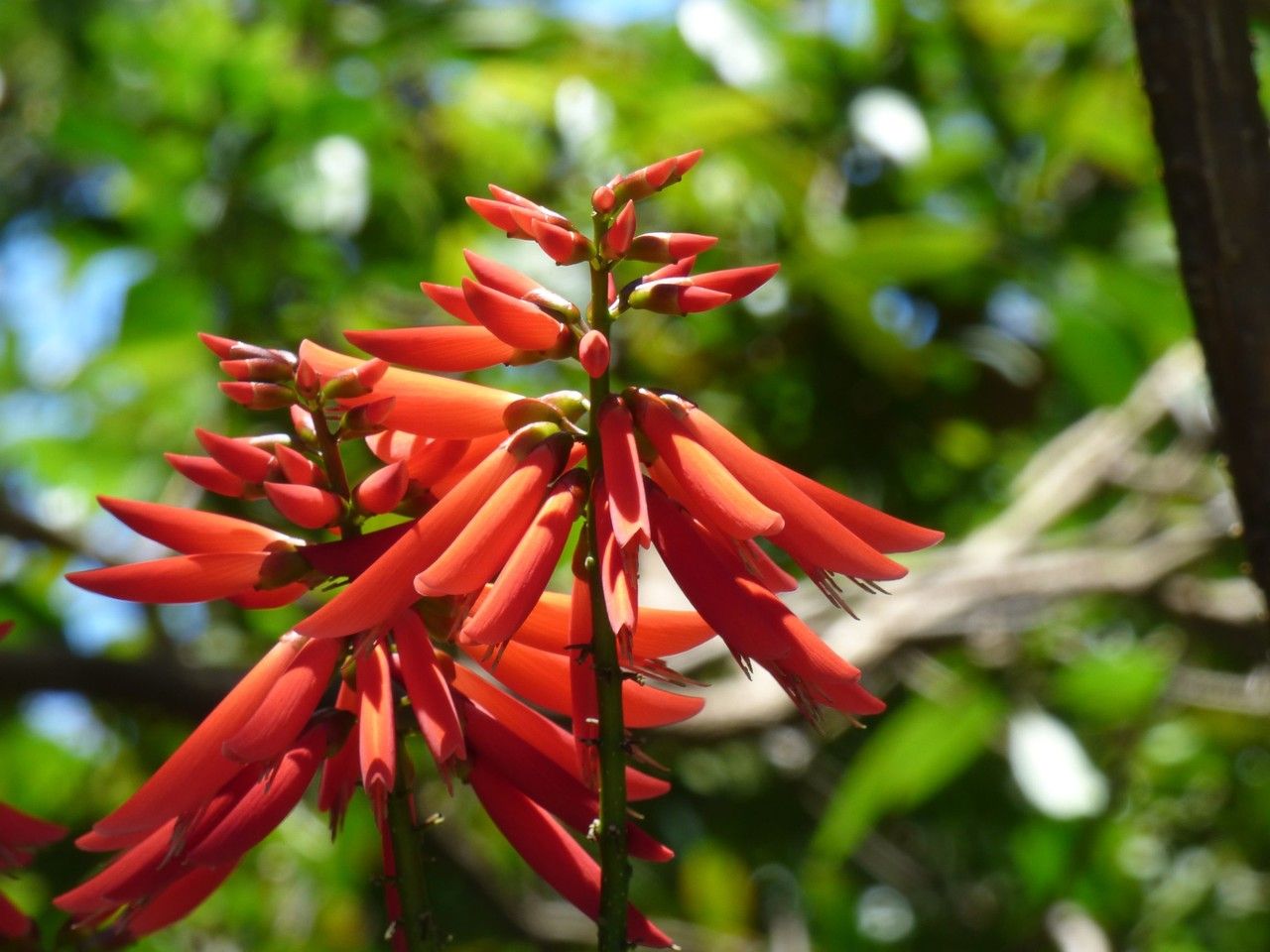
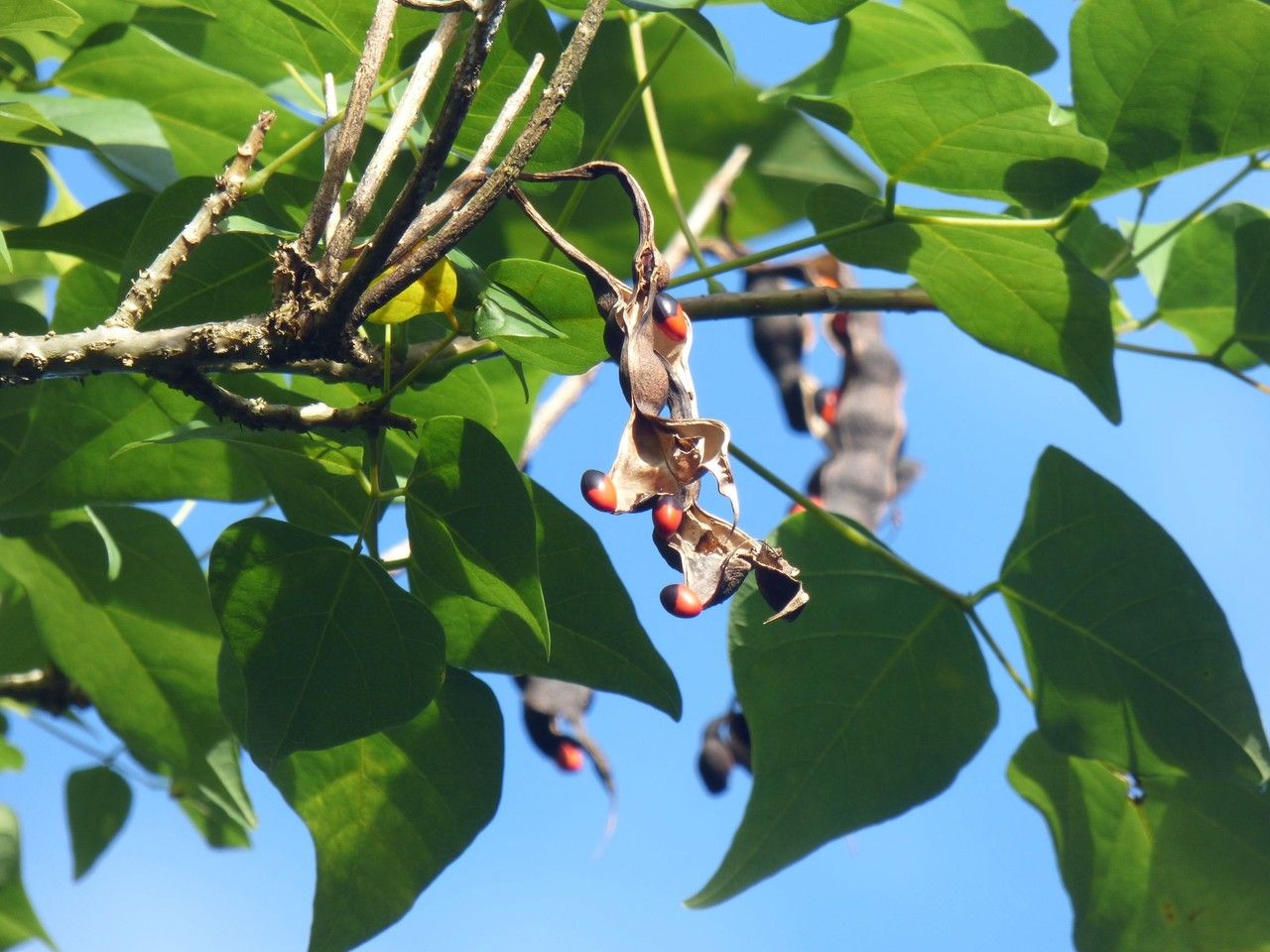
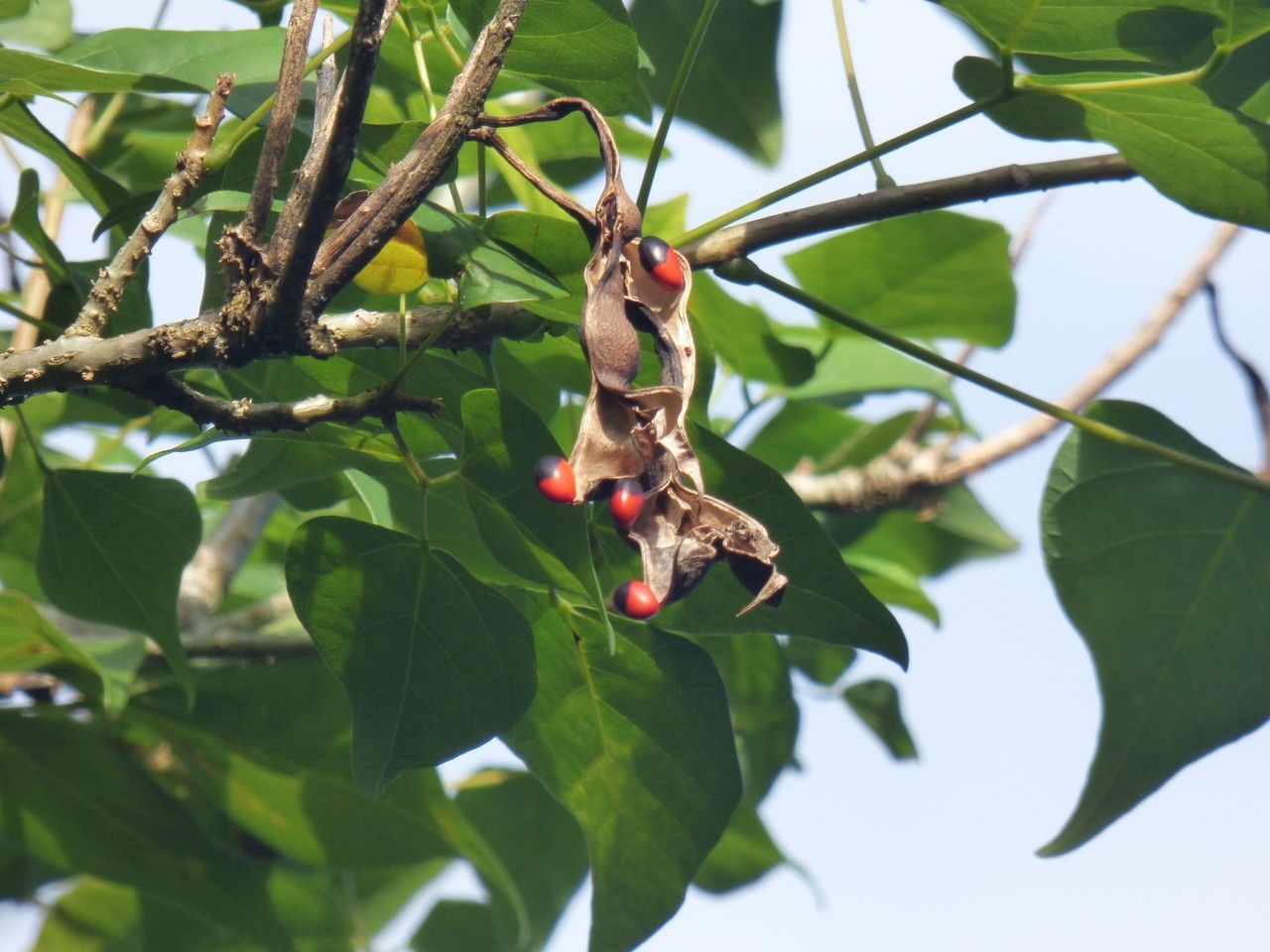
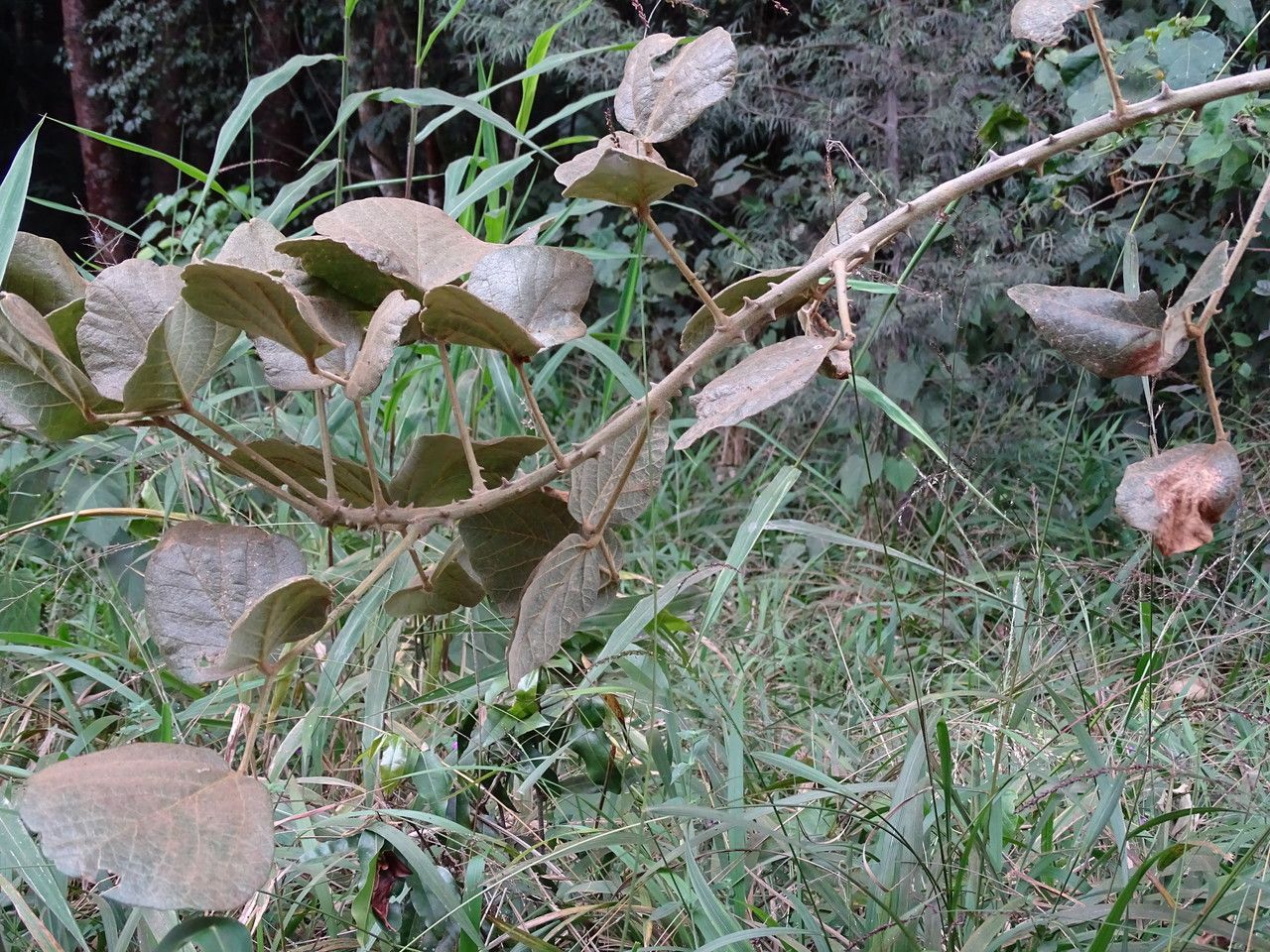
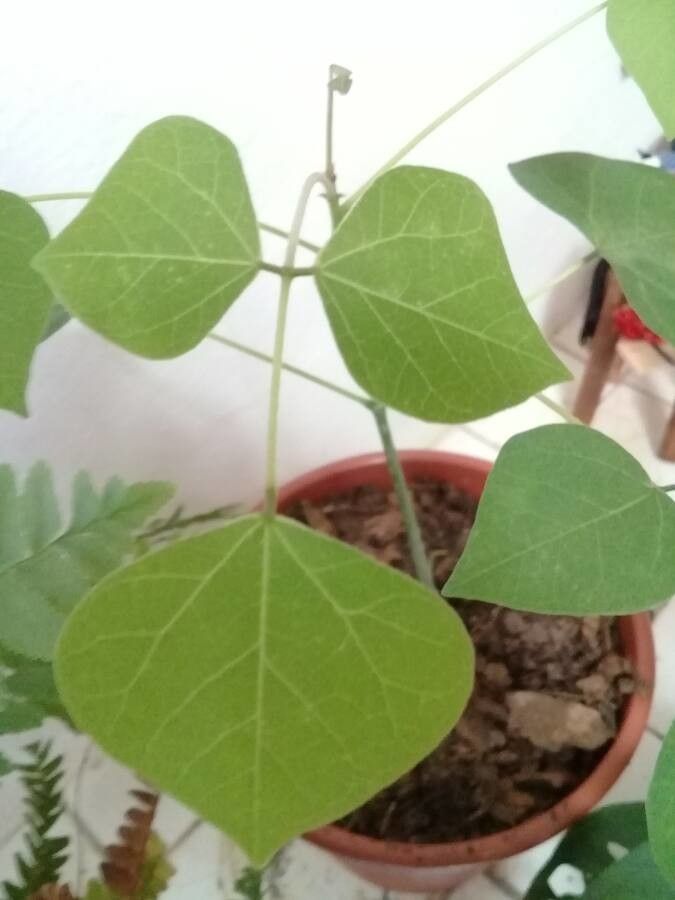
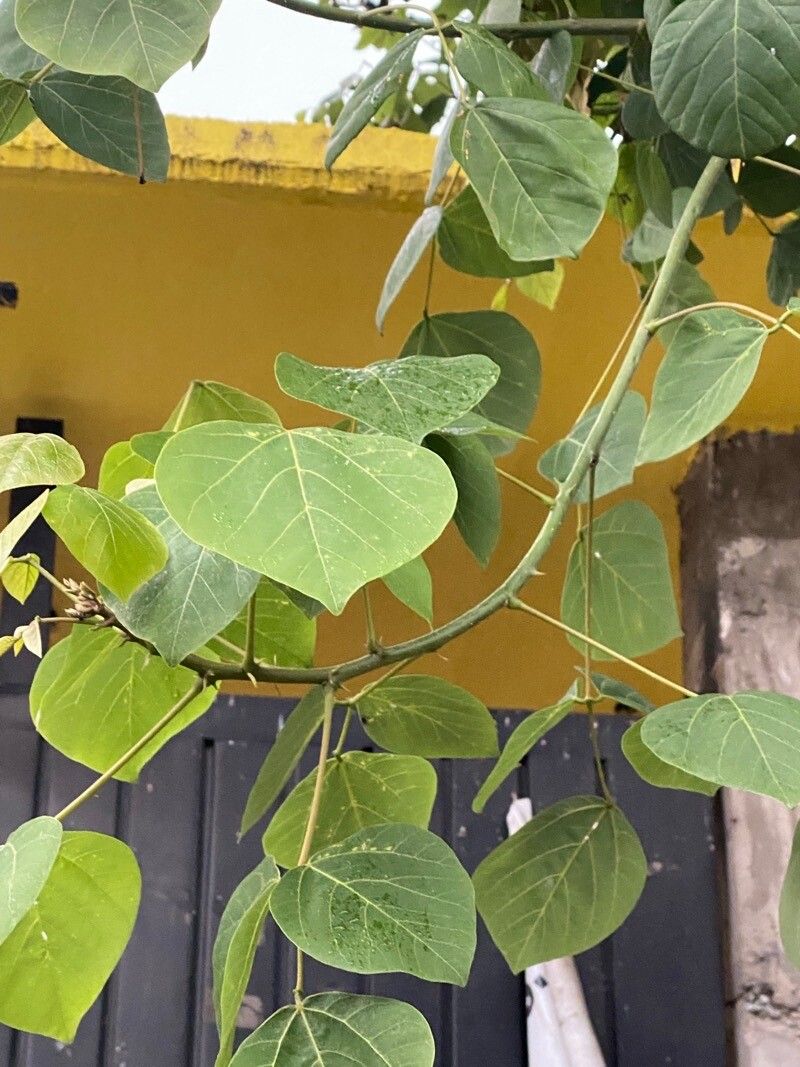
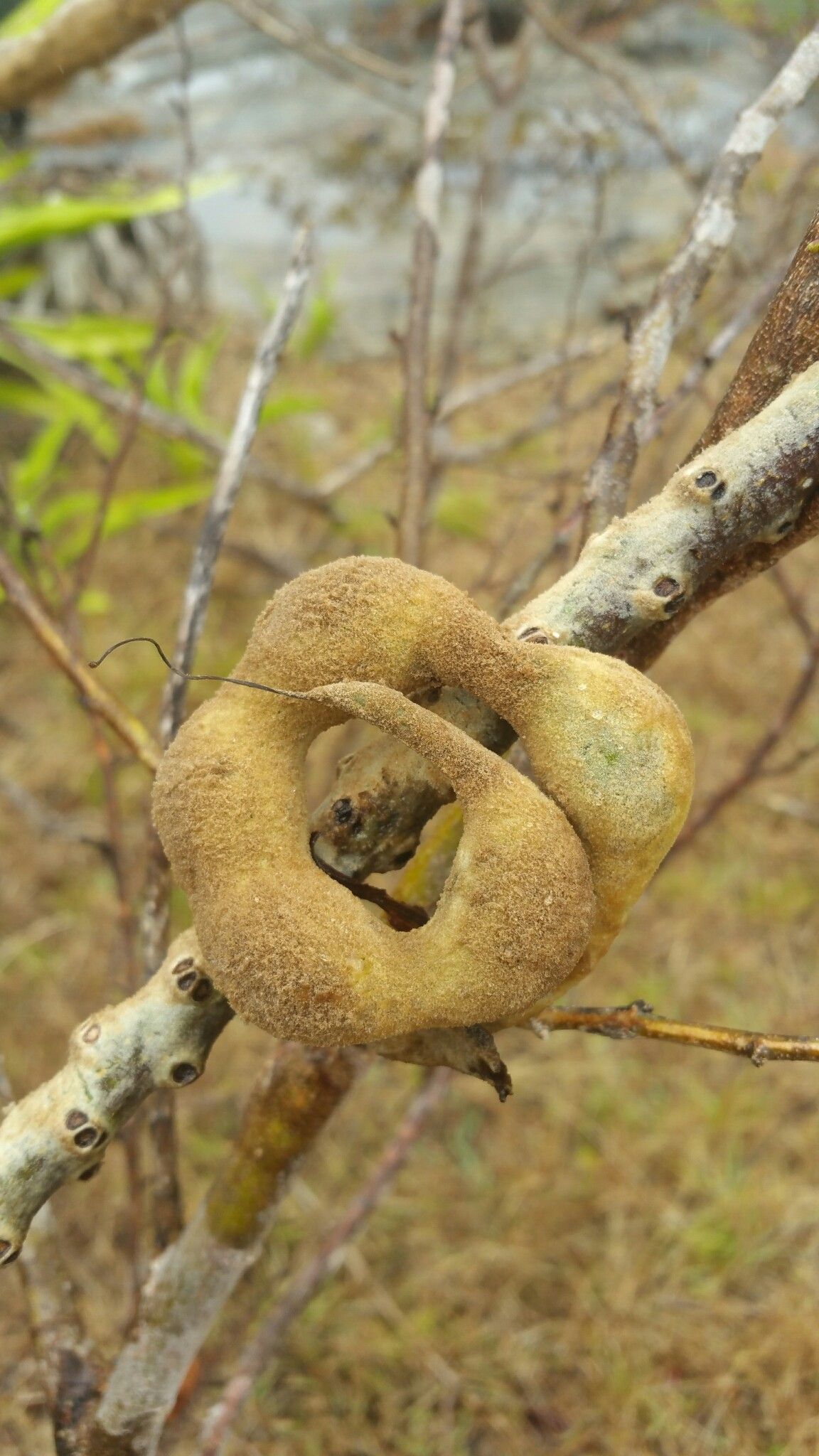
Shrove tuesday has strong resistance to disease and is generally not susceptible to illnesses. In terms of care, this plant is fairly low-maintenance. When grown outdoors it requires minimal watering, and larger plants generally do not need pruning. However, smaller plants should be pruned after they have bloomed. Shrove tuesdayt is suitable for anyone with an outdoor space, such as a garden or deck, and does not require a great deal of care experience.
How to keep Erythrina Corallodendrum.
Light
Shrove tuesday performs best when it receives abundant sunlight every day. While it can tolerate lower light levels, extended periods without sufficient sun can hinder its growth and harm its overall health. Its native habitats are characterized by many sunny days, which clearly suggest a sun-loving habit. Both too little and too much light can influence its vigor and appearance.
Temperature
Shrove tuesday is native to settings where temperatures range from 41 to 89.6 °F (5 to 32 ℃). It favors areas with a temperate climate. Suggestions for seasonal adjustments will depend on the particular temperature changes in each region.
Fertilizer
Timing is essential for fertilizing Shrove tuesday. Apply fertilizer in early spring and continue every month until early summer. The fertilizer promotes attractive blooms and supplies energy during both dormant and active growth phases.
Botanical profile.
- Plant Type
- Tree, Shrub
- Life Cycle
- Perennial
- Genus
- Erythrina
- Family
- Fabaceae
- Hardiness Zone
- 4-8
- Mature Height
- 3.05 m to 4.88 m
- Mature Spread
- 1.83 m to 3.05 m
- Leaf Color
- Green, Dark Green
- Leaf Type
- Deciduous
- Flower Color
- Red
- Flower Size
- 2.54 cm to 5.08 cm
- Bloom Time
- All year round
- Planting Time
- Spring, Summer, Autumn
- Harvest Time
- All year round
- Native Area
- Jamaica
Other names.